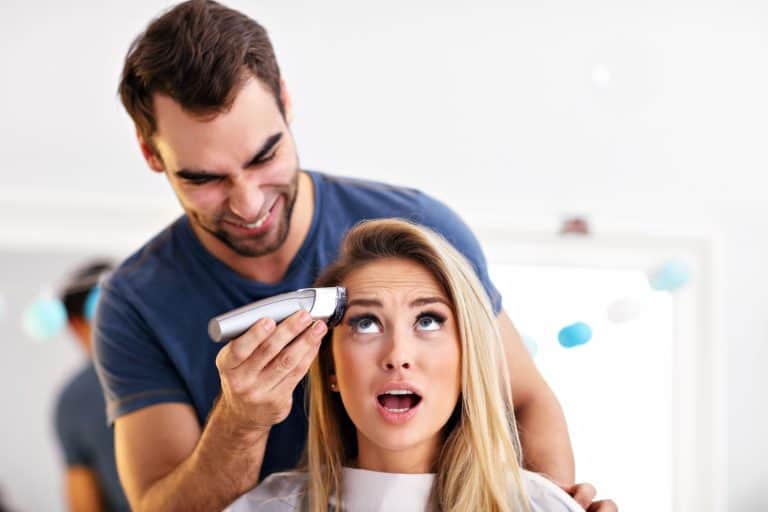

America’s standards of beauty haven’t always been conventional. Social trends turned the public toward bizarre and sometimes dangerous practices. Modern tastes make some past beauties look a little odd. Let’s check 10 not-so-average ideas about beauty that have changed America.
Featured Image Credit: Shutterstock.
The Circassian beauty craze

In the 19th century, “Circassian beauties” became a sideshow attraction presented by P.T. Barnum. Women’s hair was teased to form large ringlets, then piled up as tall as possible. Despite the performers actually being from America, audiences thought they were from distant lands. The curiosity became a public spectacle and for a time the hairstyle was a national fad.
High foreheads for women
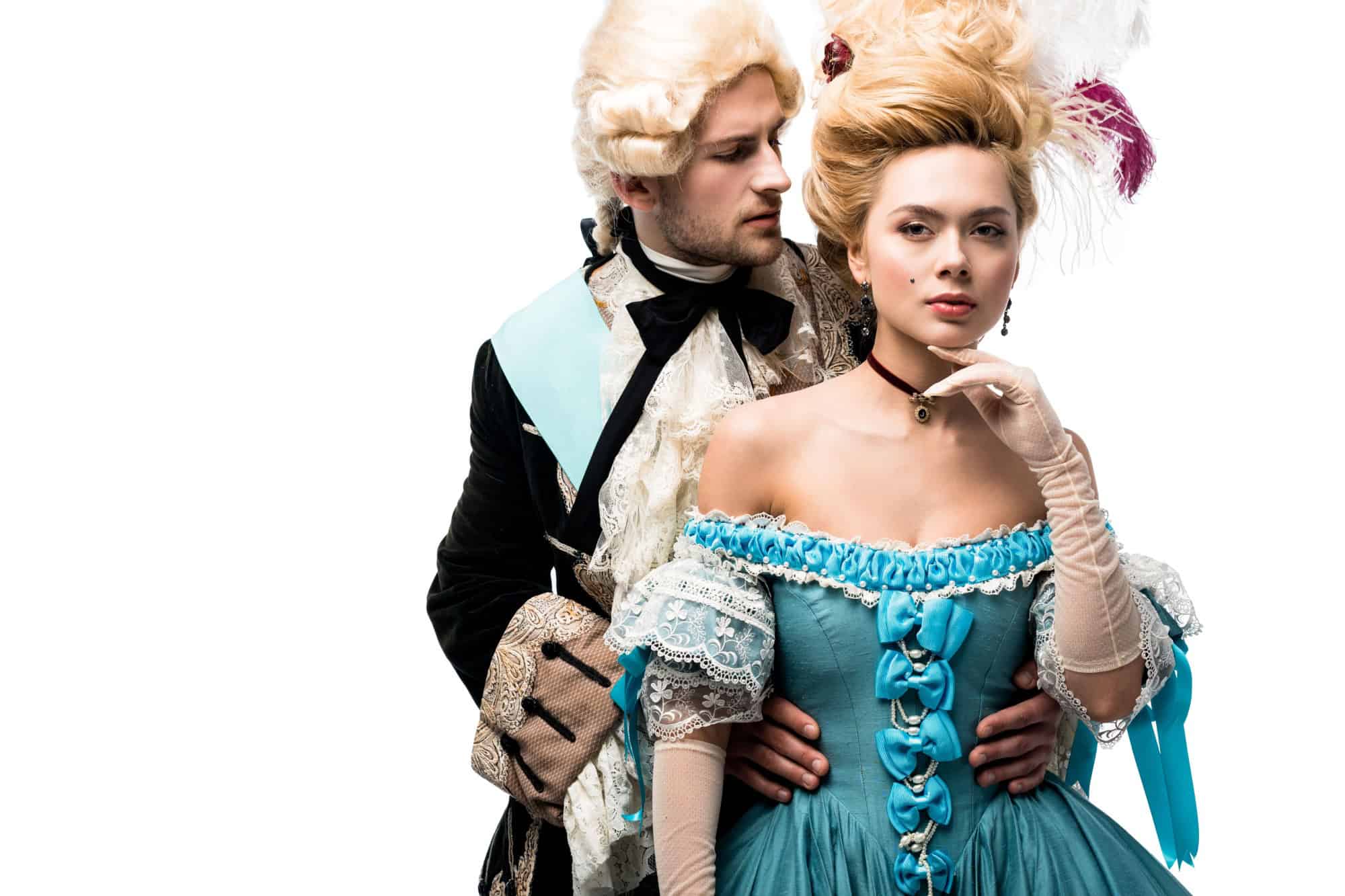
Plucking or shaving the hairline to create a high forehead was a fashion inherited from the beauty fashions of Europe during the Renaissance and the Middle Ages. Colonial American women of wealth and status wanted to emulate European fashions and followed European fashions which idealized high foreheads as intelligent and noble. These included wearing wigs or high puffy hairstyles that left a larger forehead or portraiture that frequently depicted women with very high and smooth foreheads.
Arsenic wafers for a pale glow
In the 1890s, paling one’s skin became a fad. Many women ingested Dr. Campbell’s Arsenic Wafers, thinking it would whiten their skin. These dangerous tablets, however, could cause fatal arsenic poisoning. No amount of advertising could convince the consumers that porcelain skin is not worth the risk. Nor could doctors’ orders stop the bizarre fad for years.
The Gibson girl figure
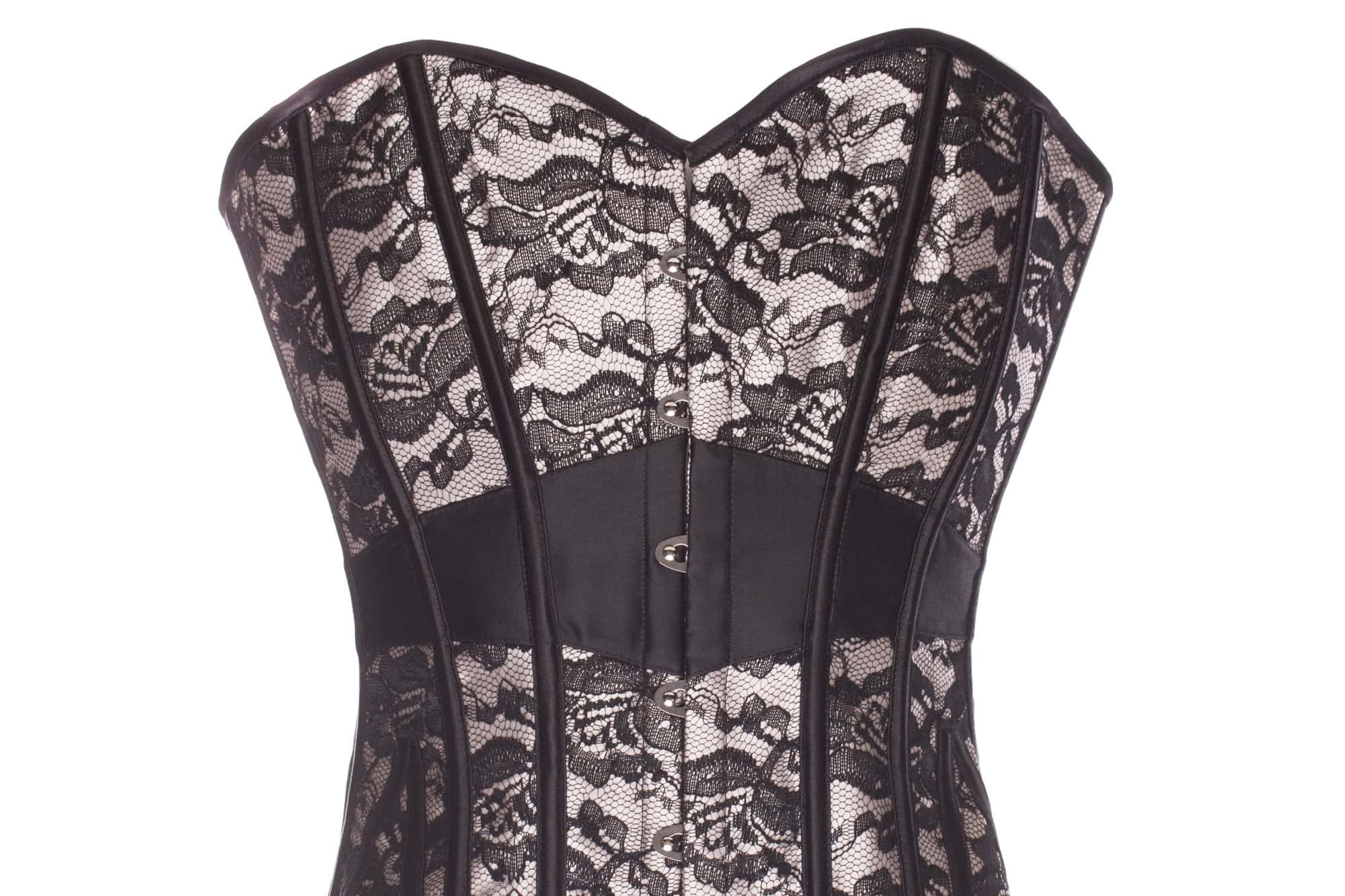
Gibson’s Life illustrations from the 1890s were hugely influential in the construction of the American beauty ideal. The Gibson Girl became an aspiration for American women, influencing them to have broad shoulders, small waists and rounded hips. Corsets and other shapewear were employed to achieve this ideal. This is a significant example of the media’s power to construct cultural universals, to manufacture intense pressure to look a certain way and to codify a particular version of beauty.
Bluing skin for veins
In the late 19th century in the United States, it became fashionable for women to have pale skin that showed the blue veins beneath. Women used powders and paints to enhance the blue tint. This was seen as an indicator of wealth and high social status.
Hairless faces with radiation
Beauty salons in America began offering X-ray treatments to remove hair in the 1920s. Advertisements claimed this treatment would make your skin permanently smooth and hair-free. Countless women got the treatment, unaware of the risks. It was later discovered X-ray exposure causes burns and cancer. However, at that time, it was considered an advanced beauty treatment.
Fuller figures after the civil war

The preference for fuller figures began in America after the Civil War. A rounder figure was a sign that a woman had plenty of food, money, and health. The more curvy the figure, the more attractive and socially successful the woman was considered. This was different from previous fashions that preferred thinner, tightly corseted figures. The transition to fuller body shapes resulted from both post-war relief and the rejection of the previously fashionable lean figures.
Pointed, tapered shoes for women
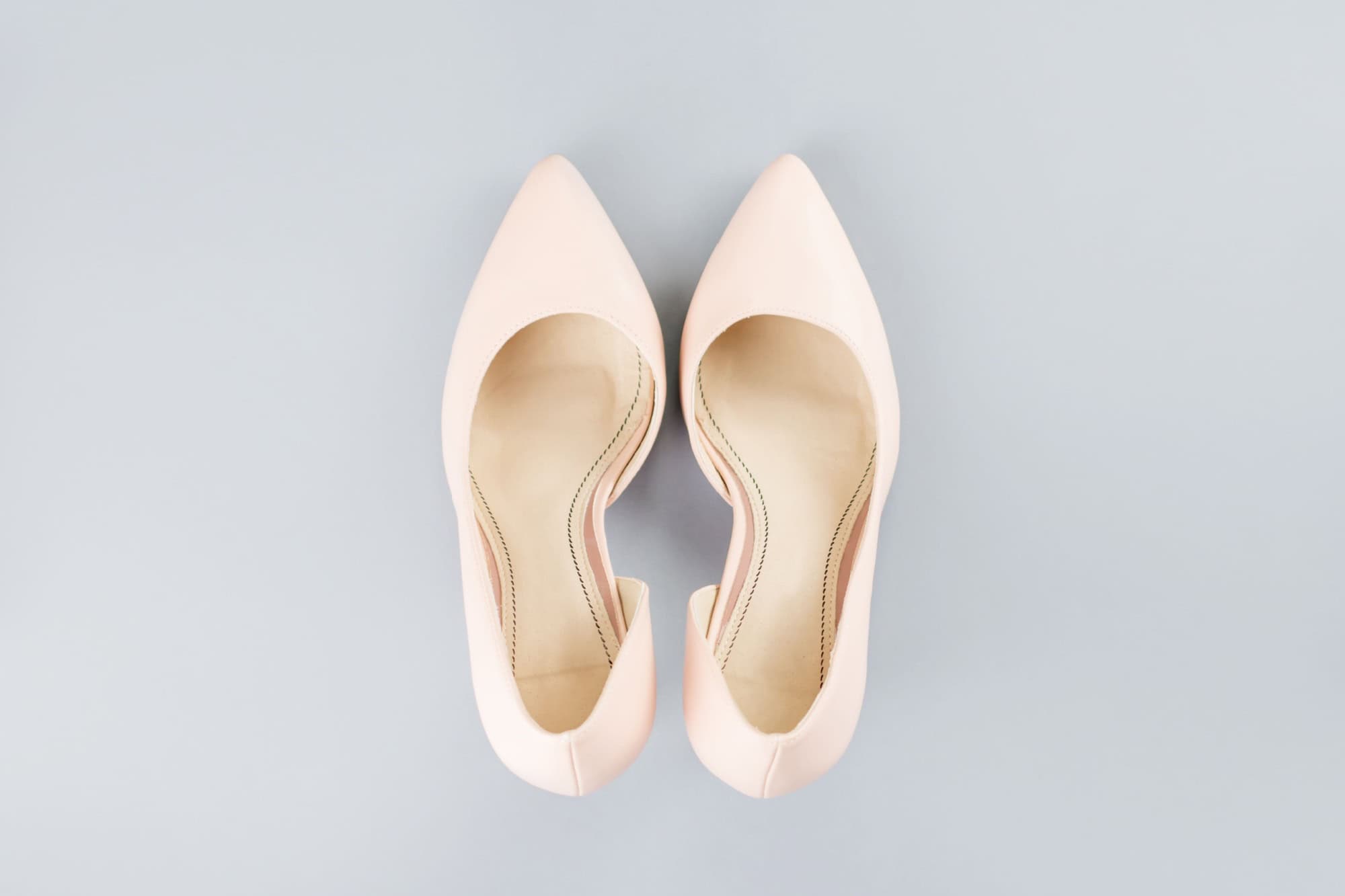
The trend of narrow and pointed women’s shoes increased in the 1800s in the United States. This pointed or sharp toe was said to give the foot the most feminine appearance. The goal of women’s shoe fashion at this time was to wear shoes that gave the appearance of small feet, even if it was at the cost of a woman’s foot health.
The Suntan craze of the 1920s

Before the 1920s, it was fashionable to have pale skin in America. It was a sign of good breeding because it meant that you did not have to work outdoors like a common laborer. However, this fashion changed one day when Coco Chanel was photographed with a tan.
The picture was printed in the American press and suddenly a bronze complexion was seen as a mark of wealth. It showed that you had the leisure time to take a vacation and go outdoors. Beauty magazines and advertisements urged women to achieve the golden glow. This was at a time when no one used sunscreen either.
Red hair through henna
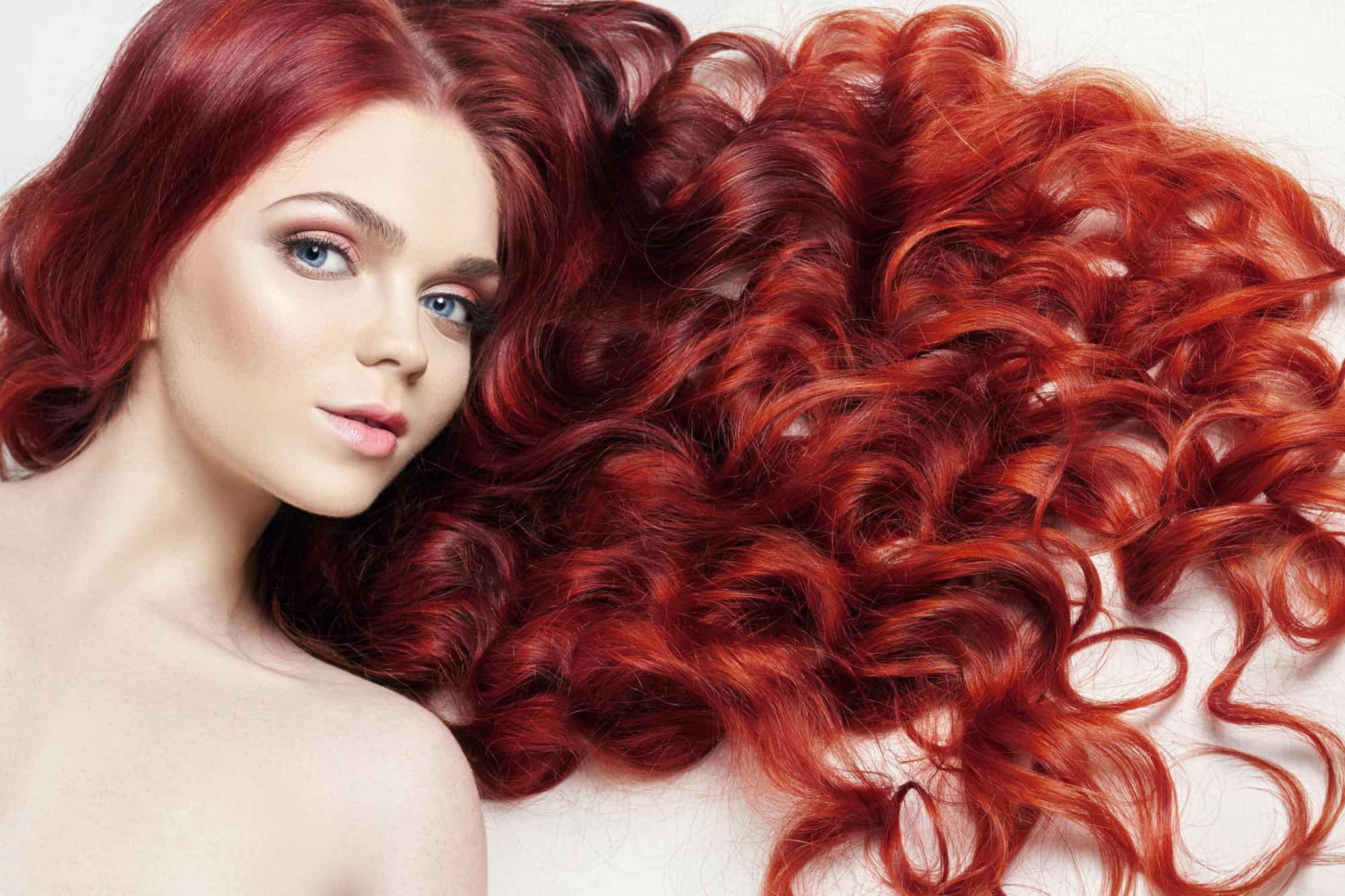
In the early 1900s, many American women began using imported henna dyes. The reddish tones seemed exotic and attention-grabbing. Hollywood stars such as Theda Bara and Clara Bow popularized red hair as daring and mysterious. Henna fashions became a popular trend, despite the fact it would frequently stain skin and clothing.
Sources: Please see here for a complete listing of all sources that were consulted in the preparation of this article.
Like our content? Be sure to follow us.