

As children, we often accepted strange behaviors as normal just because we didn’t know anything better, but when we look back as adults, we realize that they probably weren’t as innocent as we remember them.
When the door opened

Some of us had parents who would walk into our bedrooms without knocking, read diaries, and go through our things whenever they liked. And we grew up thinking that every family was like that because that’s how we were raised.
Parents can (and should) monitor their children. But kids should also be taught privacy and boundaries. Most people don’t realize all this when they’re children.
At the dinner table
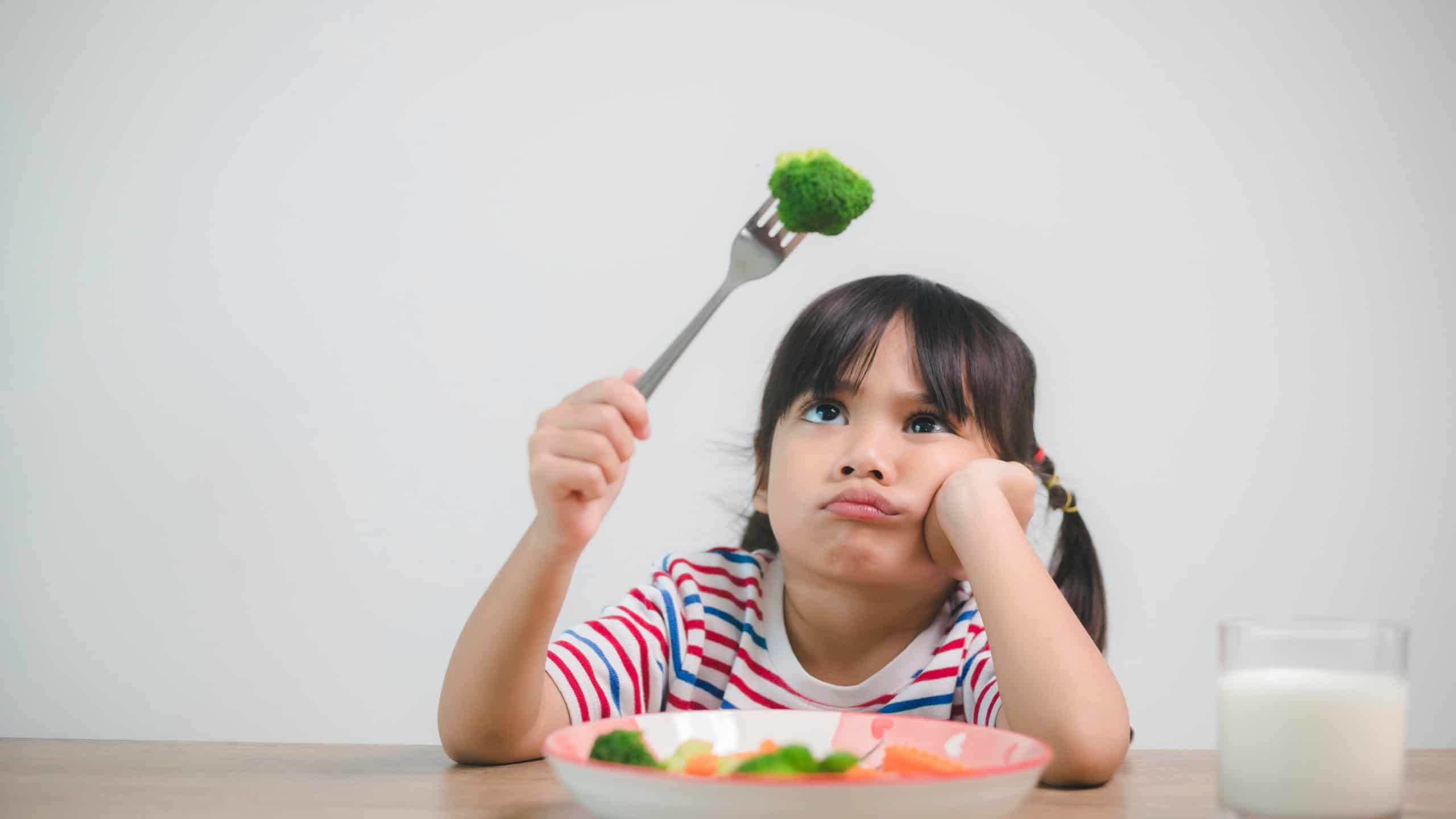
Lots of kids heard “You aren’t getting up from this table until you clean your plate.” Even when kids were full, they were forced to continue eating because it was wasteful or disrespectful to leave food on the plate.
Although these rules may have been well-meaning and intended to prevent waste, forcing children over and over to finish their meal conditions them to ignore their hunger and fullness cues.
When adults visited
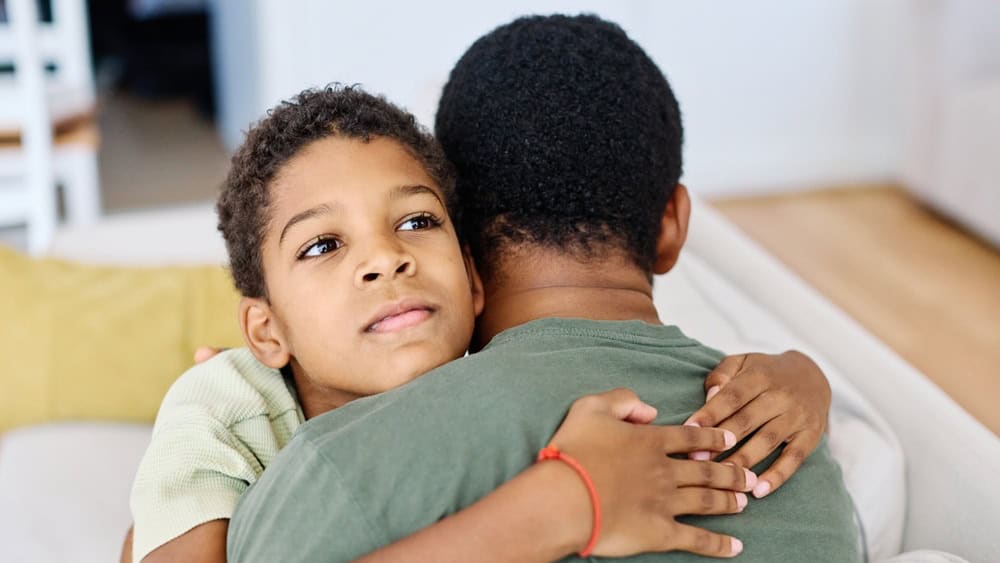
Some of us were forced to hug or kiss relatives whether we liked it or not. Saying no was considered rude, disrespectful, or too embarrassing for our parents. Instead, we learned to suffer through it so as not to make adults feel bad.
Teaching kids to say hello to family members politely is understandable. But making them physically affectionate should never be mandatory. Kids can show respect by waving, smiling, or saying hello.
Keeping the peace
Some children had to watch their parents’ mood closely, so they wouldn’t say or do something to set them off. They knew by the sound of footsteps, their parent’s facial expression, or even the slamming of a door whether they were coming home to a calm night or a nightmare.
Growing up, you may have thought this was normal parenting. When you have to watch your every word and action around adults on a regular basis, you don’t feel safe expressing yourself emotionally.
The family joke
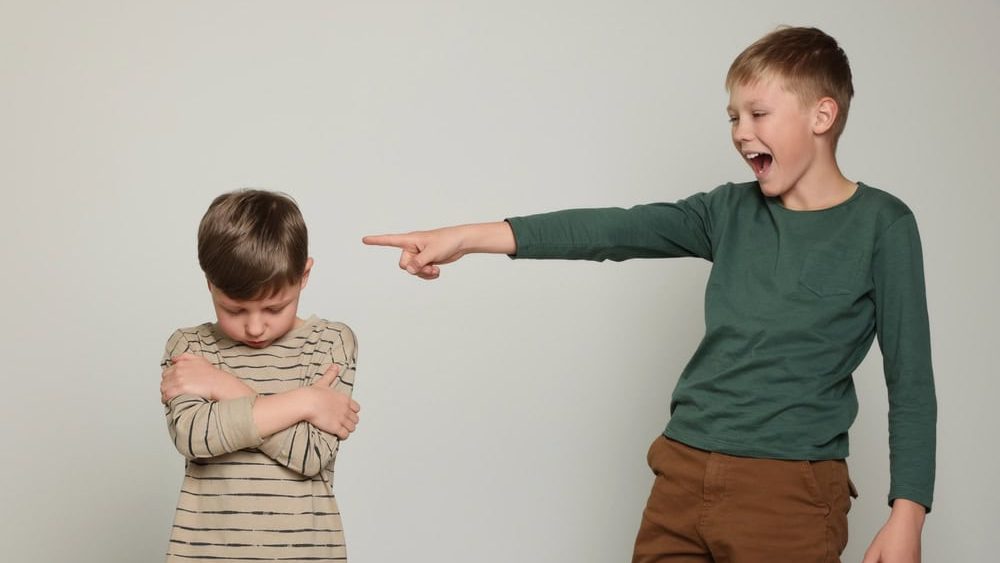
Growing up, we all had family members pick on us about our weight, looks, intelligence, or mistakes. Adults would brush it off as just joking around and told us to grow up if we got upset. But when someone you trust teases you about aspects of yourself, it can lower your self-esteem. Just because everyone is laughing doesn’t make it a joke.
After an argument

Most of us had parents who never apologized. They yelled about something small we did wrong, accused us unfairly, or said something hurtful. The next day it was like nothing happened. We had no choice but to forgive them without an apology just because they were our parents. If they had just said “I’m sorry, that was wrong of me,” we would have learned that accountability is important for maintaining relationships.
Unfair comparisons
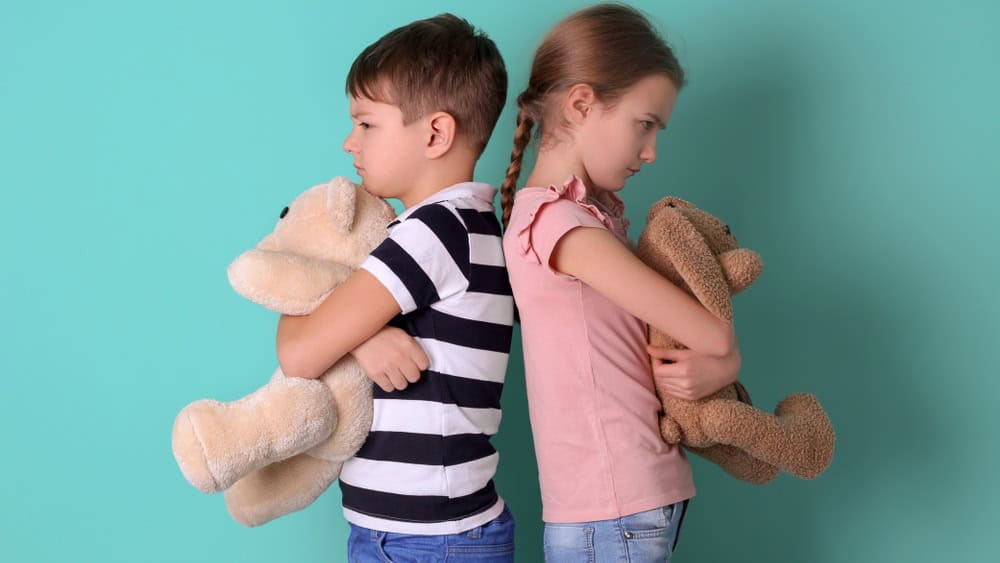
As children, some of us heard our siblings, cousins or classmates excel at everything they did. Parents compared grades, looks, behavior and accomplishments in efforts to motivate us. Continuously comparing children can lead them to believe they have to be better than someone else to be good enough. It can also pit brother against brother causing unwanted competition and envy.
Keeping quiet
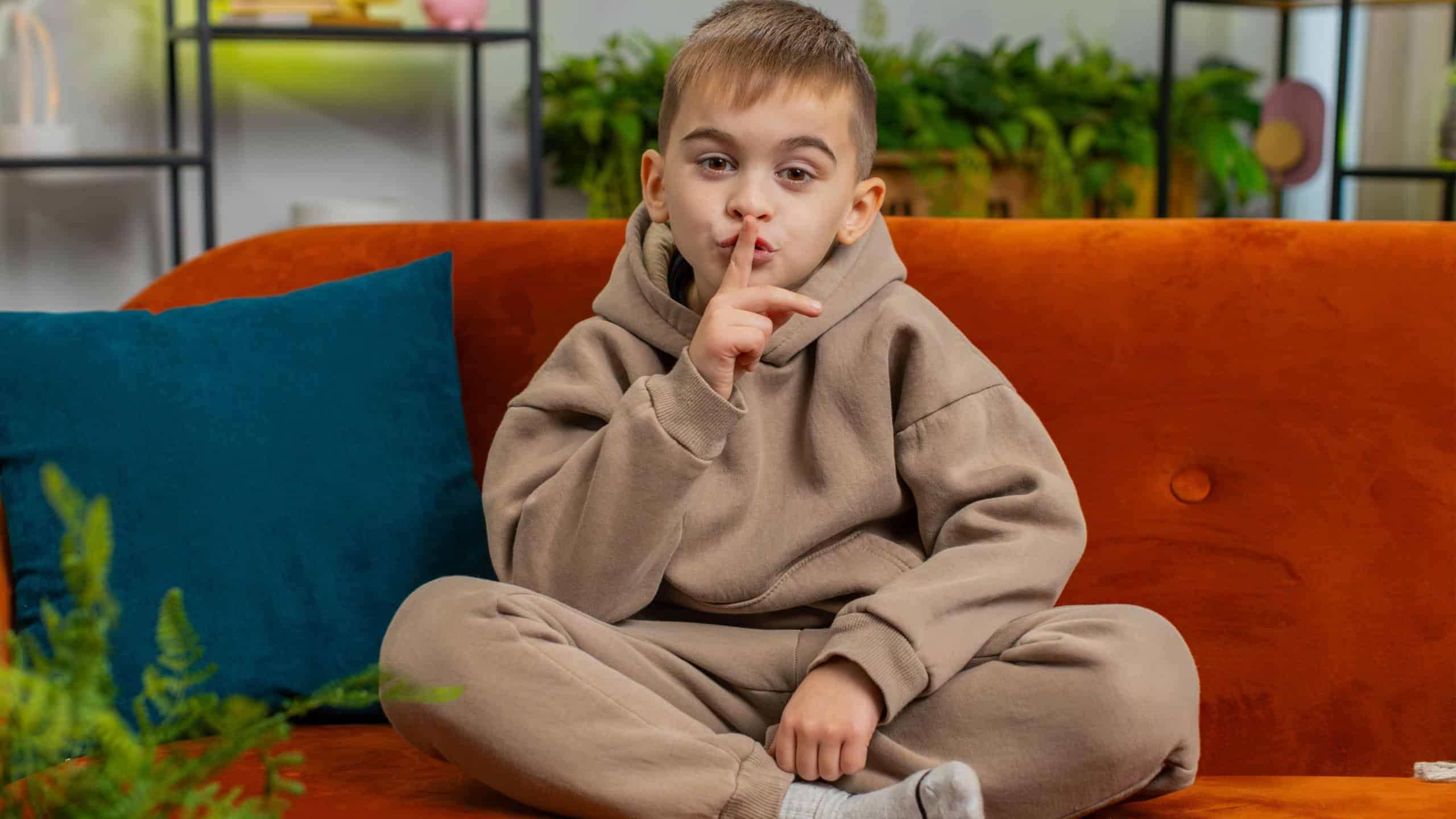
As children, we were sometimes taught that children should never question adults, even when we felt something was unfair or didn’t feel right. Kids had no place to talk back to teachers, relatives, or anyone else in a position of authority.
Although it’s important for children to learn respect, asking for blind obedience makes it difficult for children to identify inappropriate behavior or advocate for themselves if something doesn’t feel right.
The secrets
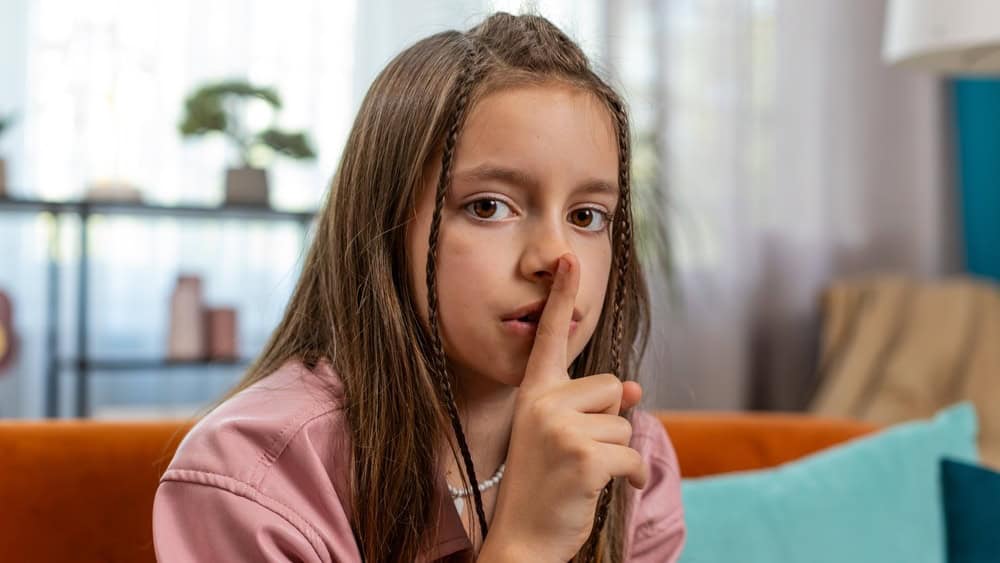
Some were actually instructed to never talk about what went on at their home. They told us that fighting, money problems, or anything else that went on at home was private. It’s good to teach children about privacy, but taking it to the extreme makes a child feel like they can never ask for help.
If something bad happens, they will never reach out. Children should feel safe talking to another trusted adult about their issues without feeling like they are betraying their family.
The little adult

Children who were complimented for being “so grown up” may have been putting too much responsibility on their young shoulders. Taking care of younger siblings, keeping track of household chores, and/or soothing the emotions of their parents can be seen as helping.
Teaching children to be responsible is one thing; having them parent themselves is another. If you found yourself regularly consoling your parent as a child or you were told to “just take care of things at home,” you may have missed out on some fundamental experiences as a child.
It was always fine

Some kids grew up hearing yelling, scary arguments, or entire days where the adults would not speak to each other. Since no one told them what was going on, they thought this was normal behavior in a relationship.
Parents can disagree occasionally and kids can learn from healthy conflict if they see adults disagreeing without being disrespectful. When there was frequent yelling, threatening or frightening name-calling, it didn’t make the home feel safe or calm.
When tears started

Kids may have been sent to their rooms, told to stop crying like a baby, or told that they would “give you something to cry about.” At some point, they learned tears bring trouble when they were sad, scared, or mad. Kids do need to learn how to cope with big emotions; however, they often require adult assistance to learn how.
Like our content? Be sure to follow us.
11 childhood behaviors that predict serious character problems later
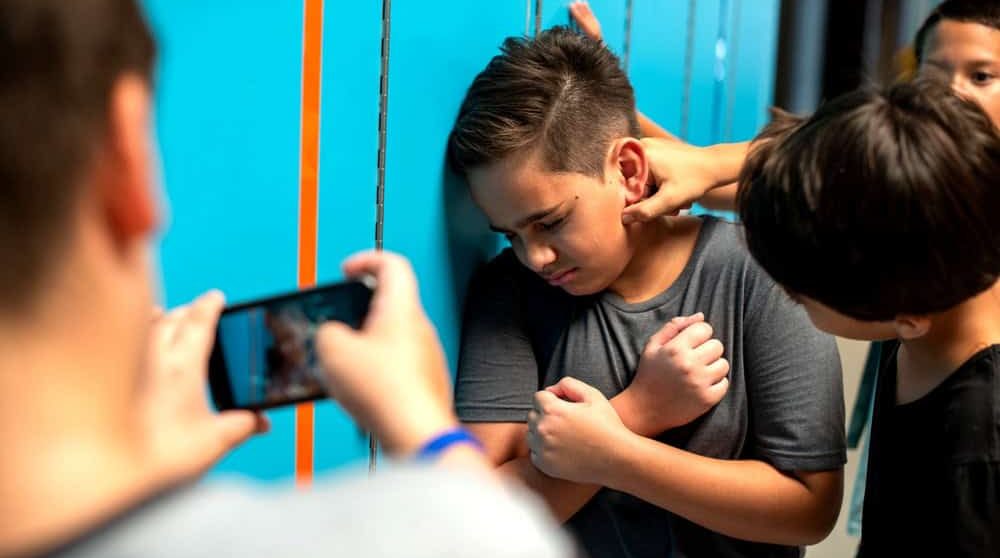
Kids do all sorts of unpleasant things sometimes, and it’s not always a sign of anything problematic, but there are some repeated behaviors that could point to major issues.
11 childhood behaviors that predict serious character problems later

