

Having someone in the world that shares your exact DNA can lead to some pretty unbelievable situations.
DNA that cannot identify the correct twin
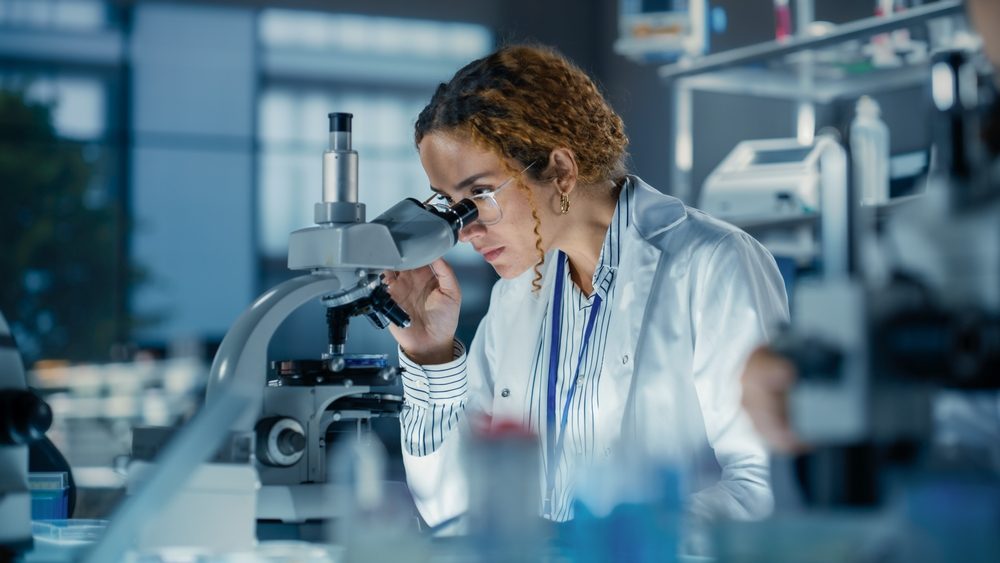
Forensic DNA testing can’t tell identical twins apart because they have nearly identical inherited DNA.
Take, for example, the 2009 jewelry robbery in Germany, where the DNA found at the crime scene could be traced to one of two brothers, both identical twins. Standard forensic testing couldn’t tell which twin it belonged to. Without any further proof, prosecutors were unable to determine which twin was the culprit.
Fortunately, contemporary forensic genetics holds the key to solving these kinds of cases. By examining rare mutations that arise after a twin split, whole-genome sequencing can provide the means for investigators to distinguish identical twins.
Transplants without immunosuppression
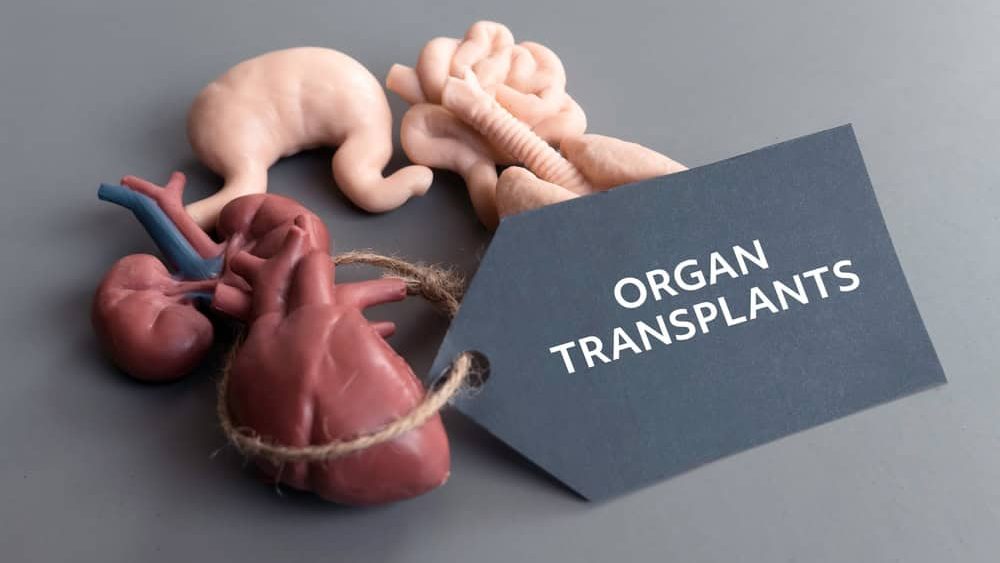
In specific situations, an organ transplant can be received without the need for ongoing immunosuppressive drugs post-surgery.
Because identical twins have virtually identical major histocompatibility complexes (MHCs), organ donation between them carries minimal risk of rejection.
In 1954, Ronald Herrick gave one of his kidneys to his identical twin brother, Richard Herrick. Unlike recipients of regular kidney transplants, Richard Herrick did not have to take immunosuppressants. He lived for about nine years following the transplant.
Similar fingerprints that are still different
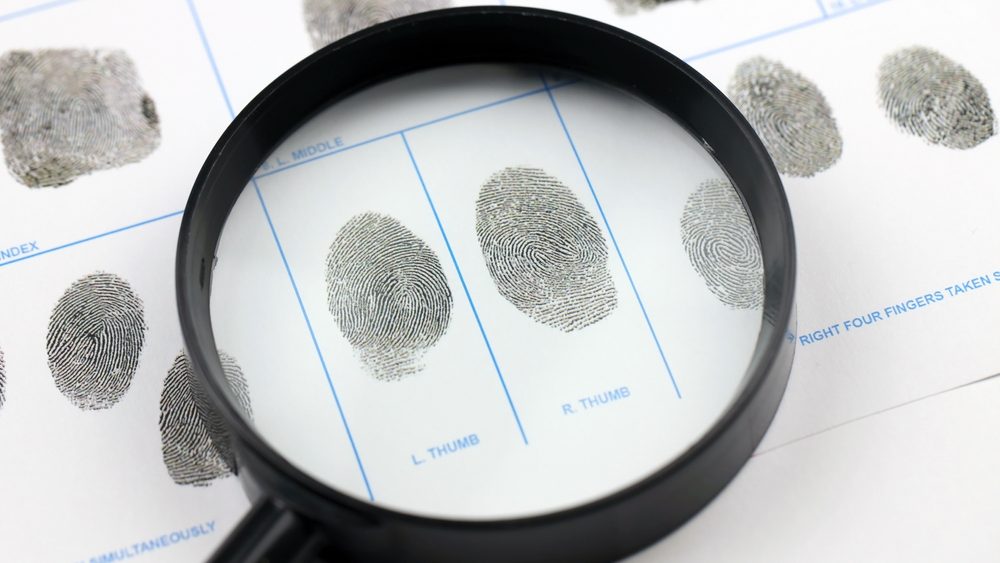
Twins do not share the same fingerprints. Genetics and environment in the womb such as small differences in pressures and locations while in gestation contribute to each twin’s fingerprints.
That being said, identical twins’ fingerprints can be similar in overall flow.
Twins have served as subjects for testing biometric software. And researchers have demonstrated that automated fingerprint systems can differentiate identical twins, though their prints might present a more complex matching scenario than those of unrelated persons.
One twin developing an autoimmune disease while the other doesn’t

Identical twins don’t always develop the same diseases because our environment and experiences can affect our health.
Even though identical twins share nearly all of their inherited DNA, researchers have examined pairs where one twin developed autoimmune diseases like rheumatoid arthritis and the other did not.
For instance, genes aren’t the only things controlling how cells act. Environment, exposure to toxins or infections, diet, exercise, and epigenetics can impact which genes turn on or off in different cells. By examining twins with differing disease statuses, scientists have pinpointed differences in DNA methylation.
Mirror-image traits
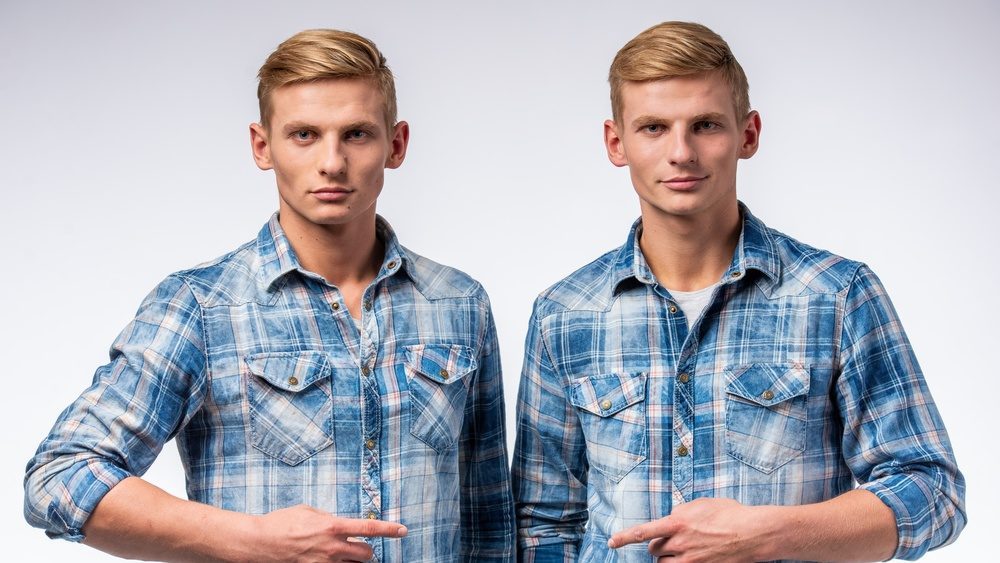
Occasionally identical twins display mirror-image traits. One twin may have a dominant left hand while the other twin’s right hand is dominant. They may have hair whorls and birthmarks on opposite sides of their bodies.
In some instances, their internal organs might be situated on opposing sides, but this is a highly unusual occurrence. When this happens it is called situs inversus, where the heart, stomach and liver may be switched from left to right.
Mirror-image twins have occurred in about one-fourth of identical twin cases, but having fully reversed organs is rare.
Trained dogs can tell identical twins apart by smell
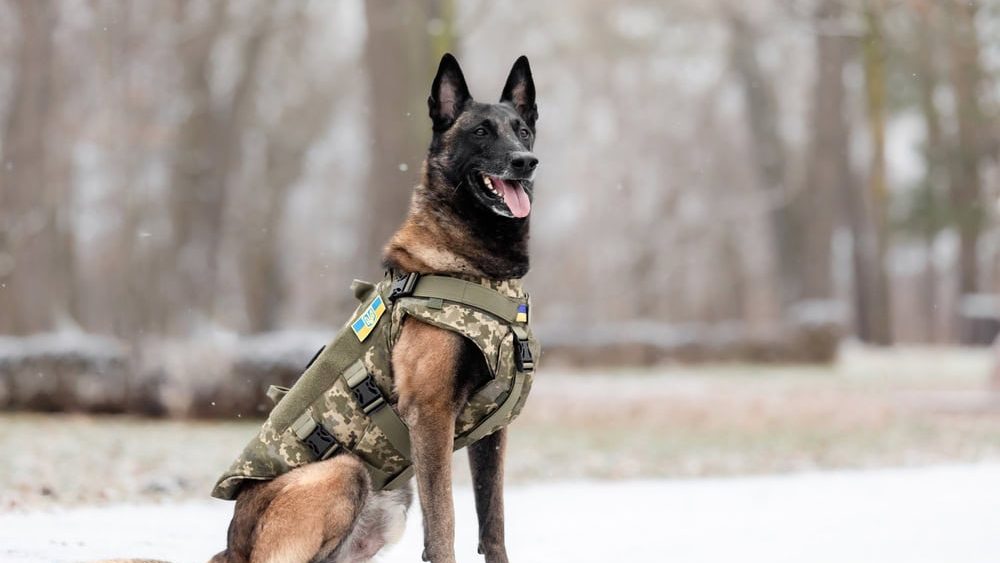
Identical twins share nearly identical DNA, including genes that may influence body odor. However, dogs that have learned to identify certain scents can easily tell identical twins apart.
During one trial, specially trained police German Shepherds managed to differentiate the scents of identical twins, including pairs living together and consuming identical meals.
The prevailing expert opinion is that our scent can betray details about us that transcend the identical genetic material shared by twins. Our individual scent is also shaped by what we consume, our surroundings, the bacteria on our skin, and various other biological activities.
Paternity tests cannot distinguish between identical twin fathers
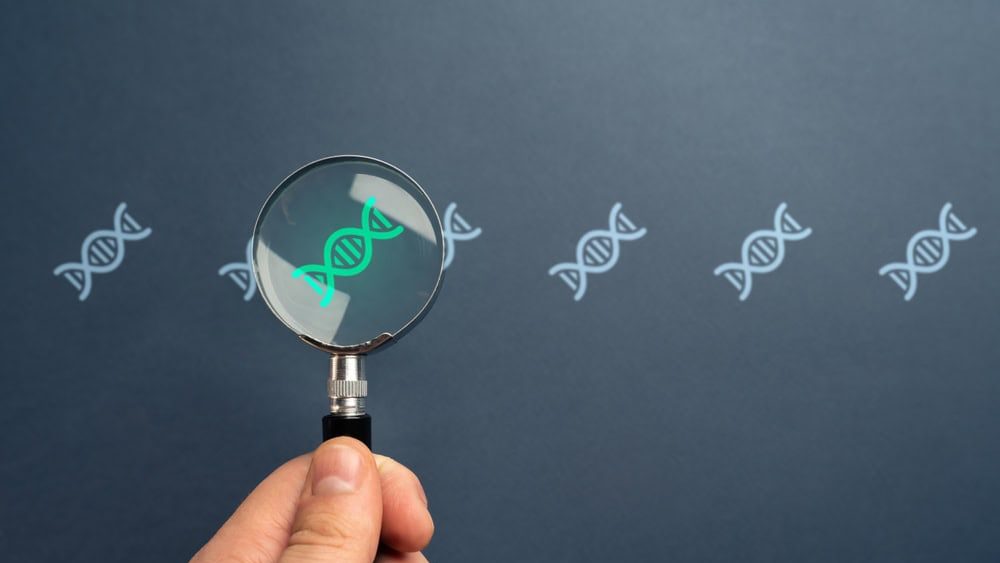
Paternity tests cannot reliably tell which one of two identical twin brothers is the father of a child.
Standard paternity tests only look at parts of the genome where brothers are expected to be identical. As a result, both twin brothers could pass the paternity test as the biological father.
Techniques have been developed to overcome this problem. If scientists look at the whole-genome or use ultra-deep sequencing methods, they may be able to detect mutations that are unique to one brother or the other. One of those mutations may also be present in the child.
It’s likely the biological father is the twin who transmitted that specific mutation to his offspring.
Identical twins can differentiate later

Identical twins start off with nearly identical inherited DNA, but that doesn’t mean they are genetically identical across all their cells for the rest of their lives. As they grow and mature, their cells can pick up spontaneous genetic changes. These mutations, which happen after development is underway, are often called somatic mutations.
This divergence can result in one identical twin carrying genetic changes absent in their sibling. Researchers looking at identical twins’ genetic makeup have identified divergences that occurred subsequent to the embryo separating.
Conjoined twins
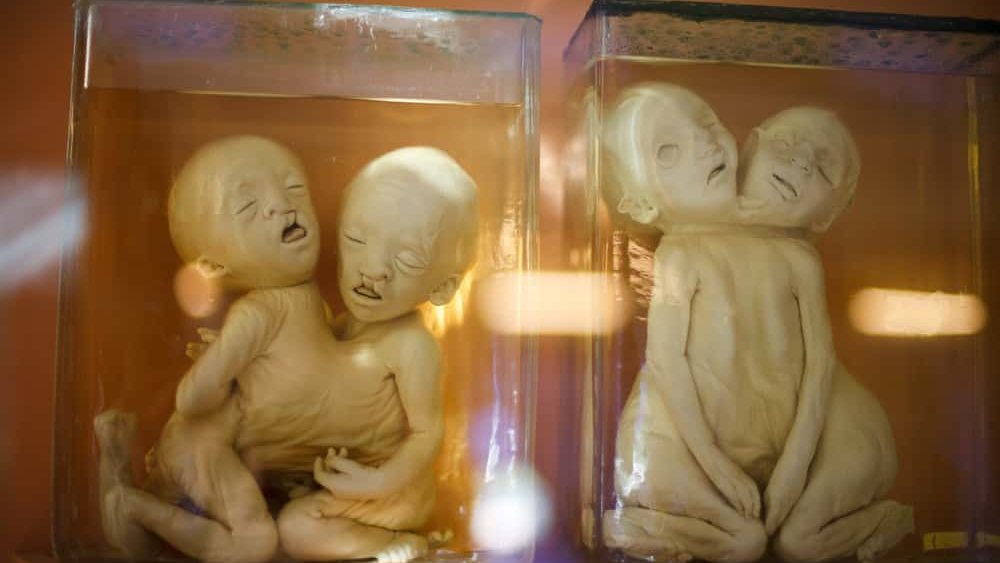
Conjoined twins result from incomplete splitting of monozygotic (identical) embryos early in development. Conjoined twins are joined at the chest, abdomen, pelvis, head, or other parts of the body. How the anatomy is distributed depends on where and to what extent they are joined.
Conjoined twinning occurs in approximately 1 in 200-400 million births. As a result of very late splitting, conjoined twins have been thought to result from monozygotic twinning when incomplete separation of the embryonic disc occurs around day 14. The exact mechanism for conjoined twinning is still argued.
Confusing facial recognition systems
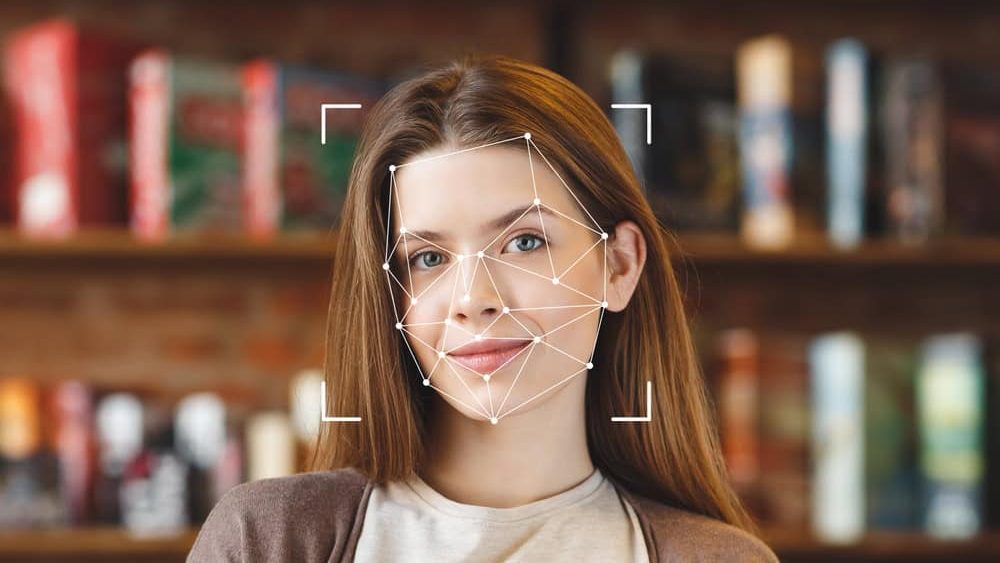
The near-identical nature of identical twins’ faces makes them a notable vulnerability for facial-recognition technology.
Facial-recognition algorithms had significantly higher false-match rates when comparing pairs of identical twins to pairs of unrelated individuals during tests administered by the U.S. National Institute of Standards and Technology (NIST).
False matches could also occur between same-sex fraternal twins, but the greater similarity of identical twins makes them uniquely challenging.
This doesn’t mean that pairs of identical twins will be able to easily trick airport security. It means that some facial-recognition systems may struggle to consistently tell them apart.
Sources: Please see here for a complete listing of all sources that were consulted in the preparation of this article.
Like our content? Be sure to follow us.
11 weird things people used to believe in 60 years ago
It sounds kind of strange, but plenty of normal people believed things sixty years ago that are completely wrong to us today.

