
Some of history’s most extraordinary women became famous under names that weren’t the ones they were born with.
Amantine Lucile Aurore Dupin (George Sand)
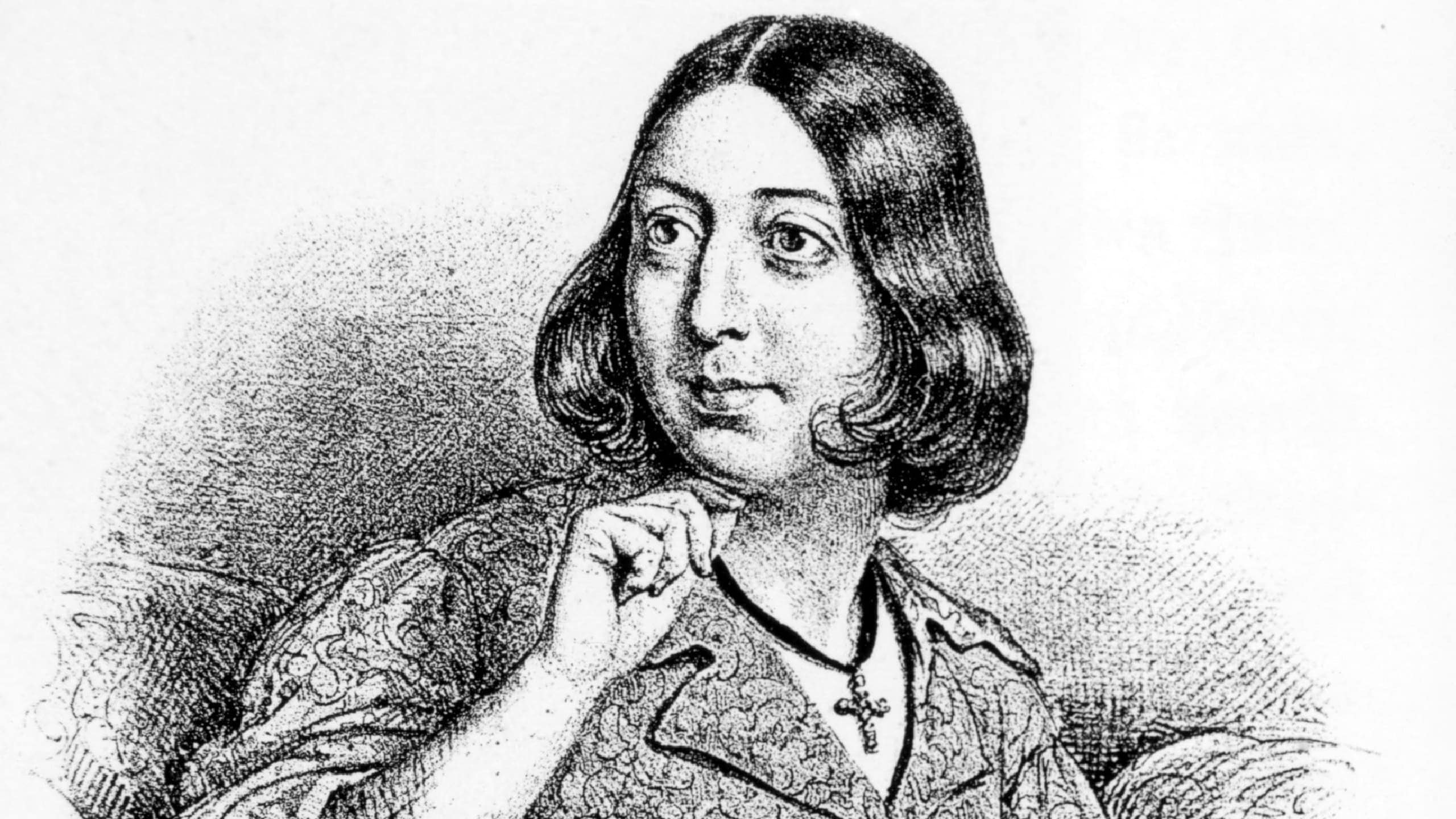
Dupin used the pen name George Sand starting in 1832 to write without facing sexist restrictions on women in France during the 19th century. She acted as a man often too, wearing men’s clothing in public and entering restaurants only men were previously allowed to enter. She became one of Europe’s most famous authors.
Margaret Ann Bulkley (Dr. James Barry)
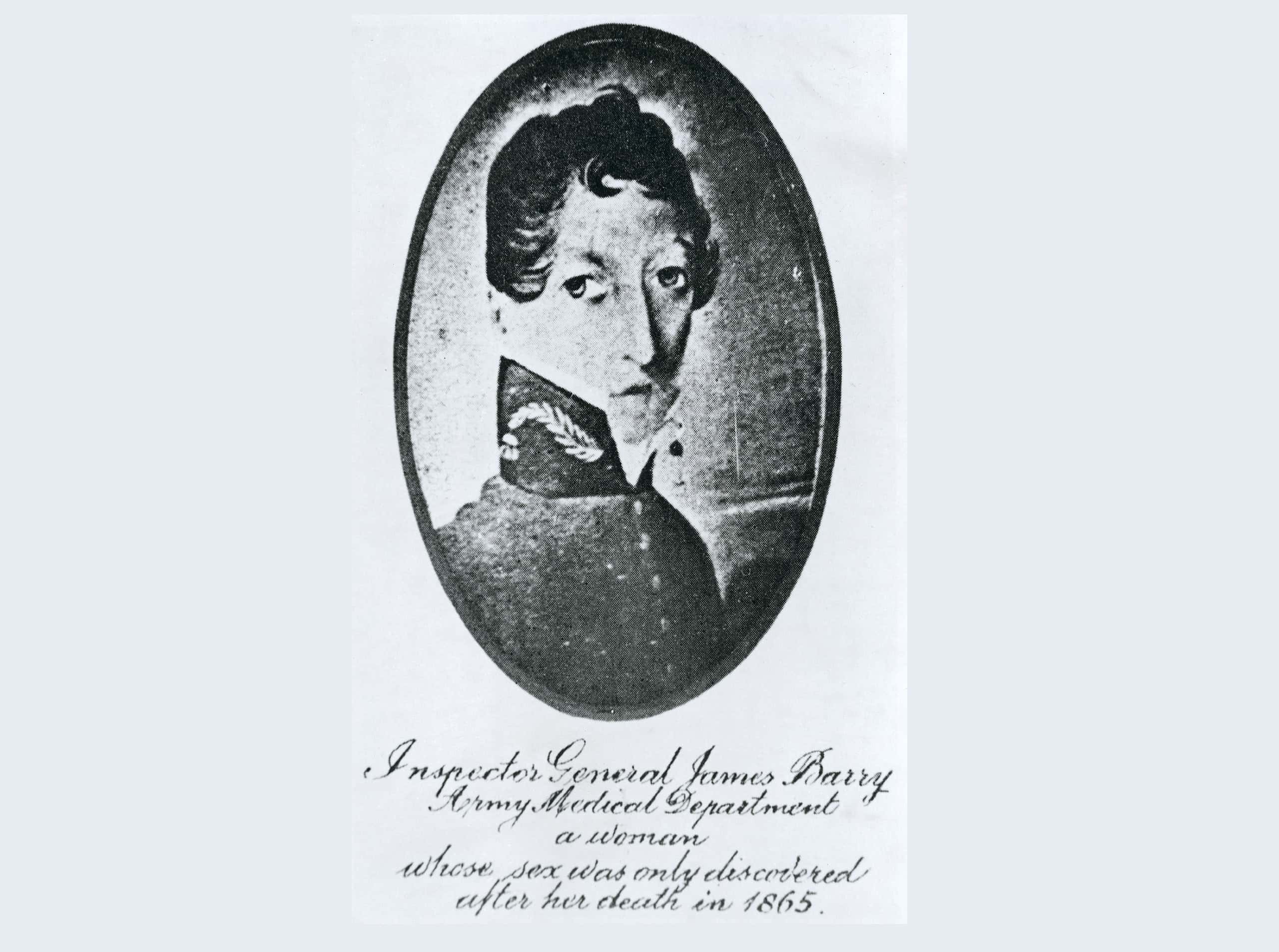
Bulkley was born in Ireland and adopted the alias James Barry in 1809 to be accepted into medical school at Edinburgh University. She continued this pseudonym for over fifty years, becoming a respected British Army surgeon and reformer of medical practices.
Barry was one of the first people to perform a successful C-section. Her identity as James Barry wasn’t exposed to the public until her death in 1865.
Mary Ann Evans (George Eliot)
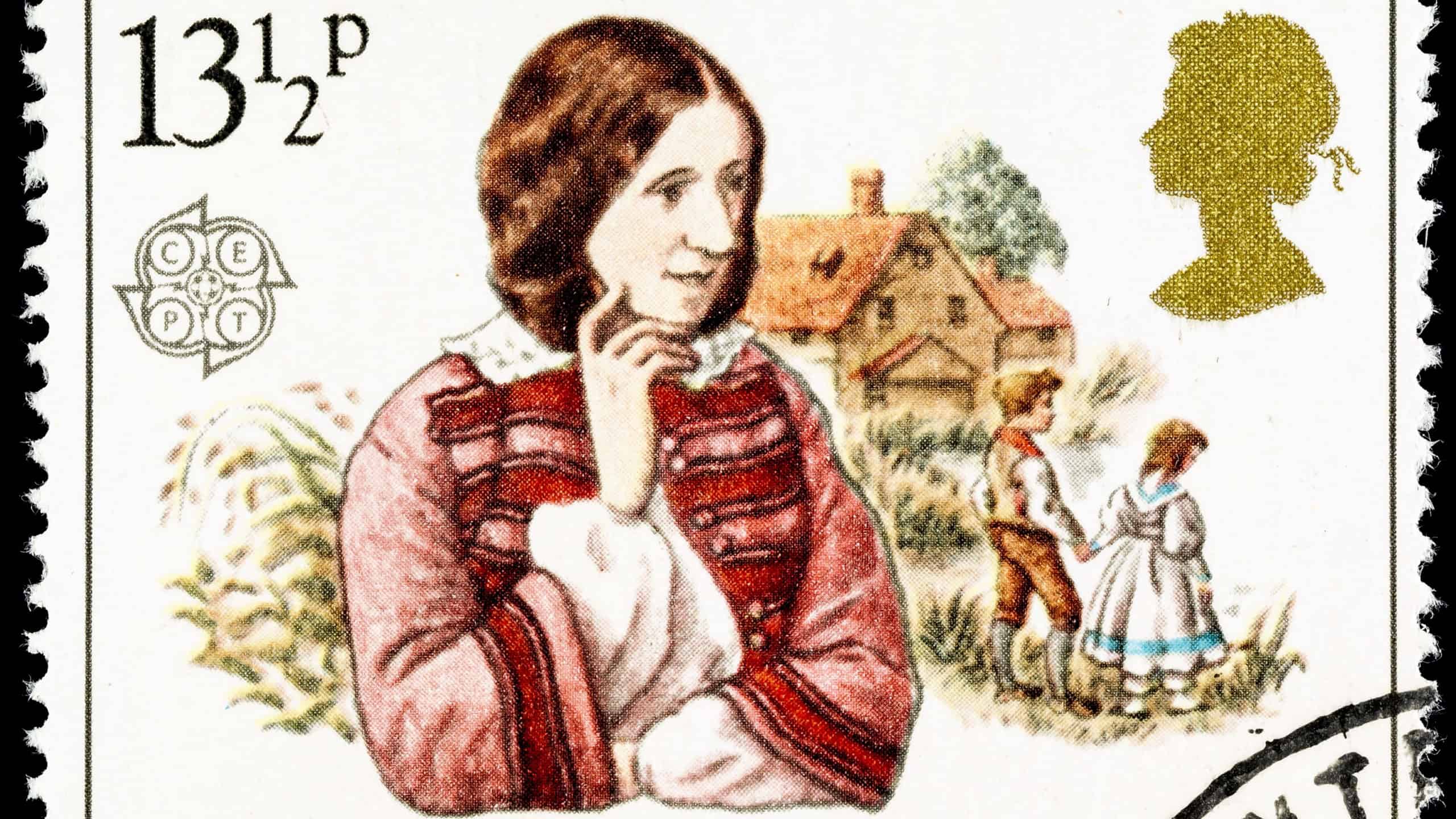
Evans chose to use a masculine pen name, George Eliot, so that her books would be taken seriously and not be associated with the light romance novels that women usually wrote during the 1800s. As George Eliot, she wrote classics such as Middlemarch and Silas Marner.
Sarah Emma Edmonds (Franklin Thompson)
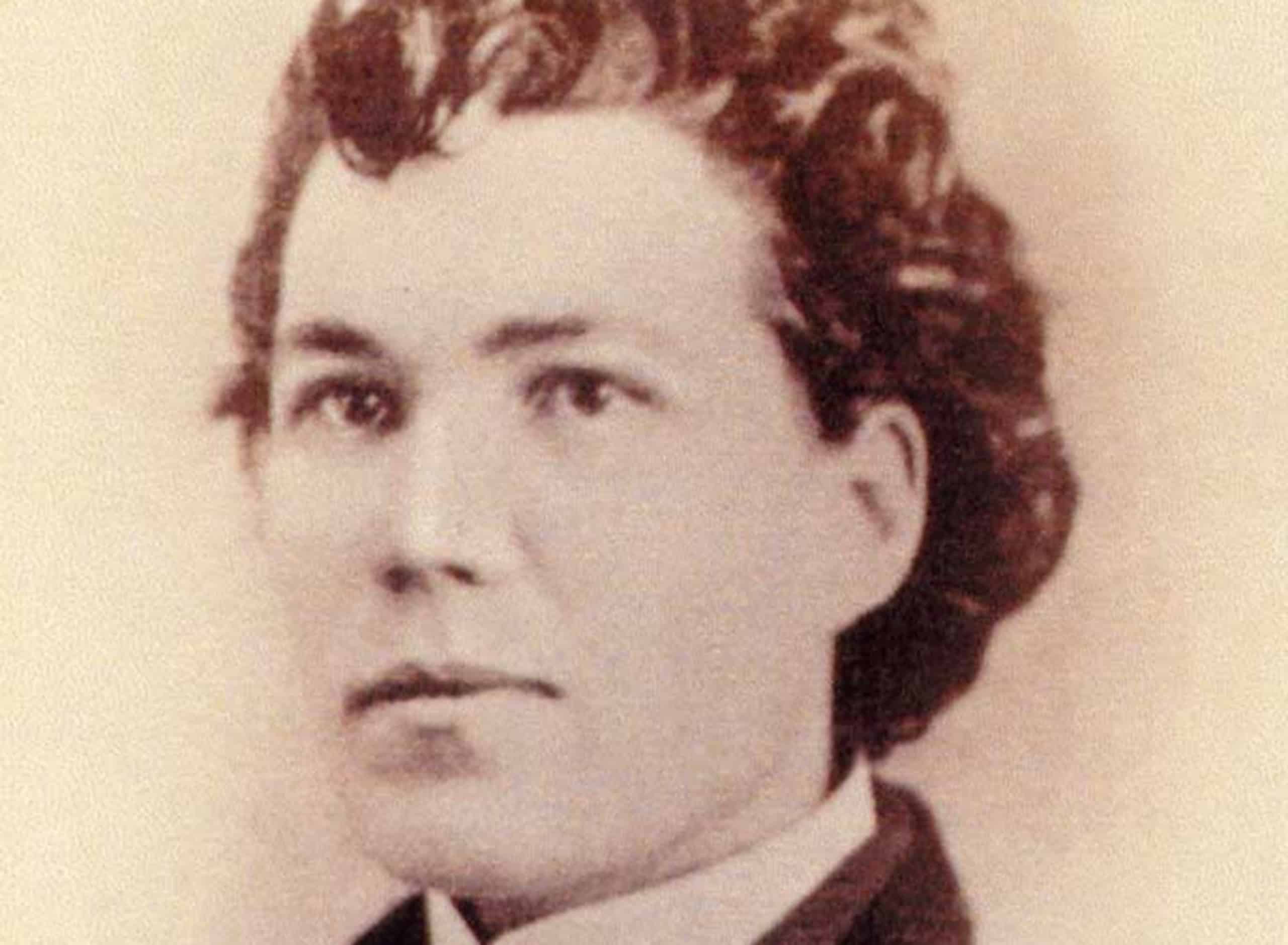
Canadian-born Edmonds wanted to fight for the Union side during the American Civil War, so she disguised herself as Franklin Thompson starting in 1861. She passed as male to become a field nurse and spy, once even sneaking behind enemy lines. Edmonds contracted malaria and deserted the army before her true identity was revealed.
Charlotte Brontë (Currer Bell)

Fearful of rejection by the highly sexist Victorian society, Charlotte and sisters Emily and Anne wrote under androgynous pen names, Currer, Ellis, and Acton Bell, when publishing their poetry and novels. Charlotte’s masterpiece Jane Eyre was released under the pseudonym Currer Bell in 1847.
Charley Parkhurst (One-Eyed Charley)
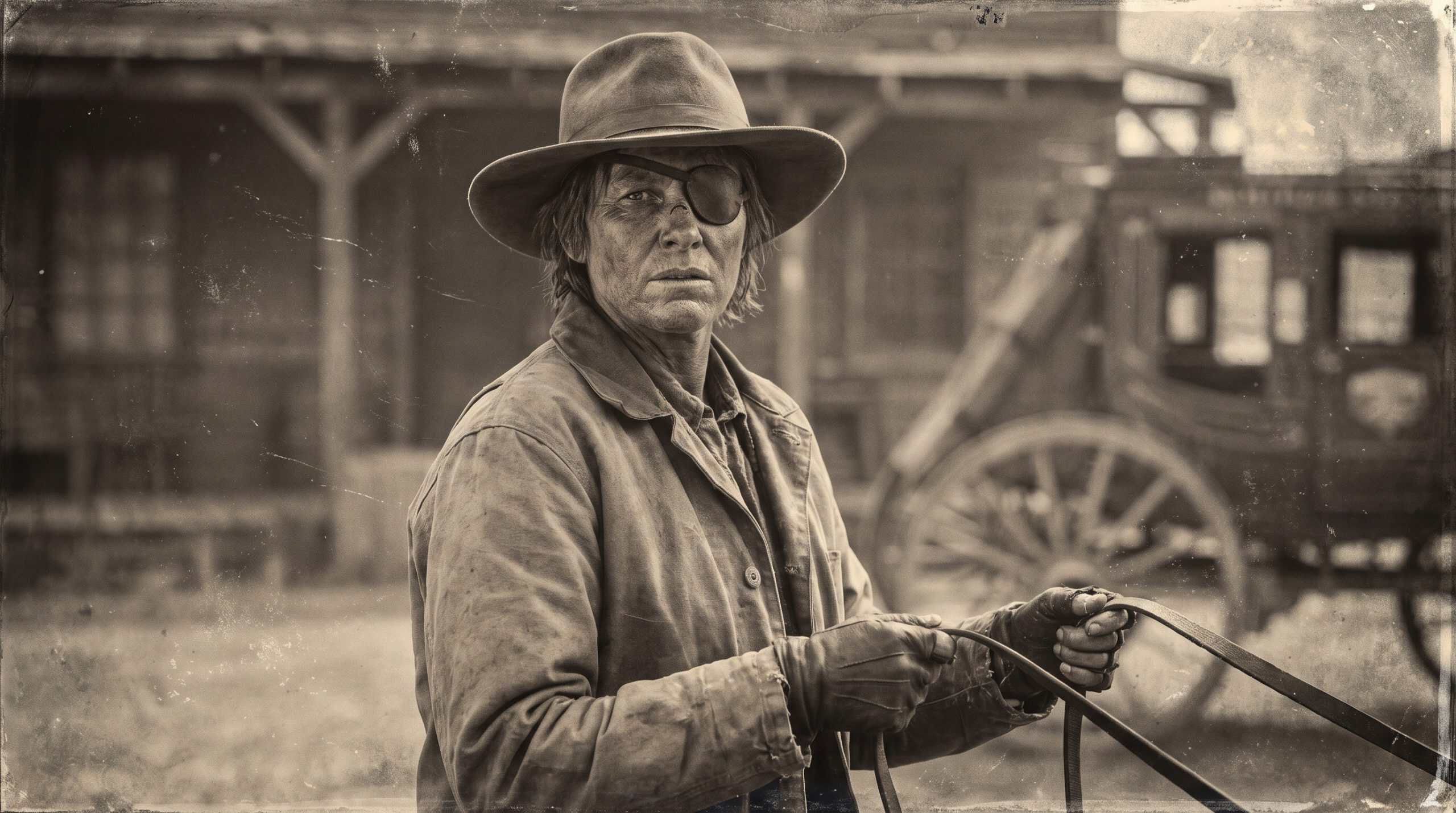
Parkhurst was orphaned as a child and ran away from home dressed as a boy under the name Charley Parkhurst to find work as a stable boy. Parkhurst headed west during the California Gold Rush and became one of the most legendary stagecoach drivers of the Wild West.
Parkhurst’s biological gender was only revealed after death in 1879, making her likely the first biological woman to vote in a U.S. presidential election.
Alice Bradley Sheldon (James Tiptree Jr.)
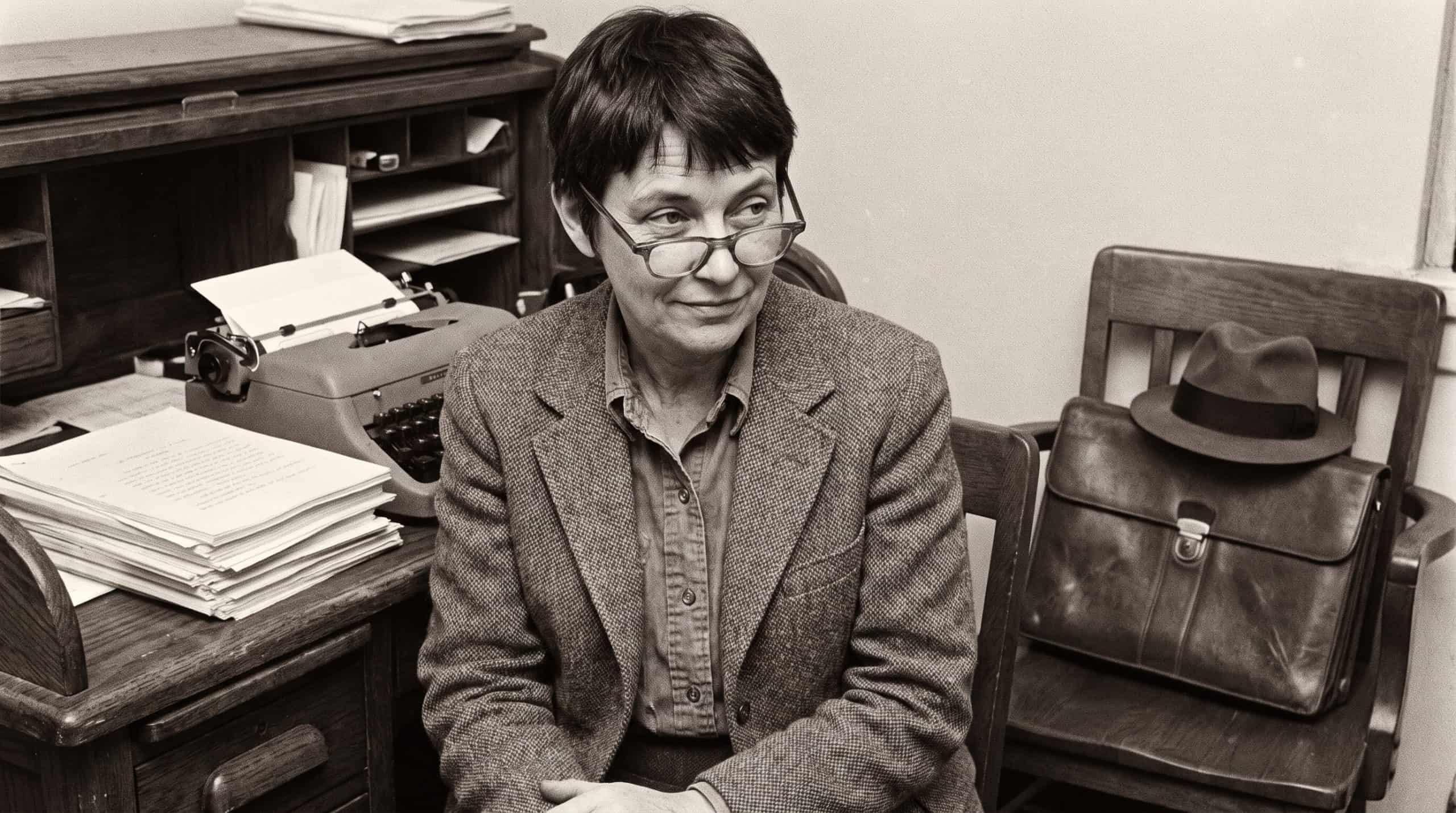
Sheldon wrote science fiction under the male pseudonym of James Tiptree Jr. starting in 1967 because the genre was so male-dominated.
Under that name she garnered many Hugo and Nebula Awards while leading the sci- fi world to believe for almost 10 years that Tiptree was a man working in government intelligence.
Cathay Williams (William Cathay)
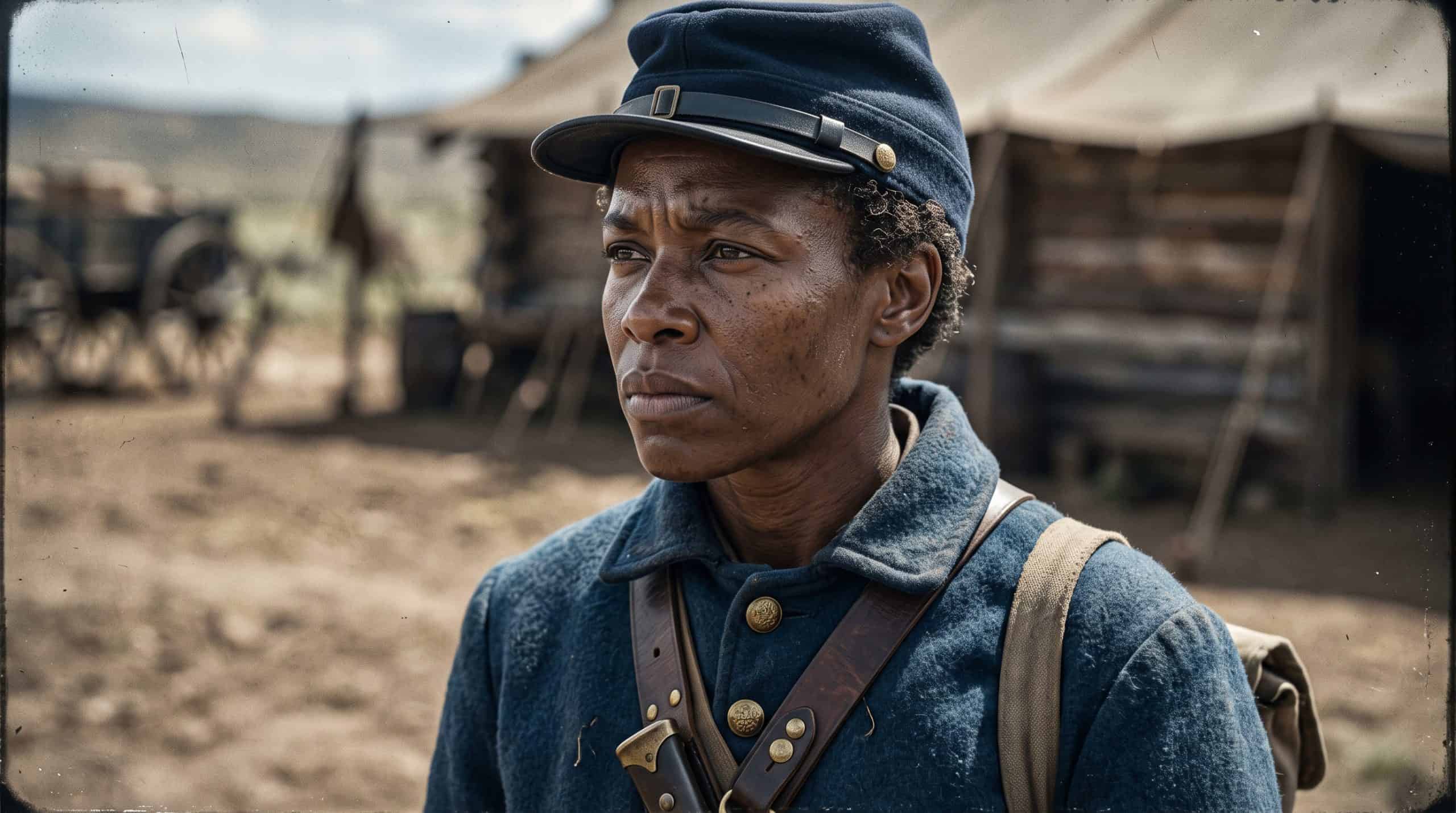
Williams was an African American woman born into slavery who enlisted in the United States Regular Army in 1866, posing as a man under the name William Cathay.
She successfully passed as a man and enlisted, serving for two years in the 38th U.S Infantry Regiment. She was the first known black woman to serve in the U.S. Army.
Dorothy Lucille Tipton (Billy Tipton)

In order to find work in the male-dominated jazz scene as a pianist and bandleader, Tipton adopted the name Billy Tipton in the 1930s.
Tipton would go on to live her life as a man, touring around the country, recording jazz albums, and adopting three children with her wife. Tipton’s assigned gender at birth was only discovered by paramedics responding to her death in 1989.
Hannah Snell (James Gray)

In 1745, after her husband deserted her, Snell assumed her brother-in-law’s identity as James Gray and enlisted in the British Royal Marines.
She saw combat in India, was wounded twice (surgically removing a musket ball from her own side to avoid discovery), and was lauded as a war hero before crowning her career with an autobiographical tell-all in exchange for a military pension.
Alice Mary Norton (Andre Norton)
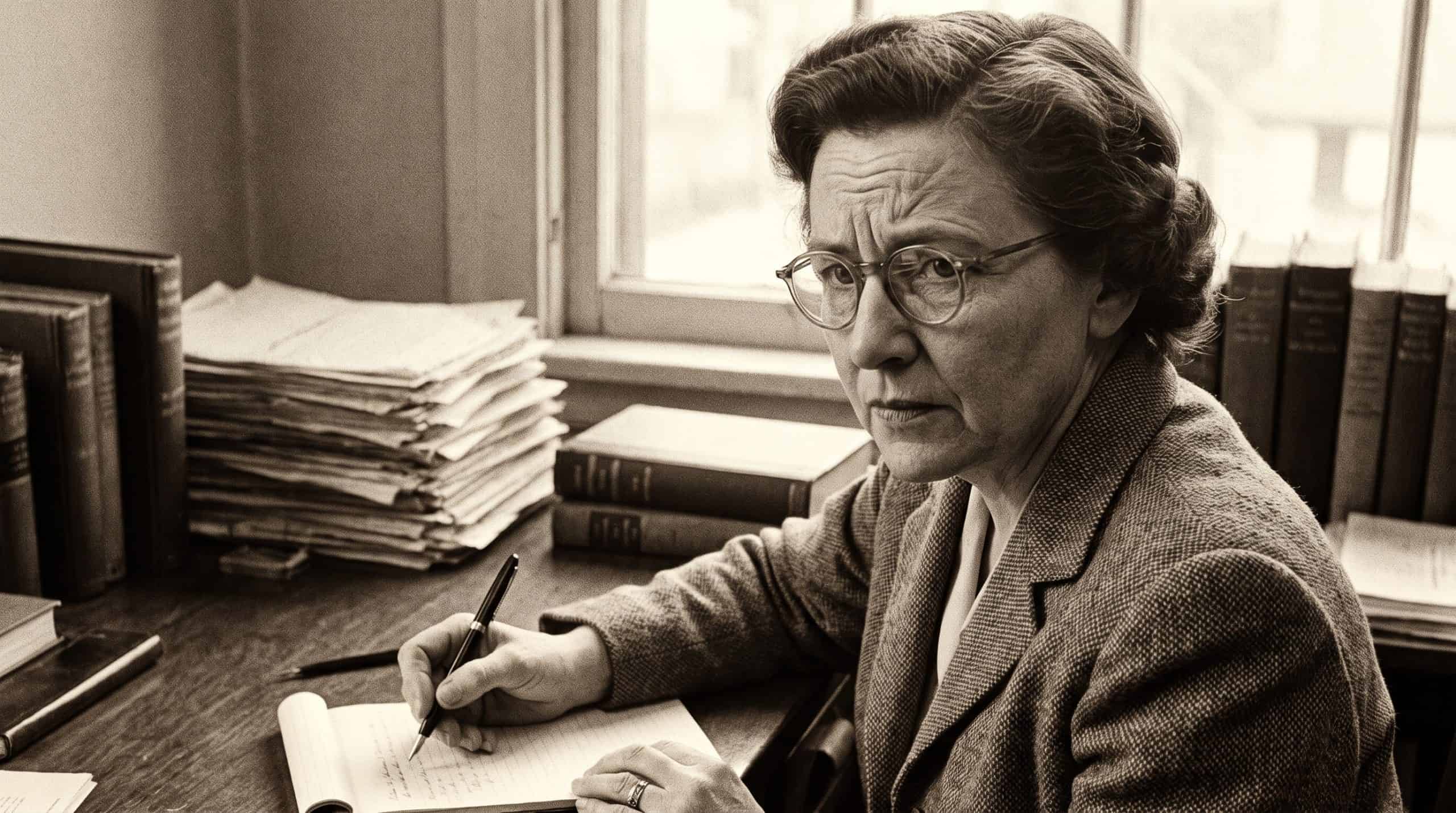
Writer Alice Mary Norton changed her name to Andre Norton legally in 1934 to better market her novels to young male audiences interested in action and science fiction. Writing under her new name for seventy years, Norton published over 100 books and became the first female recipient of the Grand Master award for Science Fiction.
Sources: Please see here for a complete listing of all sources that were consulted in the preparation of this article.
Like our content? Be sure to follow us.
11 women in history who refused the life chosen for them
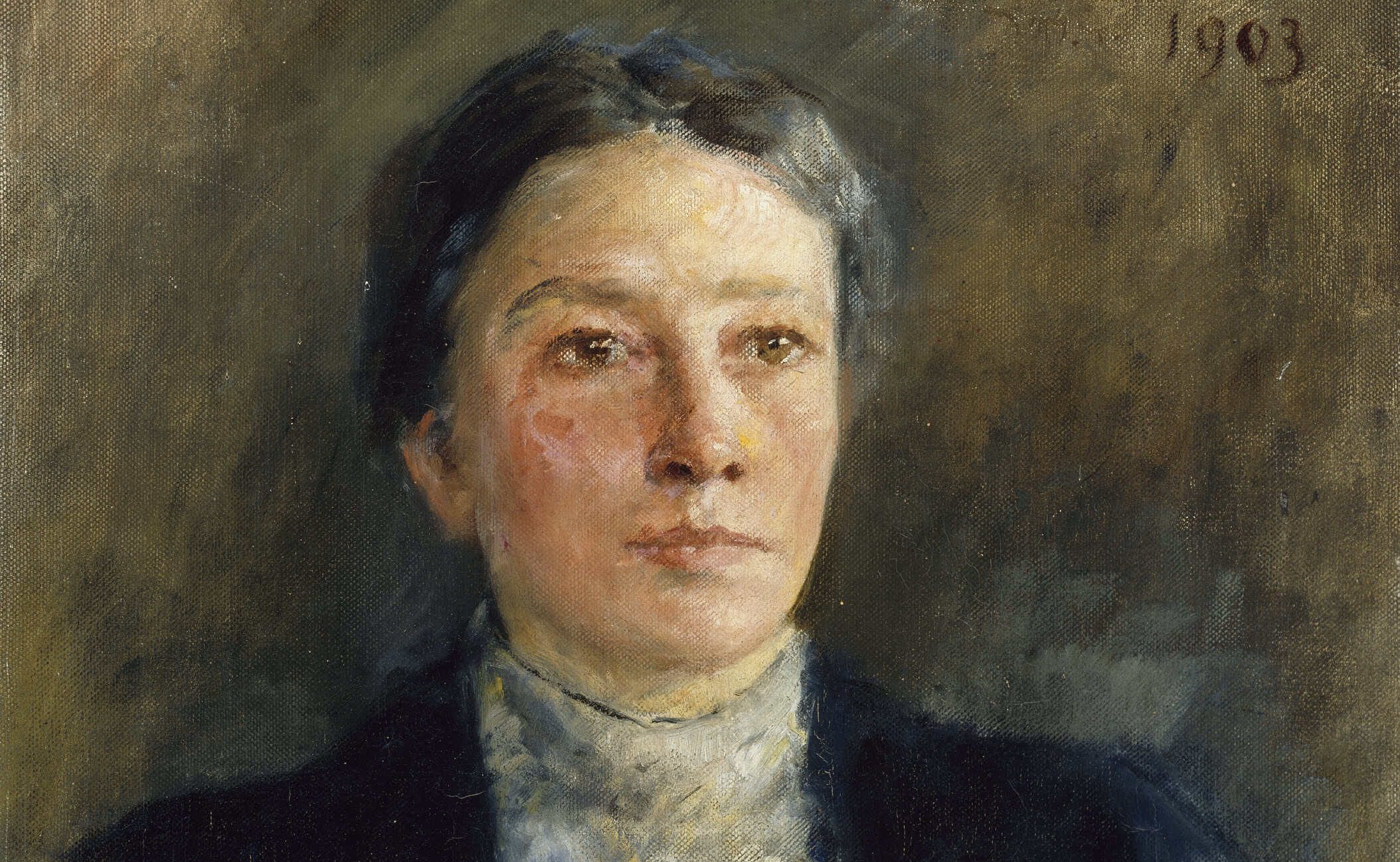
History is not just made by warriors and revolutionary thinkers; it’s also been shaped by women throughout time and across cultures who didn’t settle for the roles that others chose for them.

