

Living in the 1600s, many everyday activities could earn you a reputation as a witch among your neighbors.
Being an older woman who lived alone
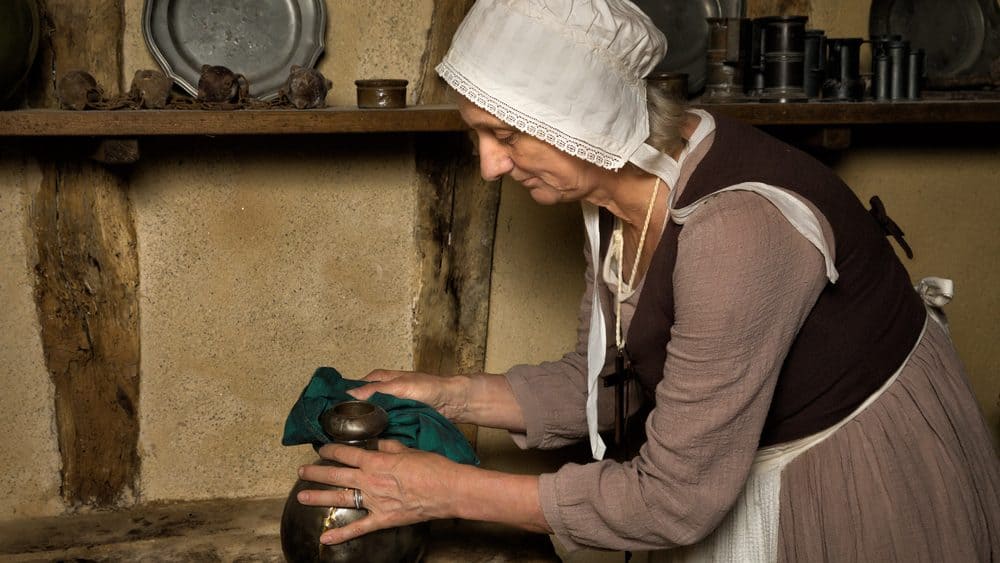
Widows and spinsters were vulnerable because they often lived outside the protection of a household headed by men. Many were forced to live off donations given by neighbors, which might cause squabbles or resentment.
If an old woman begged for food and was turned away, murmuring darkly as she walked away, pretty much any tragedy that befell that home afterwards (a sickness, dead livestock, etc.) could be chalked up to her witchcraft.
Knowing too much about herbs

People have always used herbs and tried folk remedies to treat illness long before modern pharmaceuticals existed. Healers walked a fine line. If their remedies cured someone, they were very knowledgeable. If their treatments didn’t work, they were suddenly practicing witchcraft.
If a healer gave a villager some herbs and that person shortly fell deathly ill or died, the healer might be accused of poisoning or witchcraft, especially if she already had a questionable reputation.
Having a bad argument with your neighbor

Many witchcraft accusations started out as petty disputes. Neighbors might quarrel over money, land, food, livestock, or words. If one party got angry and cursed their neighbor, and then something unfortunate occurred later, those words could later be twisted into proof of a curse.
Witnesses would sometimes dredge up old arguments during trials, many months or years prior, to justify why they believed the accused had cursed them.
Having a strange birthmark or mole

After someone became suspected, investigators would search their body for witch’s marks or other proofs of witchcraft. A mole, scar, birthmark, skin tag, or other unusual blemish could be construed as a witch’s mark or devil’s mark.
Witch-hunters would sometimes also look for an extra nipple-like growth thought to be used to breast-feed familiars. In reality, almost any normal blemish on the skin could be twisted into evidence of witchcraft.
Owning a cat or being unusually close to animals
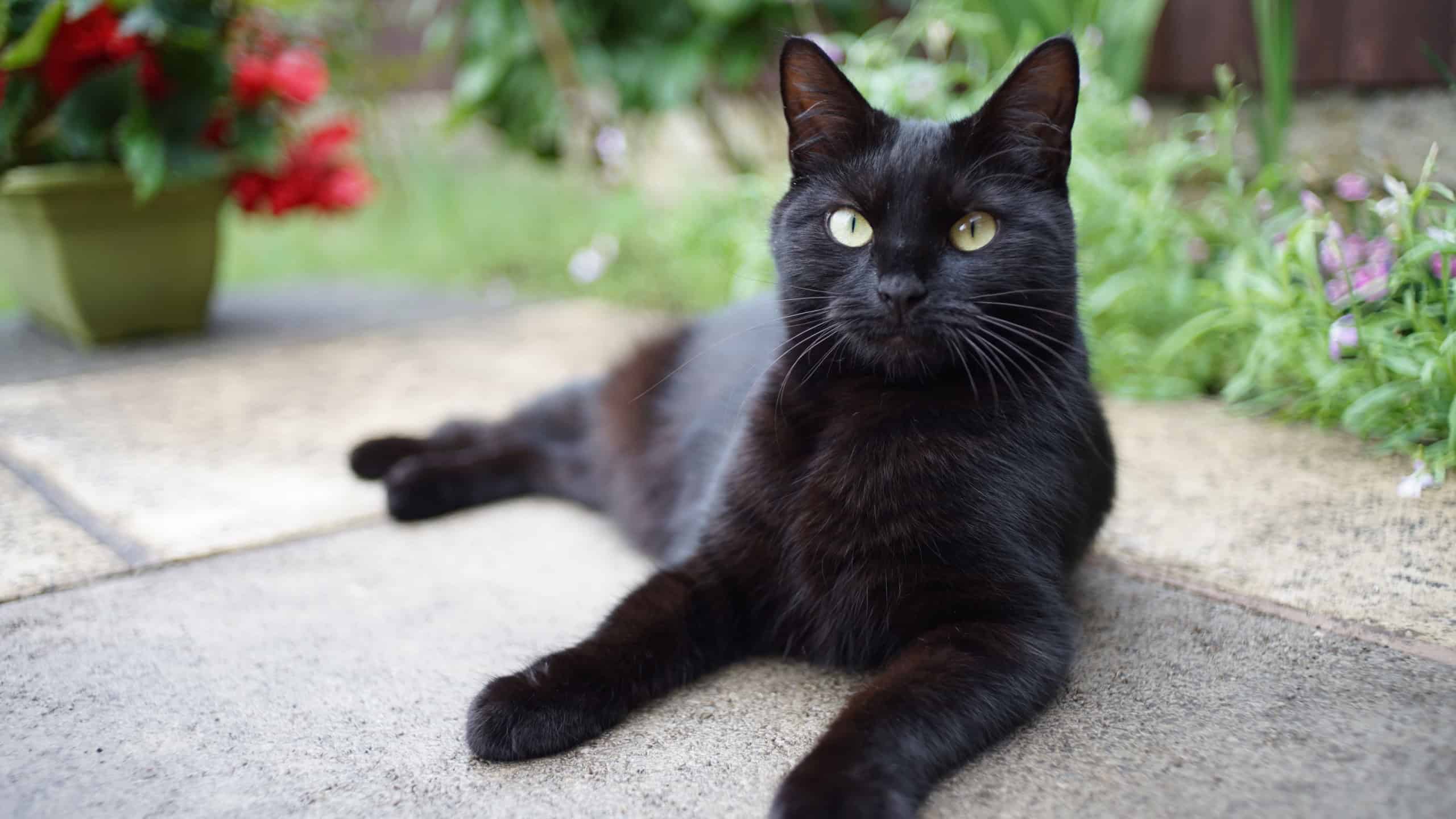
English folklore commonly spoke of familiars, spirits that aided witches and often took animal shape. Cats, dogs, birds, frogs, mice and other animals could all be suspected.
If an animal frequently followed someone about or appeared especially obedient to them, superstitious neighbors might see a normal pet-and-owner relationship as proof that the animal was in fact a supernatural minion.
Predicting something that later came true
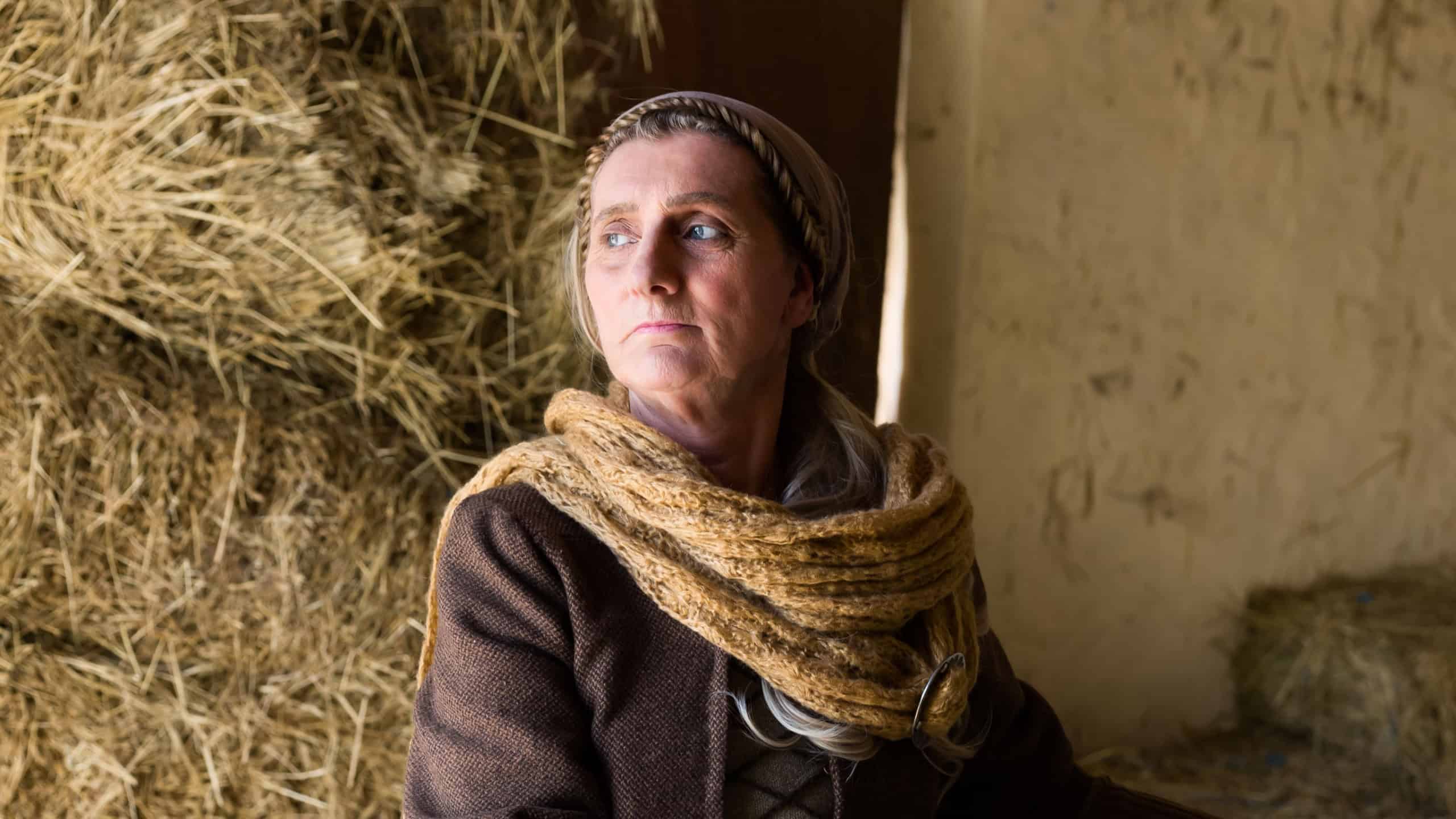
Even a normal prediction could seem sinister if it was proven true. If you said someone was going to fall ill, forecast bad weather, or yelled at a neighbor they’d regret crossing you, it would occur to people later that you might have known when something unfortunate happened.
What had been a guess, observation, or angry boast could take on the appearance of otherworldly insight.
Being too independent or outspoken
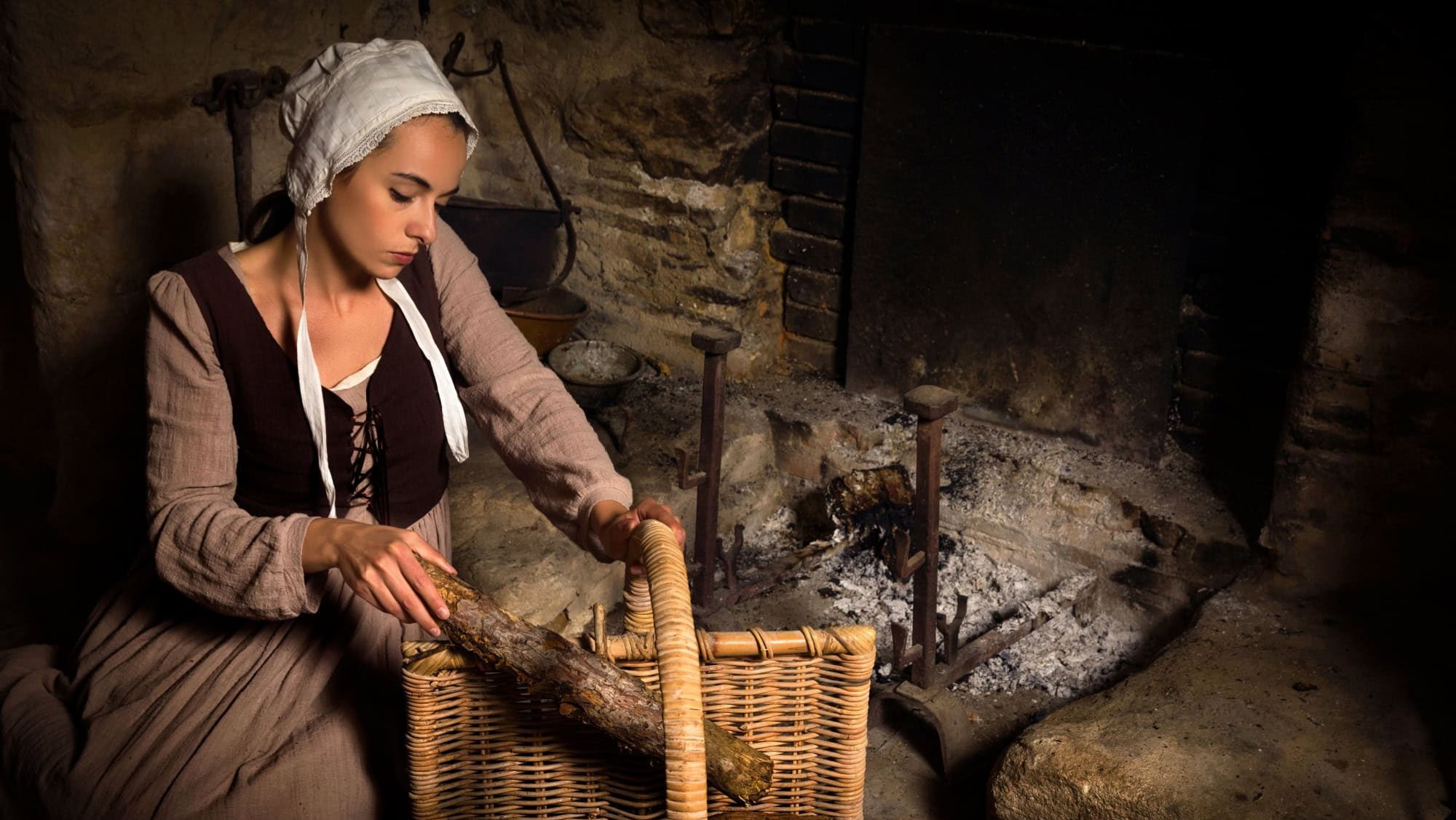
There wasn’t a law that stated outspoken women are witches, but reputation was important. If your neighbors were likely to describe you as argumentative, threatening, ill-tempered, or stubborn, you were at a disadvantage when witchcraft accusations started flying around.
Previous disagreements gave accusers anecdotes to share at trial, and behaviors that had only irritated your neighbors could be viewed in a new light.
Being nearby when something inexplicable happened

Say you visited a neighbor and soon after, their baby fell ill, their cow dried up, or you couldn’t churn butter no matter how hard you tried. During times when disease and crop failures were not fully understood, some people looked for a person to blame.
If you had enemies or were already seen suspiciously, being associated with an unexplained negative event at the right time could earn you a Witch’s label.
Appearing in someone’s dream or vision
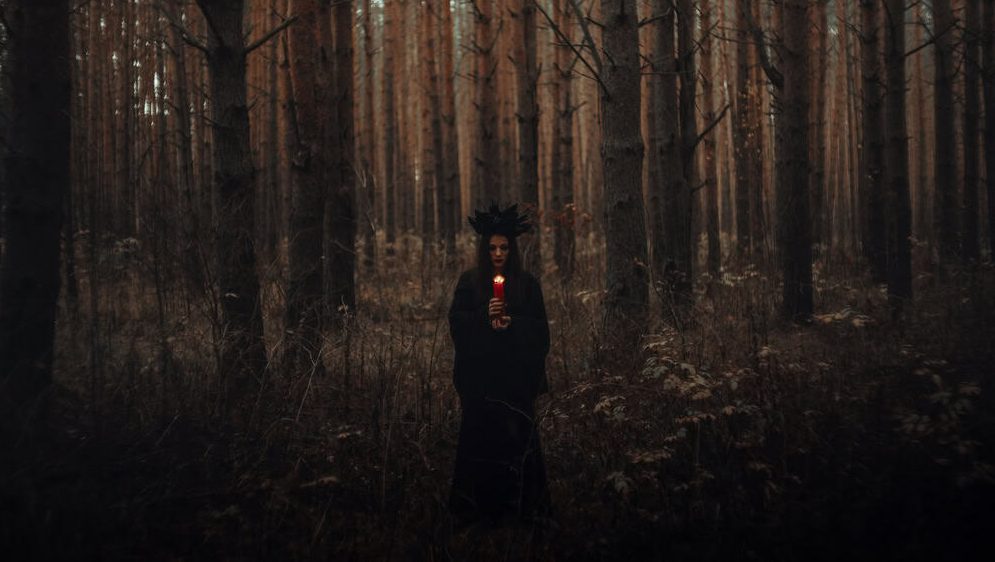
Maybe the weirdest type of evidence was when people said that an accused witch’s spirit tormented them. Such claims were known as “spectral evidence.” During the Salem witch trials of 1692, accusers testified that they saw the specter, or spirit, of people who were verifiably somewhere else.
Claims of spectral evidence became incredibly controversial, even at the time. The evidence was problematic because it was nearly impossible to prove that your spirit hadn’t appeared somewhere.
Being related to an accused witch
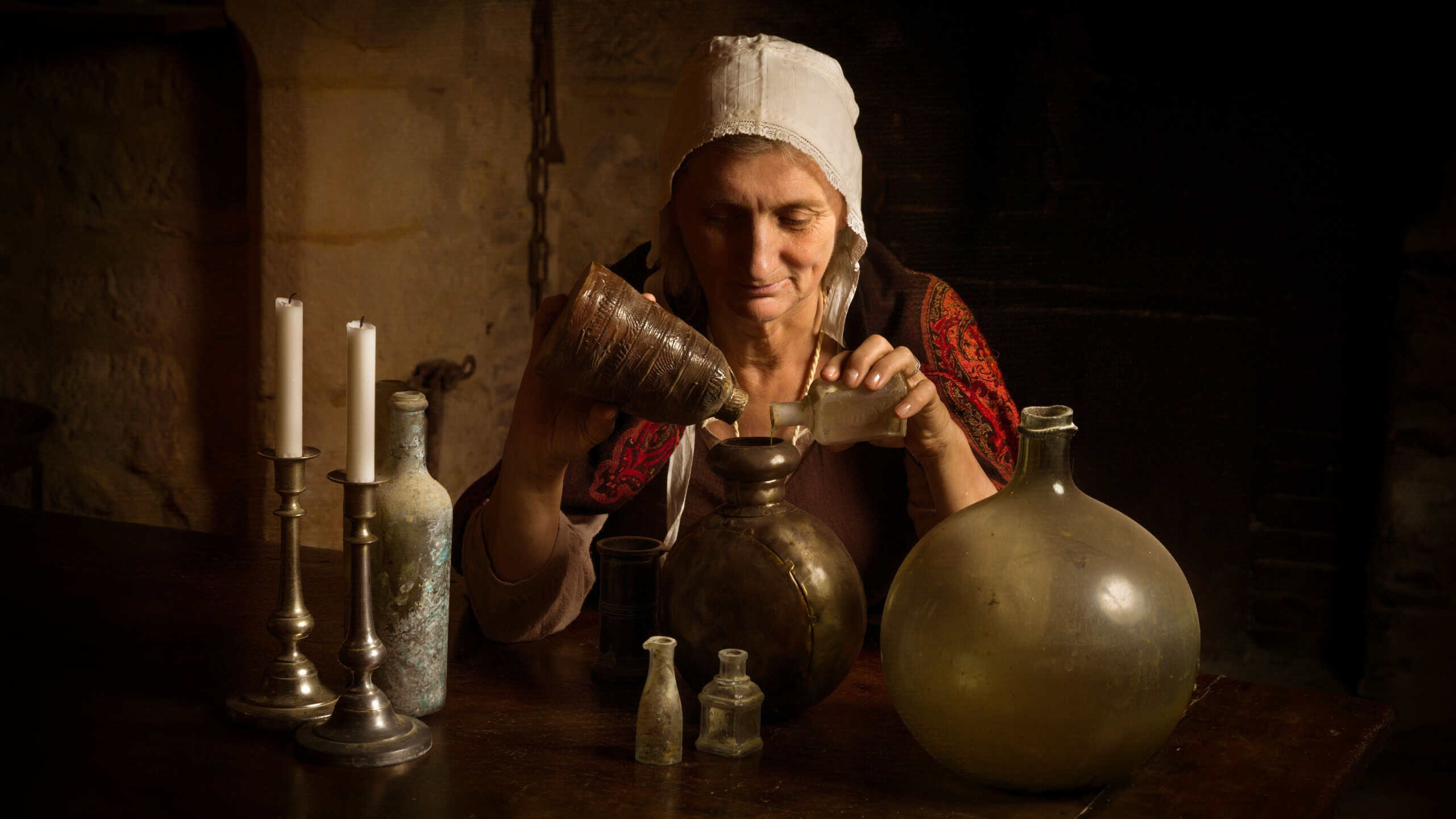
If one person in a family was accused of witchcraft, others might get accused too. Neighbors might start wondering if her mother, sisters, daughters, or other relatives acted suspiciously also. Sometimes in Salem, one accusation led to others because of family connections and friendships. If a family had a bad reputation, things could quickly escalate.
Being considered too beautiful or too ugly
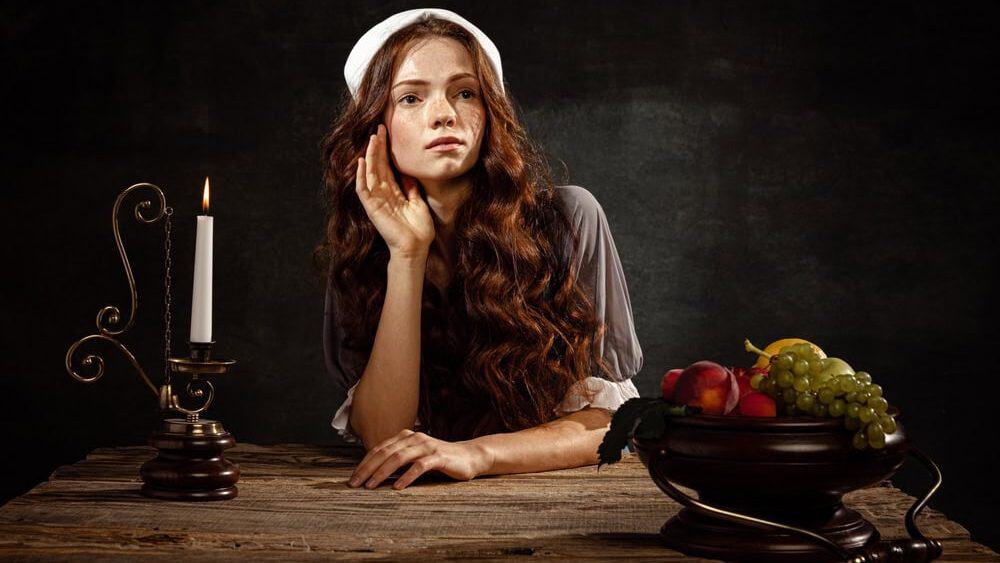
Appearance could also play a factor against you in a highly superstitious society. Elderly women with pockmarked faces, missing teeth, unusual features, physical disabilities, or any other noteworthy deformity could match societal ideas about what a witch should look like.
On the other hand, a woman who was considered exceptionally beautiful might be accused of witchcraft if she was thought to use charms or spells in order to seduce men.
Sources: Please see here for a complete listing of all sources that were consulted in the preparation of this article.
Like our content? Be sure to follow us.
12 biggest lies in history that everyone believes
A lot of stories we learn in history class are actually lies, rumors blown out of proportion, or just plain old myths.

