

A lot of stories we learn in history class are actually lies, rumors blown out of proportion, or just plain old myths.
Catherine the Great died in a bizarre horse accident
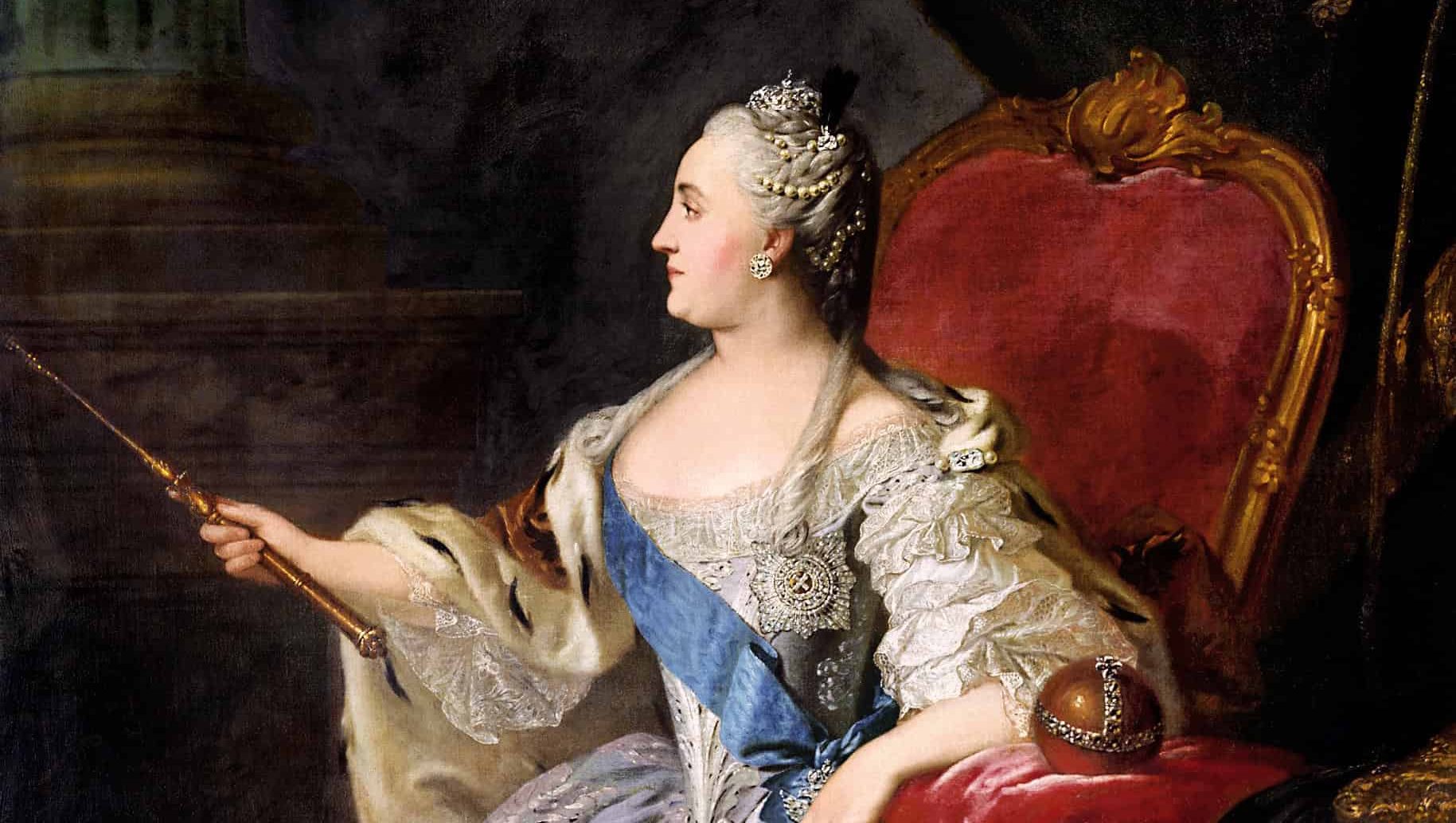
Rumors have circulated for centuries that Catherine the Great died while trying to have s** with a horse. Yes, you read that right. Russians murdered their beloved empress because she was having s** with a horse.
However, the story is entirely untrue. The empress actually died of a stroke on November 17, 1796.
There’s a long history of outlandish stories attempting to smear Catherine’s reputation. This particular rumor was part of that trend.
While historians have narrowed down some of the people who likely spread rumors about Catherine, they can’t point to any one person who started the story. They also can’t prove that the tale was started deliberately by her political enemies.
One thing we do know? Catherine the Great died of natural causes at age 67.
Dr. Guillotin invented the guillotine
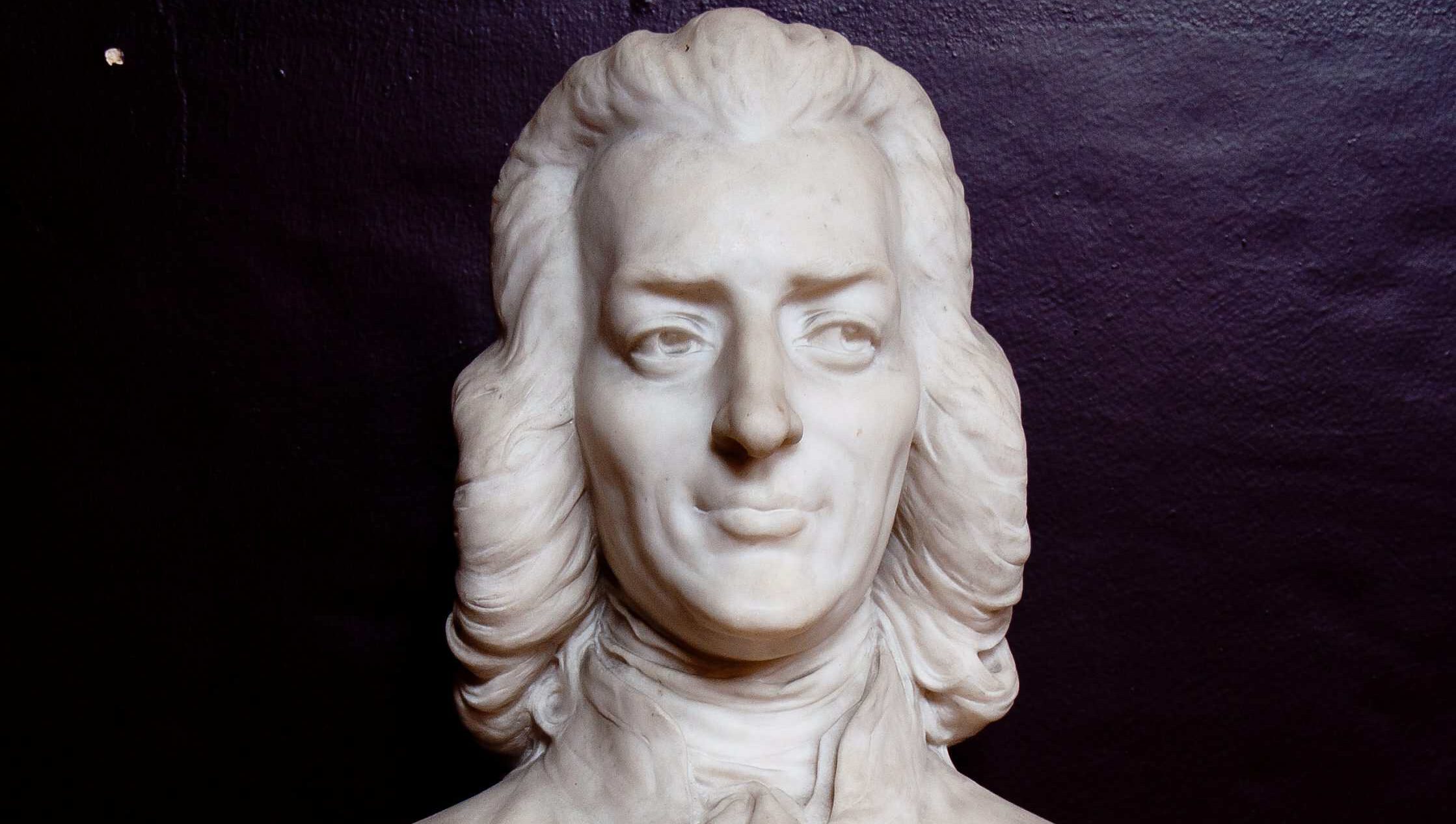
Joseph-Ignace Guillotin had his name burned into history when one of the most infamous execution devices was named after him.
It wasn’t named by him, though.
Guillotin was a doctor and social activist who simply advocated for a more humane, equal way of execution. Executions shouldn’t use different methods based on someone’s wealth or status, he argued, they should all use the same method.
That method was designed by a committee. Surgeon Antoine Louis came up with the prototype idea. German craftsman Tobias Schmidt built it.
Dr. Guillotin was reportedly not thrilled that the machine ended up with his name. His descendants even tried to fight for its name to be changed.
He also wasn’t killed by it. Guillotin died of natural causes in 1814, years after the device became associated with executions during the French Revolution.
Pocahontas dramatically saved John Smith’s life
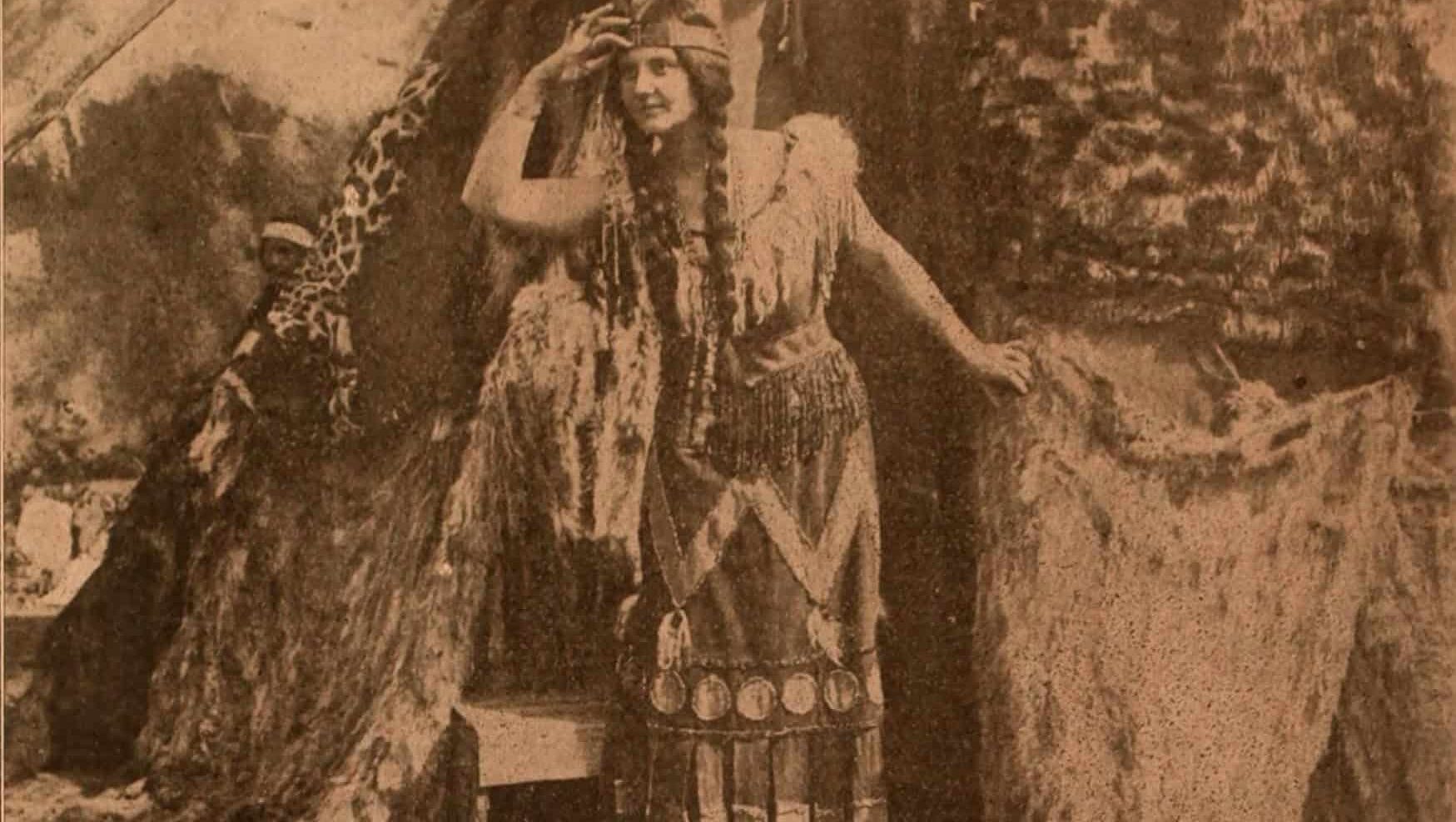
The tale of Pocahontas dramatically saving the life of English settler John Smith is one of America’s best-known legends. In the popular telling of the story, Smith was captured by Native Americans. His captors, acting on orders from Pocahontas’ father Chief Powhatan, were about to kill Smith when the young tribal princess threw herself on top of him and begged them to spare his life.
Yes, it’s a great story. Too bad it might not have happened that way at all.
When Smith arrived in Powhatan territory, Pocahontas was still just a child. Smith was a middle-aged man. But perhaps the biggest problem with the story is that Smith never mentioned it immediately afterward.
His descriptions of being spared by Pocahontas didn’t appear until years after the alleged incident took place. Some historians think Smith may have witnessed a ritual and misunderstood what was happening, while others think his story was changed over time as it was retold.
As for Smith and Pocahontas falling in love and living happily ever after? Now that’s a movie Disney made up.
A single fire destroyed the Great Library of Alexandria
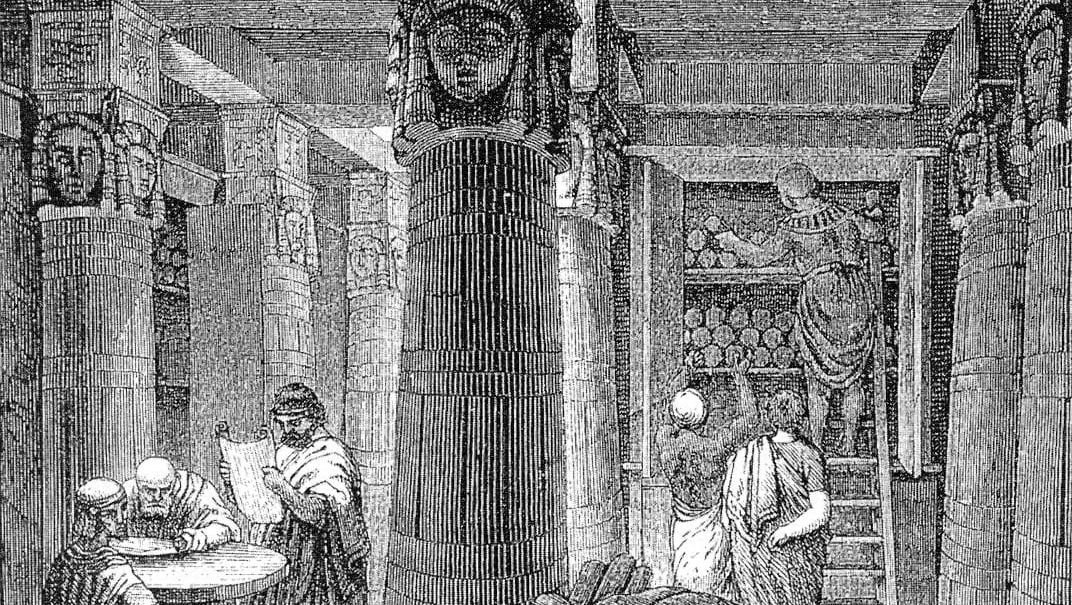
Few pictures are more evocative than hapless soldiers of Julius Caesar accidentally setting fire to the Great Library of Alexandria and torching the accumulated knowledge of humanity in a single conflagration.
The true story is considerably more murky.
Yes, a fire broke out during Caesar’s Alexandrine campaigns in 48 BCE and ancient writers claim books were destroyed. However, there is little evidence that this fire destroyed the Great Library. It appears the library continued after this point.
Rather, its downfall was likely gradual, involving decreased support, political instability, incidents of arson and book destruction, and Alexandria’s decline as a center of scholarship.
To this day historians debate how and when exactly the Great Library declined and what happened to its remaining holdings.
Iron maidens were medieval torture devices
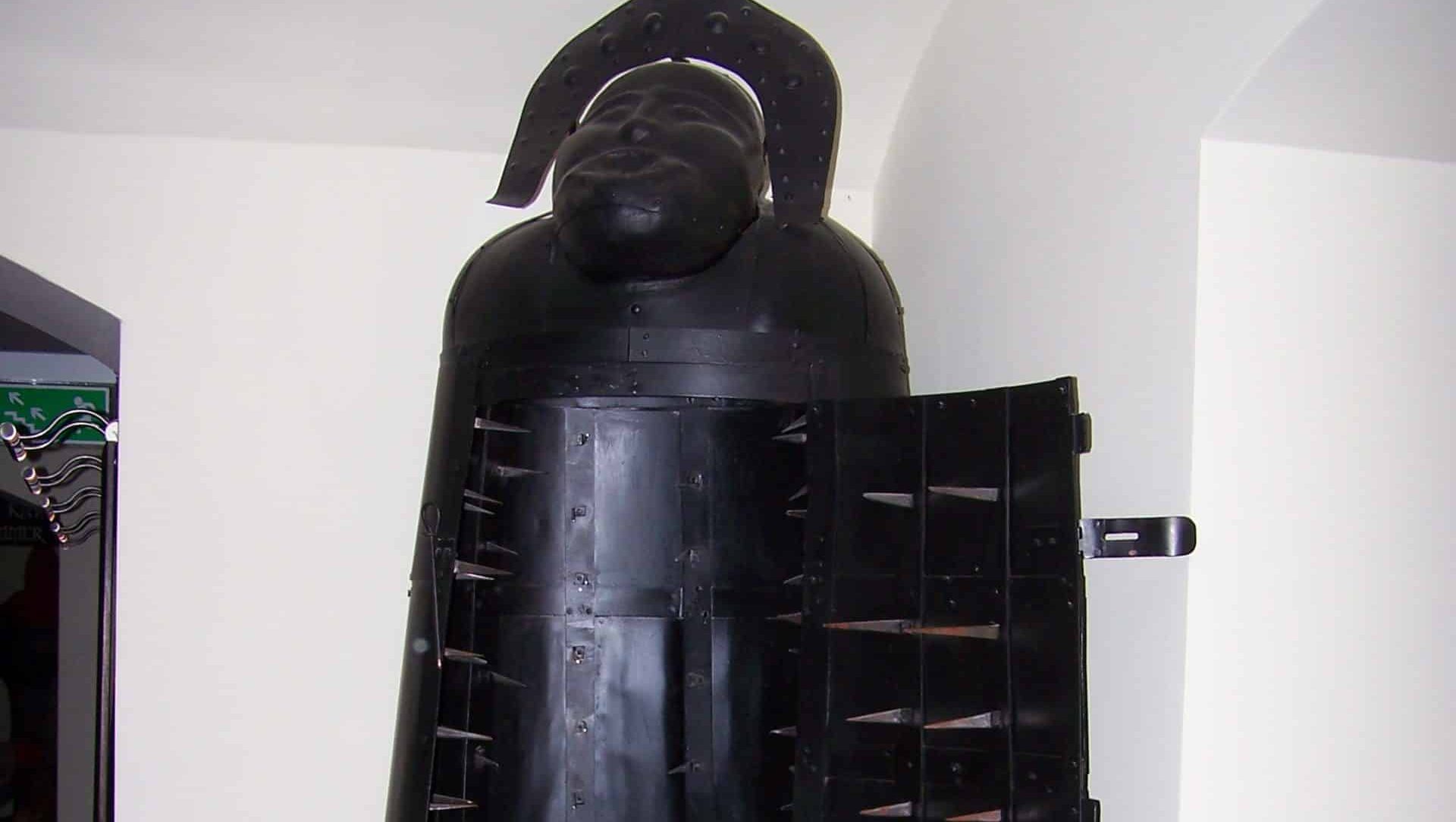
The Iron Maiden is one of the torture devices most people think of when imagining a medieval torture chamber. A tall box made of metal spikes, with the helpless victim placed inside while the doors closed around them. Torment awaits as their body is slowly impaled by rows of jagged metal. It’s exactly the type of scene we associate with the ‘dark ages.’
Except for one thing. There is little evidence the iron maiden was ever used. They might well be medieval artifacts, but calling them torture devices from that era stretches the truth.
Take the famous iron maiden from Nuremberg. It was almost certainly constructed (or reassembled) long after medieval times. The story we associate with this particular torture device was likely exaggerated over time. Many old and odd torture devices were displayed in museums by the 18th century, making them attractions to lure in curious tourists.
One of the first stories relating to a Nuremberg iron maiden originated with Johann Philipp Siebenkees back in the 1700s. From there, exaggerations were added to the story. More details. Further outrageous embellishments. And before long, iron maiden had firmly established itself as a fixture in the mythical landscape of medieval torture.
The War of the Worlds broadcast caused nationwide panic
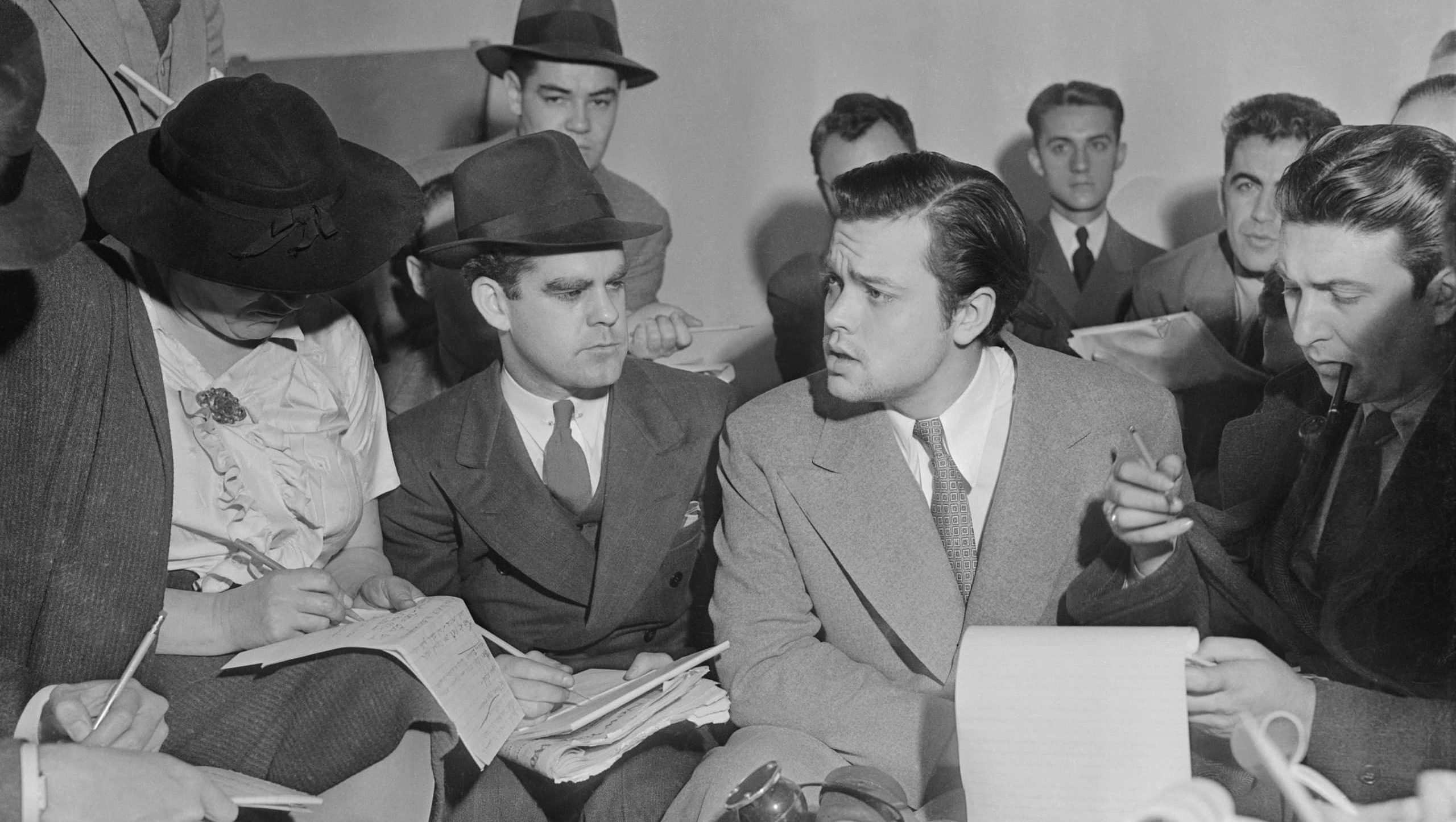
Everyone knows this story. On Halloween Eve 1938, radio listeners across America tuned in to Orson Welles’s The War of the Worlds. Too many listeners missed the disclaimer that the program was just a dramatization and genuinely believed Martian warships had landed.
While some listeners panicked, the nation did not devolve into chaos. There were no cities of terrified people running screaming into the streets shouting “Martians!” Some listeners did contact newspapers, radio stations, and police stations for guidance, but not in terrifying numbers.
Newspaper accounts the day after the broadcast magnified the extent of the panic. Historians have proposed that newspapers exaggerated the panic to protect their own industry by painting radio as a dangerous and untrustworthy medium.
The War of the Worlds certainly caused some confusion and panic, but its reputation as a murderous bloodbath of hysteria is mostly exaggerated.
Crusaders locked their wives in chastity belts
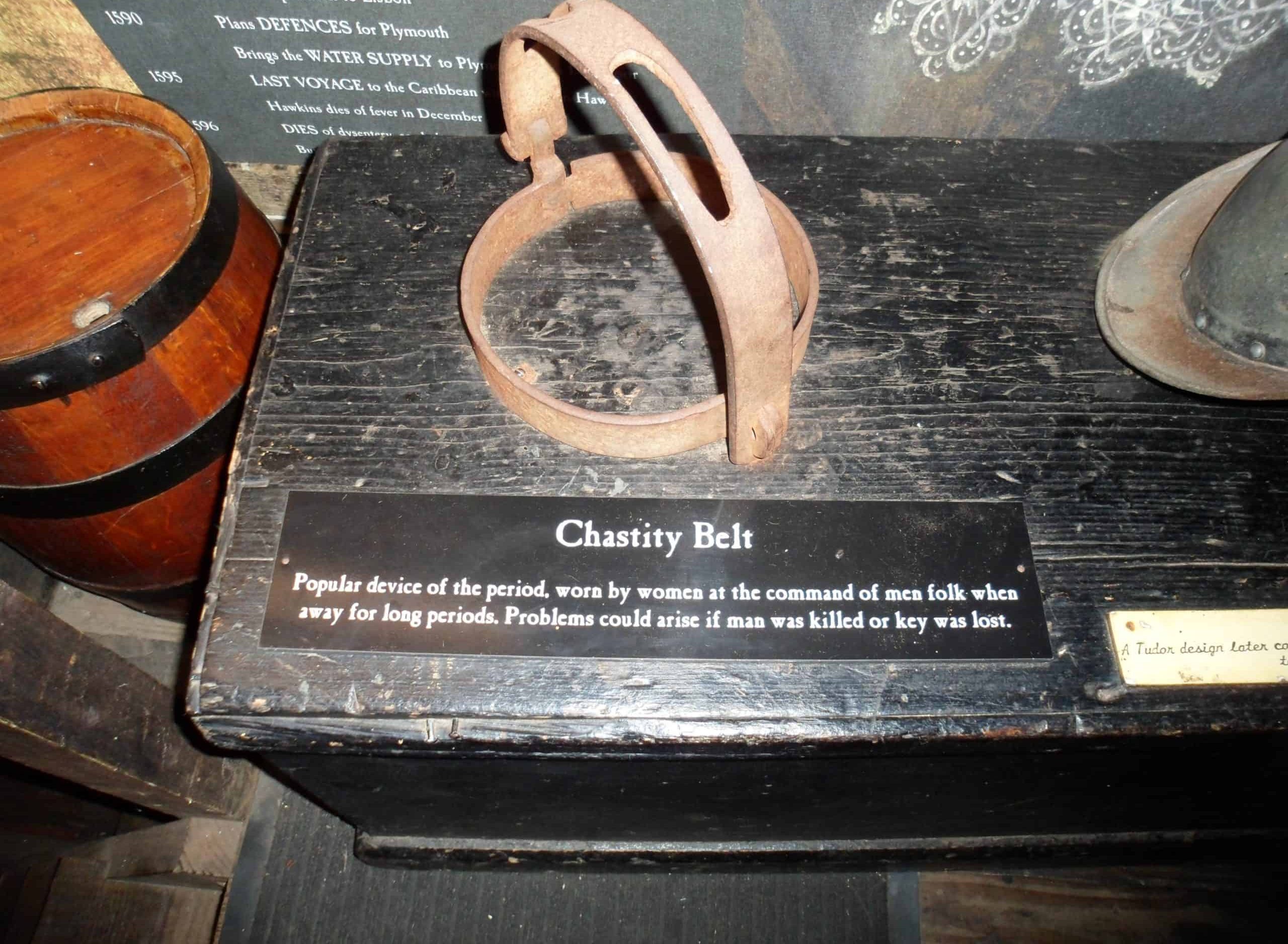
We’ve all heard the joke: the medieval knight bids his tearful wife goodbye before locking her in a metal chastity belt and departing for the Crusades.
But did medieval people actually do this?
Although chastity-belt-like devices (and depictions of them) did exist in later time periods, medieval historians have struggled to find reliable evidence that medieval husbands locked up their wives in such torture devices while they were away at war.
Many supposed medieval chastity belts, upon closer inspection, have been proven to be much later imitations or items destined for curiosity cabinets.
The image of knights putting their wives in metal underwear before embarking on Crusades is really just medieval fantasy, not something that actually happened.
Witches were burned at the stake in Salem

Movies and other forms of popular culture often depict the Salem witch trials as a series of witches being burned before crowds.
That never happened.
Of the people executed during the 1692–1693 Salem witch trials in colonial Massachusetts, 19 were hanged and one, Giles Corey, an elderly farmer who refused to plead guilty or not guilty was crushed to death by stones. Others died in jail while awaiting trial.
None of the 20 people convicted during the Salem witch trials were burned.
(Witches were burned at the stake in some parts of continental Europe, though English law against witchcraft prescribed hanging instead.) In Salem, Massachusetts, they hung witches.
The Boston tea party was simply a protest against higher tea prices
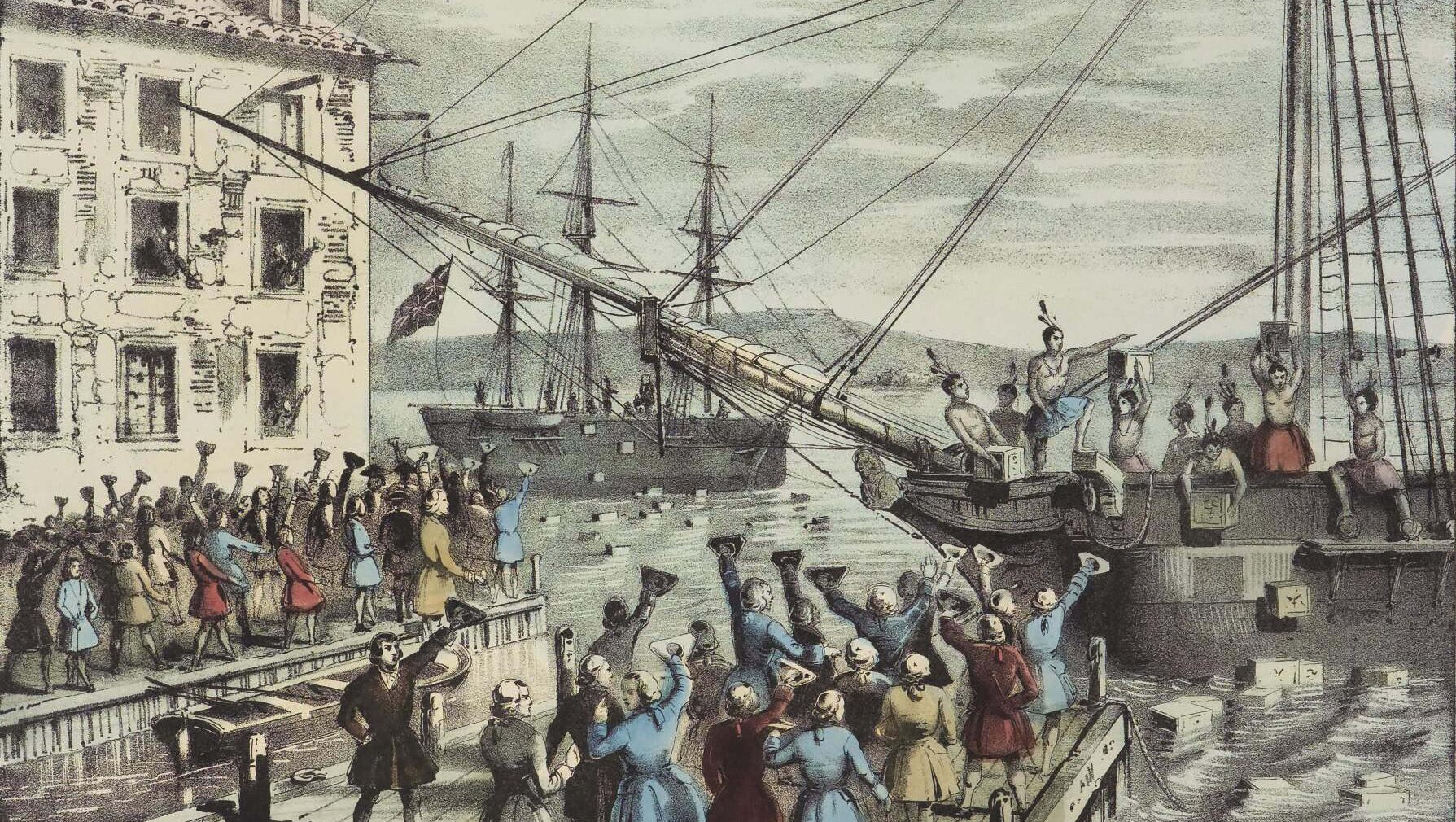
Most folks just see the Boston Tea Party as a simple pushback against pricey tea due to taxes.
The economics were more complicated though.
The Tea Act of 1773 allowed the British East India Company to sell tea directly to American consumers, making legally imported tea cheaper. This action directly impacted the earnings of local merchants and those involved in smuggling who dominated the existing tea market.
Another key grievance was the colonists’ refusal to accept Parliament’s ongoing right to impose taxes without their consent or representation. The colonists feared that accepting the reduced price of tea would implicitly validate Parliament’s taxing authority.
The Boston Tea Party wasn’t just about tea prices, it was political, constitutional and commercial.
Abner Doubleday invented baseball in 1839
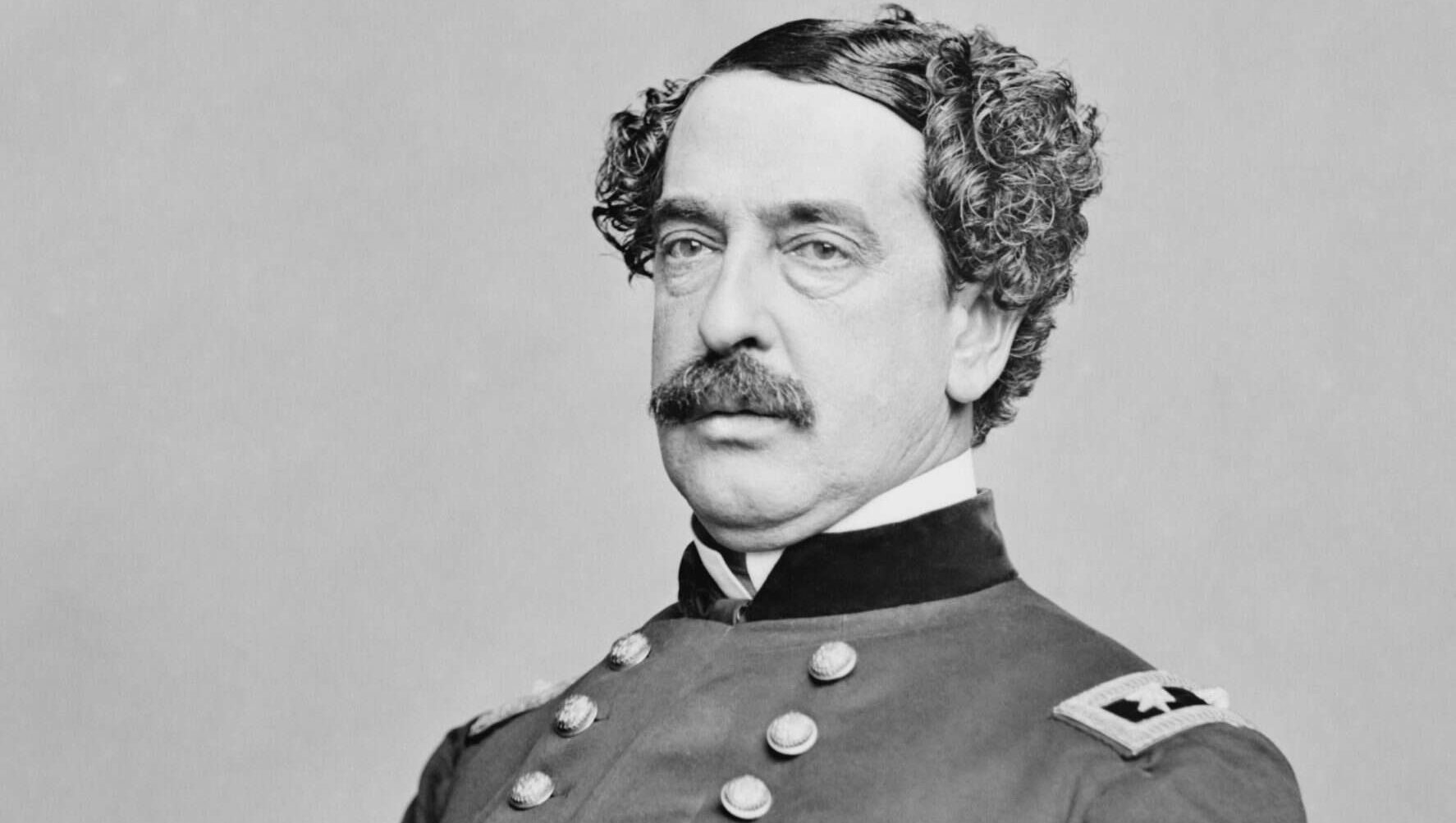
Annually, Cooperstown, NY, welcomes millions of visitors who are presented with the common story that Union General Abner Doubleday invented baseball on that very spot in 1839.
The story is almost certainly false.
This narrative traces its roots to the Mills Commission, a body convened in the early 20th century to probe baseball’s beginnings. The commission’s conclusions were largely shaped by Abner Graves’s account, wherein he claimed Doubleday invented the game in Cooperstown.
There was almost no corroborating evidence for the story, and Doubleday left no persuasive evidence that he had ever invented the game of baseball.
Scholars now generally agree that baseball emerged through a gradual evolution from older bat-and-ball games, blending English traditions like rounders and cricket with uniquely American twists.
Doubleday was indeed a Civil War General. But he was not the father of baseball.
Wild West saloons were constant shootout arenas

In the movies, Wild West saloons are depicted as wild places where drunken cowboys are quick to exchange insults. Offend a cowboy enough and he’ll pull out his revolver and heads fly in a staged gunfight out in the street.
Life on the frontier was more nuanced.
It’s true that gun violence occurred out West, and certain frontier towns experienced remarkably high per capita homicide rates. Still, killings were infrequent, and folks didn’t routinely end up in gunfights at the neighborhood saloon.
Gun carrying was sometimes restricted in certain towns, too. Both Dodge City and Tombstone had ordinances in place attempting to prevent people from carrying firearms within town.
Saloons were also places people went to drink, gamble, talk business, listen to music and just hang out. Gunfights occurred in the Old West. They just weren’t happening mid-afternoon like they do in the movies.
Marie Antoinette said “Let them eat cake”

Legend has it that when Marie Antoinette, Queen of France, heard that peasants had no bread to eat she replied, with aristocratic contempt: “Qu’ils mangent de la brioche” (“Let them eat cake”).
Yet, the queen in question never actually spoke them. At least, we have no record of her ever saying them.
Actually, the saying wasn’t linked to Marie Antoinette until long after Jean-Jacques Rousseau’s memoir, Confessions, first featured it. In that book Rousseau attributed the quote to “a great princess” but didn’t specify which one. At the time Rousseau wrote that passage (the 1760s), Marie Antoinette was still a little girl living in Austria. She didn’t arrive in France until 1770.
Rumors circulated that Marie Antoinette herself had uttered the infamous phrase, which further fueled the revolutionary propaganda. Revolutionaries published pamphlets and sang songs vilifying her as heartless, greedy, and careless about the wellbeing of France’s poorest citizens. They purposely cultivated Marie Antoinette’s image as a symbol of everything that was wrong with the French monarchy.
Sources: Please see here for a complete listing of all sources that were consulted in the preparation of this article.
Like our content? Be sure to follow us.
Ten historical lies that refuse to die
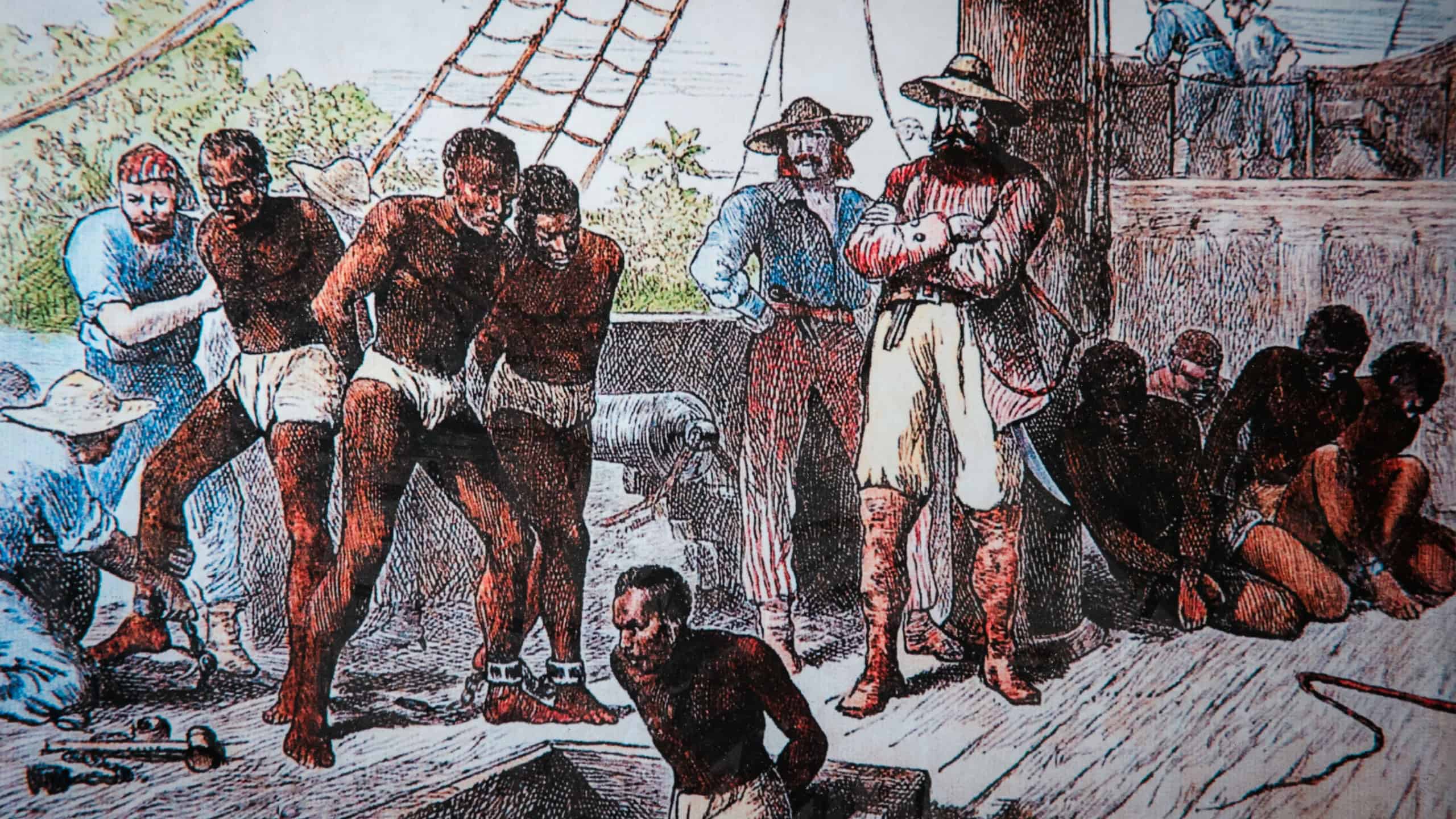
There are some historical myths that just don’t seem to die, probably because they’re so memorable, but they’re completely false.
