

Native American history is far richer and more complex than what most of us were taught in school.
The U.S. Constitution was heavily inspired by the Iroquois Confederacy

Centuries before the United States Constitution was drafted, the Haudenosaunee (Iroquois) Confederacy operated under the Great Law of Peace (Gayanashagowa). Created sometime in the 1100s–1150s, this confederacy united six Indigenous nations under a federal system with separation of powers, checks and balances, and even freedom of speech.
Benjamin Franklin and other founding fathers knew of and studied the Haudenosaunee system, and Congress passed a resolution recognizing this in 1988.
Native Americans cultivated over 60% of the world’s modern crops
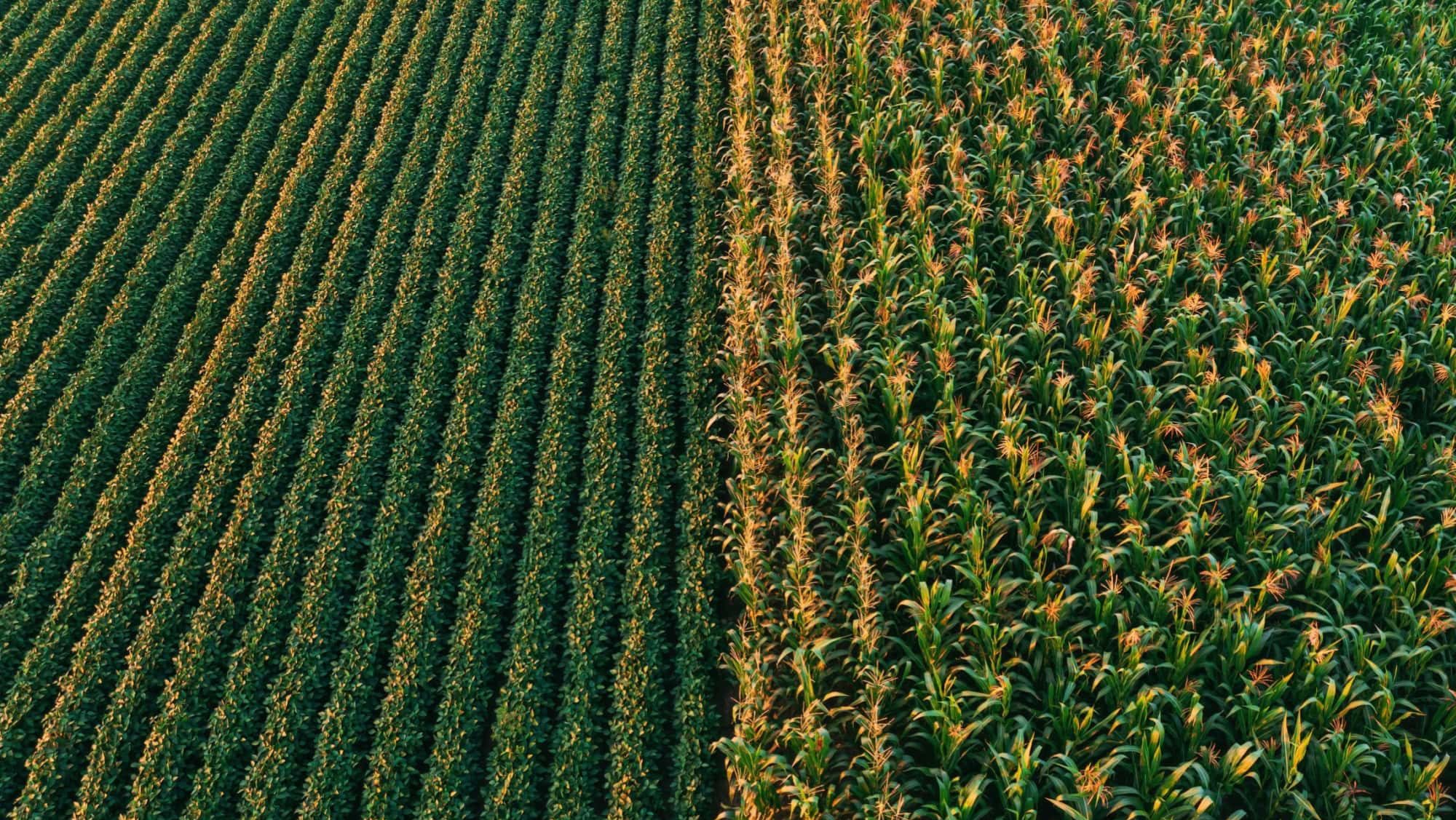
Potatoes, tomatoes, corn (maize), cocoa, vanilla, peanuts, pineapples, cashews, and wild rice were all native to the Americas before 1492. Native botanists developed many food crops over thousands of years using selective plant breeding and agronomy.
Early Americans developed wild grasses into today’s corn and toxic wild potatoes into nourishing tubers. Indigenous agriculture provides us with three-fifths of the world’s crop varieties.
Cahokia was an ancient city larger than medieval London

Cahokia was the urban hub of the Mississippian culture around 1050-1150 CE near what is now St. Louis, Missouri. Covering six square miles and containing over 120 large earthen pyramids and mounds, it likely held a population of between 10,000 and 20,000 residents.
At its height, Cahokia was larger than either London or Paris at the time. The city constructed complex astronomy-based monuments (known today as “Woodhenge”) to track solar solstices.
Native Americans were not granted U.S. citizenship until 1924
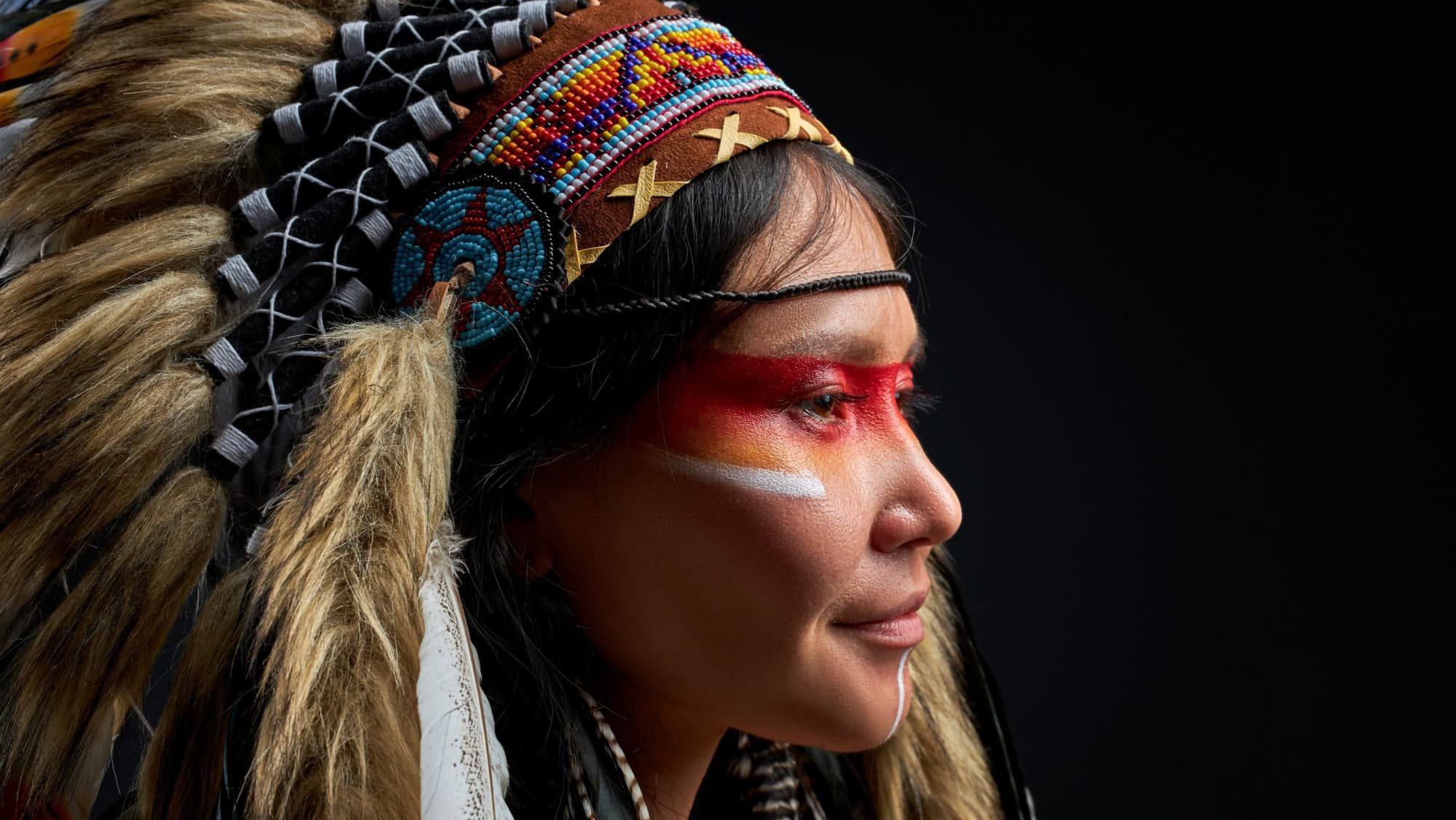
Although they were the original settlers of the country, Native Americans were omitted from the 14th Amendment. Native Americans were not considered citizens of the U. S. when it was founded.
President Calvin Coolidge passed the Indian Citizenship Act of 1924, which granted citizenship to all Native Americans born in the United States. However, some states prevented them from voting up until 1962 by using poll taxes and literacy tests.
Indigenous doctors performed advanced surgery before Europe
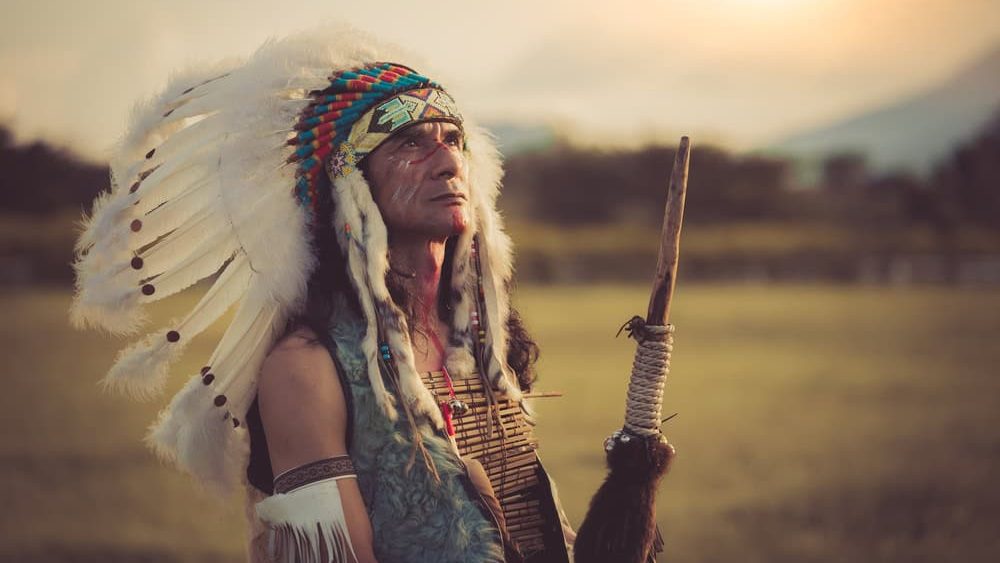
Before Europeans had sterile procedures or anesthesia, Indigenous medicine in the Americas was advanced. Doctors performed skull surgery called trepanation with better-than-average survival rates. Fractures were set using molds to make casts.
Doctors used syringes made from hollow bird bones with rubber suction bulbs on the end. They created natural disinfectants and anesthesia using Willow bark extract (salicin, which is used in modern-day aspirin).
The Choctaw Nation sent aid to Ireland during the Great Famine
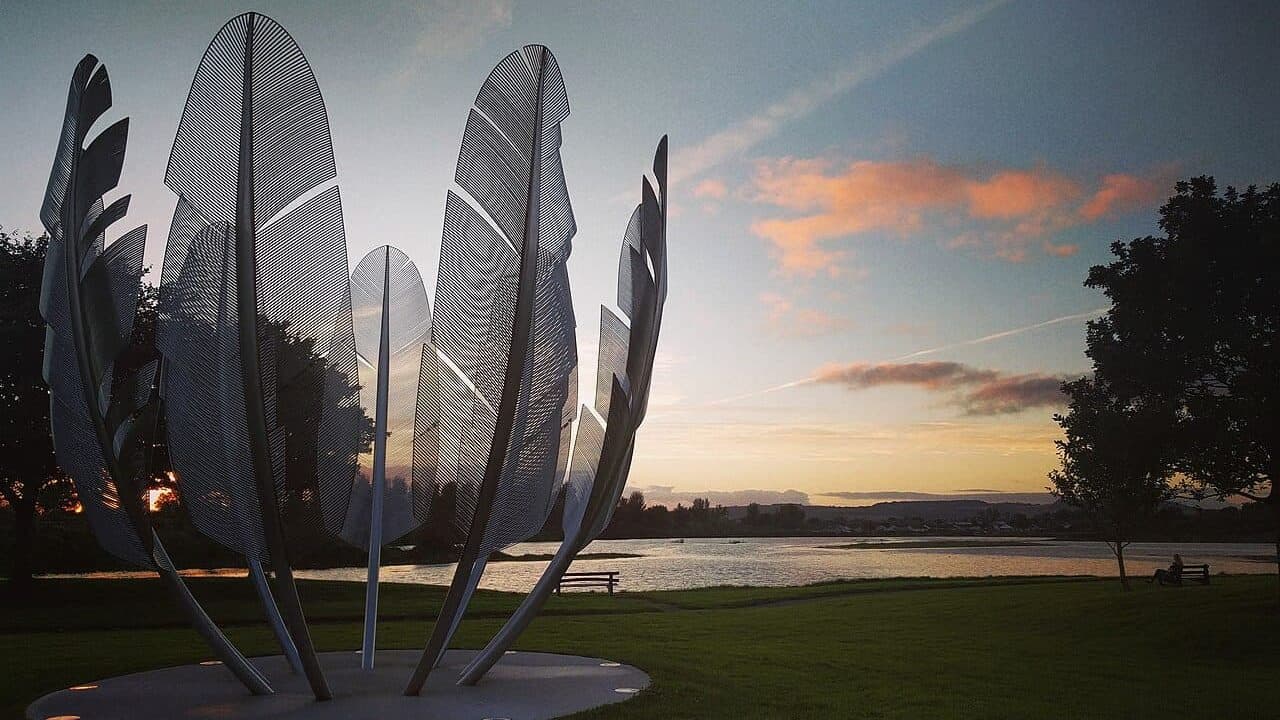
In 1847, sixteen years after being driven from their homelands on the “Trail of Tears,” the Choctaw people learned of the Great Famine in Ireland.
Though they were impoverished as refugees in what is now the southeastern United States, members of the Choctaw Nation raised $170 (equal to many thousands of dollars in today’s money) and sent it to Ireland to provide relief for hungry Irish families.
To this day, the kindness initiated a lasting friendship between Ireland and the Choctaw Nation.
More than 12,000 Native Americans served in World War I before they were citizens
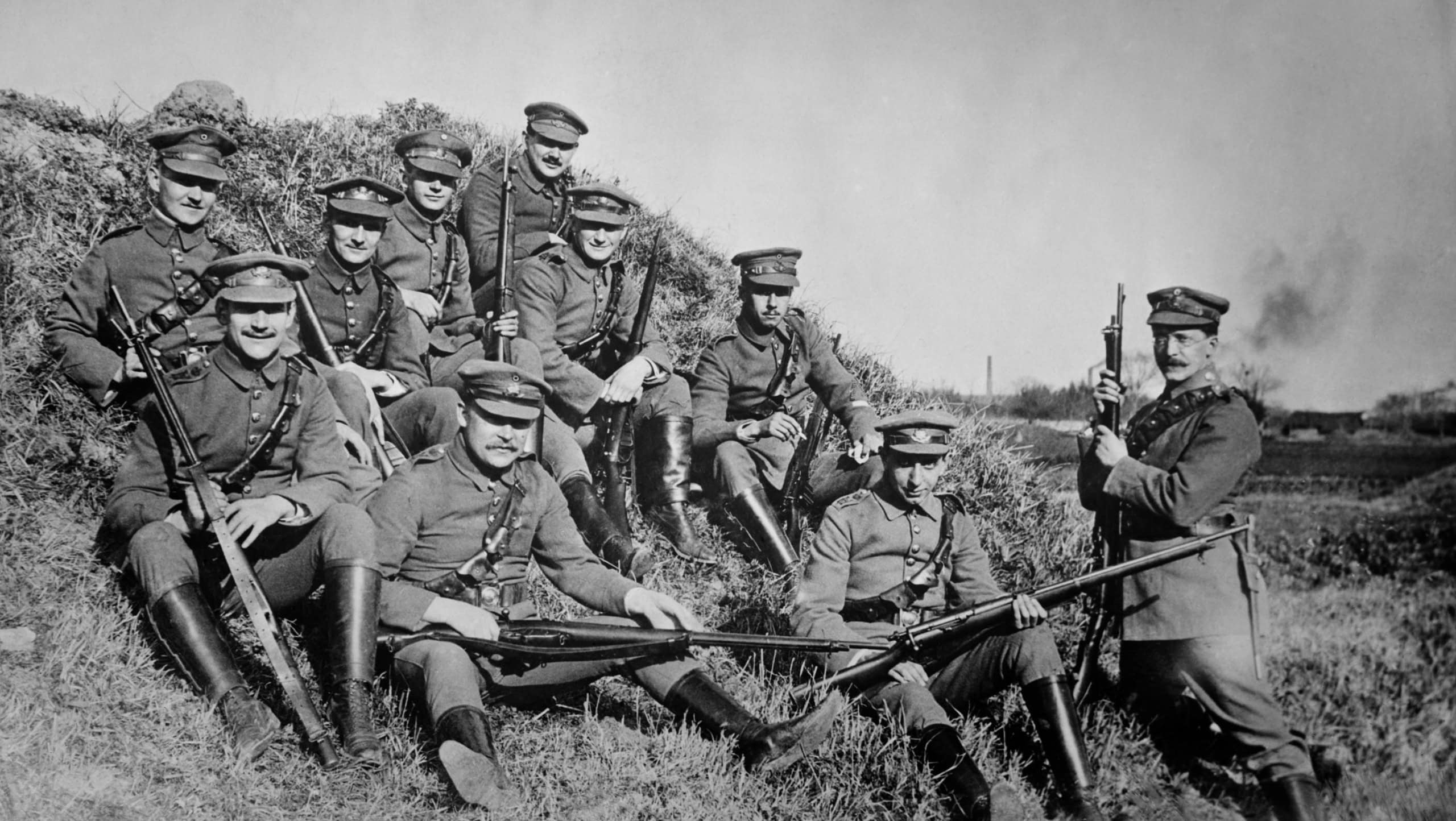
Native Americans were exempt from the draft because they were not considered citizens. However, more than 12,000 Native Americans served in WWI, fighting for the country of their birth. Native American veterans are largely responsible for pressuring the federal government to enact the Indian Citizenship Act six years later.
Native languages saved Allied communications in both World Wars
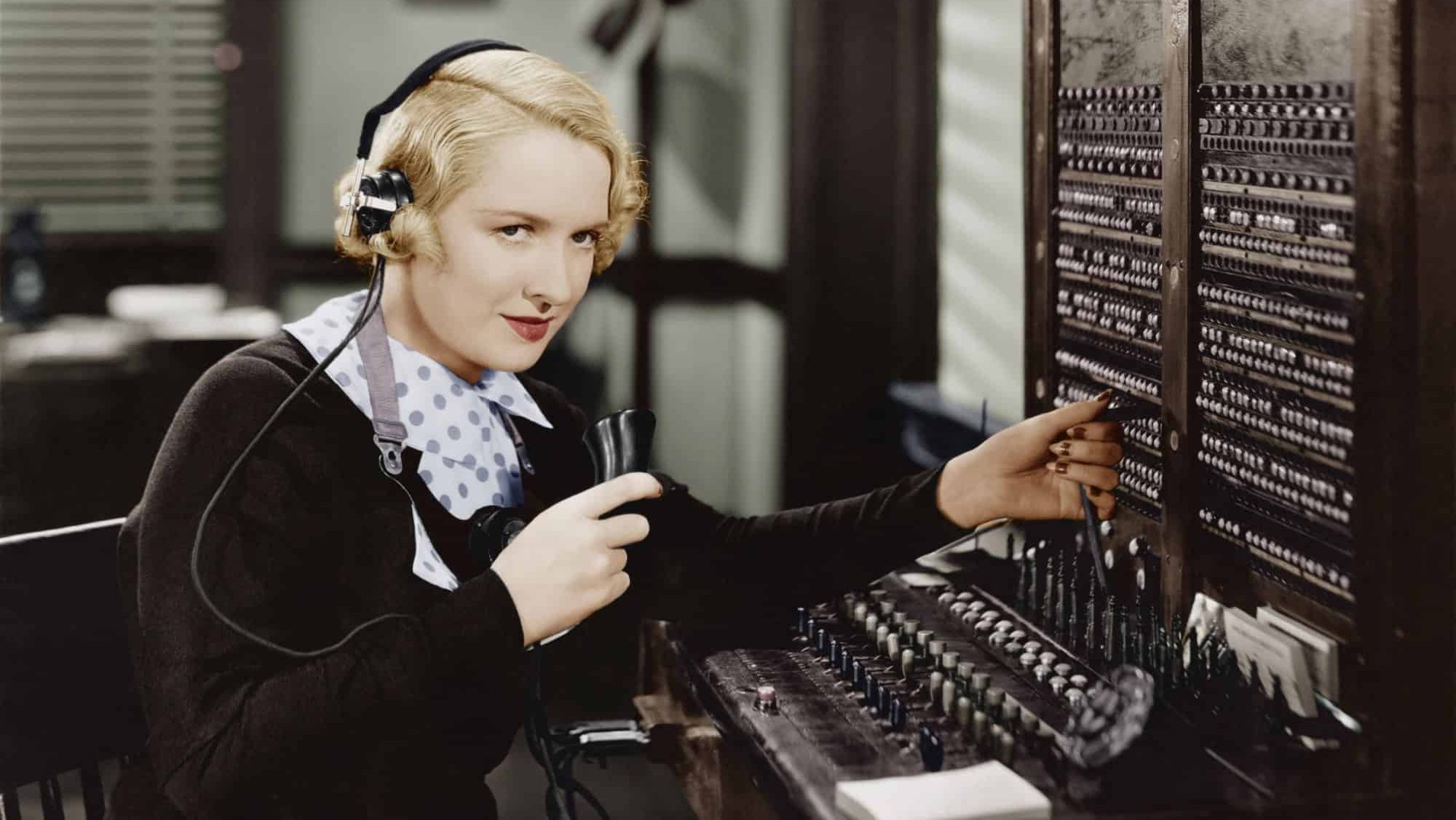
Although WWII Navajo Code Talkers are the most well-known, Native “code talkers” were utilized first in WWI by the Choctaw and Cherokee Nations.
Military personnel recognized early on that Indigenous languages were untranslatable by enemy codebreakers because the languages were unique to each tribe, had no written form, were exceedingly complex, and very few non-Natives had been exposed to them.
Over 30 tribes’ Code Talkers (Navajo, Comanche, Hopi, and Meskwaki, to name a few) sent encrypted battle communications instantly during World War II with zero decoded messages.
Native Americans invented the world’s fastest-growing sport
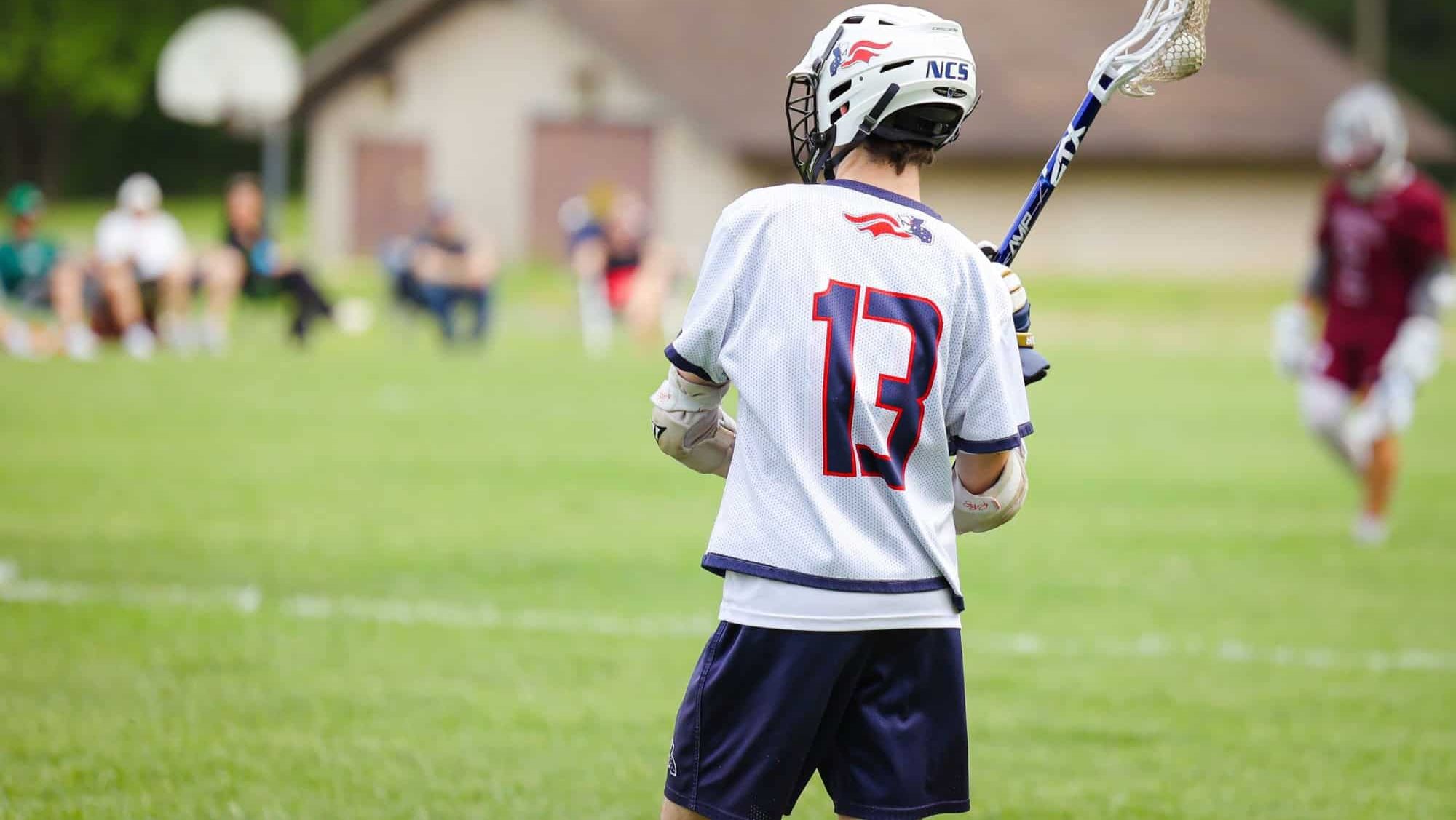
Lacrosse is considered North America’s oldest organized sport. It was originally developed by Indigenous nations centuries before European settlers arrived. In their native languages, the game is called Tewaaraton (Mohawk) or Baqchawai (Choctaw).
Lacrosse had spiritual, social, and military significance. There could be hundreds of players on fields many miles wide, playing for days. Games were played to resolve conflicts between tribes, to increase stamina, or to honor the Creator.
The concept of “blood quantum” was imposed by the federal government

Traditionally, membership in tribal nations was decided through family ties, communal adoption, clan relationships, and participation in the culture.
The idea of “blood quantum” requiring ¼ degree or some other amount of genetic bloodlines came from the U.S federal government through legislation such as the General Allotment Act of 1887 and the Indian Reorganization Act of 1934; a means to document, restrict, and gradually decrease the number of people eligible for federally promised treaty obligations from one generation to the next.
Over 25,000 Native women served in the military or defense during WWII
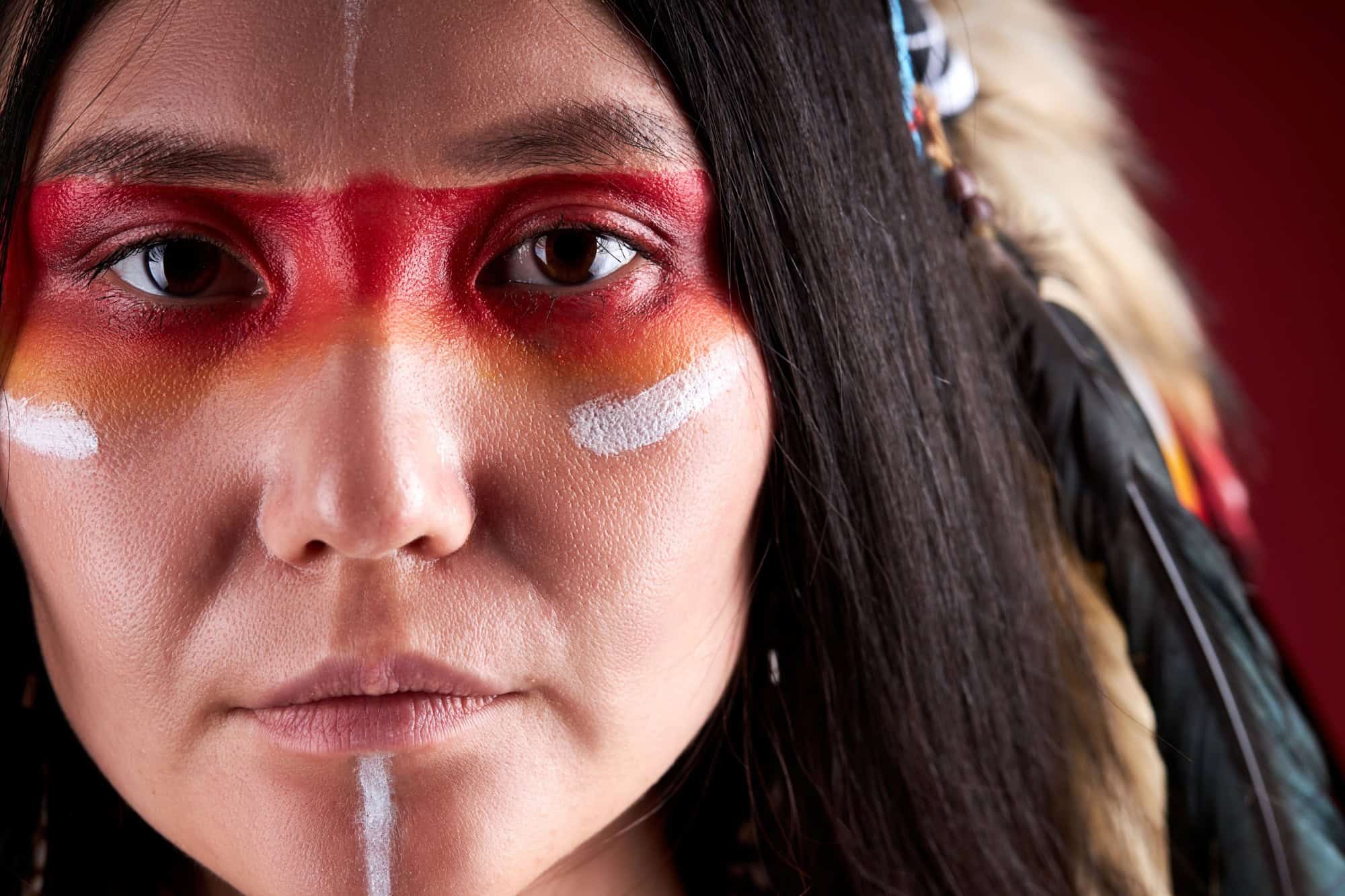
Native women made an incalculable contribution to victory in World War II. Approximately 800 Native women served in the military reserves (WACs, WAVEs, WASPs) as nurses, clerks, and technicians.
At the same time, almost 25,000 Native women filled the workforce in the defense industry: shipyards, aircraft assembly plants, and ammunition plants, as well as tending to rural farmsteads on reservations.
Native sovereignty is political citizenship, not a racial classification
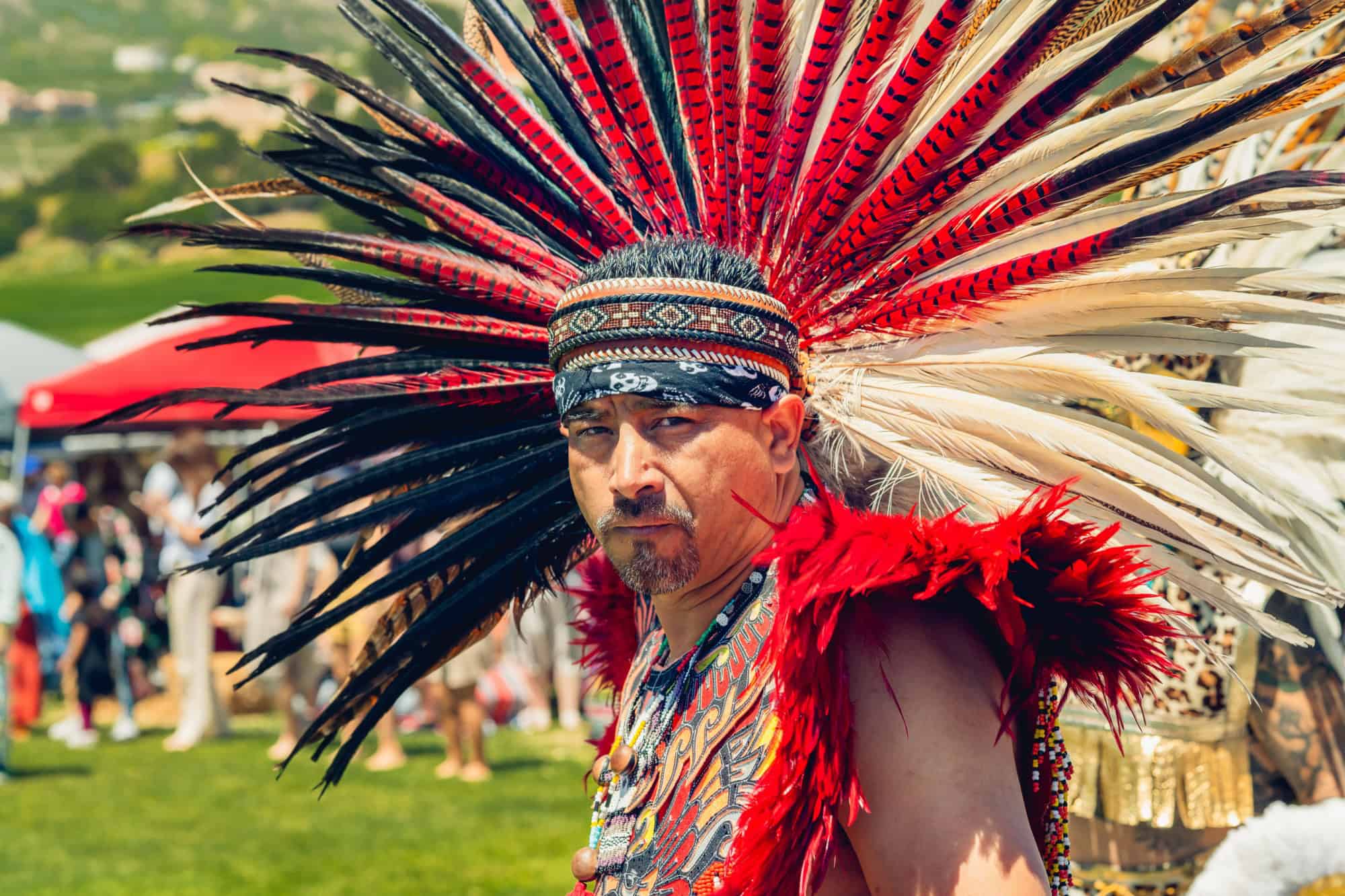
Within U. S. and Canadian law, Native American or Indigenous peoples are not classified just as a race. Federally recognized tribes are separate sovereign political nations with their own governments, courts, police, and jurisdiction within the United States.
The enrolled membership of a tribe holds a legal status equal to that of dual citizenship in a unique political nation. Their status is upheld by thousands of treaties ratified by the federal government.
Sources: Please see here for a complete listing of all sources that were consulted in the preparation of this article.
Like our content? Be sure to follow us.
10 Native American stereotypes, as seen by Native Americans
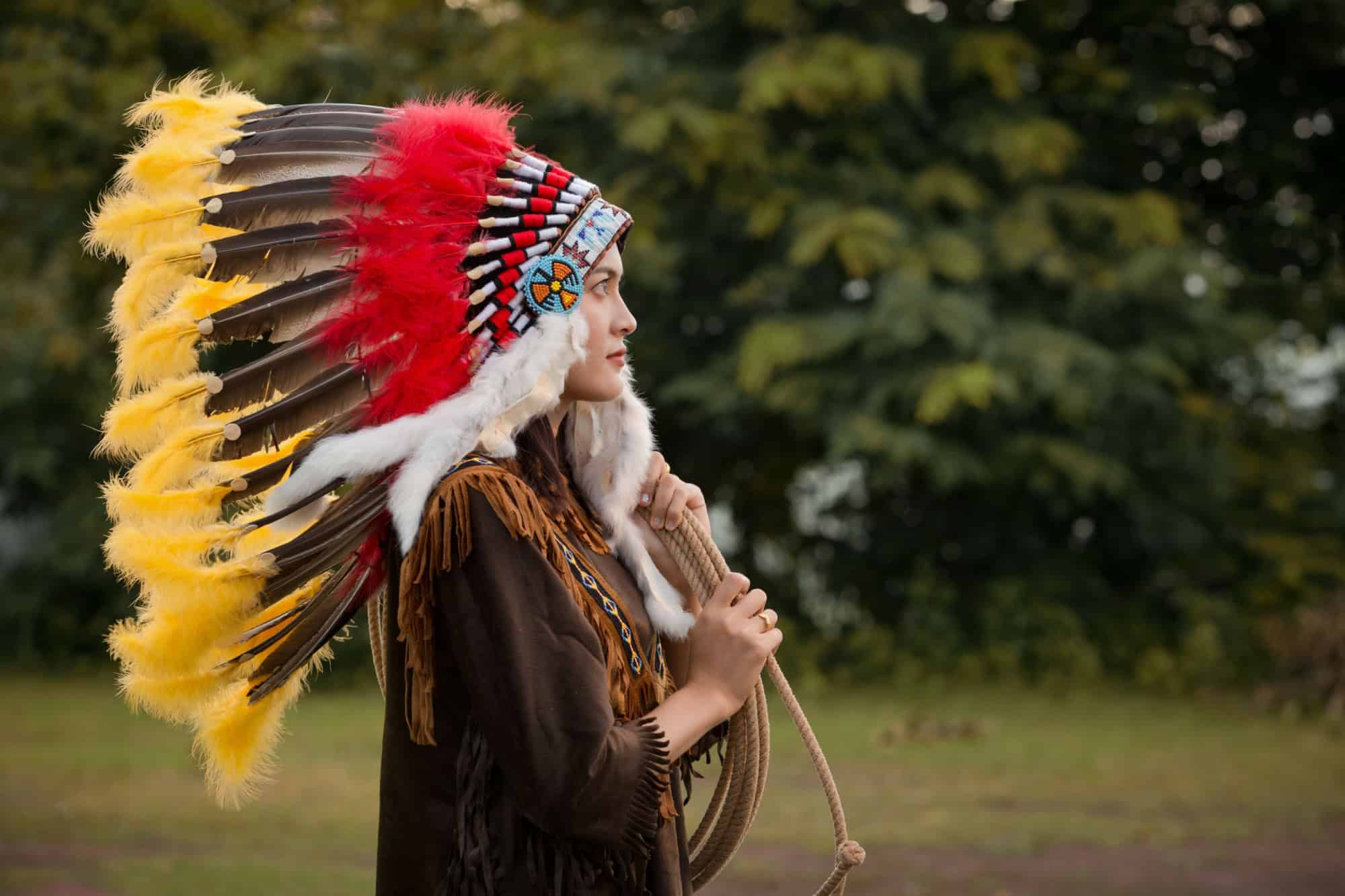
Movies, textbooks, and popular culture have created plenty of myths about Native Americans that refuse to disappear.

