

People masking their autism tend to spend years hiding certain habits and discomforts without ever realizing they’re doing it, or that these are autistic traits.
The conversation before the conversation

Before we begin, just remember that you should always speak to a doctor about any possible diagnosis, and this article isn’t a substitute for professional medical advice.
Going to the grocery store shouldn’t require a mental rehearsal, yet someone who’s masking their autism might feel they need one. They’ll rehearse what to say to the cashier before they’ve even left the house.
They’ll prepare some different responses as well, just in case the cashier asks them something unexpected, and it’s something that psychologists call ‘scripting.’ Essentially, autistic people do it to prepare for social situations. It can become so normal for some people that they think it just counts as them being prepared, but it’s so much more than that.
Borrowing a little from everyone

Think carefully about all the people you spend time with. Yes, it’s normal to speak differently around one group of people than around another group of people, so don’t worry about that. It’s a little different when it comes to copying somebody else’s exact mannerisms.
Some autistic people learn how to socialize by studying others, and then they copy how those people behave. They’ll borrow other people’s jokes and expressions, perhaps even mimicking their tone of voice. It’s not always something they’re aware of either. But they do it.
The unwritten eye contact rule

Most people know that eye contact is important during a conversation. Autistic people know that, too. The difference is, they might force themselves to look at someone’s eyes, rather than it coming naturally to them.
Those who find eye contact uncomfortable might consciously force themselves to maintain it. That way, nobody knows they’re not socially comfortable. You might notice that you do it yourself, and you might even time yourself to make sure you’re looking for ‘enough’ time.
The expression in the mirror

One part of autistic masking involves learning which facial expressions are right for different situations. Autistic people may practice facial expressions in front of a mirror, sometimes because others have previously commented on how they look.
They train themselves to look surprised when they receive a gift, for example. They practice smiling at the right moment when someone’s telling a joke. They do feel the emotions associated with these moments. It’s just that they need their faces to express them.
A perfectly ordinary afternoon

Everyone at the party assumes that you’re having a great time. You’re laughing along with the jokes and joining conversations. You’re overall quite sociable, and it seems like everything’s fine, but nobody realizes how hard you’re trying to appear relaxed.
You can’t even enjoy yourself because you’re so focused on masking your social difficulties. That’s why, after trying to follow everyone else’s behavior for so long, you become drained when you get home. The party itself might’ve been fine. It was the effort you put into seeming relaxed that tired you out.
Keeping quiet about the noise
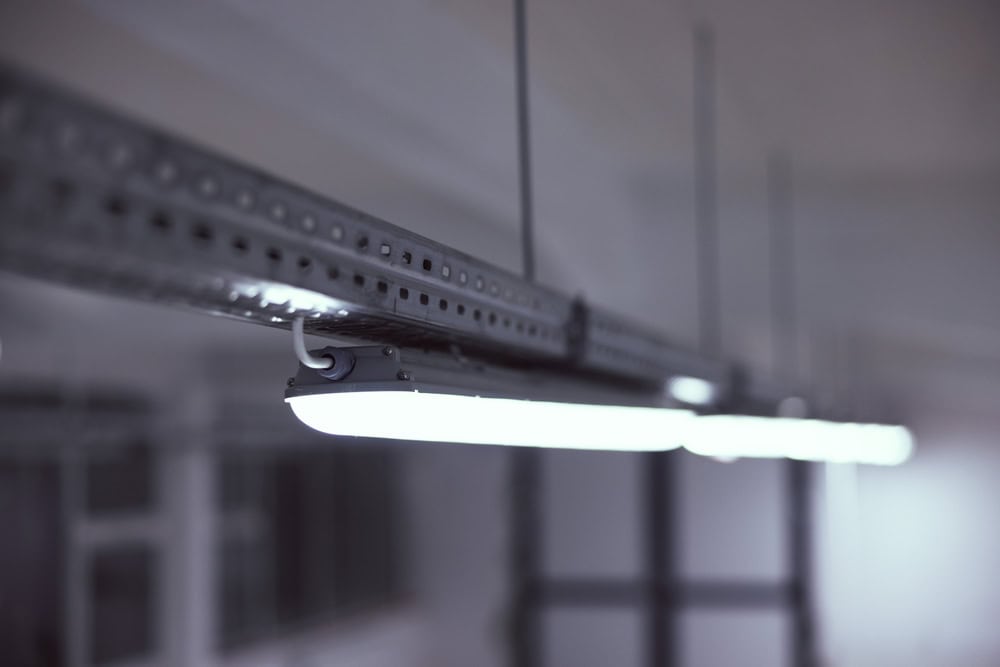
Nobody else seems to be bothered by that buzzing fluorescent light, but you certainly are. You won’t show it, though. You pretend that the bright lights aren’t bothering you, and you resist the urge to cover your ears when you hear loud sounds.
Many autistic people experience sensory differences, including heightened sensitivity to certain sounds or lighting. They often learn to mask these feelings because they don’t want to appear unusual, so they find a way to put up with their discomfort when they’re around other people.
The hug that feels uncomfortable

It’s perfectly fine to have boundaries, autistic or not. However, some autistic people feel really uncomfortable when they come into physical contact with someone, whether that’s a handshake or a hug. They feel a kind of sensory overload.
But they hide it from everyone by accepting hugs or handshakes without reacting. They tend to spend years smiling through physical contact that makes their skin crawl a little, and it’s not exactly a pleasant feeling. They do it anyway.
The schedule nobody knows about

You might think that your decision to have breakfast at exactly the same time every morning is a harmless preference. Perhaps it is. But look at the way that you behave when somebody changes your plans unexpectedly.
Many autistic people rely heavily on routines to help make their daily lives more predictable. If you’re someone who’s masking, you might try to fake being flexible when those routines change. But the reality is that you feel very unsettled and worry about how the change will interfere with everything else you’d planned.
Holding everything in place

It might be easy for most people to sit still, but for you, that’s a task in itself. You have to constantly make sure your hands aren’t moving too much, and you have to keep resisting the urge to rock yourself. While it might take effort, you’ve probably become quite good at it.
Doing these kinds of repetitive movements is known as stimming, and autistic people often stim to feel comfortable or manage their emotions. Yet some deliberately stop themselves from making these movements around others. They don’t want other people to know.
The words that stay inside

Having a catchy phrase stuck in your head is quite different from feeling the urge to repeat the phrase. Repeating words or phrases you’ve heard is called ‘echolalia,’ and you might feel a strong urge to say them out loud. It could be something someone said earlier that day.
It could even be a random line from a favorite movie. But people masking autism have learned to keep these repetitions to themselves, especially around strangers, and they’ll do their best to avoid repeating in public. They’ll repeat them when they’re alone with nobody to judge them.
The food preference with another explanation

It’s way easier telling someone you’re a picky eater than explaining the exact reasons why you can’t eat certain foods. Maybe it’s because of the taste, or maybe it’s because you can’t stand the food’s texture. But you don’t want to tell anyone that.
Some autistic people are highly sensitive to food textures, and while they might enjoy the taste of a food, they won’t eat it because of the texture. They’ll avoid explaining that. Instead, they’ll say they dislike the food, and they might even convince themselves that that’s the reason.
Sources: Please see here for a complete listing of all sources that were consulted in the preparation of this article.
11 signs you’re ‘fawning’ without realizing it

Fawning can look so much like being kind, helpful, and easygoing that you may not realize you’re doing it at all.

