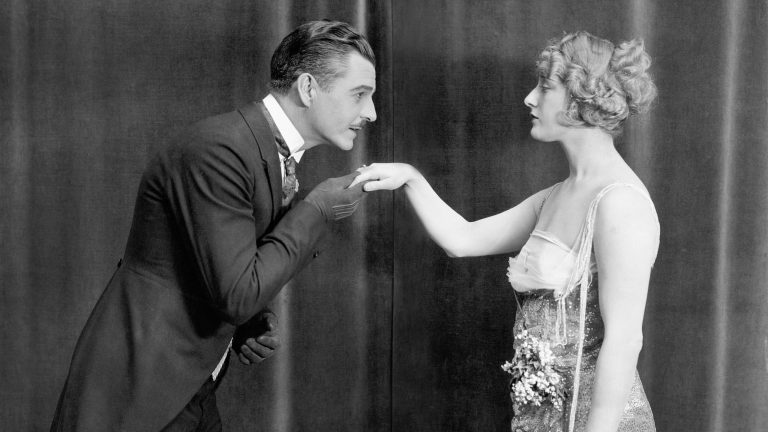

If you crack open a few etiquette manuals from the 1950s, you’ll find an endless list of rules people were supposed to live by; many are weird, antiquated, or offensive by today’s standards.
His voice only
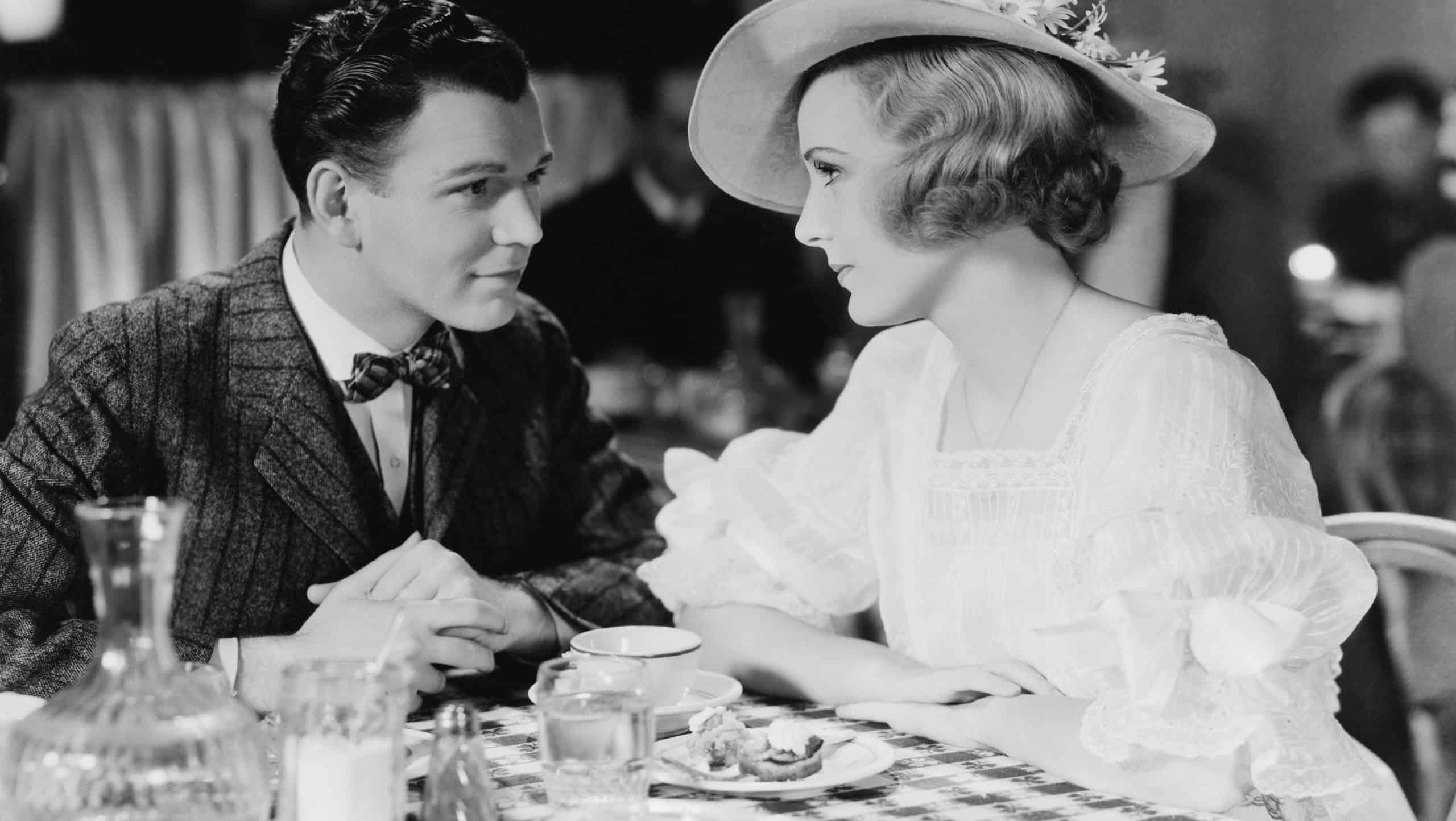
Dining out as a couple had some pretty stringent rules attached to it back in the 1950s. For instance, women weren’t expected to order their own food.
1950s British and American etiquette books, as well as Woman’s Own magazine suggested the ideal woman would quietly inform her date what she’d like before the waiter came over. He would then place both orders, and this arrangement pleased everyone, as it avoided any suggestion of a man yielding ground in public.
Seats apart
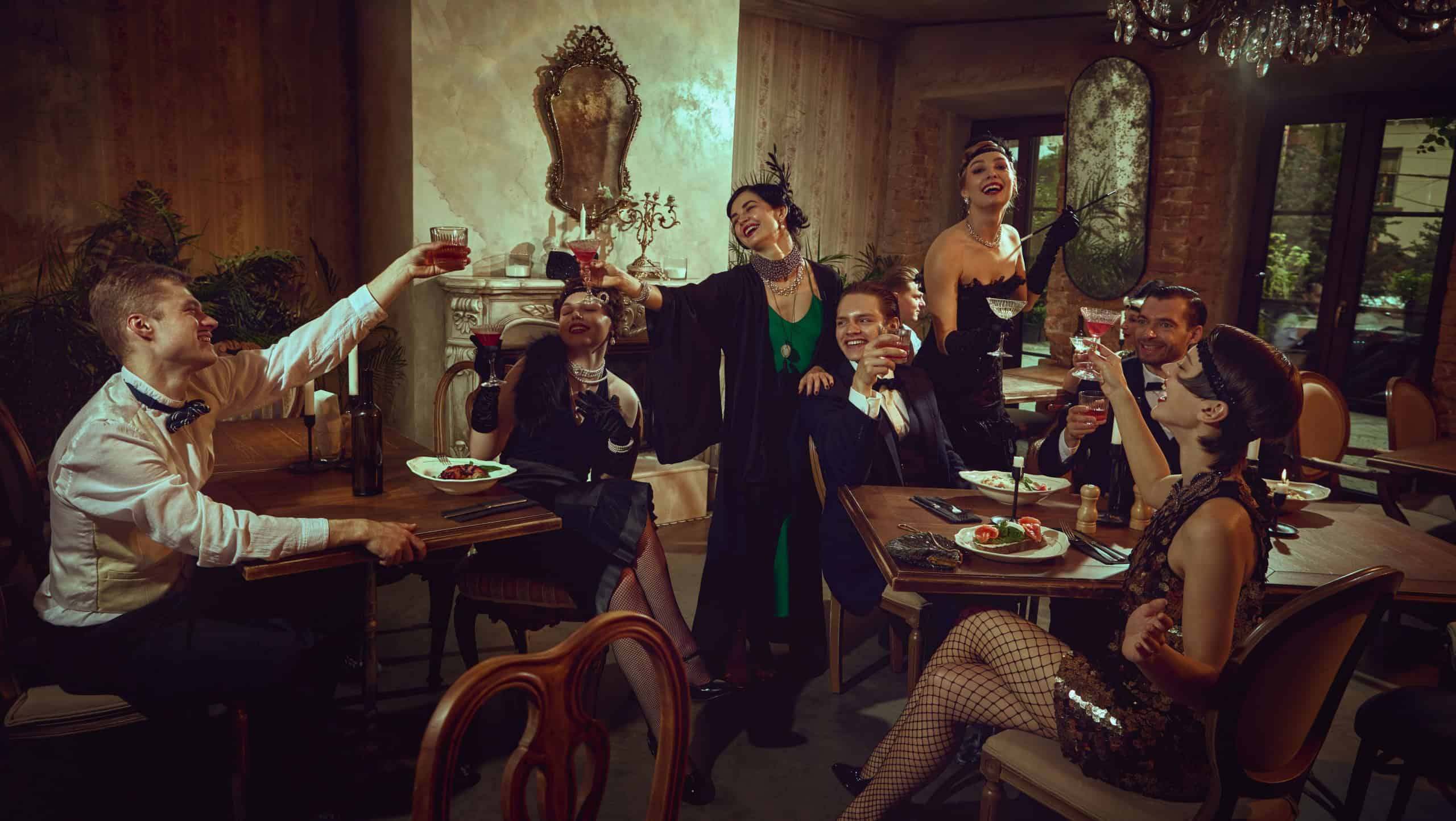
Dinner parties required husband and wife to sit far away from each other the entire night.
Seats were strategically arranged so husbands and wives sat across from or on opposite sides of each other, sometimes next to strangers. Couples were meant to socialize with others at the party rather than spend the night conversing with their partner.
If you and your spouse wanted to talk to no-one else all night, etiquette books said you should have stayed at home. It was considered bad form to keep looking at your husband or wife or to try and rope them into talking.
Dragging husband and wife to opposite ends of the room and asking them to not speak for hours is now considered invasive social conditioning.
Lipstick privacy

Apply lipstick in public these days and hardly anyone bats an eye. Swipe on some rouge in front of a guy in the 1950s, however, and you were breaking serious etiquette.
Beauty buffs preached that everything from dusting on powder to reapplying lipstick should be done in the powder room. You always wanted to give the appearance that you just threw on a dress and barely spent any time getting ready.
A truly proper lady would never dream of taking out her compact at the dinner table. That was tacky and unsanitary. Excuse yourself and return looking flawlessly made up.
Today’s notion of a woman casually reapplying lipstick on the train or while awaiting her meal would have genuinely distressed many mid-century traditionalists.
Reserved applause
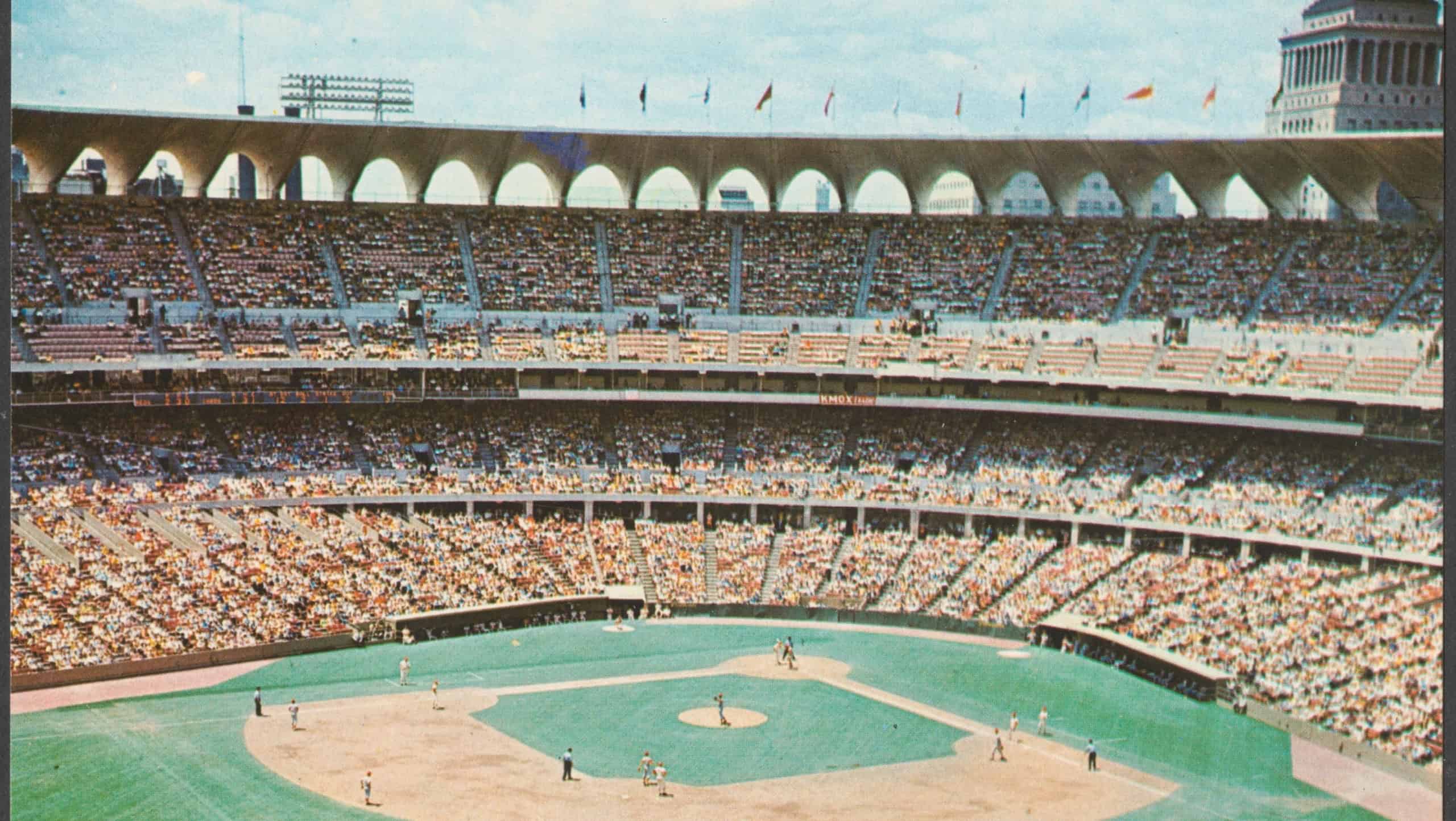
Parents today think highly of themselves when they don’t boo the ref or take pitchside penalties during their kid’s soccer games. In the 1950s, families weren’t allowed to speak at all.
Dad and Mom politely clapped when a good play was made by either team. Parents who vocally abused the referee, coached from the sideline or were overly biased towards their team acted classless.
The current explosion of parents acting like maniacs on their smartphones while cheering their children on violates one of the most basic rules of the 1950s.
Divorce ban

Getting divorced wasn’t just frowned upon in the 1950s, it punished you socially by efficiently shunning you from your local community.
Divorcees were viewed with extreme suspicion by the suburban society built around mortgage-paying husband-and-wife teams.
Entire neighborhoods would blacklist you from local events if you weren’t married because divorced women were seen as scandals that would rub off on the neighbor’s marriages.
Signed by him

Whether living at home or getting married, society expected women to relinquish control of all major financial decisions to the man in their lives.
Fathers and husbands were the ones whose names appeared on bank accounts and pricey purchases; when it was time to seal a significant deal, the woman who would actually use the money was simply overlooked.
This assumption about a woman’s role was so ingrained in society that women were not able to get their own credit cards until the Federal government stepped in years later.
We recognize now that operating on the premise that a woman cannot or should not tie her own life to financial dealings is simply wrong.
Expecting and exiting

Before employment laws protected pregnant women, businesses and schools shared a cultural belief that pregnancy was wholly incompatible with work.
Employers and schools often expected women to quit once pregnant. They felt students or coworkers would be distracted by seeing a pregnant woman. The prevailing attitude was that motherhood was a woman’s sole occupation, so there wasn’t much pushback. Many women had to bid farewell to their careers when they became mothers.
Today, if you kicked one of your top-performing workers out of the office because she was about to have a baby, she would have lawyered up and sued you into bankruptcy.
The three forbidden topics

Planning a dinner party in the 1950s took some work, and one of a hostess’ greatest responsibilities was facilitating good conversation. Manuals such as Amy Vanderbilt’s tried their best to warn guests away from the three deadly subjects: religion, politics, and money.
If someone attempted to bring up a taboo topic, guests were obliged to change the subject gracefully. Safe conversation topics included travel, hobbies, community news, and events.
These days, it might feel a bit unreasonable to ask a whole room full of people not to talk about what they’re most passionate about. But in the middle of the century, it was simply polite.
Errand attire
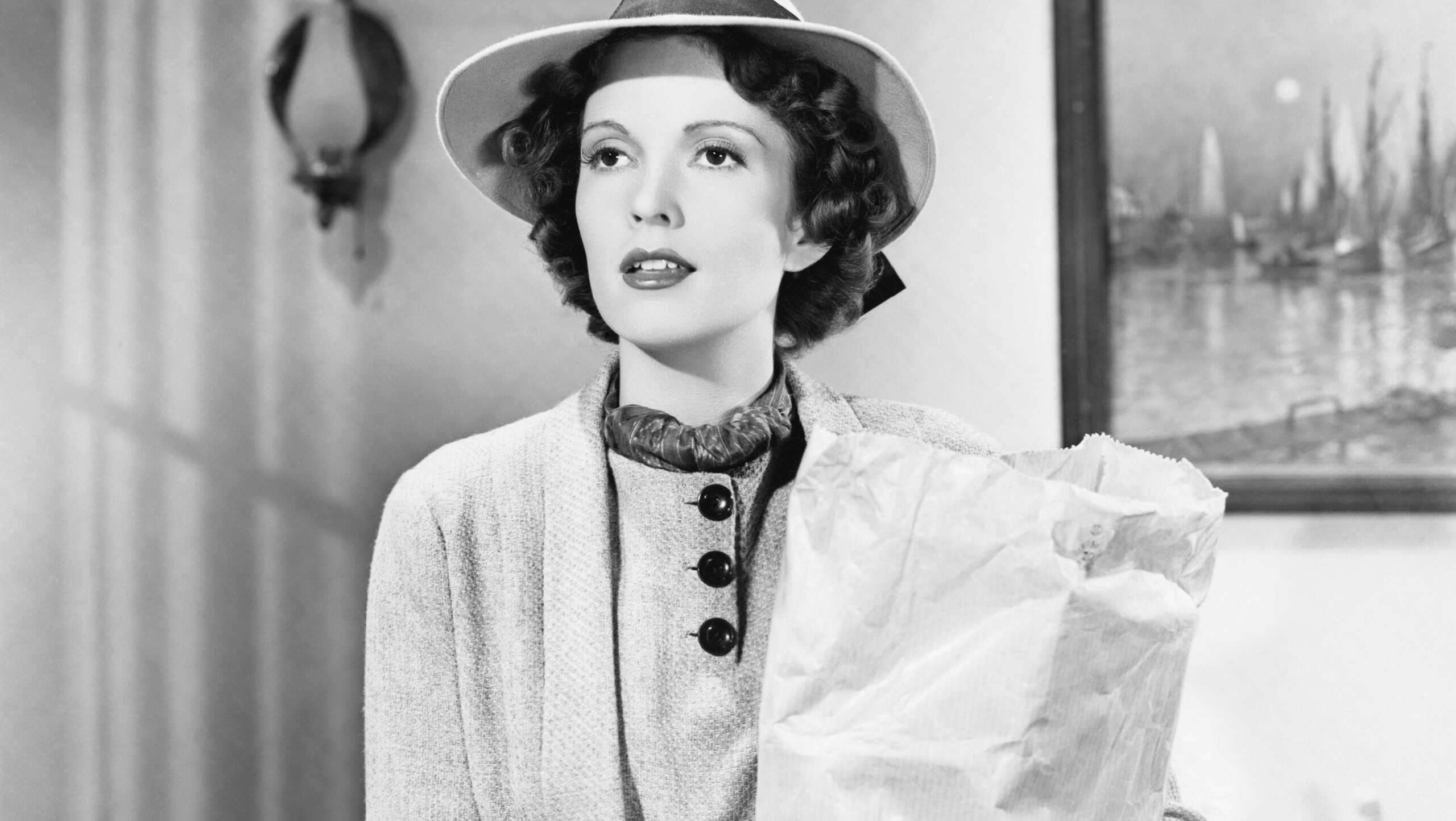
Even the simplest outings, like popping to the shop for milk or grabbing the morning paper, demanded a certain level of public presentation.
Women had to wear structured dresses, tailored slacks, or skirts. Men could not be seen gallivanting down the street in anything less than a collared shirt and shoes.
Showing up outside of your home in your pajamas, hairy legs, or sweat clothes was a serious affront to your neighbors. It meant that you didn’t care enough about yourself or your community to put on decent clothes.
If someone saw you running errands today in your sweatpants or workout clothes, they would assume you have no self-control left.
Separate rooms
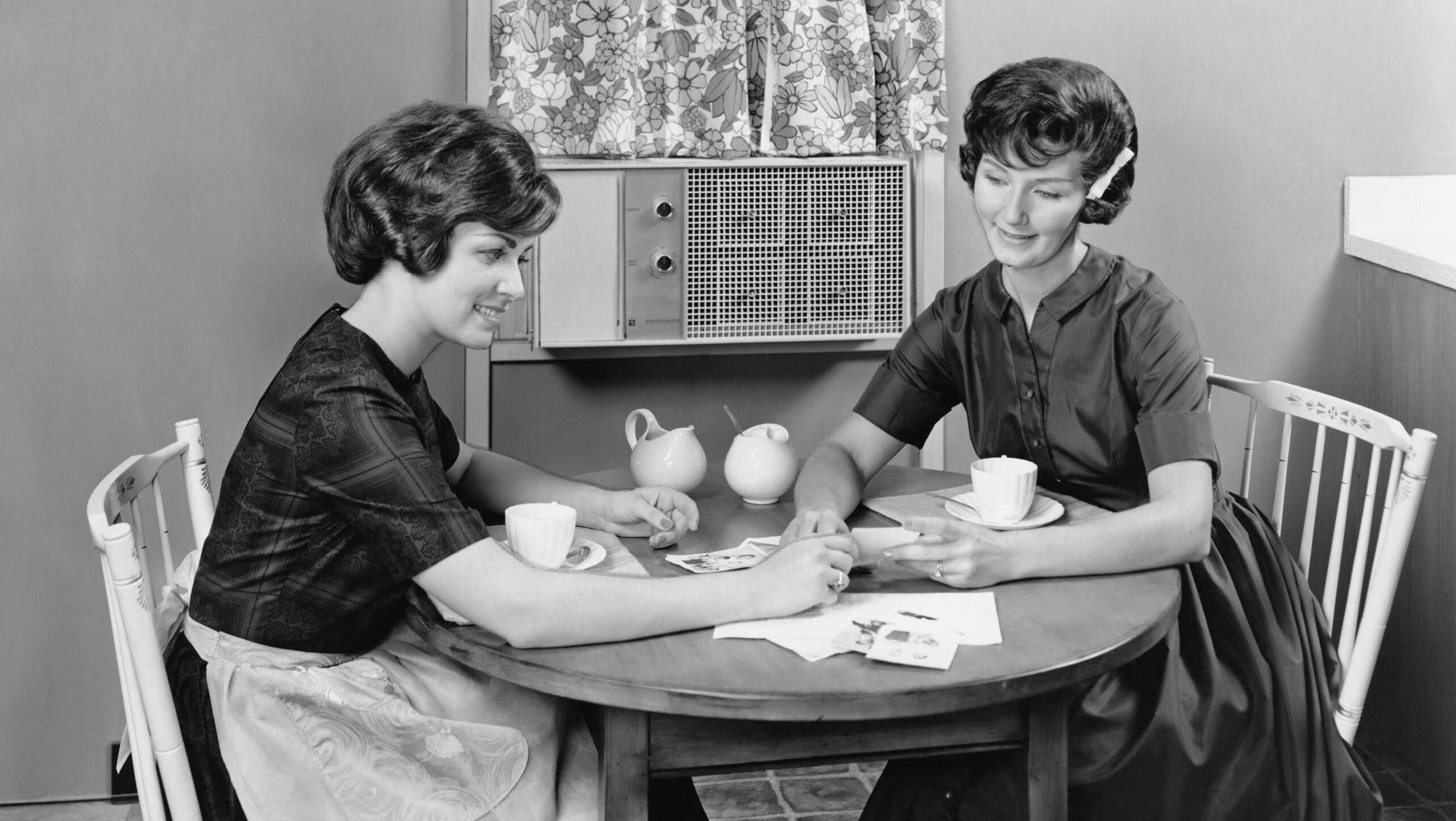
Once a formal meal ended, the gathering would break into a strictly managed physical segregation of men and women, sending people to different areas of the house.
The hostess would then usher the women off to the drawing room or kitchen for chats about domestic matters and the kids, while the men stayed put at the table or adjourned to the study for scotch and business talk.
Should a lady dare stay and join the political conversation taking place or a gentleman desire to join the ladies and hear about pediatric dilemmas, they’d be considered an out-of-touch meddler ruining the soirée for everyone.
Gender-based barriers on what conversations you could take part in would definitely earn you some side-eye these days.
Married ladies only
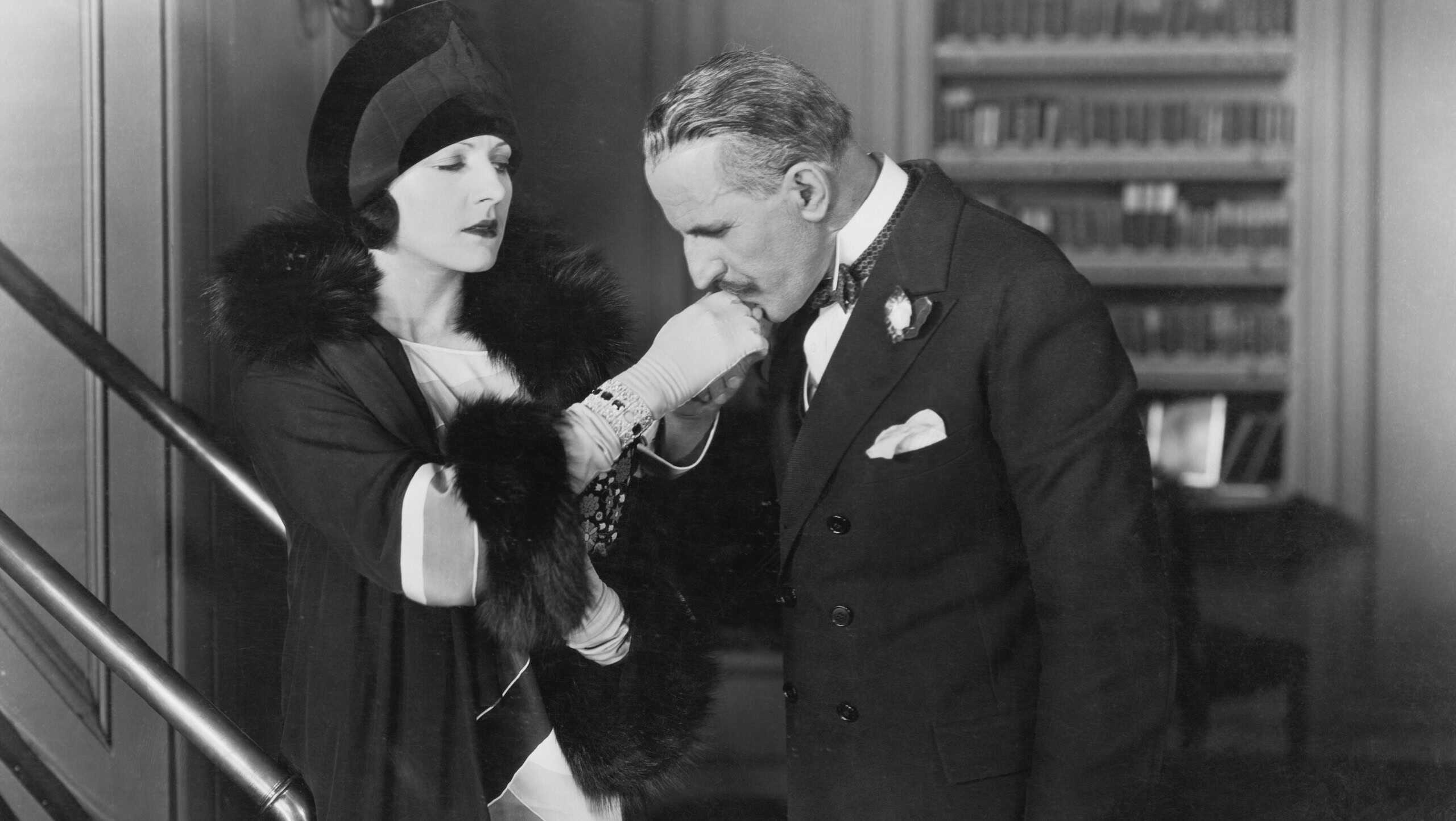
Pulling a lady’s hand to your lips when you first meet them was done with extreme prejudice based on age and marital status.
Manuals from the mid-1950s Europe and America say that a gentleman should only kiss the hand of a married woman out of respect for her household role. Kissing the hand of a young unmarried woman was seen as shameful and an act of disrespect.
These days, going up to a stranger and kissing their hand just because of their marital status feels incredibly out of line.
Sources: Please see here for a complete listing of all sources that were consulted in the preparation of this article.
Like our content? Be sure to follow us.
9 social rules from the ’90s that feel odd now

Life in the ’90s operated on social rules that everybody just understood. However, technology, society, and our day-to-day habits have changed so quickly that many of our beloved customs feel weird or outdated.


