

Life in the ’90s operated on social rules that everybody just understood. However, technology, society, and our day-to-day habits have changed so quickly that many of our beloved customs feel weird or outdated.
We asked a group of people about some rules from the 1990s that feel oddly out of place now. Here are their top 9 picks.
Calling after 9 PM was “too late”

The “9 PM Rule” was sacred among friends and family. Most households had only one landline phone, and it sat in the kitchen.
Anyone who called after dark was effectively disturbing the whole house.
So calling anyone past 9 pm was extremely rude unless it was an emergency. Nowadays, we send texts and memes to each other at 2 AM because we can now put our phones on silent.
Showing up at someone’s doorstep unannounced

Back then, you’d just go to someone’s place without an invite or pre-planning and knock on their front door. If they answered, they usually invited you in to grab a drink and chat.
Trying to “drop by” someone’s house nowadays without a pre-approved calendar invite or at least a 20-minute warning text will earn you side-eye from many people.
Family email addresses

When first getting internet at home, nobody thought of it as their own individual mail. One email address for everyone made sense.
TheSmithFamily@aol.com was very common. Mom, Dad, and all the kids would share the login and hop into their inbox to see if anybody got mail.
Siblings did not have any digital privacy from each other. Before you got online, you had to announce it to the whole house so they wouldn’t accidentally grab the phone and interrupt your connection.
Leaving long voicemail messages

If you couldn’t explain the reason for your call with a quick text, then you had voicemail. People would leave sprawling, two-minute-long messages detailing their entire day, asking three different questions, and ending with a formal sign-off.
We actually listened to these messages through a speaker on an answering machine.
Seeing “you have a voicemail” today feels like homework. Most people prefer a two-word text to someone’s phone over a 3-minute voicemail rant.
Writing someone a check at the grocery store
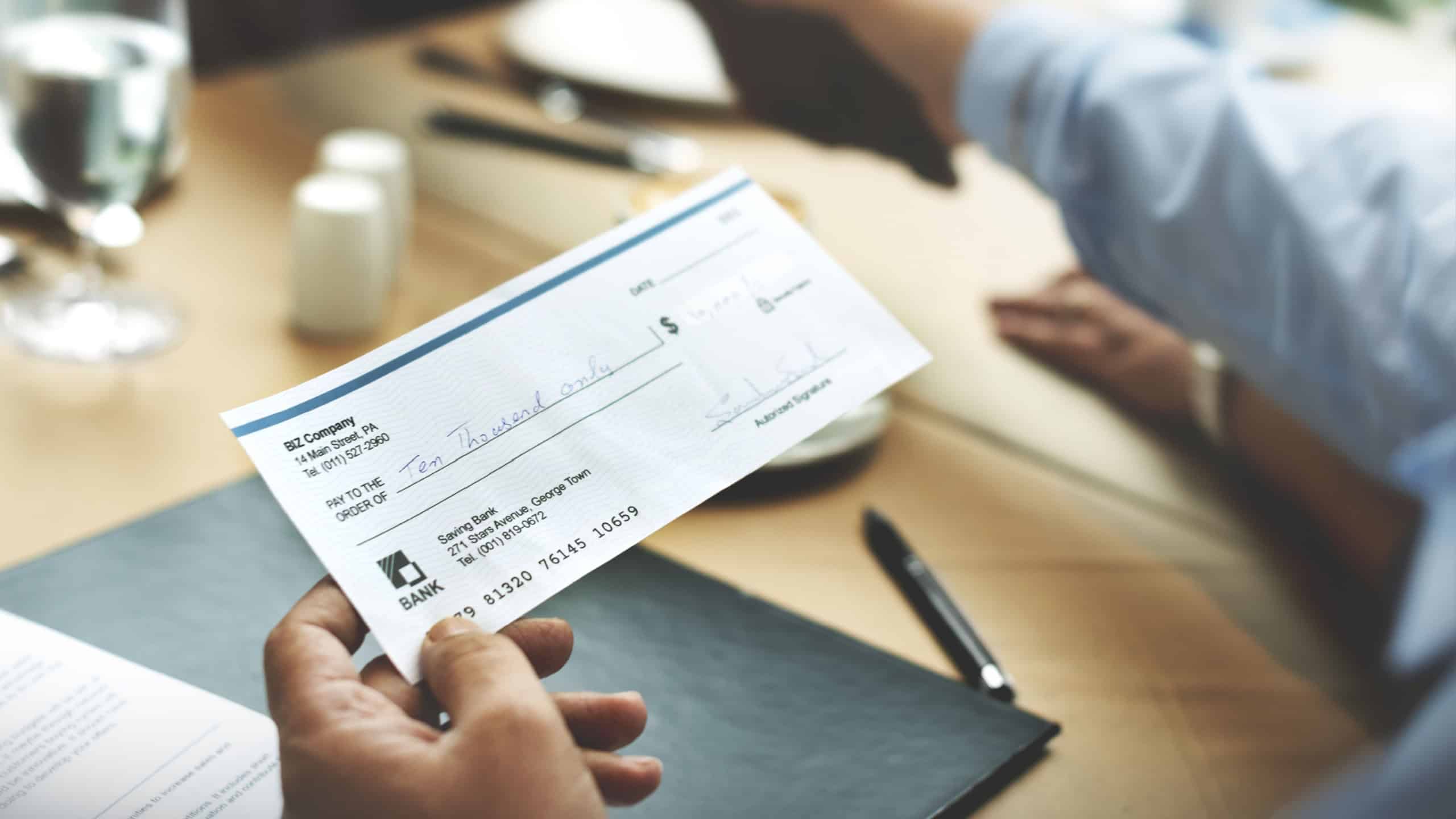
It was normal to wait in line behind someone writing out a paper check. They would fill out the date, payee (aka grocery store), and amount due in elaborate cursive handwriting.
People waited patiently because there were no Pay-by-Phone systems or zippy chip scanners. Many cashiers even had to get a manager over to “confirm” that the check was real.
Nobody complained or rolled their eyes; that’s just how you paid for groceries back then.
Printing out your boarding pass at home

“The home-printed boarding pass” was revolutionary when airlines first introduced it. After rushing home to print it on your dinosaur of an inkjet printer, you only had one boarding pass and it was yours to guard.
If it got creased or rain-damaged, the scanner at security would hate you. Today, we just show a QR code on our phones, making those itty-bitty folded-up screens look like relics of the past.
Saving your movie ticket stubs

Before QR codes and digital tickets, every movie experience netted you a tangible souvenir. Ticket stubs were tiny reminders of every date you went on or blockbuster premiere you suffered through.
People loved these things so much they used to shove them in drawers, tape them into scrapbooks, or put them behind their mirrors. Those folded-up rectangles were proof that you witnessed the defining moments of our culture.
Waiting days to see photos from a vacation

You didn’t really know what your vacation photos looked like until you were back home. First, you had to finish the roll of film. Drop it off at a photo developer. Then you’d have to wait an hour to two weeks before you could see any photos.
Socially, you had to invite people over just to “look at your photos.” There was no Photoshop to remove a double chin or Instagram filter to hide behind. You were stuck with whatever pictures you got, whether you liked it or not.
Writing physical thank-you notes

Even though some people still send them for weddings, the ’90s believed thanks had to be mailed after any occasion.
If your friend had a birthday party or you crashed at your aunt’s house, you needed to grab a pen and a thank you card, and go sit down at your kitchen table.
Not doing so was lazy and insulting to people. You needed to walk outside and actually affix a stamp to a physical letter to show you cared.
Items people tossed that later turned out valuable
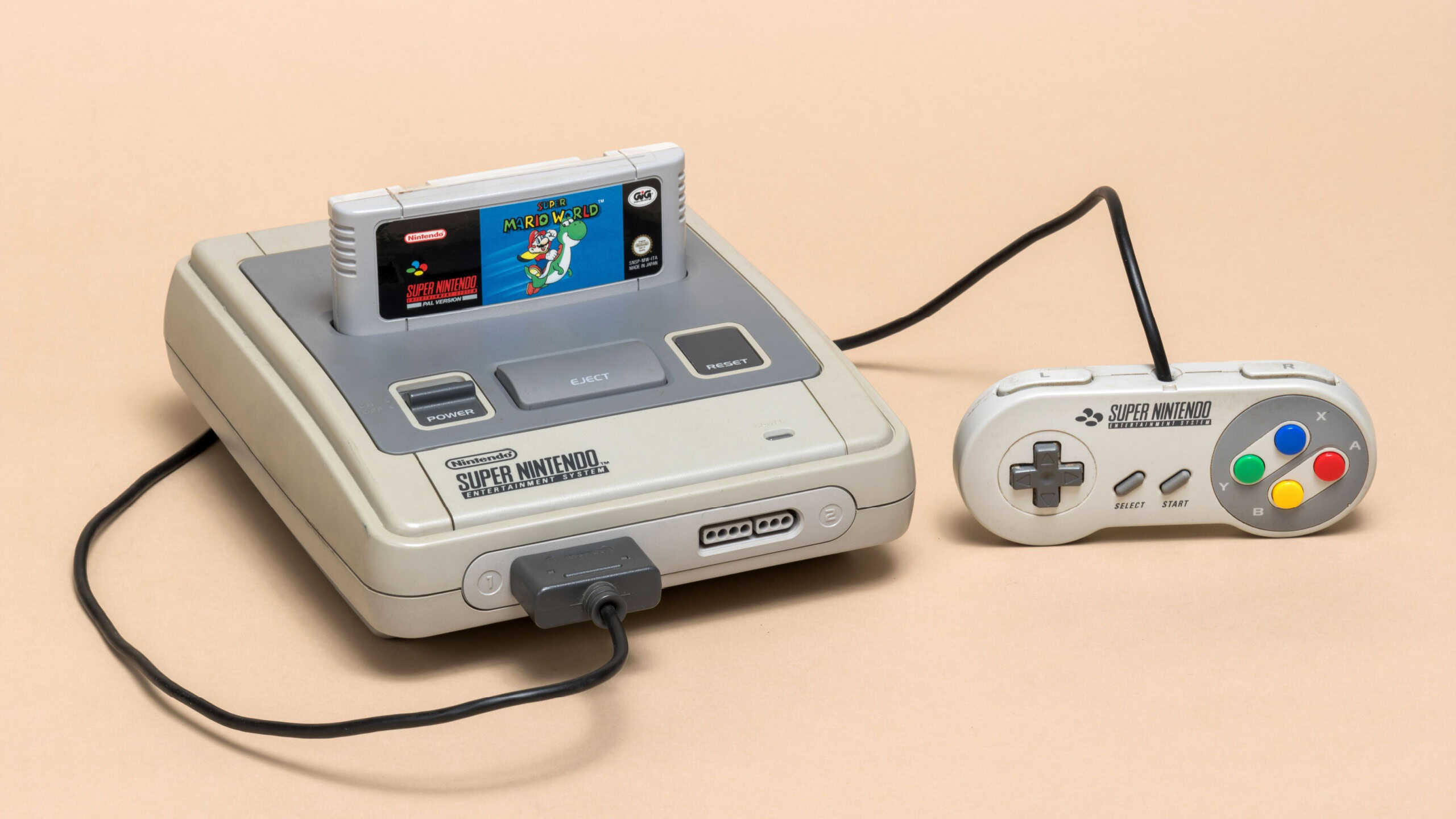
There’s something strangely bittersweet about the things we throw away without a second thought. What once felt ordinary can quietly turn into something rare as the years pass. From childhood keepsakes to everyday household items, some of yesterday’s clutter now carries surprising value. Take a closer look and you might be more familiar with lost treasures than you think.

