
While you might expect governments and rulers to make some odd decisions, you might not realize how strange some of those choices actually got.
Australia deliberately released cane toads

The problem with Australia’s cane toads didn’t start with an accidental escape. No, it actually began because officials wanted the animals there, and entomologist Reginald Mungomery brought about 100 cane toads to the country in 1935. They were bred near Cairns, Queensland.
Then, officials released around 3,000 young toads into sugar-cane fields, hoping that they’d eat the beetles attacking the crops. It didn’t go down like that. The toads struggled to reach the beetles, so they couldn’t eat them. But they did become very good at breeding, almost too good. There are now more than 200 million, and they’re considered an invasive species because they poison the native predators and outcompete the native wildlife.
The United States Army imported camels for military service

You wouldn’t think camels would fare well in an American desert. But the U.S. Army thought differently during the 1800s. Congress gave Secretary of War Jefferson Davis $30,000 to test using camels in the American Southwest. He did exactly that.
Davis got the animals imported from overseas, and they finally arrived in Texas between 1856 and 1857. In all fairness, the animals carried large loads and crossed dry ground. They also needed less water than other animals. The soldiers didn’t love handling them, though. The outbreak of the Civil War changed the Army’s priorities, so they sold the desert animals to private ranches and circuses.
Peter the Great taxed people for keeping their beards
It’s weird how simple things can become political issues. Take beards, for example. Peter the Great of Russia returned from Western Europe in 1698, and he wanted his country’s men to look more European. So, he ordered them to shave.
You could still keep a beard if you wanted to, you just had to pay a tax to do so. You’d get a metal token to prove that your beard was legal, and the only people exempt were priests. Every other guy needed official proof to have facial hair, as weird as that sounds.
Xerxes decided to punish the sea for destroying his bridge

Persian leader Xerxes wasn’t exactly happy when a storm wrecked his bridges. He’d ordered them built across the Hellespont near Turkey in 480 BC, and then the storm ruined them. Xerxes decided the water itself was a problem and ordered it to be whipped 300 times.
Yes, really. He also took it further by having shackles thrown into it while men shouted insults at the water. Xerxes had new bridges built afterward. But not before he had the original engineers executed, too, because they were apparently to blame.
The US government poisoned alcohol

Prohibition was one of the most controversial periods of American history. It was a time when illegal sellers would steal industrial alcohol and try to turn it into drinkable liquor. The federal government knew all about it. They wanted to fight it.
In 1926, the government required manufacturers to add more poisonous chemicals to industrial alcohol. Because, in their eyes, it’d stop the thieves from using it. It obviously didn’t work because bootleggers kept selling it, and customers kept drinking. Some actually died.
The Khmer Rouge abolished money, banks, markets, and cities

The Khmer Rouge, an extreme Communist regime, took control of Phnom Penh, Cambodia, on April 17, 1975. They immediately ordered the locals out. But that’s not all, as they emptied hospitals and pushed families onto roads, believing Cambodians didn’t need city life anymore.
Pol Pot’s government abolished currency and shut banks. They forced people to move into agricultural labor groups because, apparently, the country had to be an agricultural one. Normal buying, selling, and owning stuff privately wasn’t allowed. It doesn’t take a genius to work out how badly that went.
Romania made pregnancy a matter of state inspection

By October 1966, Romania’s birth rate was declining at a shocking rate. Enter Decree 770. President Nicolae Ceaușescu banned abortion for most women under 45 and made contraception way harder to find. It gets worse.
Women could be given gynecological checks at work to see whether they were pregnant, and to allow the state to follow what happened next. Police sometimes got involved, you know, just to be even more invasive.
Hitler voluntarily declared war on the United States

Japan attacked Pearl Harbor in 1941, but Germany didn’t need to get involved. The country could’ve stayed out of it. Yet Adolf Hitler decided to declare war on America on December 11, 1941, with the U.S. declaring war on Germany later that same day.
Hitler chose to add another major enemy to their list while Germany was already fighting Britain and the Soviet Union. The tide was already turning against Germany at this point during the war, too. It really made no sense.
Britain approved a huge peanut project

World War II affected all kinds of things, including Britain’s cooking oil supply. Someone decided the answer was peanuts, lots of them, in fact. The Labour government began farming huge parts of Tanganyika, Africa, following a seven-week survey.
Land was cleared, machines were shipped in, and the whole thing grew very quickly. But maybe they should’ve done more research. Hard soil and unreliable rain meant the project failed. They kept trying, though, right until 1951. That’s when they realized it was fruitless.
Diocletian threatened death for charging excessive prices
It’s not like Diocletian was trying to hurt people. He was trying to fix the inflation issue, and in AD 301, the Roman emperor issued a giant price list. This covered more than 1,000 goods and services, saying that sellers weren’t allowed to charge above the official limit.
Buyers could get into trouble for knowingly paying too much. Any merchants who hid goods could face punishment as well. The penalty was death. Diocletian genuinely believed the threat of punishments would help control prices, but it didn’t work. Obviously.
Mehmed II legalized the killing of royal brothers
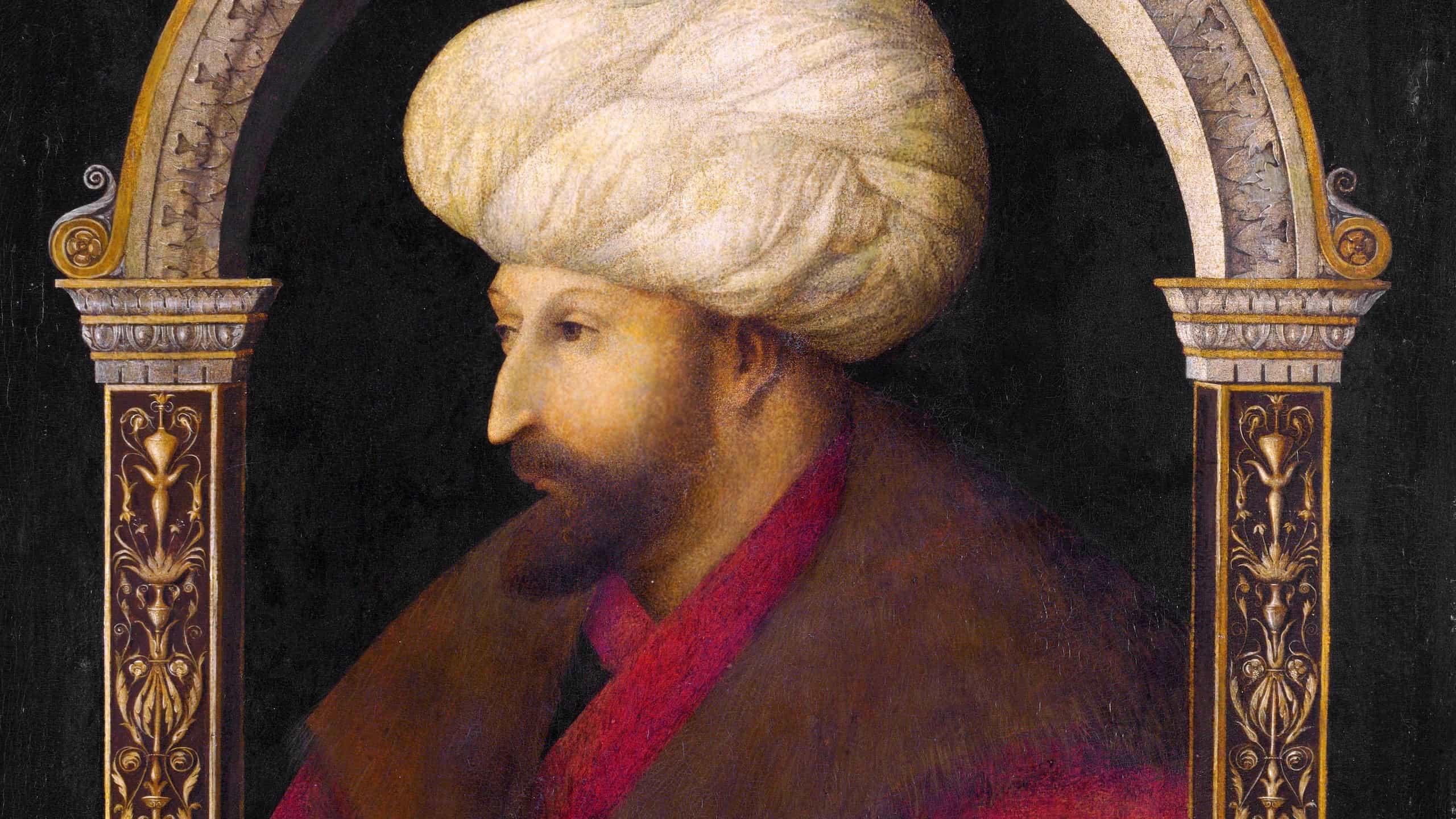
There was so much conflict between Ottoman family members during the 15th century that Mehmed II decided to put an end to it. He created an imperial law that allowed a new ruler to kill his brothers. That way, there’d be no fighting over the throne.
Later sultans used the same rule to kill several brothers at once, including one ruler, Mehmed III, who had nineteen of his brothers murdered. All that blood, just to take the throne.
Sources: Please see here for a complete listing of all sources that were consulted in the preparation of this article.
10 historical figures who took secrets to the grave

Unanswered questions are the worst, and it’s even more terrible when they continue to be unanswered because the people with the answers took them to their graves.
10 historical figures who took secrets to the grave


