
Some of the greatest people weren’t famous or even powerful, yet each one stepped up during a moment that could have gone very differently.
Jesús García

On November 7, 1907, Jesús García didn’t exactly have much time to think. He was on a freight train near Nacozari, Mexico, when one of the cars caught fire. That was bad enough, but then there was also the fact that the train was carrying dynamite to a mine.
García could’ve jumped off and run. He could’ve saved himself. But no, he drove the train away from the town, and the explosives went off several miles outside Nacozari. García and others onboard died, yet he’d helped the town avoid the full blast. What a hero.
Eugene Lazowski

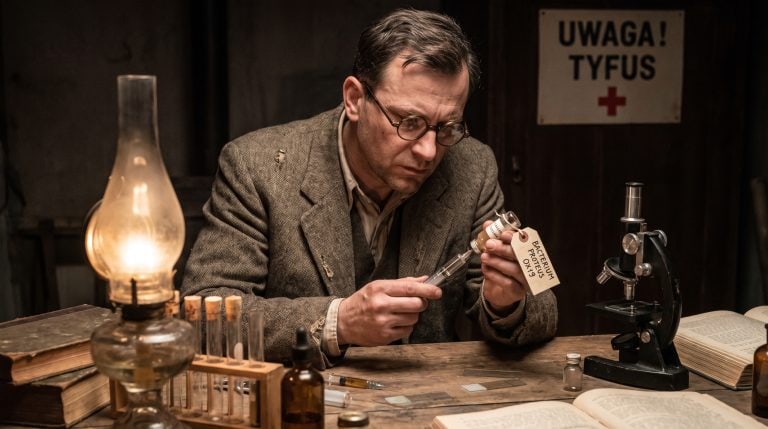
Eugene Lazowski wasn’t the kind of guy to fight the Nazis using weapons. He used a laboratory trick to do that. He figured out that harmless injections containing a certain bacterium could make blood tests appear positive for typhus. He could use that.
German forces were terrified of catching the disease, so Lazowski made it seem like there was a typhus epidemic around a town called Rozwadów. Doing so helped him protect thousands of residents from deportation and forced labor. His plan worked.
Anton Schmid
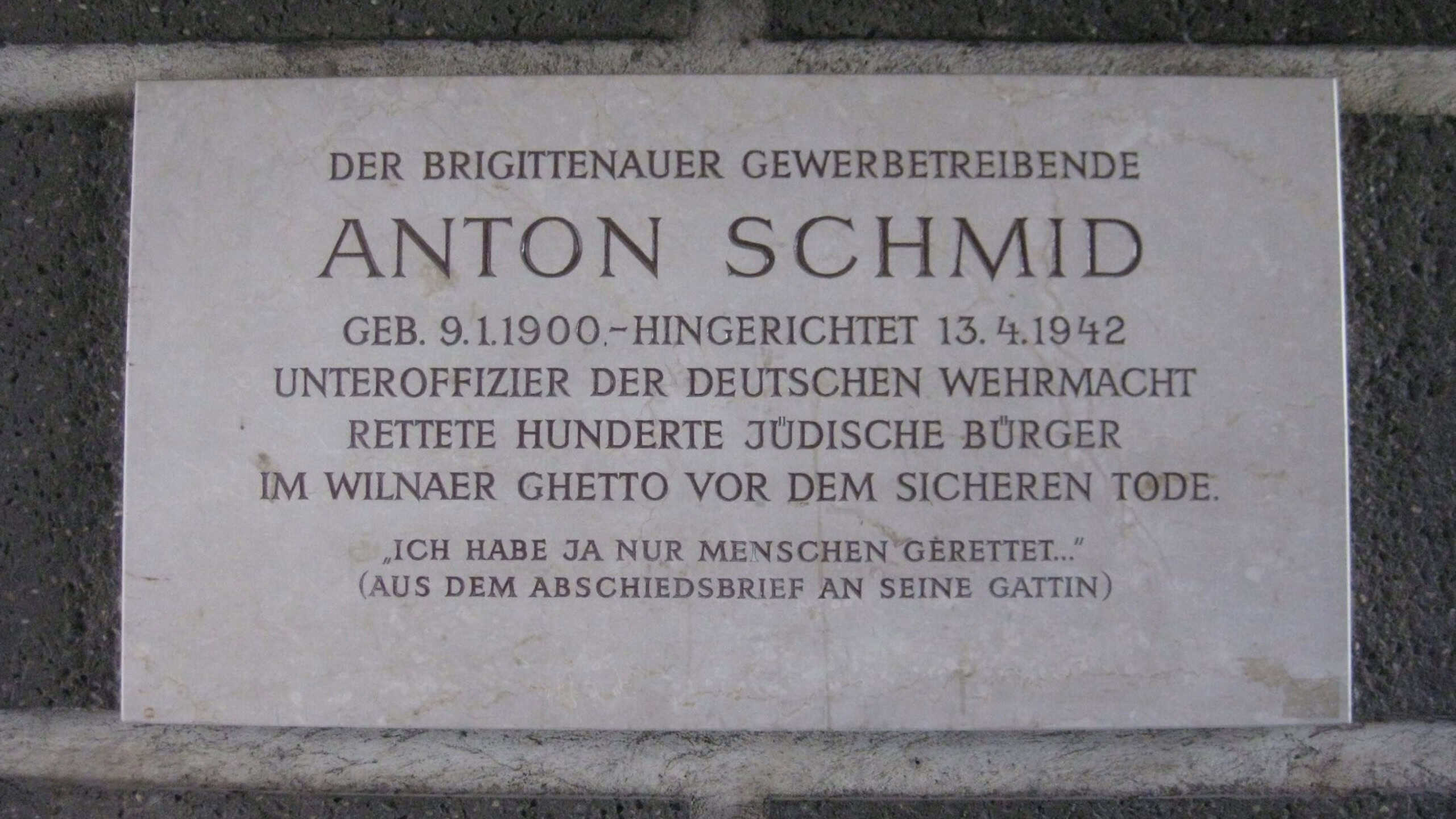
Most people thought Anton Schmid was just another German army sergeant. That worked in his favor. He was part of the German army but, while in occupied Vilnius in Lithuania, he helped around 300 Jews escape the ghetto.
Schmid used everything he could, like army trucks, false documents, hiding places, even his own apartment. In January 1942, German authorities arrested Schmid and executed him that same April.
Hugh Thompson Jr.

Hugh Thompson Jr. was high up in a helicopter, but even from that angle, he could see something had gone wrong. His helicopter was over My Lai, Vietnam, on the day of the infamous massacre. He could see American soldiers shooting unarmed Vietnamese civilians.
Thompson refused to accept that. So, he landed between the troops and a group of villagers, ordering his crew to fire on the Americans if they attacked again. That was the end of the massacre. He also helped survivors get out and rescued a child from a body-filled ditch.
Loney Clinton Gordon

Scientists had been working on whooping-cough vaccines for many years. Loney Clinton Gordon found the solution. She worked at Michigan’s state health laboratory and was looking for a bacterial strain that could make a better vaccine. She found one.
In fact, Gordon found a strain that actually made a vaccine several times stronger than the others. But she never got her flowers. No, she was officially classed as a laboratory assistant and never really received the recognition she deserved. Millions of people owe their lives to her.
Welles Crowther

9/11 was a terrible day, but it was also a day when heroes proved who they were. Welles Crowther was one of them, and the 24-year-old equities trader was in the South Tower when it was hit. Crowther had been a volunteer firefighter for many years.
He used that knowledge to his advantage and helped guide survivors toward the only usable staircase. Crowther also carried an injured woman and went back many times to find others. Sadly, he died when the tower collapsed.
Claudette Colvin

Everyone knows about Rosa Parks. A lot of people have no idea about Claudette Colvin. She was fifteen years old and did exactly the same thing as Parks, but nine months earlier than her. She refused to give up her seat on a segregated bus and was arrested for it by the police.
But she never became as well known as Parks, largely because she was an unmarried, pregnant teenager at the time. Nobody really recognized the role she’d played in the Montgomery bus boycott until much, much later.
Vasili Arkhipov
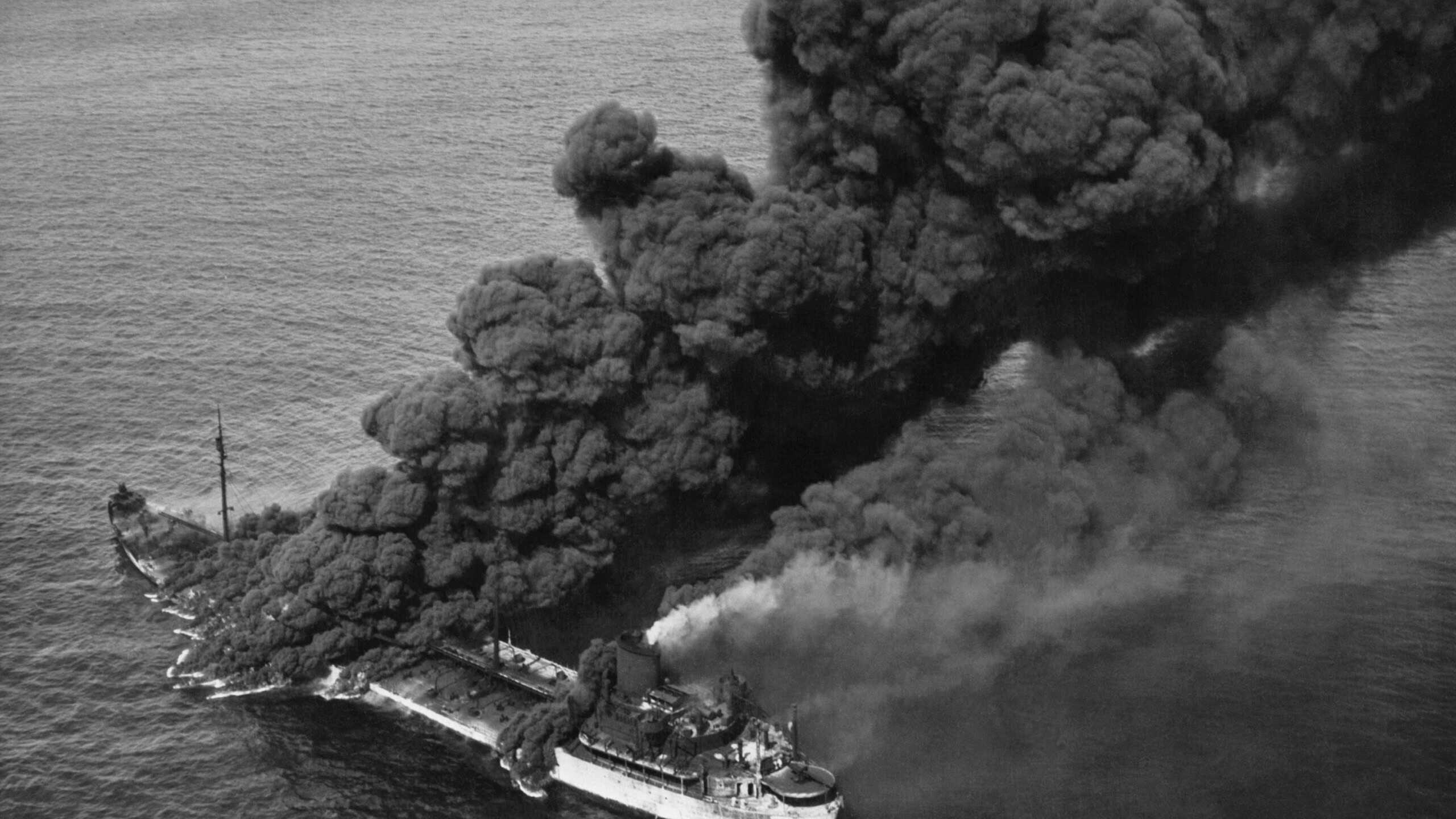
Nobody really knew whether war had definitely started on October 27, 1962. That’s what made things so difficult. It was the height of the Cuban Missile Crisis, and American ships were dropping signaling depth charges near the Soviet submarine B-59.
The captain, Valentin Savitsky, considered launching a nuclear torpedo, but he needed three senior officers to approve the launch. One of the officers, Vasili Arkhipov, refused, saying that they should surface instead. That refusal to back down prevented absolute nuclear war.
James Harrison

James Harrison was never really comfortable with needles, but he continued donating blood almost every week. He was a railway worker from Australia who donated 1,173 times over more than 60 years, mostly because his plasma had rare antibodies.
Doctors used his blood to treat mothers carrying babies with something called Rh disease. Without his blood, the mothers’ immune systems would attack their baby’s red blood cells. Harrison managed to protect babies born to more than two million women, all with his blood.
John L. Leal
You probably don’t think much about putting chlorine into drinking water today. But in 1908, it was a lot more controversial, and John L. Leal was desperately trying to clean Jersey City’s water supply. Officials had stopped him from using the chemicals to clean the water.
He didn’t listen. Leal secretly arranged for small amounts of chlorine to be added at the Boonton Reservoir. Turns out, he was right, and he’d actually conducted the first clean water trial in the U.S., even though he had to explain his decision in court later on.
Sources: Please see here for a complete listing of all sources that were consulted in the preparation of this article.
10 historical figures who took secrets to the grave
Unanswered questions are the worst, and it’s even more terrible when they continue to be unanswered because the people with the answers took them to their graves.
10 historical figures who took secrets to the grave

