Many Native American traditions and practices still work just as well today. Before there were any of today’s trendy focus on wellness, spirituality and mental health, Native Americans had rituals designed to address the same concerns. Here are 11 Native-inspired practices that can help you feel more relaxed and at peace.
Featured Image Credit: Shutterstock.
Ojibwe dreamcatchers
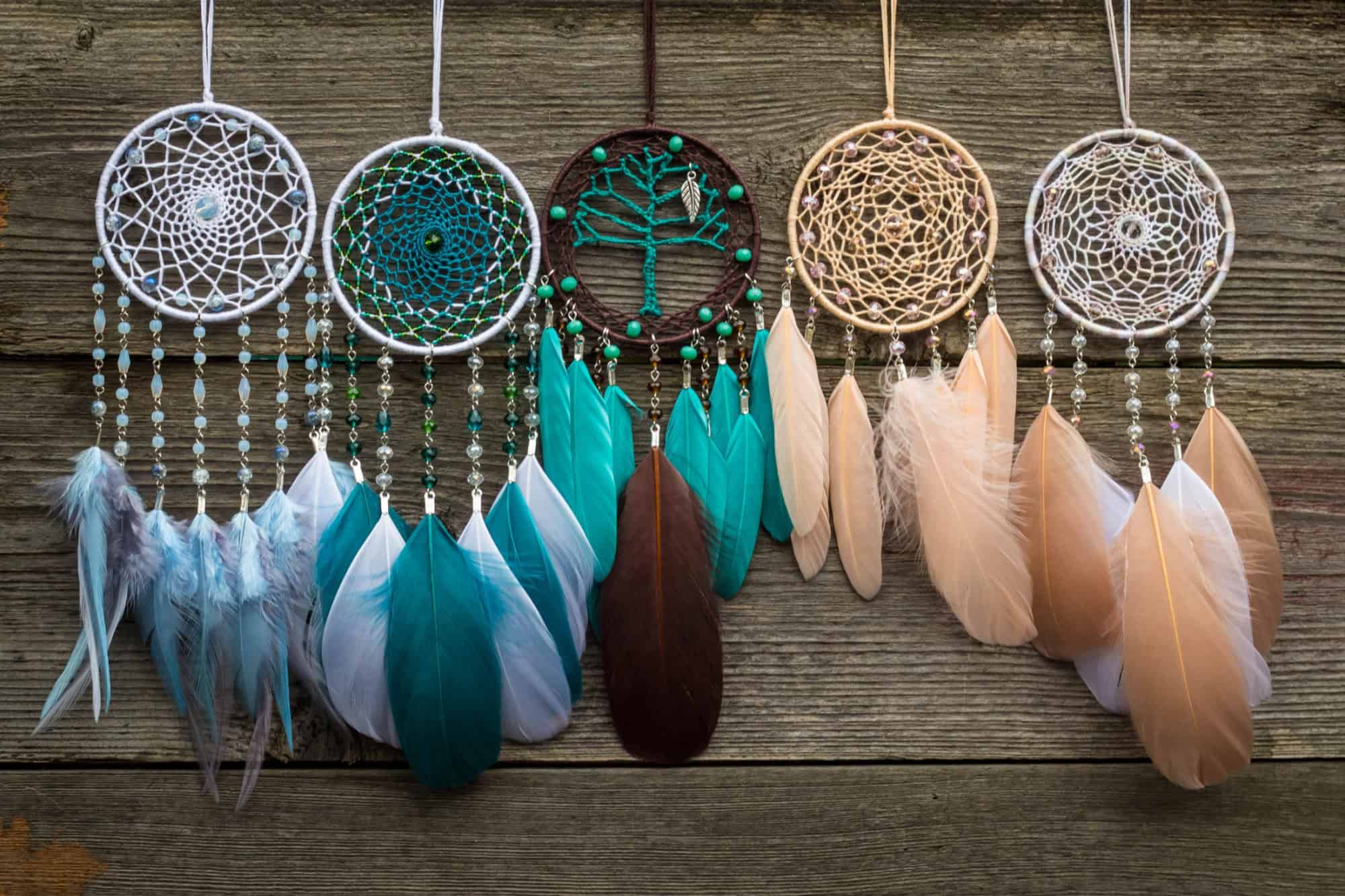
Dreamcatchers originated from the Ojibwe and surrounding tribes. The hanging woven hoops would filter bad dreams and negative energy while you slept. The little spiderwebs and feathers let the good things in instead.
Lakota “Wičhóȟ’aŋ”
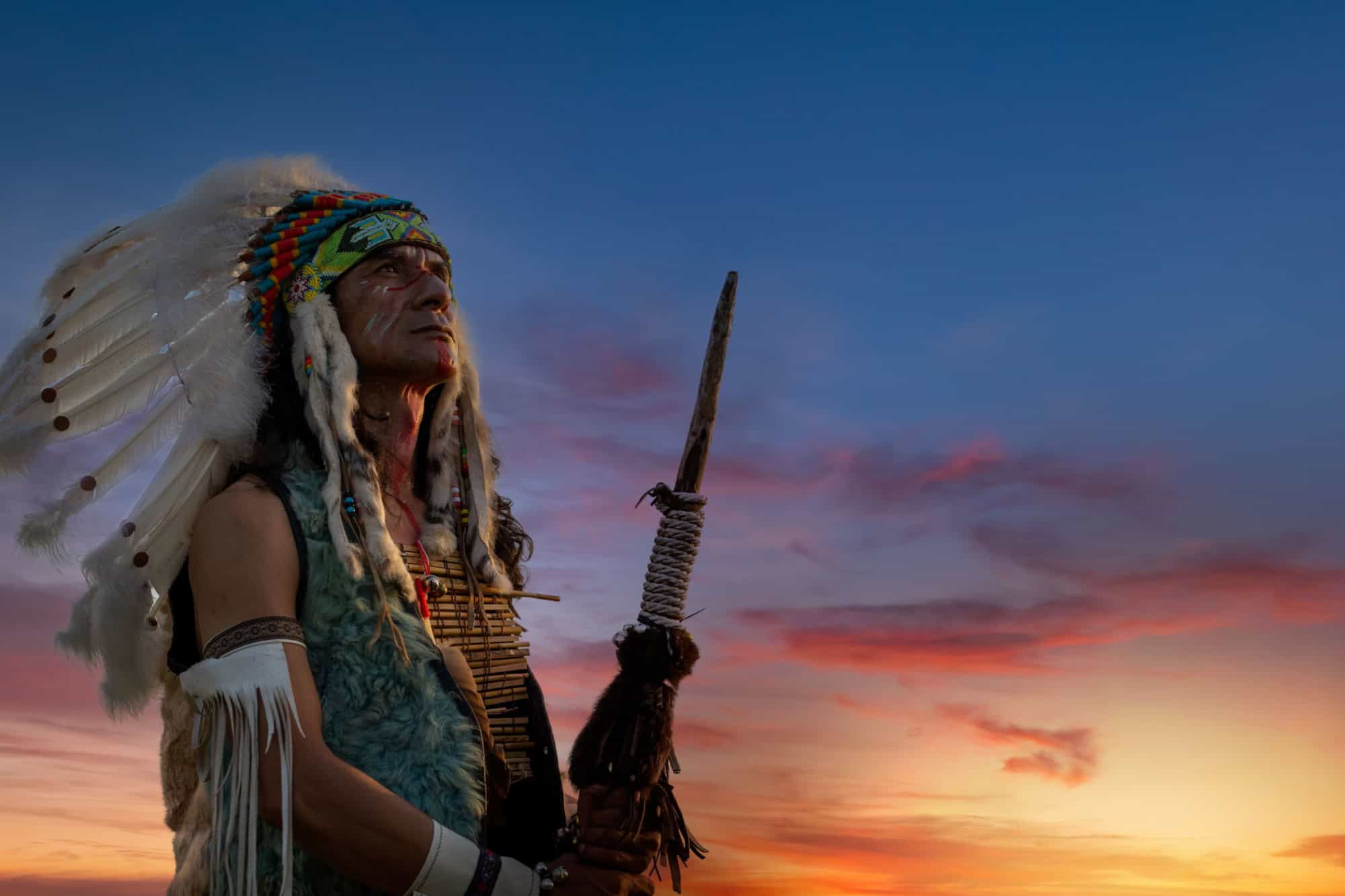
The Lakota believe in living with strong spiritual character. That might mean starting the day with a prayer, lighting sweetgrass, or just moving through life with intention. These little things and rituals kept them calm and centered.
Pueblo sand painting

Sand painting is a ritual and spiritual practice of the Pueblo and Navajo tribes. By drawing with colored sands and focusing on each image, they enter a calm mental state. It was stress relief without any medication.
Cherokee stomp dance

The Cherokee stomp dance is a tradition from long ago: dancers circle, stomping in time, singing as the beat works its way through the group. This ceremonial spiritual practice is very simple. And any kind of physical movement that releases stress is also a form of therapy.
Salish talking circle

A talking circle was the original therapy circle. A group comes together and each person gets a chance to speak uninterrupted. This is no time for debate or problem-solving. It is simply a time to speak and be heard.
Hopi kachinas

Kachinas are believed to be spirit helpers or guides by the Hopi and other Pueblo tribes. Spirit children appear in many forms, from kachina dancers to hand-carved dolls. They can serve as protection and guidance, especially to children
Navajo “Hózhó”

The Navajo idea of Hózhó is often described as “walking in beauty.” This means moving through life in a way that feels steady and right. When things get out of sync, inside you or with the world around you, you try to return to that balance.
Zuni Shalako ceremony

There’s dancing. There’s prayer. Stories passed down and fires that crackle through the night. That’s what makes the Shalako ceremony what it is. This is a therapeutic experience.
Iroquois “thanksgiving address”

Before any big gathering or even individual task, the Iroquois (also known as Haudenosaunee) have a tradition of giving thanks to Mother Earth, the plants, the animals, the sun, the moon, and all the elements of nature. You’d be surprised at how powerful it can be to simply shift your mindset from worry to appreciation.
Apache sunrise ceremony
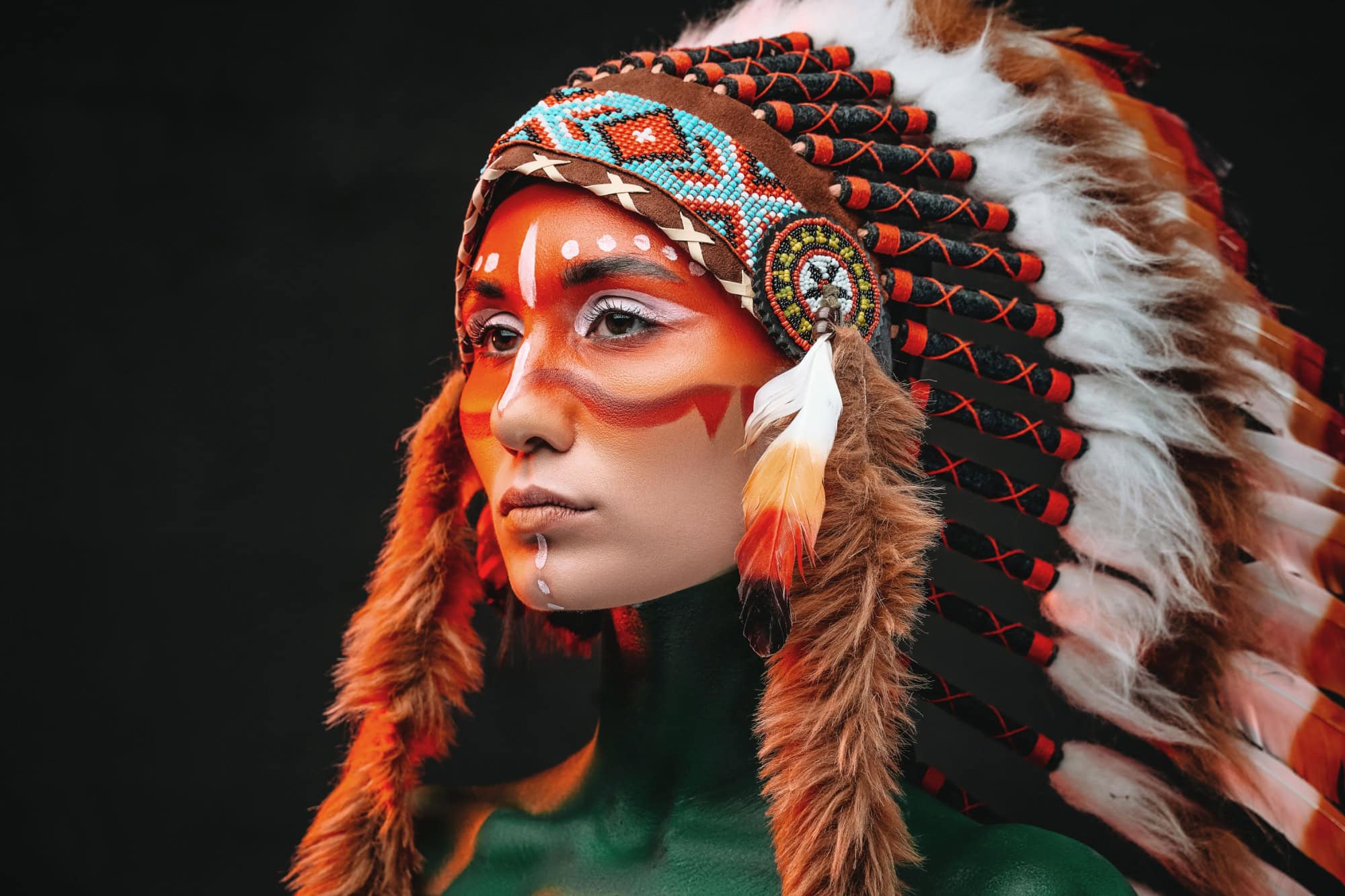
An Apache girl experiences the Sunrise Ceremony upon her first menstruation. The many-day ritual includes songs, prayer, dancing, community support, and feeding. The aim is to make her feel proud of this major life stage, honored, and strong.
Inuit “Qaujimajatuqangit”

Qaujimajatuqangit is an Inuit word for all the traditional Inuit knowledge that can be applied to modern life. This could include cultural skills, but also concepts like being respectful, patient, humble, or even calm. For many of us, it’s a reminder that there are no new problems; we just need to look at how they’ve been solved before.
Source: Wikipedia and generally available information online
Like our content? Be sure to follow us.