

Some fruits and fruit trees might look harmless, but in certain U.S. states, planting them can actually get you fined. From disease-carrying berries to allergy-triggering trees, these bans aren’t just about being picky.
We did some research and found out that these bans actually help to protect local crops, native plants, and even public health (see the sources at the end of the slideshow). So here are 10 fruits you might be surprised to learn are off-limits in some parts of the country.
Featured Image Credit: Shutterstock.
Black Currants
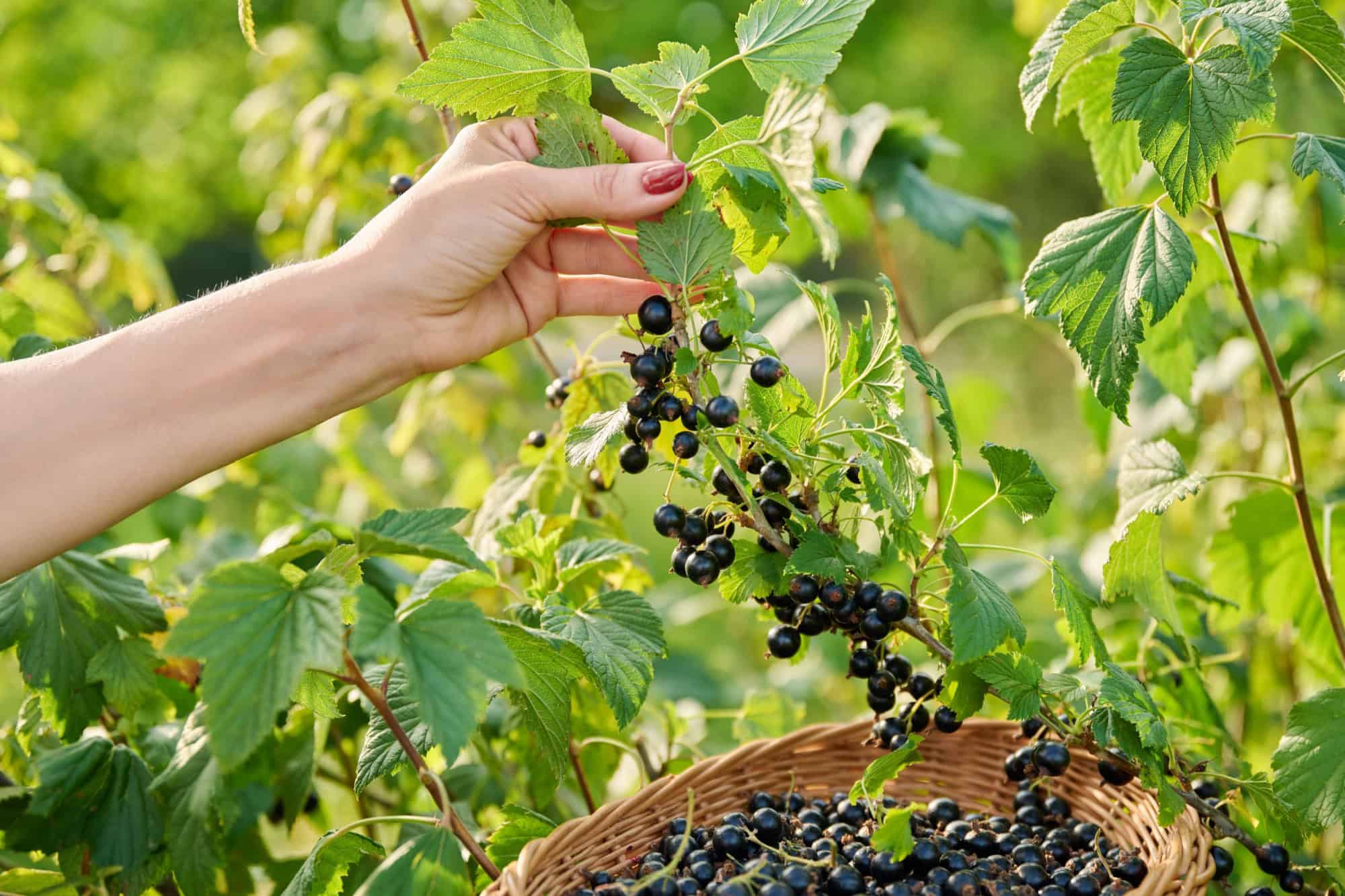
In states like North Carolina and Massachusetts, black currants are banned. The reason? These berries are common carriers of a fungus that can kill white pine trees. Some places will make exceptions if the grower plants disease-resistant varieties and obtains special permits.
Gooseberries

Gooseberries are subject to the same rules and restrictions as black currants in most states since they also carry the damaging fungus. In some states, you’re not allowed to plant gooseberries of any type or variety.
Citrus (oranges, lemons, etc.)

Florida, California, Texas, and Arizona all have citrus quarantine zones. If you live in one, planting a new orange or lemon tree could spread diseases like citrus greening. And that’s bad news for the whole industry.
Peaches & other stone fruits

When Plum Pox Virus (PPV) is found in an area, some states ban the planting of peaches, plums, apricots, and related fruits in order to protect local orchards. It’s an extreme measure, but losing an entire orchard to PPV is far worse.
Bradford pear

Bradford pear trees are quite pretty when they bloom. But as states like Ohio and South Carolina have discovered, they are also invasive and destructive in the wild. In addition, they have weak branches that snap easily in storms.
Autumn olive
Autumn olive was once promoted for erosion-control purposes. But it is now banned as an invasive species in many states, such as Massachusetts and New Hampshire. The shrub outcompetes and smothers native plant species.
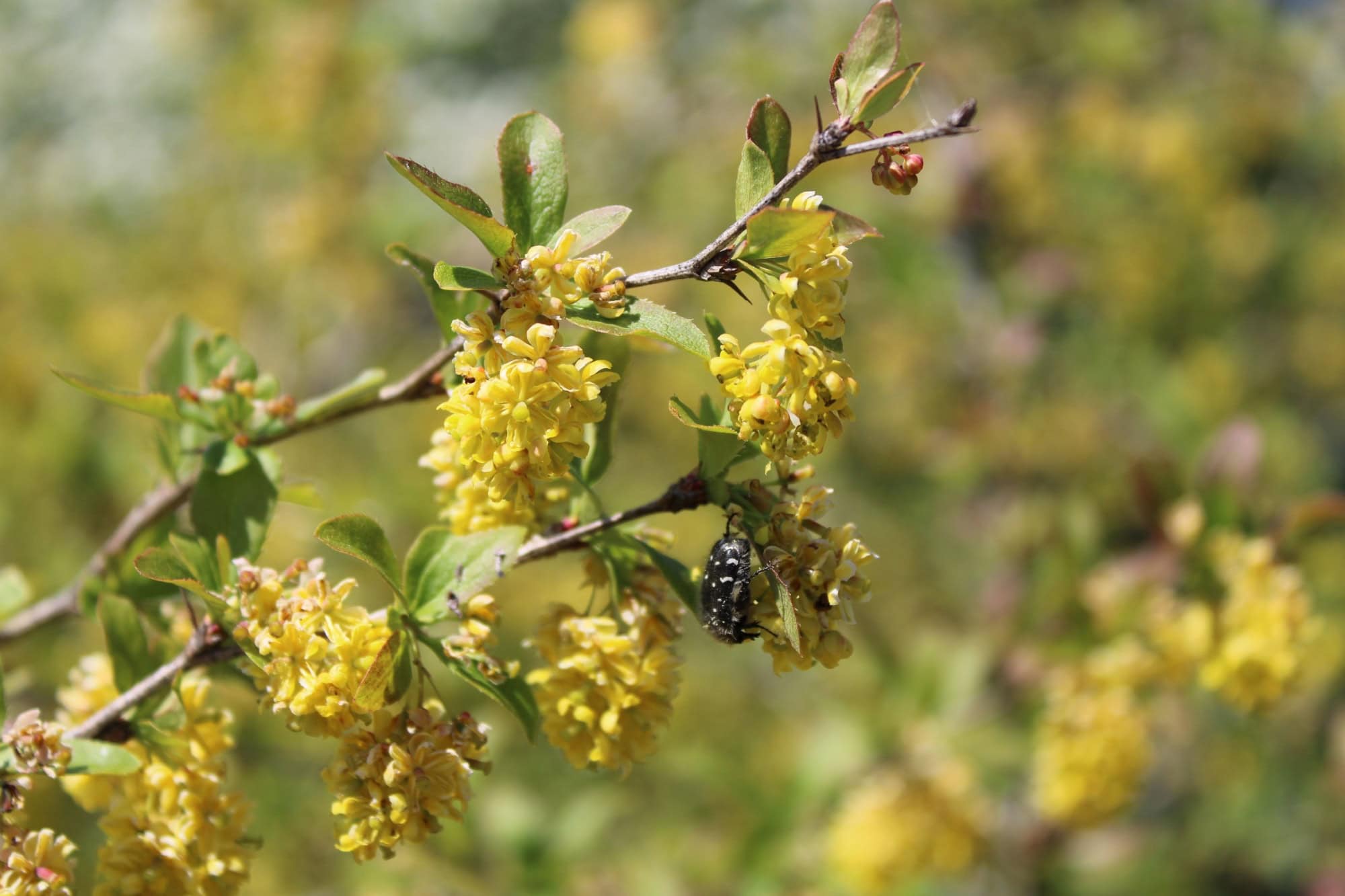
Common barberry

Common barberry is a wheat farmer’s nightmare. It spreads a fungus that can devastate grain crops. Many wheat-growing states have either outlawed common barberry outright or only permit rust-resistant varieties.
White mulberry

Cities in the Southwest, including Tucson and Las Vegas, don’t allow new white mulberry trees. The fruit is messy, and its pollen is a huge allergy trigger for many residents.
Olive trees
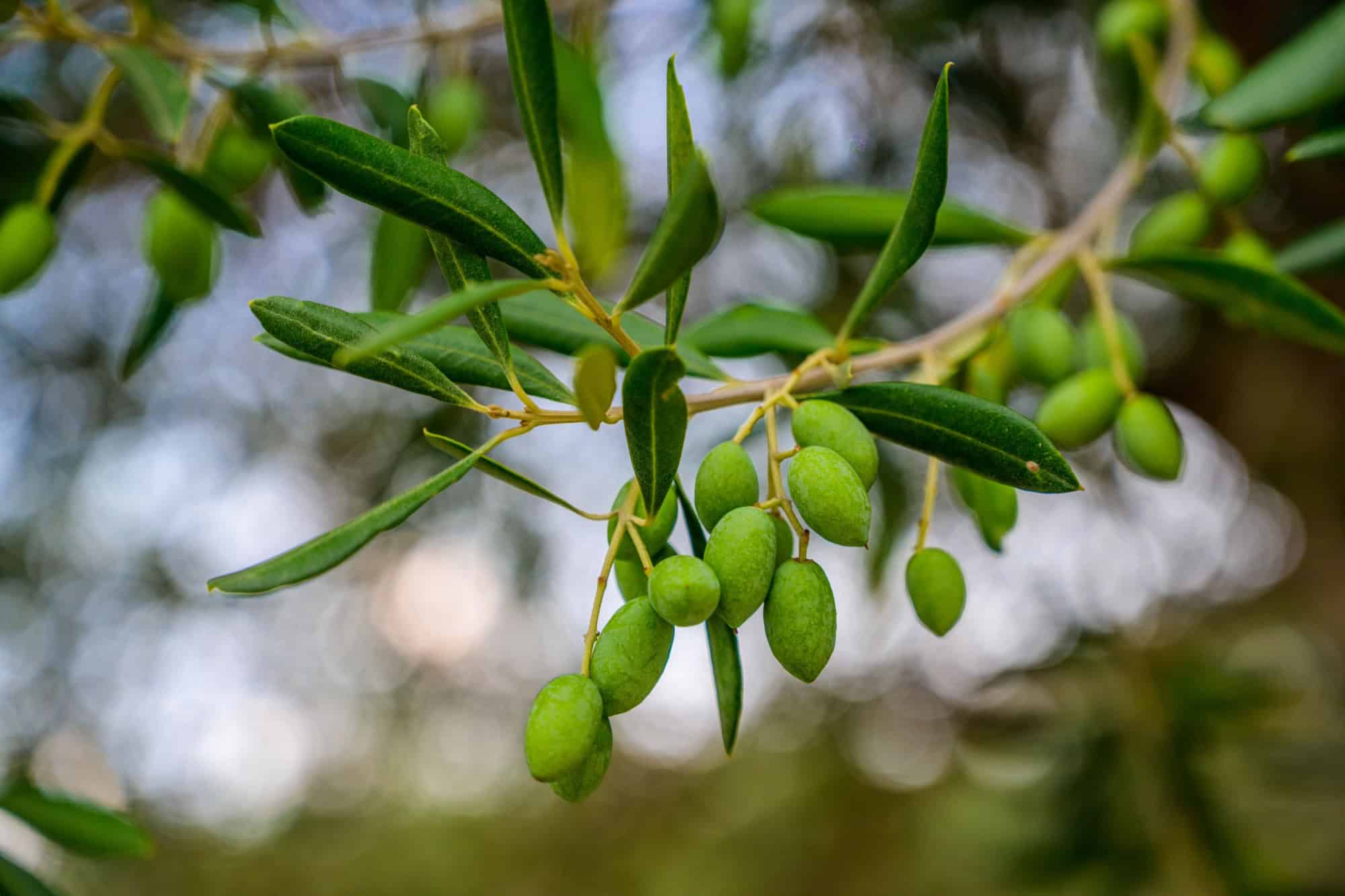
In Tucson and some other desert cities, fruiting olive trees are banned entirely. The reason isn’t the olives; it’s the massive clouds of pollen they produce each year.
Brazilian pepper tree

Florida once loved this plant for its pretty red berries, but it turned invasive fast. Now it’s on the state’s “do not plant” list because it chokes out native plants and spreads aggressively.
Sources:
- Ribes spp. (Currant) State Restrictions & Permit Requirements
- Why These Trees Are Illegal—and How Being in Community Can Help
- Why Planting Mulberry Trees Is Against the Law In These Cities
Like our content? Be sure to follow us.