

History remembers their achievements, but the people around them often remembered something else: their unbearable arrogance.
Isaac Newton
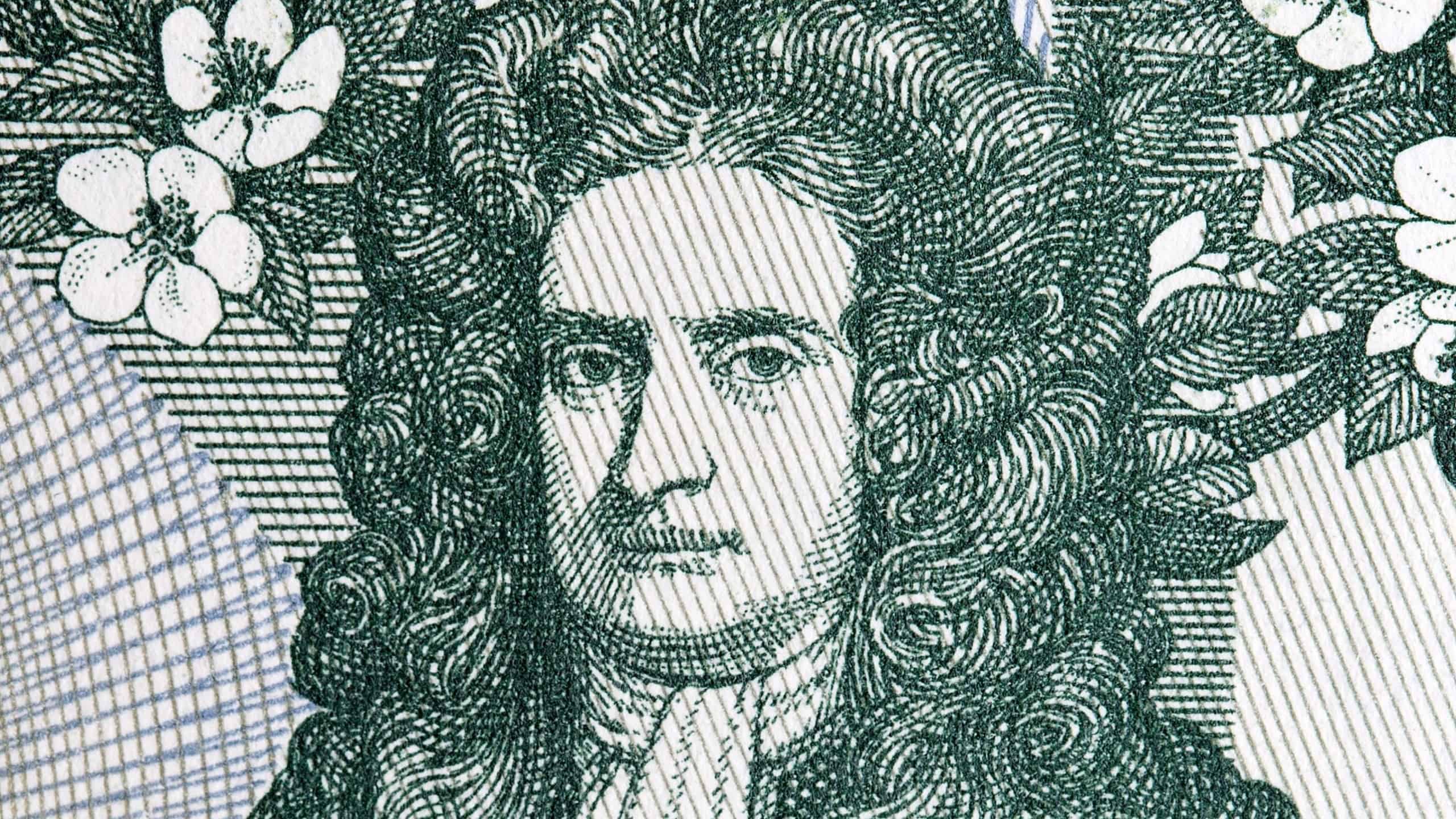
Newton changed science forever, but human interaction was not one of his strongest skills. Newton could be fiercely reactive to criticism and engaged in vicious priority disputes, most notably with Robert Hooke and Gottfried Wilhelm Leibniz.
The fight over who invented calculus with Leibniz got downright nasty, and Newton even used the influence of his position at the Royal Society during the dispute. Newton had associates and supporters, but his tendency to fight created some remarkably persistent enemies.
Kaiser Wilhelm II
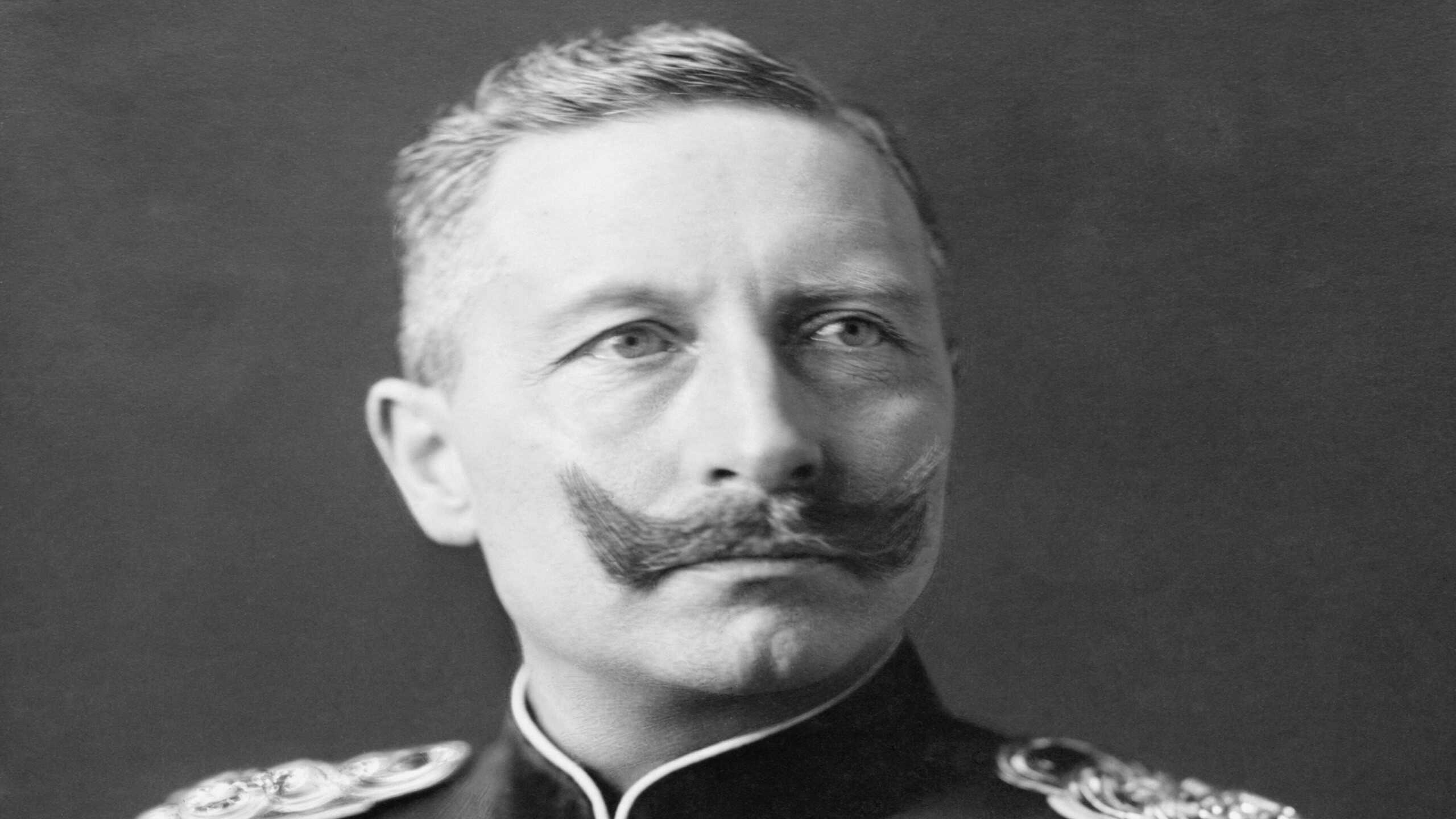
Wilhelm II was considered impulsive, vain, and had a relentless drive to show the world how powerful Germany was and how important he was. He fired powerful Chancellor Otto von Bismarck and appointed courtiers and advisers who struggled to restrain him.
His offhand comments and mercurial foreign policy frequently caused diplomatic incidents. By the end of World War I, Wilhelm had been all but forced into retirement by his own military leaders and spent the rest of his life in exile.
Henry VIII
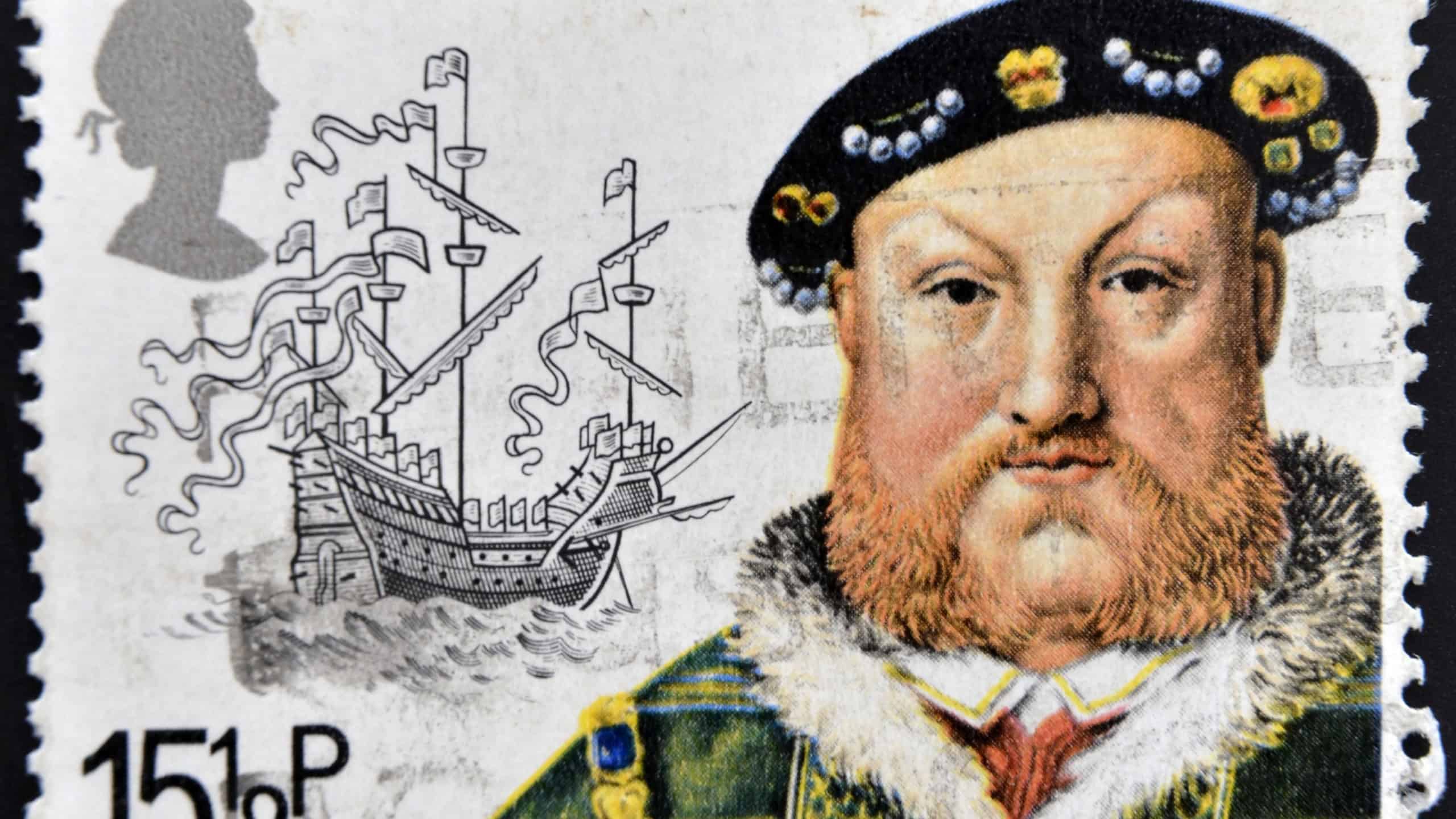
Henry demanded unparalleled devotion from his subjects, but he could be merciless to those who crossed him. High-ranking servants like Thomas Wolsey and Thomas Cromwell could rise as high as Henry’s favour could take them, but they could also fall just as far.
Even long-standing servants discovered that being friends with the king didn’t always guarantee security. Dissenting with Henry during the latter part of his reign could prove deadly.
Commodus

Commodus became exceedingly arrogant. He fashioned himself as a likeness of Hercules, and had himself depicted as such. He liked to perform as a gladiator, and expected everyone to acknowledge his greatness.
He grew very autocratic, angering people throughout the Roman political hierarchy and even within his own household. A group of conspirators formed in his inner circle, and he was killed in 192.
Napoleon Bonaparte

Napoleon Bonaparte was tremendously proud of his talents, and his successes gave him every reason to be. However, the more he succeeded, the more he felt he could succeed at anything. He browbeat his underlings, put family members on thrones all over Europe, and often acted disdainfully towards his fellow monarchs.
His invasion of Russia was a catastrophically bad idea, and his ongoing unwillingness to agree to a permanent settlement helped create the coalition that would eventually defeat him.
Alcibiades
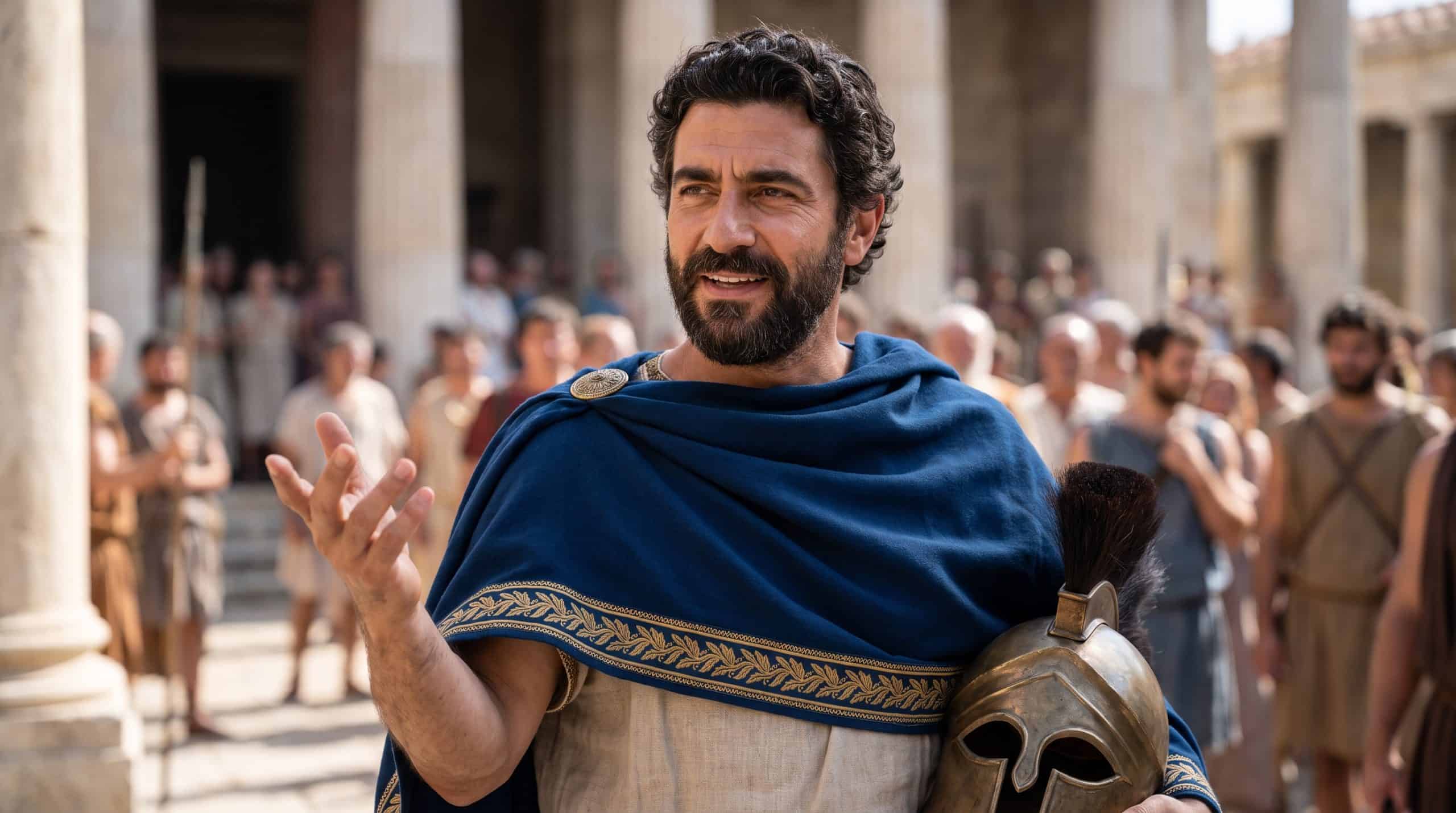
Alcibiades was intelligent, rich, charming, and deeply egotistical. Alcibiades’ true allegiance continually shifted between Athens, Sparta, and Persia during his political career in the Peloponnesian War. He constantly won favor with the elite, only to betray those friendships through greed and conspiracy.
Arthur Schopenhauer

He had an inflated belief in his own philosophic prowess and had disdain for many intellectuals of his time, most notably Hegel. When Schopenhauer chose to hold his lectures concurrently with Hegel’s wildly popular lectures in Berlin, all but a minuscule number of students went to Hegel. He was continually hostile toward academia and other philosophers for the rest of his life and spent much of his later life quite isolated with his poodles.
George IV

George IV was renowned for his love of the lavish and expensive, and developed a voracious appetite for spending and admiration. His relationship with his wife Caroline of Brunswick deteriorated into public scandal, while his lifestyle of high spending was seen as inappropriate for a monarch when many British people were living in poverty.
His personality confounded even those who appreciated his sensibilities about art and architecture. His own obituary in The Times was embarrassingly unkind.
Thomas Hobbes

Thomas Hobbes was argumentative and narcissistically proud. He often quarrelled viciously with mathematicians, scientists, theologians and political theorists, countering their charges by attacking them as individuals.
Hobbes developed a prolonged feud with mathematician John Wallis that became especially personal. Hobbes did have patrons and collaborators, but he was provocative in his disputes, and his belief that others were always wrong alienated many.
Jean-Jacques Rousseau
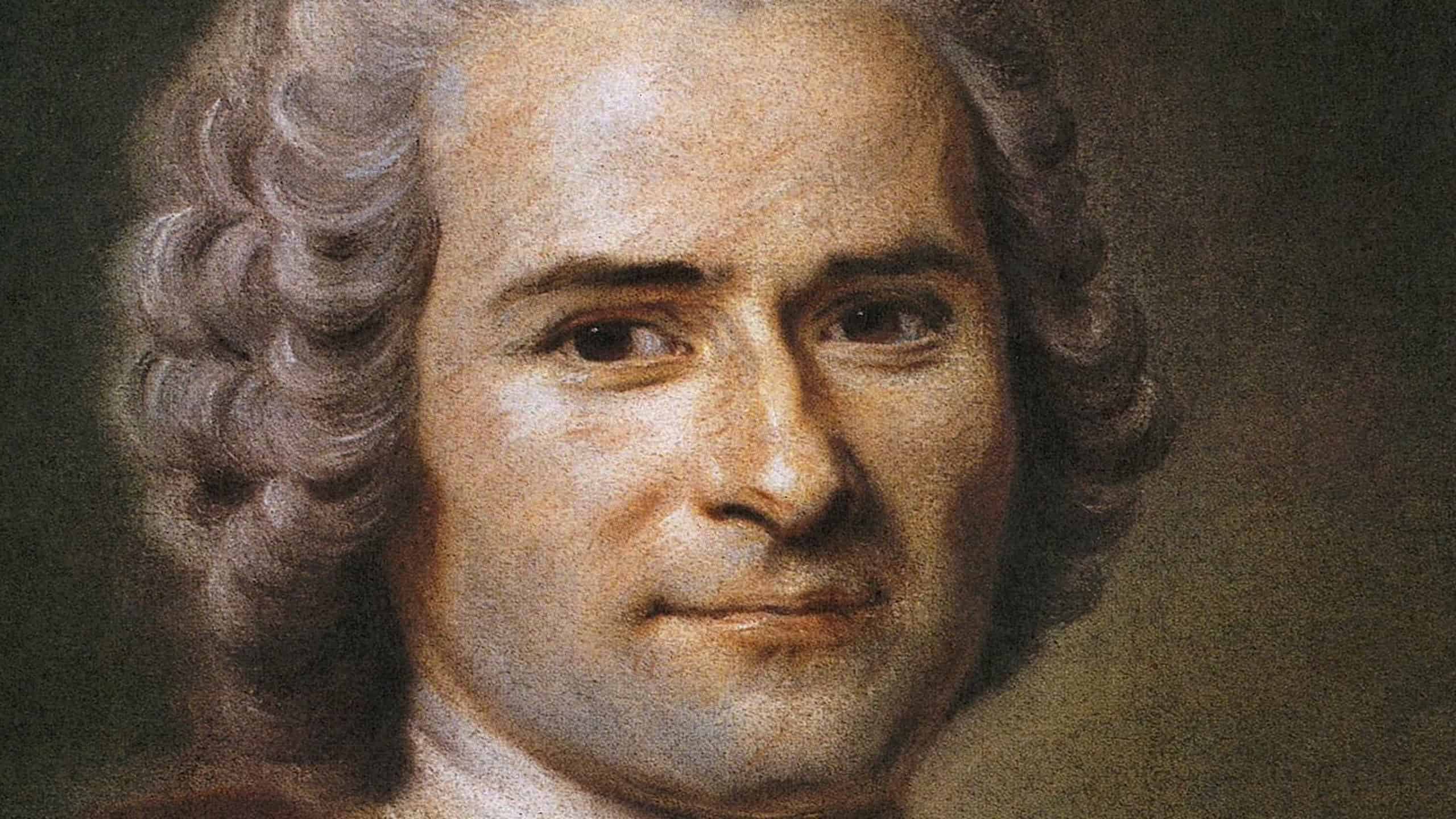
While Rousseau’s work influenced the Enlightenment and the French Revolution, his personal relationships were catastrophic. Battling crippling paranoia fed by his massive ego, Rousseau became convinced that each of his intellectual adversaries, even past friends such as Voltaire and David Hume, were conspiring to ruin him. Rousseau managed to alienate every friend and patron who offered assistance, dying alone as a result.
James McNeill Whistler
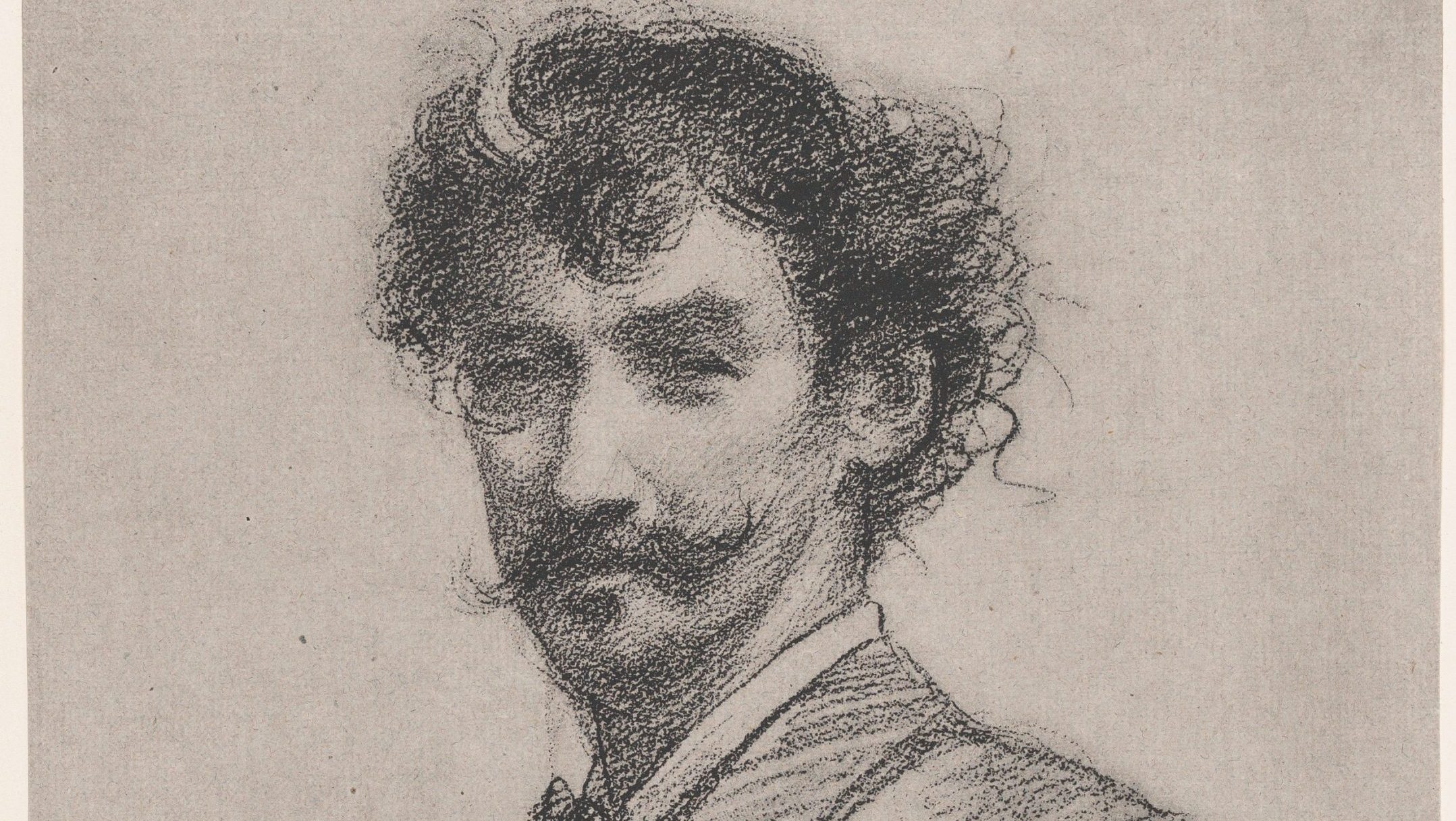
James McNeill Whistler was a prodigious artist who was as well-known for his acerbic wit and combative nature. He fought with critics, art patrons, other artists, and even those who supported him. Whistler’s famous libel action against art critic John Ruskin was one of the most sensational artistic scandals of Victorian Britain. He made a career out of antagonizing everyone.
Sources: Please see here for a complete listing of all sources that were consulted in the preparation of this article.
Like our content? Be sure to follow us.
10 historical figures who were too homely to find love
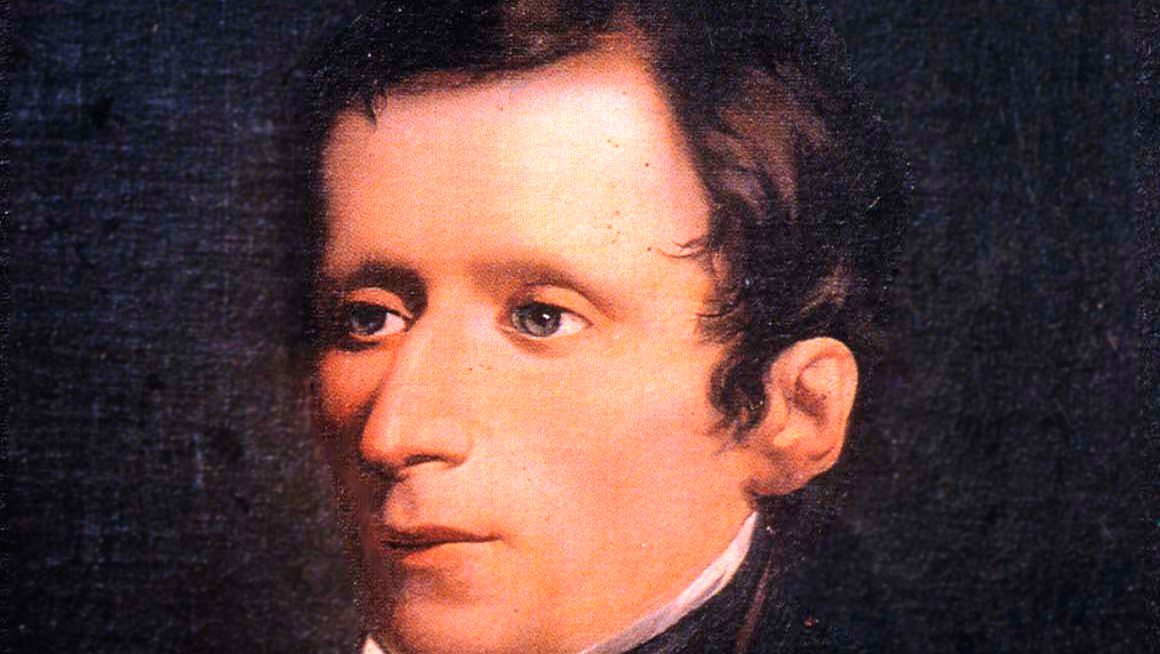
Standards of beauty existed way before swiping left or right and these ten people fell victim to forever loneliness.

