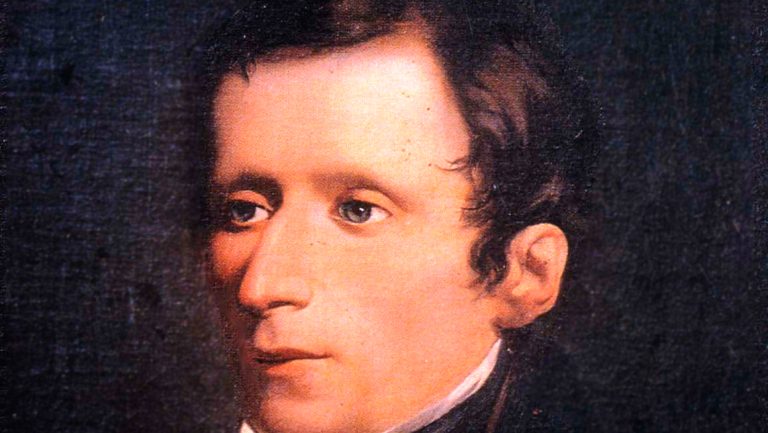

Standards of beauty existed way before swiping left or right and these ten people fell victim to forever loneliness.
Giacomo Leopardi
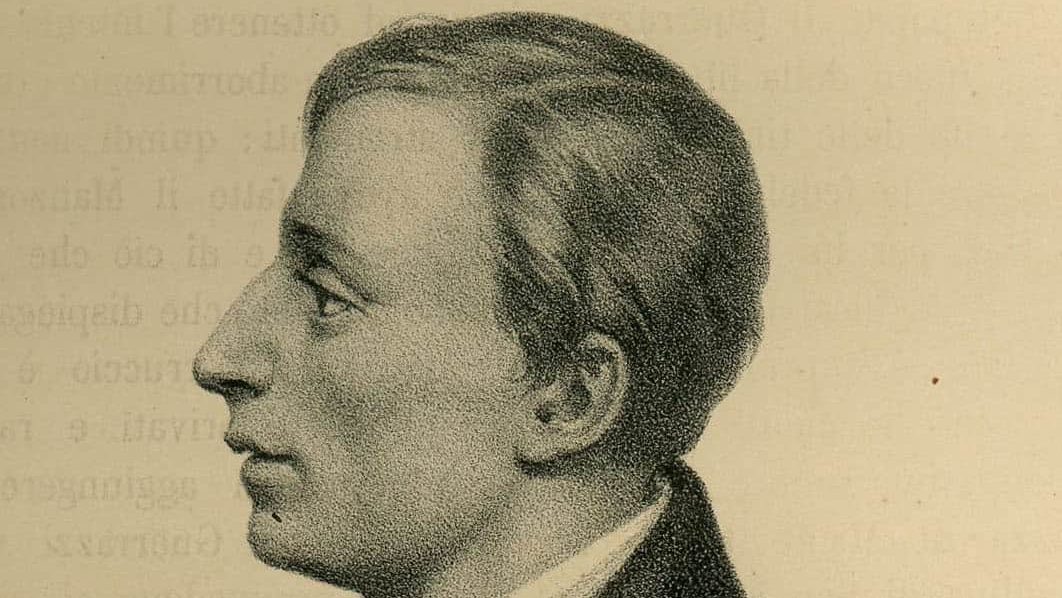
The appearance of the Italian poet was greatly affected by an extreme form of spinal disease about which there is still medical controversy. It left him with a hunchback, curved spine, short stature and pain that haunted him all his life.
Leopardi yearned for love and affection. During his time in Florence, he became enamored with Fanny Targioni Tozzetti, an aristocratic woman who did not return his affection.
His emotional trauma over this resulted in him writing some of his bleakest poetry. One such poem was A se stesso (“To Himself”), where he wrote of love lost, ruined hopes and pain.
Alexander Pope
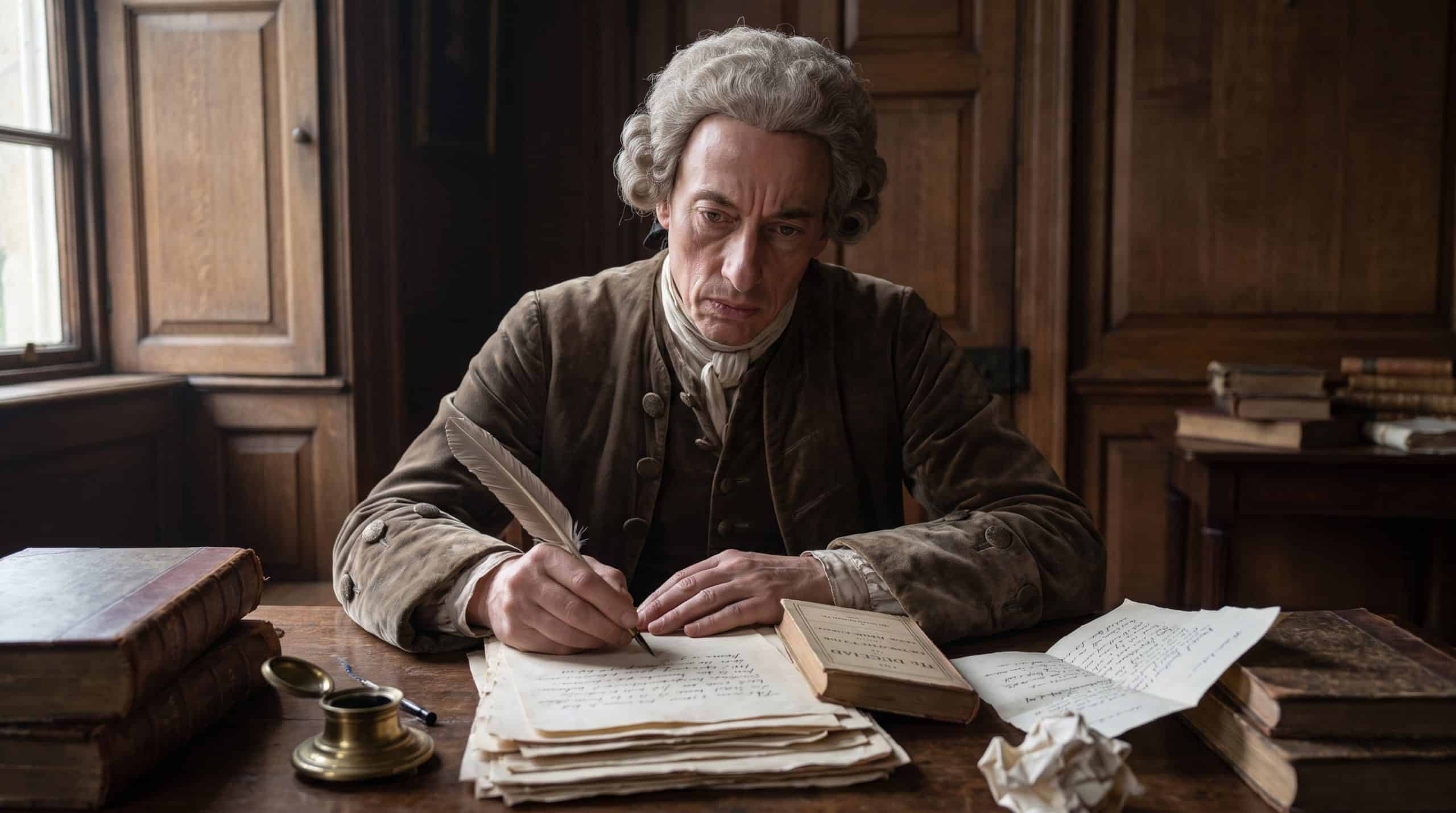
Pope had Pott’s disease, tuberculosis of the spine, from childhood. The condition stunted his growth, leaving him 4 feet 6 inches (1.37 m) tall and with a severely bent spine.
Beneath his clothes, he needed to wear rigid corsets and make use of braces. He needed help dressing and performing other tasks.
Despite his success as a poet and his acknowledged satirical wit, Pope’s life was made difficult by his poor health and physical condition. His relationships with others, including women, were affected.
A close friendship developed between him and the writer Lady Mary Wortley Montagu, only to devolve into one of the era’s most vicious literary disputes, splitting its adherents. Legend has it that Pope attempted to marry Lady Mary, but she scorned his advances. However, there is little hard evidence to support any of these accounts.
Edward Gibbon
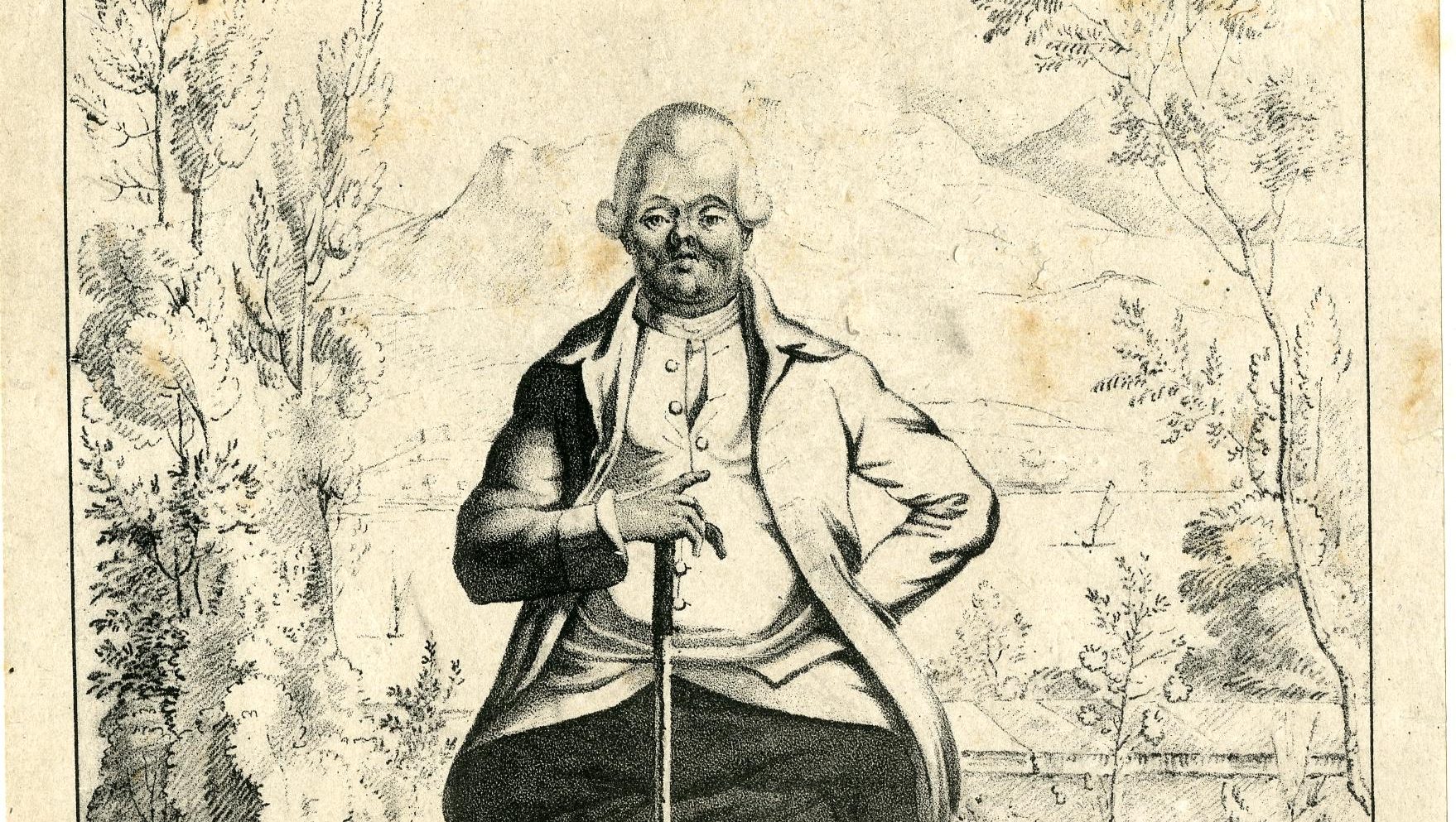
Contemporaries recalled Edward Gibbon, the esteemed English historian, as remarkably short, with an oversized head, a round face, and a stout physique that invited both mockery and critical commentary.
As he aged, Gibbon was burdened by a massive hydrocele, a painful swelling of fluid around his testicle that severely hampered his ability to move.
He also suffered rejection by Suzanne Curchod, who broke off their courtship after her father refused to consent to the match. Gibbon was too dependent on his relatives to be considered a good catch.
Despite the end of his romantic aspirations, he went on to author The History of the Decline and Fall of the Roman Empire without ever marrying.
Hans Christian Andersen
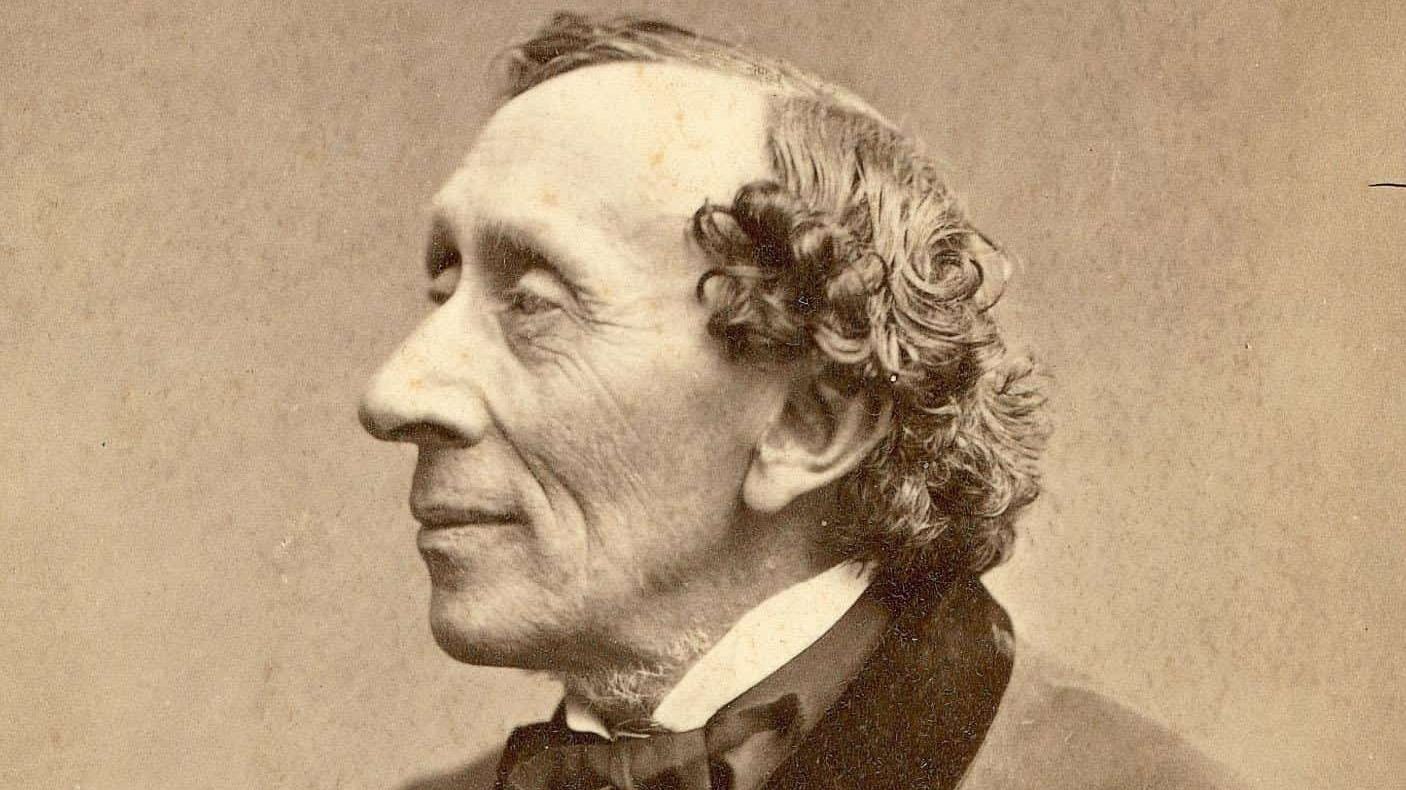
Andersen was insecure about his appearance. He was very tall (over six feet) and had long limbs. He also had big hands and feet along with a large nose.
Throughout his journals and letters, he often characterizes himself as clumsy and ugly. He even referred to himself as the ugly duckling years before the fairy tale of that name made the term famous.
His insecurities carried over into his love life. Andersen fell in love many times but was never loved back. One of his most notable relationships was with Swedish opera singer Jenny Lind. She viewed him like a close friend and caring older brother.
Despite Andersen blaming his appearance for his romantic setbacks, scholars suggest his profound shyness, sensitive disposition, and tendency to romanticize connections were equally significant factors.
Oliver Goldsmith
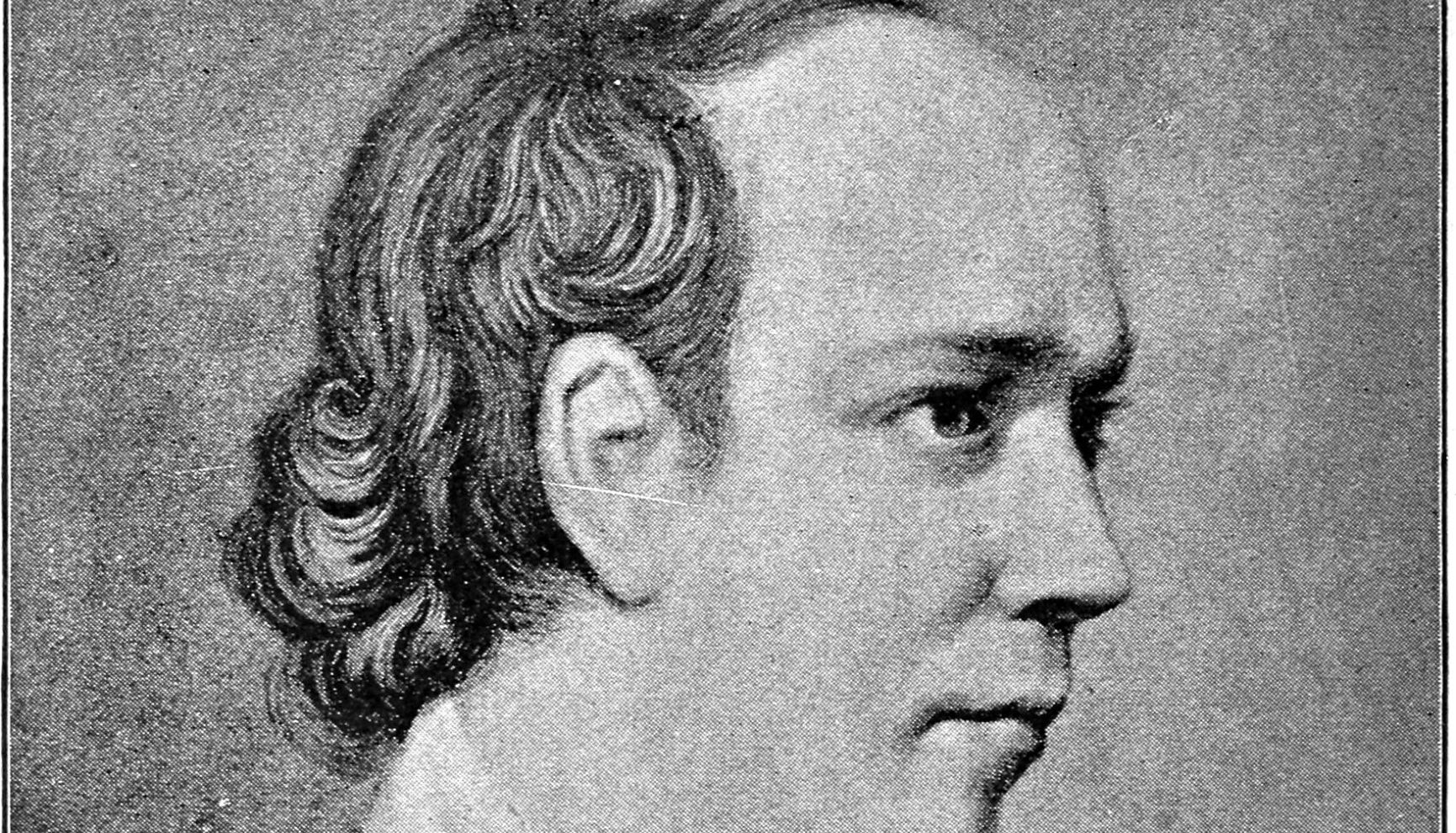
Goldsmith had smallpox as a child. He was marked permanently with facial scars, which made him very self-conscious.
Despite the jabs from his friends and peers regarding his awkward looks and mannerisms, it was clear they meant no real harm. They respected and admired his generosity, his sense of humour, and his literary ability.
Goldsmith liked to dress in showy colours and expensive fabrics despite his recurring debt. Historians have been unable to determine whether Goldsmith’s fashion interests were a result of his insecurity about his appearance.
He never tied the knot, with his looks, financial difficulties, and a mix of other personal issues probably all contributing to the decision.
Anton Bruckner

Bruckner’s timid temperament and somewhat rural, dated demeanor often struck the worldly Viennese as quite comical.
On several occasions throughout his life, Bruckner fell passionately in love with much younger women and proposed marriage to them after having known them only for a short time.
Perhaps his most famous marriage proposal was to 17-year-old Karoline Oppitz in 1894 when Bruckner was aged 69. As with his other two known proposals, she declined his offer of marriage.
Most likely, the reason his marriage proposals were turned down stemmed from the vast age differences, his social awkwardness, and his odd courtship methods, more so than his looks.
Søren Kierkegaard
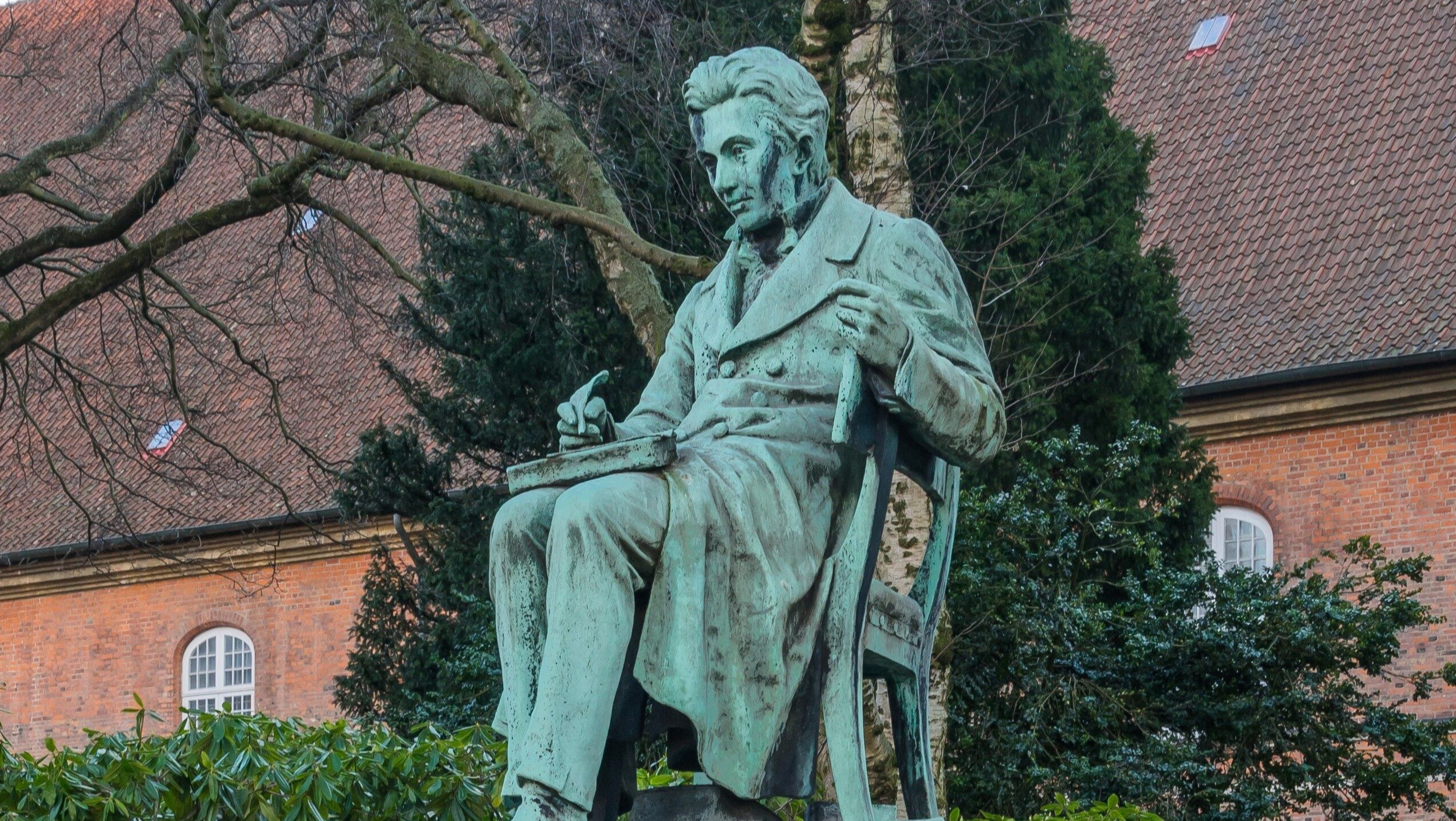
Kierkegaard was known throughout Copenhagen for his distinctive posture and gait. Many of his biographers have speculated that he may have suffered from a spinal deformity.
His physical appearance became the object of mockery in Copenhagen society and particularly in the satirical magazine Corsaren.
He was engaged to Regine Olsen for a year before ultimately ending their engagement.
His low self-image and concerns about his physical health may have contributed to his decision, but historians consider it far more likely that his intense religiosity, lifelong melancholy, and sincere belief that he was too flawed to get married caused him to remain single for life.
Henry Cavendish
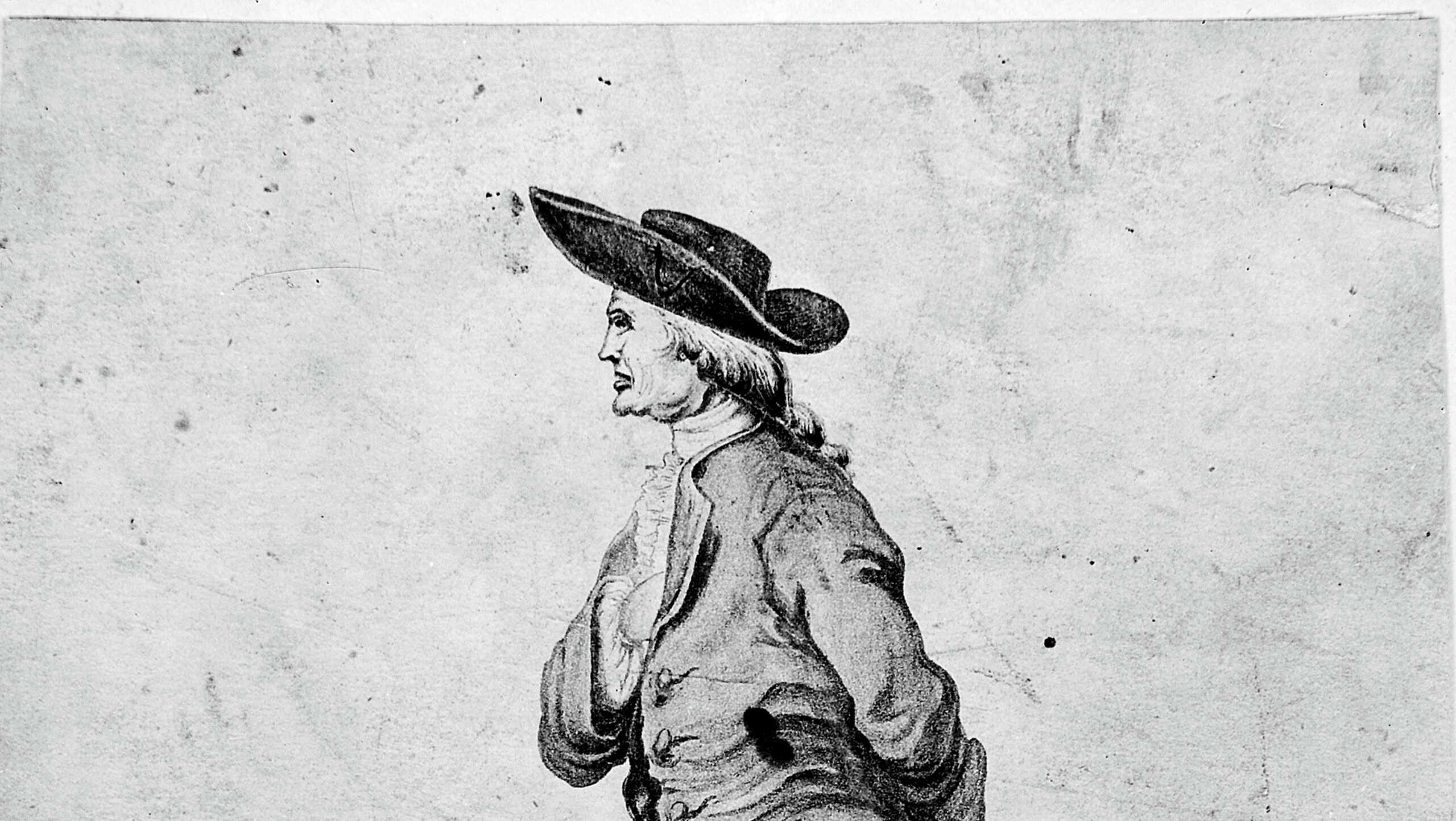
Cavendish was a notoriously shy and eccentric person. He was thin and quiet with a weak, high-pitched voice, so that those who met him as an adult believed he was sickly.
He developed into one of Britain’s most prolific experimental scientists while avoiding almost all human contact, particularly avoiding any dealings with women at all.
To avoid contact with female housekeepers, it was said that he used another staircase and had them leave the house upon seeing him. He spoke to his servants only through notes. Visitors described him as painfully shy.
Most historians believe this stemmed from intense social anxiety and introversion, not from any insecurity about how he looked. He never married nor provided evidence of any significant romantic partnership.
Joseph Merrick
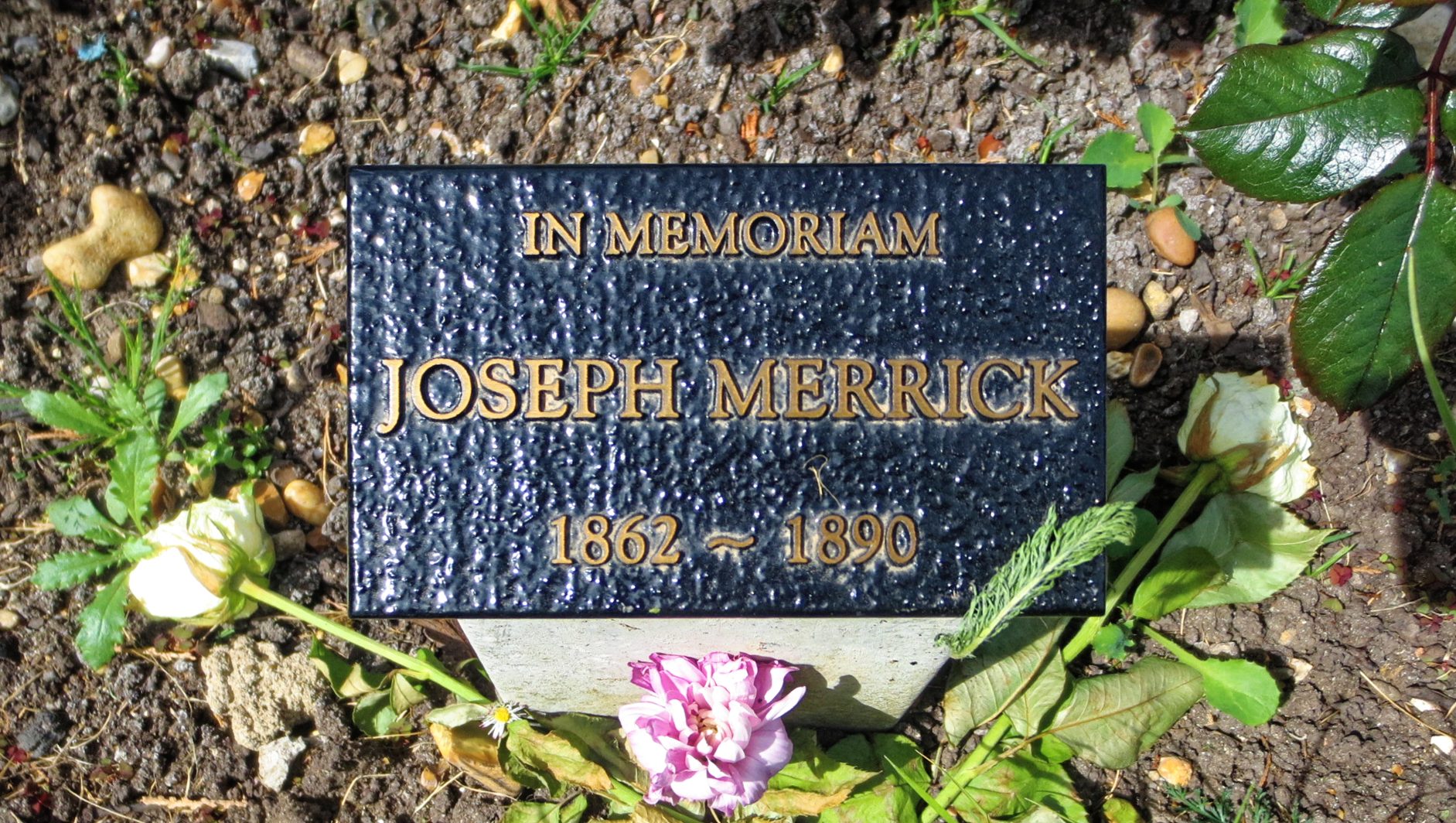
Joseph Merrick suffered from severe deformities from birth that became more extreme as he matured. During his life in Victorian England, Merrick faced prejudice, bullying, staring, and mockery because of his physical condition.
Merrick was unable to find work performing manual labor so he ended up forced into “freakshow” booths where people paid to gawk at him. While many that grew close to Merrick during his life describe him as a gentle, intelligent and sensitive soul, Merrick’s appearance did define him during his lifetime.
There is no concrete proof that Merrick ever attempted to engage in a serious romantic relationship, nor that he was ever outright rejected by someone he pursued.
Most historians believe that while it would have been possible for Merrick to find romance, the ableism he faced his whole life would have made it incredibly difficult for him to establish any sort of relationship.
Charles II of Spain
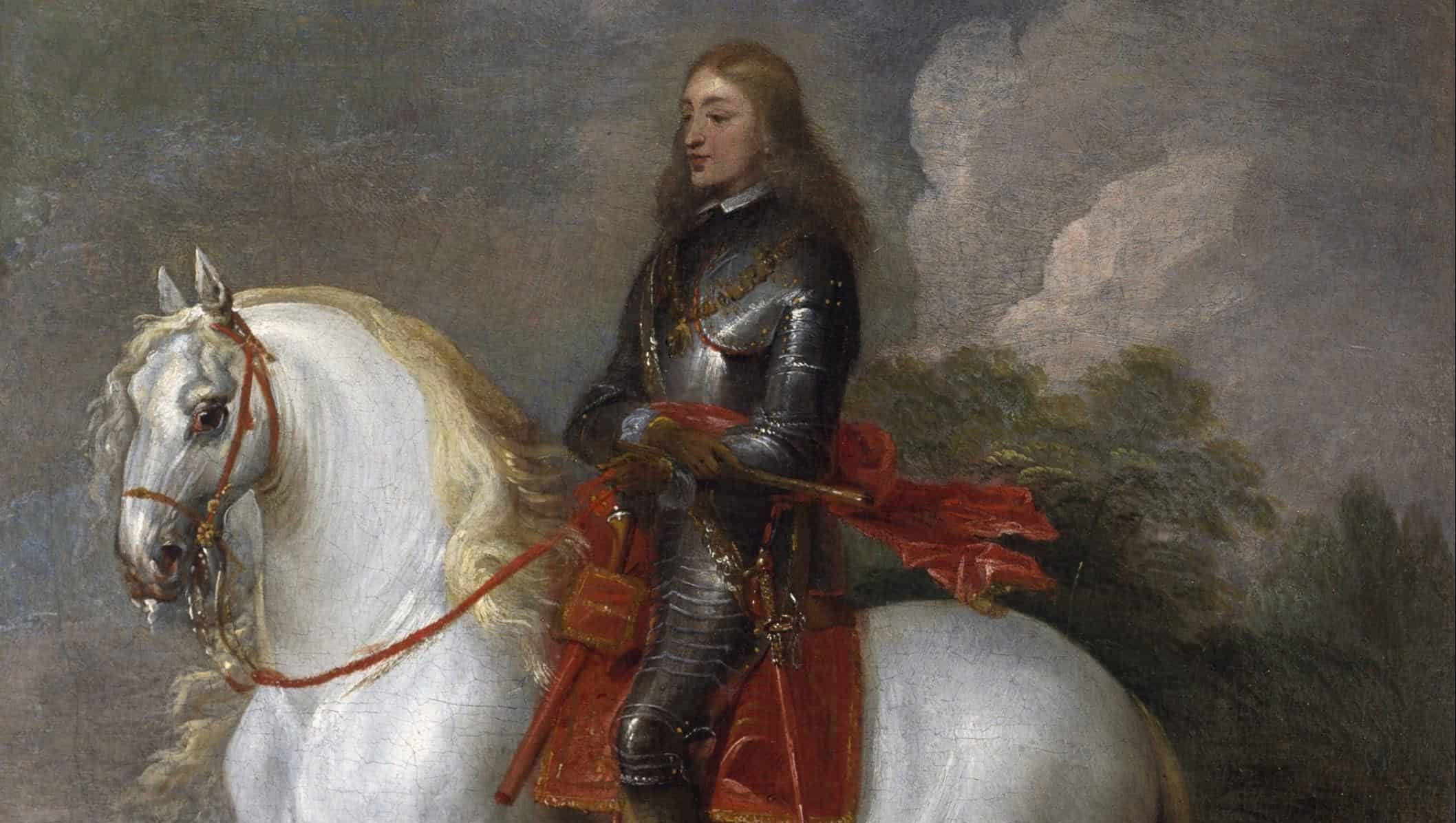
Charles II of Spain was the final Spanish Habsburg monarch. Centuries of intermarriage resulted in physical impairments that left Charles II with many disabilities.
Eyewitness accounts describe him as physically weak and small, having the thick heavy Habsburg jaw, dribbling at the corners of his mouth, being barely able to speak or chew food, suffering from frequent illnesses throughout his life, and later growing thin and frail.
Charles married twice, first Marie Louise d’Orléans and then Maria Anna of Neuburg; both marriages were arranged, due to diplomacy rather than love, and neither gave him children.
The marriages were strained due to his disabilities, his inability to father children, and the stress of producing an heir to continue the House of Habsburg.
Sources: Please see here for a complete listing of all sources that were consulted in the preparation of this article.
Like our content? Be sure to follow us.
11 historical romances with tragic ends
Long before Fabio started gracing romance novel covers, actual history was busy crafting tales far more grim and a whole lot bloodier.

