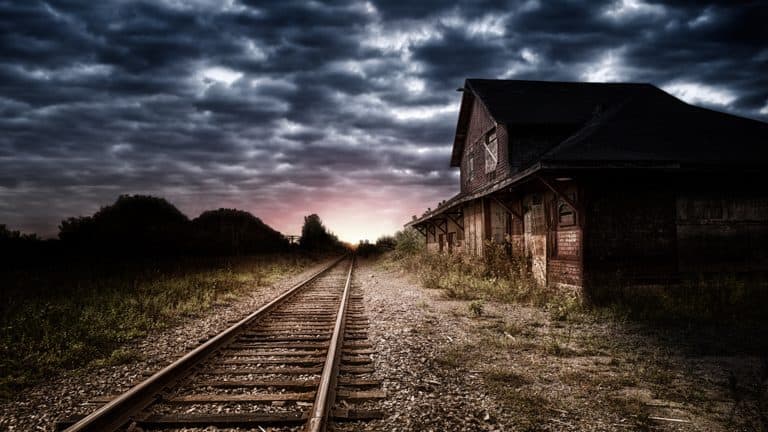

There are some historical cases that are so strange that they sound made up, but they’re completely true and definitely creepy.
A lake released an invisible cloud that killed entire villages
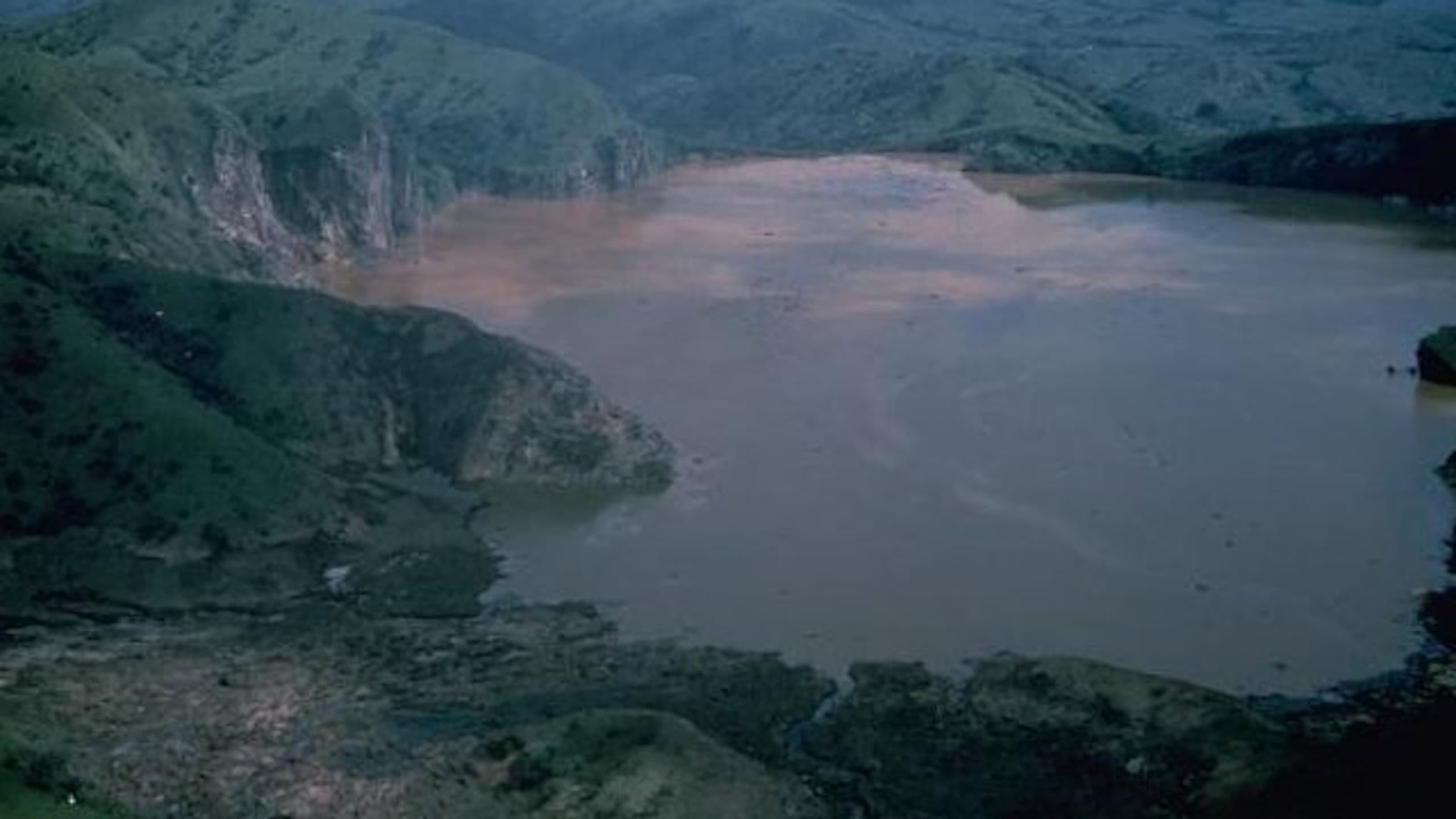
August 21, 1986, started like any other night around Lake Nyos in Cameroon. It ended up being anything but. That was the night that the lake released a huge cloud of carbon dioxide, without any warning. No flames, no explosion, not much of anything. The gas rolled downhill because it was heavier than air and settled over nearby villages, where people were sleeping.
About 1,700 people died. Thousands of animals were killed, too, and some survivors woke to find that the rest of their households had died in their sleep. It’s not like they had an easy life afterward, though. They suffered severe psychological trauma and other medical issues, including skin lesions and comas. Lots of them were terrified of going back home. You can’t really blame them.
Hundreds of skeletons appeared when a frozen lake melted
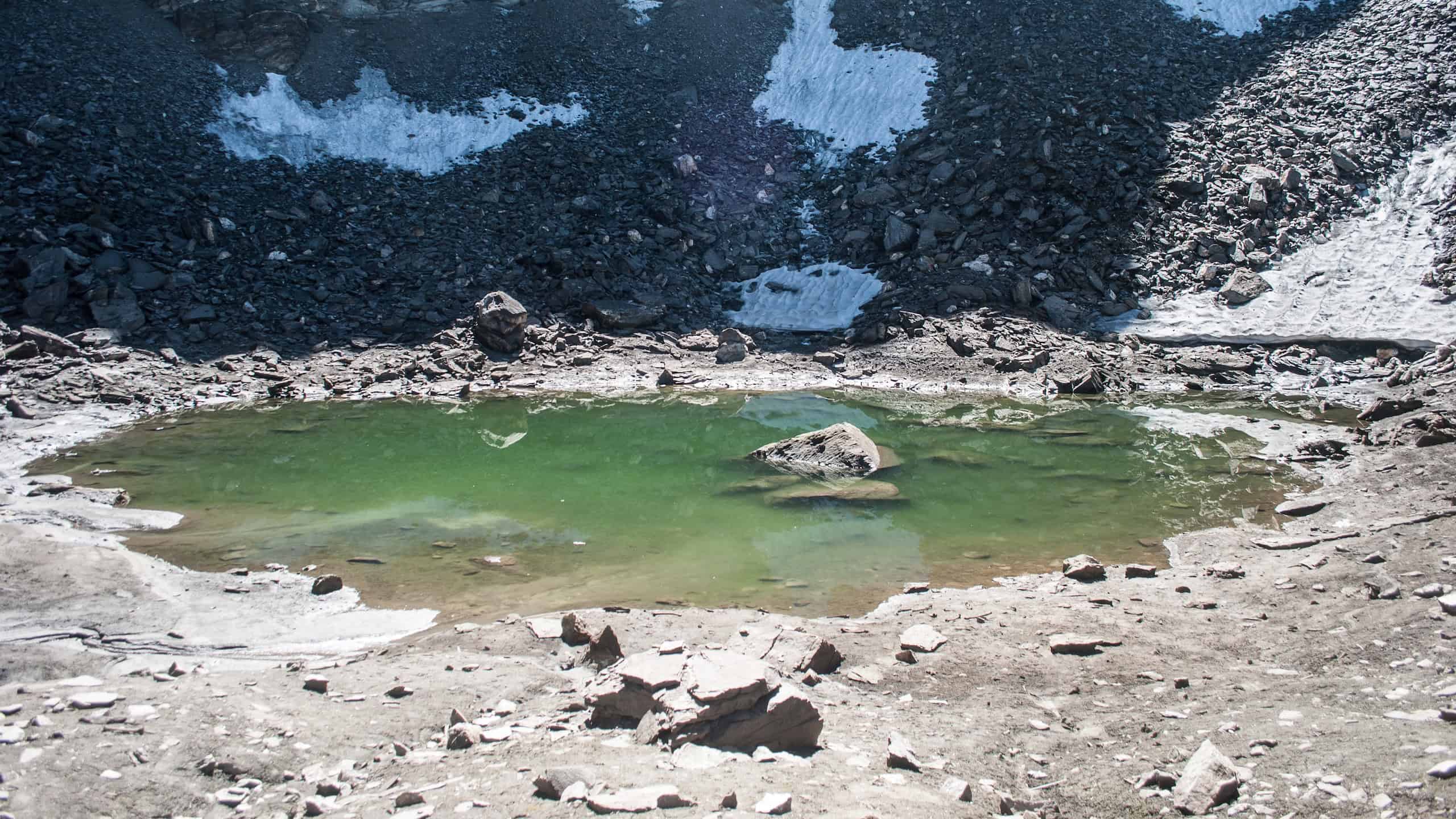
You’ll find Roopkund Lake sitting high in the Indian Himalayas. It’s a lake that’s frozen for much of the year and, even now, it’s pretty difficult to reach. But it all changes when the ice melts. That’s when all the bodies come up.
It’s exactly what happened in 1942, and hundreds of dead bodies were suddenly exposed. The dead didn’t all belong to one group or even one century. Some died around 800 CE, others died around 1,000 years later. Nobody knows why they’re there. But they are.
The Jamestown settlers butchered a teenage girl’s body

The Jamestown colony in Virginia was a difficult place to be during the Starving Time of 1609 to 1610, for obvious reasons. Food was practically non-existent. It got so bad, in fact, that settlers ate horses and dogs, as well as rats. They eventually started on something far worse.
Archaeologists discovered the skull, jaw, and leg bone of a girl about 14 years old, nicknamed Jane. They found marks on her bones that showed someone had tried to remove tissue from her face and body after her death. It doesn’t take a genius to see why they did that.
A killer entered homes through tiny hidden spaces

Daniel LaPlante was more than just your average thief. He broke into the Bowen family’s Massachusetts home and then hid inside it, remaining there for over a year. The family said they could hear random noises and kept noticing missing items. They also found strange messages around the house.
It took a while, but police eventually discovered there were narrow spaces inside the walls where LaPlante had been living. Nobody knew, except him. How creepy. It gets worse, though, because when he was free on bail in 1987, he murdered a woman named Priscilla Gustafson and her two children. Clearly, LaPlante hiding in someone’s attic was just the start.
The Monster With 21 Faces placed poisoned candy in stores

Someone with the nickname ‘the Monster With 21 Faces’ is bound to be creepy. The story only gets worse. The case started in Japan in 1984 with the kidnapping of candy-company president Katsuhisa Ezaki. He escaped, yet the people behind it kept going.
They mailed taunting letters and threatened food companies. They also claimed to have put cyanide-poisoned Morinaga candy in stores, and police found exactly that. Nobody ate them, thankfully. But nobody was ever charged with the attempted poisonings.
Someone prowled Hammersmith dressed as a horned ghost
In Hammersmith, London, residents believed there was a ghost stalking the streets in late 1803. But it wasn’t your regular ghost. No, this one apparently had horns and animal skins, along with large glassy eyes. People became so worried that armed locals started patrolling the roads.
On January 3, officer Francis Smith saw bricklayer Thomas Millwood wearing pale work clothes. He shot Smith dead. He thought Smith was the ghost, but later, a shoemaker admitted he’d dressed up to frighten his apprentice. A simple prank got someone killed.
A suspected witch was killed with a farming tool in 1945

You hear ‘witch hunt,’ and you probably imagine Salem or medieval times. But one of them happened as recently as 1945. In the village of Lower Quinton, England, on February 14, 1945, Charles Walton left to cut hedges. He didn’t come back.
His body was later discovered by a hedge with his throat cut and his ribs broken. He also had a pitchfork driven into him, among other injuries. Walton was allegedly murdered because people feared he was a witch, due to his knowledge of old country customs. Truly awful stuff.
The Italian Boy was murdered so his body could be sold

Medical students desperately needed dead bodies during the 1800s, as they needed to study them. So people started selling them illegally to these students. John Bishop and Thomas Williams tried to do that in 1831, but a London medical school worker became suspicious.
The young boy’s body looked way too fresh for a grave robbery. The worker called the police, and then Bishop admitted that he’d killed the child. He’d drugged the boy and lowered him into a well, just because it was easier to make your own dead body than dig one up.
The ‘Denver Spider Man’ secretly lived in a dead man’s attic
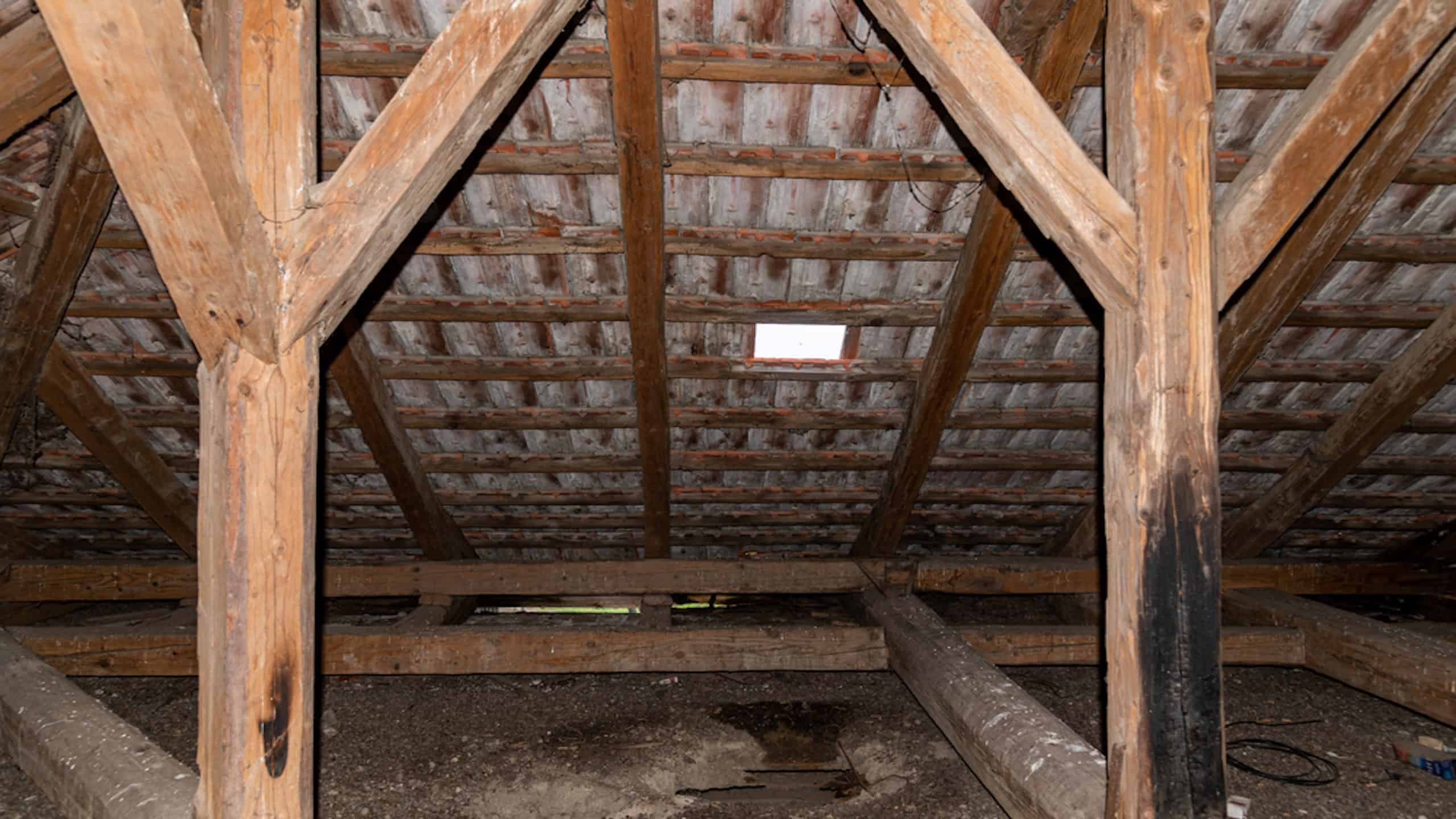
59-year-old Theodore Coneys lived in a tiny attic space above Philip Peters’s Denver home for months in 1941. Peters didn’t know he was there. Coneys would slip downstairs for food whenever the house seemed empty, and it worked, until Peters caught him near the refrigerator.
Coneys then killed the 73-year-old with a pistol and a heavy stove tool. He then did nothing else, except go back into hiding. The police couldn’t even find him at first. It was only when they saw Coneys’s legs disappearing through the trapdoor that they realized someone was there.
The Setagaya killer remained in the house after murdering the family

The Miyazawa family were brutally killed in their Tokyo home on December 30, 2000. But that was only the start of the horrors. The person responsible for their murders stayed in their house for hours, eating ice cream and melon.
They also drank tea and treated their injuries like it was no big deal. They left behind all kinds of traces, like fingerprints and DNA, but the police never managed to find out who it was. The case is still open to this day.
A woman’s corpse was dressed, repaired, and kept in a bedroom for years

Carl Tanzler met tuberculosis patient Elena de Hoyos at a Key West hospital in 1930. He soon became obsessed with her. De Hoyos died in 1931, and Tanzler paid for her mausoleum. He then removed her body two years later.
Tanzler took the body home and wired the bones together, adding glass eyes and replacing damaged tissue, too. He used perfume to cover the smell of the rotting body. It took seven years for the truth to come out, and that’s when de Hoyos’s family discovered he’d been maintaining the body like she were still living there.
Someone murdered families beside railway lines and may have watched them first

A train rolled through. A stranger got off. A family was dead days later. That’s a story that kept happening across North America from the late 1890s into the early 1910s. Several families that lived close to railway tracks were killed by an unknown person, who used an ax they’d found inside.
The killer had drawn the curtains and covered the bodies. But they didn’t touch any of their family’s money or valuables. It seems their only goal was murder. They were never caught.
The corpse of outlaw Big Nose George was turned into shoes

Big Nose George was an outlaw who was eventually lynched by a crowd in Rawlins, Wyoming, in 1881. That’s when things got really disgusting. Doctors took his body for study, and physician John Osborne removed skin from George’s chest and thighs. He had it tanned.
Osborne then had part of the skin made into a medical bag, and another part into shoes. He then wore them when he became Wyoming’s governor in 1893. Pieces of his skull also turned up again decades later. He couldn’t rest in death.
The body of Hazel Drew was found while her belongings continued appearing elsewhere

Hazel Drew’s murder inspired the hit TV show Twin Peaks. It’s not hard to see why. She disappeared near Sand Lake, New York, on July 7, 1908, and her body was pulled from Teal’s Pond six days later. It seemed she’d suffered a major head injury.
Her luggage and personal items were scattered around different locations, however. Witnesses also claimed different things about what she wore and where she planned to go, as well as who they’d seen her with. Nobody really knows what happened to her.
Sources: Please see here for a complete listing of all sources that were consulted in the preparation of this article.
10 creepy urban legends that turned out to be true

Some spooky stories were meant only to scare other people, but by far the most terrifying ones are the stories that ended up being real.


