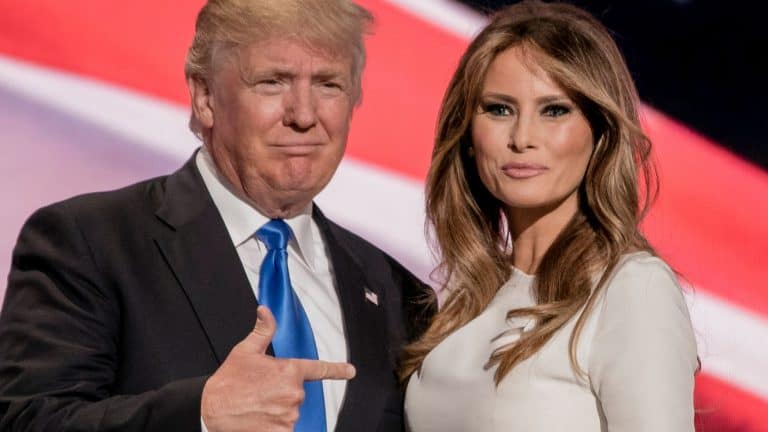

America’s first ladies have often been far more than ceremonial figures, with many bringing exceptional intelligence, education, and influence to the White House.
Abigail Adams
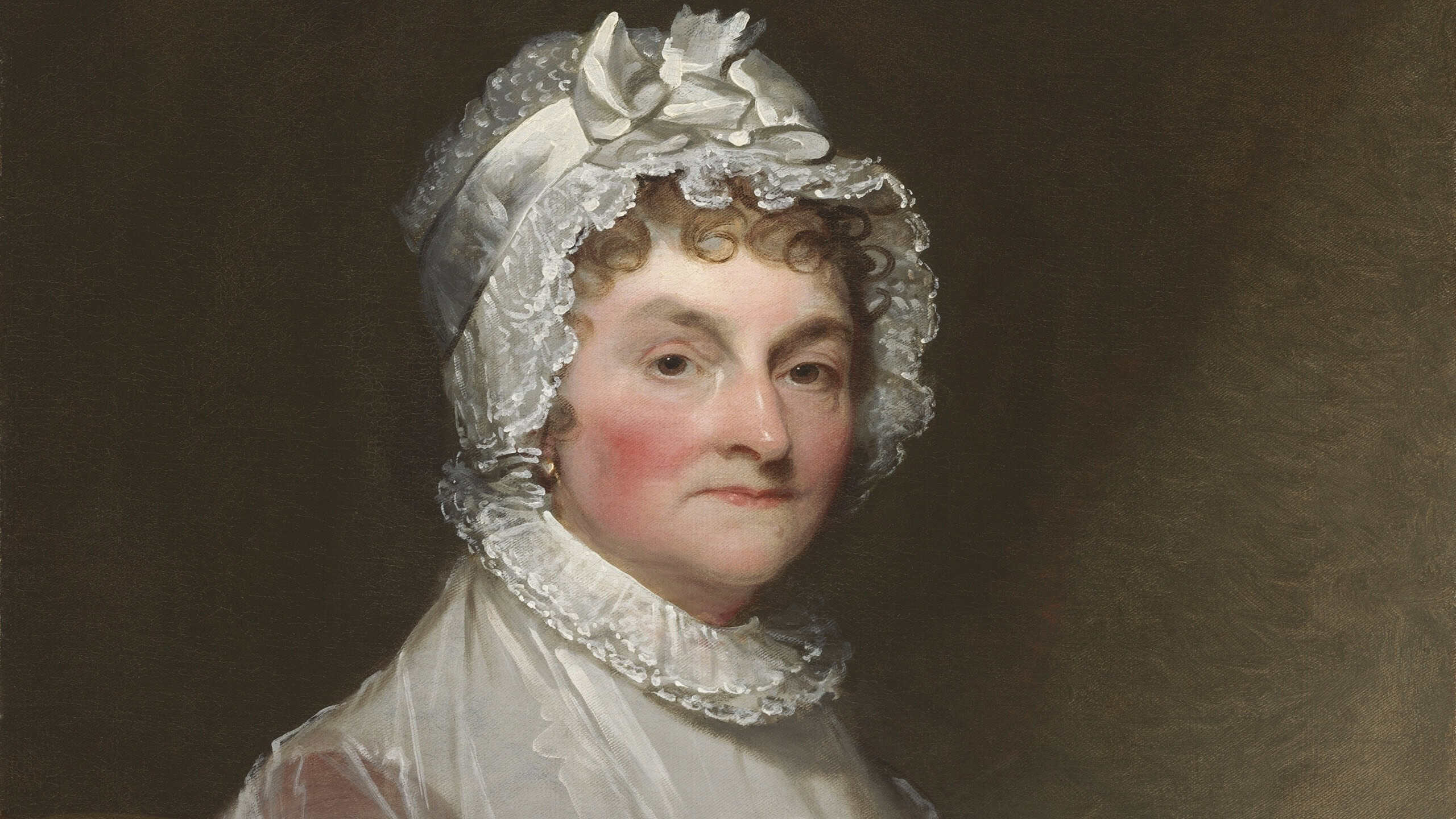
Regarded as one of the most politically astute women of the Founding period, Abigail Adams was a loyal confidante and intellectual equal to her husband John. She was largely self-educated, having been denied access to formal education as a woman. She consumed the books in her family library and cleverly oversaw their farm and investments during the Revolutionary War.
Her written correspondence urged the Founding Fathers to “remember the ladies” and is evidence of her extraordinary foresight on politics, abolition, and women’s rights.
Dolley Madison
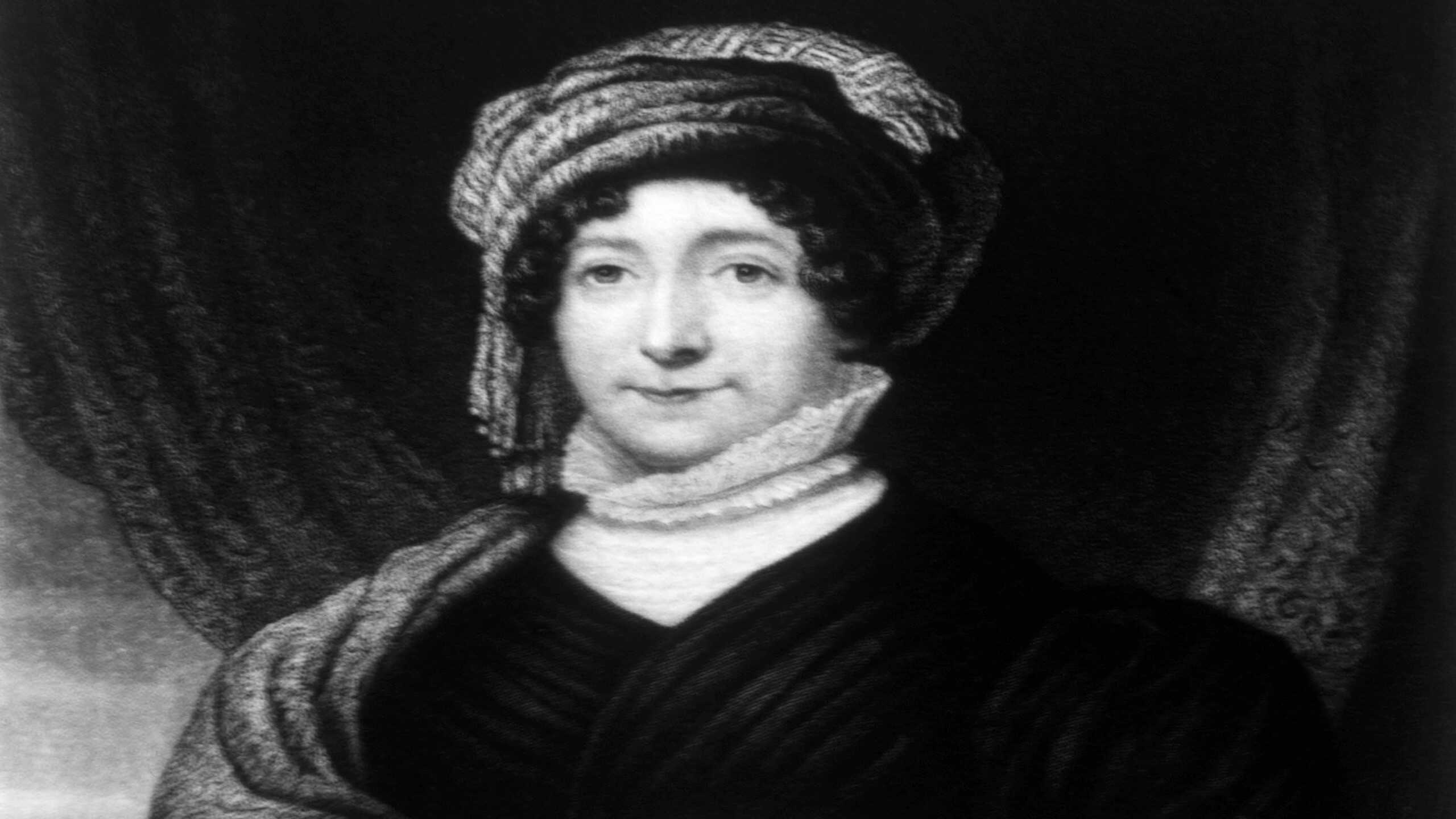
Madison reinvented the role of First Lady as a formidable force of bipartisan politics. She had a keen social acumen and a deep knowledge and memory of who hated whom politically. Madison used her savvy as a hostess to create an atmosphere of cooperation between political enemies.
In addition to being a strategic social savant, she literally saved priceless pieces of history such as Gilbert Stuart’s painting of George Washington when the British burned Washington in 1814.
Lou Henry Hoover
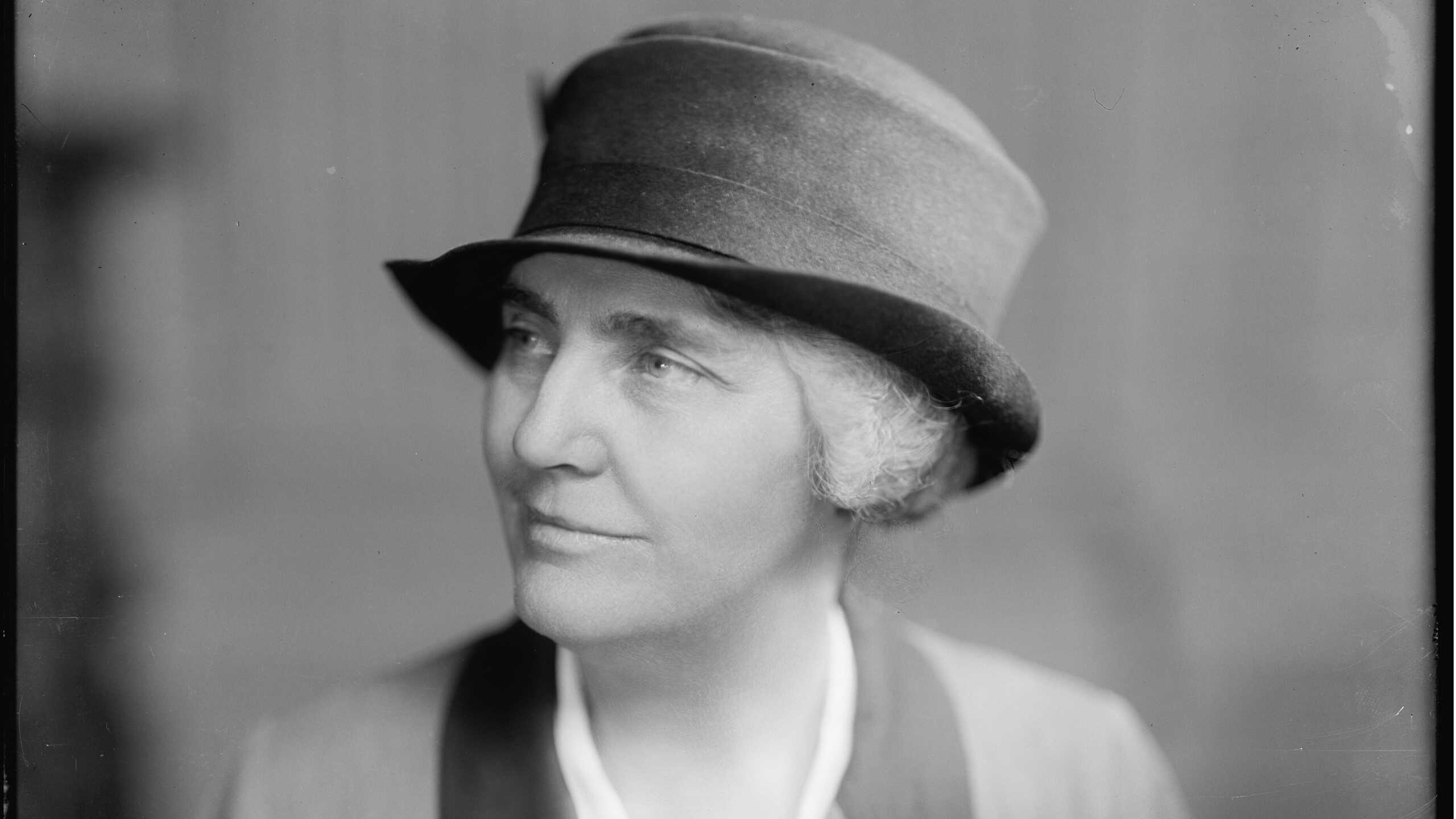
Lou Henry Hoover was the first woman to graduate with a degree in geology from Stanford University. She spoke five languages fluently and she and her husband spent five years translating the 16th-century Latin encyclopedic work on mining and metallurgy De Re Metallica, still regarded as a standard scholarly reference work on the subject.
A world traveler, Girl Scout leader, and Renaissance woman, Hoover was regarded as one of the most intelligent women of her time because of her impressive academic background.
Eleanor Roosevelt
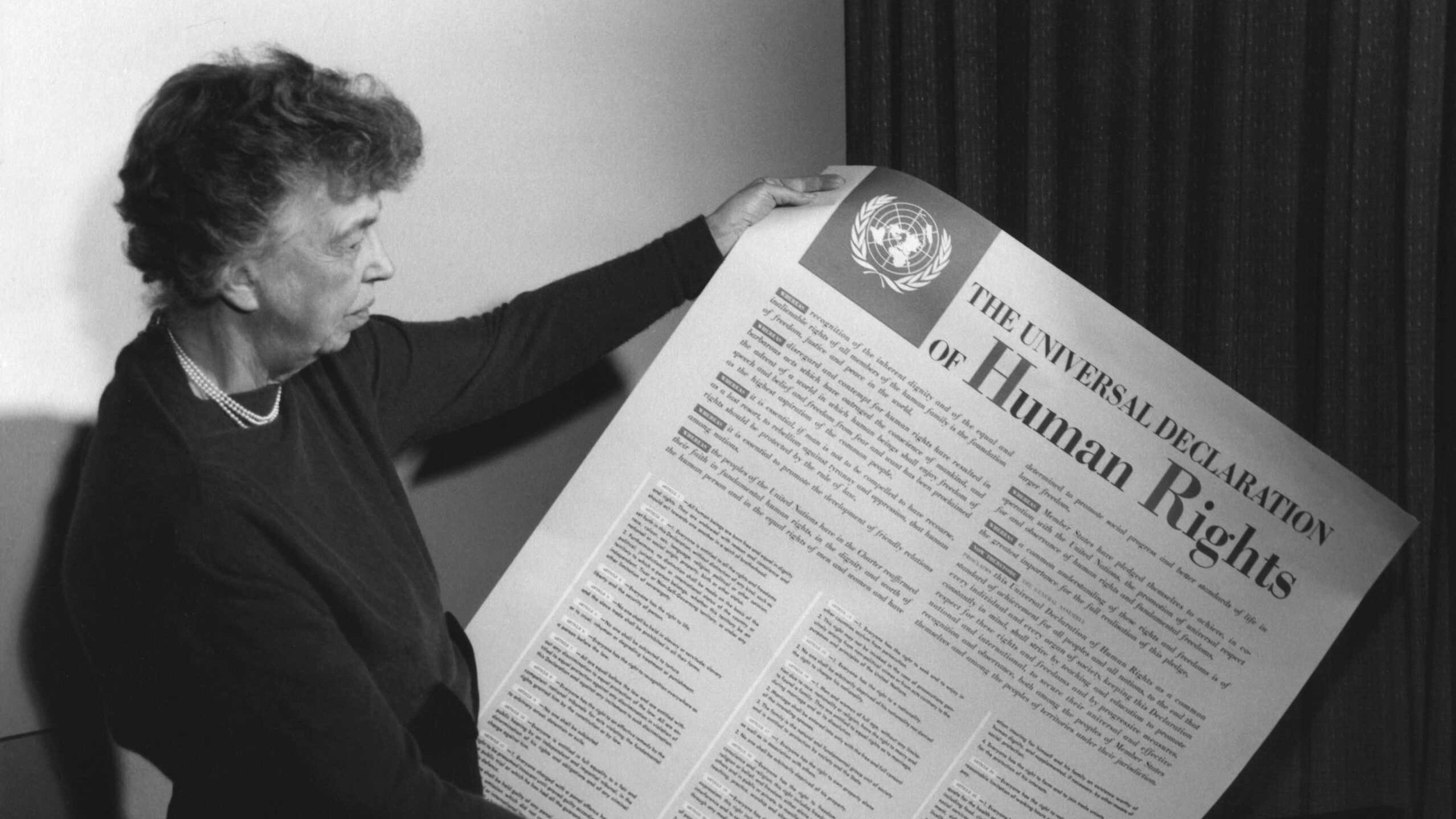
Re-defining the role of First Lady as humanitarian, political trendsetter and policy leader in her own right, Eleanor Roosevelt became her husband’s eyes and ears and political surrogate during his battle with polio.
She wrote a daily syndicated newspaper column, hosted groundbreaking all-female press conferences and, upon leaving the White House, served as chair of the United Nations Human Rights Commission where she oversaw the drafting of the Universal Declaration of Human Rights.
Edith Wilson

Edith Wilson wielded more executive power than any other woman in American history after Woodrow Wilson had a stroke in 1919. She placed herself in what she called “stewardship” of the executive branch of government from then on, filtering everything that came to President Wilson’s attention in order to preserve his health.
She determined which matters were significant enough to bring to his attention. She competently handled the day-to-day activities of the Executive Office for more than a year.
Lady Bird Johnson
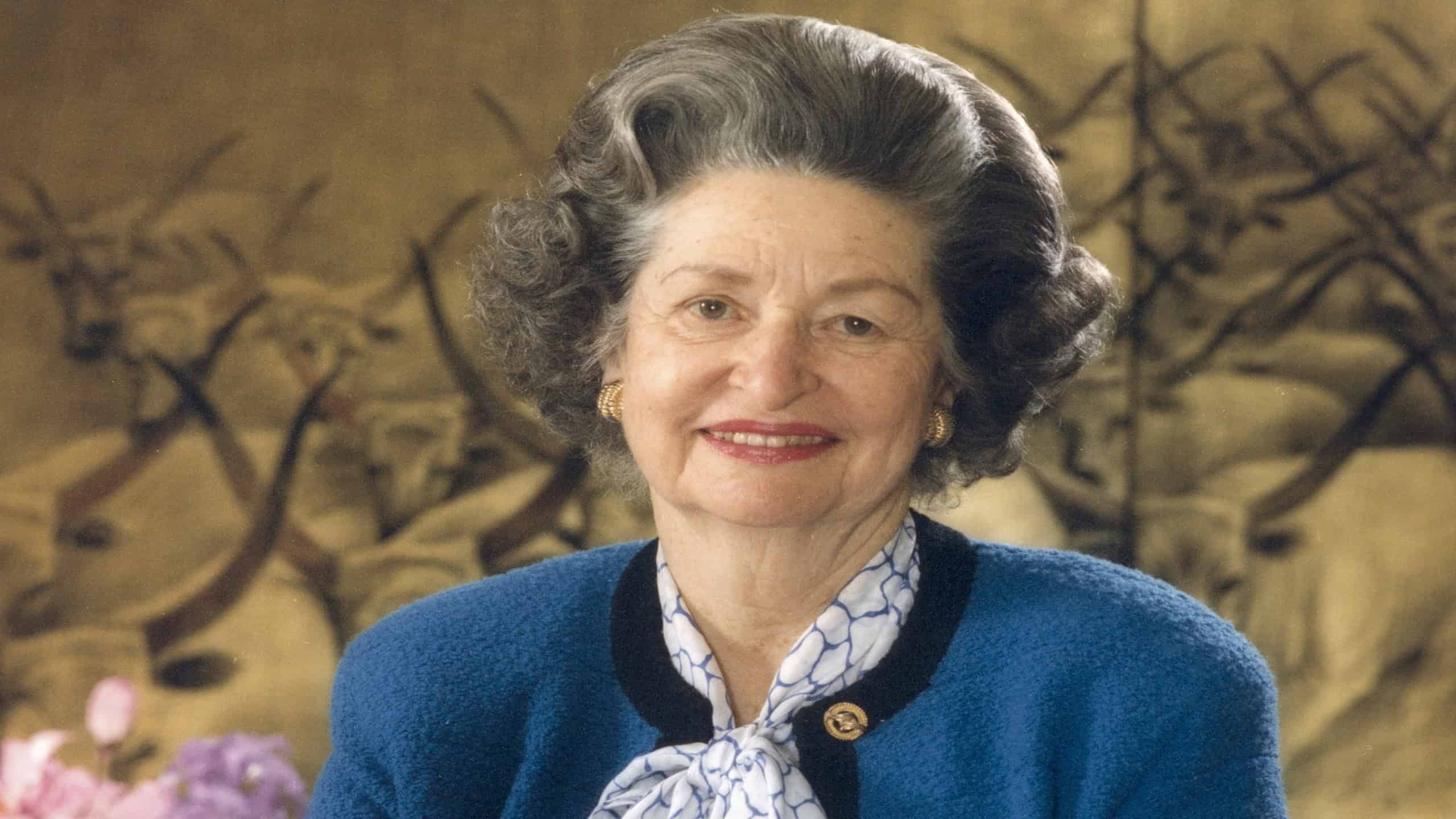
Lady Bird Johnson graduated with honors from the University of Texas with a history and journalism double degree. She applied a keen sense of media manipulation early on; purchasing a Texas radio station with her own money and expanding it into a profitable business, becoming a millionaire independently before her time in the White House.
While there, she exercised her keen policy sense by advocating for environmental conservation and pushing the Highway Beautification Act of 1965 through Congress.
Rosalynn Carter
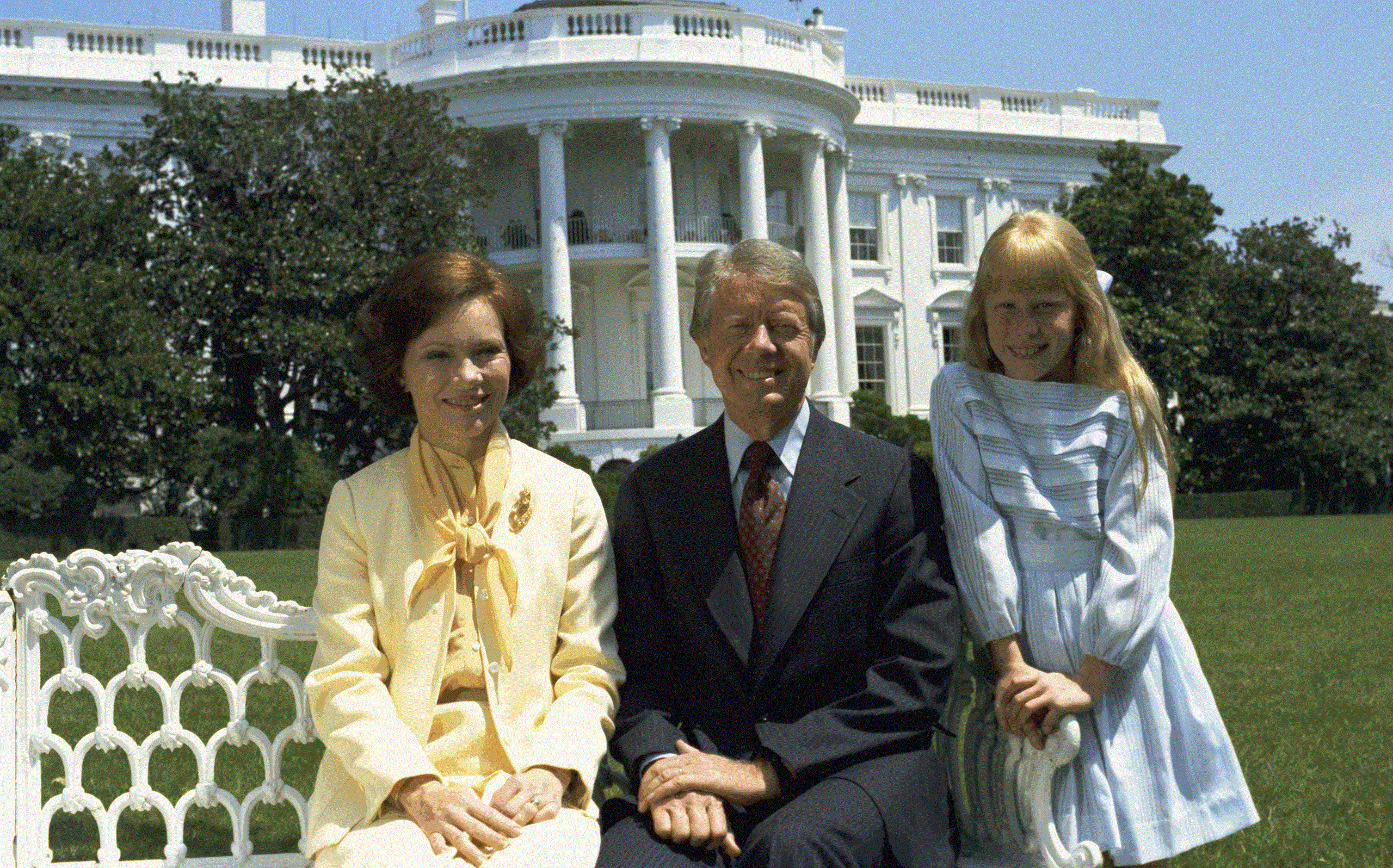
A shrewd political tactician, Rosalynn Carter advised her husband, Jimmy Carter, extensively throughout his career and worked alongside him as his peer.
She became the first first lady to attend Cabinet meetings, taking detailed notes and representing the administration on diplomatic trips throughout Latin America. She often zeroed in on policy details and fought for legislation that advanced mental health care; she chaired the President’s Commission on Mental Health.
Hillary Clinton
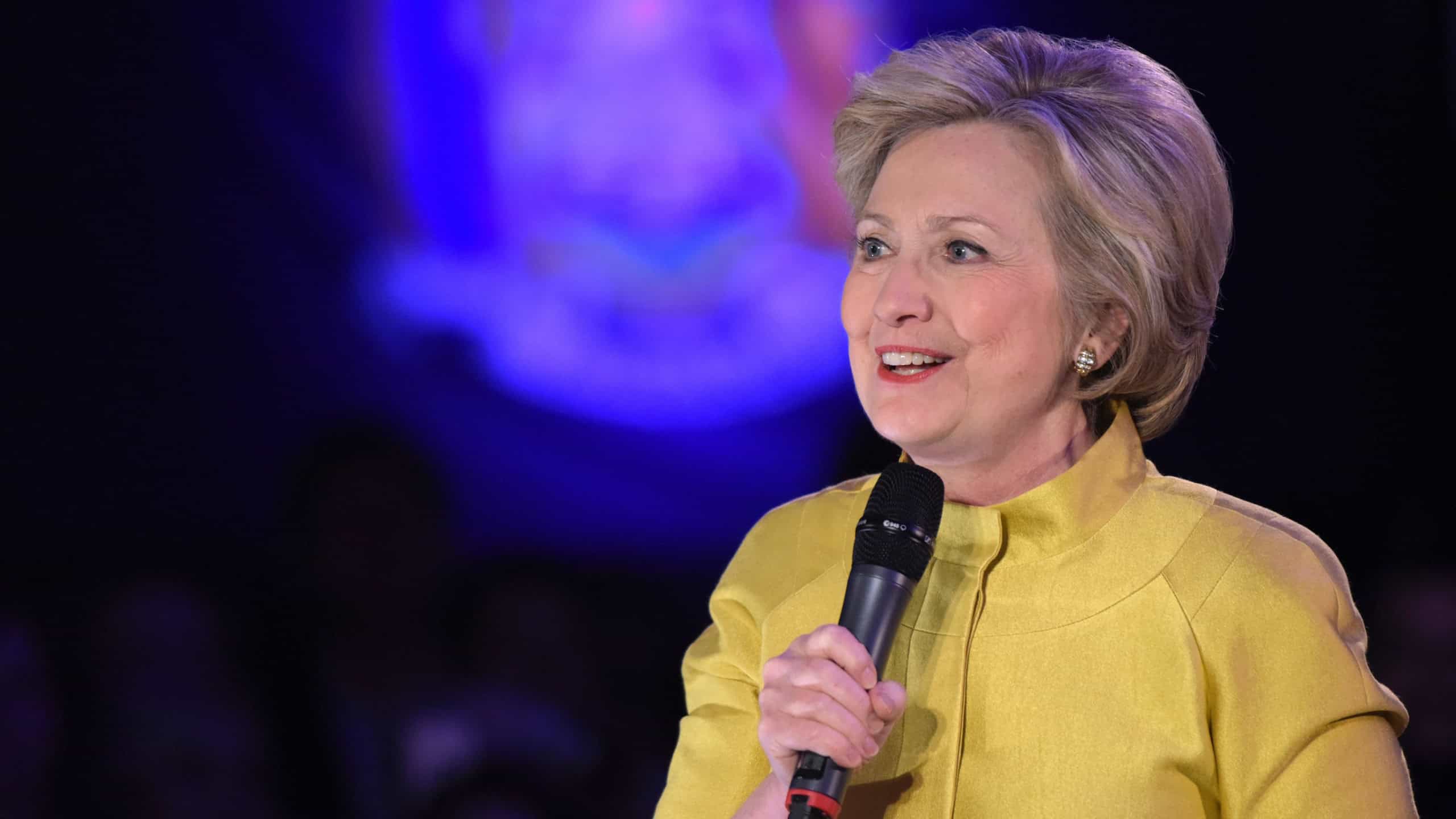
Hillary Clinton came to the White House as a trained lawyer with a Yale law degree and experience as a partner in a top national law firm. She took on a direct policy role as first lady by chairing the Task Force on National Health Care Reform and became the first presidential spouse to officially guide legislation.
Hillary Clinton’s legal and political acumen eventually led to appointments as a U. S. Senator, Secretary of State, and as the first woman nominated for President by a major U. S. political party.
Michelle Obama

Michelle Obama is a graduate of two Ivy League universities. She graduated cum laude from Princeton University and earned a Juris Doctor from Harvard Law School.
Before her public service career, Obama was a corporate attorney, City Hall staffer, and hospital executive in Chicago. During her tenure in the White House, she spearheaded initiatives on childhood nutrition and higher education access that changed federal health policies.
Jill Biden
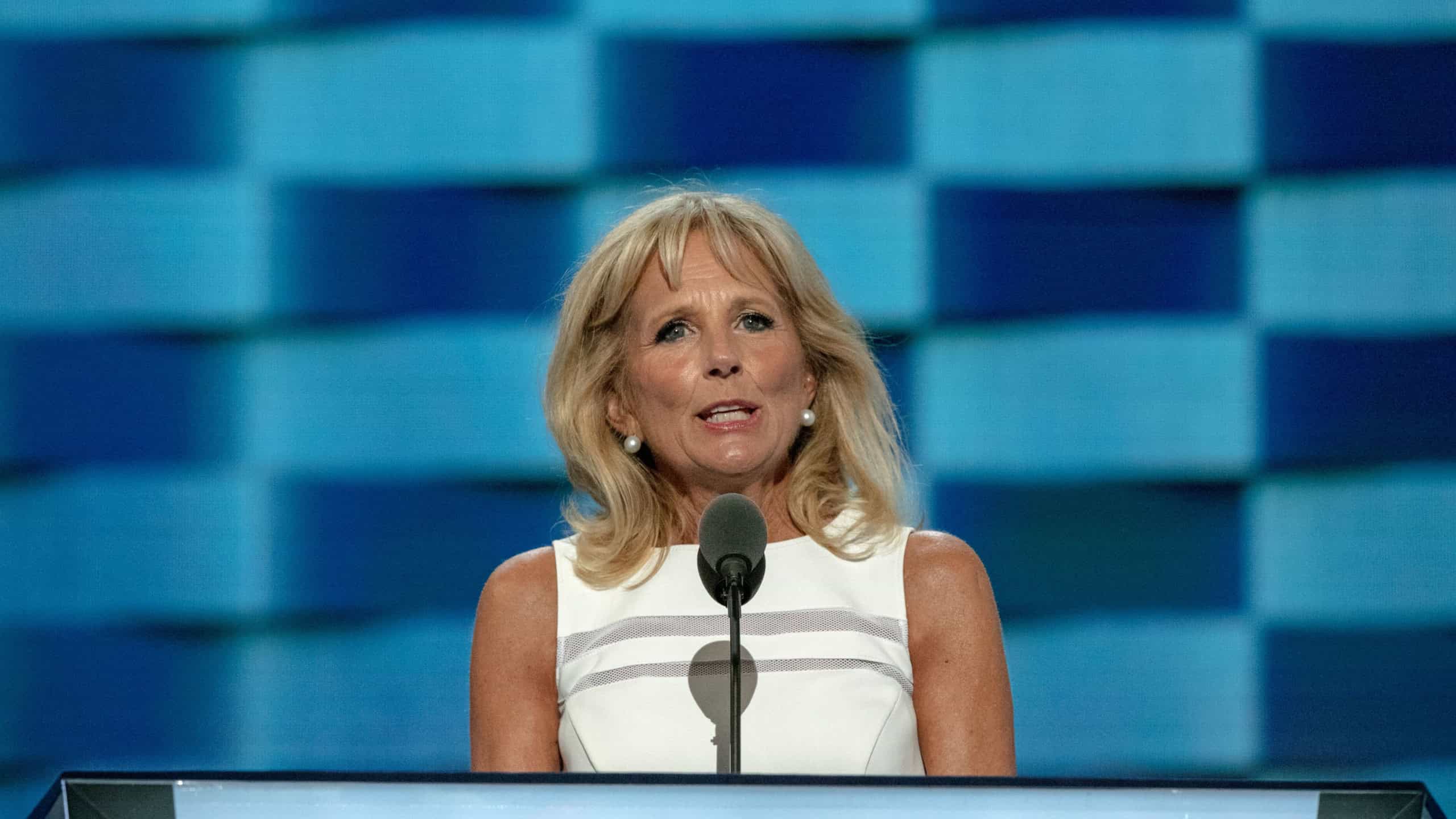
First Lady Dr. Jill Biden came to the White House with unmatched experience in higher education and academic leadership. A graduate of the University of Delaware with two master’s degrees and a Doctorate of Education, Dr. Biden taught English composition in public schools and at the community college level for over 30 years.
As First Lady, she continued to work as a full-time professor of English at Northern Virginia Community College, strongly advocating for community colleges’ role in strengthening America’s workforce and creating pathways to upward mobility.
Sources: Please see here for a complete listing of all sources that were consulted in the preparation of this article.
Like our content? Be sure to follow us.
The 4 most (and 5 least) intelligent US presidents based on their IQs

There are no actual IQ records for most American presidents, but psychological studies have provided some pretty good estimates of what they might be, so let’s find out which ones are the most and least intelligent.
The 4 most (and 5 least) intelligent US presidents based on their IQs


