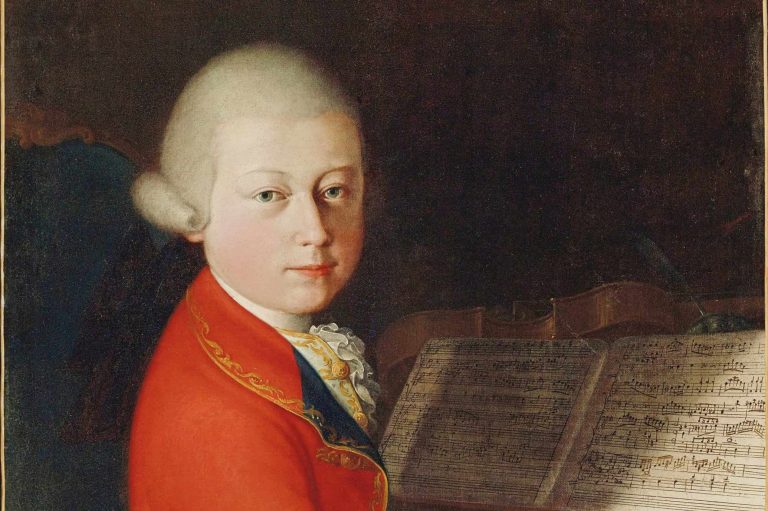

There’s always pressure that comes with popping the question in front of an audience, but these historic figures got some of the coldest reactions imaginable.
King Henry VIII of England (rejected by Christina of Denmark, 1538)
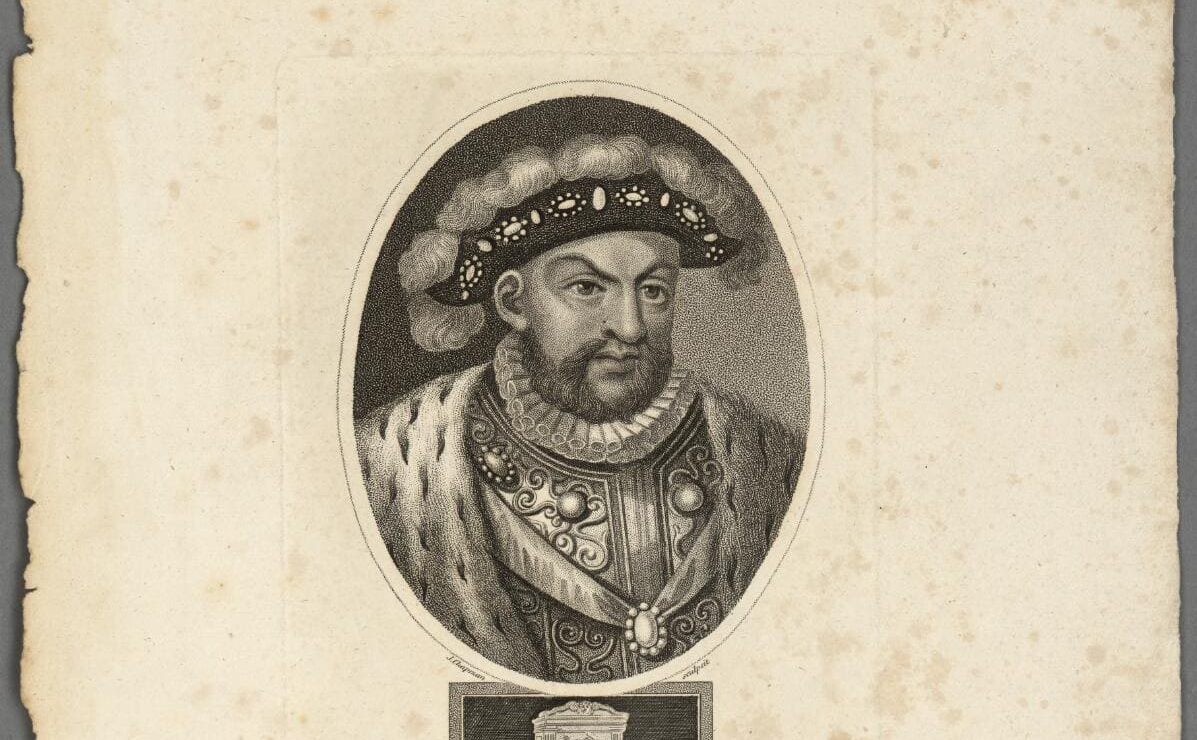
Unable to bear the loss of Jane Seymour, Henry VIII sent his court painter Hans Holbein to Brussels to paint Christina, Duchess of Milan.
Christina was 16 years old. Henry fell madly in love with her painting and promptly sent official ambassadors to arrange the match.
Christina however, having heard the stories of both Anne Boleyn and Catherine of Aragon, left no doubt as to her intentions with ambassadors everywhere. She publicly stated: “If I had two heads, the King of England should have one of them; but as God hath seen fit to give me but one, I will keep that myself.”
Wolfgang Amadeus Mozart (rejected by Aloysia Weber, 1778)
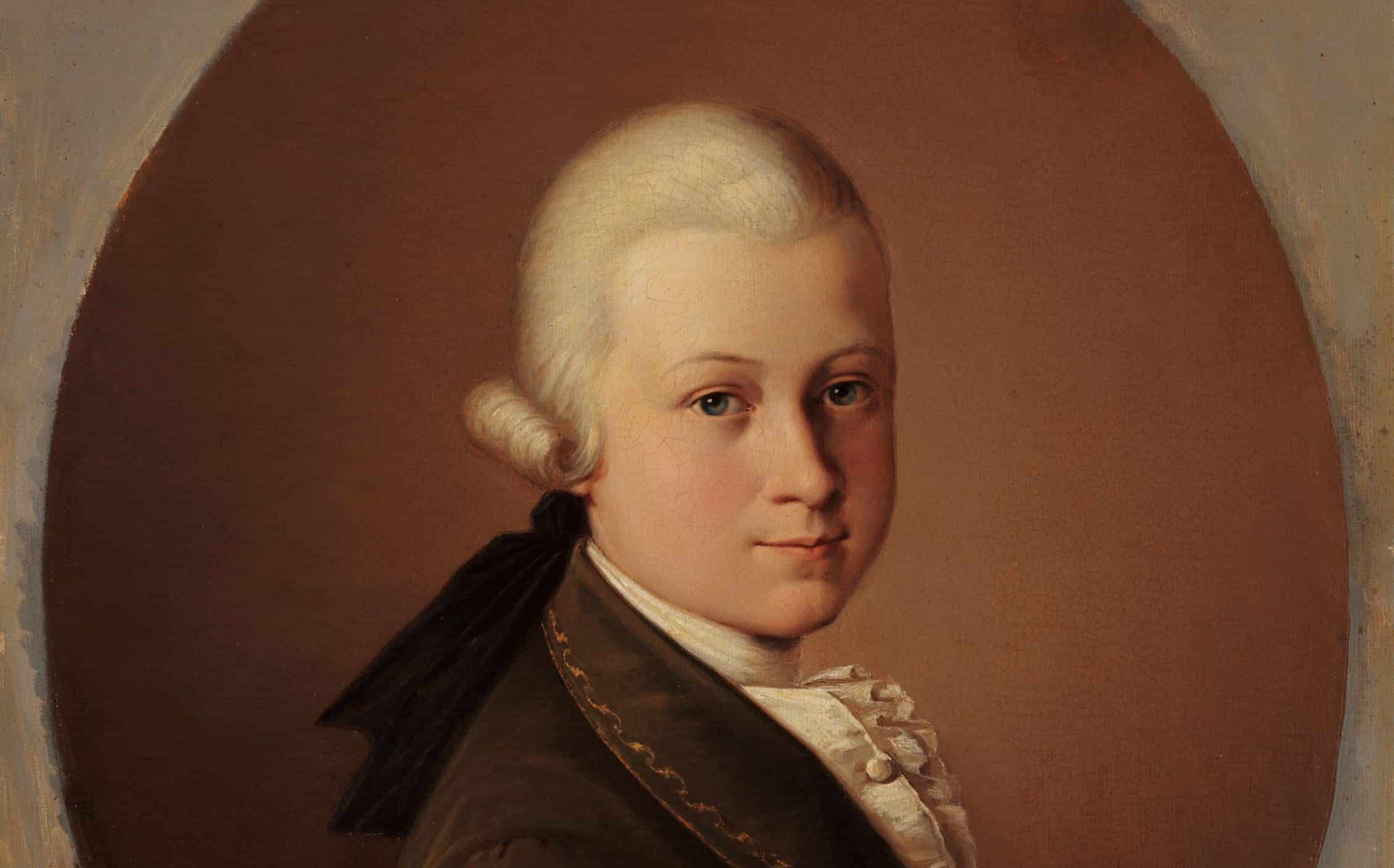
The young Mozart became infatuated with the German soprano Aloysia Weber in Mannheim in 1777. He dedicated music to her, and wrote letters to his father about his wish to marry her.
Returning to Munich in 1778 after his mother’s death expecting perhaps to find something romantic waiting for him, he instead found Aloysia at a drawing-room full of guests.
Aloysia Weber had since risen to opera stardom, and she met Mozart’s arrival with a cool, public indifference. Ms. Weber gave him the cold shoulder, a subtle rejection that only Mozart seemed to pick up on.
Mozart sat down at her family piano in the room and composed an impromptu, taunting tune about women who reject their admirers, and stormed out.
Hans Christian Andersen (rejected by Jenny Lind, 1843)
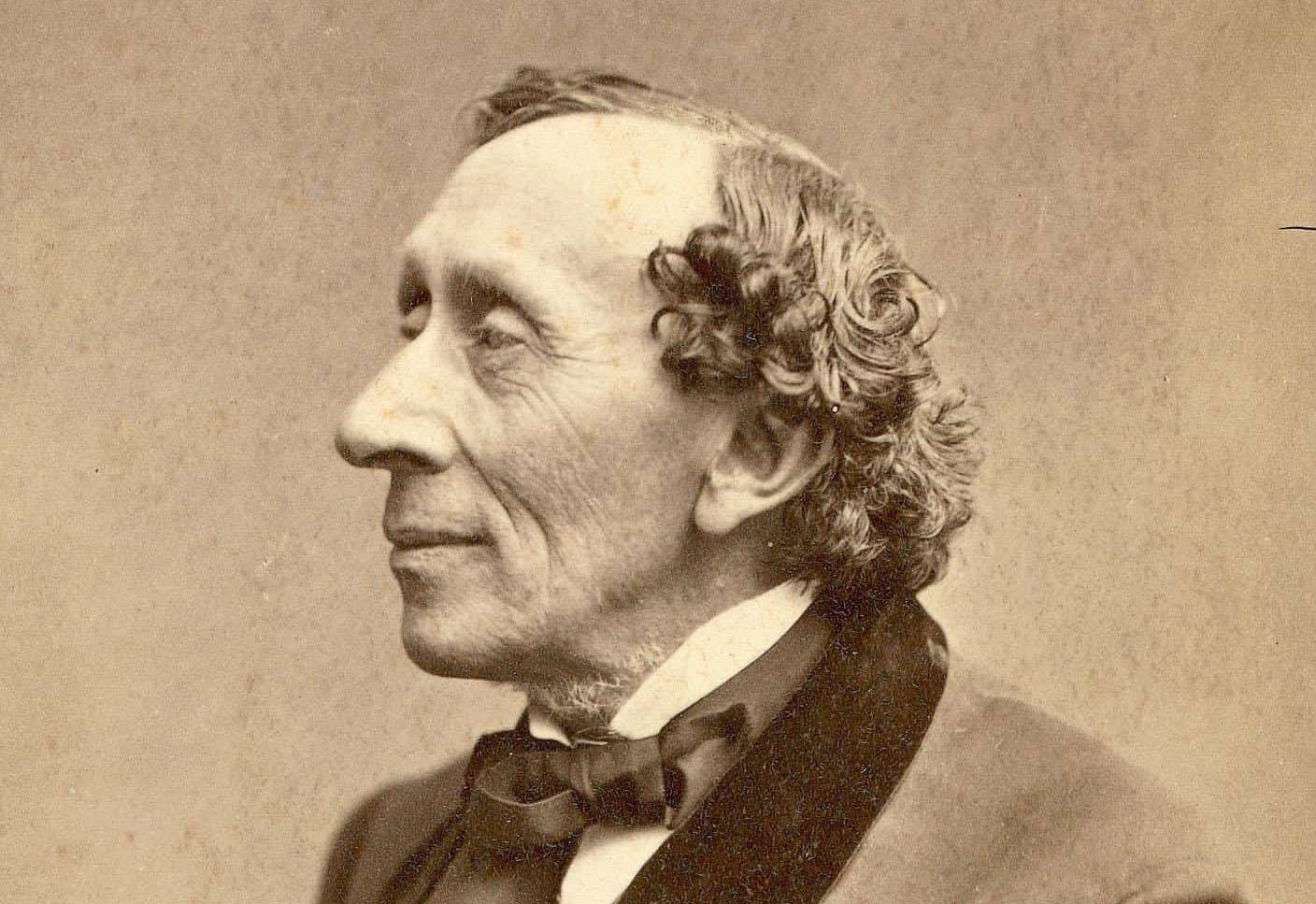
The beloved Danish fairytale writer became hopelessly enamored with Swedish opera singer Jenny Lind, who became known around the world as the “Swedish Nightingale.”
While Jenny Lind toured Europe, Andersen pursued her with poems, letters, his persistent presence, and by attending her social events. Lind held Andersen’s intellect in high regard, but she did not reciprocate his feelings whatsoever and grew irritated by his constant attention.
One night at a society dinner party full of friends they had in common, she shattered his dreams by raising her glass at dinner and loudly proclaiming him her “brother.” She’d set a romantic boundary that even 19th-century high society couldn’t overstep.
Devastated, Andersen poured his heartache into his classic tale, The Nightingale.
Duke William of Habsburg (rejected by Queen Jadwiga & Polish Nobles, 1385)
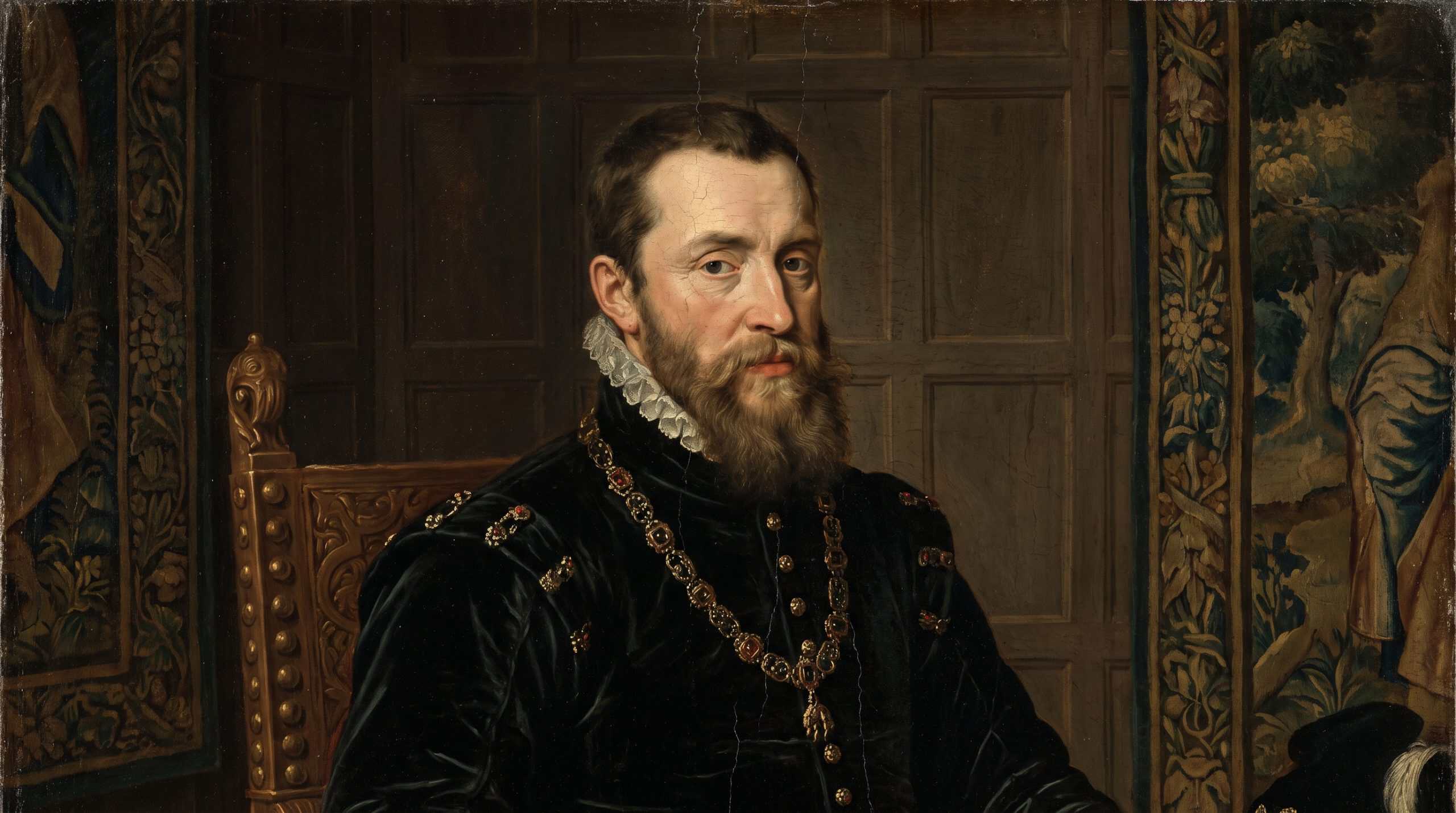
Parents arranged for young Jadwiga of Poland to marry Duke William of Austria when they were children.
When William arrived in Kraków in 1385 eager to pick up where they left off, wearing robes fit for a king and ready to wed his now 14-year-old bride, he was met with great hostility. The Polish nobility soon rejected William in favor of the pagan Grand Duke Jogaila of Lithuania, whose marriage offered greater political and economic benefits.
At the doorsteps of the royal castle in Wawel, guards blocked William’s path at swordpoint and refused him entry. The council publicly tore up the now worthless agreement and then physically removed the dejected duke from Polish soil.
Archduke Charles Gustav (rejected by Queen Christina of Sweden, 1649)
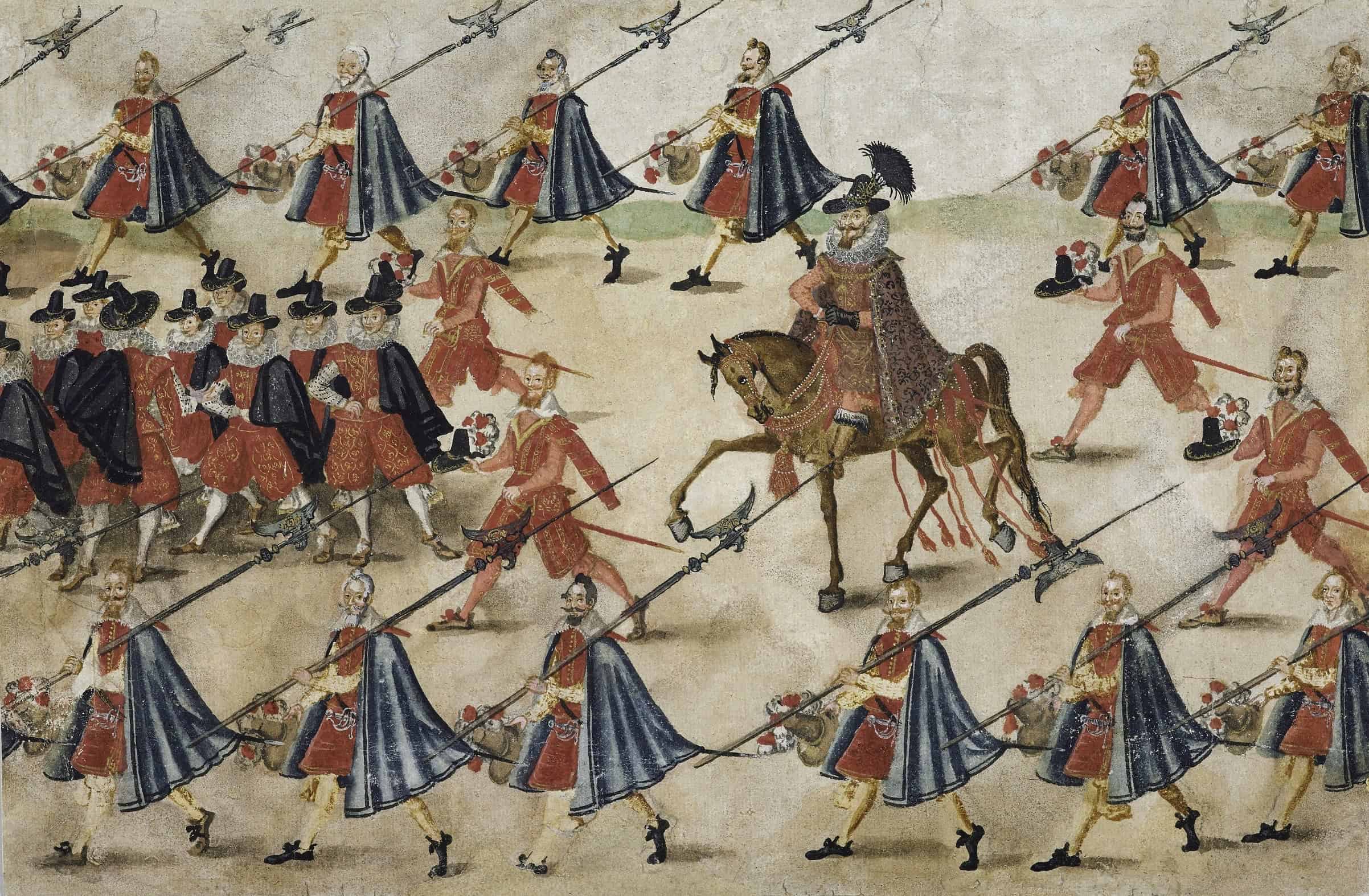
Queen Christina was under constant pressure from both the Swedish Parliament (Riksdag) and council members to wed her cousin, Archduke Charles Gustav of the Holy Roman Empire, producing an heir for the Vasa royal line.
Members of her council brought Charles to Sweden where he personally petitioned Christina for marriage before the assembled nobility on numerous occasions.
Christina would not sacrifice her freedom by becoming someone’s wife. Standing before the full Swedish Parliament in Stockholm, she declared quite plainly to everyone present that she had no intention of marrying Archduke Charles Gustav or anyone else.
To appease the furious nobles, she named Charles as her direct successor to the throne.
Prince William of Orange (rejected by Princess Charlotte of Wales, 1814)
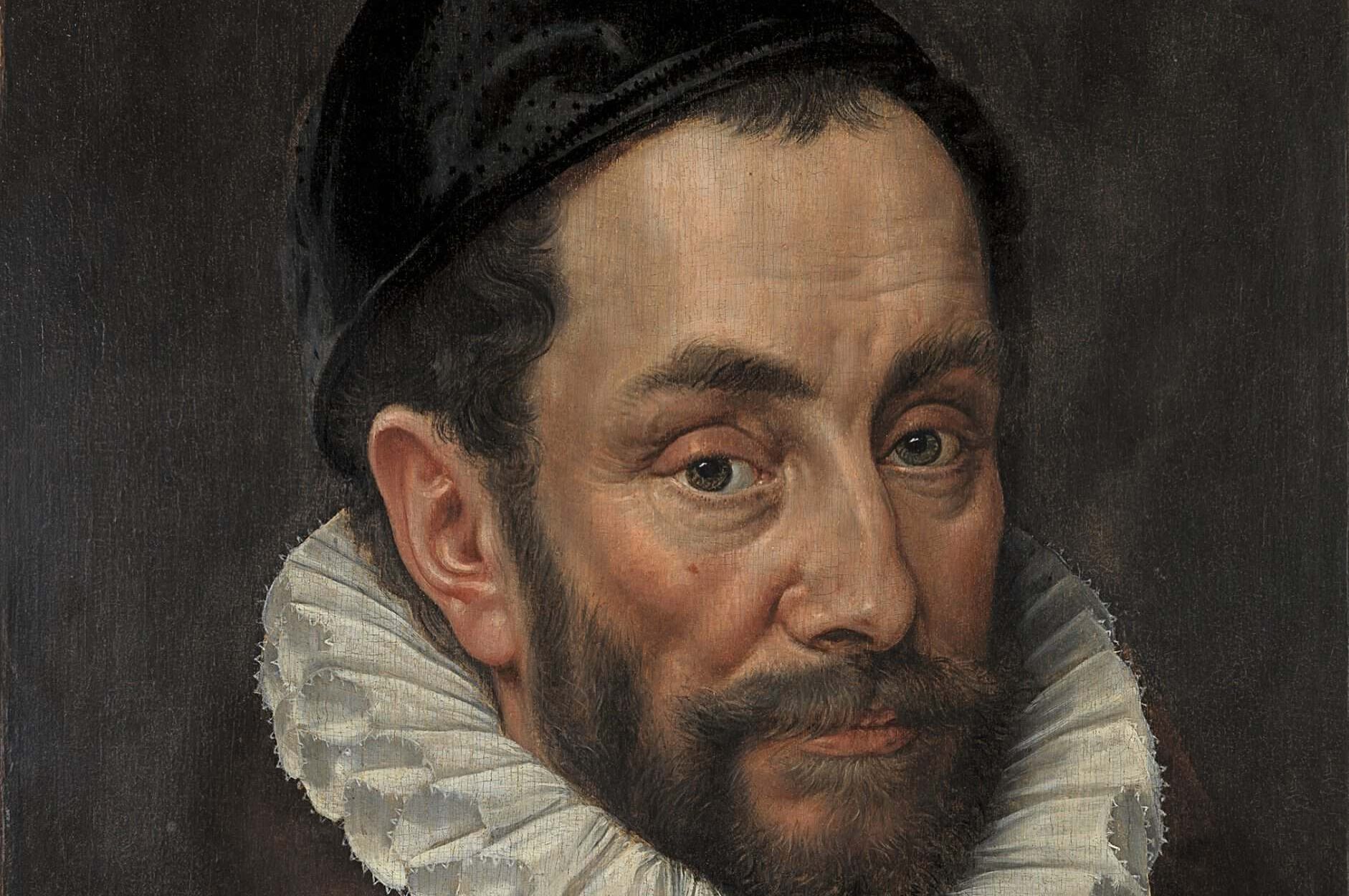
A grand royal betrothal, a truly momentous occasion, was officially arranged and publicized throughout Europe between Princess Charlotte, the direct heir to the British crown, and William, the Hereditary Prince of Orange.
The prince even spent many public weeks in London parading about as if he was engaged to England’s future queen.
However, William became quite distraught when Charlotte discovered a clause in the marriage contract stating she would have to spend lengthy periods of time residing in Holland.
Charlotte composed an official letter of refusal and had it released to the court officially ending the engagement. This stand from Charlotte created an international incident that embarrassed both her father, the Prince Regent, and Holland.
Group Captain Peter Townsend (Rejected by Princess Margaret, 1955)
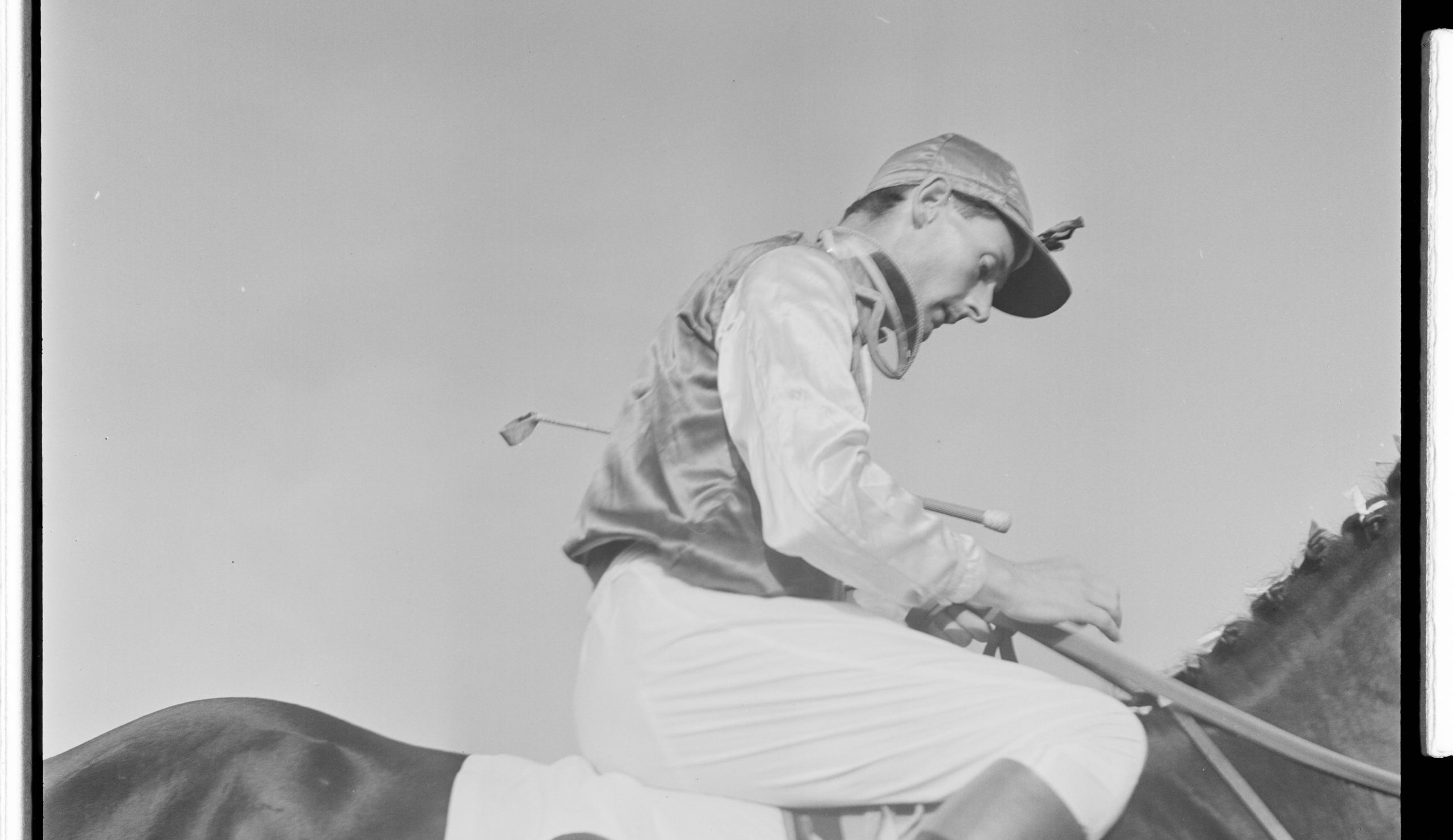
The affair between Princess Margaret and war hero Peter Townsend was the subject of worldwide media obsession throughout the early 1950s.
Given Townsend’s previous marriage, significant political pressure was exerted on them by the Church of England, Parliament, and Margaret’s own family to abandon the match.
In October 1955, Margaret broke her silence and issued an official public statement that was read aloud on BBC radio as well as printed in every major newspaper, announcing that she was choosing not to marry Peter Townsend out of love for her country.
Friedrich Nietzsche (Rejected by Lou Andreas-Salomé, 1882)

The genius philosopher Friedrich Nietzsche fell madly in love with Lou Andreas-Salomé when they first met.
Determined to win her as his life partner, Nietzsche sent his friend Paul Rée to propose marriage to her instead, but Salomé rejected him.
Nietzsche later invited Salomé to meet him in Lucerne, Switzerland and proceeded to propose marriage to her in person, in a very passionate manner. Andreas-Salomé told Nietzsche to his face that she wasn’t interested in him as a lover or wife because she cherished her freedom and intellectual companionship much more.
When this event was made public, Nietzsche experienced severe loneliness during his writing of Thus Spoke Zarathustra.
Attila the Hun (Rejected by Emperor Valentinian III, 450 AD)

Princess Justa Grata Honoria, sister to Western Roman Emperor Valentinian III, discreetly sent her ring to Attila the Hun, secretly proposing marriage to him to sidestep a union with a Roman nobleman.
Attila decided to use Honoria’s request as an actual offer of marriage, and responded by demanding Honoria as his bride and half of the Western Roman Empire as her dowry.
Emperor Valentinian III and the Roman Senate convened and immediately sent a secretive public rejection to Attila outright stating Honoria’s ring meant nothing and she was not marrying him. Furious over the rejection, Attila used Honoria’s proposed marriage as the official cause to justify his invasion of Gaul in 451 AD.
Prince Edward Tudor (Rejected by the Scottish Parliament, 1543)
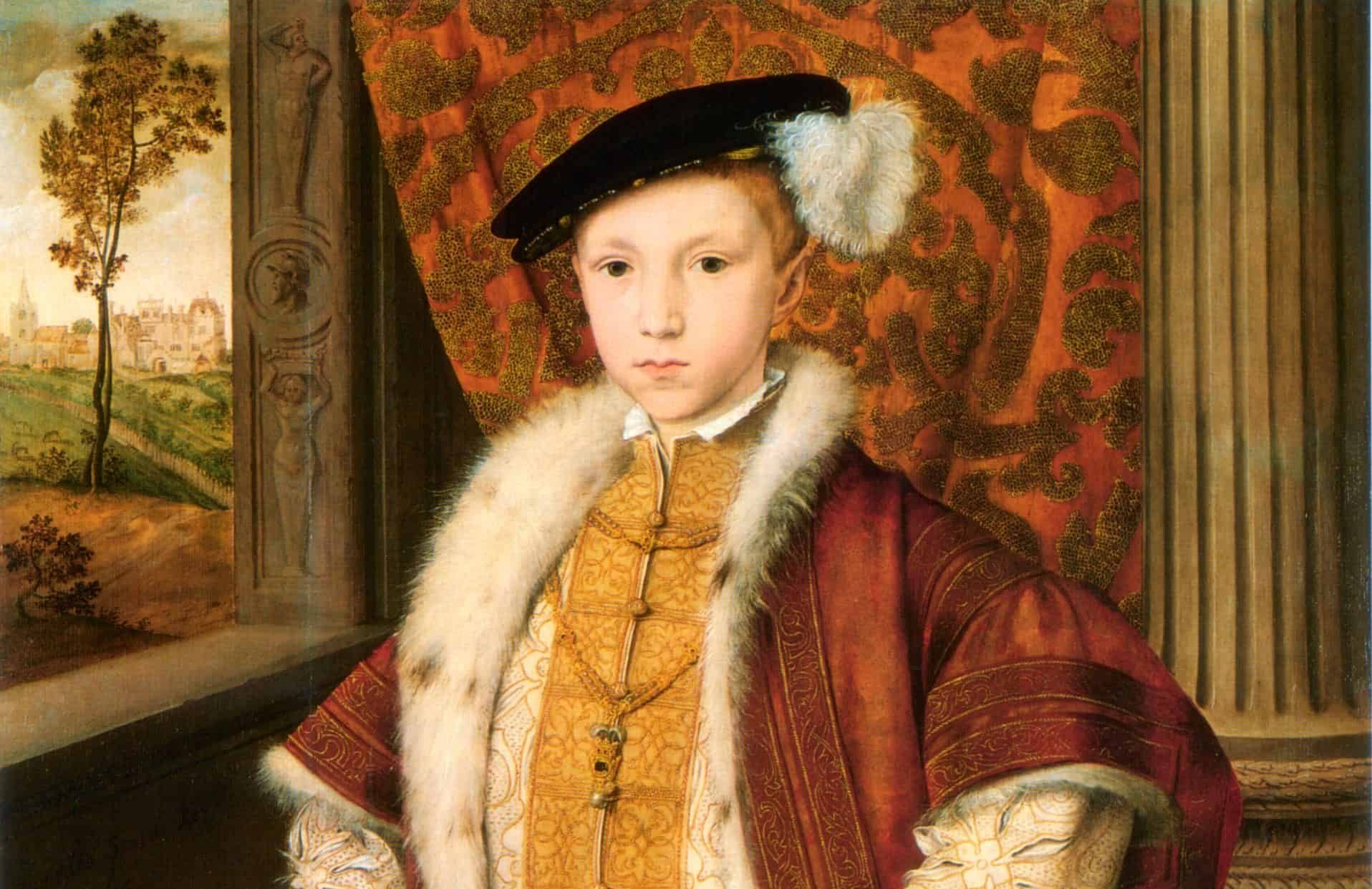
Henry VIII negotiated the Treaty of Greenwich, uniting the two kingdoms through a planned childhood marriage between his young son Edward and baby Mary, Queen of Scots.
English ambassadors offered the treaty as a free gift, giving Scotland peace as an alternative to war. Anti-English feeling was strong in Edinburgh, however.
The Scottish Parliament officially met and assembled in December of 1543, voting unanimously to publicly reject and repeal the treaty in front of all foreign diplomats.
Outraged by his son’s political snub, Henry VIII initiated eight years of brutal military incursions, which came to be known as the “Rough Wooing.”
Don Pedro Girón (Rejected by Isabella I of Castile, 1466)
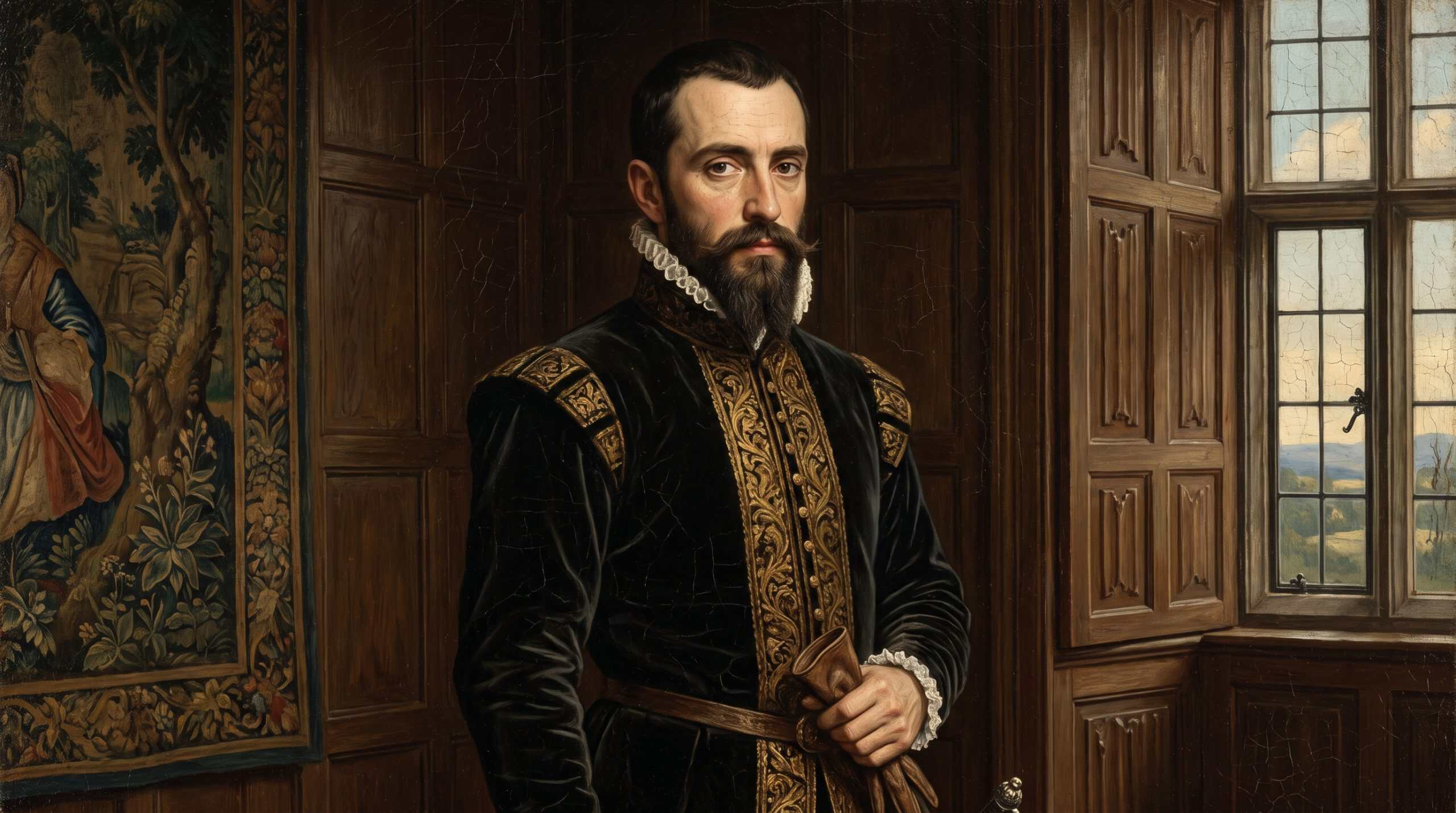
Henry IV wanted his 15-year-old half sister Princess Isabella to marry Don Pedro Girón, the politically influential Master of the Order of Calatrava, in an alliance against potential rebellions.
Still, Girón was known throughout Castile for his rough and vulgar ways, and Isabella found the proposed marriage deeply unsettling. Isabella did not silently obey though.
She made a public statement renouncing the marriage before it happened and famously locked herself in her room where she prayed aloud that she and Girón would both die before the wedding could take place.
Coincidentally, Girón developed a severe throat infection while riding to his wedding feast and died of it before he and Isabella ever met.
Edward Courtenay, Earl of Devon (Rejected by Queen Mary I, 1553)
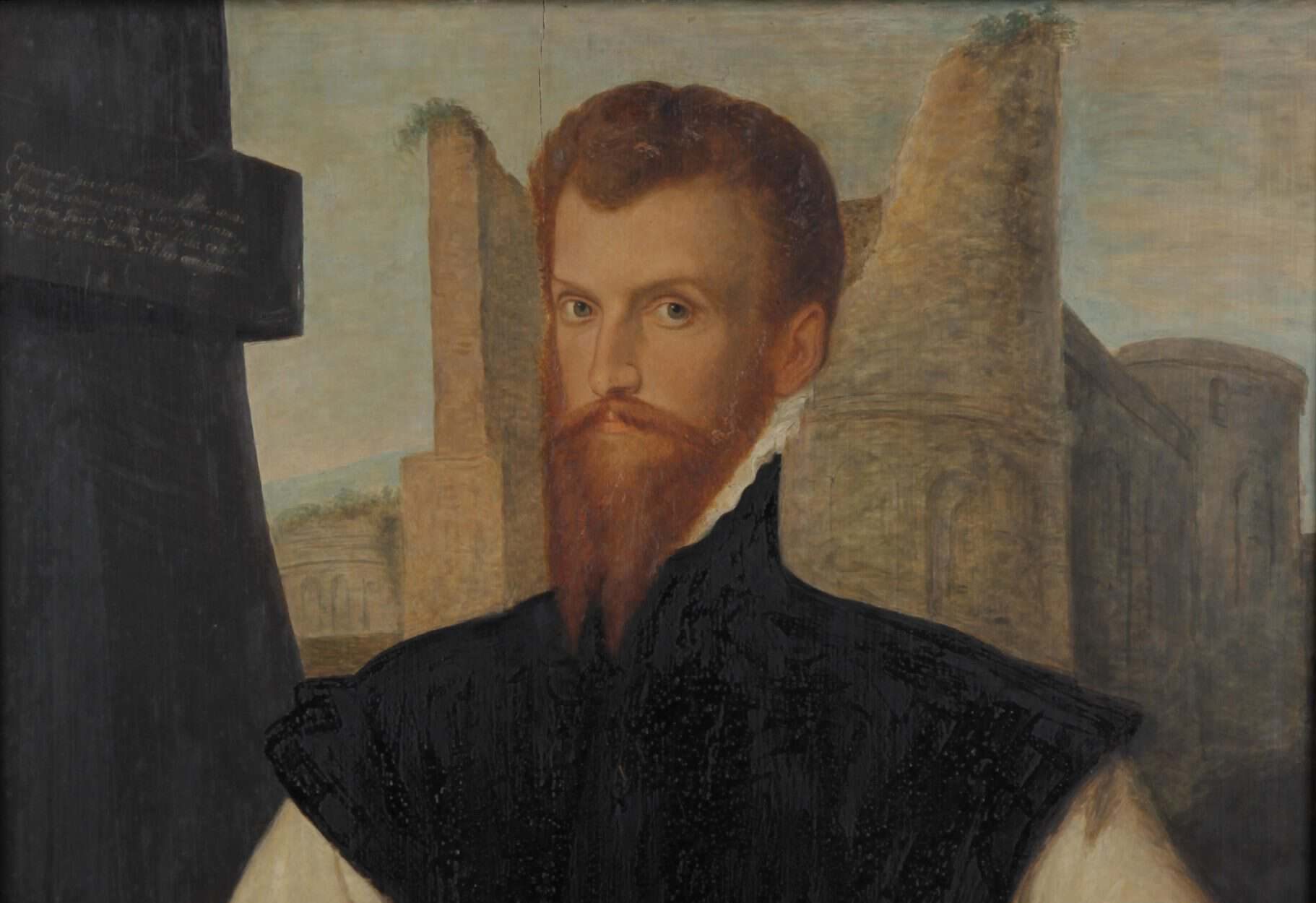
Immediately after she became queen, Mary faced enormous pressure from her Protestant advisors to marry an Englishman. Edward Courtenay was frequently put forth as their favorite choice.
Courtenay embraced the attention, openly flirting and acting like a future king consort around the palace.
Mary ended his hopes one day in late 1553 during a formal meeting of the council. She bluntly told him and her ministers that she felt Courtenay had no maturity or personality of any kind, and she was instead marrying Philip II of Spain.
Courtenay fell out of favor politically and went abroad. He later joined Wyatt’s Rebellion against Mary.
King Edward VIII (Proposal for Wallis Simpson Rejected by Cabinet, 1936)
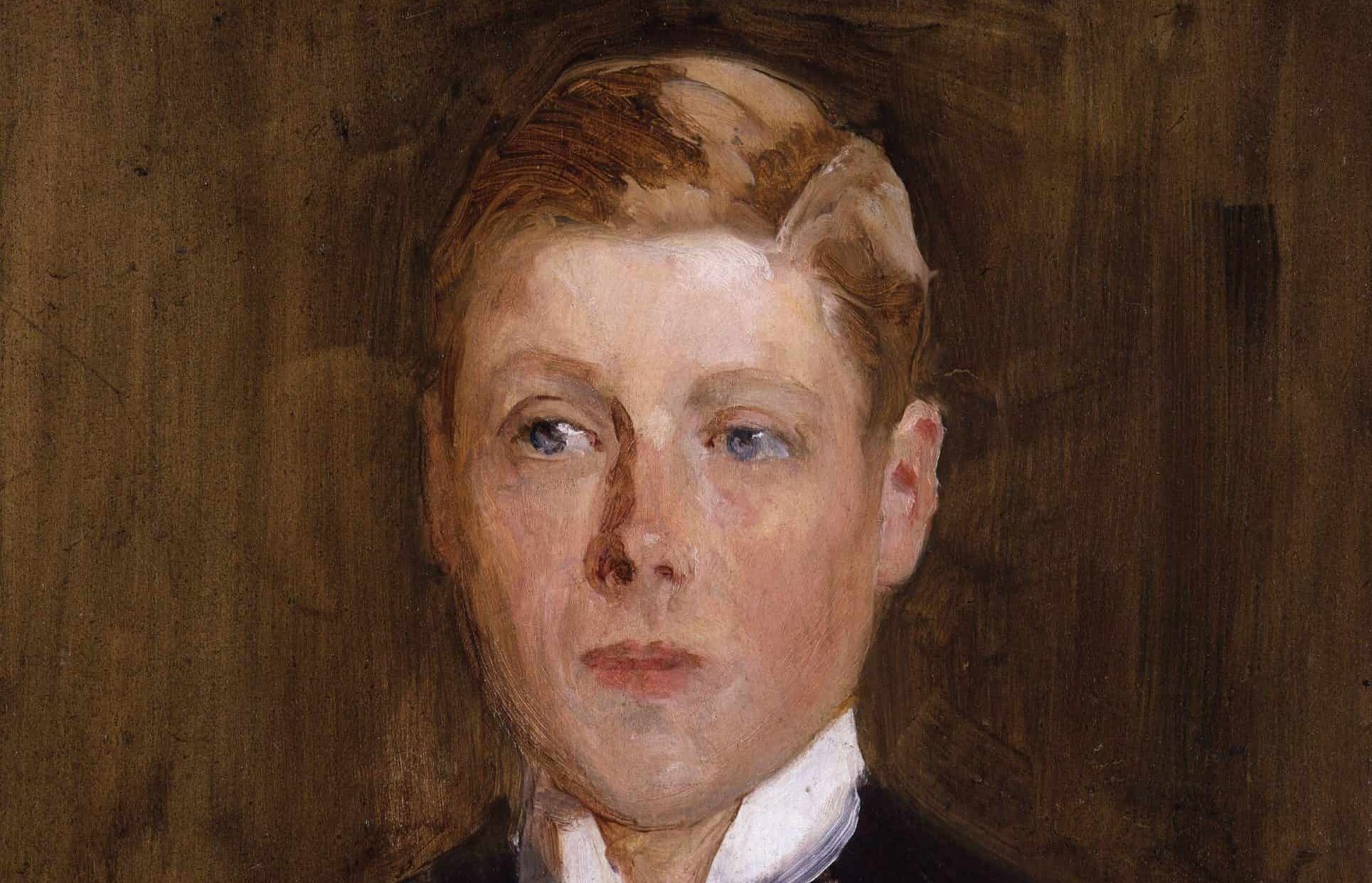
Late in 1936, King Edward VIII let Prime Minister Stanley Baldwin know he planned to wed American divorcée, Wallis Simpson and have her crowned Queen Consort.
Baldwin put the issue squarely before the British Cabinet and the prime ministers of the Commonwealth dominions.
They returned with a united, public answer: They would have no involvement with the marriage, under any condition. Stuck between giving up the throne or his proposal, Edward signed the abdication document in December of 1936 after only spending one year as king.
Sources: Please see here for a complete listing of all sources that were consulted in the preparation of this article.
Like our content? Be sure to follow us.
13 historical facts that will totally mess with your sense of time

You might not realize it, but quite a few parts of history sit a lot closer together than they should have any right to, and it’s enough to seriously mess with your mind.
13 historical facts that will totally mess with your sense of time


