

Acts of respect don’t always happen loudly in the public sphere. Often they are folded into the mundane fabric of daily life, expressed in small ways, and maybe without anyone’s witness.
These gestures can alter the dynamics of a shared space, its comfort, and the ease of everyday life. If you look for them, you just might begin to see them everywhere.
Maintaining a comfortable distance in queues

Queueing is a boring task. You hold your bag so it doesn’t brush against other people’s bodies. You give ground and keep as still as you can. You don’t want to annoy others with your unpredictable movements.
Studies have noted that people’s awareness of space plays a big role in how pleasant queues feel (Horne & Furnham, 2023).
Soft nod or brief smile instead of making small talk

You give a little nod or a quick smile if you make eye contact or acknowledge a stranger (say, in an elevator, or at a bus stop). You don’t launch into a conversation unless they do too.
That simple acknowledgement gives respect to the other’s presence, as well as their right to privacy.
Holding back a phone-ring tone or loud alert

In places outside of your home where you are in public but close to other people (waiting rooms, public transportation, cafes), you turn off your phone’s ringer or lower the volume, so as not to disturb or surprise others with it.
This is respectful both to the setting and the possibility that other people there may want quiet or be concentrating.
Respecting personal space even when no one else seems around

In less crowded public areas such as broad sidewalks or park benches, you place yourself such that you’re not intentionally taking up someone else’s ideal spot. (you don’t sit next to someone if there’s a lot of space).
You give some buffer and signal that you’re aware this isn’t just “your” space to take up as much of as you’d like, it’s shared. Guides on etiquette mention maintaining one’s personal space in public as a form of respect.
Letting others exit first from a shared area
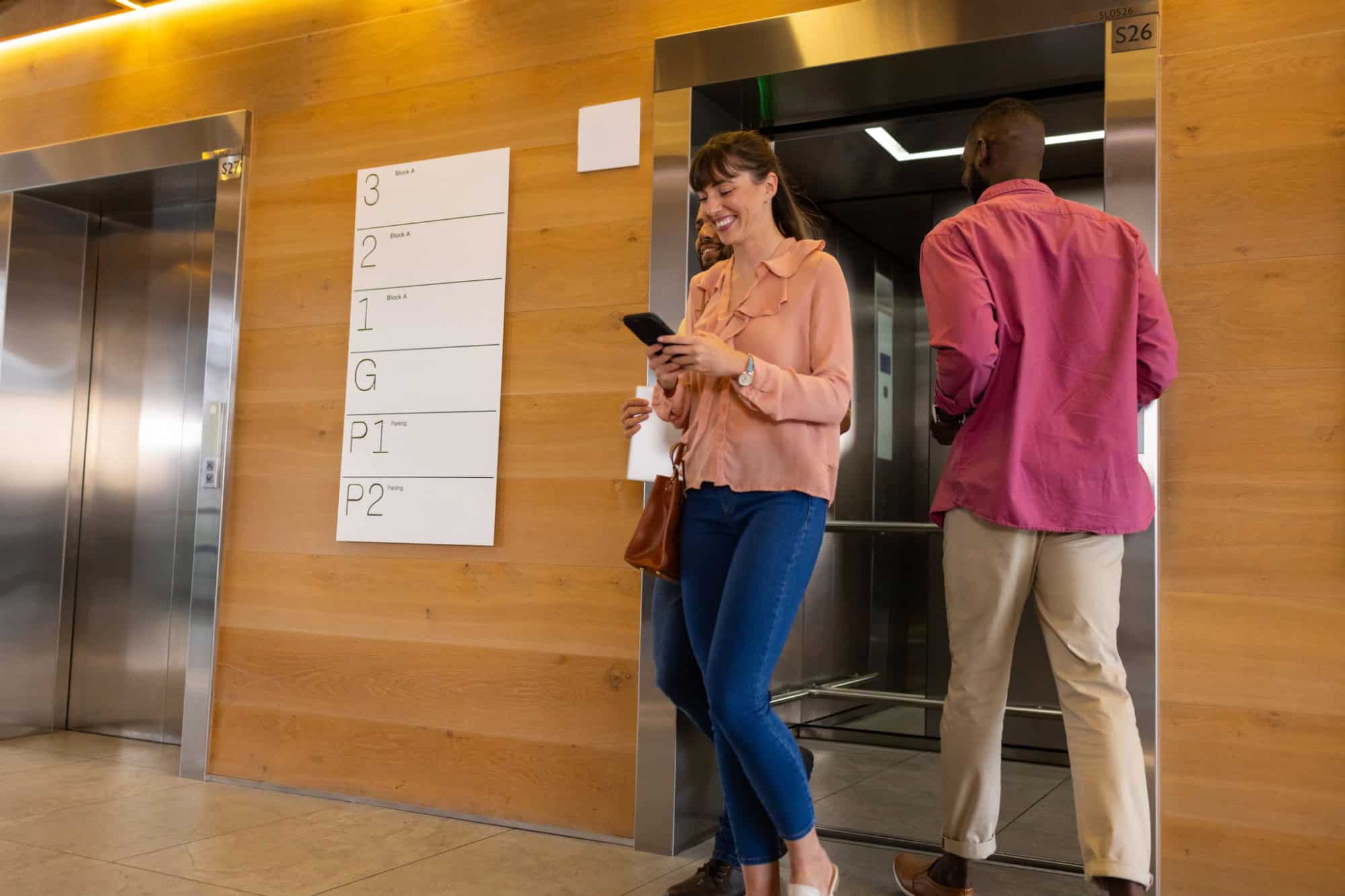
As you get off an elevator, bus, or through a narrow space, you move aside or back up and allow the others leaving to go first. You don’t crowd the door or push forward rudely.
Through this small action of stepping aside for others you send a wordless message that you recognize and value their priority.
Adjusting posture to reduce visual dominance
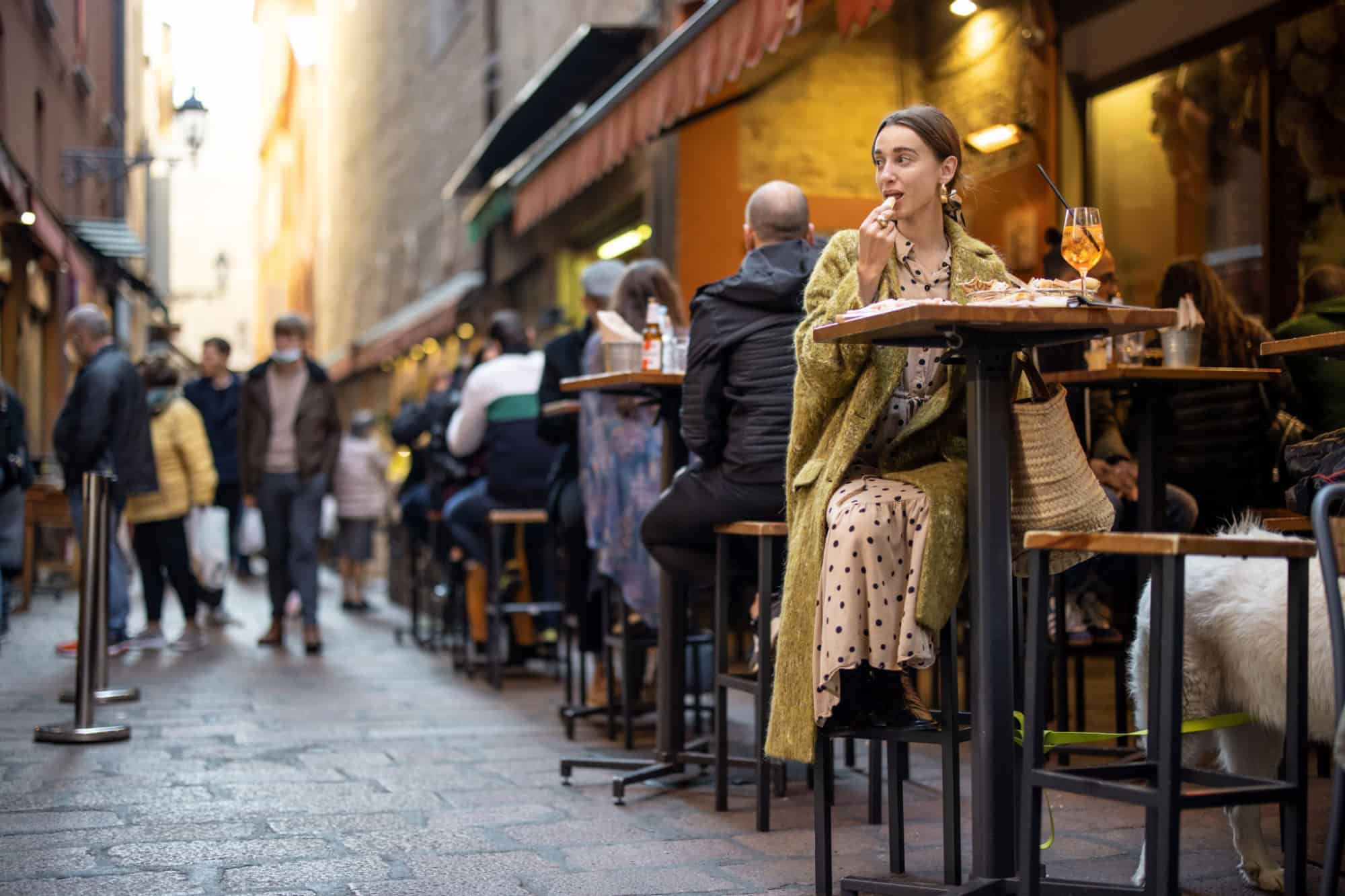
When you are sitting or standing in a shared space, you can change your position to take up a little less room, without being too obvious about it. You can angle your body or keep your feet turned inward, or try not to block walkways.
Studies of proxemics suggest that people are affected by the orientation and posture of others in shared spaces in terms of how safe or comfortable they feel.
Softly redirecting minor disruptions without drawing attention

The world around you is full of tiny inconveniences: a backpack hanging off the seat, a chair tilted in the wrong direction. You’re able to adjust the issue quietly, without drawing attention.
A recent review of prosocial behavior research found that low-profile, courteous actions like this help to ease tension and allow people to feel more at home in public spaces (Frontiers in Psychology, 2021).
Speaking softly in semi-quiet zones
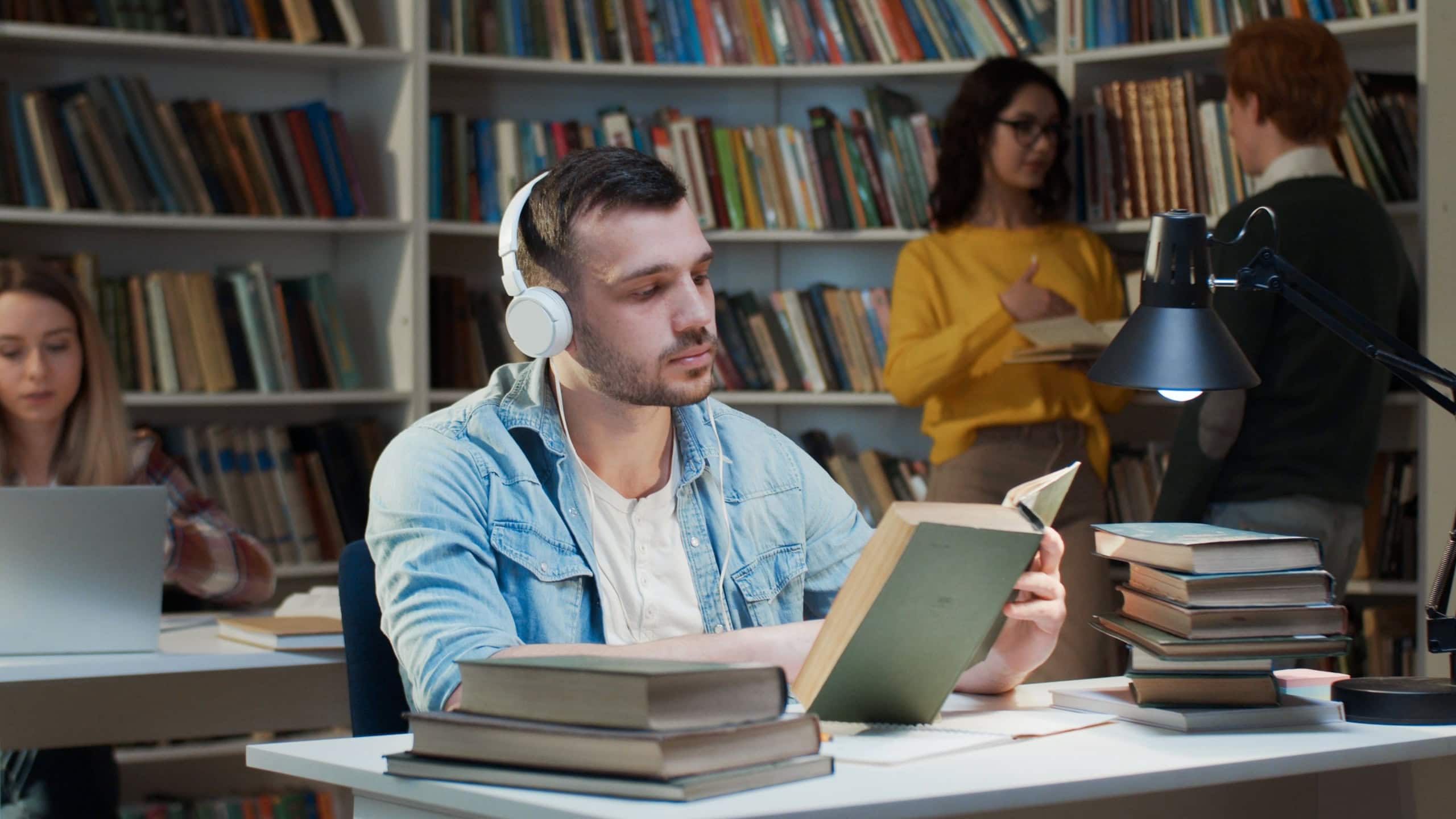
You speak more softly if you’re in a place that’s supposed to be quiet. At a library or an airport waiting area, you put your headphones on instead of blasting music; Reserve your phone calls until you reach another location.
It’s a basic form of politeness that helps make shared spaces feel tranquil. Many university library guides say this when they instruct people to maintain a low voice.
Keeping the flow moving on the street

In a crowded walkway, if someone’s coming up behind you, you shift slightly to the side or turn your shoulder so they can pass. You don’t make it a big gesture, you just move naturally.
This passive consciousness allows an individual to go through common areas with ease. Pedestrian studies highlight that small, non-verbal actions such as this one can greatly ease crowd flow (Sucha, Dostal, & Risser, 2017).
Clean exit after using a public seat or space

As I leave any public bench or table that I have been sitting on for a while, I take some time to make sure it is clean. I do this by collecting my bag, picking up any litter I can find, and just ensuring that nothing is left behind.
I just feel that it is right not to leave messes for others. One part of public courtesy is cleaning up after yourself and taking your trash with you, says Hayes (2010).
Sources: Please see here for a complete listing of all sources that were consulted in the preparation of this article.
Related Articles:

