

It’s easy to forget, but life was once a more languid experience. People strolled after meals, mended what was broken, or waited patiently for bread to rise, without fretting at the lost time.
They could focus on only one task at a time, which made them more aware of their surroundings. Practicing mindful simplicity with little things helped them relax and reflect. Here is a list of 13 hobbies that made life a little less stressful.
Copying passages by hand

Reading was once writing. Copying a text, slowly, line by line, was calming, focused. Monks in the medieval scriptoriums of Europe made a spiritual discipline of it (See The British Library’s medieval manuscripts collection.)
Later it was taken up as a personal practice at home. Hand-copying a poem or a passage was a simple leisure activity, to learn, slow down and have a quiet time.
Stone or clay pottery
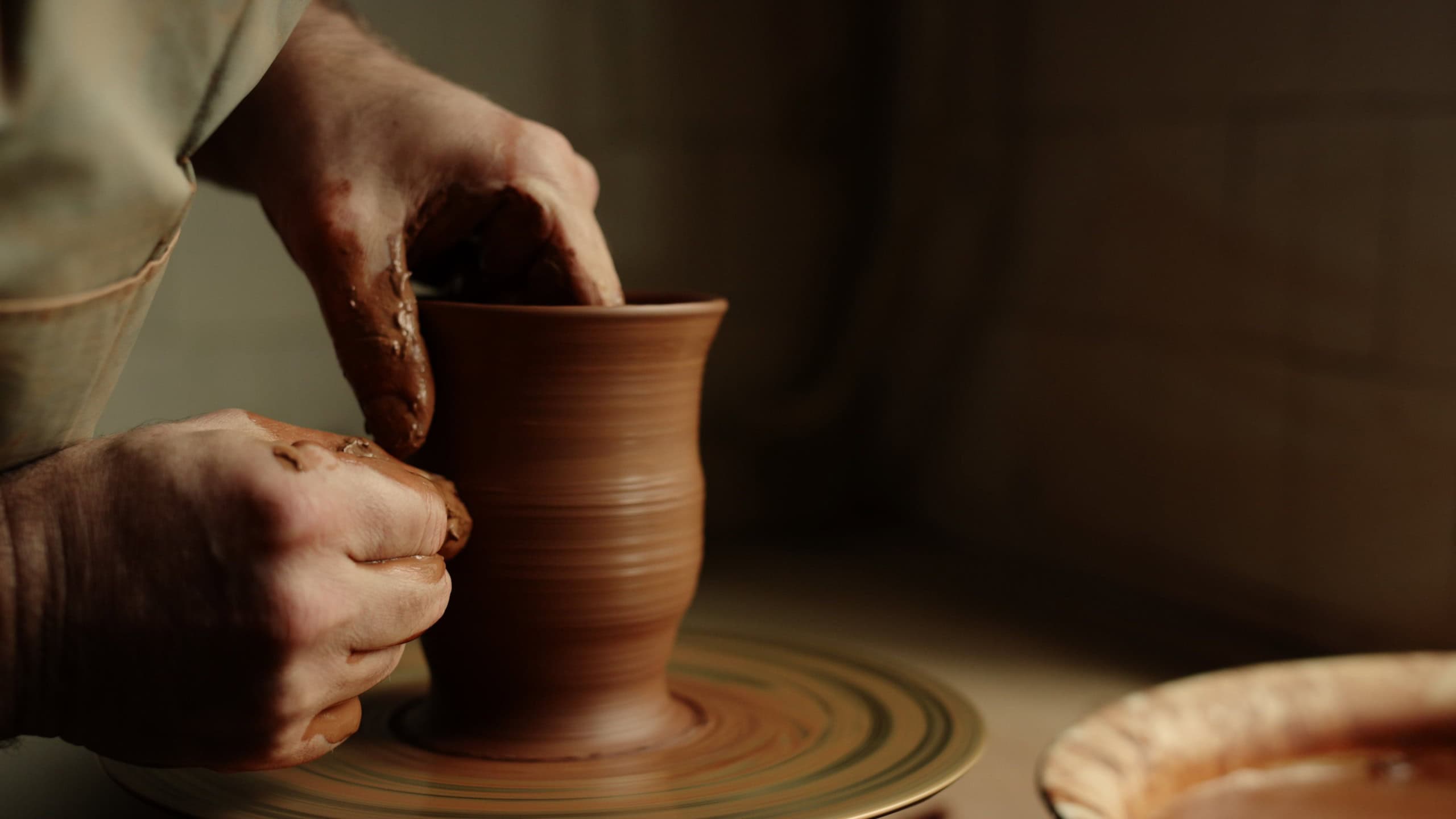
Hand-building clay pots is a slow craft. Each movement (centering, forming, trimming) needs focus and a steady hand. Traditional potters explain how working with clay feels like a dialogue that requires patience because the clay won’t accelerate its pace.
According to Blank Earth Ceramics (n.d.) pottery practice represents a lifestyle that embraces slow living with mindfulness.
Shell or rock collecting
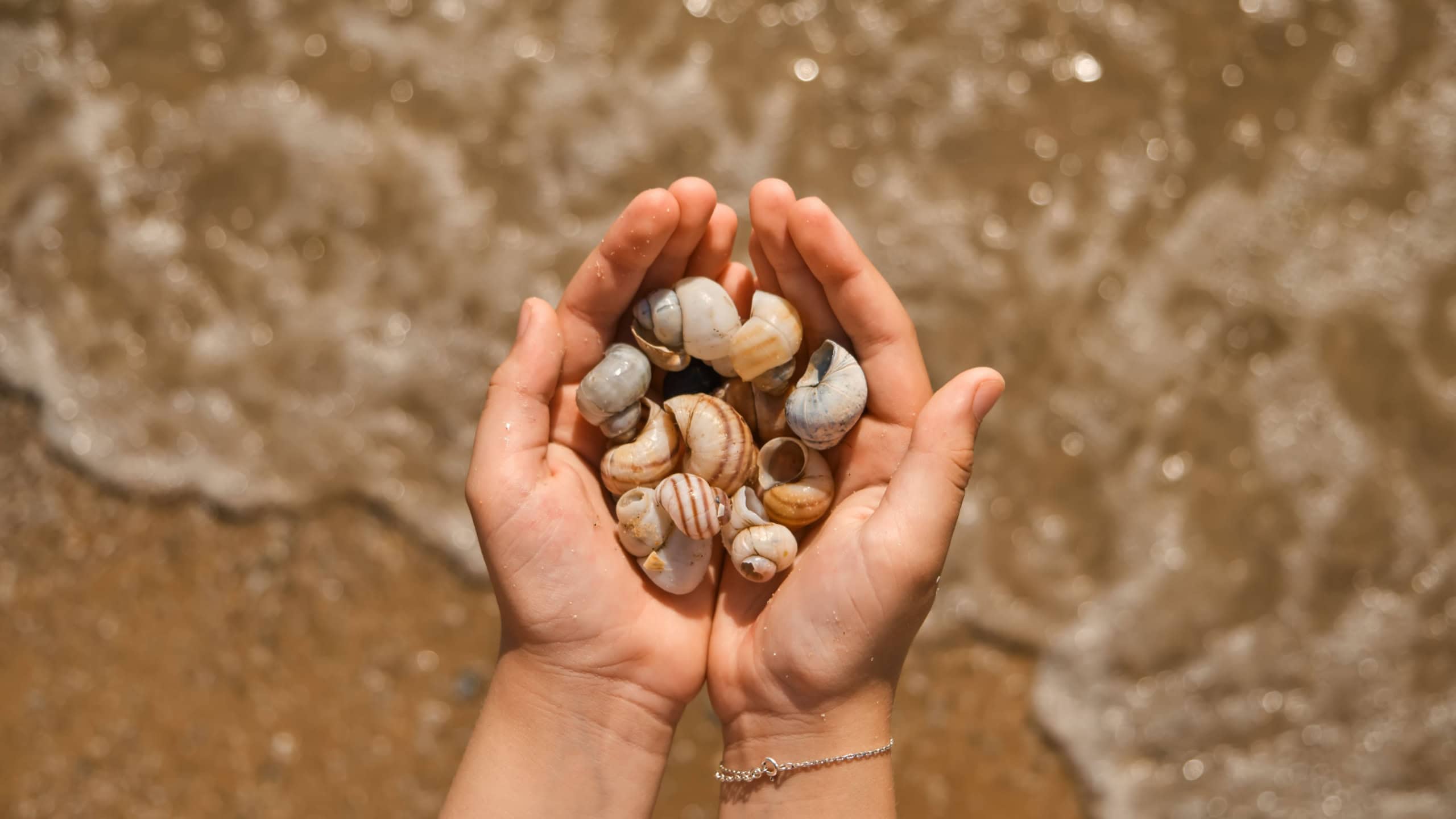
Walking along a beach or riverbank, they gathered shells, stones, or fossils. Collecting, they learned to recognize the colors, patterns, and textures they might otherwise have ignored.
Even today, collectors will often describe this practice as a gentle meditation. Encyclopaedia Britannica (n.d.) reports that shell collecting has long been a pursuit for fun and science, over many centuries.
Hand stitched embroidery
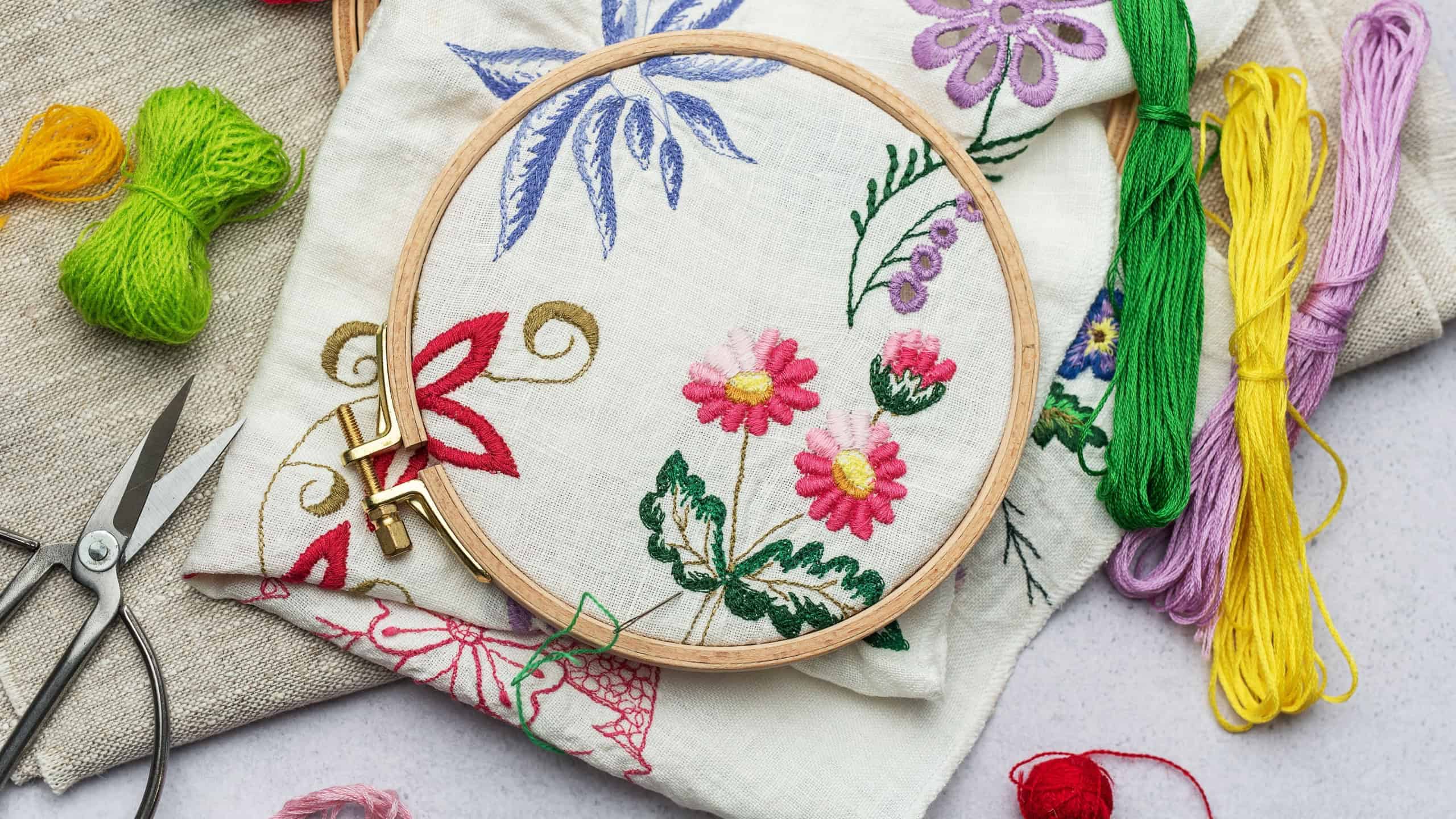
Embroidery was completely hand done long before the industrial age of mass produced fabrics. Tasks were slow, following a pattern with one stitch at a time, working on a single piece for hours. Many found the rhythm of the stitching soothing.
Needlework samplers, the Victoria and Albert Museum explains, were both handy for practicing techniques but also to create their own little works of art.
Pressing flowers
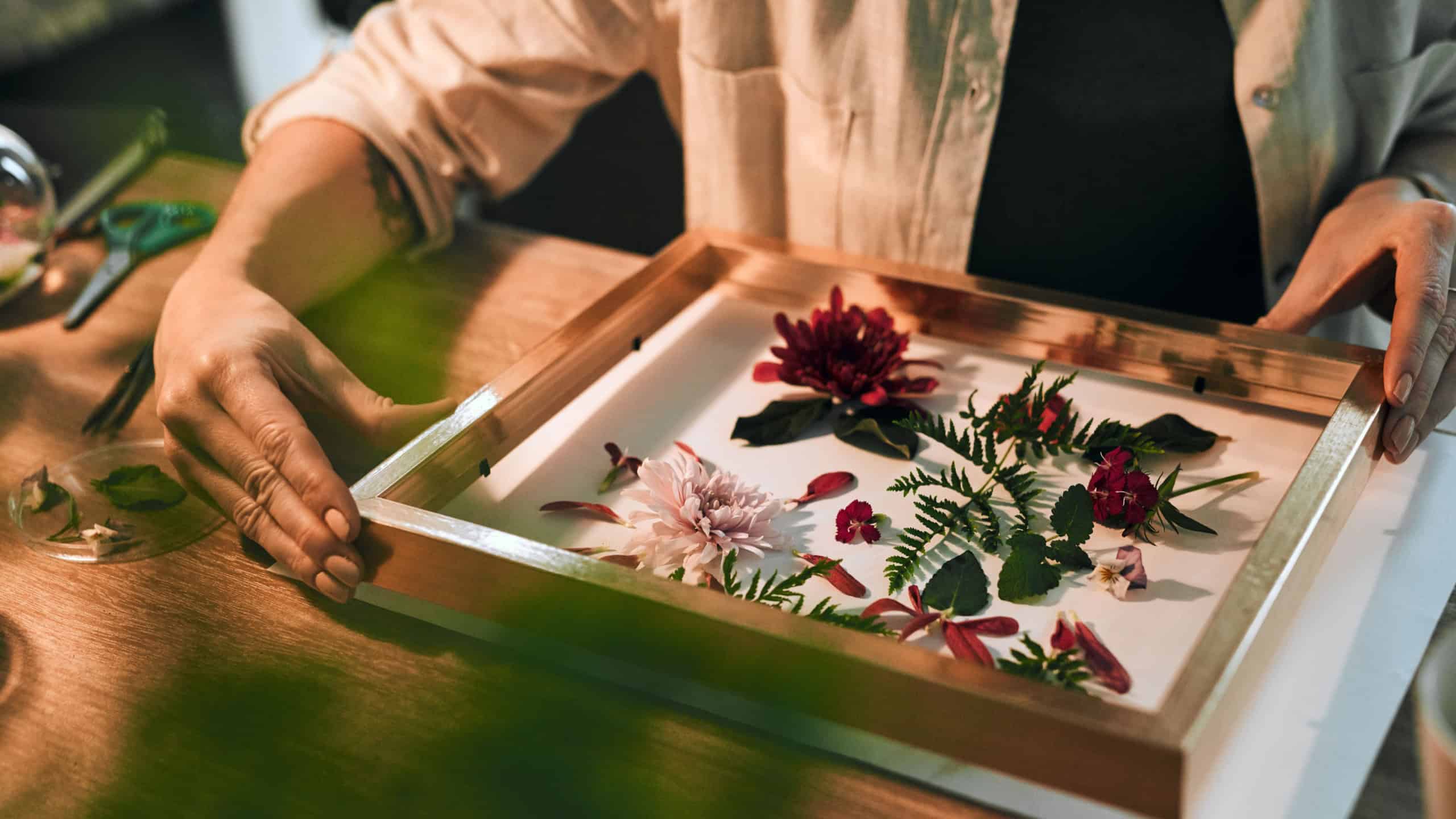
In a world without photo albums or scrapbooks, flowers were pressed to capture their beauty. Collecting the blooms and carefully arranging them one-by-one into a book or frame was a quiet, gentle task.
Observing the petals flatten and dry-out over time instilled patience, while providing space to study the small details of each flower.
Handmade candle crafting
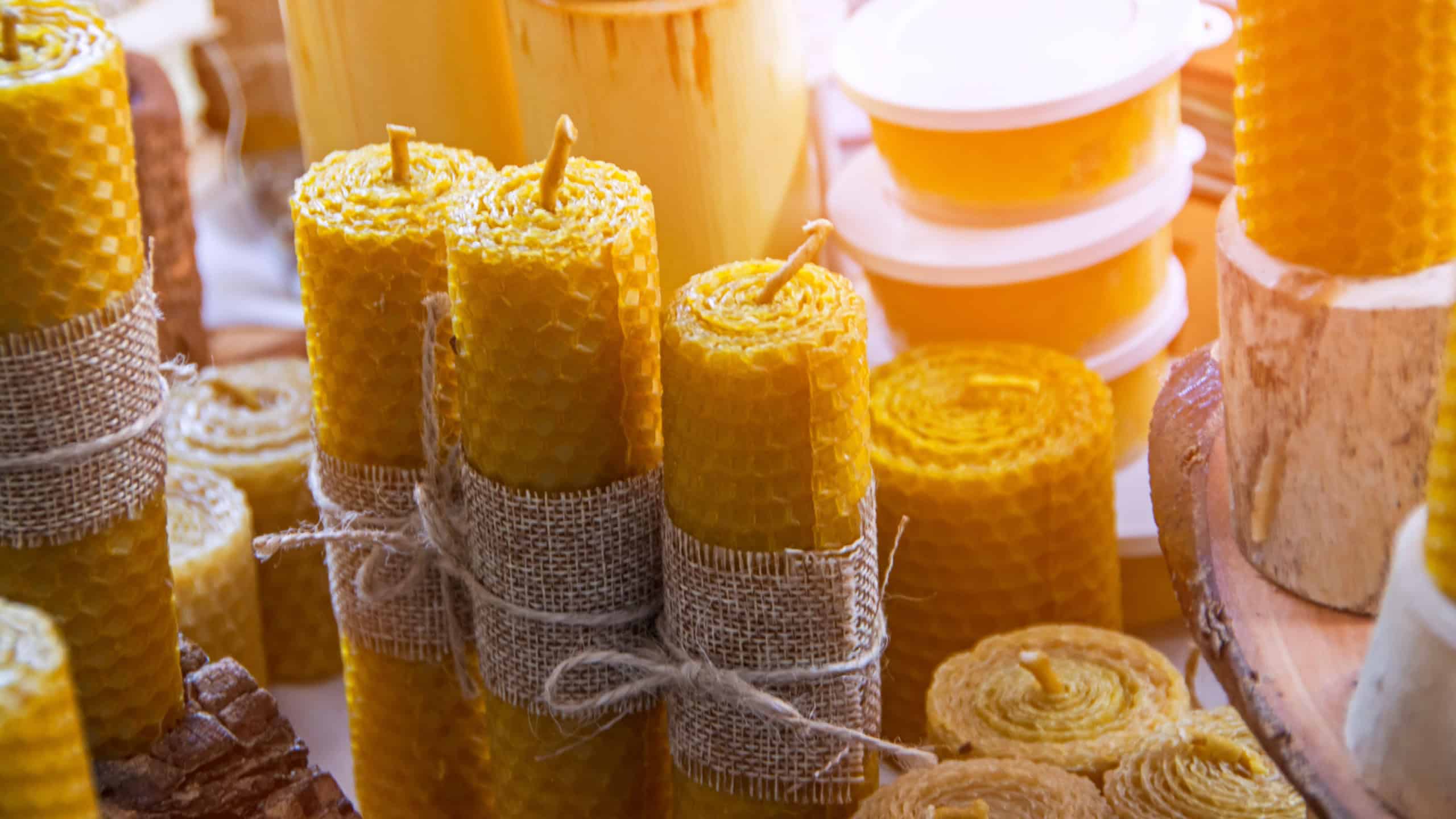
The Museum of English Rural Life (n.d.) states that making candles instilled patience and careful attention making it a relaxing leisure activity and also useful.
The beeswax was melted, the pouring was done with care and you waited for the next layer to set before pouring more. People might chat as they did it, or just sit quietly, waiting.
Walking maps or surveying
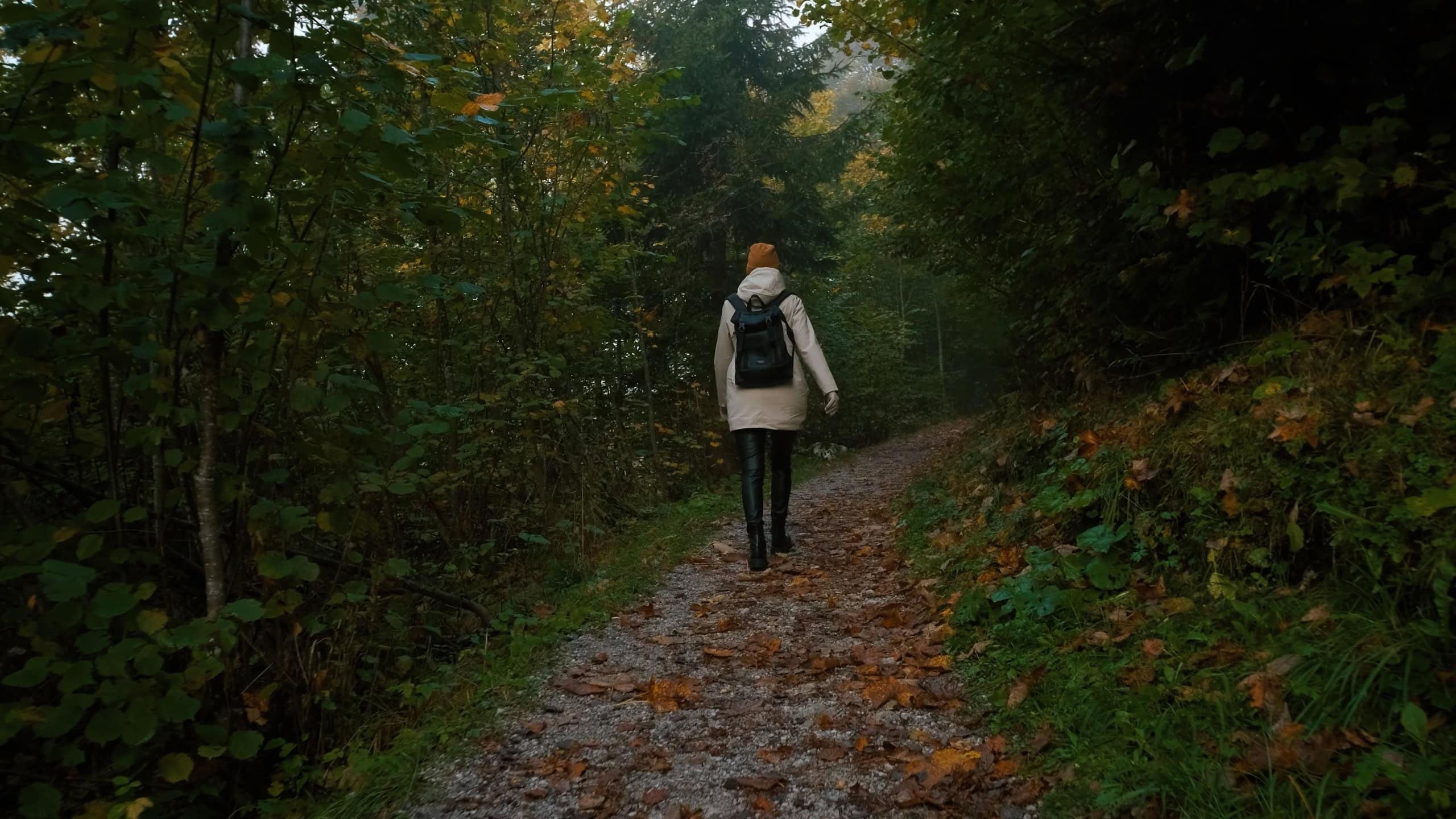
Long before our digital age provided us with online maps, walking surveys were a very popular pastime. They were simultaneously productive and extremely relaxing.
People would go for a slow-paced stroll in a meadow or a forest, and take notes on distance and other observations. It was a meditative form of relaxation, slight and unhurried.
Bread or cheese making

People didn’t just make bread and cheese because they wanted to eat them, they made them because they had the luxury of something slow to do. The whole process couldn’t be hurried, so it forced the people making them to slow down as well.
You had to watch and smell and wait for the dough to rise or stir the milk slowly and consistently, engaging every sense. It was calming, and it felt good.
Listening to birdsongs

Attentive to every sound and cadence, one would sit still and silent in a garden or in the woods. Some would try to identify each bird by their calls. Others just listened.
There were peaceful, quiet moments of presence. Studies today still report how birdsongs bring down our stress levels and help us focus (Stobbe et al., 2022).
Stone skipping

Skipping stones on water was easy, but fascinating. Hours could be spent on rivers, trying various angles and stones, to see how far they would travel before sinking.
The repeated tossing needed concentration and patience. Gradually, it became a meditation, with calm and quiet play.
Handmade bookbinding
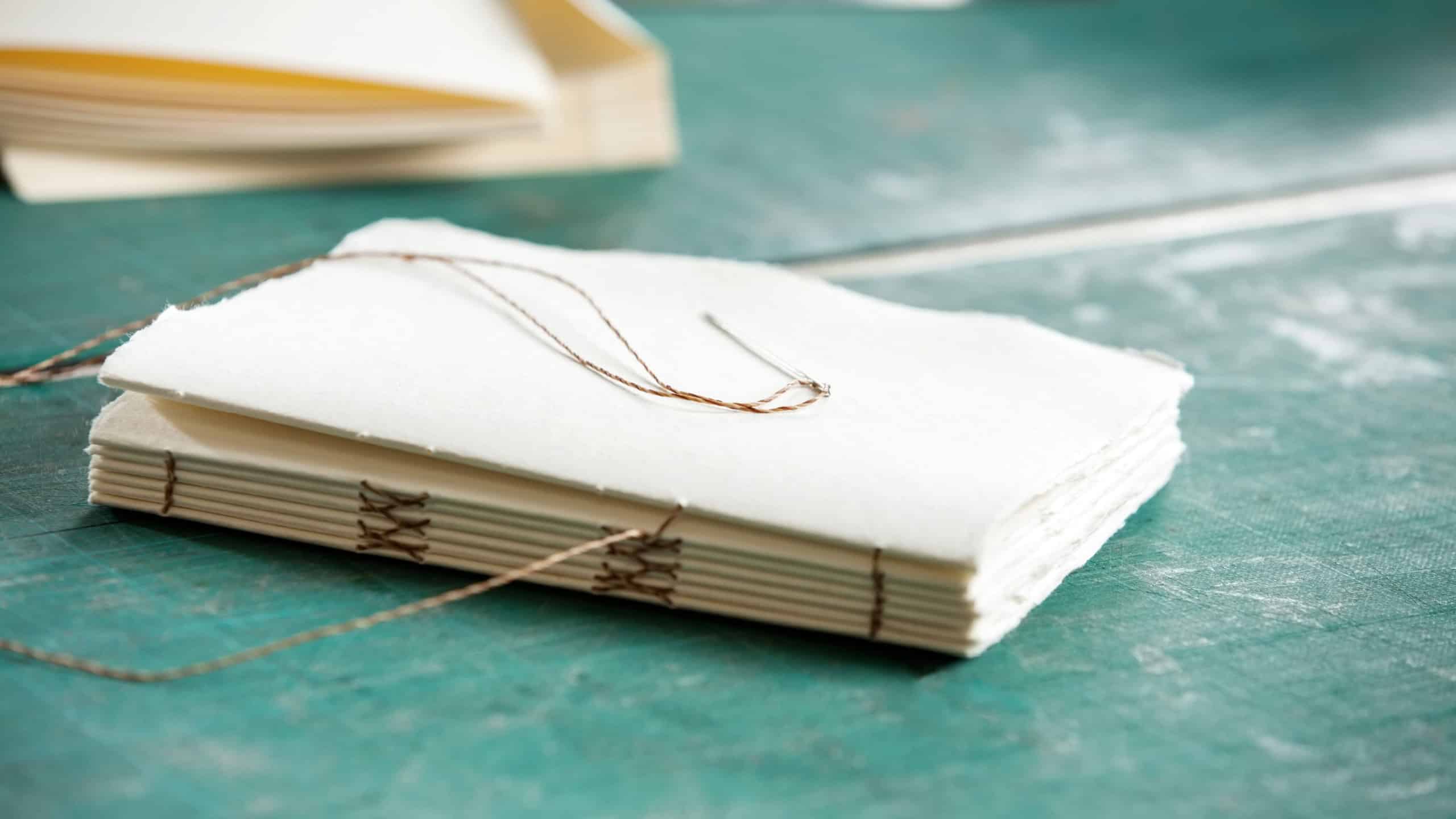
The Society of Bookbinders (n.d.) says that this craft has had many devotees over the years who have pursued bookbinding for their own pleasure as well as to hone their skills.
All it took was thread, glue and paper, and whole attention to each stage. Hours were passed quietly stitching spines or smoothing covers. Efficiency was not the aim; the satisfaction of a carefully finished job was the prize.
Nature sketching

People brought sketchbooks with them when they went into gardens, forests or fields to draw what they observed. Drawing took time and in turn taught them to look closely and pay attention to the small things such as shadows or patterns on leaves.
It was a meditative activity that occupied hours, and made them feel a part of the natural world (Friends of the Australian National Botanic Gardens, n.d.).
Stone cairn building
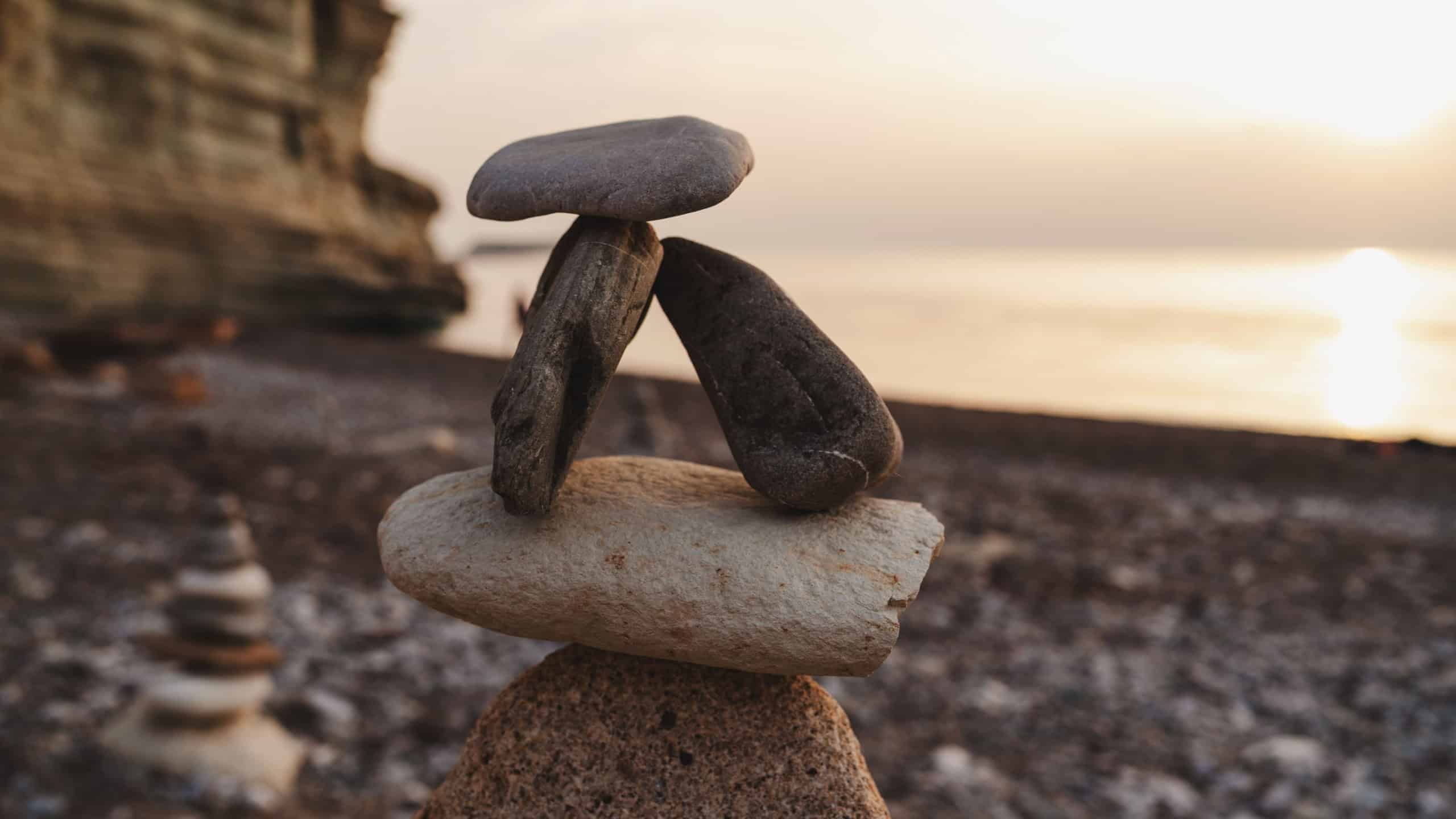
Piling rocks into little towers has been practiced for hundreds of years, along pathways, in gardens, or on hills. The stones all had to be carefully positioned so the structure could stay upright.
This slow and careful labor brought about focus and patience, which became a calming action. After many years, people began building cairns as a hobby or form of expression, rather than as a simple way-marker (Dewey, 2024).
Sources: Please see here for a complete listing of all sources that were consulted in the preparation of this article.

