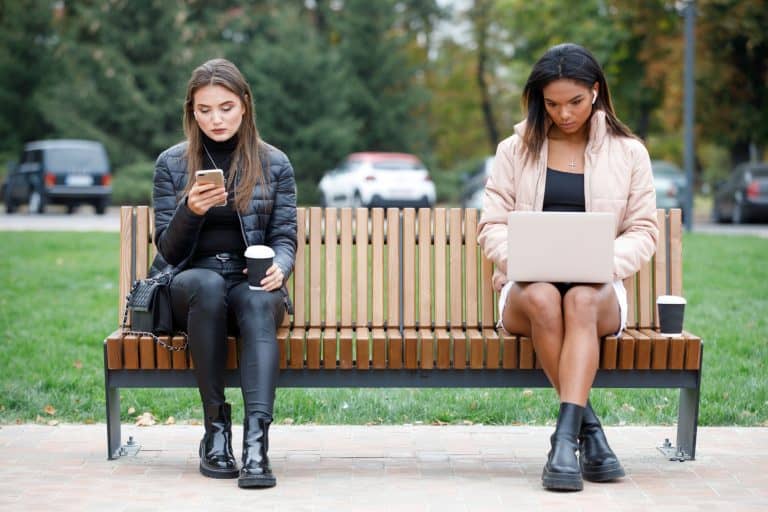

You might not realize it, but there are some little “rules” we all follow without ever talking about them. Nobody explains them & nobody writes them down. Yet everyone seems to know them. Here are fourteen silent agreements that strangers make in public, whether that’s on public transport or in coffee shops. Which of these unspoken pacts have you broken before?
Featured Image Credit: Shutterstock.
Let riders exit before boarding

The train doors open & people on the platform immediately shuffle back just enough so the crowd inside can step out first. You’ll almost never see anyone bulldoze in before that’s done. Of course, there are some transit systems like New York’s MTA that plaster signs about it. But most people already seem to get the memo. They don’t need instructions.
Pass on the right when approaching head-on

Anytime that two people head straight toward each other on the sidewalks or in hallways, they both usually veer right. It feels automatic. It’s not something we’re taught, and it’s more like driving rules bleeding into foot traffic, which is interesting because it’s different in other countries. People in places that drive on the left usually lean left. Weird, right?
Give a glance, then look away

You give a split-second look at someone else on the elevator & then you dart your eyes to the floor numbers or the wall. That’s all that’s allowed. In fact, this sort of quick glance happens almost everywhere, and it’s our way of showing we see someone’s there without staring at them.
Keep a buffer with unfamiliar people

Anytime that you’re waiting in line at Starbucks, odds are you’ll stand at least a few feet back from the person ahead. We create an invisible bubble with strangers around us. Sure, the size of this bubble varies by culture, but Americans usually like a bit more room than most other countries. It’s just a habit for most of us.
Line up first-come, first-served

Even the whole concept of lining up is something we do automatically at banks & coffee shops. There’s no need to put signs up. The first person stands in place, and the next person falls in behind them, because that’s simply how things work. People often correct others who cut in line. Order just builds itself.
Hang back at ATMs

Nobody hovers right behind you at an ATM. Usually, people will give a wide berth, often more than the space they’ll give at a ticket machine or kiosk, because we know that typing in your PIN feels rather personal. People will just step back & wait their turn. Why? Probably because we don’t want to seem like we’re being creepy.
Leave a urinal gap when possible
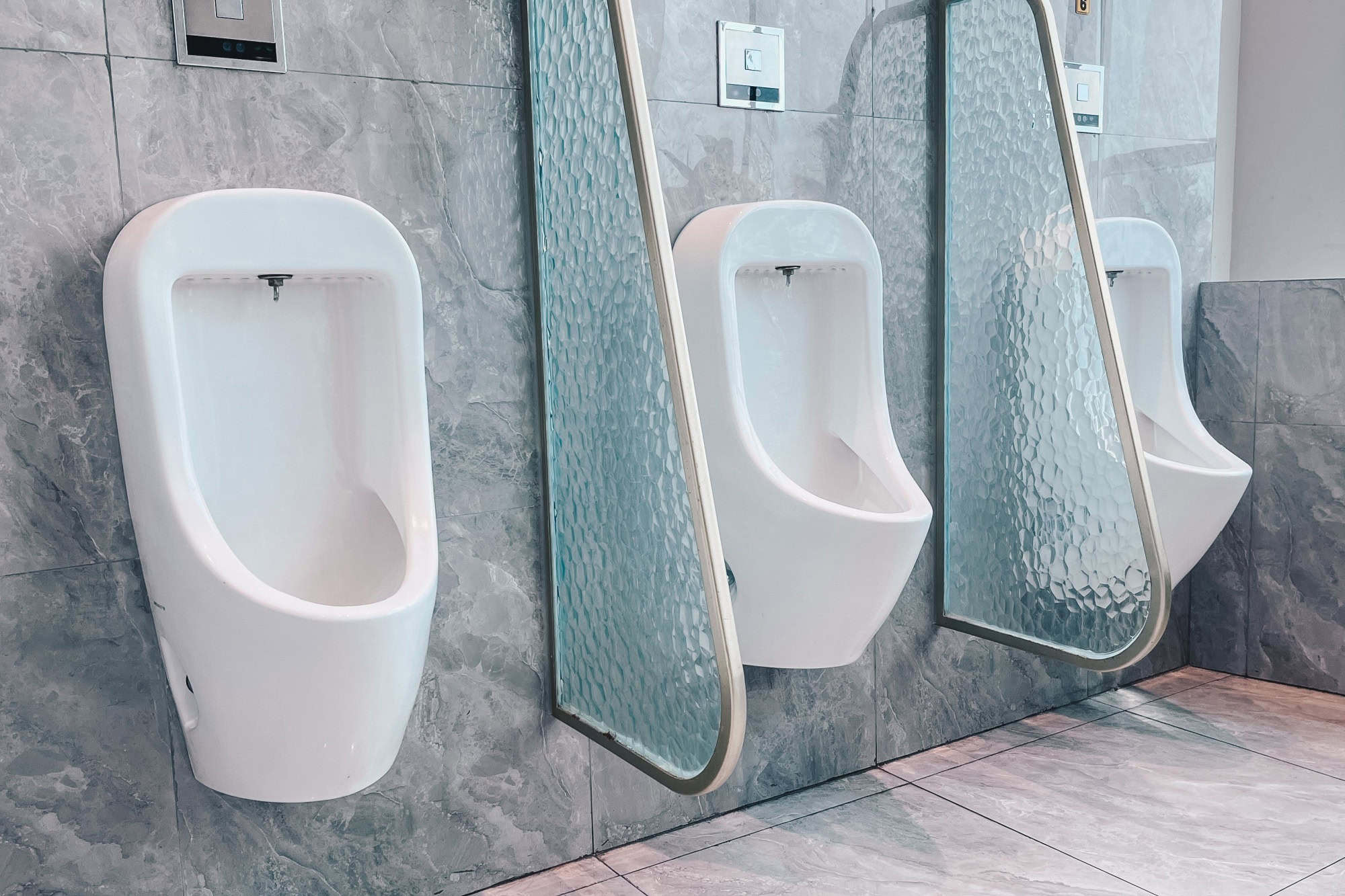
Men in public restrooms don’t tend to pick the urinal right next to someone when others are open. It’s not written anywhere. Yet most men understand that standing right next to another guy during such an…intimate moment isn’t good. And studies suggest that the closer the neighbor, the slower things go. With one stall between, everything moves along just fine.
Sit diagonally or with a seat gap on benches

Whether you’re sitting on a bench at a bus stop or in a park, it’s the same story. The next person often plops down one spot over, or at an angle, when someone’s already sitting there. That’s far better than being shoulder-to-shoulder. In fact, studies found people like corners & edges first, leaving a cushion of space whenever possible.
Holding reading material means “don’t talk to me”

A newspaper or a book works the same way as wearing a pair of headphones. That is, in terms of whether people should talk to you. These tools let you seem absorbed in something so you don’t have to interact, and anyone who’s read through the same paragraph ten times on the subway knows this well. You just don’t talk to someone reading unless it’s an emergency.
Decide to hold the door based on distance

Holding doors is a kind of math problem. You’ll keep the door open for someone who’s just a couple of steps behind, but when they’re way back, you let it close naturally. It’s just natural. Of course, most of us remember to give a quick “thanks” & the cycle repeats.
Lower or move backpacks in crowded cars

We all judge riders on busy subway cars who keep their backpacks slung over both shoulders. It feels more courteous to take them off or hold them low, which is likely because it frees up inches of space & keeps your fellow passengers from getting whacked in the face. Why wouldn’t you do it?
Keep your voice down on public transit

That’s not all for public transit. Anytime that you hop on a bus or train, you’ll notice right away that people talk softer, with shorter calls & friends leaning in closer to talk to each other. Our laughter also drops a notch. We usually don’t need signs to remember to do this because it’s almost instinct that we shouldn’t blast our conversation across the whole car.
Step aside for faster walkers

Someone behind another person is walking along quicker on the sidewalk & the slower walker just shifts a bit to the side without thinking much about it. Nobody talks about it. But this sort of behavior keeps the flow moving by allowing the quicker people to slide past and leaving the slower ones to stick to the edge.
Pretend not to hear private conversations

There’s always that one person who starts talking about a messy breakup or money problems on the phone in the coffee shop. Everyone else? Their heads drop & their eyes stay fixed on a laptop or phone, without admitting to hearing the conversation. But they do.
Sources: Please see here for a complete listing of all sources that were consulted in the preparation of this article.
Like our content? Be sure to follow us.


