When it comes to pets, some U.S. cities have way stricter rules than you’d expect. We looked into local laws and found that certain animals, from spiky little hedgehogs to exotic wild cats, are totally off-limits in specific places. Some bans are about safety, others protect the environment, but all of them might surprise you.
Featured Image Credit: Shutterstock.
Hedgehogs
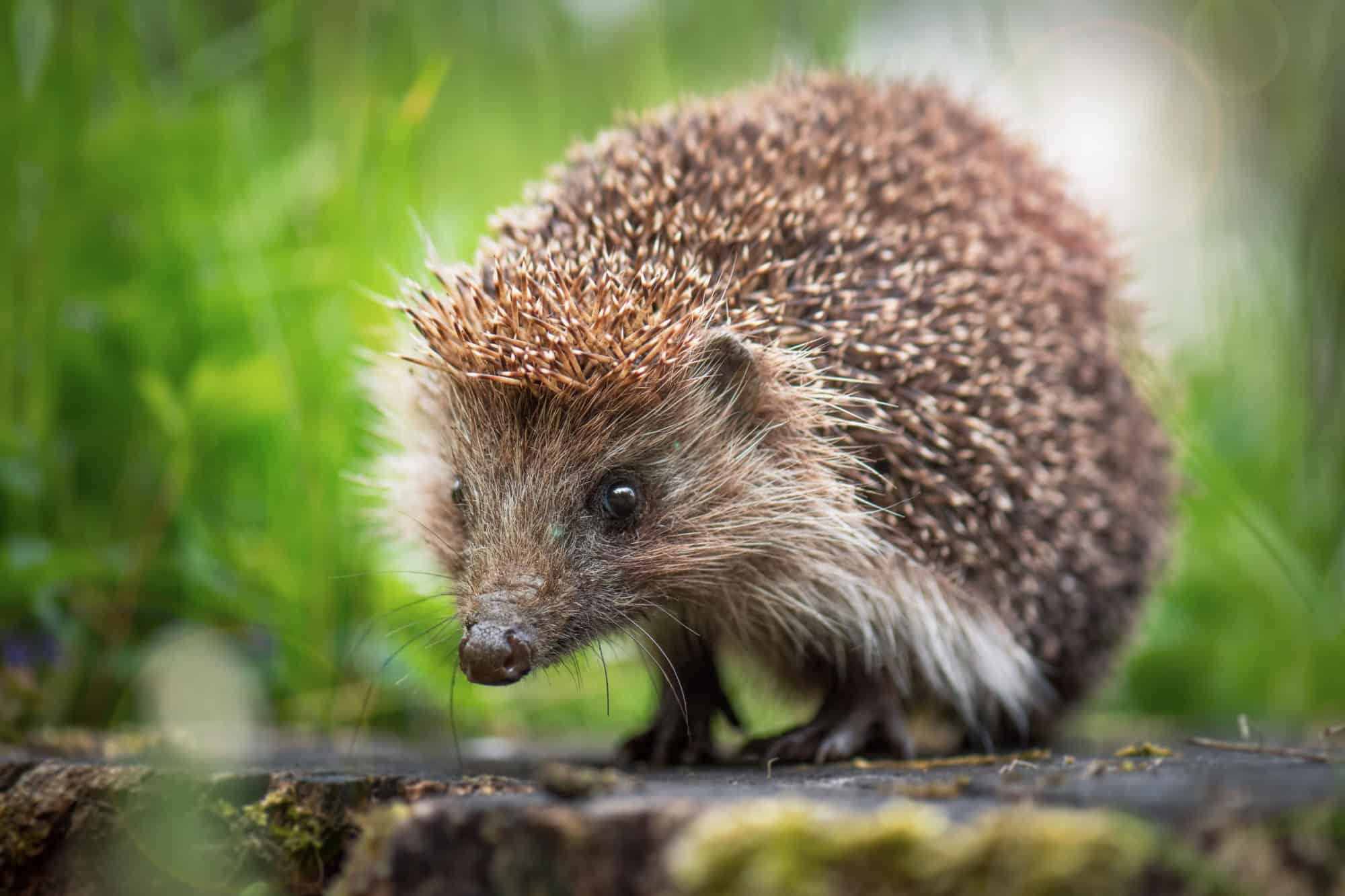
States like California, New York City, and Washington D.C. have total bans on owning hedgehogs. The main worry about these cute animals is that they can carry salmonella and become invasive pests if they breed outside in the wild.
Ferrets

Ferrets are playful and curious. But they are banned in California, Hawaii, and New York City. Some governmental officials there fear that they would become a threat to native animals and also have the potential to carry some diseases.
Monkeys and other primates

Owning a pet monkey might sound like fun. However, in many states, owning a monkey (or any other primate, for that matter) is strictly illegal unless the owner has a special permit.
Bengal cats (early generations)

Not all Bengals are banned, but the ones closer to their wild ancestors are. States like Hawaii, Connecticut, and New York City won’t allow them unless they’re far removed from their wild lineage, and you’ve got proof.
Pygmy pigs

In some states, the smallest pig still counts as livestock. For example, you could be fined if caught owning one in New York City, even if it’s an emotional support pet.
Kangaroos
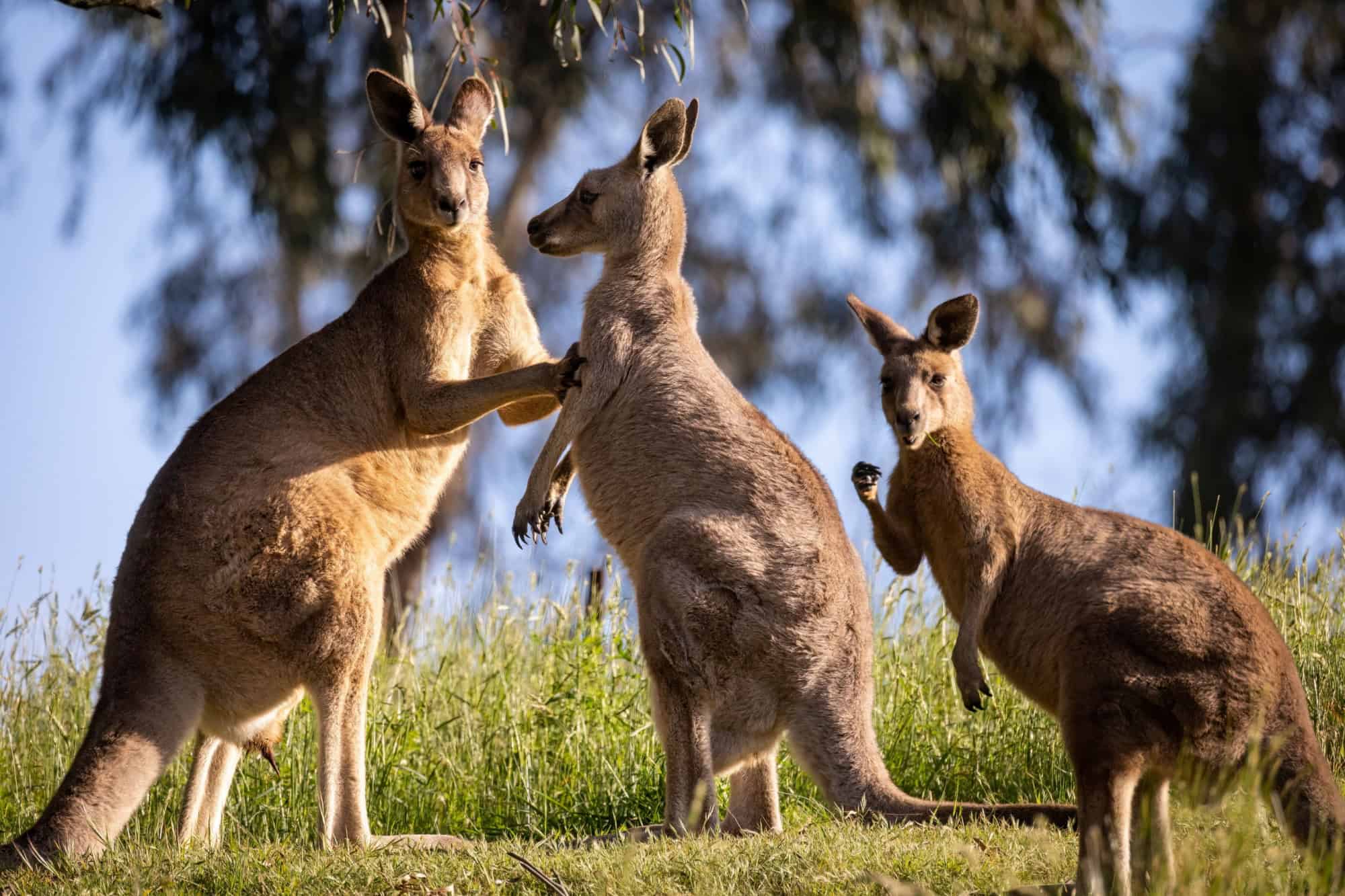
Yes, people really have tried to keep kangaroos as pets. In San Antonio, they’re banned, partly because they’re wild animals and partly because they can be unpredictable and strong enough to cause serious injuries.
Monk parakeets
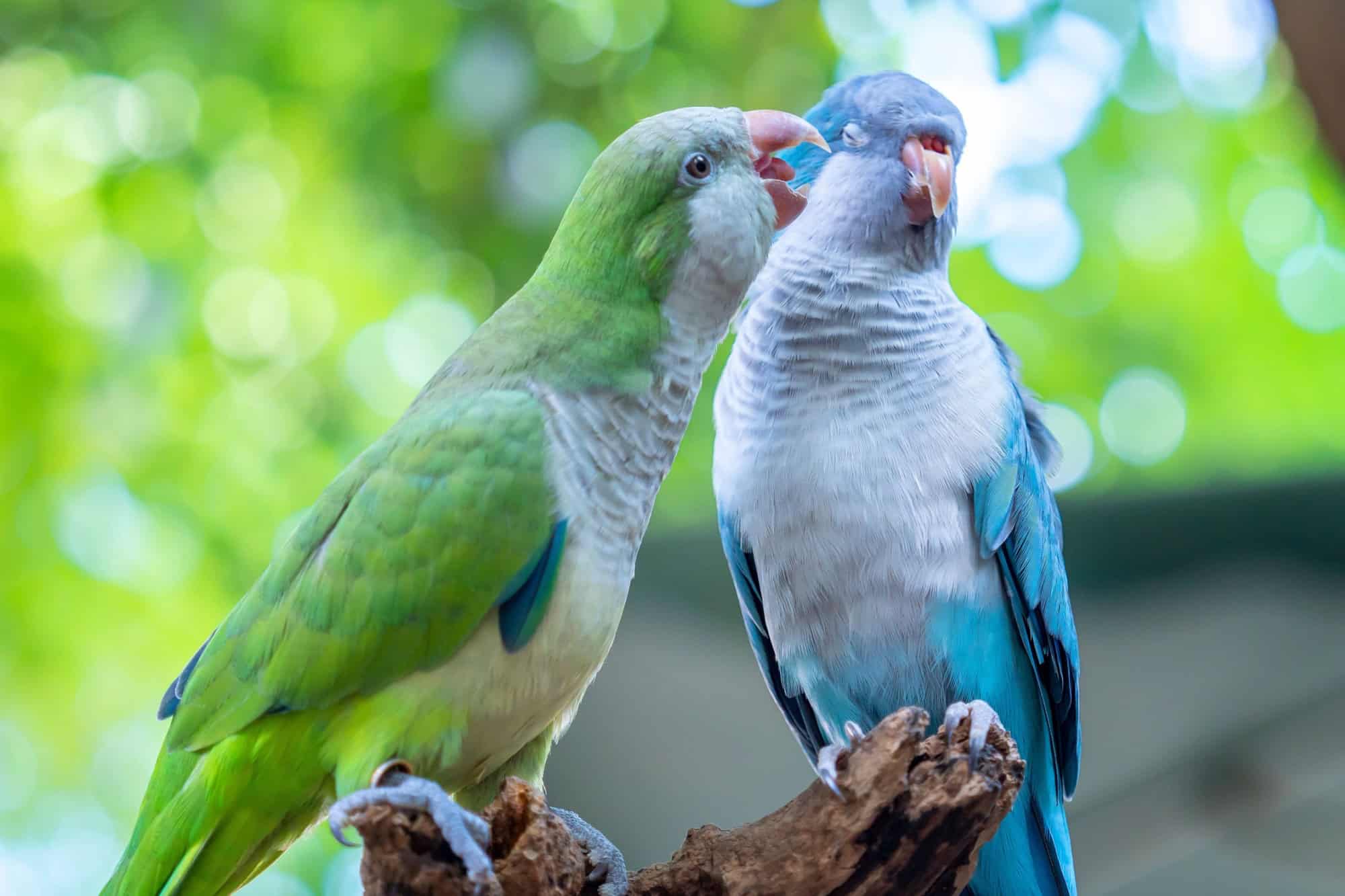
Monk parakeets are chatty and beautiful to look at. But these birds are considered highly invasive in states like California, Georgia, and Pennsylvania. They like to live in large colonies and cause a ton of damage to agriculture and crops, as well as native plants.
Big cats (tigers, lions, leopards)

Keeping a tiger in your backyard might make you feel like you’re in a documentary, but it’s illegal in most places. These animals are powerful, dangerous, and need far more care than any private owner can provide.
Bears, wolves, alligators, and crocodiles

Pretty much every state says “absolutely not” to these pets. They’re dangerous predators, and no amount of training can make them safe for a regular home.
Venomous snakes and spiders

Owning a pet that could kill you with one bite is a hard pass for many states. The risks are high, and if one escapes, it’s not just you in danger; it’s your neighbors too.
Sugar gliders

These tiny, flying-squirrel-like marsupials are banned in places like California, Alaska, and parts of Pennsylvania. Officials worry they could become invasive if released, and they require very specific care that most people can’t easily provide.
Like our content? Be sure to follow us.