

You may know that smoking cigarettes and eating junk food can take years off of your life, but what if we told you there are less obvious daily habits that could be decreasing your life expectancy as well?
Chronically ignoring sudden gum bleeding or tooth loss
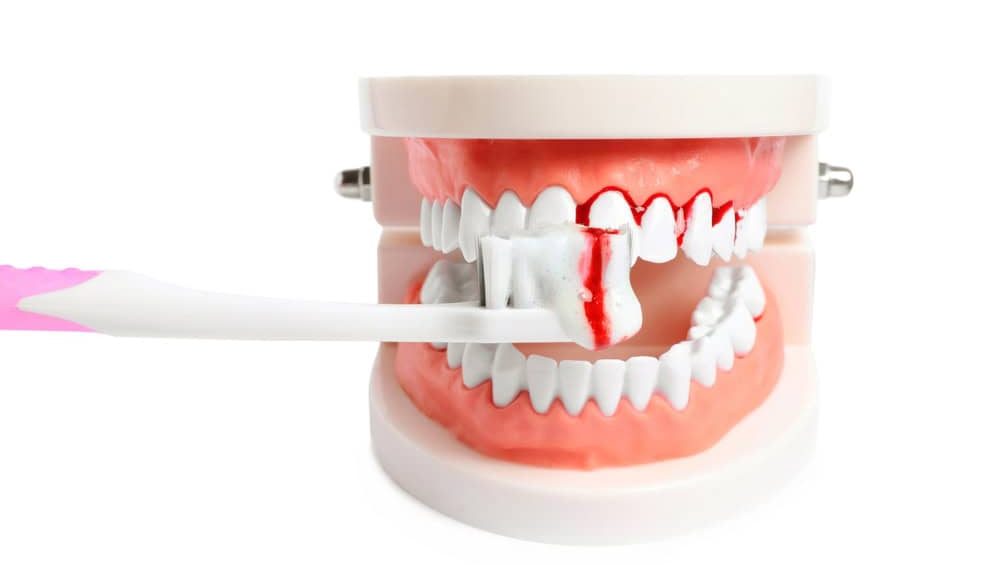
Treating bleeding gums as if they’re no big deal could be shortening your life more than you think. Gum disease provides an open portal straight into your bloodstream for deadly oral bacteria like Porphyromonas gingivalis to invade your body.
These bacteria-induced inflammations create ongoing systemic issues, leading to arterial hardening and a much greater likelihood of fatal heart attacks and strokes.
Studies tracking people over time have found a notable relationship between having gum disease and a higher rate of all-cause mortality.
Not waiting at least two hours between dinner and sleep

The consequences of eating late go beyond heartburn. Late-night meals disrupt the peripheral circadian rhythms that regulate your metabolism.
Digesting a large meal while your body thinks it should be resting stresses your pancreas (dumping insulin while your body is resting) and causes chronic nighttime hyperglycemia and hypertension.
Chronically eating late at night leads to increased abdominal fat storage and extreme insulin resistance, which contribute to premature heart disease and type 2 diabetes. Decades of epidemiological studies tracking diets have revealed a clear link between late meal times and reduced longevity.
Chronic social isolation or absence of human connection

Clinical researchers have identified extreme loneliness and isolation with the equivalent of smoking 15 cigarettes per day.
Chronic loneliness forces your nervous system to stay active at a low trot. Your body thinks you are constantly under attack, which increases cortisol levels while limiting vital immune responses.
Continuously living in flight-or-flight mode tears your blood vessels and your body becomes more susceptible to inflammation, disease, cancer, and heart attacks.
Research pooling hundreds of thousands of adults has found that those who experience chronic loneliness have a 29% increased risk of early mortality.
Sitting for hours straight without taking short walking breaks

If you exercise for an hour each day but sit perfectly still for the other eight to ten hours you’re awake, you’re still inviting death over for dinner.
Extended periods of uninterrupted sitting result in a precipitous decline of enzymes like lipoprotein lipase (better known as the enzyme that metabolizes fats in your blood) in your leg muscles.
This sedentary behavior allows your blood to move slower, your arteries to stiffen, and systemic metabolic dysfunction to accelerate at alarming rates.
Studies have shown that spending just two minutes out of every thirty walking can dramatically reduce your risk while prolonged uninterrupted sitting increases your risk of all-cause mortality no matter how much you exercise.
Consistently sleeping too little or too much each night

Sleeping fewer than five hours per night means your brain is not getting the chance to undergo glymphatic clearance. This process clears cellular debris and waste from your brain overnight.
On the other hand, regularly exceeding nine hours of sleep is frequently an overlooked sign of persistent inflammation or subclinical cardiovascular issues.
Epidemiological studies tracking the sleep habits and mortality of millions of people find that people who sleep more than nine hours or less than five hours per night have a statistically higher chance of premature mortality from all causes compared to people who sleep seven to eight hours per night.
The way sleep duration relates to risk forms a distinct “U-shaped” curve.
Mouth breathing during the day and night

When you sleep breathe through your mouth, you bypass your nose’s filtration, humidification, and warming system. More importantly, when you breathe through your mouth you miss out on nitric oxide that your lungs need.
Nitric oxide is produced in your paranasal sinuses. It helps dilate blood vessels and allows your blood to absorb more oxygen. Chronic mouth breathing can lead to sleep disordered breathing, oxygen desaturation and increased pulmonary artery pressure.
Research has shown chronic nighttime mouth breathing is strongly associated with obstructive sleep apnea which has been linked to early sudden cardiac arrest.
Sipping from single-use plastic water bottles frequently

Micron-sized particles of plastics and hormone-disrupting chemicals such as phthalates and bisphenols leach into your bloodstream when you routinely consume beverages from single-use plastics.
Microplastics invade your intestines after going down your throat, where they travel to your tissues and arteries to trigger chronic inflammation of cells.
Research published in the New England Journal of Medicine in 2024 found that when microplastics were found in plaque inside of patients’ arteries (called the carotid artery), they had a higher risk of having a stroke, heart attack or death.
Sleeping in a loud environment

Living adjacent to a major road, train track or airport causes the incessant background hum to inflict harm on your heart health day and night, even while you’re asleep.
Your brain interprets constant background noise exceeding 55dB as an unrelenting threat to your environment which causes it to release stress hormones like adrenaline and cortisol 24/7. End results? Higher nighttime blood pressure, damage to your blood vessel linings, and a greater incidence of ischemic heart disease.
Data from environmental studies indicates a clear correlation: each 10-decibel jump in ambient noise corresponds with an increased rate of early mortality.
Spending almost no time exposed to natural sunlight

Staying indoors all day keeps your body from absorbing sunlight. Sunlight doesn’t just help your body produce vitamin D; it also regulates your master circadian rhythm clock, suppresses melatonin production, and causes your body to release nitric oxide into your bloodstream (which helps naturally lower your blood pressure).
A major 20-year observational study involving nearly 30,000 Swedish women showed that those who deliberately shunned the sun were twice as prone to dying during the research period compared to women who got the most sun.
Cooking food at extremely high temperatures to the point of charring

Consuming burnt meats or charbroiled foods on a regular basis will bathe your digestive system with extremely high amounts of heterocyclic amines (HCAs) and polycyclic aromatic hydrocarbons (PAHs).
These highly carcinogenic substances mutate your DNA directly once they are metabolized by your liver and intestinal cells, greatly elevating your chances of getting cancerous tumors in your gut and colon.
Population data following eating habits indicates a substantially greater lifelong cancer mortality risk for individuals who frequently eat foods that are thoroughly cooked, charred, or grilled directly over flames.
Sources: Please see here for a complete listing of all sources that were consulted in the preparation of this article.
Like our content? Be sure to follow us.

