

Beyond the written history are centuries of questions with no answers.
Was Meriwether Lewis murdered on the Natchez Trace? (1809)
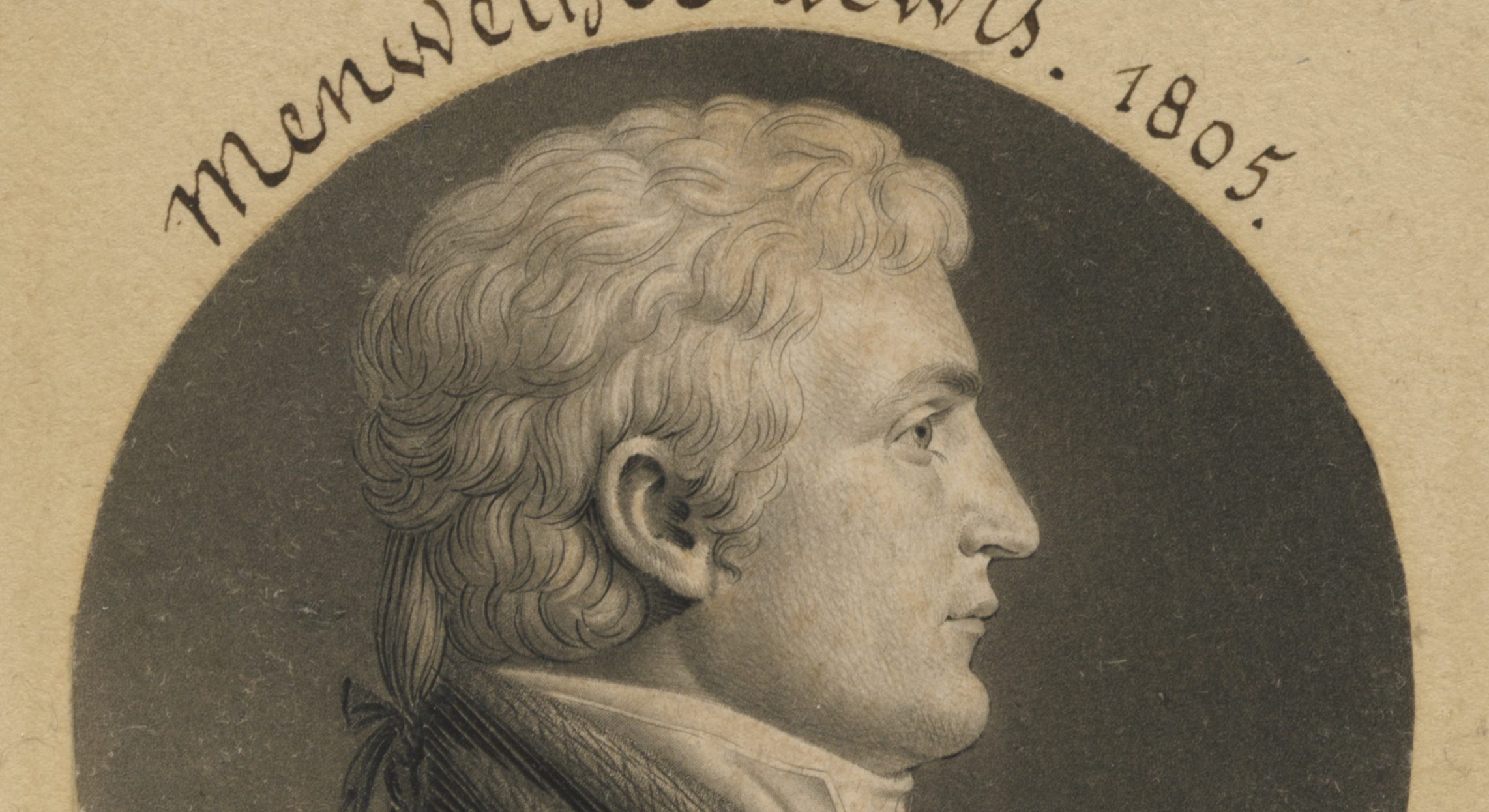
Three years after leading the Lewis and Clark Expedition to the Pacific Coast with distinction, 35-year-old Meriwether Lewis died from two gunshot wounds. He died at an isolated inn on the Natchez Trace in Tennessee on October 11, 1809.
Some of Lewis’ contemporaries thought he committed suicide, and the National Park Service agrees that the historical record strongly suggests he took his own life. Lewis had struggled with depression, as well as financial woes and political problems. He also had started to drink more heavily, according to the NPS.
Accounts from decades later suggested he may have been murdered. However, despite alternative theories, there’s never been any definitive evidence that Lewis was murdered.
What happened to the missing records of the Franklin Expedition? (1845)

Sir John Franklin embarked from England with two ships and 129 officers and men to discover the Northwest Passage. Of those who departed, neither HMS Erebus nor HMS Terror nor any of their crew ever returned.
For over a century and a half, the men’s fate became one of the enduring mysteries of Arctic exploration. Now that both ships have been found, it’s natural to wonder: What happened?
Scientists have recovered thousands of artifacts from Erebus, and the exceptionally well-preserved Terror is expected to reveal more clues as researchers continue to explore it.
We know that starvation, disease, exposure and other factors caused the men to perish, but how exactly did they die? Where are the expedition’s remaining records, which could help us better understand the team’s last few months? The ships are no longer lost, but many pieces of Franklin’s story are still missing.
What happened to the stolen Gardner Museum masterpieces? (1990)
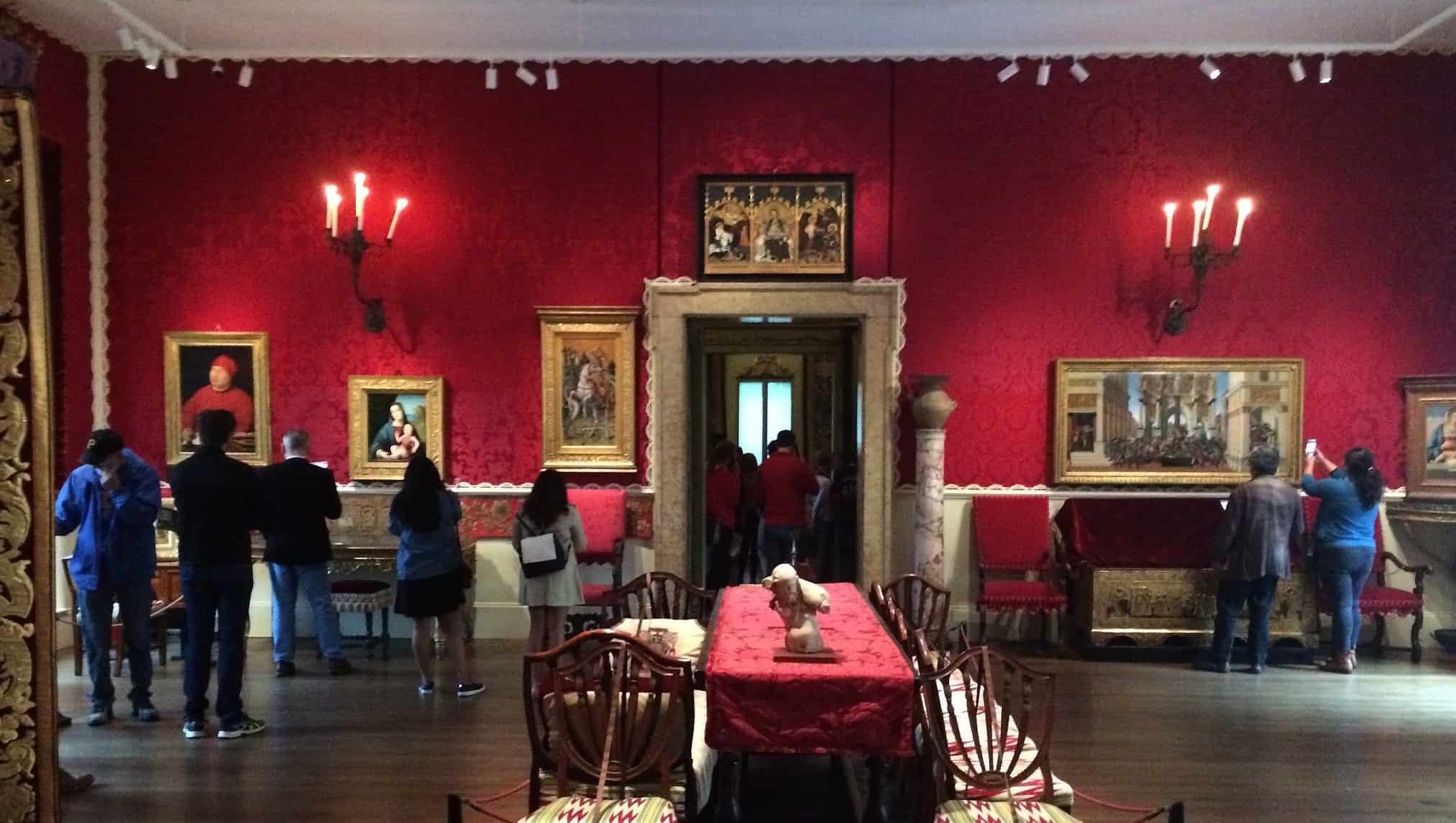
Two men disguised as police officers entered Boston’s Isabella Stewart Gardner Museum in the early morning hours of March 18, 1990. After tying up the security guards on duty, they stole 13 works of art, including pieces by Rembrandt and Vermeer.
According to the FBI, more than $500 million worth of art was stolen in the heist, making it the largest property crime in world history.
To this day, not one of the stolen works have been recovered. Empty frames hang on the walls of the museum where the stolen paintings once were. Today, the Gardner Museum is offering up to $10 million for information that leads to the return of the stolen pieces in good condition.
What was erased from the Nixon tapes? (1972)

Audio recordings made on Richard Nixon’s Oval Office recording system were subpoenaed during the Watergate scandal. The tape recorded on June 20, 1972, three days after the Watergate incident, was eventually provided with a significant 18 1⁄2-minute section missing.
An audio analysis confirmed that someone had erased the section, and had started and stopped the recording machine during the gap, which was filled with white noise. Audio experts concluded the segment had been manually erased and re-recorded up to nine times.
Nixon’s secretary blamed the gap on herself, claiming that she accidentally pressed a pedal that erased the audio. However, after audio analysis showed that this could not have happened, the conversation that occurred during those 18 ½ minutes remains one of the mysteries of the presidency.
The true identity and fate of D.B. Cooper (1971)
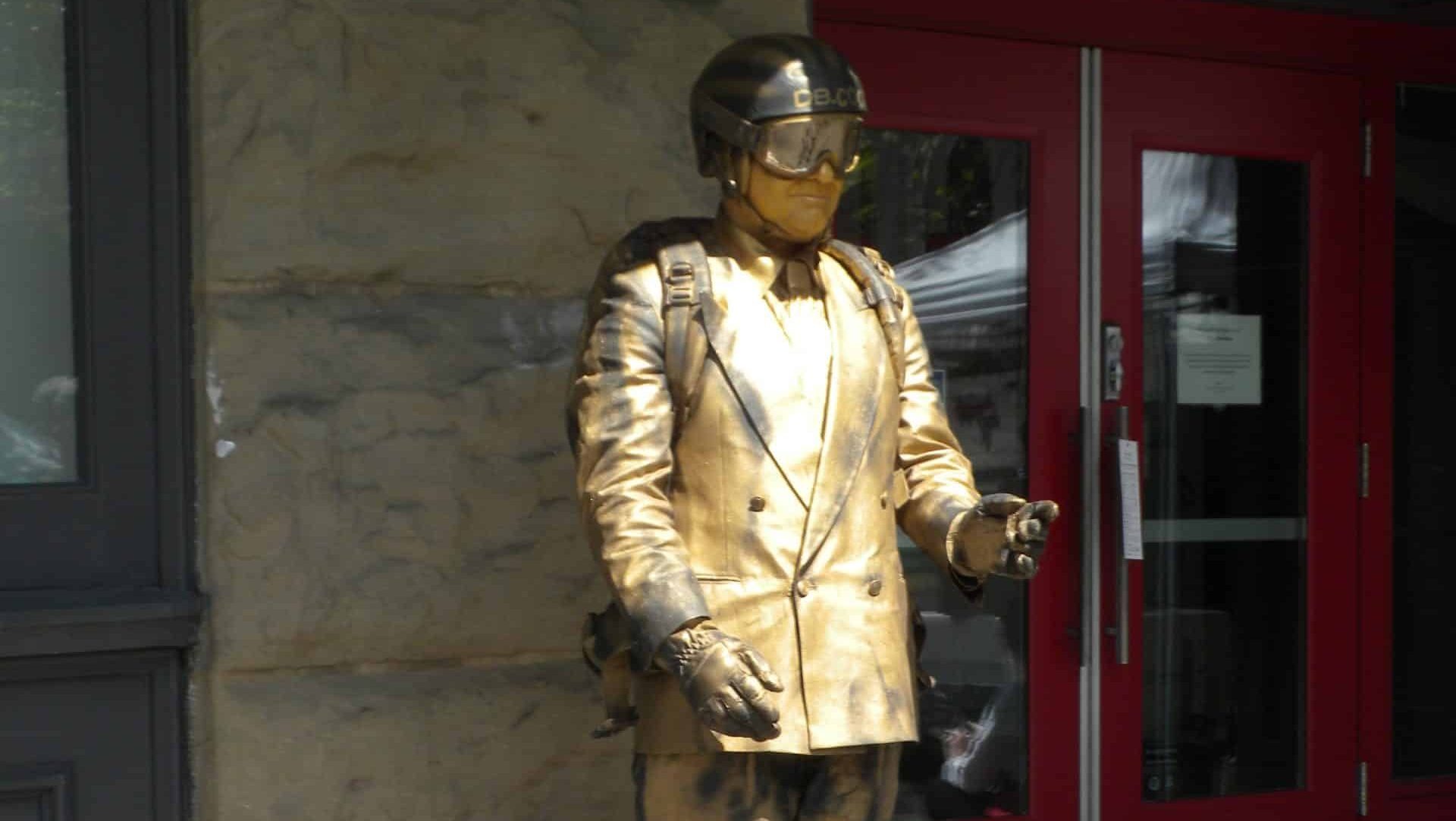
Late that stormy afternoon in November 1971, an airport employee who identified himself as Dan Cooper hijacked a Boeing 727 aircraft bound for Seattle from Portland. After the terrified passengers and crew handed over $200,000 in cash and four parachutes, he let the passengers go and ordered the pilots to fly to Reno.
Cooper parachuted out into the icy Pacific Northwest rainforest from the back stairwell of the plane and was never seen again. Despite becoming the most intensive manhunt in FBI history at the time, no credible evidence of his identity was ever recovered.
Years later, a boy discovered a bundle of decomposing ransom money along the Columbia River. His ultimate fate and whether he even survived his leap remain one of America’s greatest unsolved mysteries.
Missing 200 pounds of weapons-grade uranium in Pennsylvania (1960s)
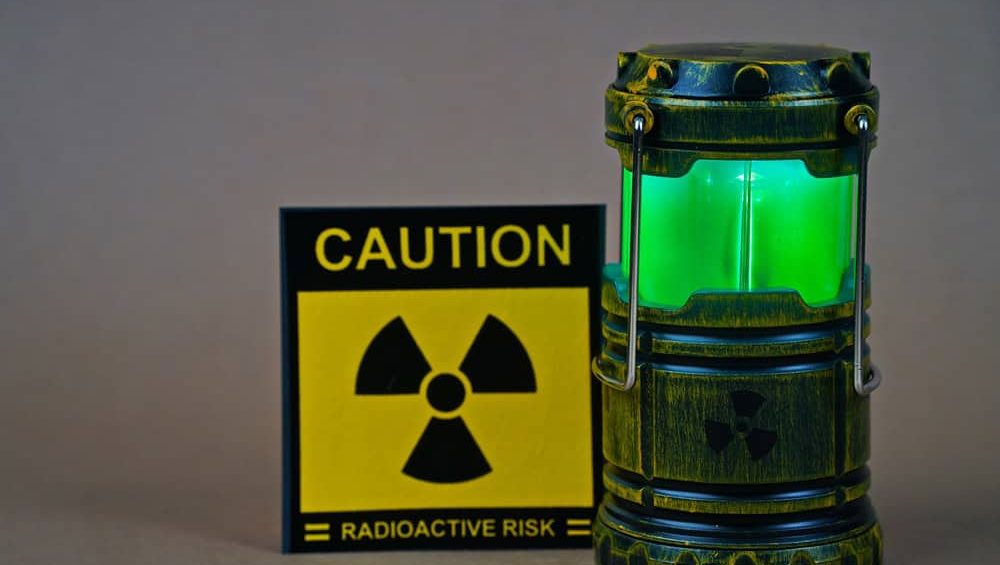
Back in the day, the town of Apollo, Pennsylvania, a place just outside Youngstown, was where you’d find the Nuclear Materials and Equipment Corporation, or NUMEC as it was more commonly known.
NUMEC ran a nuclear fuel processing facility in Apollo that worked with highly enriched uranium as part of an arrangement with the U. S. government. And NUMEC took highly enriched uranium from the government and made reactor fuel and other products for military use.
In the mid-1960s federal officials discovered they could not account for over 200 pounds of highly enriched uranium. There were no records that indicated where the uranium went. A book keeping issue suddenly became a federal mystery with national security implications.
The CIA initiated a covert investigation into what happened to the uranium. Investigators began looking closely at NUMEC president Zalman Shapiro. Suspicions were that Shapiro diverted some uranium to Israel and helped them build up their nuclear arsenal.
Shapiro denied those accusations. The U.S. government never officially proved that the uranium was stolen or that it ever made it to Israel. Questions remain even today about where the uranium went.
Who carried out the 1920 Wall Street bombing (New York City)
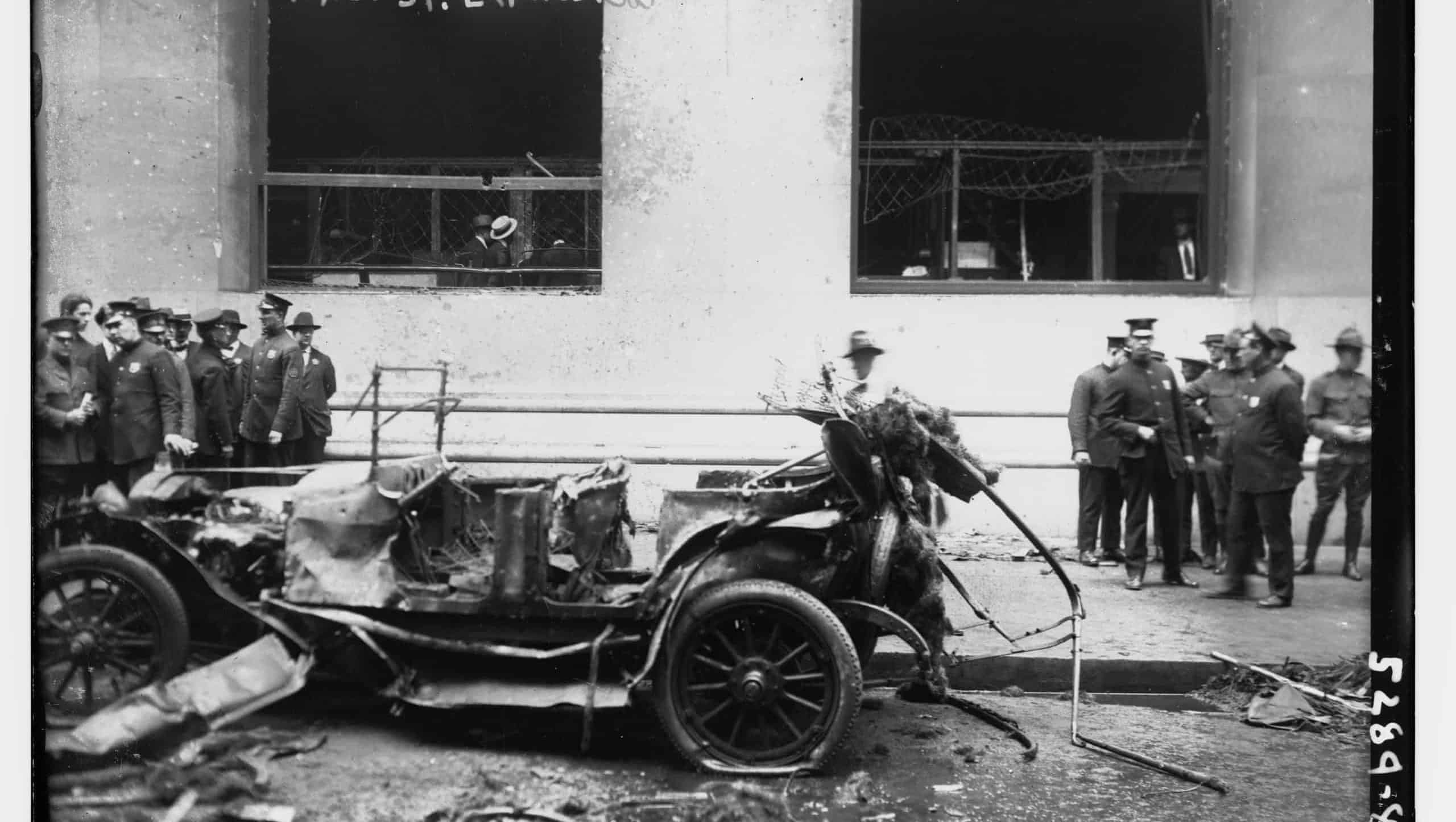
At Times Square in New York City on September 16, 1920, a horse-drawn wagon loaded with 100 pounds of dynamite and 500 pounds of heavy iron balls detonated in front of the J.P. Morgan bank building in New York’s financial district.
Thirty-eight people were killed, hundreds injured and windows were blown out for blocks. Never before had America experienced an attack of such lethal magnitude. The Bureau of Investigation (BOI) questioned hundreds of suspects, including foreign radicals, anarchist organizations, and even financiers.
However, they never were able to indict anyone. And you can observe the shrapnel damage on the granite of the Wall Street building to this day.
Why did the SS Edmund Fitzgerald sink? (1975)
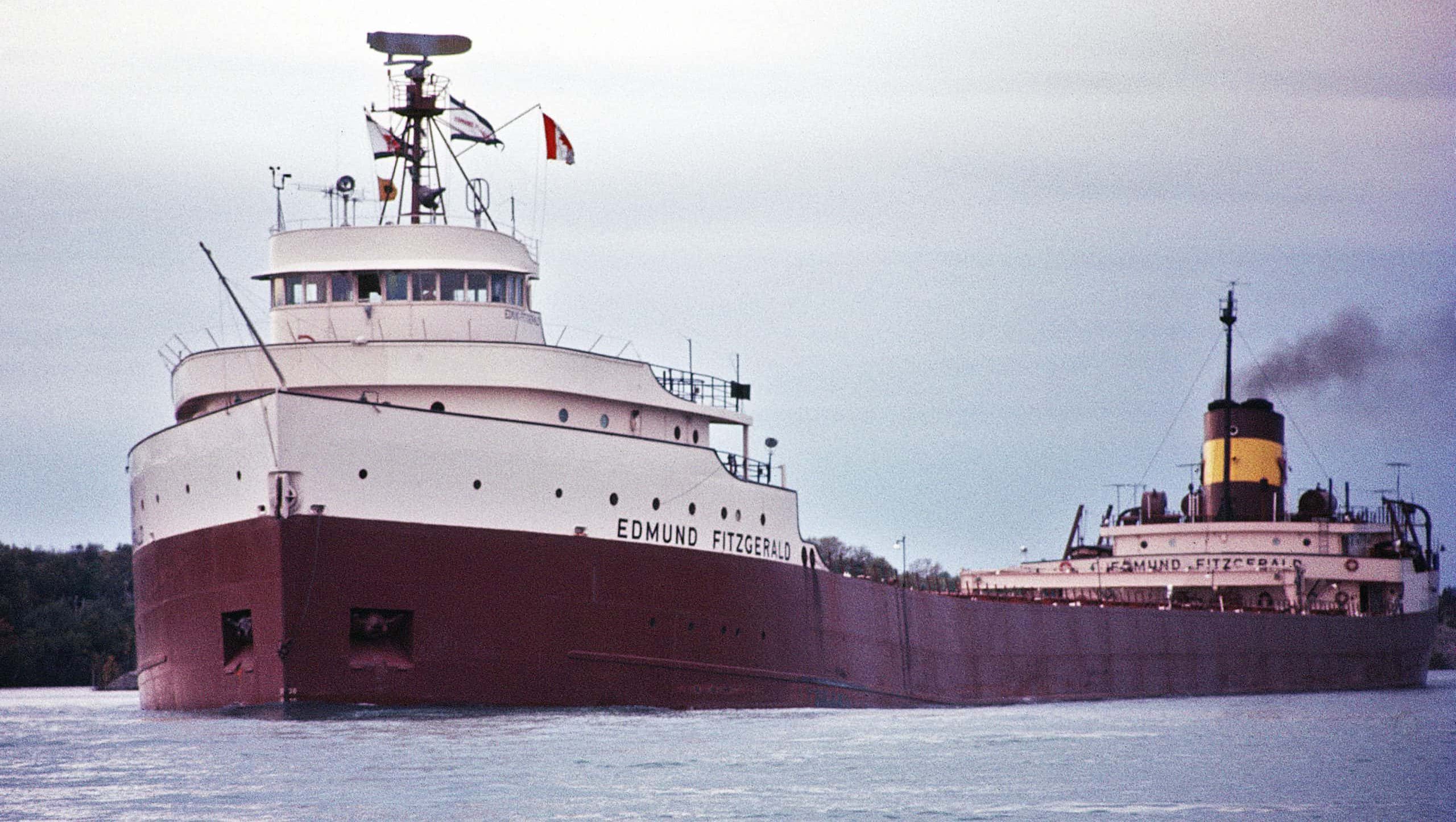
The SS Edmund Fitzgerald was a large freighter traveling on Lake Superior during a monstrous winter storm November 10, 1975. It was fully loaded with 26,000 tons of iron ore when it tragically went down without warning.
She sank without sending out a distress signal and her 729-foot long body now rests in 530 feet of icy water near Ontario with her 29 crewmen. Underwater inspections revealed the ship had broken into two pieces after striking the lakebed.
Although theories abound on why it suddenly sank so quickly, there is still no consensus on what happened. Some propose that weakened hatches gave way, letting water pour into the cargo hold, or that it might have struck an unknown reef.
The lost jeweled manuscript of the Rubaiyat on the Titanic (1912)

When the RMS Titanic went down off Newfoundland in April 1912, it carried thousands of precious objects to their resting place on the seabed. But one of the most valuable things it lost was a custom, hand-bound copy of the Rubaiyat of Omar Khayyam encrusted with over 1,000 precious stones inset into a cover made with real gold leaf.
Its waterproof leather cover, meant to shield the inner pages, was the result of a two-year endeavor by skilled bookbinders. Purchased by an American at an auction in England, the priceless book was lost along with its owner during the cruise.
Book historians speculate that the jeweled cover may still be intact inside the cover’s waterproof leather interior, lying amidst Titanic’s dark debris field miles below the surface of the ocean.
Where is the secret horde of 1933 Double Eagle gold?

In 1933, President Franklin D. Roosevelt took the United States off the gold standard and confiscated privately owned gold coins.
1933 was also the year that hundreds of thousands of shiny new $20 Double Eagle gold coins were minted by the U.S. Mint. But most were never circulated and were melted down.
A small number of coins escaped the Philadelphia Mint before they could be melted down and entered into circulation. One even made it into the hands of King Farouk of Egypt.
The federal government recovered thousands of the coins over the years, but rumors still persist that unknown caches of 1933 Double Eagles are secretly hidden away by private collectors.
But there’s been no concrete evidence that a cache worth billions is secretly stored away in someone’s house.
Canadian Avro Arrow prototypes (1959)

The story of what happened to prototypes of Canada’s supersonic delta-wing interceptor, the Avro Arrow, is a complicated one.
This groundbreaking aircraft was developed during the fifties. At the time, it was believed to be one of the finest aircraft ever made.
But on February 20th, 1959 Canadian Prime Minister John Diefenbaker cancelled the program. By that time five prototypes had flown. Alongside most of the aircraft’s equipment, orders were given for the destruction of the surviving planes.
The idea that one might have survived destruction has fueled speculation for decades. Despite the persistent rumors, a whole Arrow has never surfaced, though fragments and documentation did endure.
Where the body of labor leader Jimmy Hoffa was buried (1975)
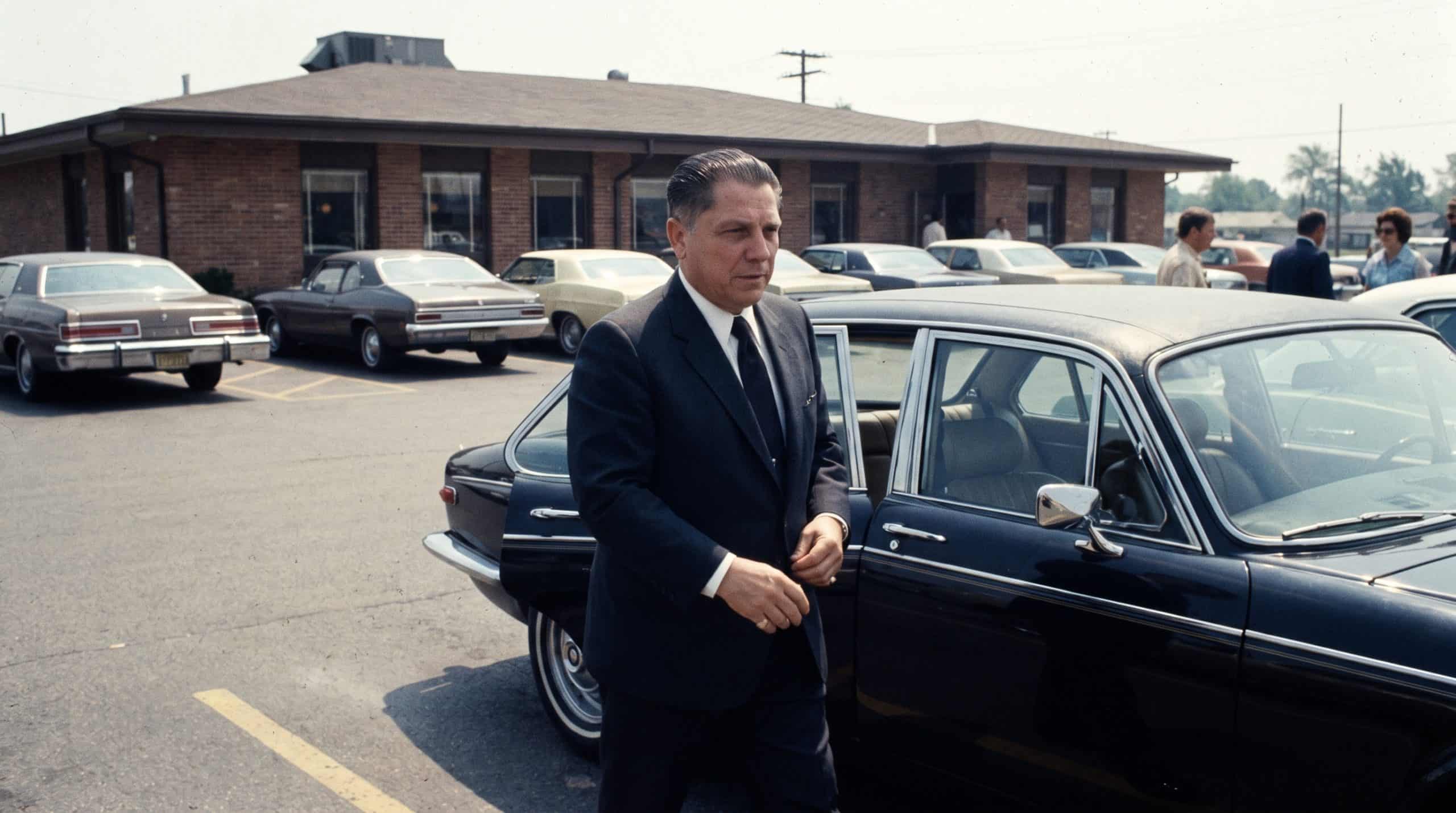
Jimmy Hoffa, former president of the Teamsters union, left the Machus Red Fox restaurant in Bloomfield Township, Michigan on July 30, 1975 to meet with two alleged mobsters. He has not been seen alive since. Investigators found his car abandoned in the restaurant’s parking lot with no signs of a struggle.
Police, FBI agents, and informants have identified hundreds of potential gravesites over the years. Investigators have scoured many potential locations, both near Detroit and elsewhere, but Hoffa’s body has never been discovered.
The FBI has not closed Hoffa’s case, and will continue to investigate credible new information. Where James Hoffa’s body is one of the most well-known unsolved mysteries in American history even to this day.
What happened to the missing Confederate Treasury gold? (1865)

Confederate leaders abandoned Richmond, Virginia, as Union troops advanced during the final days of the war.
The Confederate Treasury still had plenty of gold, silver, and other assets. But a lot of that cash went missing as officials tried to escape in the days leading up to the Confederacy’s official surrender. Some money was spent paying soldiers and officials; some was stolen.
It also sparked myths about one of America’s most famous lost treasures: Confederate gold hidden throughout the South.
Tales circulate of a vast Confederate fortune interred prior to the South’s capitulation, now waiting to be unearthed. So far, there’s never been any credible proof that such a large horde existed.
Confederates did hide money and valuables during the final days, and some of it was stolen, but not likely on the scale many people believe.
Sources: Please see here for a complete listing of all sources that were consulted in the preparation of this article.
Like our content? Be sure to follow us.

