

Workplaces have evolved. In this fast-paced work environment, many traditional workplace norms make little sense in 2024. With remote working, flexible schedules and new technology, old expectations of how we should act or dress at work feel so out of touch with our modern lives. Some are even finding that traditional practices are holding them back more than helping them succeed. Many workplace norms simply don’t fit the modern work culture. Here are eight outdated workplace norms that are finally being left in the past.
Featured Image Credit: Pexels.
Years of Experience Over Skills

The amount of experience used to be a very important part of hiring decisions. Now, the skills and competencies are much more important. A younger worker often has different and new ideas (eg. new technology) and if they work hard to bring value – this makes them valuable even if they don’t have decades of experience. If a company focuses on skills instead of how many years of experience a person has, they might find the best candidate.
Strict Office Hours

The traditional 9 to 5 working day is losing its importance. Most employees now prefer working days that are flexible with their lifestyles. With trends like working remotely and digital communication, office hours are unnecessary for employees; it is easier to use the internet anytime and anyplace. Modern companies will be more productive if workers can choose their working hours. And the goal of a business should be the result of work and not the amount of working time.
Like our content? Be sure to follow us.
Formal Dress Codes

There are fewer strict dress codes now and many employees prefer to wear comfortable and casual clothes to the workplace. In creative and tech companies, for example, casual wear is a common feature. If companies let their employees wear casual and comfortable clothes, it will create a more relaxed atmosphere and show trust in their team.
In-Person Meetings

While meetings themselves are not bad, the outdated belief that everything needs to happen in person is no longer the norm. Thanks to virtual meetings and other asynchronous communication tools, it’s often not necessary for people to work in person. In fact, having set meetings only when needed will save time and lead to higher productivity.
Rigid Hierarchies

Traditional top-down management structures can stifle creativity and limit communication. In 2024, a lot of companies are turning towards flatter organizations – to increase the level of involvement and open dialogue with their employees at all levels. This helps employees to share ideas and contribute to the decision-making process. It boosts creativity and ultimately leads to productivity whereas before, due to top-down approach, ideas weren’t always welcomed from the bottom.
Constant Availability

The norm of being available for work around the clock is changing, and more employees are pushing back against the ‘always-on’ culture — demanding more work-life balance. Forcing employees and co-workers to respond to communications after-hours can erode boundaries between work and personal life, leading to unhappy, unfocused employees who may eventually burn out.
The Need to Be Physically Present
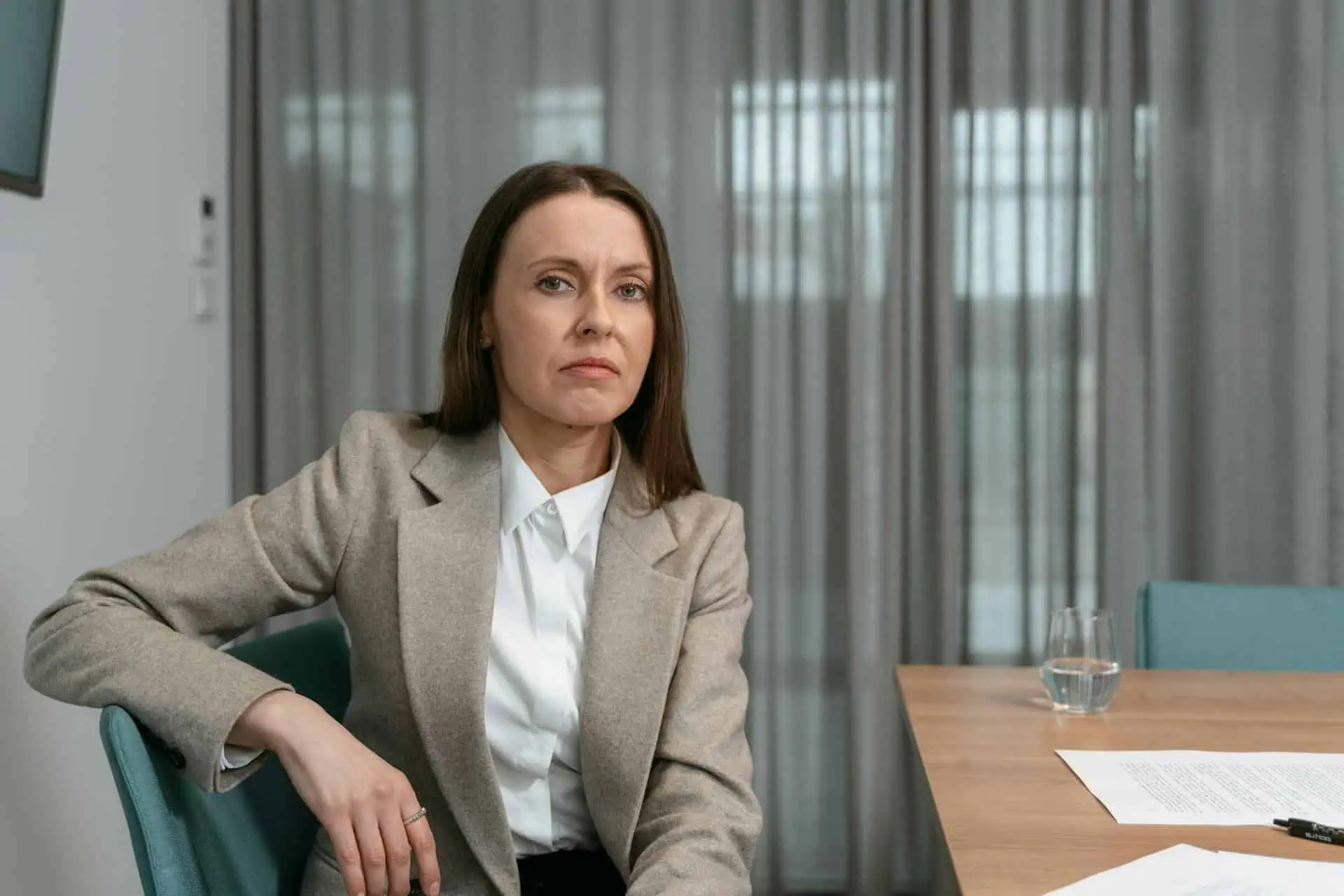
As new technologies emerge, the belief that employees must be physically present to be productive is fading. Employers realize that their workers can perform their job tasks from remote locations just as well as, or even better than, from the office. This will contribute to the job satisfaction and productivity of its workers, who nowadays prefer to work from home.
Lack of Feedback Culture
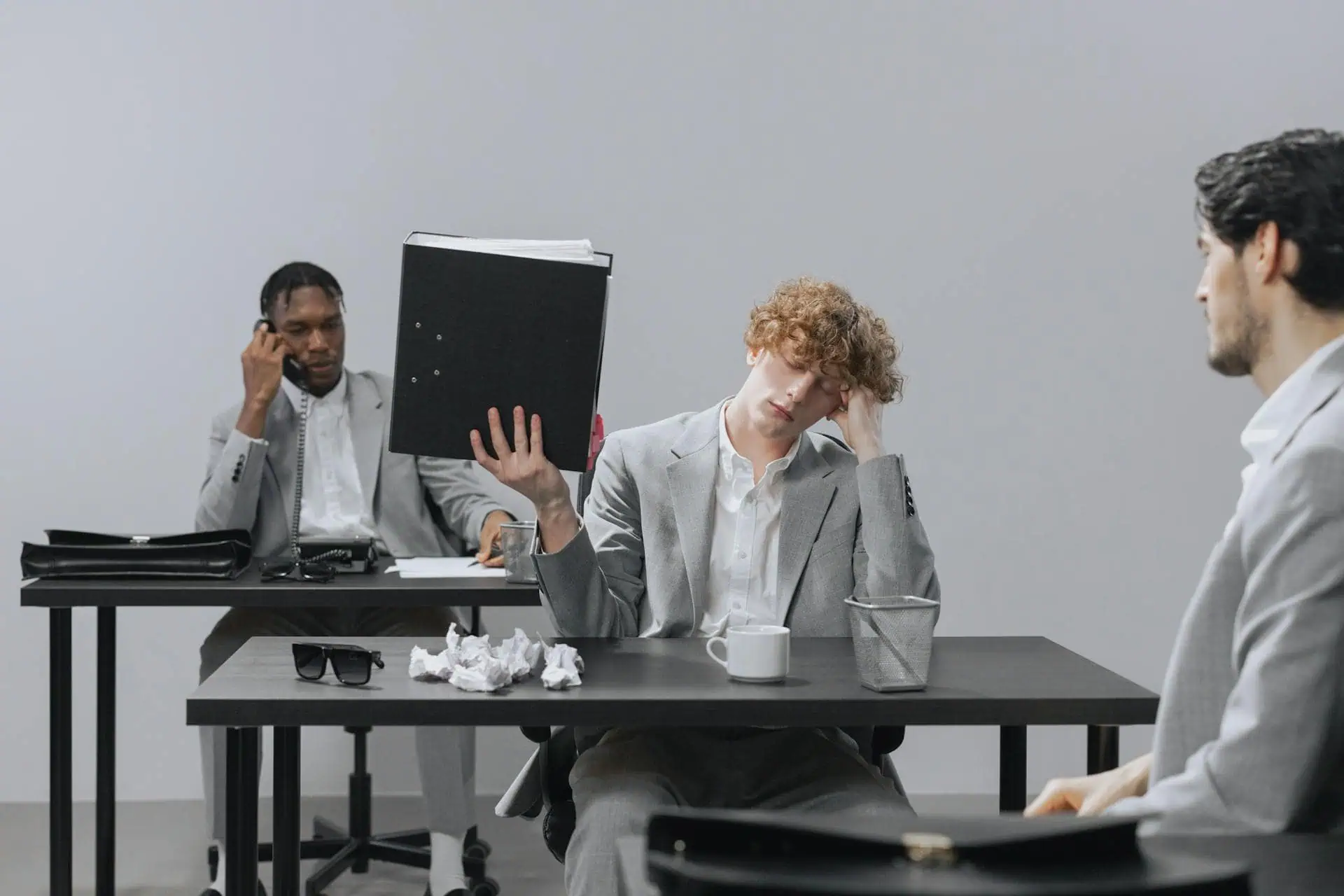
Many of today’s workplaces are still rooted in the annual performance review, but employees in 2024 are expecting to receive feedback and recognition on an ongoing basis. A culture of continuous feedback helps employees to feel supported in their growth and development. In general, an atmosphere of regular check-ins and open communication will contribute to a more collaborative environment in teams.
Disclaimer: This list is solely the author’s opinion based on research and publicly available information.
Like our content? Be sure to follow us.
Read More: