

Physical education taught the fundamentals, but according to many women, it ignored the mundane body changes that adults should have explained.
Body hair
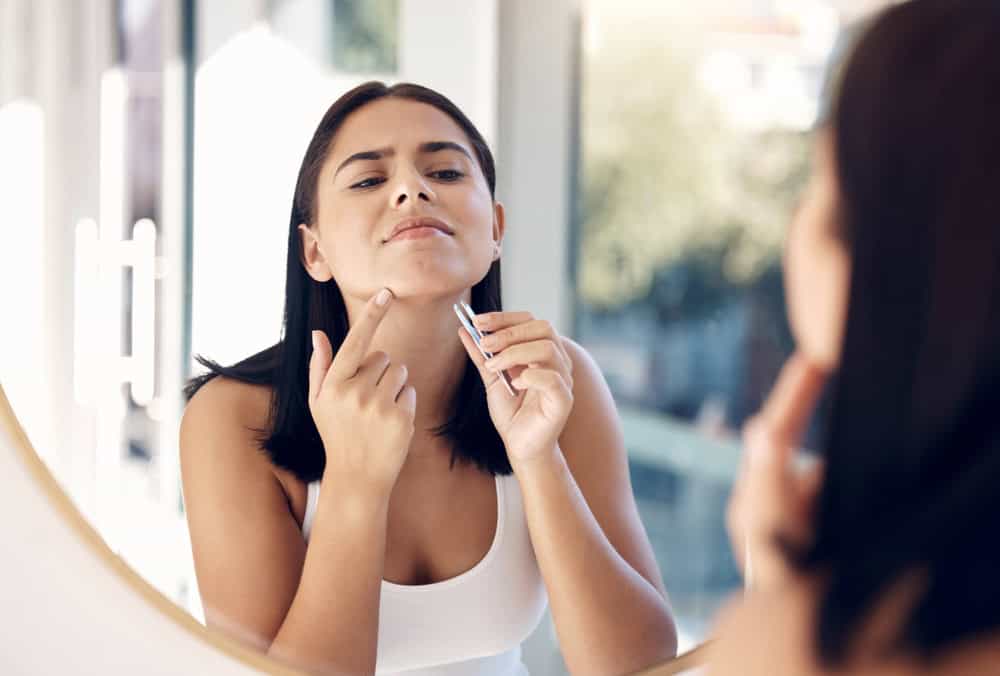
Dark hairs sprouting on the upper lip, chin, nipples, belly button line, or down the inner thighs is normal, just the way nature intended with natural production of androgens.
Genetics determines how much or how dark that hair will be, not an imbalance of hormones. Since hairlessness is portrayed as the norm in commercials and magazines, many adolescents view normal body hair growth as an embarrassment instead of just normal human biology.
Asymmetrical breasts
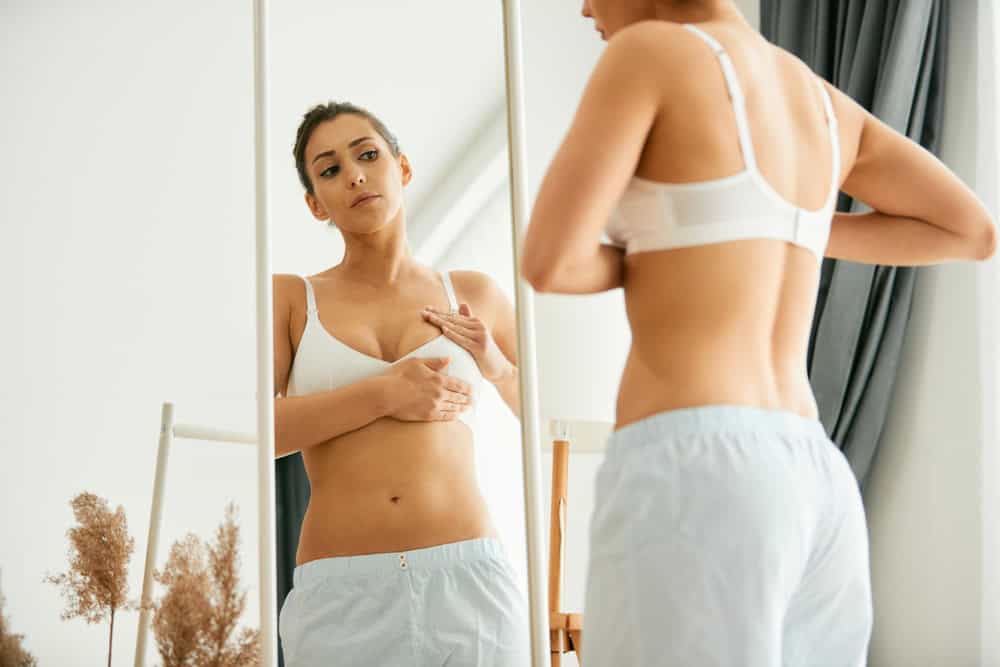
It’s completely normal for one breast to be a half cup or even full cup size larger than the other. When breasts begin to develop at puberty, the tissue buds form separately on each side. Most teenage girls aren’t aware of this. They spend their youth thinking they are somehow grossly misshapen, padding one cup of their bra or hiding under oversized T-shirts.
Irregular cycles
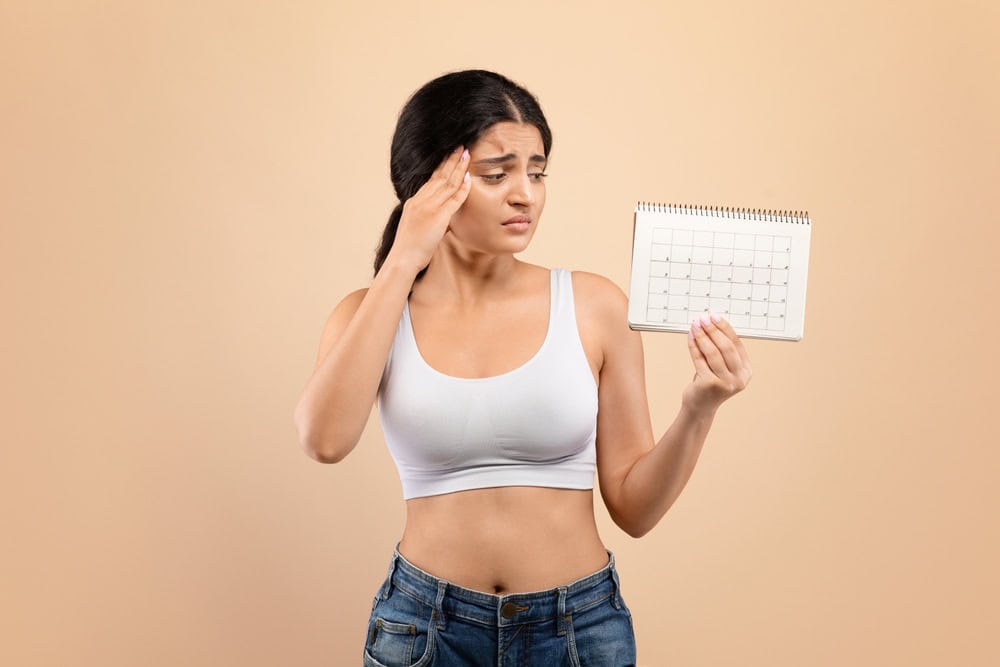
The popular health teaching that a woman gets their period on the exact same day every month as part of their neat 28-day cycle has caused you unnecessary stress your whole life.
Adult cycles can range from 21-35 days and can be very erratic for the first few years post menarche while your hormones become regular. Changes in stress, diet, travel, sickness, or lack of sleep can easily delay your period by a few days or even skip it altogether.
Vulva diversity
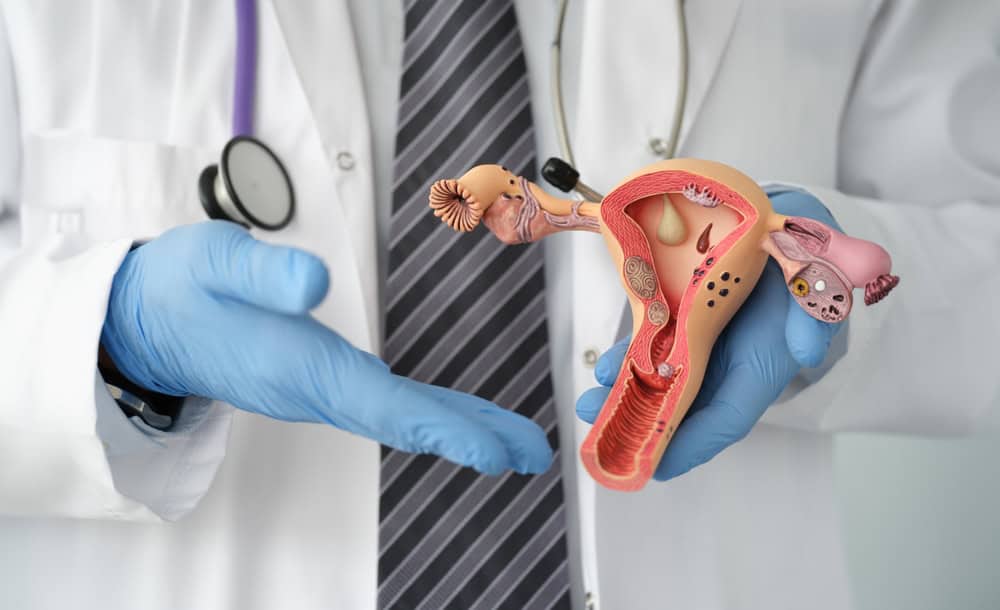
Human vulvas have many variations in appearance, including size, shape, color, and proportion. Labia minora often extend beyond the labia majora.
However, female anatomy diagrams from medical textbooks depict a clean, symmetrical tucked-in version that is rarely seen in life. Understanding that labia can be uneven, darker, or long can help reverse years of unwarranted body shame caused by inaccurate images.
Vulva vs. vagina
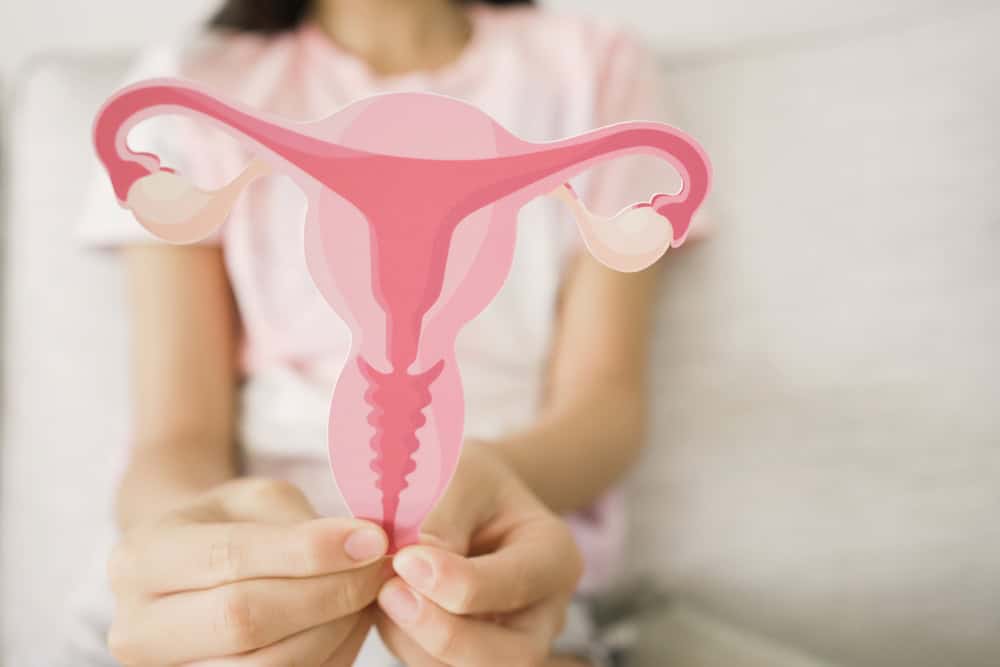
Mixing up the vulva (external genitalia, labia, clitoris, urethral opening, etc.) and the vagina (internal muscular canal) creates a lot of confusion about personal hygiene.
Scrubbing your internal vagina with soaps, scented cleansers, or douching will upset its sensitive lactobacilli-based microbiome and pH level, causing yeast infections and BV very easily. The vulva on the outside can be washed with mild soap or just warm water.
Ovulation pain
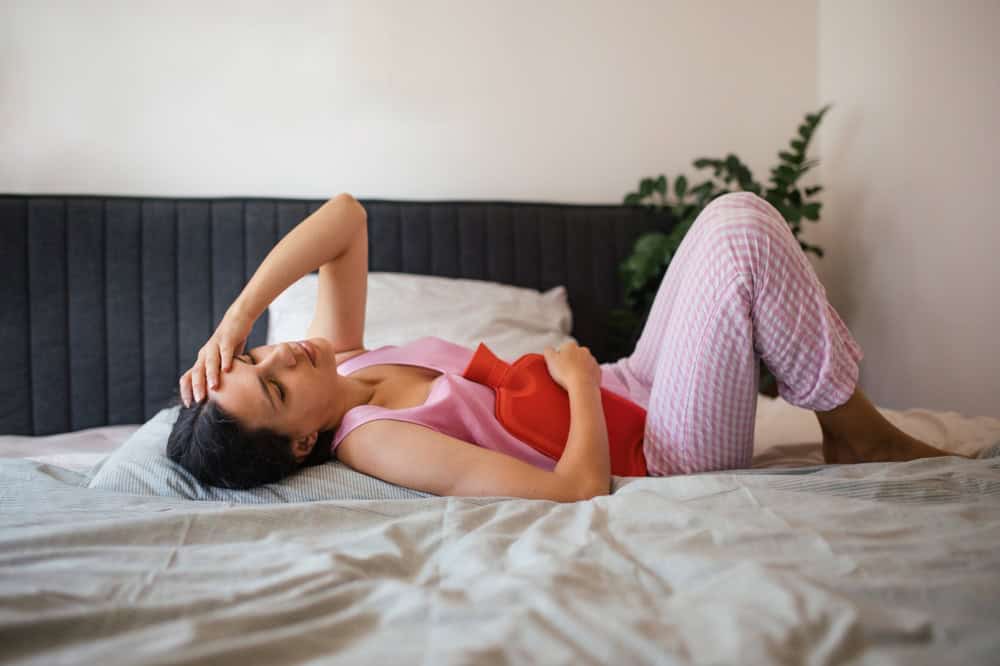
Mid-cycle pelvic pain (medically called Mittelschmerz) happens when an ovarian follicle ruptures and releases an egg. Sometimes this is associated with slight irritation from fluid in the pelvic cavity.
This stabbing, unilateral pelvic cramp feels like a sudden side stitch, dull pain, or simulated appendicitis for a few hours. Before learning about ovulation pain, many young women confused this monthly event with a severe intestinal or kidney problem.
Hormonal bloating
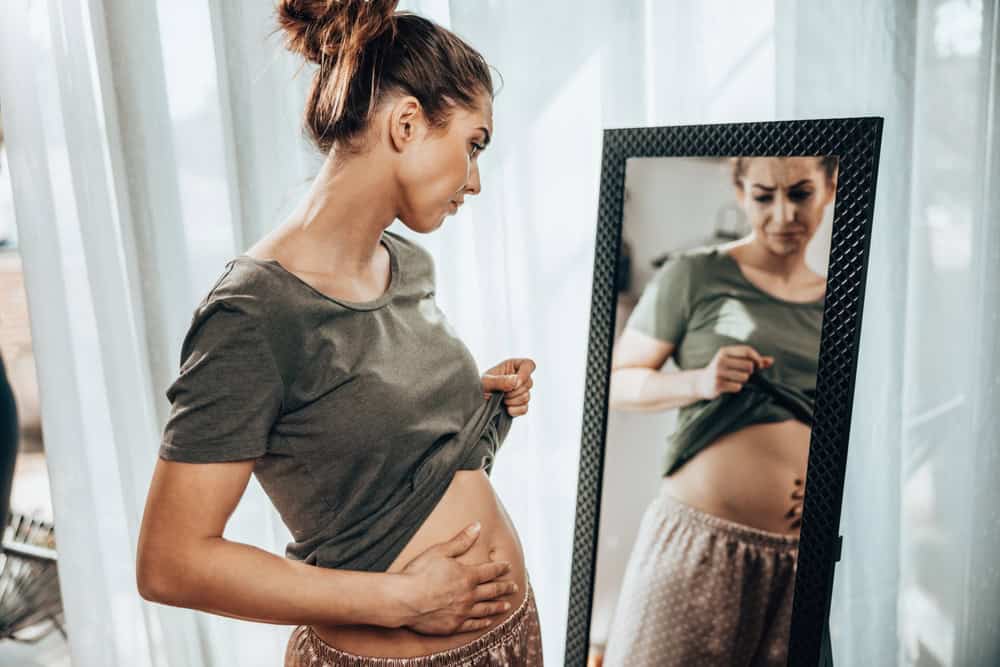
You can experience sudden, significant bloating in your belly right before your period because increased levels of progesterone can relax the smooth muscle found all along your digestive system.
Progesterone also causes GI motility to decrease. This can cause water retention, sluggish digestion, and gas, which can leave your jeans feeling pretty snug come morning. This temporary water and digestive shift has nothing to do with fat storage and will resolve once your period starts.
Cervical mucus
Clean, slippery, stretchy cervical mucus is one of the strongest visual cues that your body is currently at its most fertile state. This cervical mucus acts as a blanket of safety/nutrition for sperm to help them swim up through your cervix and find an egg.
Teaching girl this biofeedback earlier in their lives would help them realize there cervical mucous pattern.
Clitoral anatomy
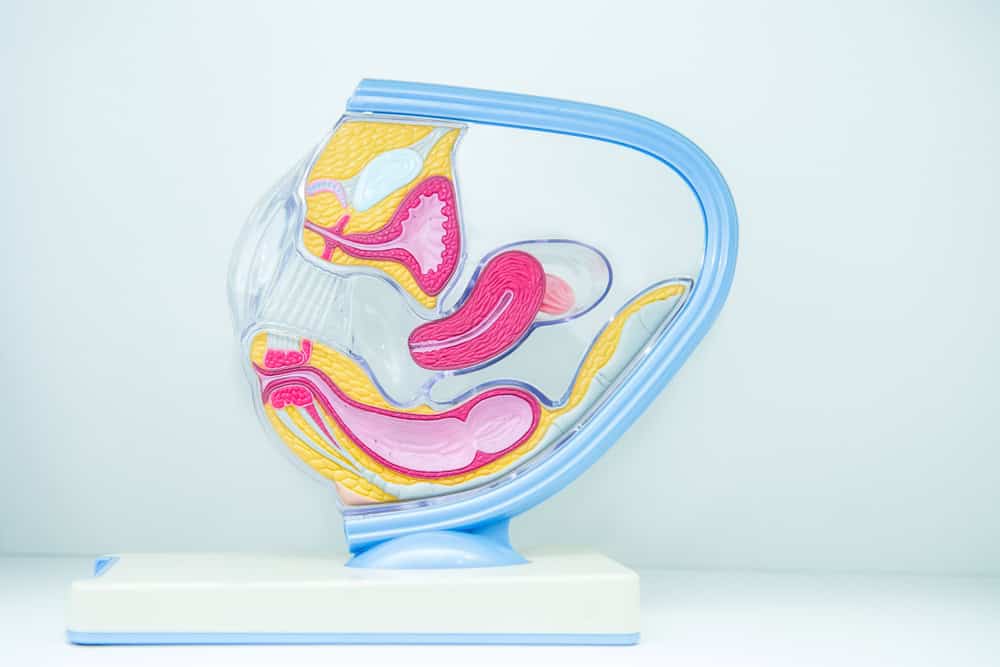
The clitoral glans you can see on the outside is just the very small part of the larger clitoris. The rest of the organ surrounds the vagina and reaches down into the pelvis.
It’s made up of more than 10,000 highly concentrated nerve endings. Internally, the erectile tissue inside the clitoris (called the vestibular bulbs and crura) fills with blood when aroused.
Changing blood
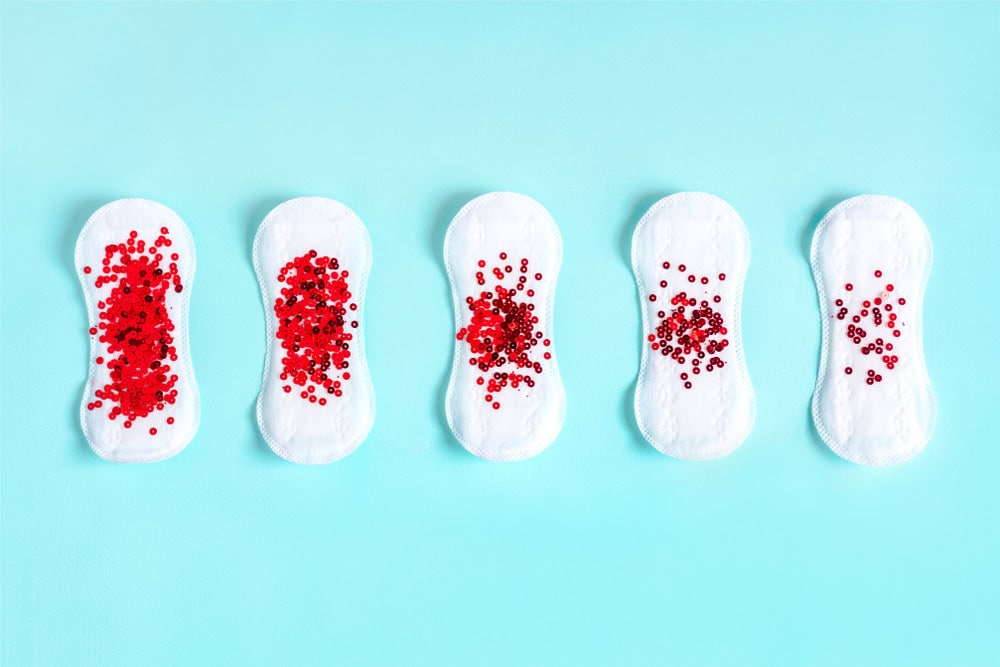
Menstrual blood does not stay bright or consistent shades of red throughout menstruation. Usually, menstrual blood will start out dark brown or rust-colored and then turn deep crimson towards the end of your period when menstrual flow is the heaviest. Dark brown/black blood is merely older blood that had time to oxidize while moving slowly through the vagina and uterus.
Passing small jelly-like clumps of tissue during heavy days of flow is completely normal due to shedding of the uterine lining along with its coagulated blood.
Breast tenderness
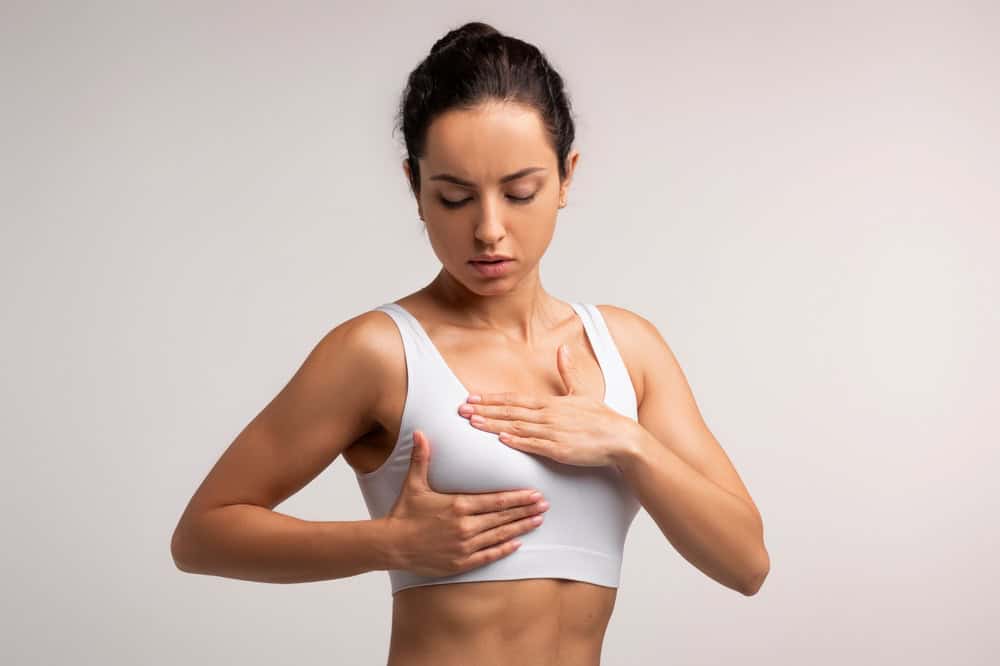
Swelling, tenderness, or lumpiness in breasts is very common the week before menstruation. This sensitivity is a normal physical response to increasing levels of estrogen and progesterone. The hormones make milk ducts and lobules expand and retain fluid. This retention causes breasts to feel heavy and bruised.
You may feel discomfort when wearing a bra or lying on your stomach. Knowing that fluid builds up before your period can help you avoid worrying about normal, temporary changes in breast tissue.
Shifting sweat
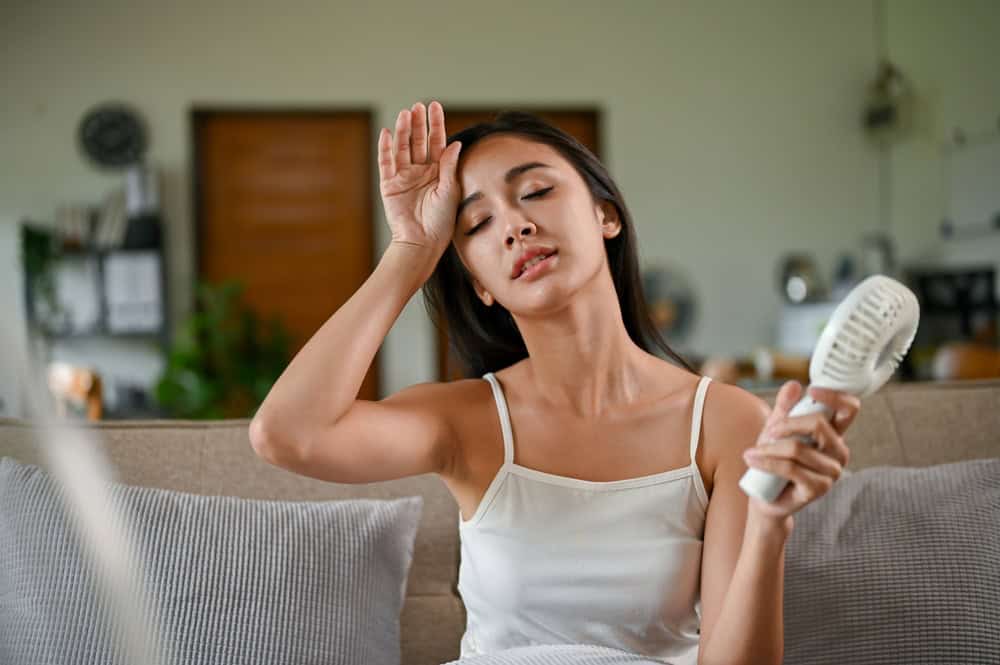
Puberty activates the apocrine sweat glands in the armpits and groin. These sweat glands produce a thicker sweat that contains protein. This breaks down on the skin with bacteria to create adult body odor.
Hormonal changes during the luteal phase can also cause baseline body temperature to increase. This means women may experience more night sweats or abrupt hot flashes right before their periods.
Pelvic muscles
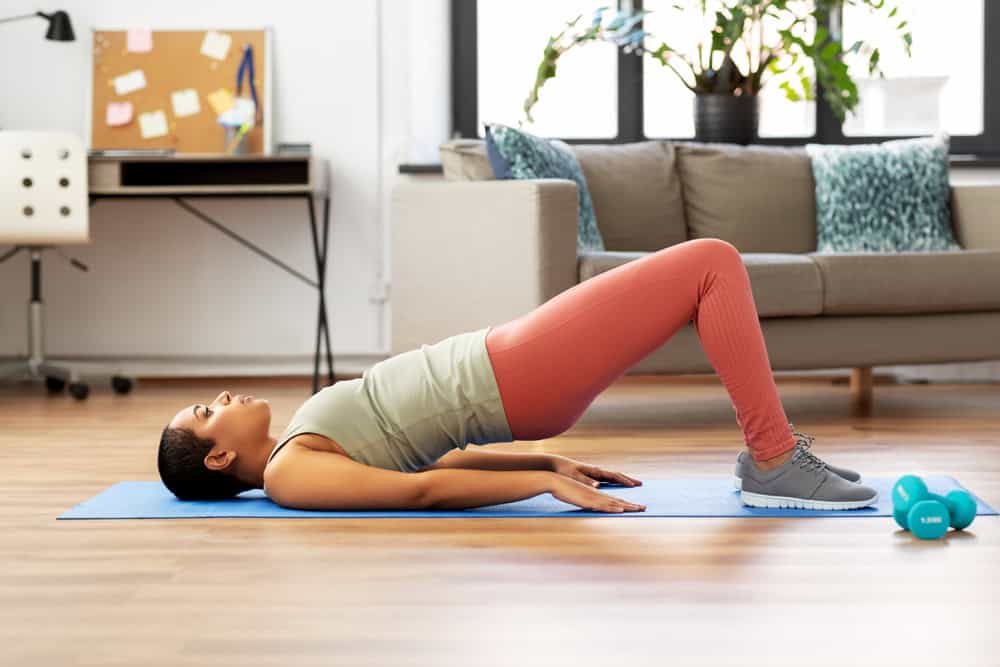
The pelvic floor is a sling of muscles that supports your bladder, uterus, and bowel. It directly affects core stability, bladder control and comfort. Tight pelvic floor muscles can lead to painful tampon use, painful intercourse, or frequent urination.
However teens don’t typically learn how to manually relax these muscles. Understanding that pelvic muscles have to relax as well as get stronger can help women avoid chronic pelvic pain.
Premenstrual moods

Premenstrual mood swings are caused by quick declines in estrogen and progesterone affecting serotonin and dopamine neurotransmitters in the brain. Neurologically, these fluctuations change the way our brain regulates mood, stress, and energy levels.
When girls know that the feelings they experience before their period are caused by concrete physiological changes, they can be kinder to themselves rather than blaming PMS for making them bad in some way.
Sources: Please see here for a complete listing of all sources that were consulted in the preparation of this article.
Like our content? Be sure to follow us.
Women are sharing 10 silent rules they secretly live by, and I’m ready to adopt some of these
A lot of women follow a few rules without ever mentioning them, and once you hear them, it’ll be hard not to start using them, too.
Women are sharing 10 silent rules they secretly live by, and I’m ready to adopt some of these

