

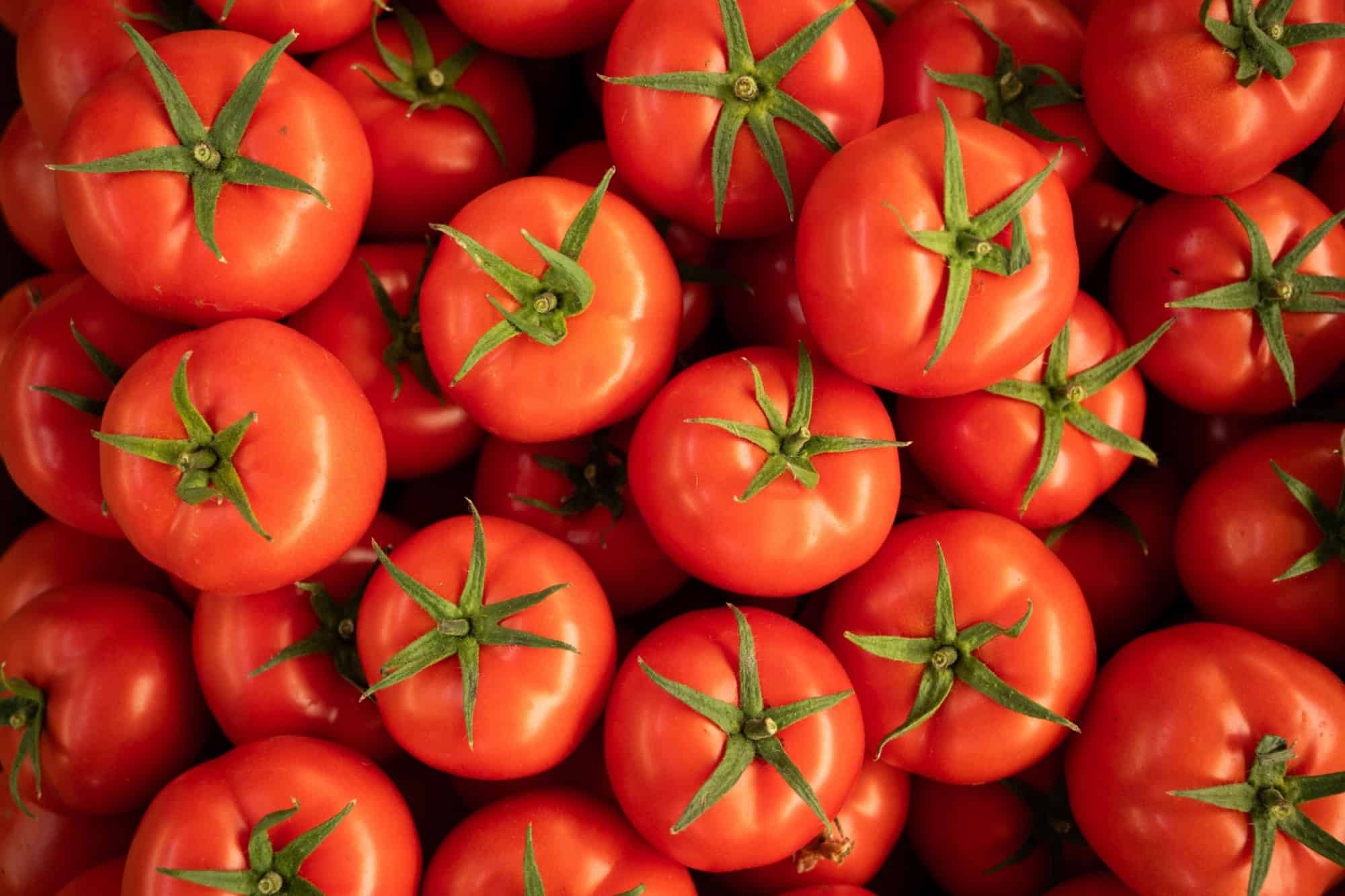
Tomatoes are everywhere today. However, anyone who lived in Britain during the 1800s avoided tomatoes like the plague, even going as far as to call them “poison apples.” It was an idea that stuck around for a while.
So how long did this bad reputation last? Who helped tomatoes shake off their reputation? And why, oh why, did people believe it in the first place? That’s what you’re going to find out in this article.
Key takeaways

Here’s what we’ll explain in this article:
- Where the “poison apple” nickname came from & how it stayed
- What early herbal books actually said about tomatoes
- Why different countries accepted tomatoes differently
- And finally, who helped change tomatoes’ reputation
What early herbalists actually said
Tomatoes began appearing in European herbalist books quite quickly after they arrived from the Americas. John Gerard’s famous book, The Herball, or, Generall Historie of Plantes, was published in 1597 & again in 1633. He called the plant “Apple of Love,” although Gerard didn’t actually recommend tossing it into dinner.
Gerard’s herbal became rather popular with English people for many years, meaning that generations of English readers believed what he had to say. Other botanical works followed the same line. They said the tomato was an interesting plant, maybe pretty to look at, but not something to use often. Essentially, the tomato was more ornamental than edible.
This idea of being cautious with tomatoes really stuck around.
The label and the fear

The “poison apple” nickname was one that stuck around for a long time. During the 19th century, some English-language sources still called tomatoes “red poison apples,” although the nickname didn’t come from anyone actually dying from a plate of tomato stew.
It was more about guilt by association.
Tomatoes belong to the nightshade family, which is a group that includes genuinely deadly plants like belladonna. There was also the fact that tomatoes looked too much like other nightshades. As a result, anyone looking through herbals or gardening manuals back then would lump tomatoes in with their toxic cousins.
Lead plates

Another issue was that wealthy families often used pewter plates that had lead in them. When they served tomatoes on those plates, the acid in the fruit could pull lead into the food, which could make some people sick after eating.
But they didn’t blame the dishes. Nope, they blamed the tomato, making the “poison apple” nickname sound believable & allowing the story to spread.
Different countries, different views

However, tomatoes had very different timelines depending on where you lived.
In Italy, cooks began cooking with them relatively early, with recipes featuring tomatoes appearing by the 16th & 17th centuries. The tomato soon became an important part of Italian kitchens. This was long before many other northern European countries started using them.
Britain, on the other hand, dragged its feet, with tomatoes rarely appearing in recipes or even markets for much of the 1700s & early 1800s. It took until the mid-19th century for things to change. This was especially because greenhouse growing made tomatoes easier to cultivate locally.
How the stigma faded

By the mid-1800s, a few things had changed the British people’s view of tomatoes. These things included:
- Horticultural promotion
- Cookbooks & trade networks
- American enthusiasm
For starters, British gardening societies & journals shared different ways for growing tomatoes successfully, which encouraged more people to do so. This made them realize that the fruit wasn’t as deadly as they once feared.
New recipes began circulating, making tomatoes harder to ignore. American physicians & promoters in the 19th century also started talking about the benefits of tomatoes. Several American cooks adopted it into their recipes, leading to British cooks doing the same.
A basket full of tomatoes

The work of a man named Robert Gibbon Johnson also helped. Stories say that, in 1820, he walked up the steps of the courthouse in Salem, New Jersey, carrying a basket full of tomatoes. People gathered & expected him to collapse after eating the “poison apples.”
Instead, he ate them one after another. Nothing happened. Soon enough, word spread that maybe, just maybe, tomatoes weren’t so deadly after all.
However, many historians argue there’s no hard evidence that this event actually happened. Johnson was real & he really did grow tomatoes. But the courthouse stunt is likely to be more legend than fact, although the tale still stuck around.
People retold it in newspapers & local stories, as it gave them something they could picture. Seeing, or at least hearing about, someone eating tomatoes in public had a huge effect on what people thought about this fruit.
Final Acceptance

At the end of Queen Victoria’s reign, it was clear that tomatoes had stopped being a fringe fruit & were something more familiar. It was finally accepted as part of everyday British meals.
Sources: Please see here for a complete listing of all sources that were consulted in the preparation of this article.
Like our content? Be sure to follow us.


