

Salt probably isn’t something that you think could cause wars or topple rulers. But it did. Yes, this everyday mineral was once so valuable that it could turn neighbors into enemies & create uprisings in cities that had had enough of paying for it. It even changed the political atmosphere in countries like Italy, West Africa, Russia, France, India & along the Rio Grande.
Let’s find out why it was so important.
Featured Image Credit: Shutterstock.
Key takeaways

You’ll learn about:
- Important wars that were started over control of salt or saltworks
- How salt taxes & monopolies provided major state revenue
- Major revolutions tied to salt policy
When salt meant war

During the late 1400s, Venice fought another Italian city, Ferrara, in an event that was literally called the Salt War. It started in 1482 & finished in 1484. During the war, Venice pushed to control trade routes & salt production around the Po delta, finally ending with Ferrara signing the Peace of Bagnolo to give up land to Venice.
But it wasn’t long before another salt conflict happened. In 1540, Pope Paul III added a new salt levy. Perugia didn’t take it well. They tried to fight back but lost, with the pope building the fortress Rocca Paolina over part of the city. This was literally to keep Perugia in check.
More wars around the world

However, Italy wasn’t the only country dealing with salt wars. In 1591, Morocco invaded the Songhay Empire, with the goal of gaining control of the Taghaza salt mines & trade routes. This invasion involved Moroccan forces crossing the Sahara. They then defeated Songhay at the Battle of Tondibi & took over big cities like Timbuktu by installing governors.
A few centuries and several thousand miles away, salt was still causing fights. Specifically, in the late 1870s, near El Paso, Texas, as part of the El Paso Salt War. Locals clashed over their access to communal salt lakes, and what started as legal issues soon escalated into armed battles. Around 30 people died.
American Civil War

Salt even caused issues during the American Civil War. Saltville, Virginia, had the South’s largest saltworks, and Union troops knew it. In 1864, two major battles targeted the site, and while the Confederates initially defended it, parts of the works were destroyed. This disrupted food supplies across the South.
How salt paid for governments
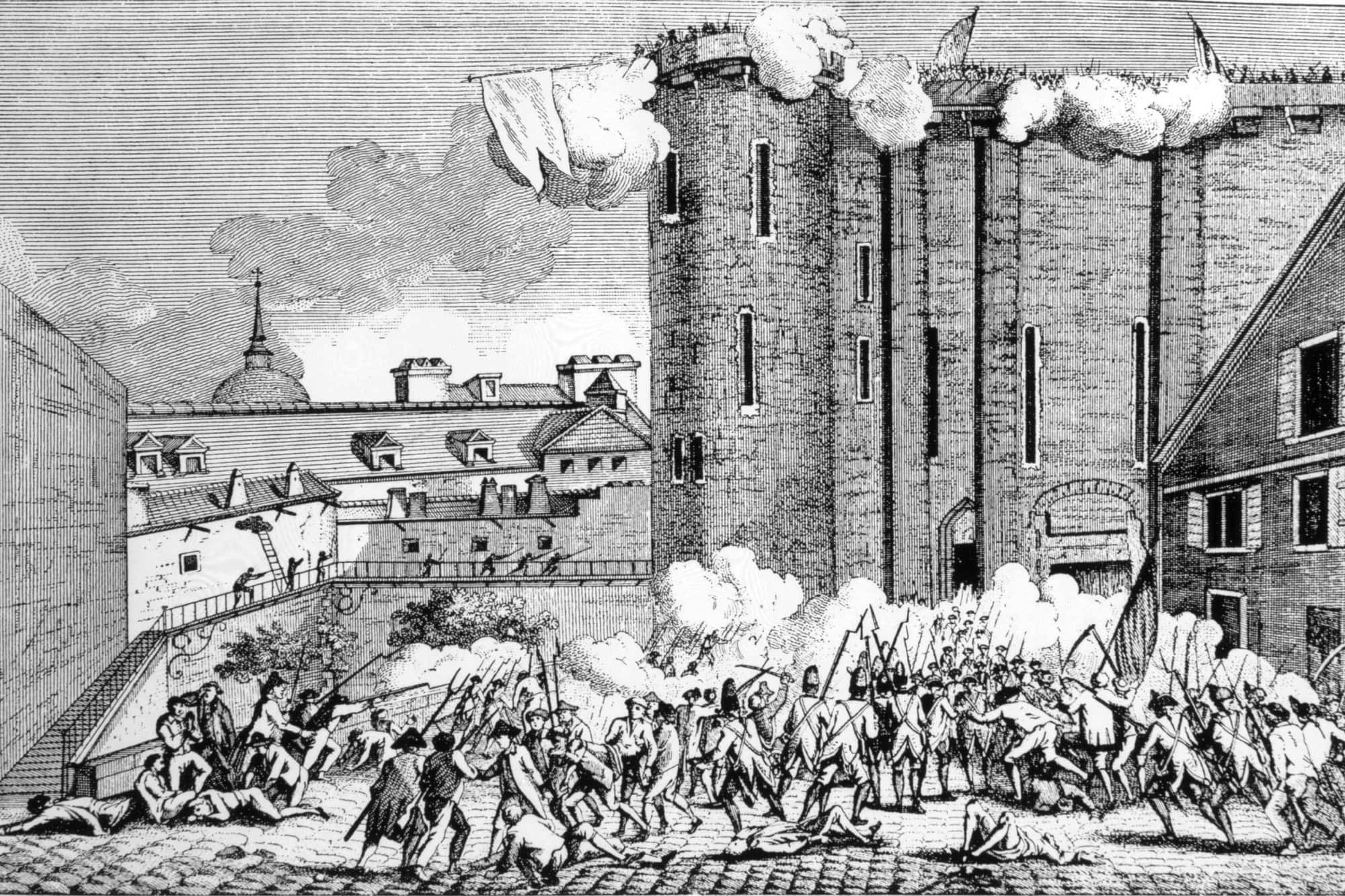
Beyond the fights, salt also kept treasuries full. France had a tax called gabelle that began in the 14th century, but became deeply unpopular by the 1700s. This was mostly because rates weren’t the same everywhere. Smuggling became the norm to deal with this.
When the French Revolution began, one of the first things that officials scrapped in 1790 was the salt tax. It did come back under Napoleon in 1806 & continued to hang around in one form or another. However, it finally disappeared for good in 1946.
China and Japan

Salt was even more important in China. The government set up a monopoly as early as 81 BCE, which was when the famous “Discourses on Salt and Iron” began. What did they talk about? Well, whether the state should control industries like salt. The monopoly stuck.
Over the centuries, especially between 1000 & 1800, salt revenues became one of the biggest income sources for dynasties in China.
Japan went the same way, although not until much later. In 1905, Japan was suffering from the financial costs of the Russo-Japanese War & the government created a salt monopoly to deal with this. That system lasted through most of the 20th century & was finally dismantled in the late 1990s.
When salt policy set off revolts

In some cases, taxes on salt pushed people over the edge.
In 1648, the Salt Riot began in Moscow after the government slapped a new tax on the population. The people weren’t happy. Their anger soon turned into street violence, where officials were attacked & buildings burned. The tsar’s adviser Boris Morozov had to flee, too, although he returned later.
Gandhi’s Salt March

Let’s go forward a few centuries to India in 1930. Gandhi’s Salt March is one of the most famous acts of rebellion in history. How did it begin? British law said Indians couldn’t make their own salt & they could only buy it under the government monopoly.
To fight this, Gandhi peacefully marched 240 miles to the coast with followers. He picked up a pinch of salt at Dandi. This then led to mass protests across the country, with tens of thousands of protesters being arrested. But the campaign forced the British to negotiate with him the next year.
Salt smuggling, loopholes & long-lasting impact

Wherever there were salt taxes, there was also smuggling.
In France, price differences from region to region led to black markets thriving, while in China, there were constant disputes & reforms over salt. And that’s even though the salt monopoly filled government coffers. It also led to Japan’s monopoly surviving most of the 20th century before free trade.
In each case, salt policy went far beyond food flavoring.
Sources: Please see here for a complete listing of all sources that were consulted in the preparation of this article.
Like our content? Be sure to follow us.


