

A full night’s sleep wasn’t always simple. In fact, people had a different routine a few hundred years ago, where they’d go to sleep shortly after dark. They’d then wake up for a bit in the middle of the night & head back to bed until sunrise. But why did they do this? Let’s find out what happened.
Featured Image Credit: Shutterstock.
Key takeaways
Here’s what you’ll learn:
- What the two-sleep routine looked like in daily life
- What people usually did when they woke up at midnight
- How common this habit was across different places
- What encouraged everyone to have one long stretch of sleep
What “first” and “second sleep” looked like
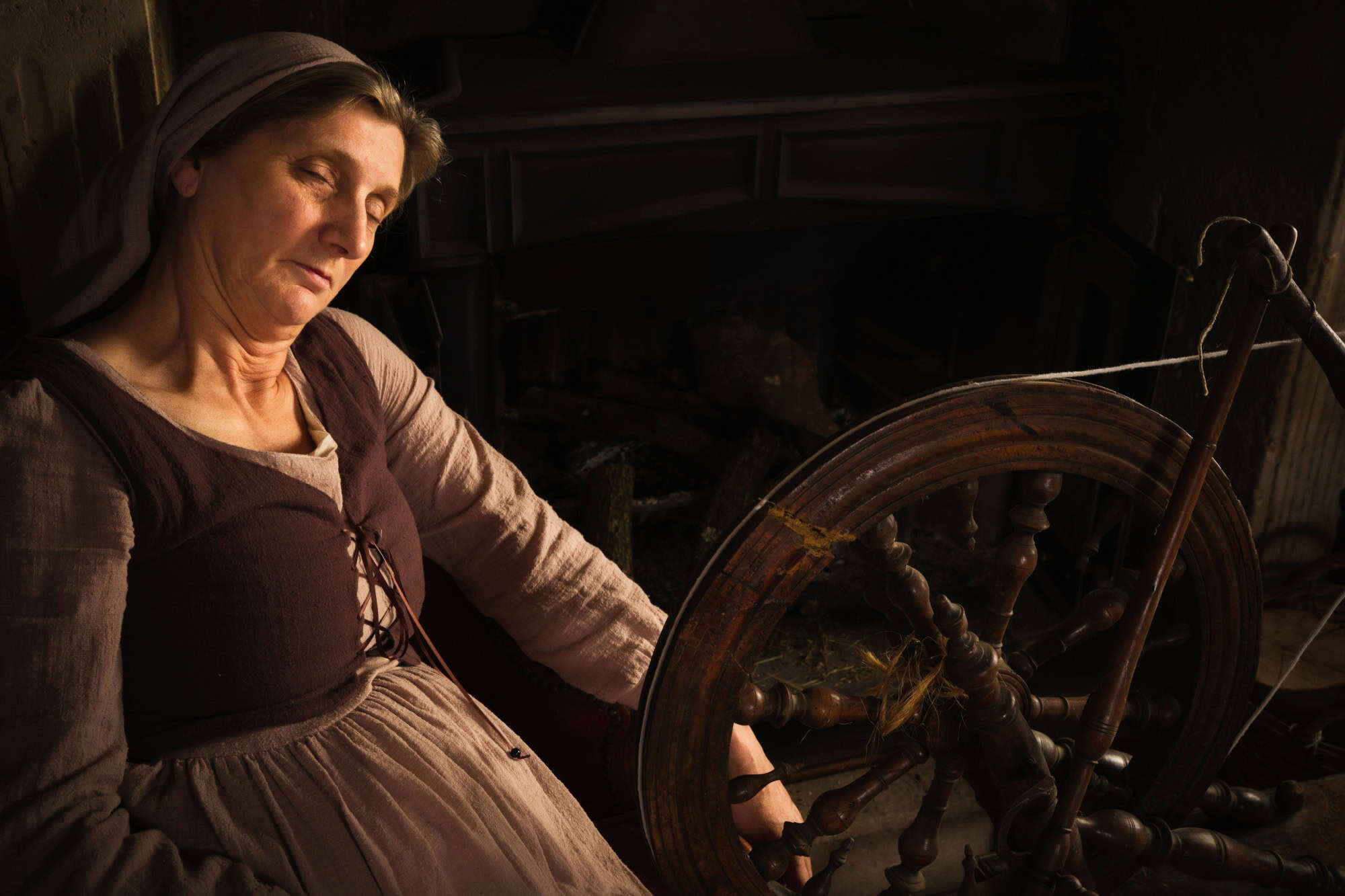
People in pre-industrial towns used to wind down early. In northern Europe, darkness could last fourteen hours or more. Anyone who tried to go to bed shortly after sunset would be lying there for ages if they tried to sleep right through. Breaking it up into two chunks fit better.
As such, most families crawled into bed not long after supper to sleep for a few hours. They’d then wake up somewhere around midnight, give or take, and stay up for a short stretch.
Eventually, they drifted back off until dawn. It was something that happened naturally & regularly. This two-shift sleep happened all over the world, including England, France, parts of Germany & then across the Atlantic in colonial America.
How “first sleep” & “second sleep” show up across time

The terms “first sleep” and “second sleep” were completely normalized in the past. The earliest written mention of these appears in late medieval Europe, in both normal household records & casual writing.
The terms were also relatively common in the 1600s & 1700s. One of the most obvious examples is in Old Bailey court cases from London, including a 1769 case where a witness described hearing a disturbance “after my first sleep.” A few years later, a woman testified that she waited “till he has had his first sleep” before waking her husband. Clearly, it was a well-understood term.
What people did during the midnight wake

However, the middle-of-the-night break wasn’t special. It was just a quiet time. Some people would poke the fire & stretch their legs, while others might have a conversation or slip outside to check the animals. There were also those who prayed and those who did a bit of reading, if they had light.
Some couples also used that time to be intimate, mostly because they had already had some rest & the house was still. They’d sleep for a few hours & wake when their bodies naturally stirred. Then they’d do a few things and head back under the covers. It wasn’t forced, and nobody needed an alarm.
How daily life fit around it
The midnight gap fit into routines pretty smoothly. After all, the fires needed tending during long, cold nights & babies needed checking, so this break was the perfect time to do so. Some people even squeezed in chores that worked best when the house was still. Rather than being extra time, this break fit into regular schedules.
Why the pattern disappeared
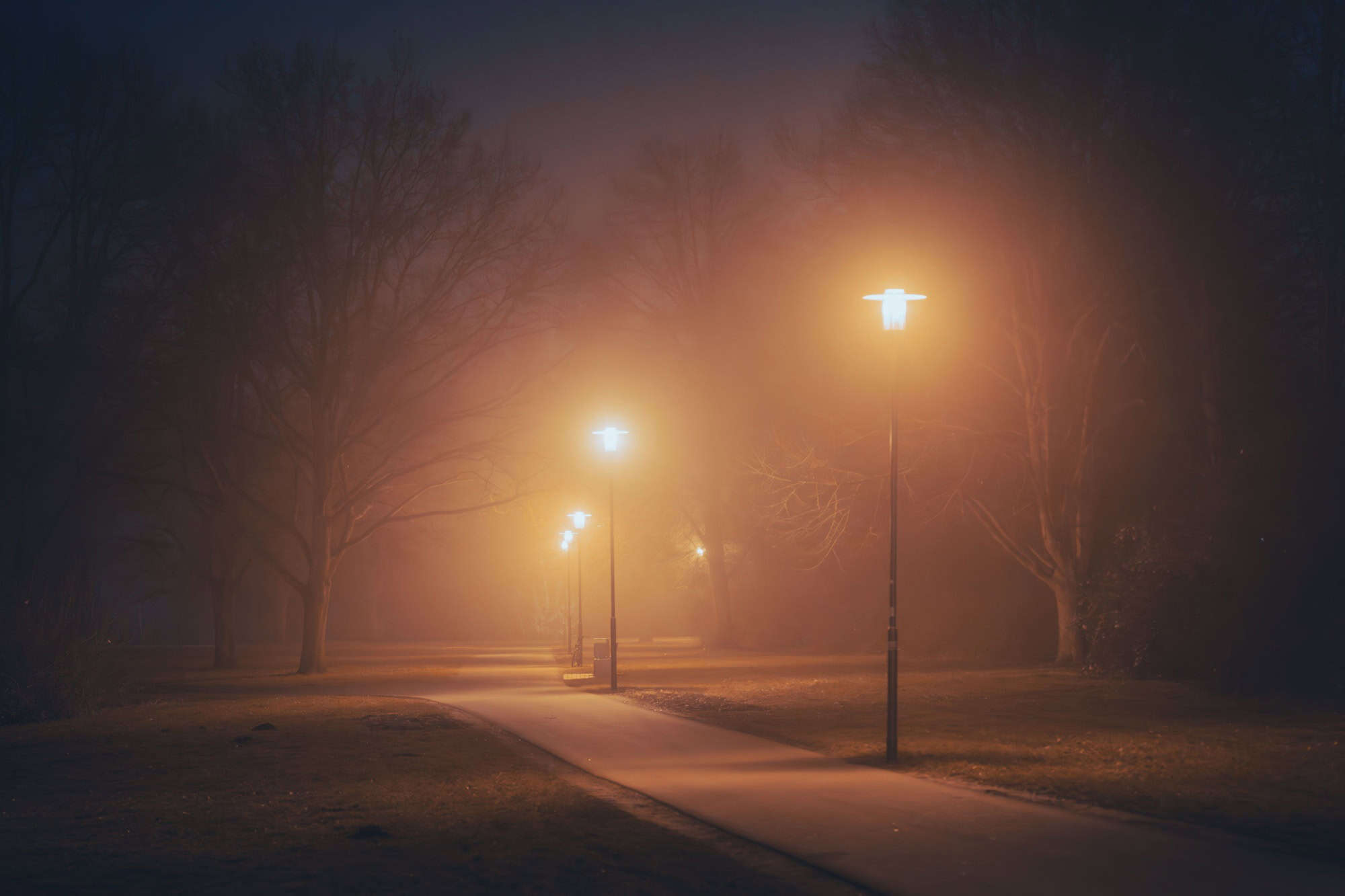
So what happened? It mostly changed because nights got brighter & busier, thanks to the arrival of street lamps. Homes also got better lighting, and people started staying up later. Our social lives began stretching into the evening as we spent time watching plays or visiting taverns, leading to bedtime creeping forward.
Once people began sleeping closer to midnight, the natural break didn’t work anymore. It eventually disappeared entirely because we could now finish everything we needed to do before bed, then sleep all the way through the night.
What long nights can do to sleep rhythm

Spending a lot of time in darkness, like in deep winter, can cause your body to fall into a two-stage sleep pattern on its own. Being in the dark for 14 hours doesn’t mean your brain stays asleep that whole time. No, you often sleep & wake for a while, then sleep again. You may not remember it, as you’re usually in a dream-like state when you wake up. But it’s true, and numerous sleep experiments have been able to verify this.
A note on scholarly debate

Not every historian agrees on the two-sleep pattern, as there are questions about how common this pattern was. To some, it was widespread, while others think it might’ve been more regional or seasonal.
But the basic fact remains. Lots of documented evidence shows that people divided their sleep into two chunks for a long time. How often & exactly how it looked probably varied, yet it did exist.
Sources: Please see here for a complete listing of all sources that were consulted in the preparation of this article.
Like our content? Be sure to follow us.


