

Anyone who has ever had a pet probably doesn’t need a scientist to tell them they make life better. But it’s true. Research shows that having a pet could genuinely help you to live longer & stay healthier, with several big studies showing surprisingly consistent results.
But how? And why? Let’s find out the truth.
Featured Image Credit: Shutterstock.
Key takeaways
Here’s what you’ll learn:
- How and why exactly pets help you live a longer life
- How heart patients with pets fared after major health scares
- Experiments showing the changes in blood pressure when pets are involved
- What reviews say about pets & mental health
Survival and all-cause mortality

The biggest pooled study on this topic came from the Circulation journal in 2019. Researchers pulled together results from ten separate studies, which covered just under 3.9 million people. They studied people for about a decade. On average, the people who owned dogs were 24% less likely to die from any cause compared to people who didn’t.
They looked a little closer at people who’d already had serious heart problems. With this group, the difference became even bigger. Dog owners’ risk of death dropped by more than half, and with deaths specifically tied to cardiovascular disease, the overall drop across the studies was about 31%. That has to mean something.
A nationwide registry of 3.4 million adults

A similar study took place in Sweden. This country keeps rather meticulous health records, and that’s what makes it a good place to start for this kind of research. In one nationwide study, scientists followed over 3.4 million adults for up to twelve years to find a connection between dog ownership and health using mortality data. They found one.
Among people living alone, dog owners had a 33% lower risk of dying from any cause & a 36% lower risk of dying from heart disease compared to non-owners. They did find similar numbers among pet owners living with other people, although these differences were smaller. It’s not proof of causation, but it’s hard to ignore data collected at that scale.
A different, long-term U.S. study looked at cats & cardiovascular deaths, using data from a national health survey that tracked people for years. What they found was that cat owners were less likely to die from heart attacks or heart disease. Interestingly, the numbers held up even after accounting for things like smoking & age.
After a heart attack or stroke
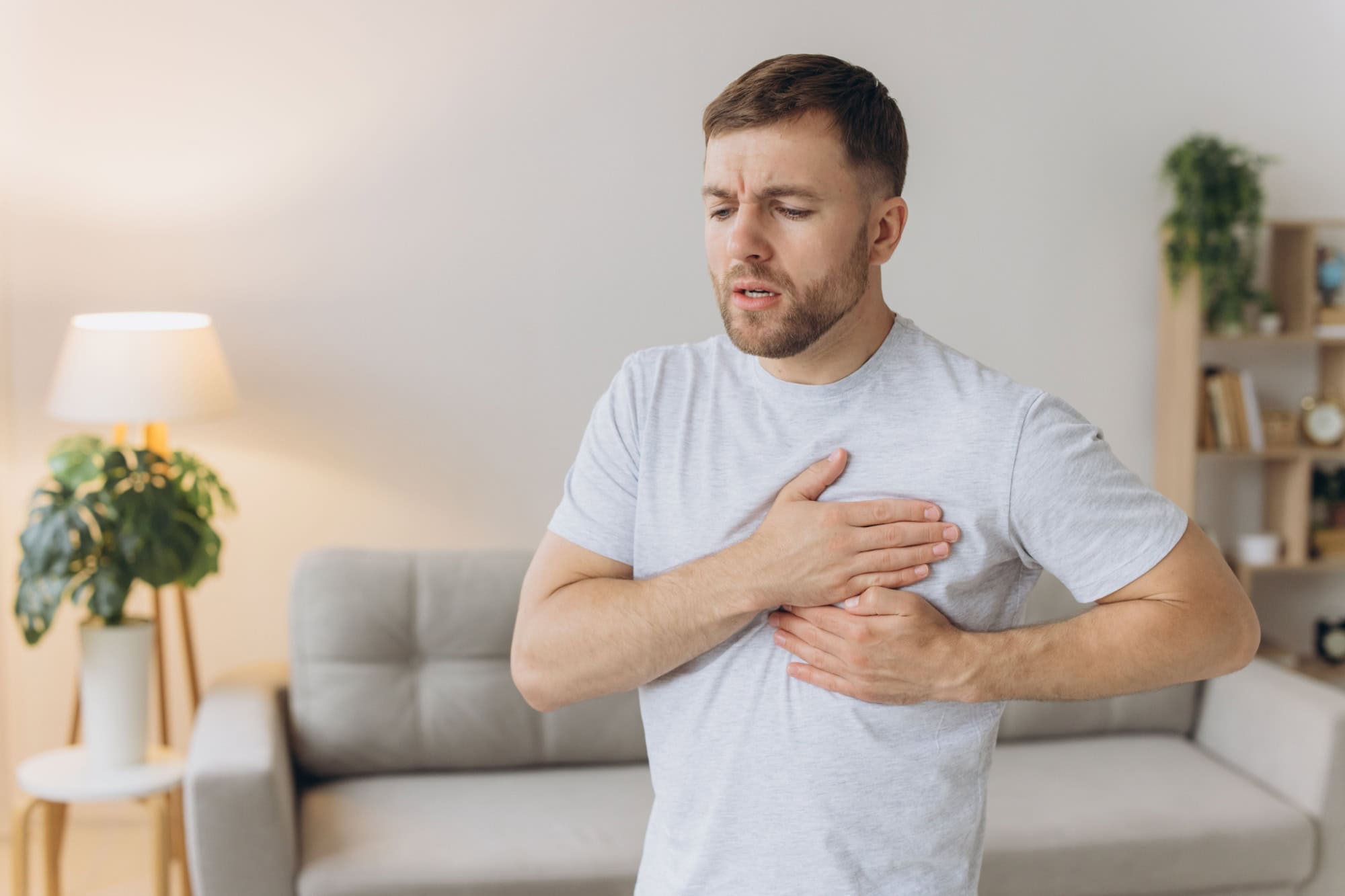
The same Swedish study also looked at medical records from over 180,000 heart attack survivors & about 155,000 stroke patients. They then tracked who had dogs and who didn’t.
What did they find? Well, heart attack patients living alone with a dog had about a 33% lower risk of dying after the event compared to solo patients without dogs. Stroke survivors living alone saw a 27% lower risk. This was true even in households with multiple people, as dog owners came out ahead of those without any dogs.
Classic cardiac survival papers

However, these huge database studies weren’t the first of their kind. Smaller, but rather telling, research had already spotted a pattern in America in the 1980s. A team followed heart patients after discharge from a coronary care unit. A year later, they found that pet owners were more likely to be alive than those who didn’t have animals.
Another group did a similar experiment in the 1990s, and they found nearly identical results in people recovering from heart attacks. Dog ownership was one of the survival factors. Unfortunately, it’s not exactly clear why this could be, but it may have something to do with the effect on blood pressure.
Blood pressure and stress responses in controlled experiments

Other experiments were more low-key and focused on blood pressure cuffs & stress tests. In one randomized trial, people with high blood pressure were given medication, and some were also asked to adopt a pet. Both groups showed signs of improvement. However, during stressful tasks, the increase in blood pressure was significantly smaller for pet owners.
A slightly different experiment involved people doing mental math or plunging their hands into ice water. These are standard lab stress tests. Interestingly, people who had their pets nearby not only started with lower resting heart rates, but also recovered faster once the stressful part was over. That’s not exactly shocking news for most pet owners, who know the joy of coming home to a wagging tail after a difficult day.
Daily movement

Of course, a major way that pets help people to live longer & healthier lives is through their demands for exercise. In older adults, studies using step counters found that dog owners walked about 2,700 more steps a day & spent roughly 20 extra minutes moving at a moderate pace compared to similar non-owners. Dog owners simply move more throughout the day & sit for shorter stretches. Clearly, all those daily walks do add up.
Hormones and biomarker changes during human–animal interaction

But health involves more than your physical well-being, and your mental health is very important, too. A 2003 study involved scientists measuring hormone levels before & after people spent some time with their dogs, and the results were rather interesting.
They found that levels of oxytocin, dopamine & beta-endorphins were higher in both the human participants and the dogs. These are feel-good chemicals that our body naturally releases. That’s not all, though, as levels of cortisol, the stress hormone, dropped in humans.
One systematic review in BMC Psychiatry collected evidence from people living with different mental health conditions. Generally, they found that companion animals play a supportive role, whether that involves easing loneliness or helping people stick to daily routines.
It seems that having a pet really does improve your life.
Sources: Please see here for a complete listing of all sources that were consulted in the preparation of this article.
Like our content? Be sure to follow us.