

Self-checkout lanes across the country have gone through quite a few changes recently. For example, Target has introduced a lane that limits customers to 10 items or fewer, while California has passed a law that specifies where self-checkouts may be.
Why are they bringing about these changes & why are they so controversial? Time to find out.
What changed in 2024–2025
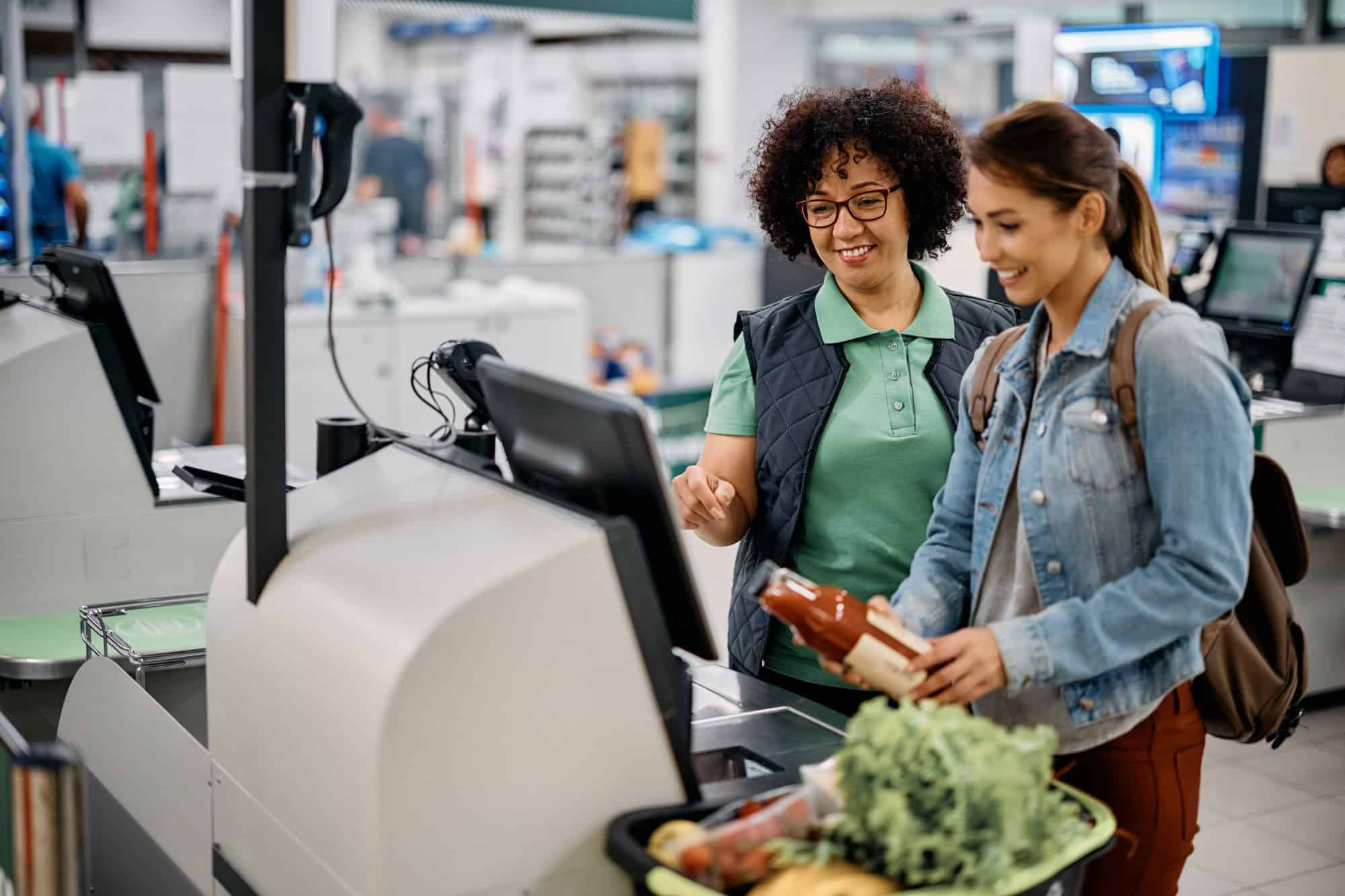
During 2024, retailers began scaling back self-checkout options. They stopped allowing large carts to go through self-checkout, choosing instead to push for bigger purchases in staffed lanes. The changes continued into 2025.
Now, self-checkout is becoming more for smaller baskets only. We’ll learn about why they’re doing so later.
Where limits are clearest right now
One of the biggest changes is with Target. Most of their American stores have “Express Self-Checkout” lanes that are restricted to 10 items or fewer, with the staffed lanes handling larger purchases.
Target began its 10-item cap in 2024. A May 2025 corporate update confirmed that the limits would continue in nearly 2,000 stores across the country.
Member-only & driver-only tests at select Walmart stores

Walmart made some changes, too. A few stores began trialing restrictions on self-checkout lanes, making them only available to Walmart+ members & Spark delivery drivers.
Customers became so concerned that they asked the retailer. Walmart confirmed that these were merely local trials instead of a national rollout.
The cost of self-checkout
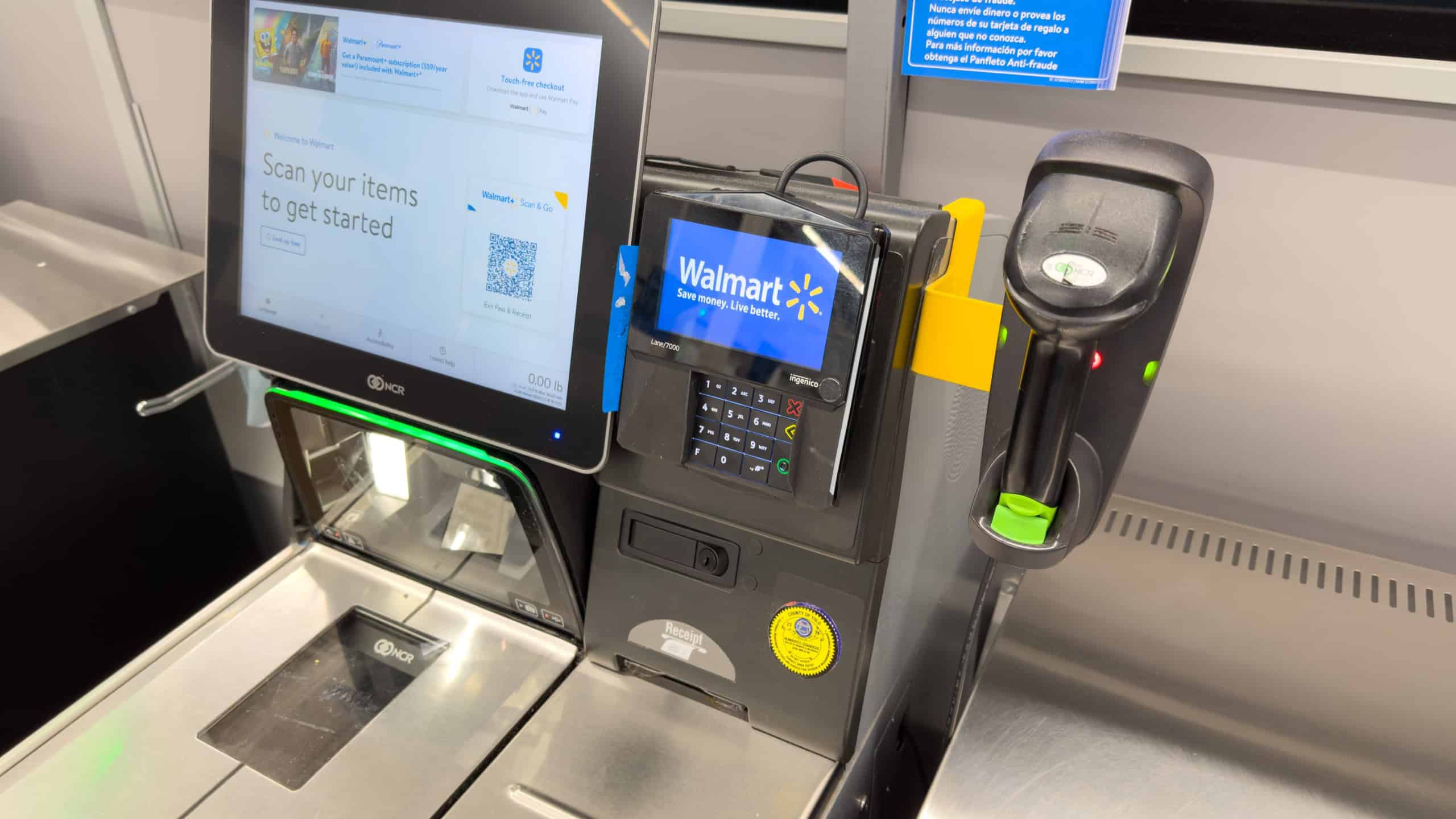
There were rumors that Walmart was going to start charging customers a $98 fee to use self-checkout. The rumors spread like wildfire across social media.
However, the fee is actually the price of a Walmart+ membership, not a self-checkout fee. The membership just includes benefits like Scan & Go, and it isn’t a fee for using self-checkout.
Shorter hours for kiosks in some Target stores
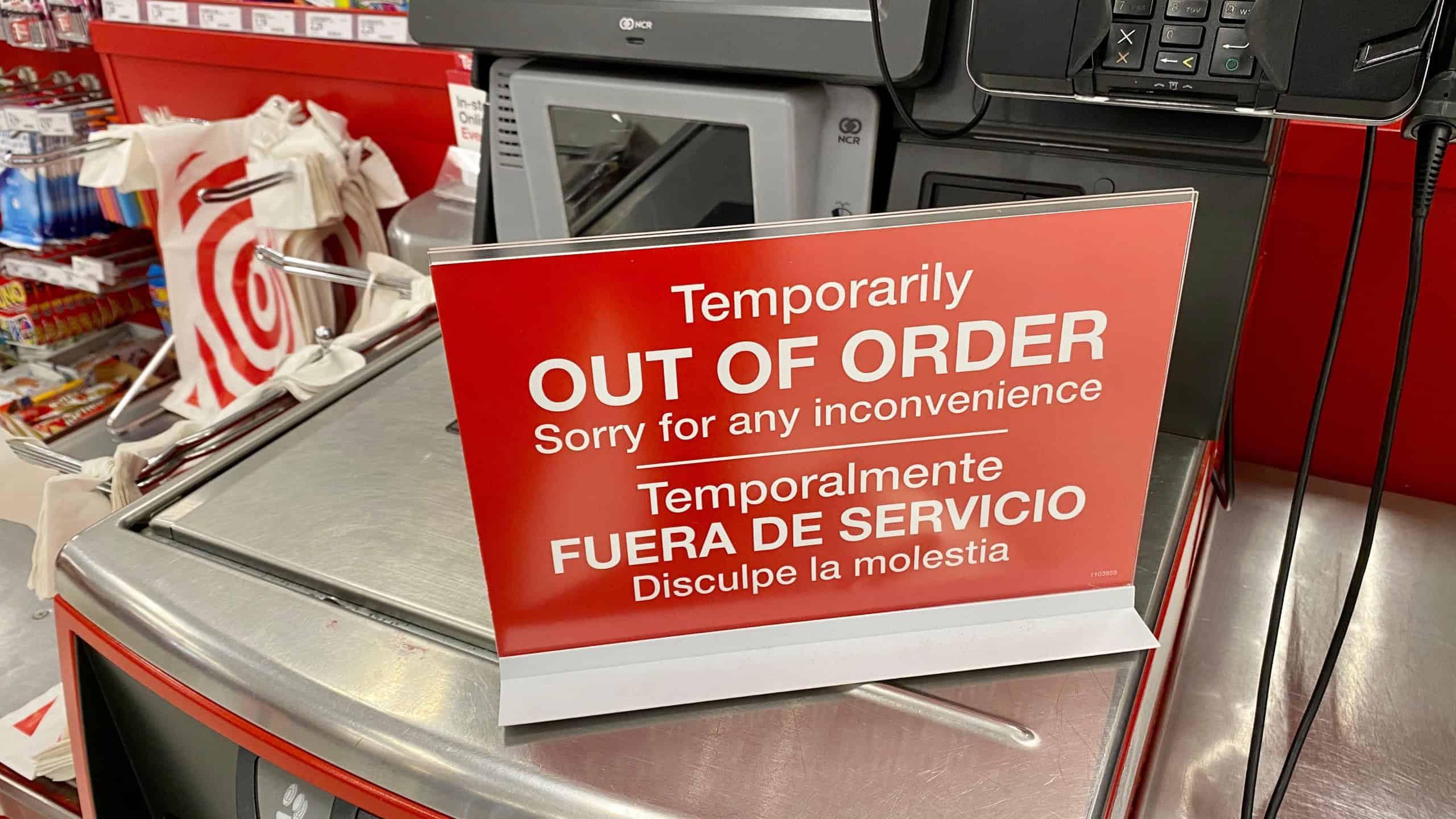
Target changed the rules of when customers could use self-checkout, too. Many stores began closing kiosks at around 8 PM, leaving staffed lanes open until the store closed. A few places refused to switch on the machines before mid-morning.
Why? Apparently, the goal was to keep traffic balanced, which we’ll get into later on.
Discount chain pullbacks
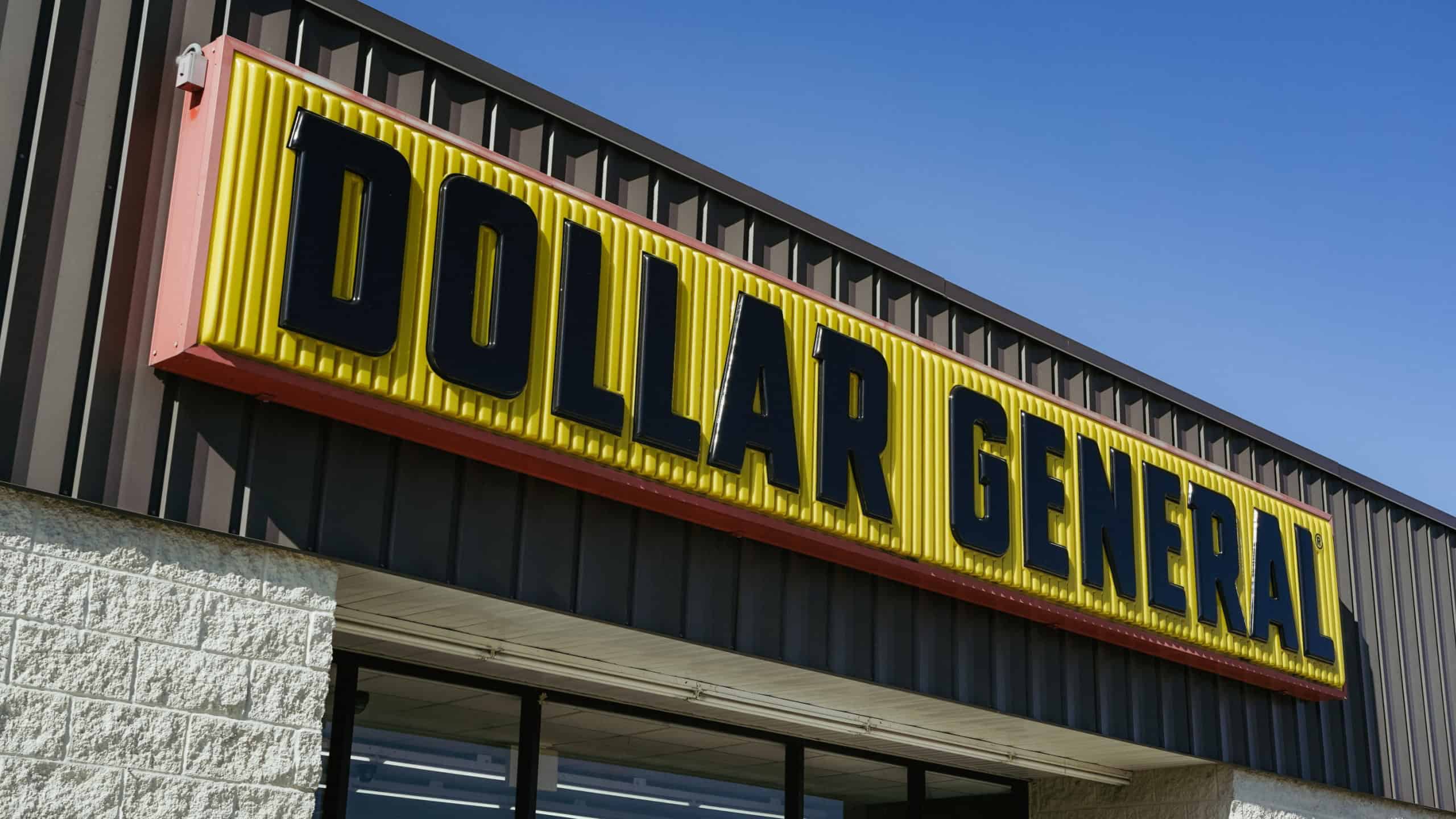
Dollar General had previously spent years adding self-checkout options. But that all changed in 2024.
The chain removed them entirely from around 12,000 stores by late spring, and it was apparently due to executives wanting to bring back more human cashiers. Officials wanted to keep a closer eye on the products & customers.
Why they introduced the limits
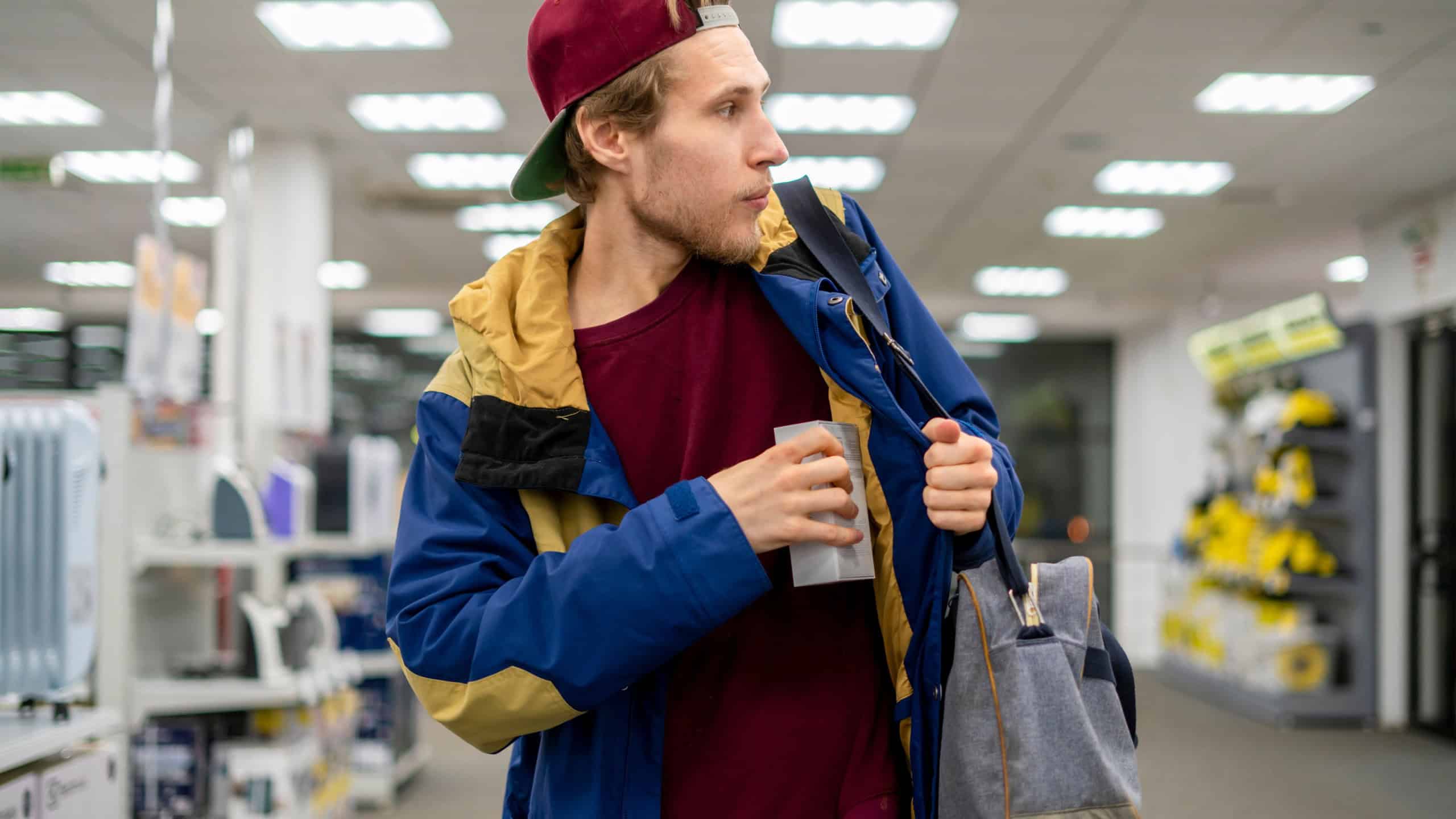
So why did stores even include these limits? One of the major reasons is that they realized they were losing too much merchandise at self-checkouts. Yes, a few customers made mistakes from scanning. But a lot of loss came from theft.
In fact, chains like Five Below have admitted that they pulled machines simply because the loss was too great.
Customer backlash is showing up
But the changes aren’t going down well with shoppers. Many customers have begun complaining that they’re being misrouted since they bring larger baskets but can’t use self-checkout.
They’re also confused over which lane to use. However, that’s not all. Clogged staffed lanes forces checkouts to move more slowly, frustrating customers.
Tech issues cause more frustration

It’s also quite annoying when you’re trying to get through a busy store on a weekend, and then half the self-checkout machines freeze. Most stores rely on a couple of employees to deal with the issues. But there are never enough staff members to verify each ID & reboot each kiosk.
It never happens fast enough. Even a 30-second delay per customer can back everything up.
The root cause of the backlash
However, it seems shoppers were frustrated for other reasons as well. Surveys found that many shoppers felt tired from using self-checkouts because they have to do the work of scanning & wait for the errors to be fixed. Then they might even be stopped for receipt checks.
Shoppers say they want service when they go to stores, not do the work themselves. In the UK, the British chain Boots stated that customer frustration was the main reason for them pulling most self-checkout kiosks.
Failed fixes
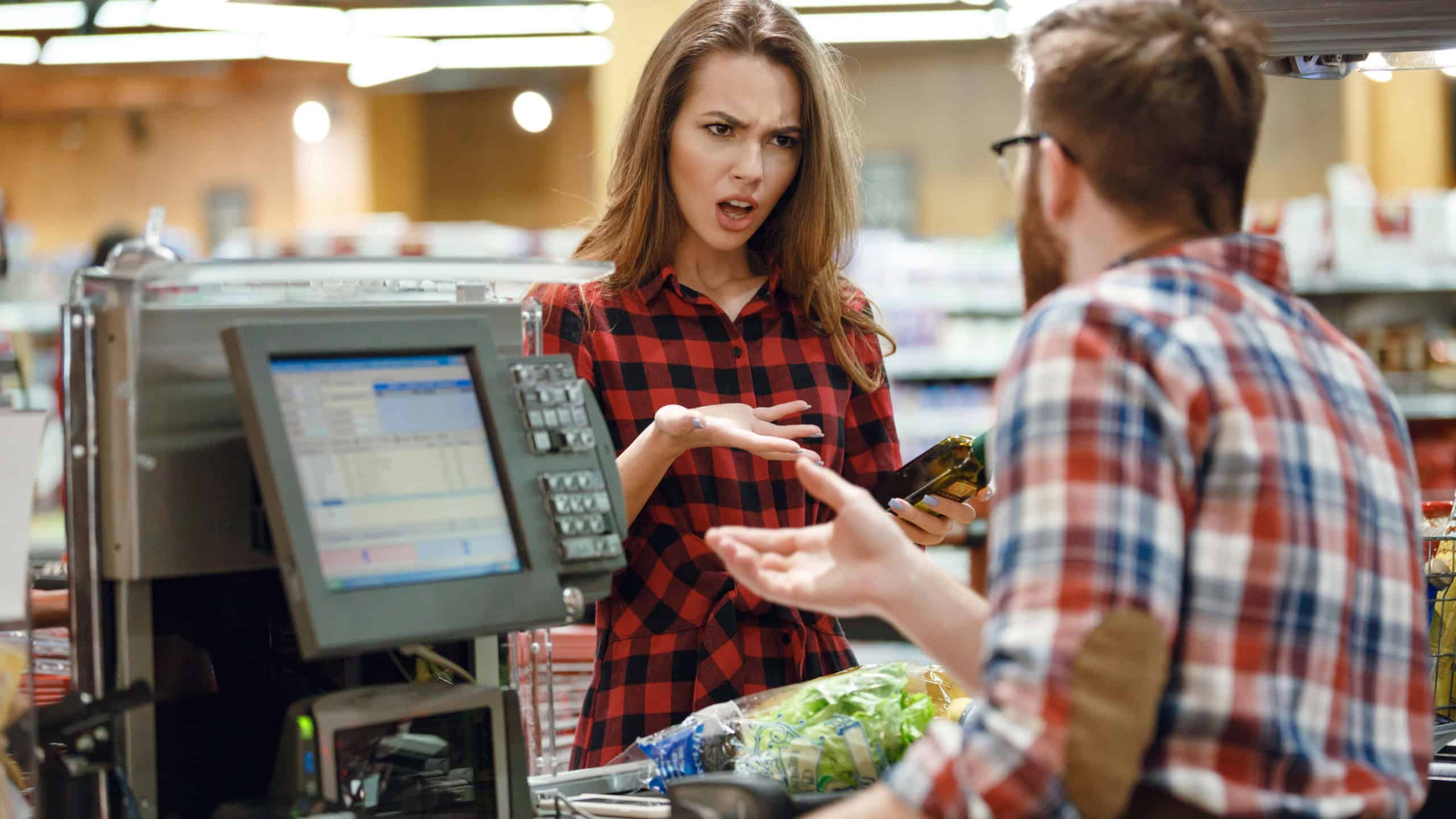
Stores tried to fix their problems with item caps & shorter hours. Yet the backlash grew even more. Many shoppers see these changes as limiting their choices, rather than improving anything. Eventually, these issues made the situation even more heated, leading to severe backlash.
Sources: Please see here for a complete listing of all sources that were consulted in the preparation of this article.


