

Life has a way of getting full for no particular reason. It’s not like something catastrophic happened. Life is full of loose threads that we never tie up: notes, tasks, messages, half-plans. Simple routines to take care of them can help a lot.
These habits require very little effort, but they give your days structure and your mind peace.
I was chatting with a professional organizer friend the other day and they shared with me some little mundane routines that will help you make your life more predictable and organized.
Pick a landing zone for keys, phone, and wallet
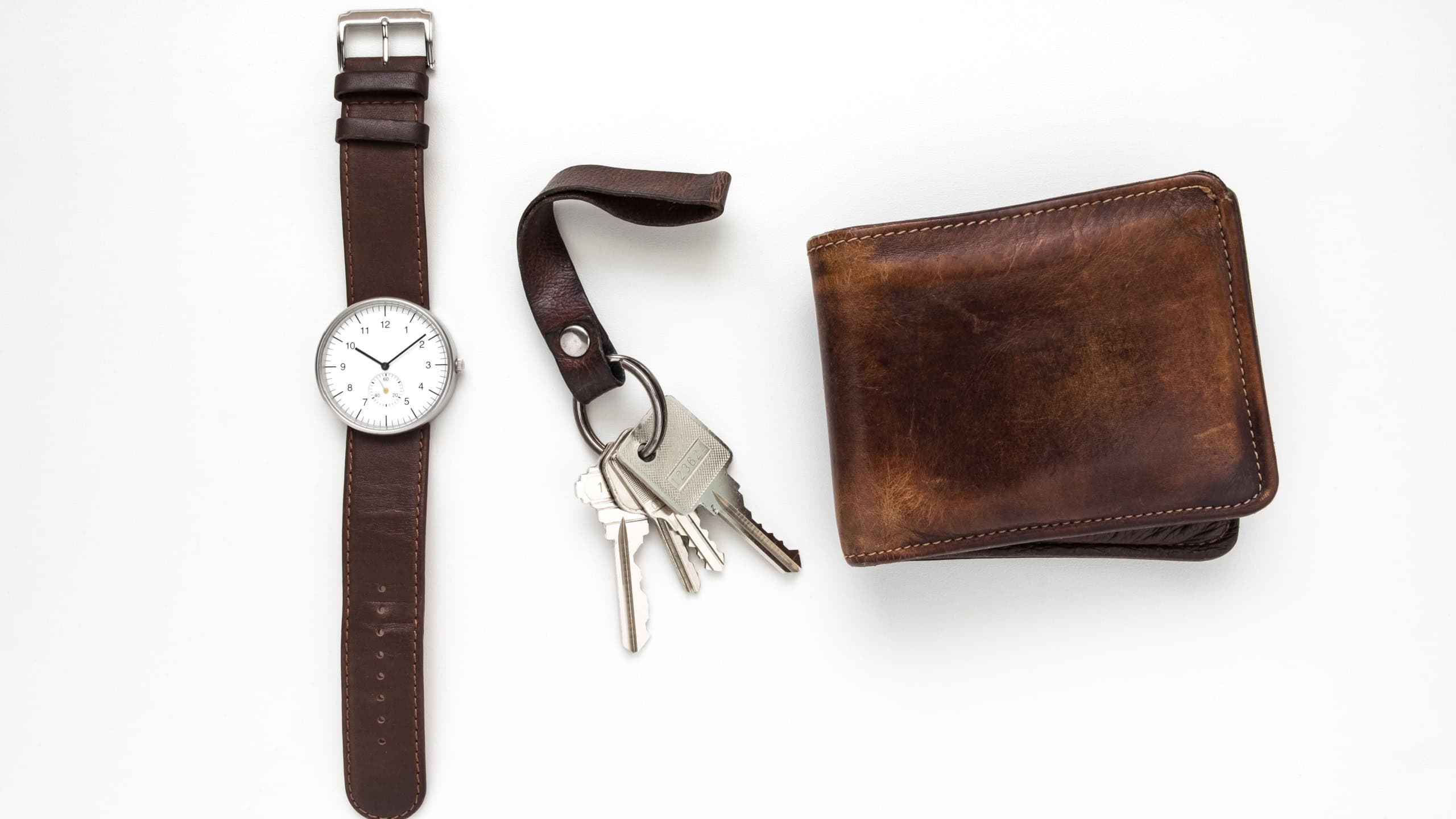
We all lose minutes of our time each week frantically searching for our keys or phone. Eliminate this by having one designated spot for them.
“Okay, hear me out, if you’re one of those people who constantly loses their keys, phone, wallet, whatever, give them a home. A basket, a tray, a box, anything is fine. And put them in there the moment you walk through the door,” suggested my friend during our chat.
Choose one “tomorrow preview” each evening
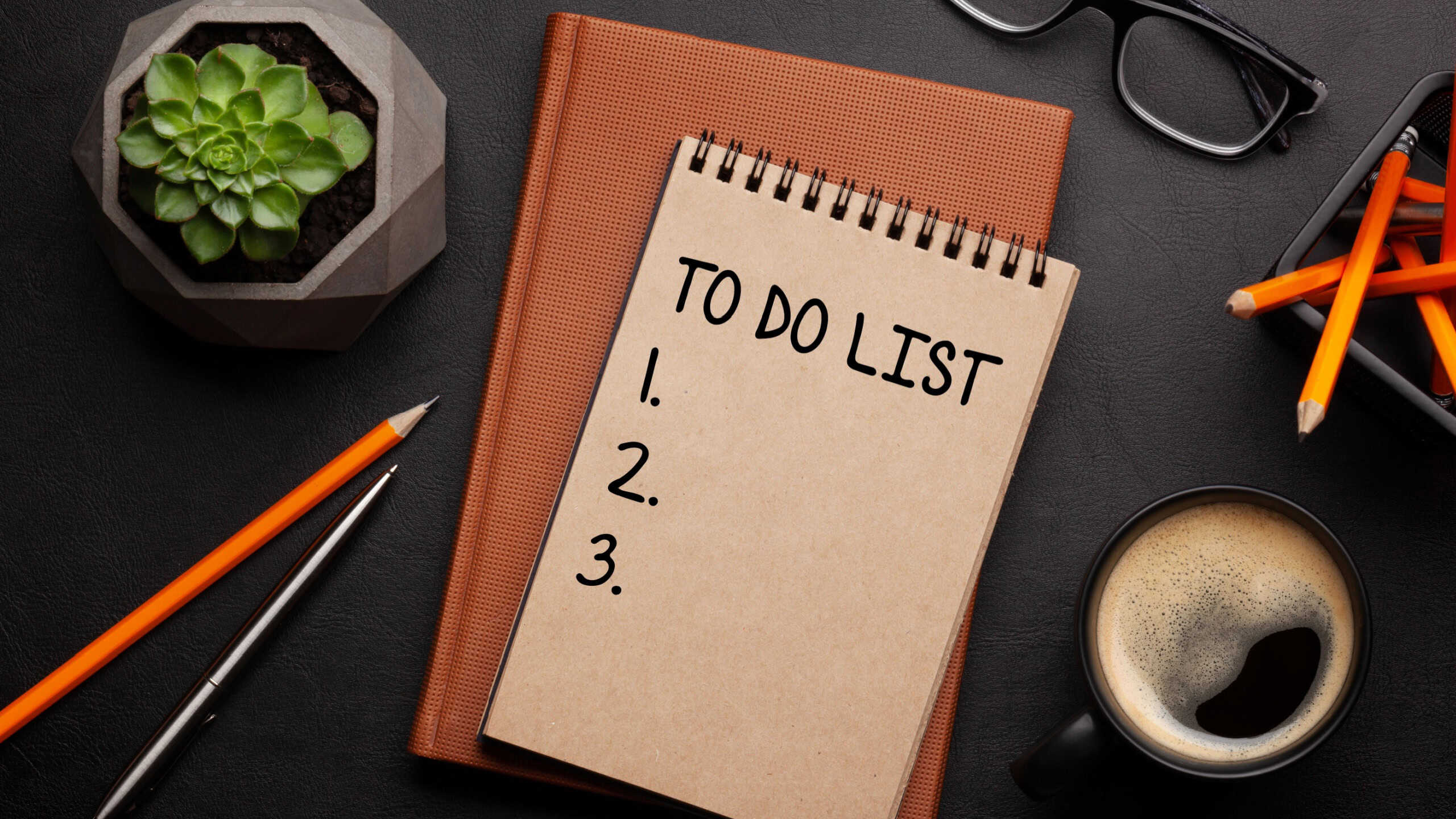
Spending five minutes each night picking out three things to accomplish the next day, with a loose plan of when you’ll do each, gives your brain a simple map to follow. You wake up on day two with a bit of outline of what needs to be done. Studies show planning like this can lower anxiety and improve productivity.
You don’t need to do anything big, either. Checking the indoor plants, replying to an email, and paying a utility bill are all perfectly fine options, as many among us have found.
Weekly reset hour on the same day each week
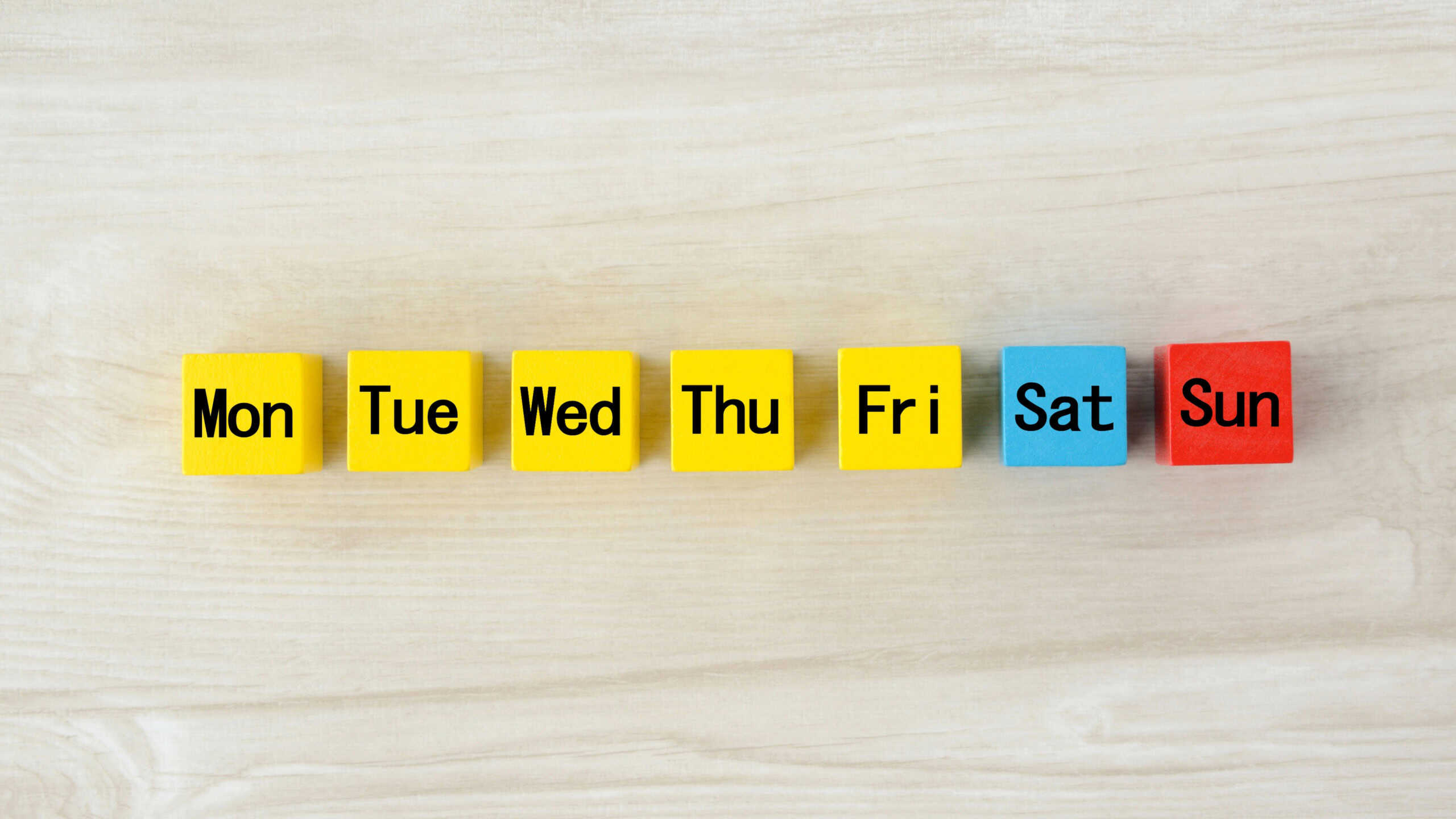
My friend explained how he discovered a tiny reset that has a huge impact. He clears his emails, declutters and goes over his schedule for an hour at the start of each week.
“This is my trick: have a ‘reset hour’ every week, and think of it as a fixed appointment with yourself. Catch up on emails, declutter, and take a good look at your week ahead. It helps me prevent things from getting too out of control and makes it more of a regular maintenance,” he explained.
“One in, one out” rule for stuff coming into your space

If you want your house to stop overflowing, consider this idea my friend shared: whenever you bring something new in, send something old out.
A new sweater? Donate an old one that is taking up space. A new book? Recycle an old one. It’s an easy way to create space and really know what’s important to you.
Quick 2-minute tidy sessions

“Don’t wait for a ‘cleaning day’. Use two minutes when the kettle’s boiling, or you’re waiting for the uber, and clean one small area. Your desk, or your handbag.”
It’s hard to find a whole day sometimes, but those few minutes do help. When you save a few minutes at a time for cleaning tasks you no longer face a weekly crisis.
Night-before clothes and tools setup

Choose your clothes for tomorrow and prepare your bag with any materials you know you’ll need the next day: your bag, papers, keys, water bottle.
Whatever it is, you don’t have to think about it in the morning. It’s ready. Research about night routines confirms that a little pre-bedtime ritual can decrease anxiety and make you feel prepared to start the next day.
Use micro-checks before every major shift of space

“Every time you move from one place to another like from home to work, work to a coffee shop, pause for 30 seconds, grab your belongings, check that you haven’t left anything behind, and you’re ready to go.”
Small stuff has a way of disappearing or getting lost if you don’t pay attention, so a few seconds checking can really help you stay on top of things.
Set an archive hour

“Mark an ‘archive hour’ on your calendar every so often. Use it to clean up old emails, files, and receipts.”
This micro habit helps to keep your digital life as neat and tidy as your office or home.
Lock in next day’s breakfast

Decide (even prep) what you’ll eat for breakfast before bed. Some of my friends and I are already doing this, and it definitely helps mornings go smoother.
You save a small, but significant decision, reduce stress, and start the day with less chaos by simply choosing your options the night before.
Set a monthly clothing rotation check

Once a month, quickly check your closet and set aside anything that’s worn out, not needed, or out of season. Send it to donation, repair, or storage. Only keeping the things you actually use makes getting dressed faster and easier.
Label a landing spot for daily receipts and bills
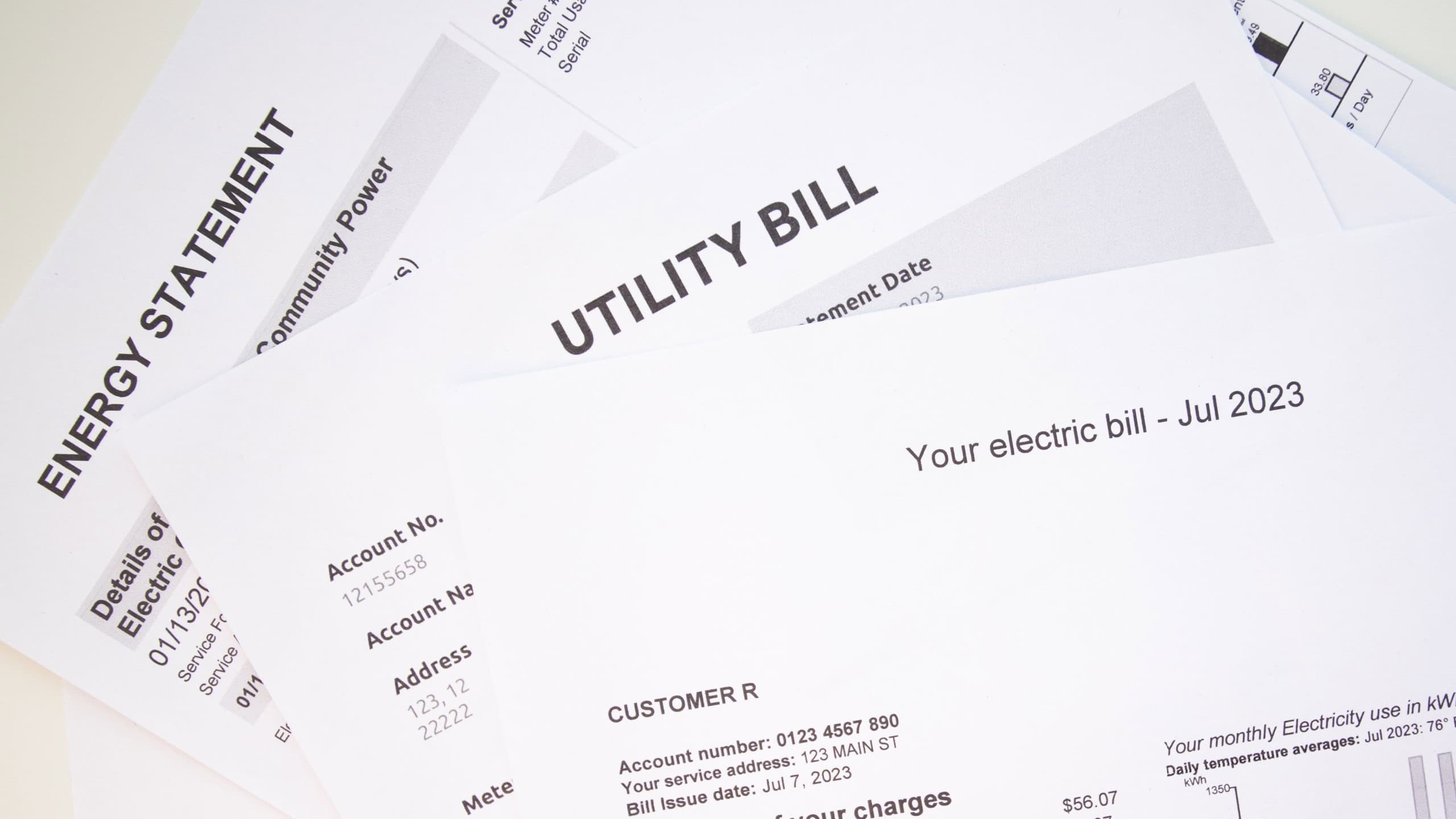
Have you ever stared at a pile of receipts wondering how it got so big? One friend started using a folder for all receipts and bills. At the end of the day, he reviews it and files only what he needs. It cuts down on the paper clutter a lot, he says.


