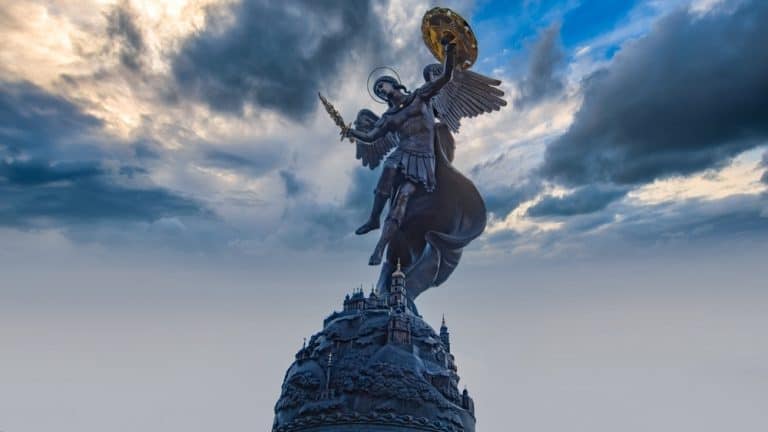

Few angels have inspired as much devotion, art and legend as Michael, whose story stretches from ancient scripture to mysterious shrines scattered across continents.
A surprisingly rare title
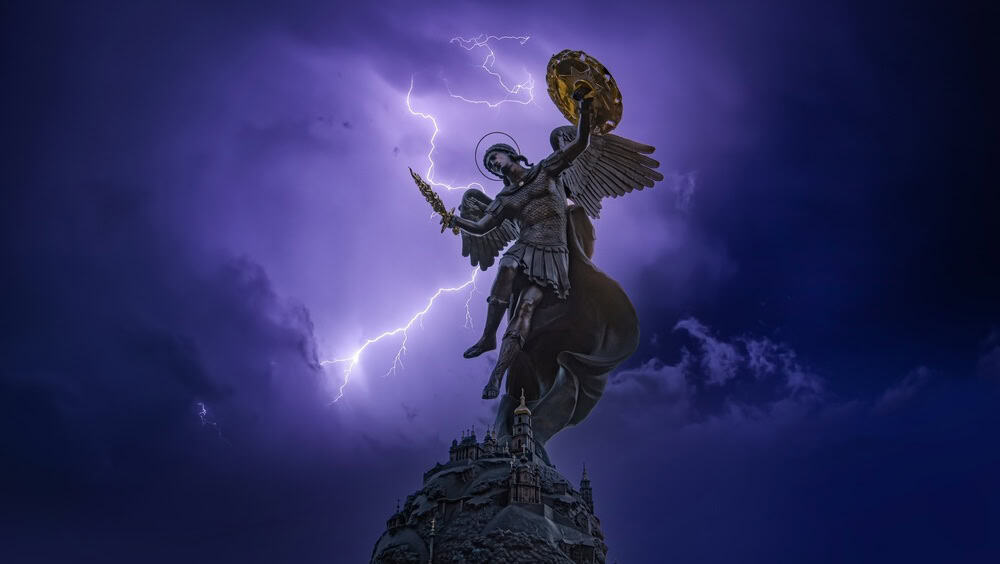
Michael is perhaps Christianity’s most famous angel, yet the Bible uses the term archangel exceedingly rarely.
Jude 1: 9 mentions Michael as “the archangel” who was disputing with the devil, and in the Protestant canon that is the only named individual to whom the title of archangel is applied explicitly.
Subsequent Christian tradition elaborated greatly on ideas of archangels and who they were. Different denominations hold to different lists today. But focusing only on what’s actually in the Bible, Michael is in a class of his own.
A name with a message
Even his name reveals something about how he was perceived. Michael derives from the Hebrew Mikha’el, which translates to “Who is like God?” It sounds like a question, because it is. The traditional understanding has been that the answer is “no one.” Instead of implying that Michael is like God, the name stresses how God is unlike anyone else.
That seems especially appropriate given Michael’s later reputation as a powerful heavenly warrior. However formidable he may have become in theological lore, his name reminds us there’s always something greater than Michael.
A figure shared by three faiths
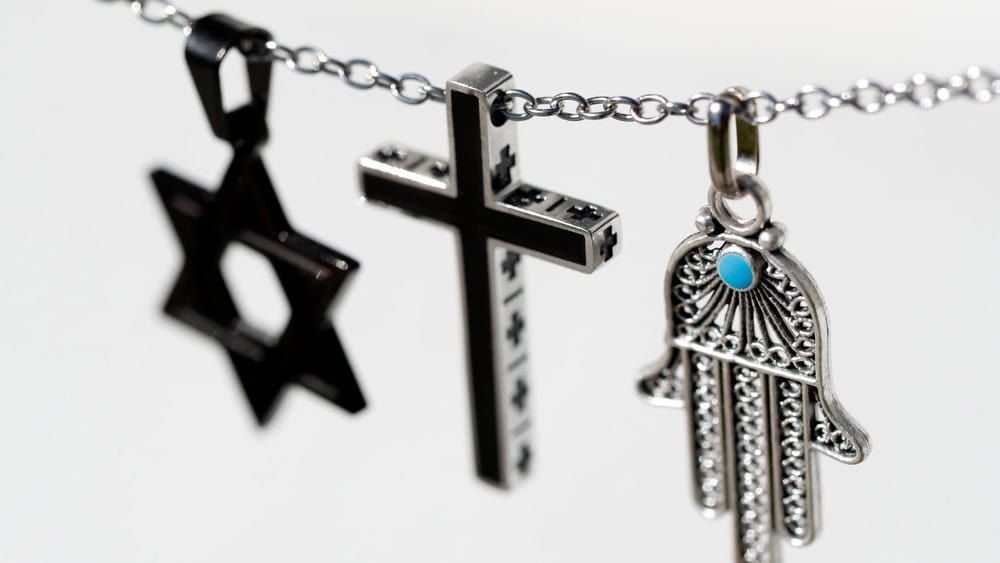
Michael is significant not only in Christianity. He is also found in traditions associated with Judaism, Christianity and Islam. In the Book of Daniel, Michael is referred to as one of the great princes who will stand up for Daniel’s people. This was expanded upon by later Jewish tradition, which sees Michael as a protector of Israel.
He is known particularly in Christianity as an archangel who acts as the great prince to contend against the evil angels. In Islam, Mīkāʾīl (Mikail) is one of the great angels, and he is traditionally attributed with mercy, rain, and provisions or sustenance God gives to creation. Few named angels have been so prevalent in all three Abrahamic religions.
More than a messenger
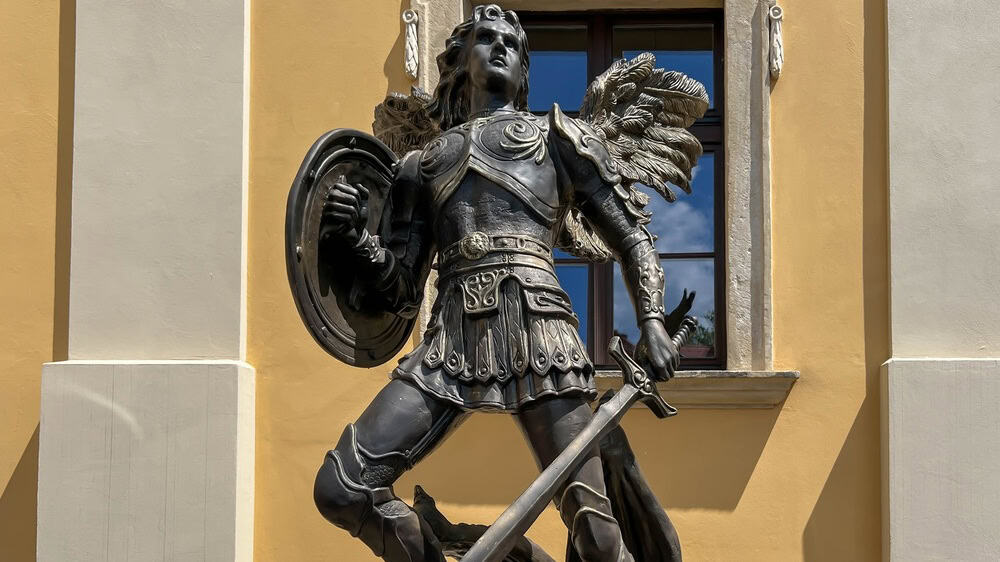
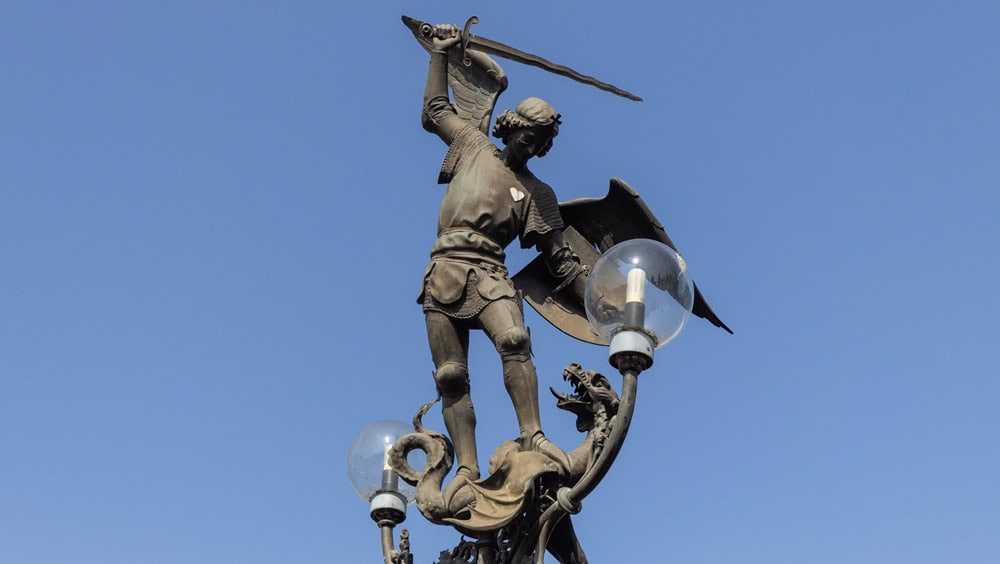
His most dramatic appearance in the Bible is found in Revelation 12. Michael fights a battle in heaven alongside the angels of God against the dragon and his angels. The dragon (identified in the passage with Satan) is vanquished and thrown down from heaven. It is this scene that cemented his image as the commander of heaven’s army.
In Eastern Christianity, Michael is referred to here by the epithet Archistrategos, which means something like “the chief commander”. Millennia of Christian art depicted him clad in military attire, typically bearing a sword or spear and standing over a cowering devil.
The scales beside the sword
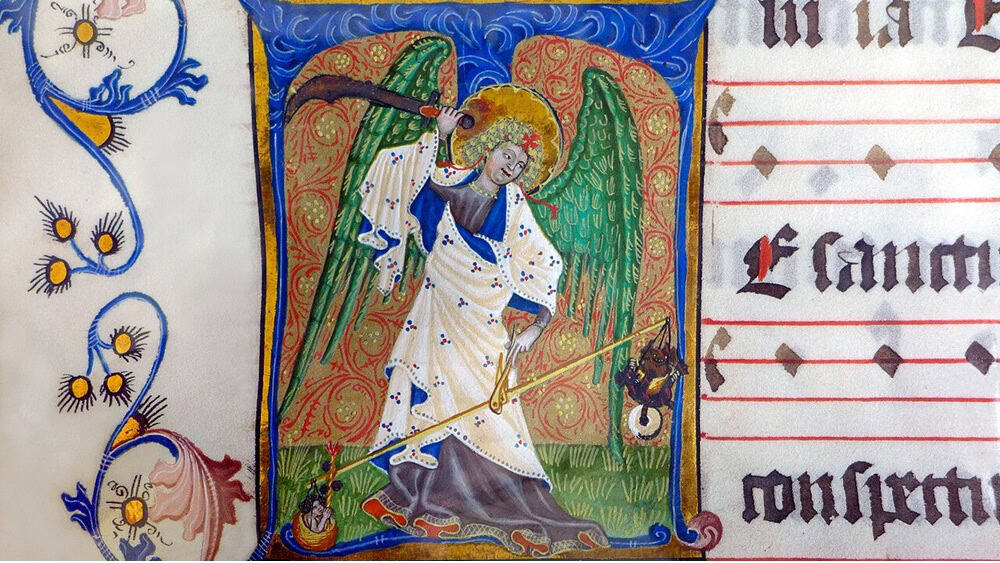
Careful observation of older depictions of Michael will reveal that he is sometimes shown holding a pair of scales. In medieval Western Christianity (and some Eastern Christian depictions as well), he came to represent the weighing of souls at the time of judgement, known as psychostasia.
In some portrayals, the good and bad deeds of the person whose soul is being weighed are placed in the scales, often with demons trying to upset the balance. This aspect of Michael is not based on a specific Biblical passage; it developed through Christian tradition and artwork.
A saint who was never human
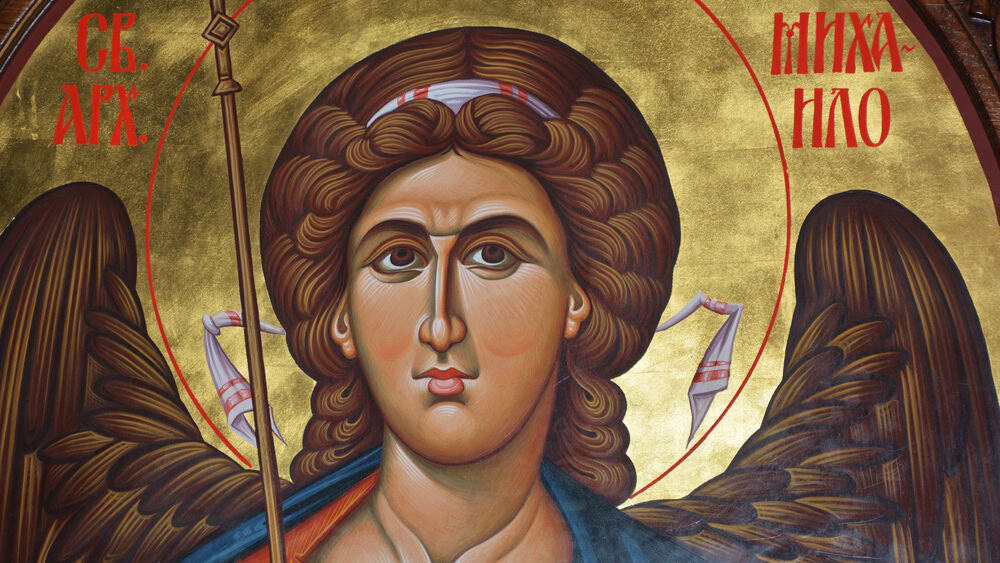
Referring to him as Saint Michael might sound odd when you understand that Michael was never considered by Christians to have existed as a human being. As such, he was not “canonized” in the way that later saints have been through official determination.
Under traditional Christian usage, the word saint can refer to any holy man of God, so angels were also entitled to be called saints. Michael has been venerated as a saint since the early centuries of Christianity, centuries before modern canonization rules were developed.
Protection when danger comes

Michael’s depiction as a heavenly warrior quickly led him to become associated as a patron saint of those whose professions regularly expose them to danger. Soldiers have prayed to him for protection for centuries, and increased devotion spread later to police officers, paratroopers, and other emergency or protective services.
Paramedics and firefighters may also wear or carry Saint Michael medals. This is particularly true in Catholic communities.
The mysterious body of Moses
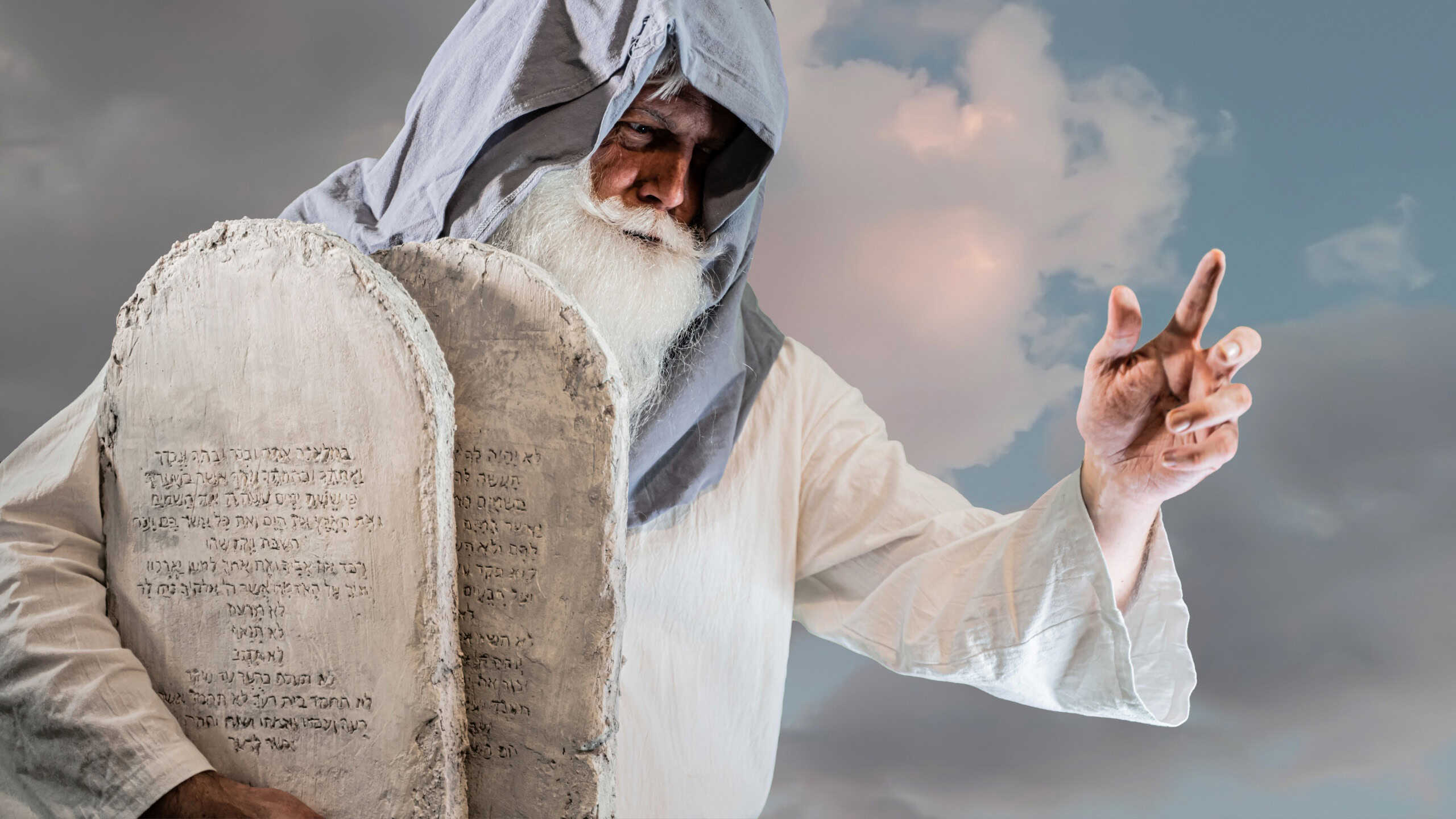
Michael has one of his more unusual appearances crammed into one verse of the Epistle of Jude. Jude 1: 9 records that Michael the archangel contended with the devil about the body of Moses.
No reason is given why Satan wanted Moses’ body or what the exact issue of contention was.
Even more curiously is how Michael handled the situation. Rather than rebuking the devil himself, he declared, “The Lord rebuke you.” This episode likely echoes a much older Jewish tradition later attributed by early Christians to a document called the Assumption of Moses.
The archangel who healed
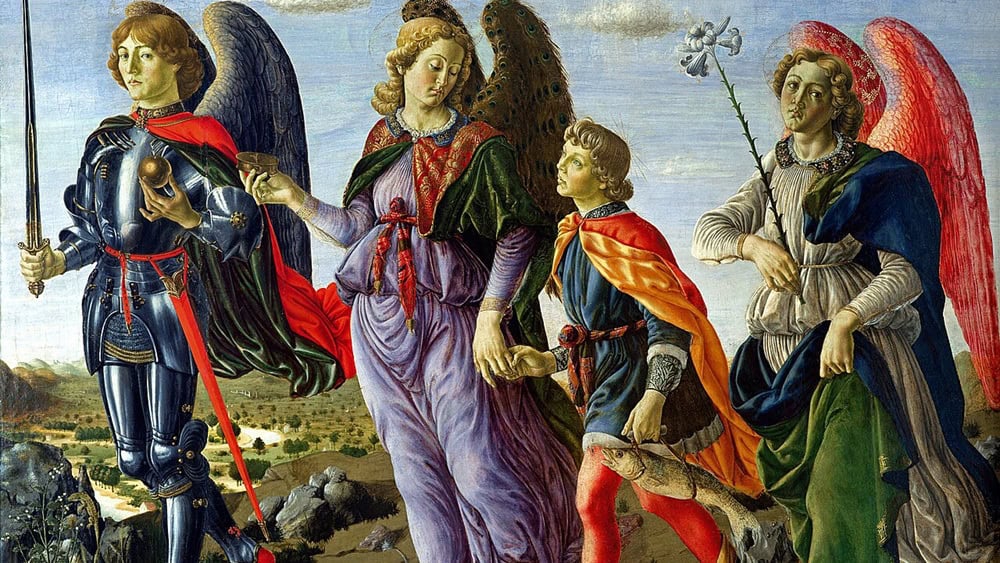
Demons and war in heaven were not his only aspects in early Christianity. In parts of Asia Minor, he gained a strong association with healing. One particular center of devotion near Phrygia (associated with a town named Chonae) told of Michael’s connection with a miraculous spring and healing waters.
Shrines also appeared near Constantinople, and tales of cures associated with him spread through the Byzantine world. This softer, healer image of Michael can seem worlds away from the medieval Western images of the militantly armored angel.
Sources: Please see here for a complete listing of all sources that were consulted in the preparation of this article.
Like our content? Be sure to follow us.
9 false gods of the Bible explained
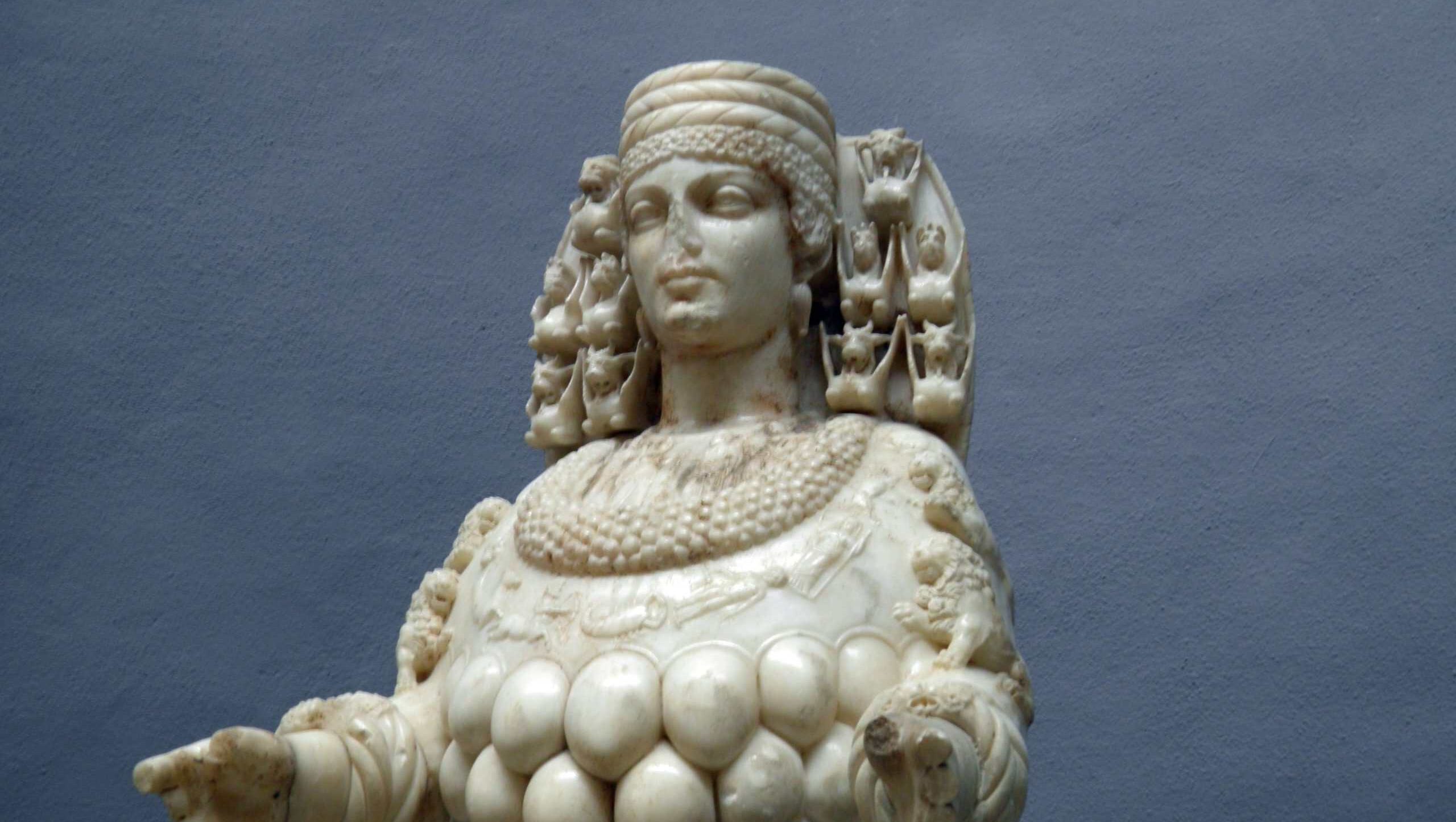
While Baal may be one of the most well-known idols of ancient Israel, there were plenty more which the Bible refers to as false gods.

