
It doesn’t matter how big a military name some people might be, they still have days when they make mistakes, and some of them were so avoidable that it’s hard not to feel annoyed about them.
Douglas Haig
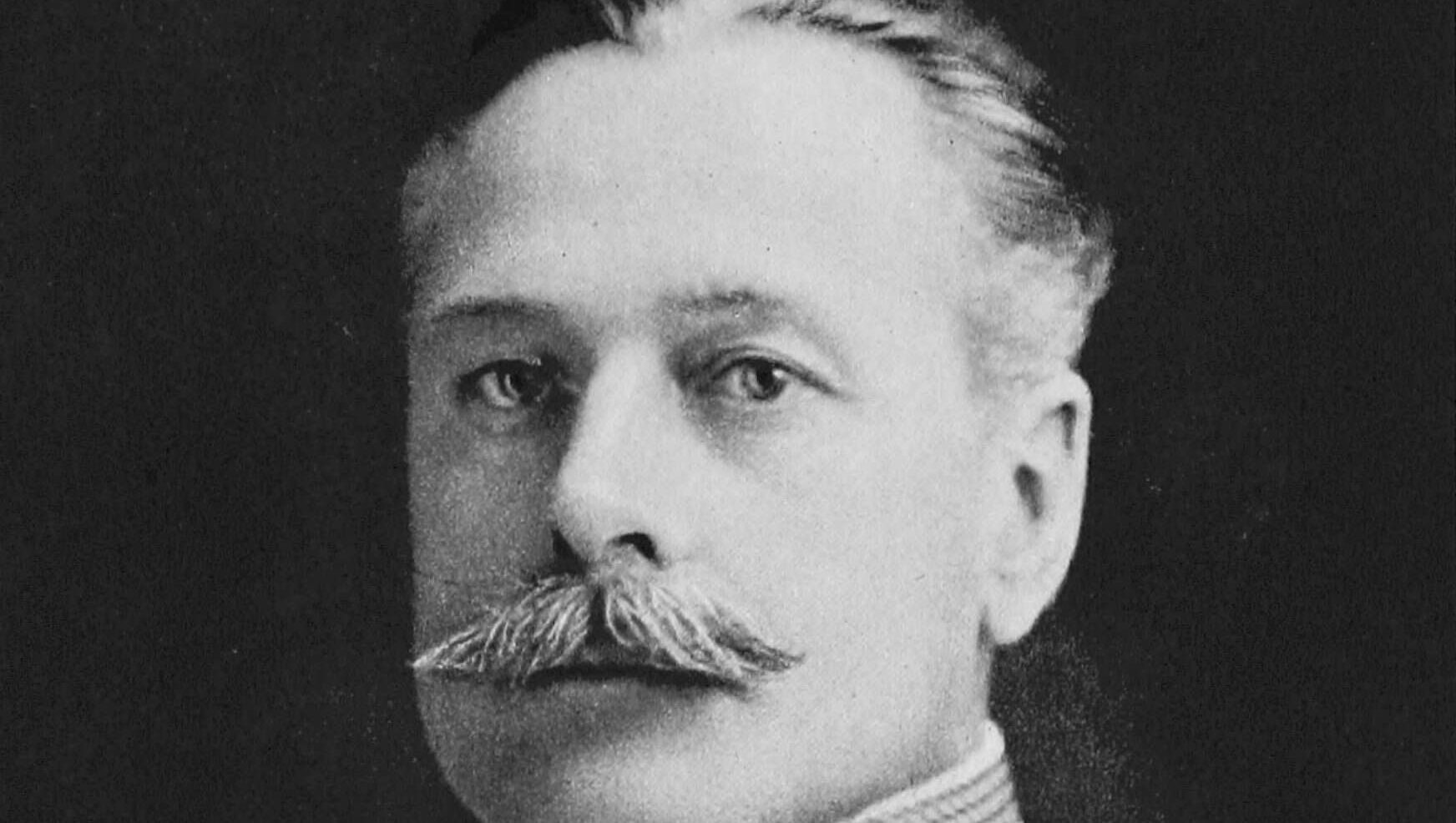
The start of the Battle of the Somme during World War I included numbers the world had never seen before. Around 1.5 million shells were fired over a week before the infantry attack. Douglas Haig of the British Army decided he wanted more, though, and he supported a deeper advance than other commanders.
But Britain didn’t really have enough heavy artillery for all of that. A lot of their shells were shrapnel, and a lot of them failed to explode. German wire and shelters were left standing. On July 1st, fourteen British divisions attacked, and British casualties reached roughly 57,000 in one day. An incomplete bombardment was a complete disaster, it seems.
Napoleon Bonaparte
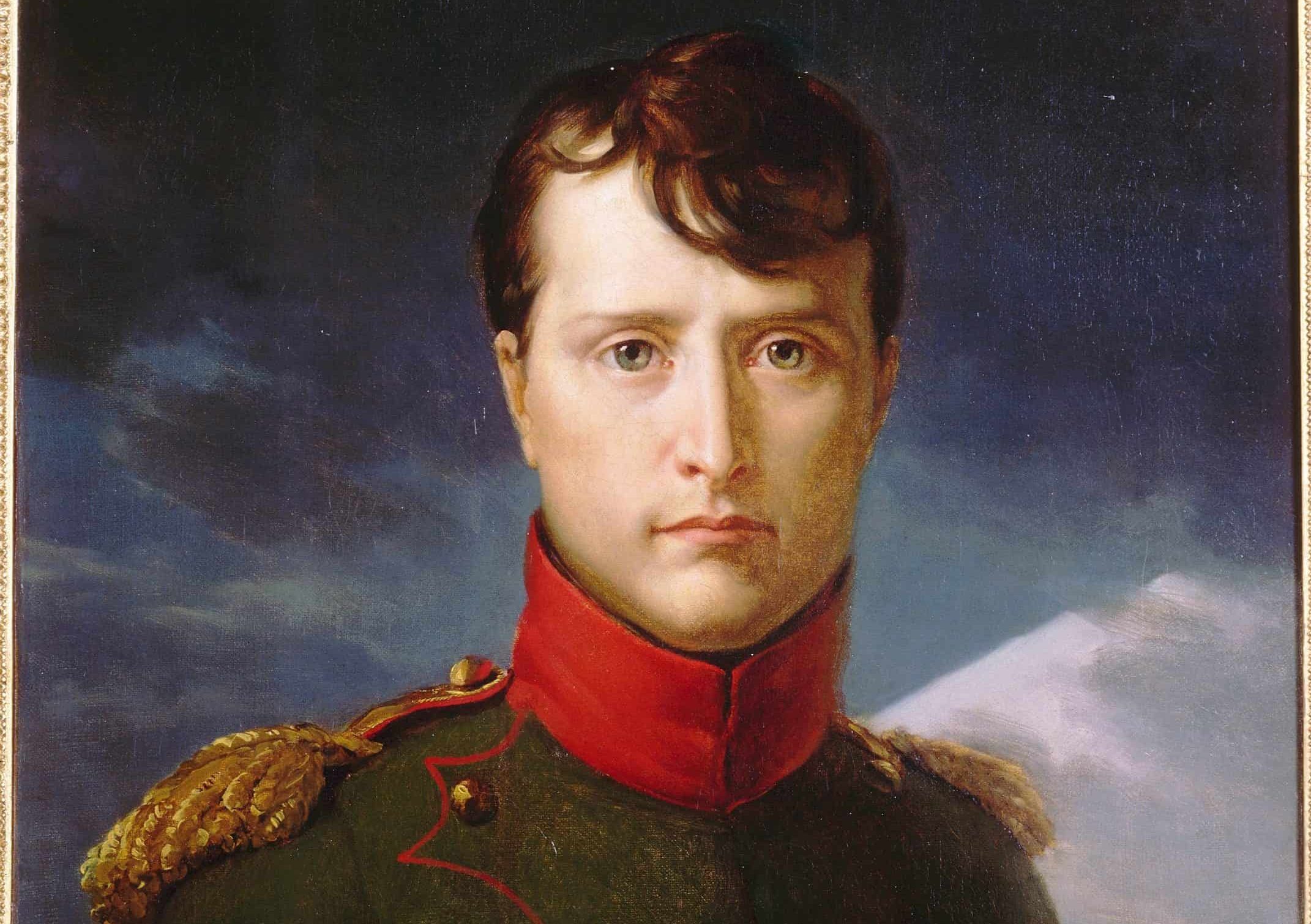
It felt like the hard part of the French invasion of Russia was over once Napoleon got to Moscow in September 1812. It wasn’t. He arrived in a city that was partly burned and had a very scarce food supply. Tsar Alexander I still wouldn’t negotiate with Napoleon, but still, he chose to stay anyway. He hung around for a month with the hope that peace talks would somehow happen.
They didn’t. He eventually ordered his forces to retreat in October, but by that time, it was too little, too late. The army had shrunk, and the weather was getting worse. His troops were forced to return home via a journey of hundreds of miles through hostile territory. It went as badly as you might expect, with around 380,000 deaths on the French leader’s side.
Robert E. Lee
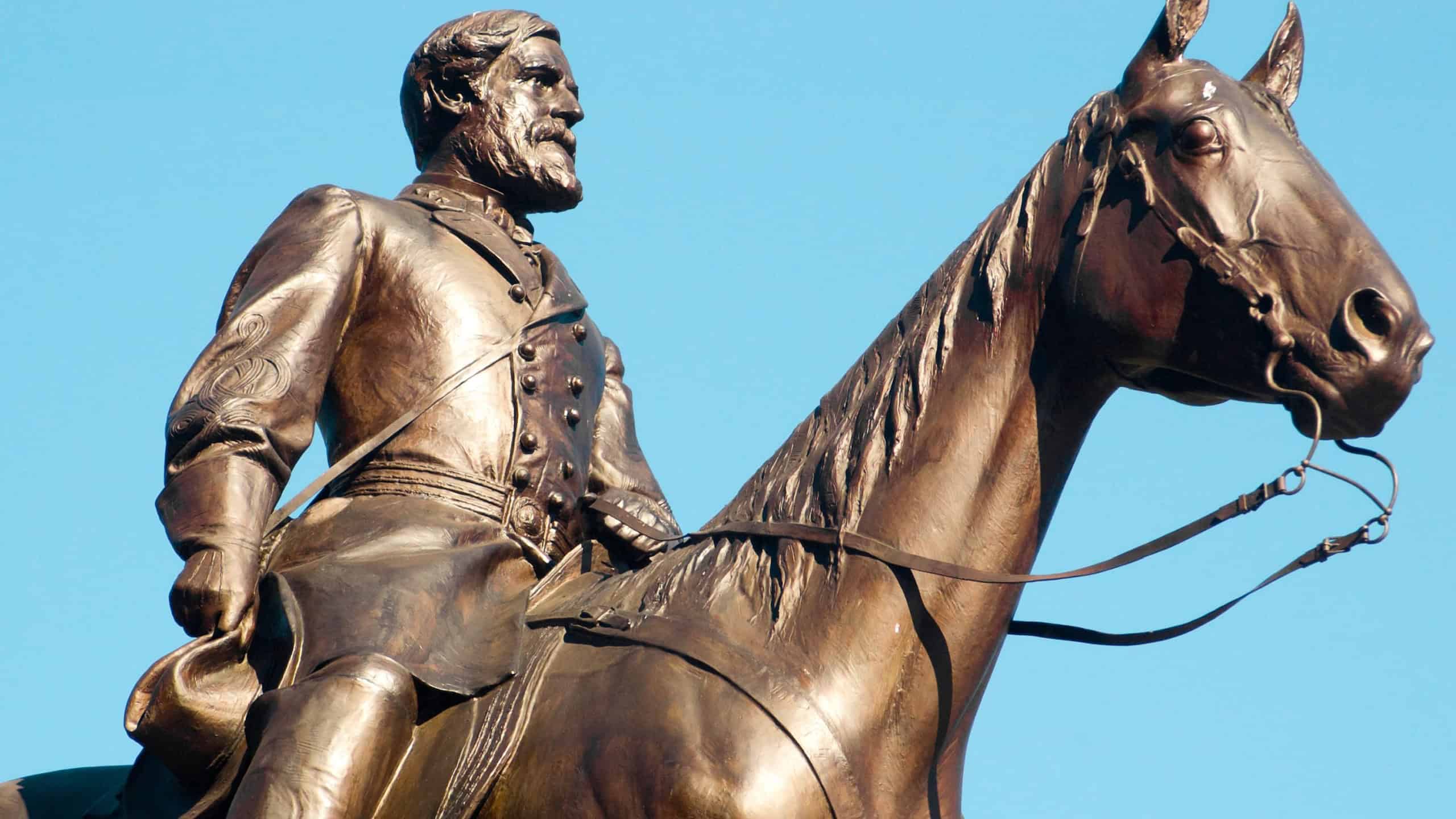
Robert E. Lee was the leader of Confederate forces during the American Civil War. He strongly believed that, during the Battle of Gettysburg, he could push through the center of Union forces on July 3. Lieutenant James Longstreet didn’t seem to agree. He actually warned Lee that 15,000 men couldn’t take that position, but still, Lee went ahead.
The 13,000 Confederate soldiers crossed close to a mile of open ground toward Cemetery Ridge. They were met with Union artillery and infantry waiting for them. It’s true that some of Lee’s forces did indeed reach the line, yes. But this was only brief. The attack soon broke apart, and Pickett’s Charge became an infamous failure. Lee was forced to go back to Virginia.
George Armstrong Custer

That’s not all for the Civil War. Officer George Armstrong Custer had 12 companies of the 7th Cavalry, yet for some reason, he chose not to keep them together. He gambled by sending three companies with Marcus Reno and three more with Frederick Benteen. He made another group stay with the pack train, and Custer himself rode off with five companies of his own.
The gamble didn’t pay off. Custer sent all these troops off because he was worried the Native village would scatter if he waited, but really, it went worse than he could’ve imagined. His forces became badly separated. Custer was left with only 210 men when he moved toward the village. All the support he was hoping for had moved somewhere else. What a disaster.
Ambrose Burnside
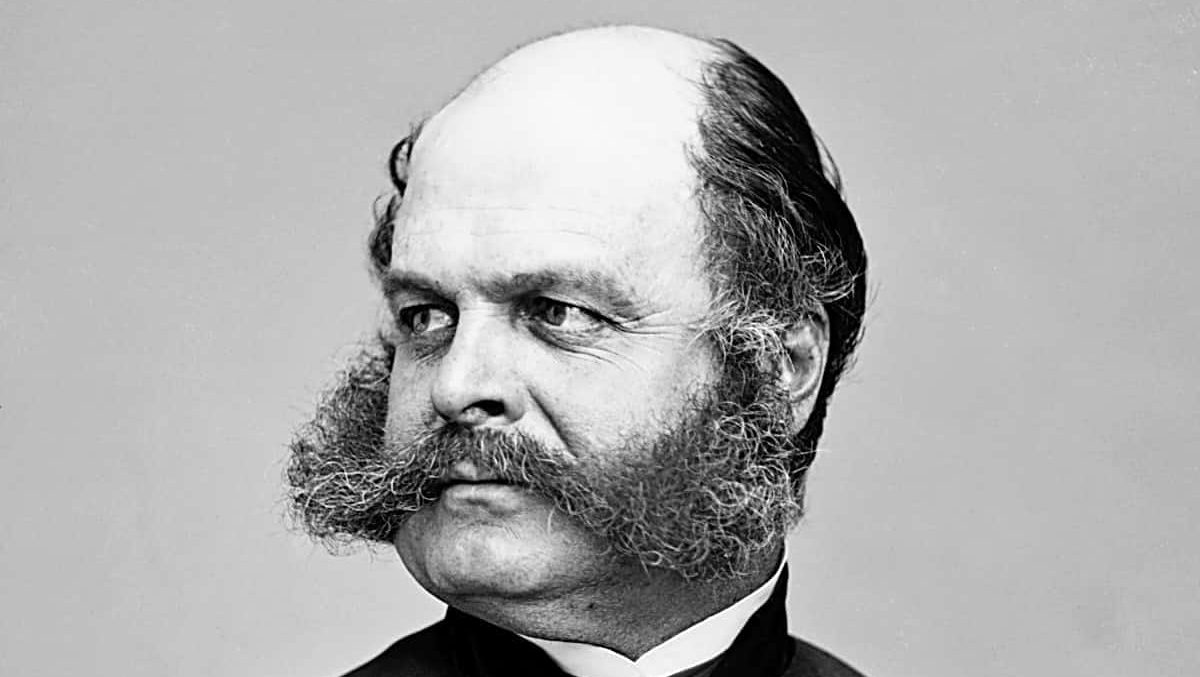
Ambrose Burnside’s first attacks at Marye’s Heights in Fredericksburg, Virginia, didn’t work, and then the next ones didn’t work either. Most people would give up at that point. But no, not Burnside, he kept going in 1862. The Confederate soldiers were in a pretty good position as they were sitting behind a stone wall with artillery higher up behind them.
Yet the Union general forced his soldiers to cross exposed ground to get near it. The pattern was clear by December 13, but Burnside kept going. He ordered another assault through Joseph Hooker’s command, and there were roughly 6,000 Federal casualties near Marye’s Heights. All of those casualties because one person couldn’t learn from their mistakes.
Douglas MacArthur
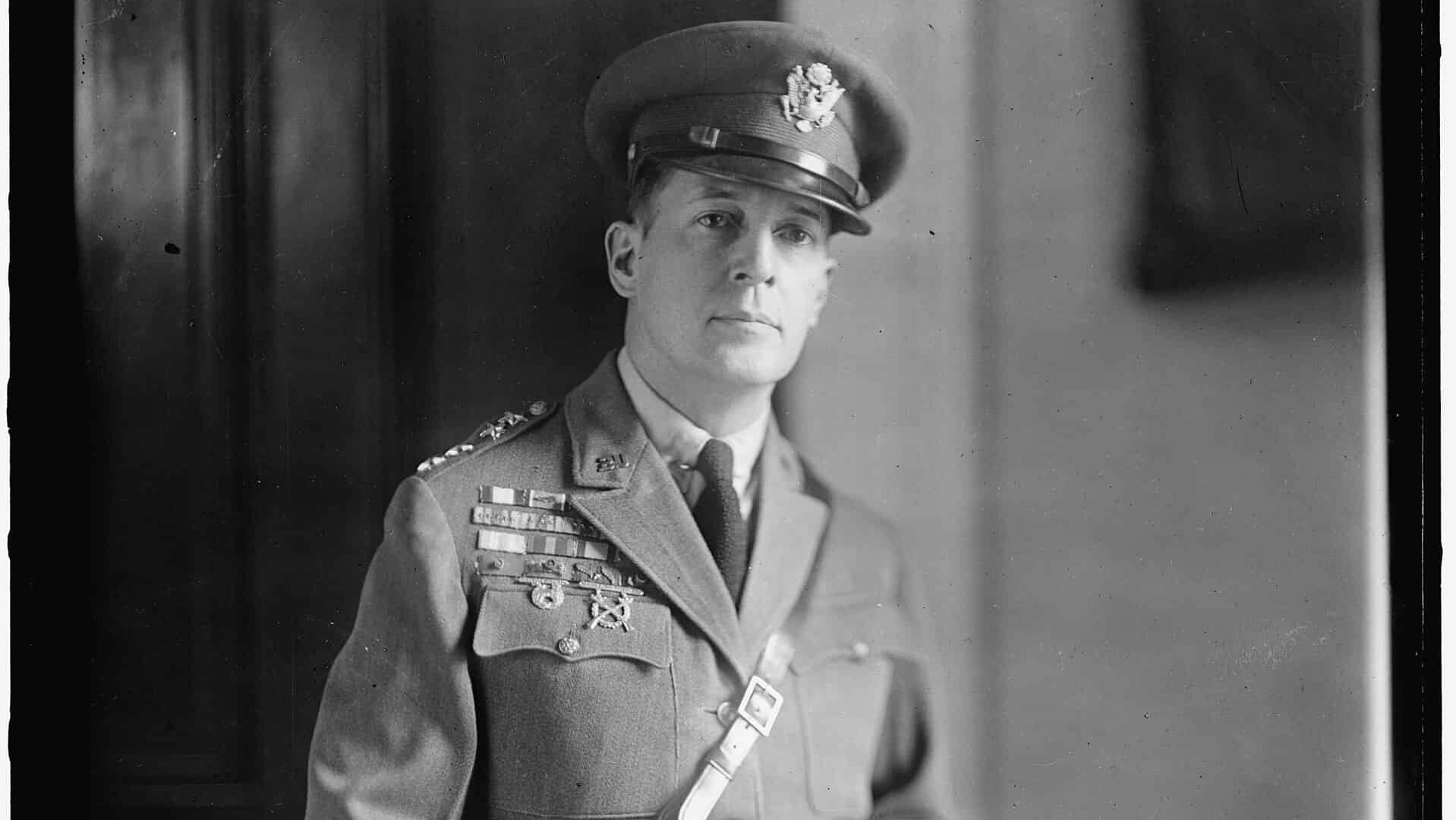
The idea of China entering the Korean War seemed almost like a fact by late 1950. Beijing had sent warnings that it was going to happen, and Chinese troops had already been part of some military forces. Even captured soldiers said it was going to happen. Yet General Douglas MacArthur still decided that, actually, pushing north was a good idea.
His command estimated there were about 34,500 Chinese troops in Korea on November 6. The real number was higher, way higher, in fact. It was already above 300,000. UN forces kept moving toward the Chinese border, and a huge Chinese offensive hit them later that month. What started as an advance soon became a retreat. It wasn’t an easy one, either.
Pompey the Great

Time for another ancient failure. The thing with Roman general Pompey the Great was that his forces had a lot more cavalry than Caesar’s forces at Pharsalus, Greece. It was only natural that he planned to use them. His horsemen were concentrated on the left, with both archers and slingers to back them up. Driving Caesar’s smaller cavalry away and swinging around the infantry seemed easy.
It was anything but. Caesar guessed what was happening and secretly held back six infantry cohorts behind his cavalry. Those hidden forces attacked Pompey’s horsemen, later driving them off, too. Pompey had made the mistake of building his plan around the part Caesar had already guessed would happen.
Julius Caesar
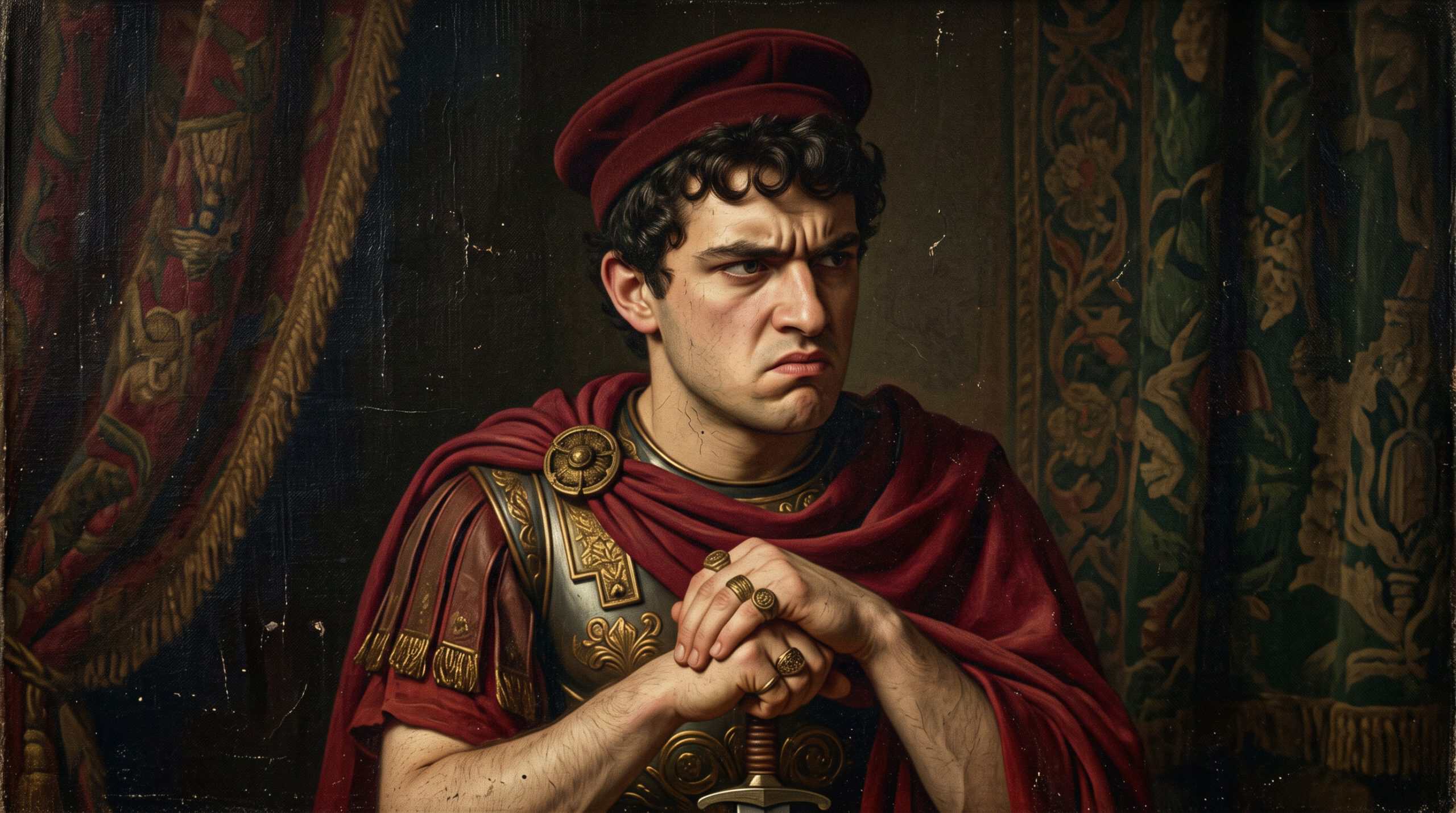
It’s not like Caesar was free from making mistakes, though. He also made some mistakes while at war with Pompey in 48 BC, although his were at Dyrrhachium, Albania, instead. Caesar began building miles of fortifications around Pompey’s army. Except, there were two major problems, Pompey had more men and could still get supplies by sea.
Caesar’s troops had to travel way further for food. It didn’t take long for his defensive ring to become stretched thin. Then disaster struck. Two cavalry deserters told Pompey where the weak spot was, so Pompey attacked there. He broke through and forced Caesar to abandon the blockade. Turns out, even Caesar sometimes built a plan that was just a little too clever.
Hannibal
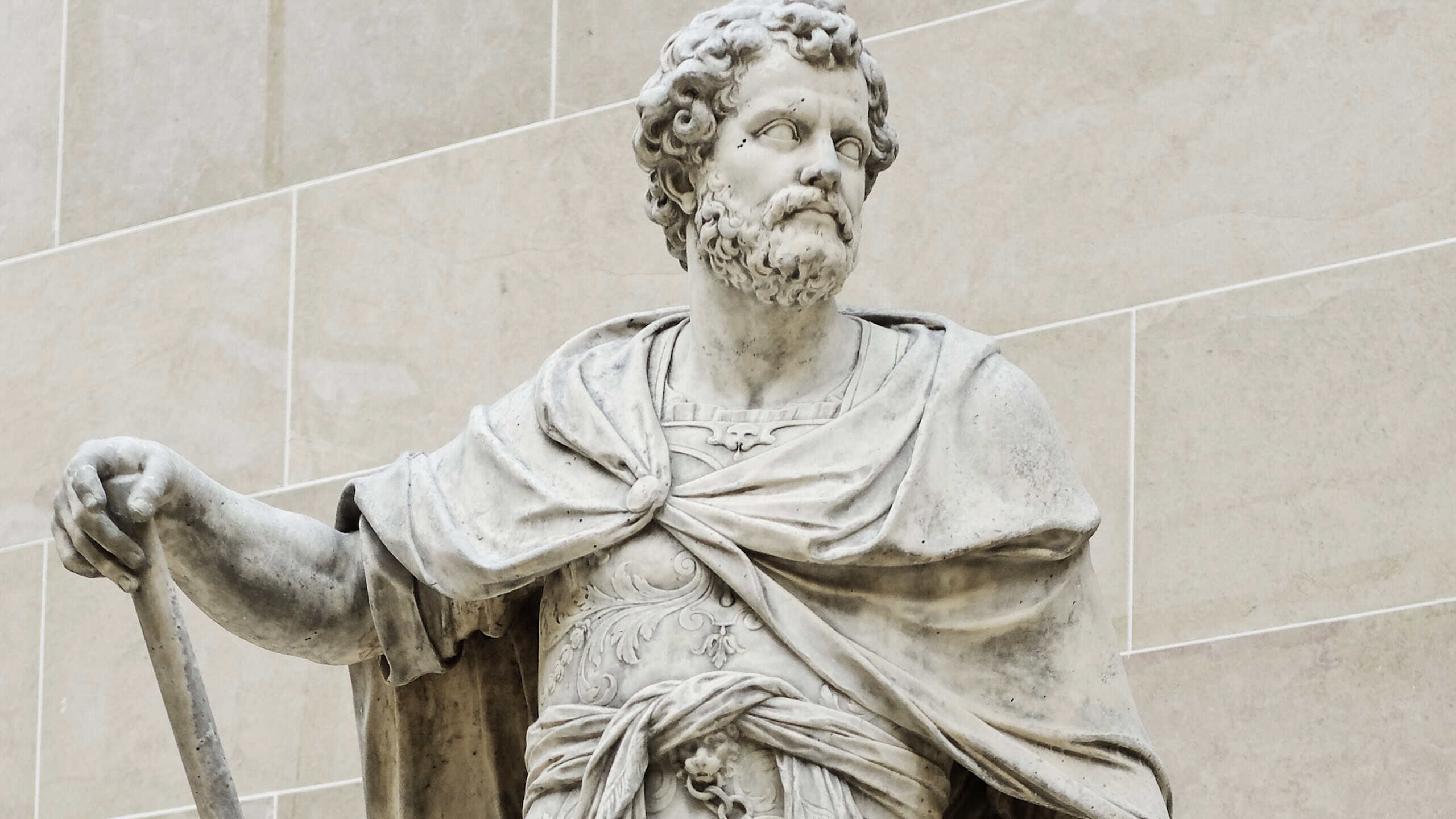
Hannibal opened the battle of Zama with about 80 war elephants charging toward the Roman line. It was a big move, yes, and it was also terrifying, true. The problem was, the Roman general Scipio had already prepared for it, and he arranged his troops in light of that. He made sure there were straight lanes between units so they could guide elephants through.
The elephants weren’t as tough anymore. They weren’t crashing directly into packed infantry, for one, and some of the animals actually panicked. They ran away and caused trouble for Hannibal’s own side. It seems that Hannibal’s biggest opening weapon was part of his own failure. The Roman and Numidian cavalry beat the Carthaginian horsemen on the flanks.
Mark Antony

Mark Antony had strong land forces near Actium, Greece, in 31 BC, and quite a few of his commanders were more comfortable fighting that way. You’d think he’d act on that. No, he chose a naval battle instead, probably because his ships were large and heavily built. Yet his enemy, Octavian, had smaller vessels that were easier to maneuver.
Antony worked closely alongside Cleopatra, the queen of Egypt and his longtime partner. She’d also supplied ships and money for his campaign against Octavian. The pair fought Octavian together, and Cleopatra’s squadron sailed through an opening.
She headed toward open water during the fighting on September 2. Antony followed with other ships. He deliberately left a lot of his fleet behind as part of a move historians are still debating. These ships were trapped and decimated. When his land army heard how Antony fled, they surrendered to Octavian as well. What a poorly fought battle.
Dwight D. Eisenhower
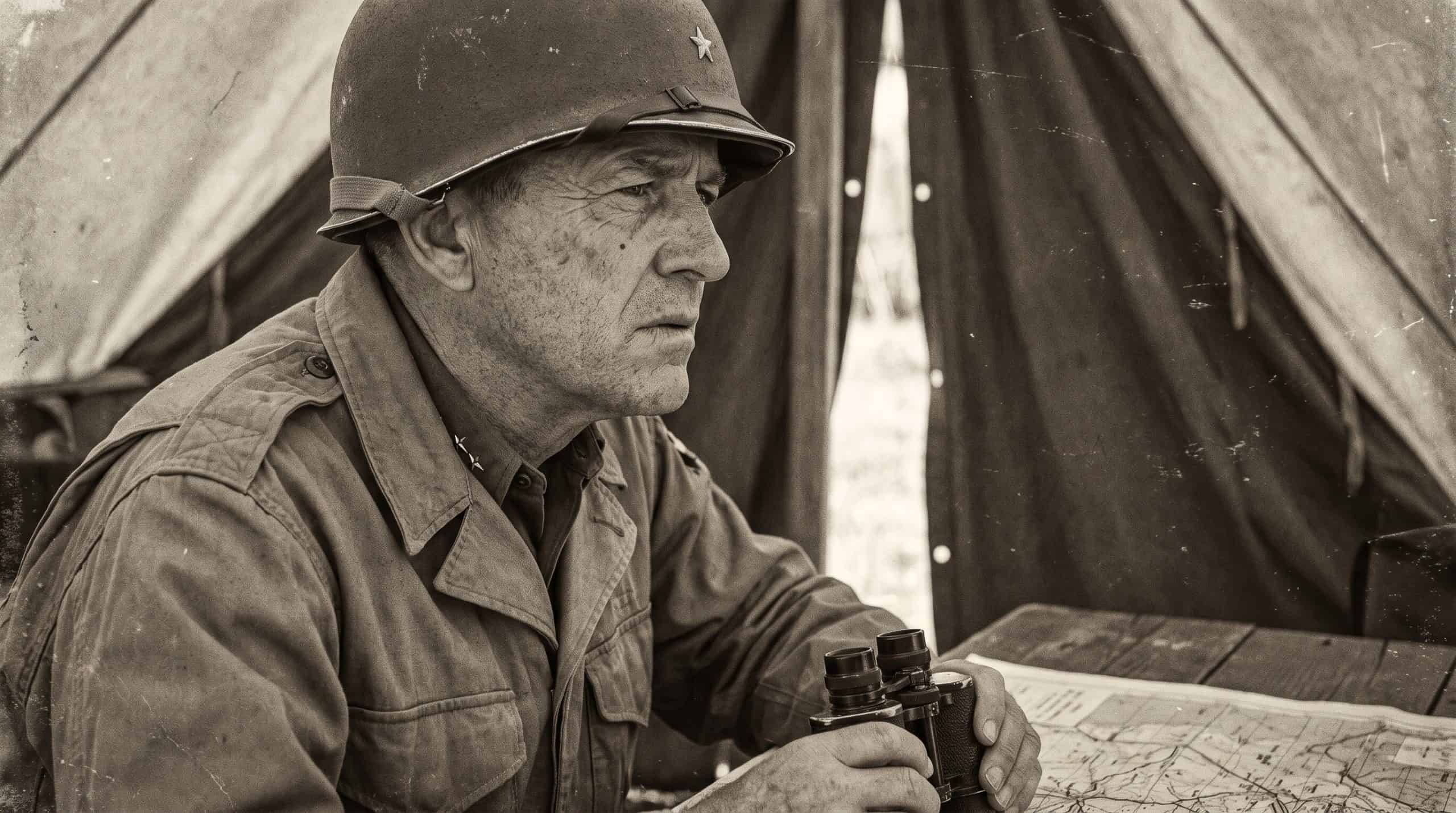
One of the problems at Kasserine Pass, Tunisia, in 1943 was that General Eisenhower personally put troops in the wrong places. But that was just the start of it. Another major issue was that Lloyd Fredendall was still running U.S. II Corps. People had doubts about him, but he was still in charge. He had units spread out and poor coordination with British and French forces.
Then the Germans hit in February 1943. They hit hard. It got so bad, in fact, that Eisenhower was forced to remove Fredendall. He was reluctant to do so earlier, but the truth was clear. Eisenhower sent Omar Bradley to take a look and had George Patton take over shortly after. What a mess.
Sources: Please see here for a complete listing of all sources that were consulted in the preparation of this article.
The 10 worst World War II generals
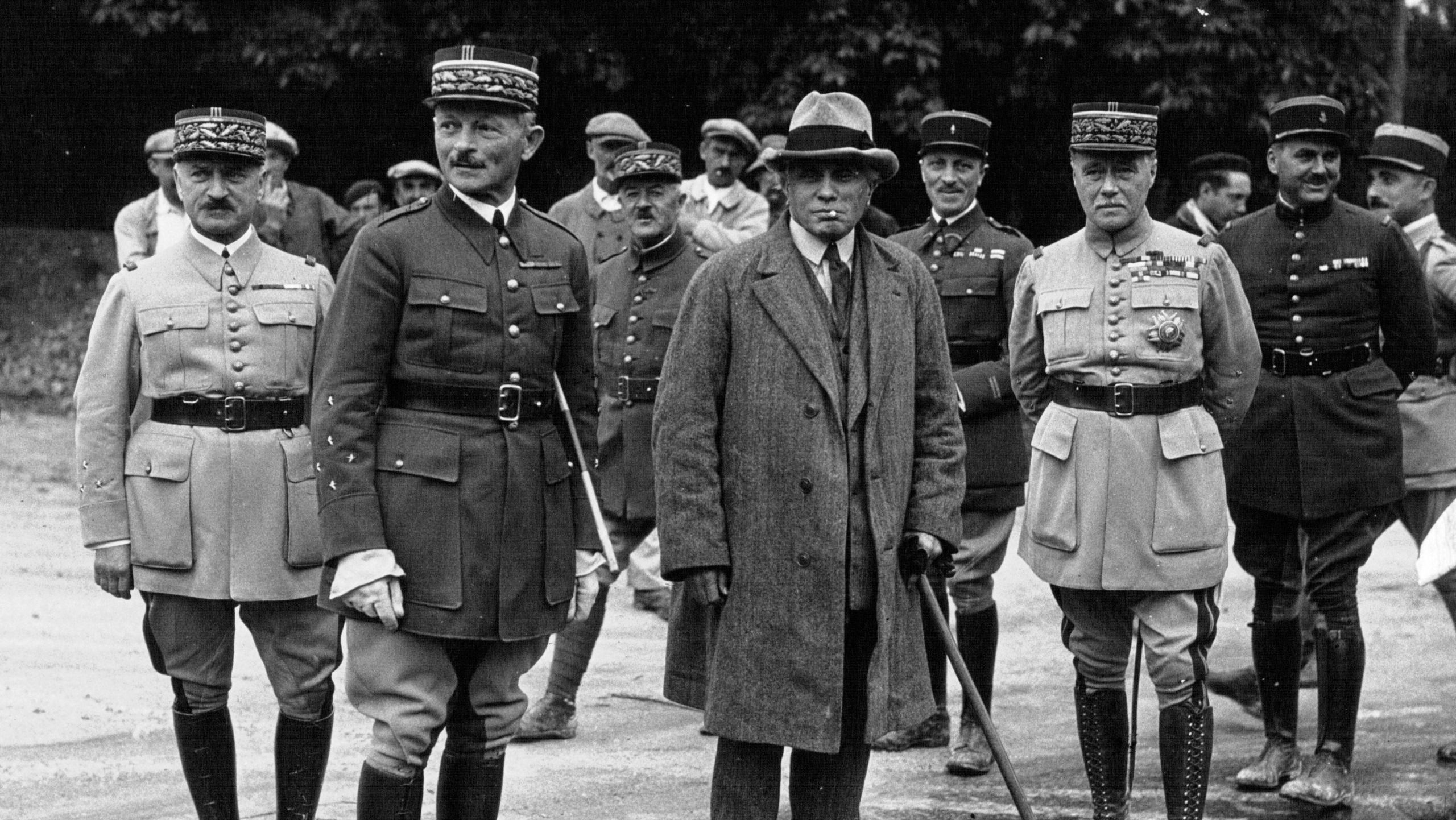
Everyone makes mistakes at work sometimes, but some World War II commanders made some pretty costly ones that ended up going terribly.


