

Everyone makes mistakes at work sometimes, but some World War II commanders made some pretty costly ones that ended up going terribly.
Dmitry Pavlov
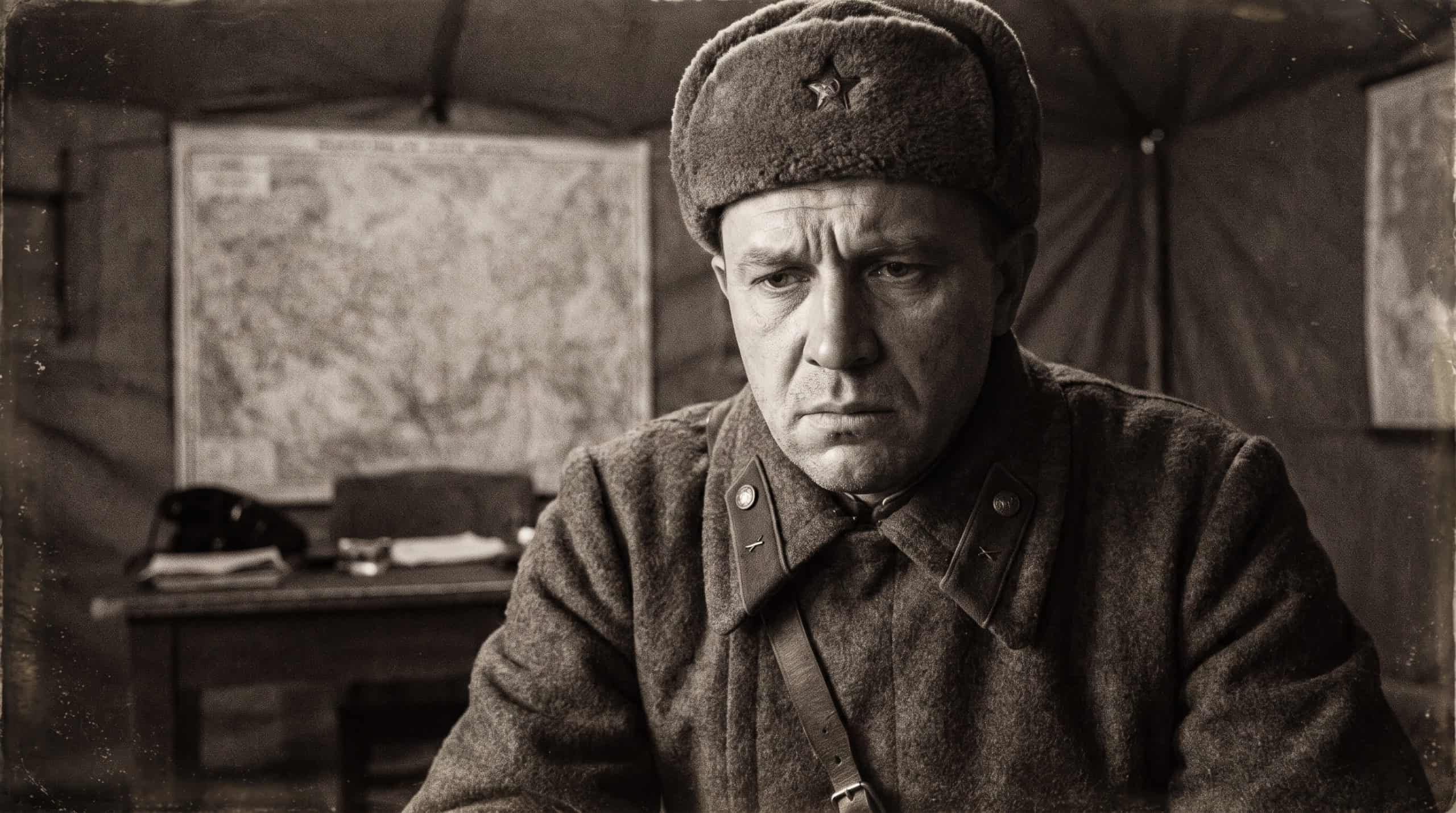
It didn’t take long for things to go wrong for Soviet Union commander Dmitry Pavlov. He was in charge of the Soviet Western Front when Germany invaded on June 22, 1941, and his armies were sitting directly in the path of the attack. The Germans immediately smashed apart the Soviet units.
They also surrounded the Soviets around Białystok and Minsk. It didn’t have to go down that way, though, because Pavlov had been warned that a German attack was close. Yet he decided to brush it aside. Pavlov was removed, arrested, and accused of failing in his duties. He was executed on July 22, exactly a month after his earlier failure.
Grigory Kulik
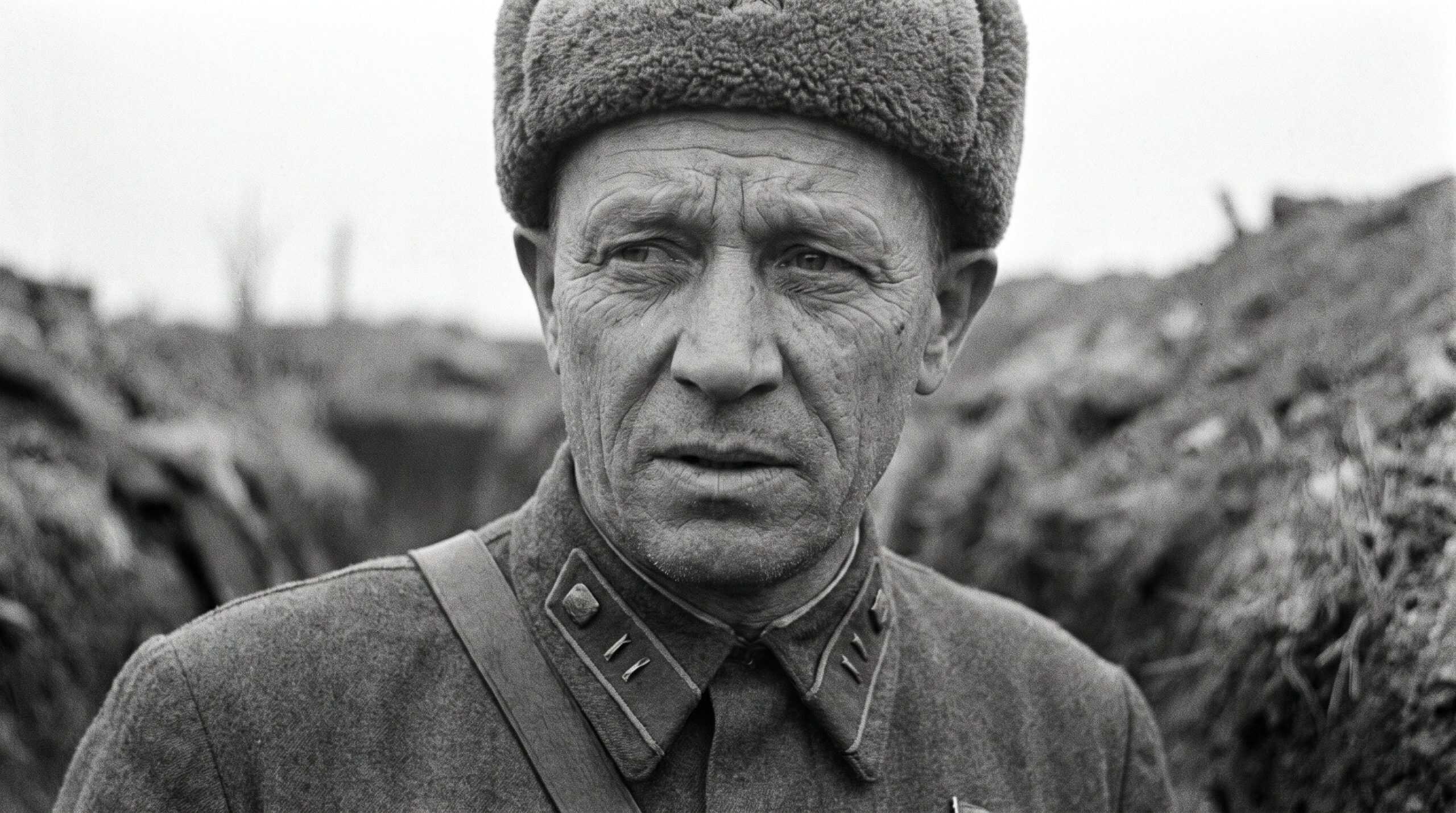
The thing with Grigory Kulik was that he had a pretty good title before World War II. He was Marshal of the Soviet Union. The trouble came when he had to command major forces in the field, and in September 1941, his 54th Army was supposed to help break German control around Leningrad.
It was a failure. Kulik’s forces made poor progress, and he struggled to coordinate with Georgy Zhukov, the later Minister of Defense of the Soviet Union. So, Kulik was soon removed. He continued to struggle with organizing troops around Kerch, and it led to him being stripped of his marshal’s rank.
Arthur Percival
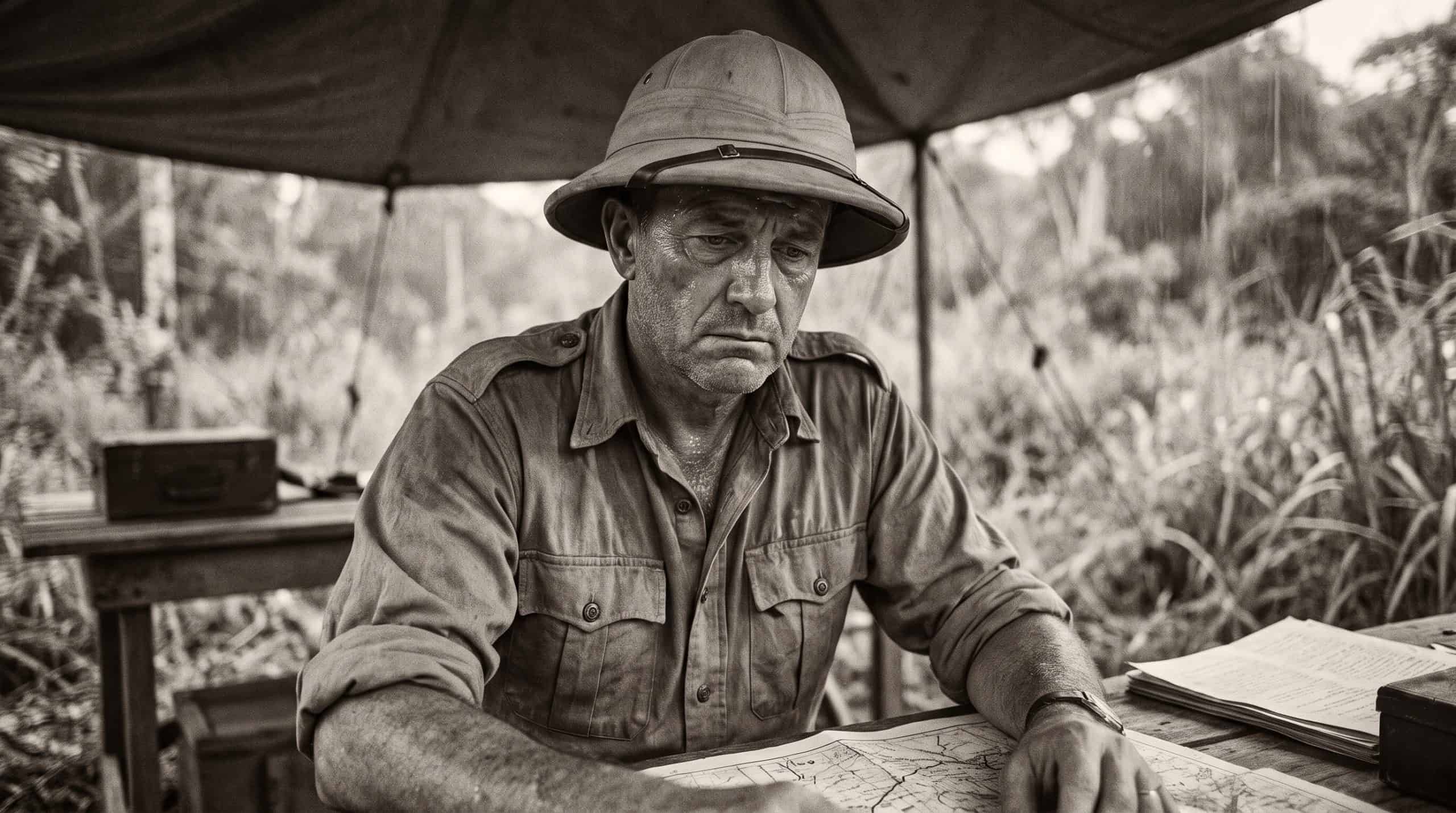
Singapore. It was supposed to be one of Britain’s major military strongholds in Asia, but Arthur Percival, the British commander, completely ruined that. The campaign started in December 1941, with Japanese forces pushing the British and Commonwealth armies down the Malay Peninsula.
Fast forward to February of the next year, and the forces were trapped on Singapore Island. The Allied troops outnumbered the Japanese attackers roughly 17:7, but still, that wasn’t enough. Percival was soon forced to surrender. It was the largest surrender of British-led forces in the country’s military history. It was probably one of the most embarrassing incidents, too.
Neil Ritchie
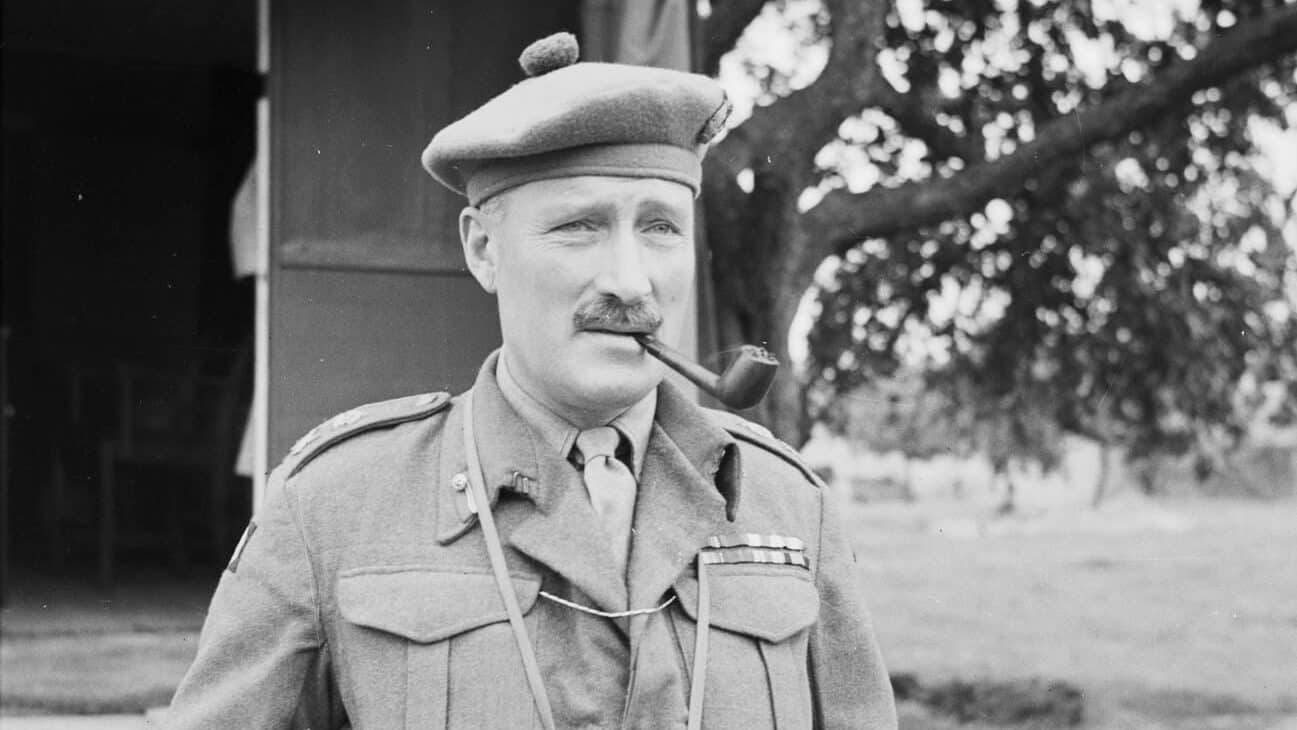
It’s not like the British Eighth Army commander Neil Ritchie had an easy job. He had to command his troops in North Africa in November 1941, shortly before the Battle of Gazala broke out. German leader Erwin Rommel’s forces easily pushed through British positions.
It got so bad, in fact, that the Eighth Army had to retreat toward Egypt. It didn’t get any better. The port of Tobruk had previously survived a long siege in 1941, but a year later, it fell. Tens of thousands of Allied soldiers were captured. No wonder Ritchie didn’t last much longer in command.
Lloyd Fredendall
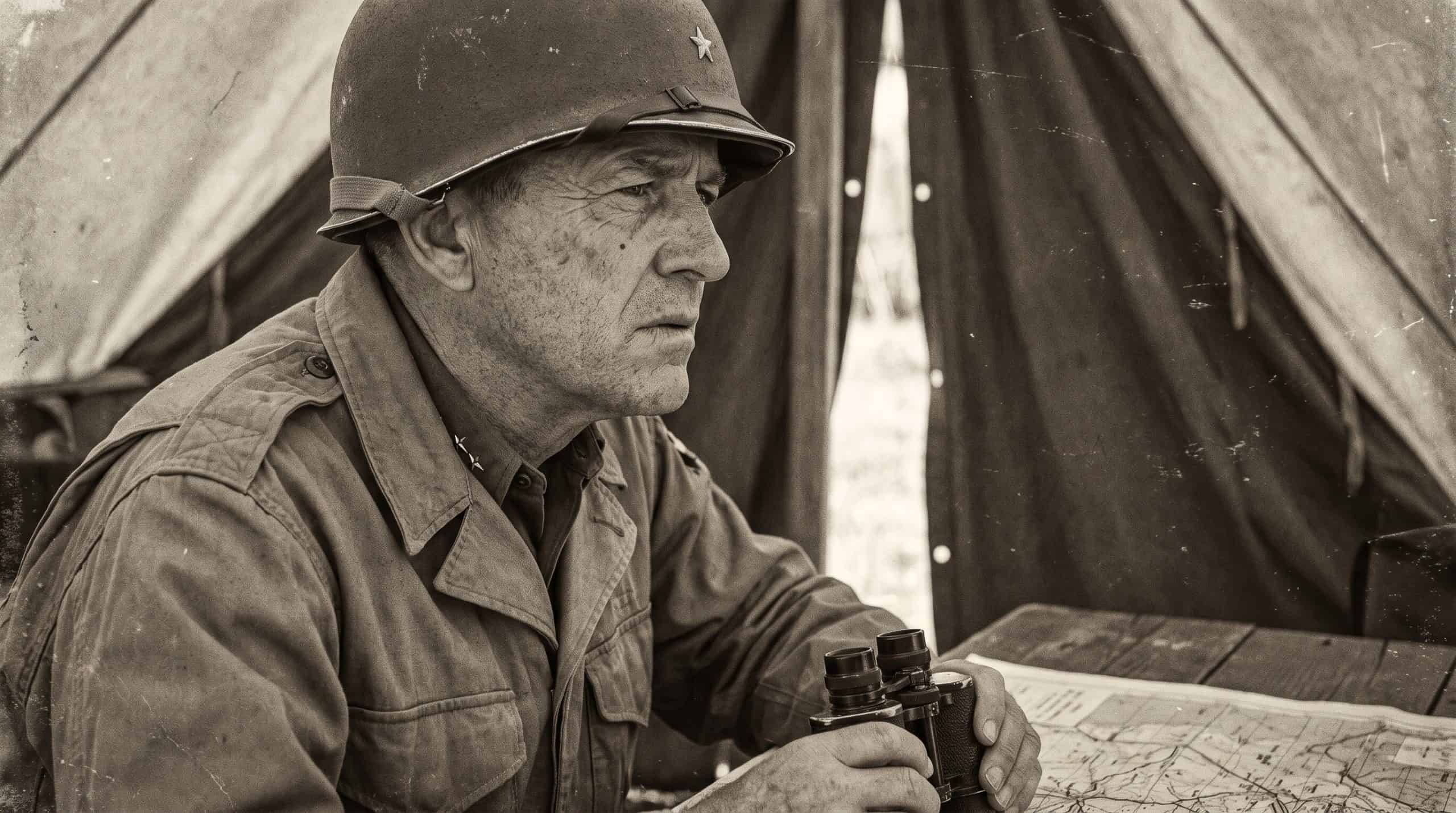
Tunisia in 1943 was a perfect lesson in exactly what not to do. Lloyd Fredendall was commander of the U.S. II Corps there, and for some reason, he scattered his troops across hard-to-defend positions. Surprise surprise, the German troops took advantage of that.
The attacks at Sidi Bou Zid and Kasserine Pass exposed those weaknesses. The American units at these locations suffered a humiliating defeat and were forced back. Dwight Eisenhower soon had enough and replaced him with George S. Patton. Good riddance.
John P. Lucas
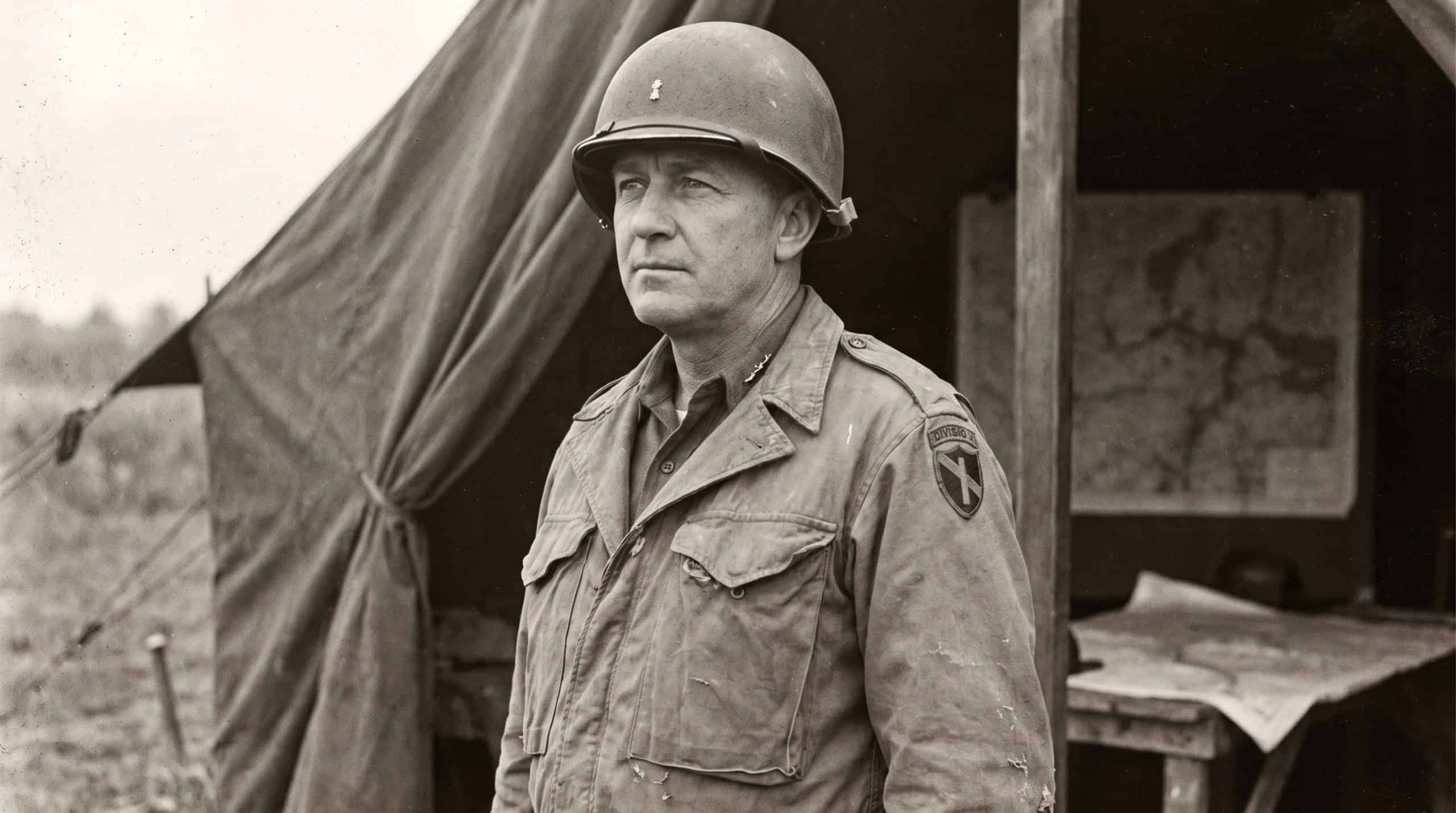
You might be surprised to learn that the Anzio landings actually began rather well. At least, for the U.S. troops. John P. Lucas and his U.S. VI Corps came ashore in Italy on January 22, 1944, facing relatively little resistance from the Germans. But then Lucas slowed things down.
He decided to avoid going to the Alban Hills and concentrated on securing the beachhead instead. The goal was to bring in more troops and supplies. To nobody’s surprise, German commander Albert Kesselring used that time to surround the area with reinforcements, turning what was an open door into a cramped beachhead. Lucas was replaced the following month.
Renya Mutaguchi
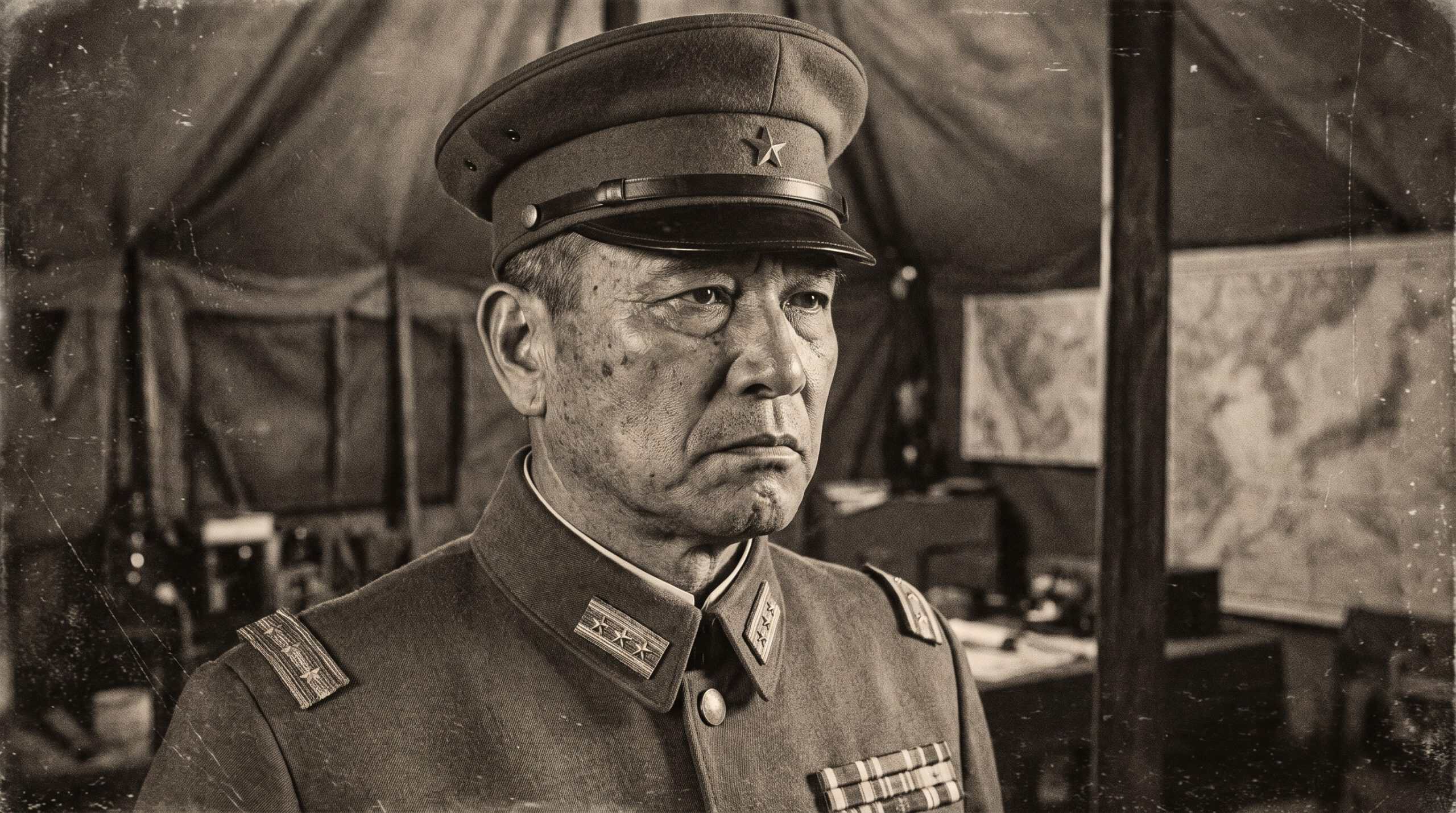
The commander of the Japanese Fifteenth Army, Renya Mutaguchi, sure was ambitious. He had a plan in 1944 to send his troops through the rough country of Burma and cross into India. They’d then capture the Indian city of Imphal, before supplies were an issue. Turns out, supplies were a problem, a huge one, in fact.
His troops had to keep going through mountains and jungle with limited food and transport. Medical support was virtually non-existent. Mutaguchi was expecting them to capture British supplies along the way, but it didn’t end up happening. Thousands of soldiers died from combat and disease, along with starvation, before the offensive stalled completely.
Friedrich Paulus
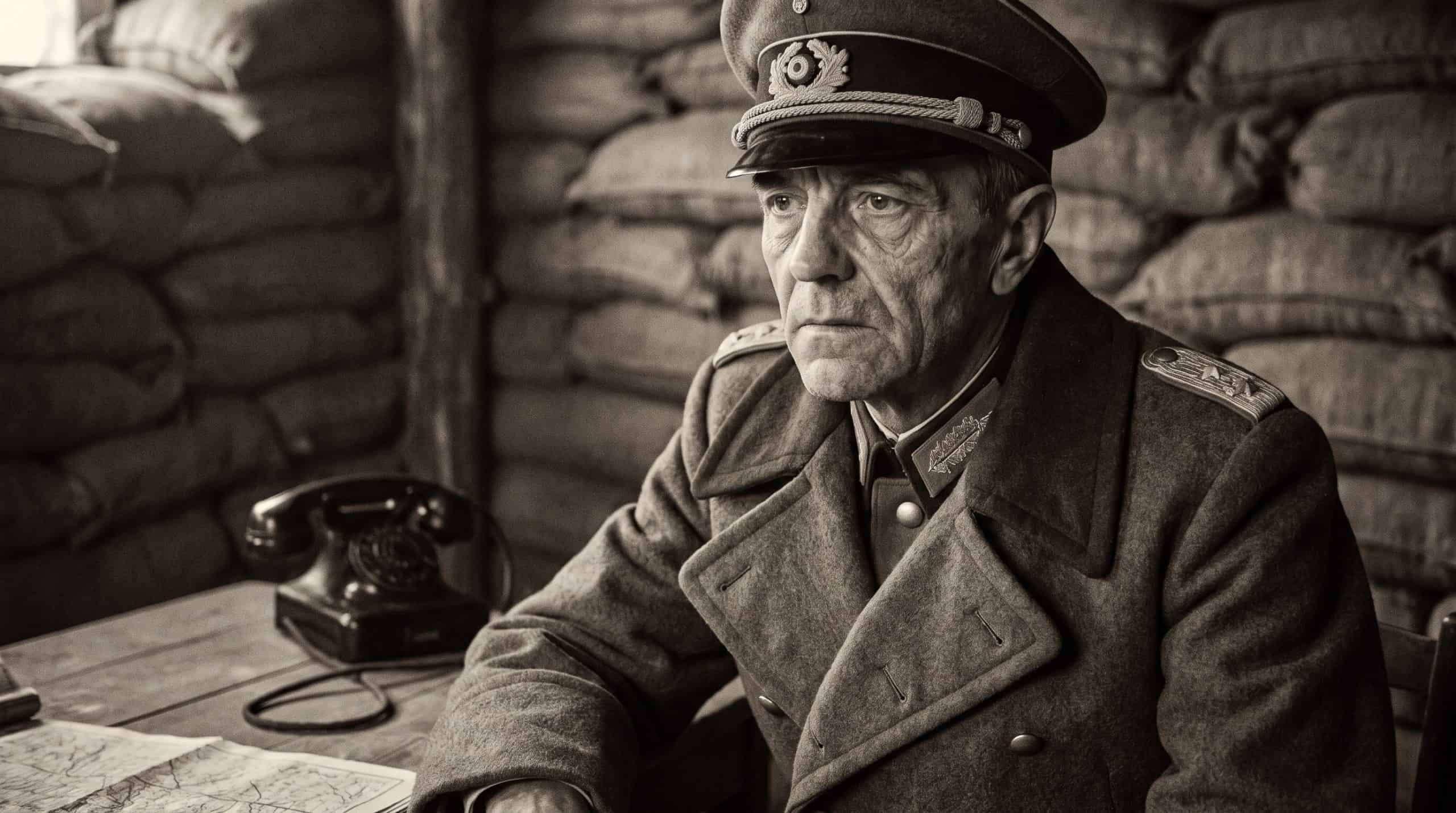
It’s no secret that German troops had their fair share of failure, too, and Stalingrad was where Friedrich Paulus’s command really came apart. He led the Sixth Army, but badly. The Soviets closed the trap around his troops in November 1942, and things got uglier each week from there.
Paulus wanted to have room to break out. Hitler, however, ordered him to stay, so he did exactly that, believing that the air supply was supposed to keep the army going. He was way too optimistic. Practically everything ran low, and Hitler promoted Paulus to field marshal. He surrendered the very next day.
Sebastiano Visconti Prasca
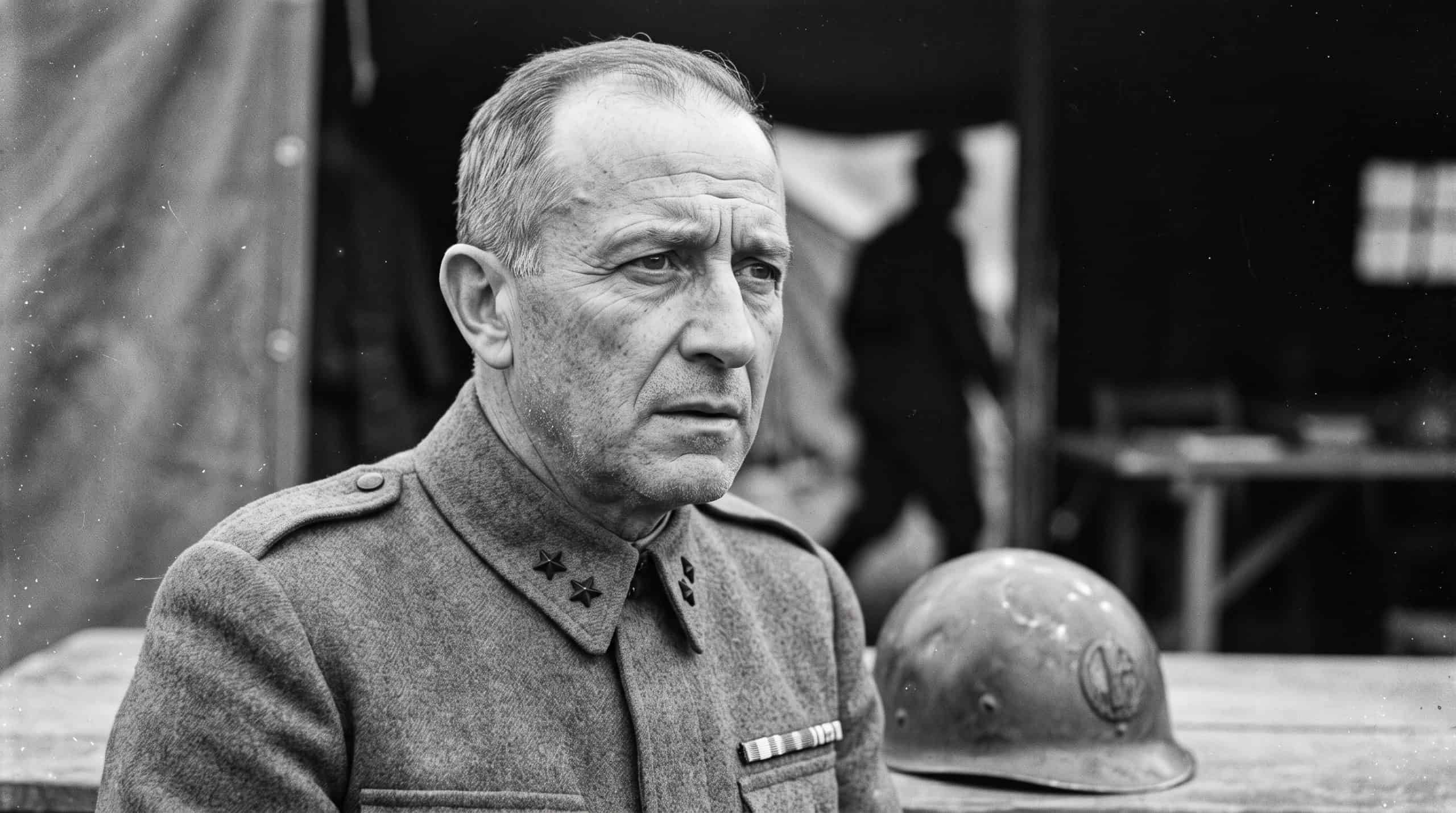
Overconfidence is one of the worst mistakes you can make as a commander. Just ask Sebastiano Visconti Prasca, commander-in-chief of the Italian forces in Albania. He told Mussolini that his troops could get the job done, so they invaded on October 28, 1940.
Bad idea. The reality was that the Italian troops couldn’t deal with the bad weather and weak supply lines. The Greek troops fought back way harder than they had expected. They launched a counterattack and pushed into Albania. Visconti Prasca lost his commanding position in around two weeks, it was that bad.
Gamelin
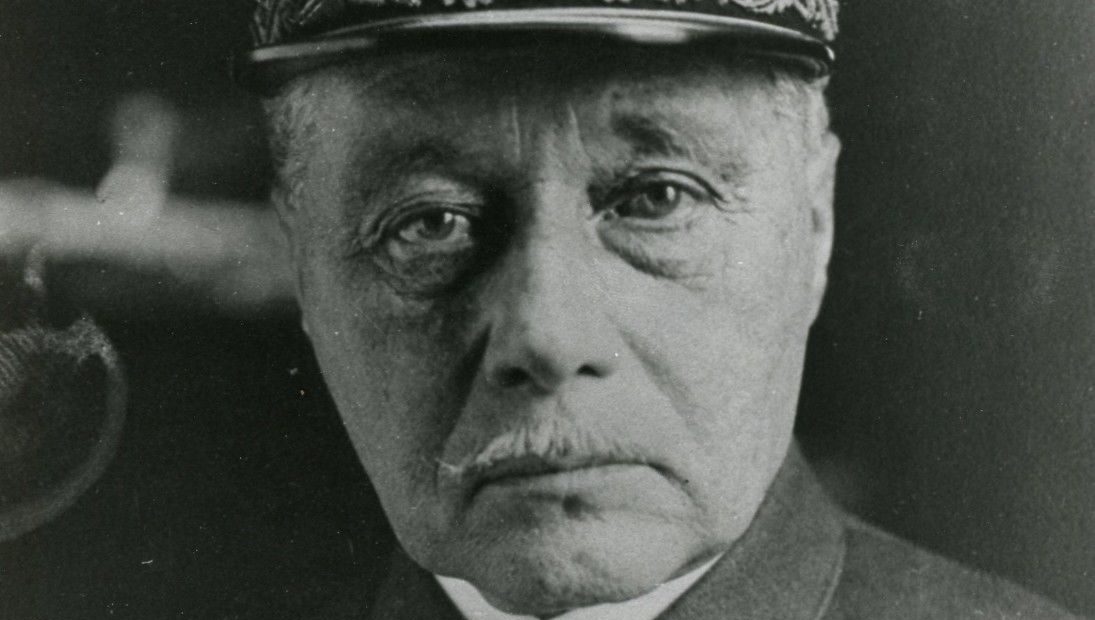
Maurice Gamelin had a problem in May 1940. He was France’s commander in chief, and he was preparing for one German move while the Germans were actually making another. He sent major French forces and the British Expeditionary Force into Belgium after the attack began on May 10.
But then German forces came through the Ardennes and crossed the Meuse near Sedan. They began heading west and put the Allied armies in the north in a pretty awkward position. Nine days into the campaign, Gamelin was removed and replaced by Maxime Weygand.
Sources: Please see here for a complete listing of all sources that were consulted in the preparation of this article.
7 unsolved enigmas from World War II
While World War II might’ve ended many decades ago, there are still some incredible mysteries from it that we have yet to solve, all these years later.

