

People love to say that, as long as you eat enough protein, you’ll keep your muscles strong as you age. But new studies show that’s not exactly true. They don’t even agree on what “enough” means, or which kinds of protein matter most. There’s also the issue of whether timing or frequency really changes that much when you’re older. Let’s find out.
Featured Image Credit: Shutterstock.
Key takeaways
You’ll find out about:
- The latest research into protein & aging muscles
- What happens to muscle protein synthesis when older adults add whey, pea, or collagen to their meals
- Whether dose, frequency, or timing of protein supplements changed muscle mass
- How effective plant protein is at helping aging muscles
How much protein?
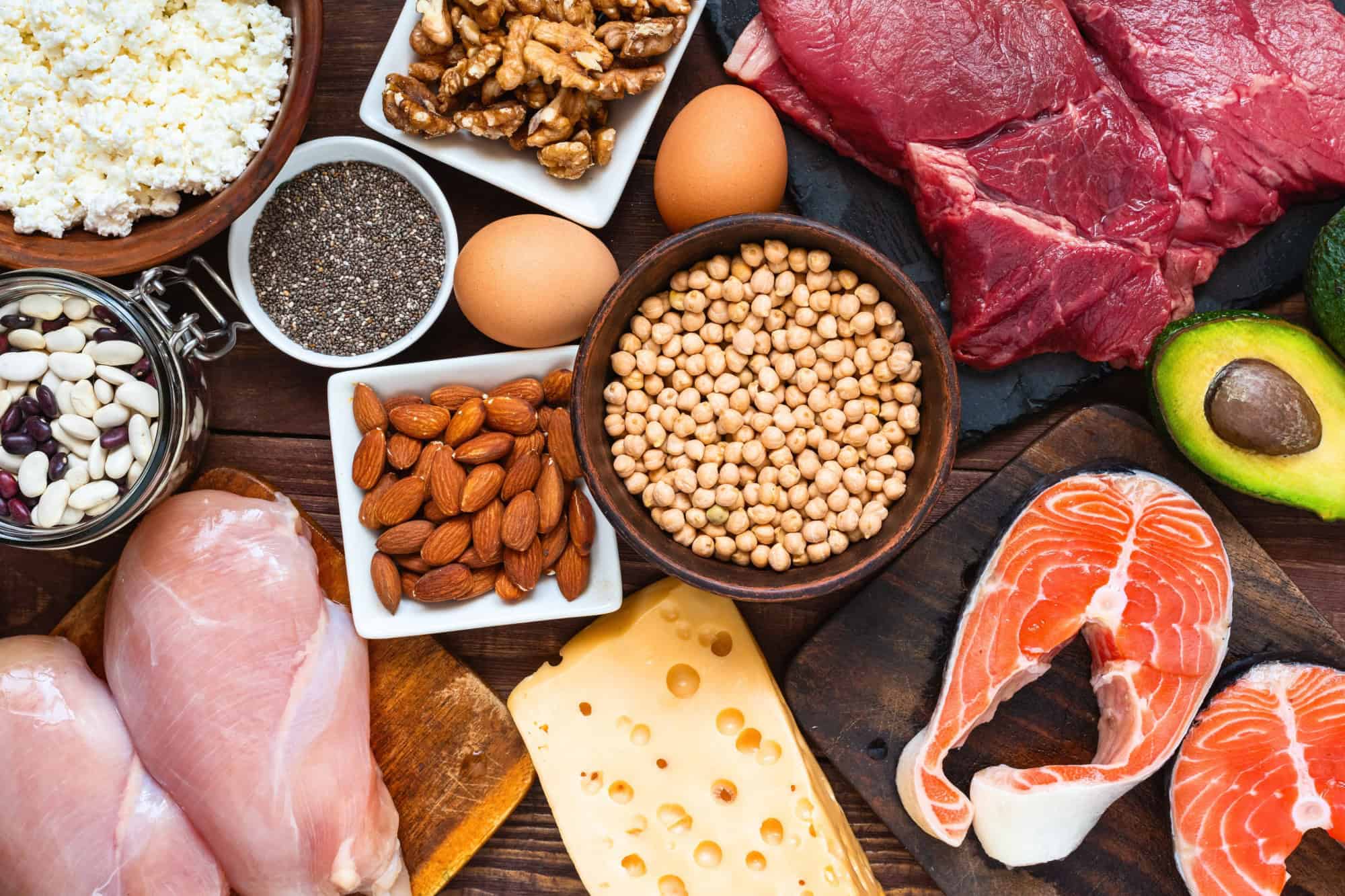
One trial measured protein needs directly in people aged 65–81 who already had sarcopenia (aka how your muscles lose mass & strength when you age).
The results found that the average older adult needs around 1.21 g per kg of body weight per day, although they actually recommended an intake of around 1.54 g per kg per day.
That’s higher than the standard recommended daily allowance. It’s also higher than what’s been found in older adults without sarcopenia. Essentially, that means that once you start losing muscle mass, it’s important that you consume more protein to make up for the shortfall.
A different trial from 2024 gave older men extra protein at breakfast & lunch. These meals are usually light on protein, anyway. They compared whey, pea, & collagen, with only whey & pea actually increasing muscle protein synthesis across the day. Collagen didn’t do much.
Researchers also found that for older adults, muscle protein synthesis is maxed out around 0.4 g/kg of high-quality protein per meal. That’s roughly double what most people get at breakfast.
Does timing or dose change muscle mass gains in trials?
You’d think timing or portion size might matter a lot. But they don’t. At least, according to a 2024 meta-analysis covering nearly 4,000 participants. This study found that, while protein supplements made a difference for community-dwelling older adults, the dose size & timing didn’t matter.
Big or small, once or multiple times per day, the gains showed up regardless. It was also the same whether people took them with breakfast, lunch, or between meals.
Plant protein is effective
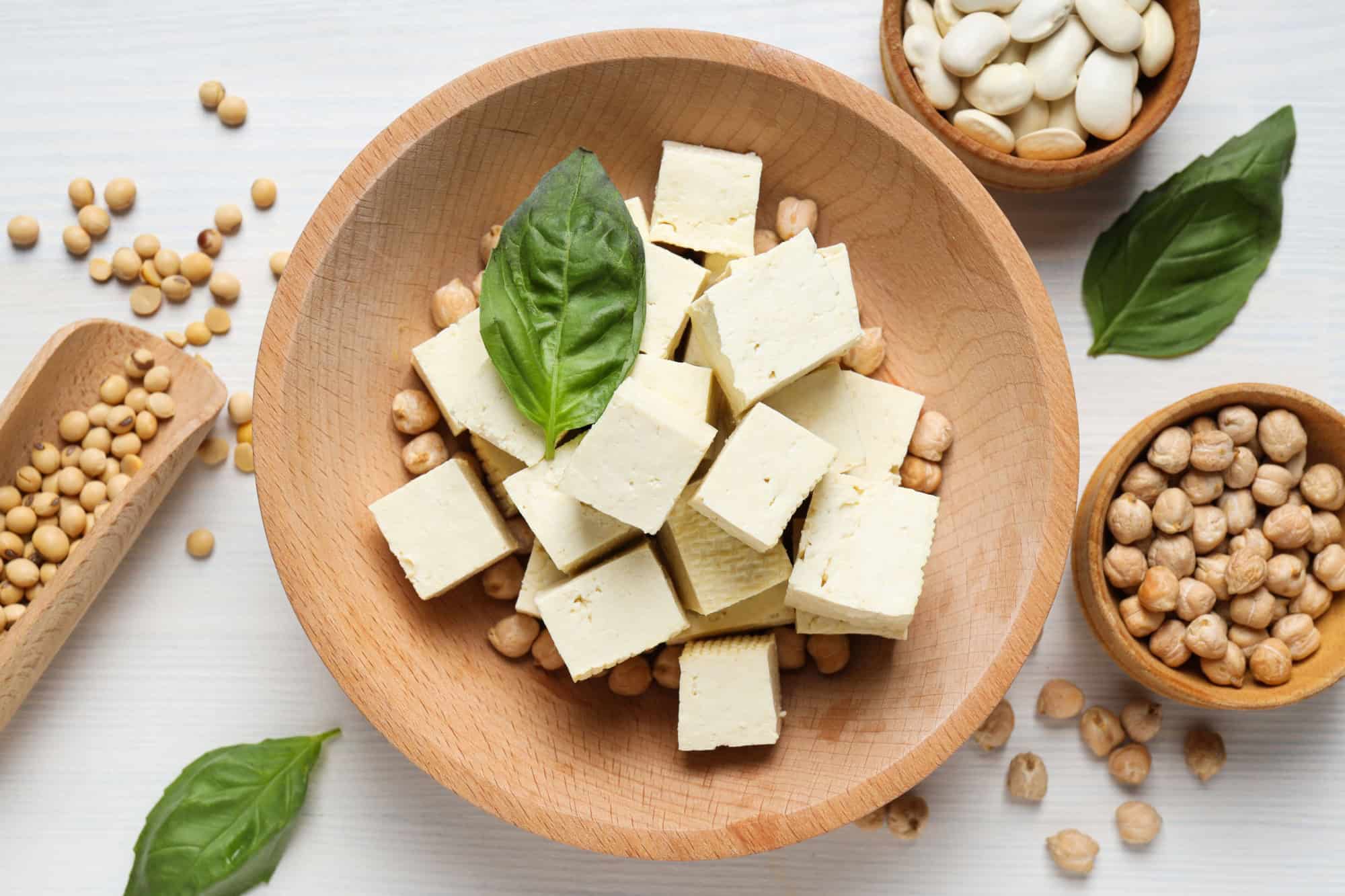
One 2024 cohort study followed more than 3,000 older adults for four years. It found that higher plant protein intake was tied to less muscle loss & better walking speed. However, that’s not all. The strongest link showed up in people with higher inflammation. For them, plant protein in the top intake group reduced sarcopenia risk compared to the lowest group.
In 2023, another study tried giving older adults a daily protein supplement with about 16 g protein & 3 g leucine. They sometimes paired this with light exercise. Over three months, participants improved gait speed & sit-to-stand times. They also improved their muscle mass, & even showed lower IL-6 and TNF-α, which are both markers of inflammation.
But when the program ended, it took just a few months for those benefits to disappear.
Vegan protein blends vs. whey
That’s not all for vegan protein. A 2025 study tested blends of plant proteins, including things like pea, rice & hemp, on older adults. The goal was to see whether or not mixing them together actually made a difference.
It did.
When women in their late 60s & early 70s drank a shake with 30 grams of the blend after resistance training, their muscles built new protein at nearly the same rate as those who had whey. The numbers weren’t identical, of course. But they were close enough to matter, suggesting that vegan proteins could be beneficial to older adults.
These results continued over a longer stretch of about 16 weeks, too. People who stuck with the vegan blend developed similar increases in lean mass & strength compared to whey users. As a result, the right combination of plant proteins helps both the lab & real workouts.
So even if someone’s avoiding dairy or just prefers plants, the newer research suggests they don’t have to give up much ground. A mix of plant proteins may work just as well for aging muscles.
Muscle aging involves more than protein

Newer research looked beyond protein shakes & supplements. One team actually focused on an enzyme called 15-PGDH, which shows up in higher amounts as our muscles age. Too much of it seems to cause issues for muscle strength & size, so it’s quite a problematic enzyme.
When scientists blocked that enzyme in older mice, the results showed that the mice’s muscles got bigger & their strength improved. The animals also ran farther. Interestingly, none of this required adding more protein to their diets, meaning that protein isn’t the only thing that helps with muscles.
But this doesn’t mean that protein stops mattering when you’re older. It simply points to another way of helping aging muscles run more smoothly at the cellular level. Doctors could pair treatments that target these “brakes” with protein, which could give older adults a better shot at keeping their muscles strong.
Now wouldn’t that be great?
Sources: Please see here for a complete listing of all sources that were consulted in the preparation of this article.
Like our content? Be sure to follow us.

