
There’s no denying that fifteen royal children is a lot, but the stories of what happened to Britain’s King George III and Queen Charlotte’s sons and daughters are way more interesting than mere numbers.
George IV

George IV spent around a decade doing the king’s job, but without actually having the title of king. It’s all because George III’s health had declined badly by 1811, so his eldest son, George IV, was named Prince Regent. He did the day-to-day tasks of ruling.
It was as awkward as it sounds. He had all the responsibility, but none of the prestige. He eventually got the title of king on January 29, 1820, when George III died at Windsor Castle. Now the regent was finally king, and he stayed on the throne until 1830, when he died.
Prince Frederick
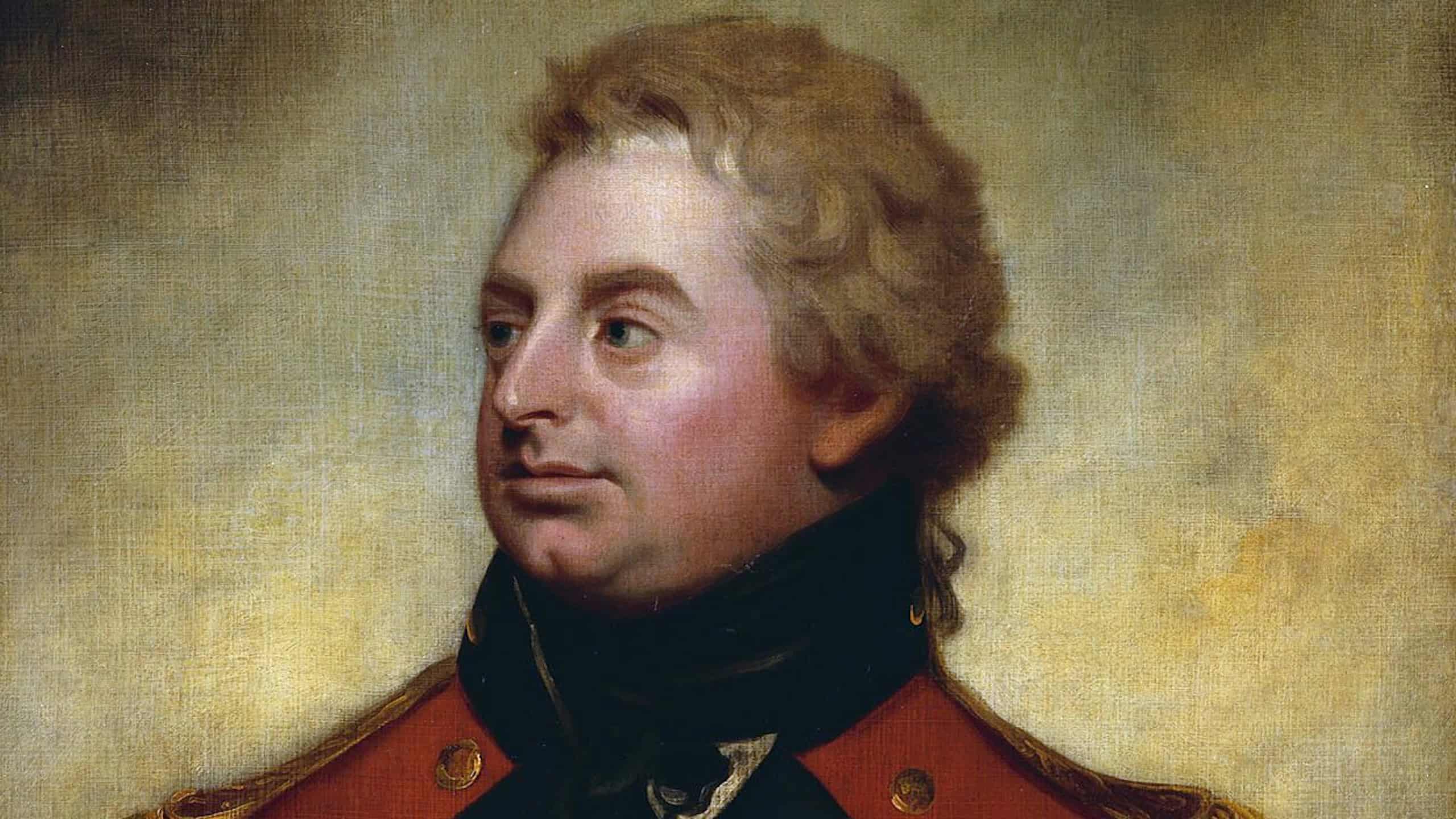
The next child was Prince Frederick, someone whose life went in a very different direction from his older brother’s. He was more focused on the army than royalty and became commander-in-chief in 1795. But his life was about to get way messier.
Mary Anne Clarke, his former mistress, was accused of selling access to army appointments, forcing Frederick to resign in 1809. He was later cleared of personally taking bribes and returned in 1811. In the public’s mind, though, the damage was done. He was married to Princess Frederica Charlotte and had no children, so he died in 1827 completely heirless.
William IV
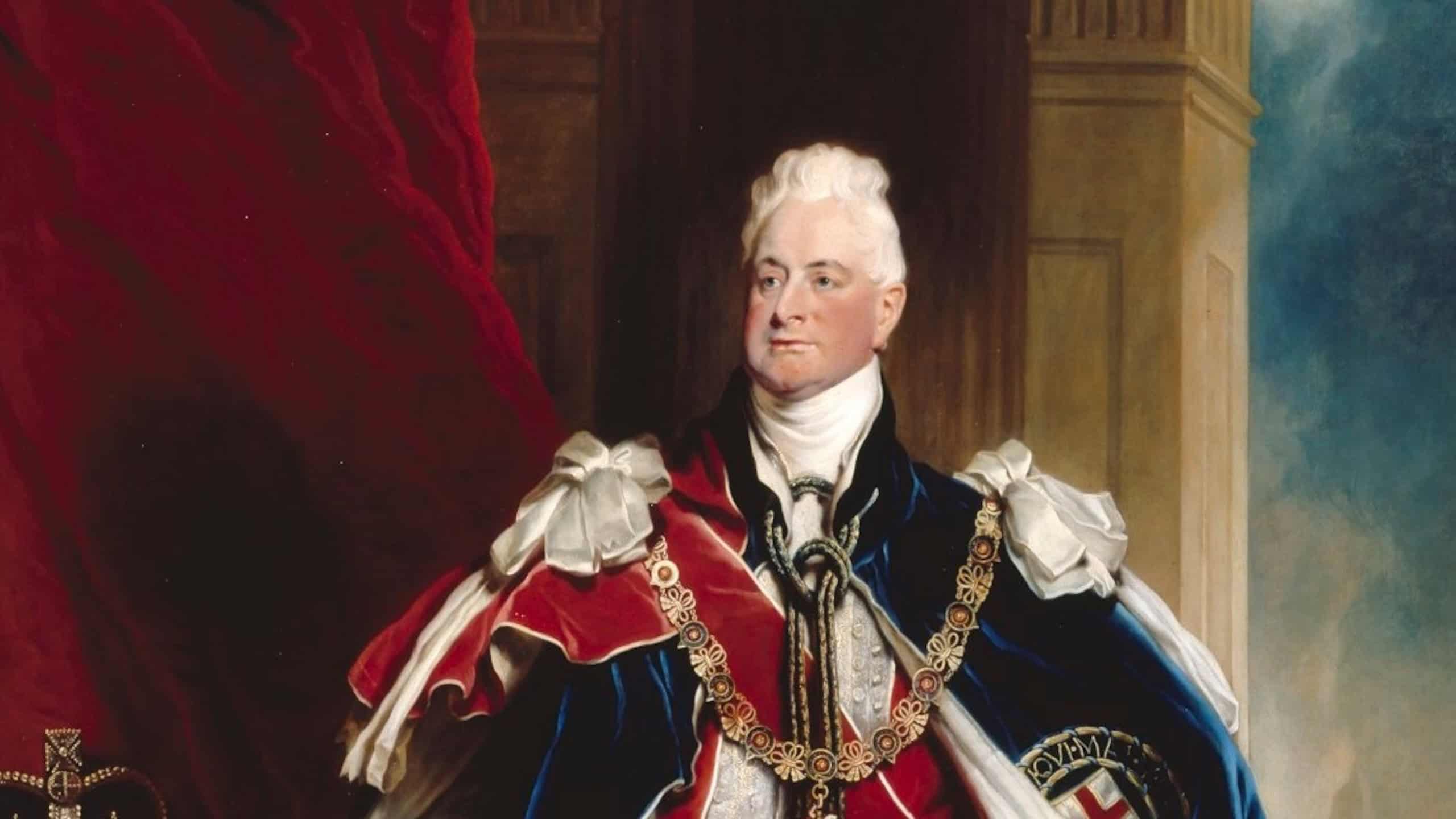
You’d think that having ten children would be enough to secure a royal line. Not in the case of William IV. He had all ten with actress Dorothea Jordan, but they weren’t married at the time. Bad news. That meant none of the FitzClarence children could inherit the throne.
William did marry Princess Adelaide later on in 1818, but each pregnancy resulted in miscarriage, stillbirth, or early deaths. William took the throne in 1830 and died in 1837. The crown then went to someone you might be familiar with, his niece named Victoria. Yes, that Queen Victoria.
Charlotte
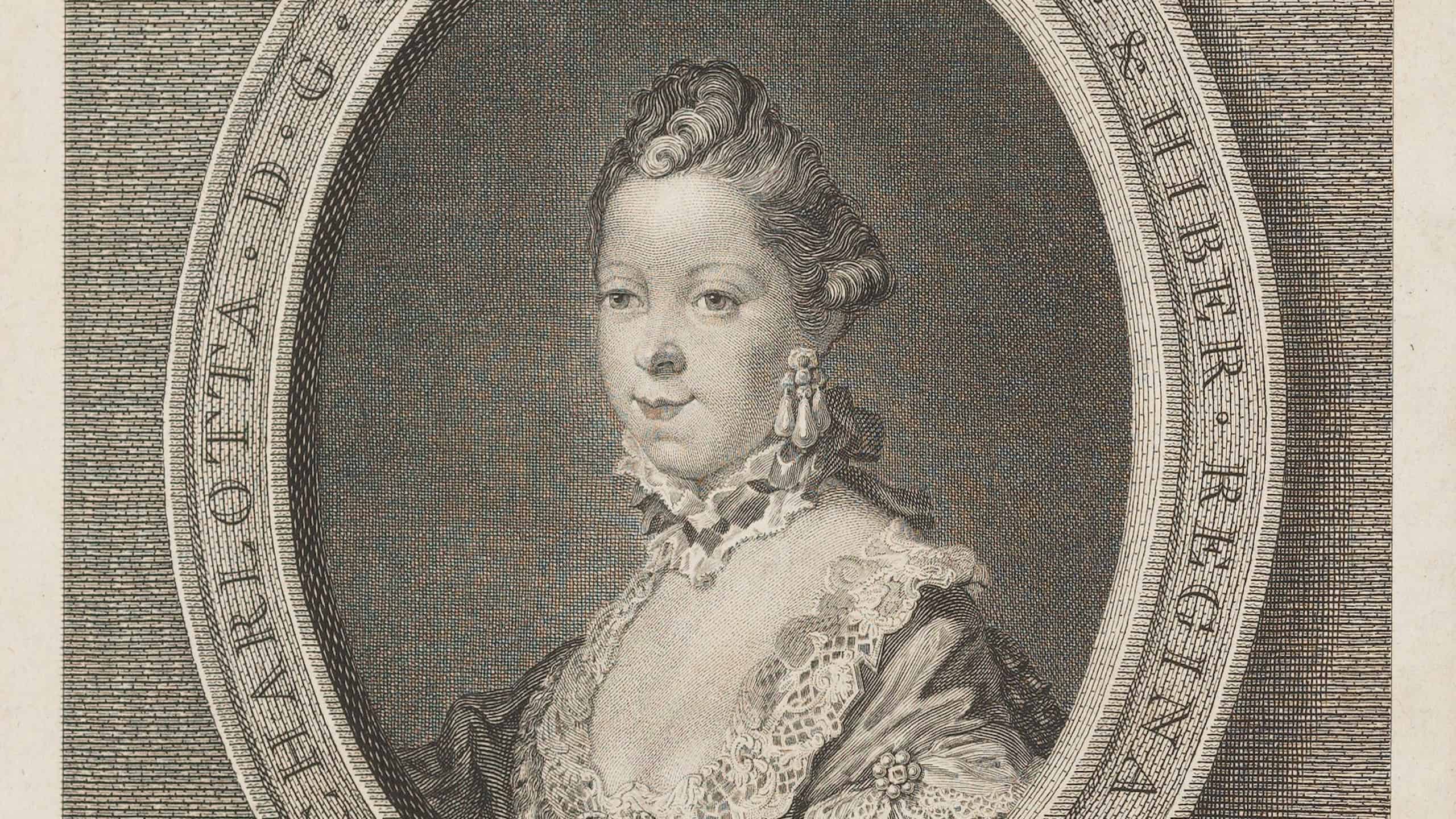
In 1797, Charlotte married Frederick, a man who would later become the king of Württemberg in Germany. So she decided to move there. He became duke the same year of their wedding and king in 1806, making Charlotte queen. It wasn’t all good news, sadly.
Her one recorded pregnancy ended in a stillbirth after a difficult labor. Charlotte managed to recover, physically, at least. She also remained with Frederick, but they never had another child together. It was too much heartbreak.
Prince Edward
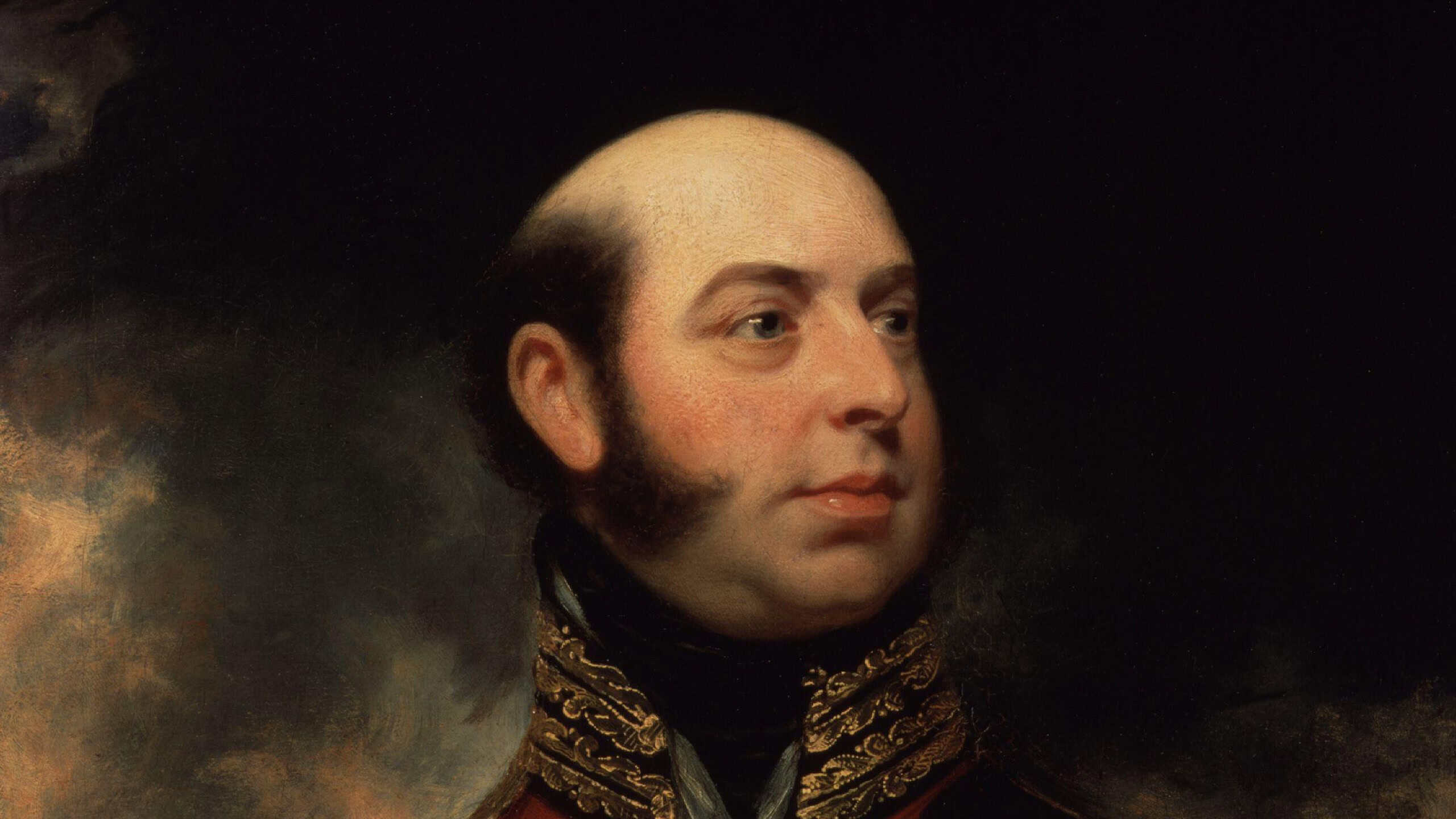
George IV’s only daughter died in 1817, and that meant the unmarried sons of George III had to act quickly. They were suddenly expected to produce legitimate heirs. That’s why Edward, Duke of Kent, married Princess Victoria of Saxe-Coburg-Saalfeld in 1818.
They had a daughter together named Alexandrina Victoria, who was born on May 24, 1819. But Edward never got the chance to really know her, as he died of pneumonia when she was eight months old. He had no idea that she would go on to become Queen Victoria.
Princess Augusta Sophia
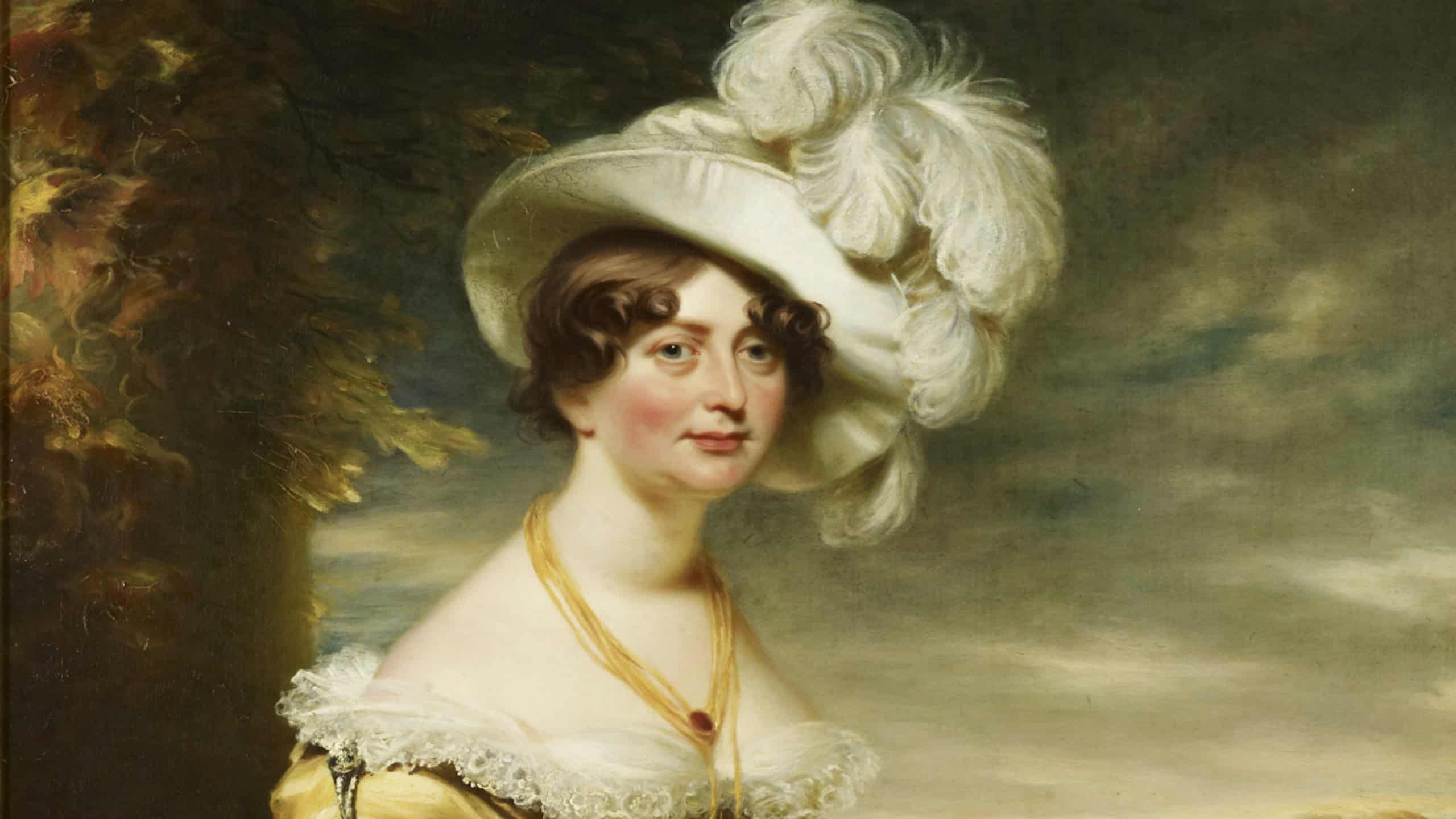
The thing with Princess Augusta Sophia is that she never truly got what she wanted. She originally formed a long attachment to an Irish-born army officer named Sir Brent Spencer. But royal officials didn’t think he was good enough for a king’s daughter because his rank was too low.
You couldn’t get married as a royal without permission back then. So, in 1812, Augusta asked her brother, George IV, to let them marry quietly. He said no. There were rumors that they’d married in secret. But the official story was that Augusta was unmarried until her death in 1840.
Princess Elizabeth
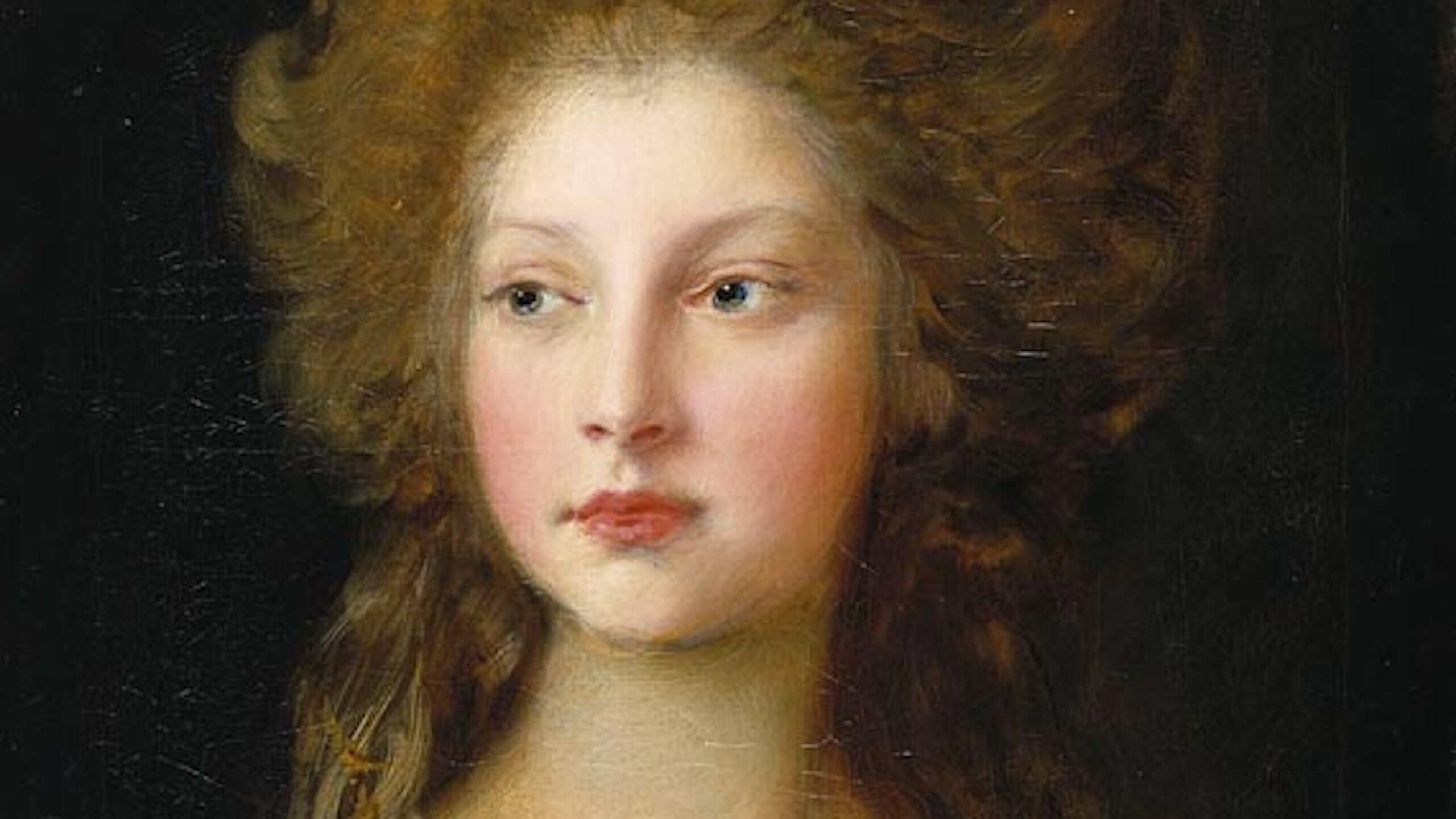
It seems like these royals had a thing for Fredericks. Take Princess Elizabeth, for example. She also married a German in 1818 named Frederick and moved to Germany, just like Charlotte. But unlike Charlotte, Elizabeth waited until she was 48 years old to do so.
Her Frederick was a hereditary prince of Hesse-Homburg in Germany, and that meant Elizabeth herself now had a home of her own. She also had way more freedom than she’d had under Queen Charlotte. The pair had no children, and Elizabeth stayed in Hesse-Homburg when he died. Elizabeth herself passed away in 1840.
Ernest Augustus

William IV died on June 20, 1837, and Victoria inherited the British throne. But she couldn’t inherit his ownership of Hanover because its succession rules didn’t allow a woman to inherit. At least, not while there was an eligible male relative still alive. That man was Ernest Augustus.
That meant that, when William IV died, Victoria became queen of Britain and Ernest became king of Hanover in modern-day Germany. Two crowns that had shared the same monarch for 123 years were now split. Ernest moved to Hanover and ruled until his death in 1851.
Augustus Frederick
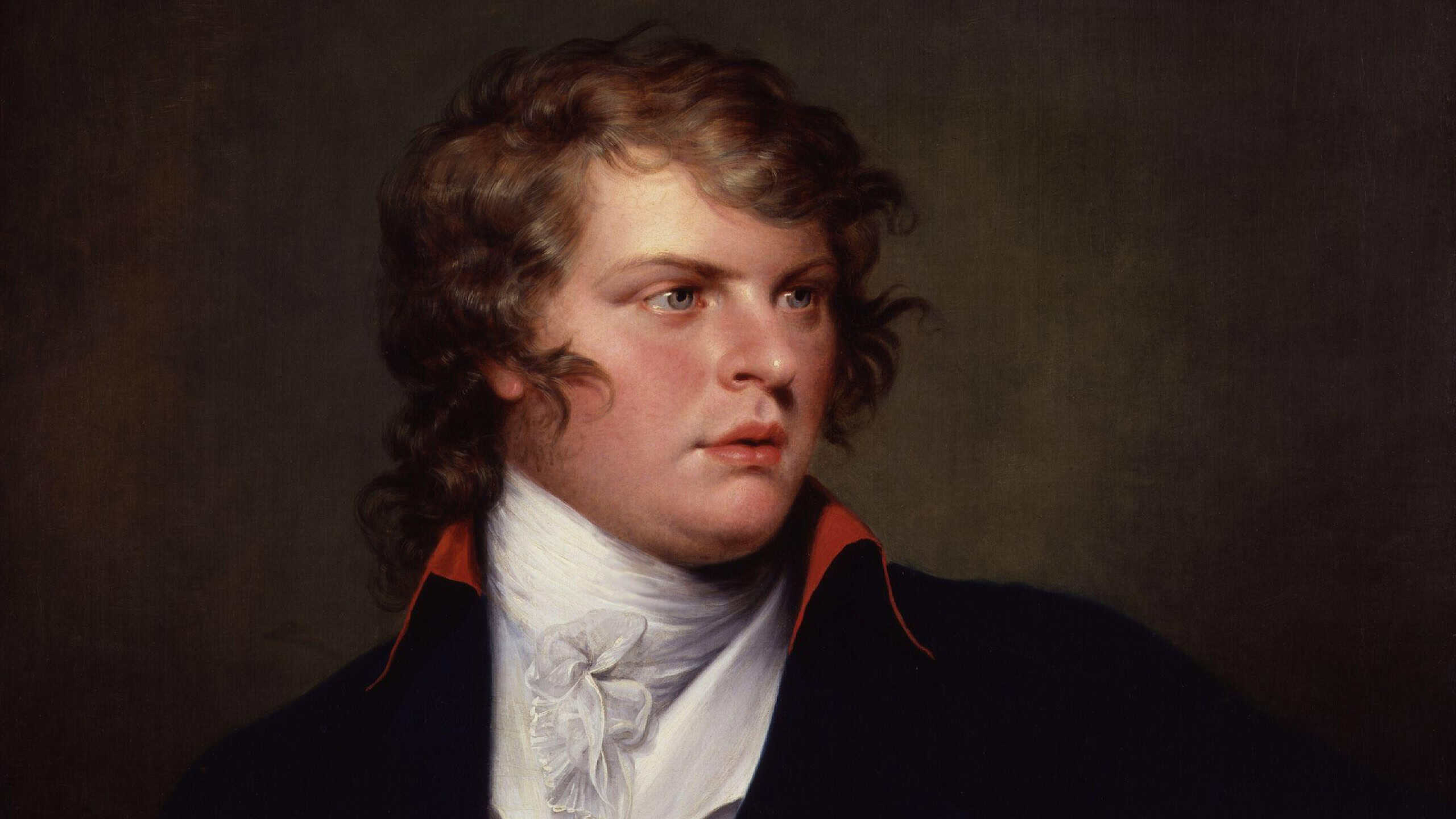
Augustus Frederick managed to create legal trouble both times he married. His first bride was Lady Augusta Murray, and the pair got married secretly in Rome. They did it again in London. But George III hadn’t approved it, and both ceremonies were declared invalid in 1794.
Augustus and Murray had two children, but they couldn’t inherit his royal titles. Augustus married Lady Cecilia Buggin years later, also without permission. She wasn’t legally Duchess of Sussex. Still, Queen Victoria later gave her the separate title Duchess of Inverness. He died in 1843.
Prince Adolphus

Prince Adolphus spent a lot of his adult life dealing with Hanover, instead of the British court. He studied at Göttingen and served in the army. Then, he became governor-general of Hanover and was named viceroy in 1831. But that job ended when Victoria inherited Britain, not Hanover.
Adolphus went on to marry Princess Augusta of Hesse-Cassel and had three children with her. Their youngest daughter, Mary Adelaide, later became Queen Mary’s mother. Queen Mary was Queen Elizabeth II’s grandmother, so yes, his family branch was important for Britain’s royal line.
Princess Mary

Mary waited a surprisingly long time to marry, at least by royal standards. She married her first cousin when she was 40. Before that, she’d spent most of her life at home, caring for her younger sister Amelia during her illness.
Mary and her husband, Prince William Frederick, never had children. He also spent a long time away from home. In 1834, he died, and Princess Mary stayed close to her niece, Queen Victoria. Mary died in 1857 as the last surviving child of George III.
Princess Sophia
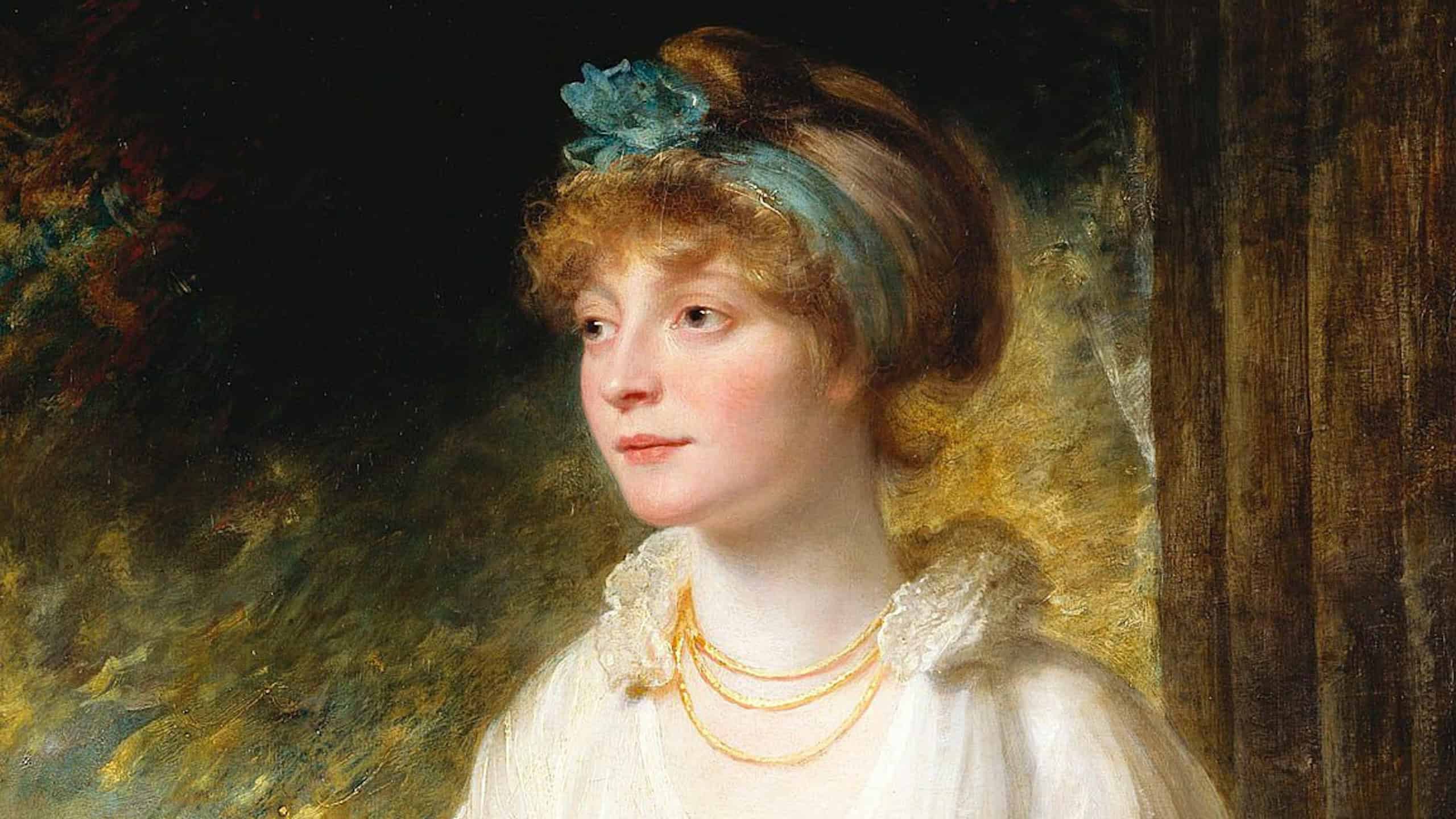
Princess Sophia never really got to experience life by herself. She lived with Queen Charlotte until 1818, and then moved through other royal homes. Her eyesight became much worse as she got older. So, she was left relying a lot on her family, rather than living independently.
There were rumors that she secretly had an illegitimate child, either with her own brother or Major-General Thomas Garth. Nobody’s sure if it really happened, though. What we do know is that Sophia died in 1848, aged 70.
Prince Octavius, Prince Alfred, and Princess Amelia
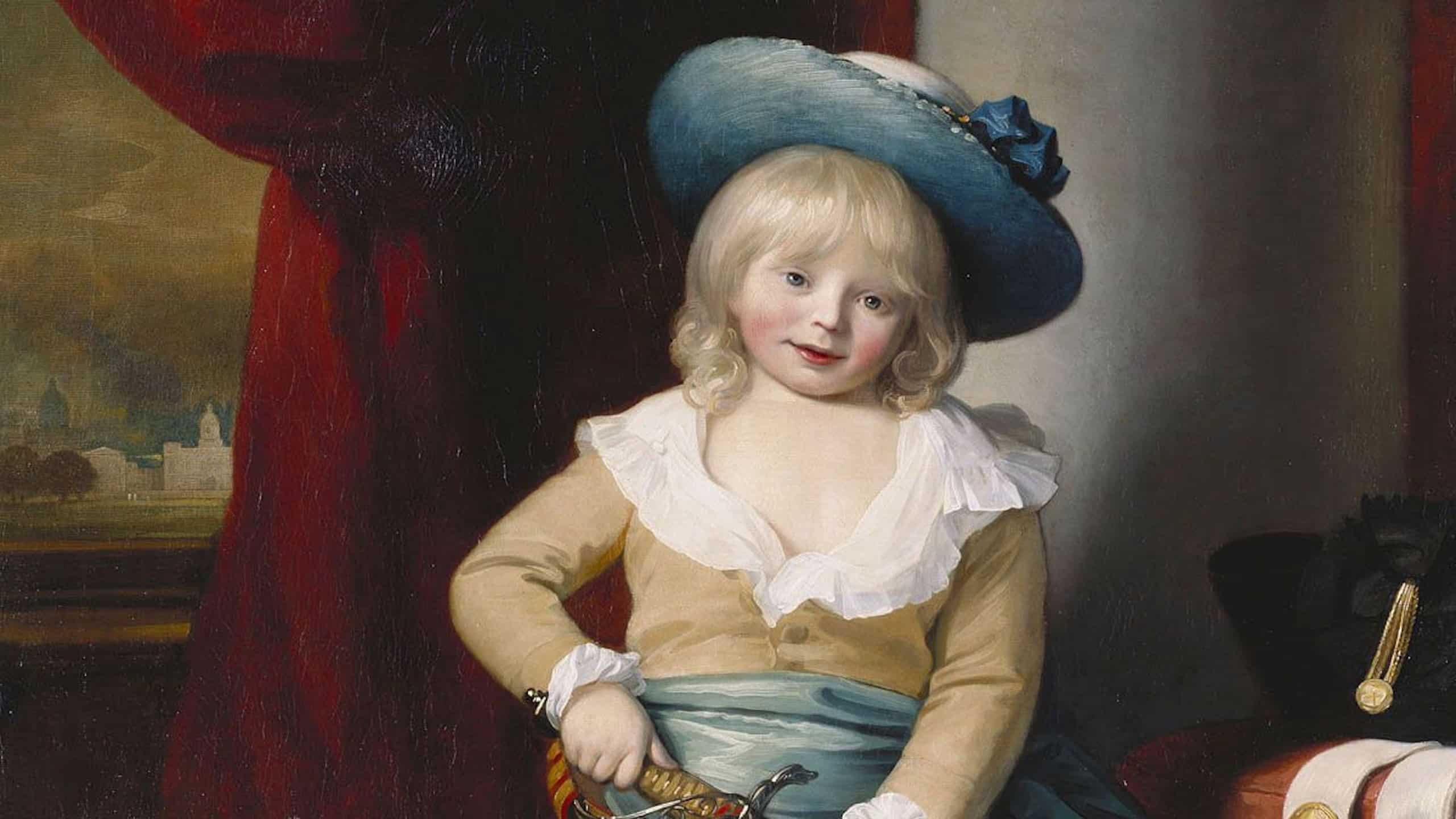
Not all of George III’s and Charlotte’s children made it to adulthood, however. Prince Alfred contracted smallpox and died shortly before his second birthday. Prince Octavius died at the age of 4 after suffering the same sickness.
As for Princess Amelia, she lived longer and actually managed to survive her childhood. But she became sick with tuberculosis while she was young, which caused her health to decline for years. She died at the age of 27.
Sources: Please see here for a complete listing of all sources that were consulted in the preparation of this article.
11 women in history who refused the life chosen for them
History is not just made by warriors and revolutionary thinkers; it’s also been shaped by women throughout time and across cultures who didn’t settle for the roles that others chose for them.


