

You might be surprised to know that some of the most influential people in history were actually born outside a marriage, and they still ended up taking kingdoms or commanding armies.
Robert, Earl of Gloucester
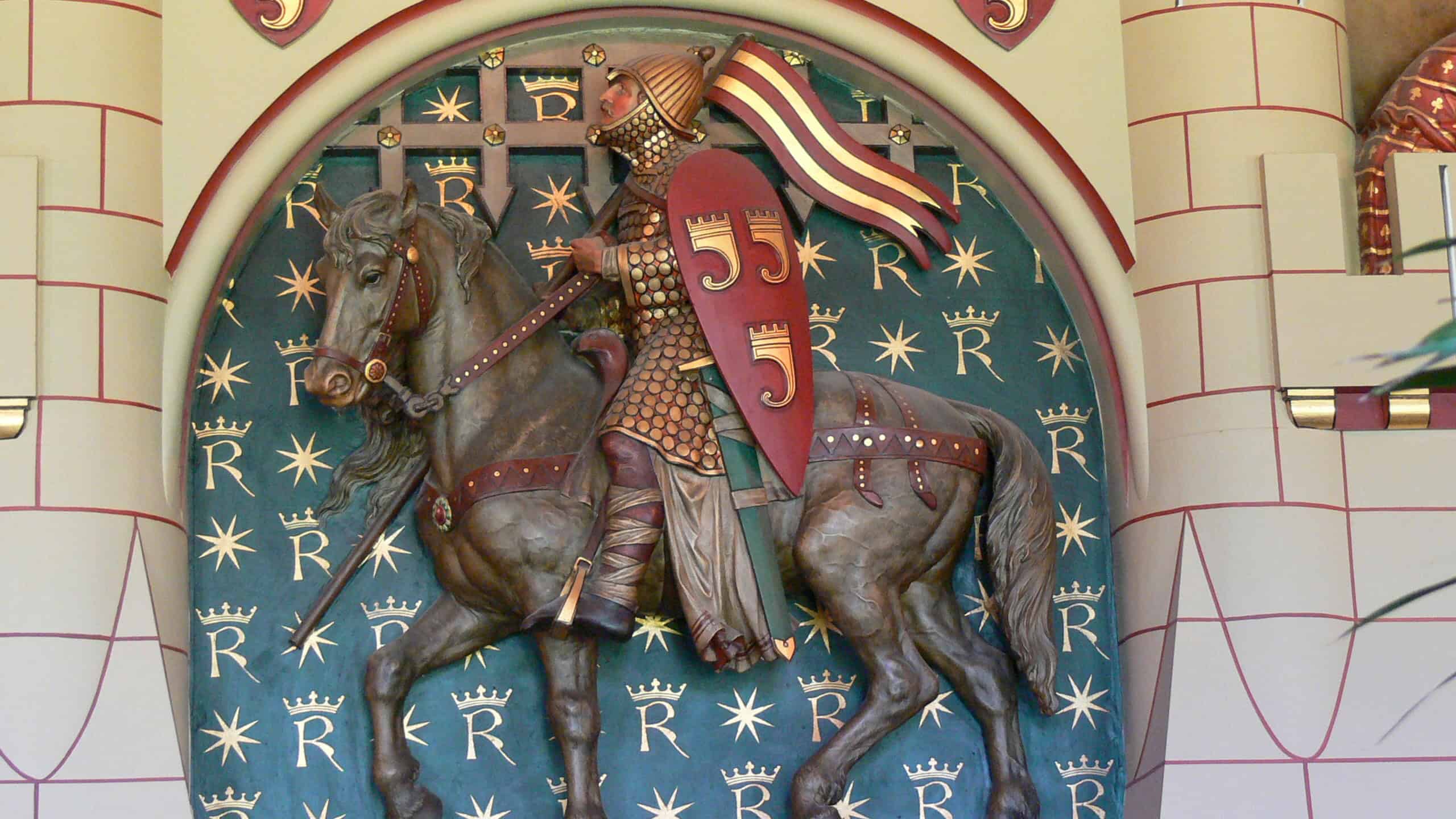
Robert, Earl of Gloucester, spent years fighting for the English crown. He wasn’t actually trying to wear it or anything, though. He was born as the illegitimate son of Henry I of England and an unknown woman. Henry didn’t shy away from his connection to Robert.
He gave his son huge estates and made him an earl. Civil war struck the country during the 1100s, and Robert became Empress Matilda’s main military commander. He helped her army capture her cousin, King Stephen, at Lincoln in 1141. That changed everything for English history.
William the Conqueror

William the Conqueror crossed over the English Channel in 1066 to take England. He succeeded. That was quite a surprise for his enemies, as they didn’t think he could do it. He was born outside marriage, probably in 1027 or 1028, so they thought he was incapable.
Still, he survived a string of rebellions and defeated Harold Godwinson at Hastings to become king of England. He handed a huge number of estates to Norman followers and built castles practically everywhere. Not bad for an illegitimate son.
Vladimir the Great

He wasn’t expected to dominate the family. Vladimir the Great was born around 958 to Sviatoslav I of Kyiv and Malusha, who wasn’t married to Sviatoslav. Vladimir was sent north to rule Novgorod, but then things got a little messy. He came back.
Not alone, though, he came back with Varangian warriors and defeated his half-brother Yaropolk. Vladimir took control of Kyiv. He converted to Byzantine Christianity around 988 and ordered mass baptisms, completely changing the religious life of Kyivan Rus, an East Slavic state, for centuries.
John I of Portugal
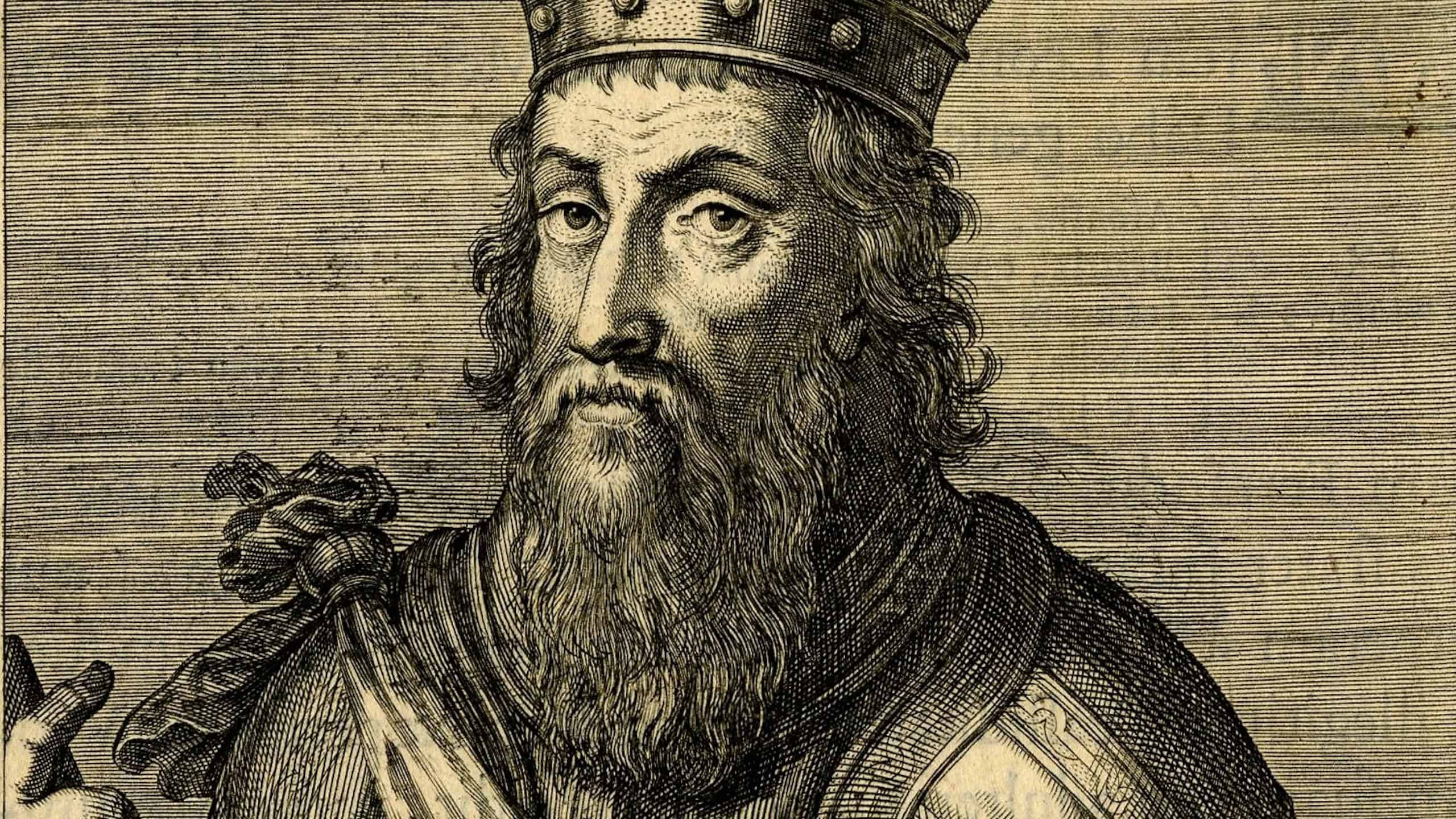
There was a time when Portugal nearly ended up under Castilian, a Spanish kingdom, control in the 1380s. John I of Portugal was right in the middle of it. He was born in 1357 to King Peter I and Teresa Lourenço and became master of the Order of Aviz, a kind of military-religious institution.
It didn’t really matter to his supporters that he was illegitimate. They pushed him forward as Portugal’s ruler during the succession crisis, and he went on to win a major victory at Aljubarrota in 1385. He became king shortly after.
Henry II of Castile

Speaking of Castile, Henry II of Castile was someone who fought for its control. He was born in 1333 or 1334 to King Alfonso XI and was one of many illegitimate children Alfonso had with Eleanor de Guzmán. It wasn’t exactly a happy family, though.
Henry later went to war against his legitimate half-brother, King Peter I, and had help from French soldiers. Peter was eventually killed, and Henry took the crown. When he took the throne, he started a dynasty that later ruled across a lot of the Iberian Peninsula.
Francesco Sforza

Francesco Sforza never let his parental history stop him, even though he was born illegitimate. He was the son of mercenary commander Muzio Attendolo Sforza and Lucia da Torsano. Francesco still ended up ruling Milan.
He first made a name for himself by becoming a condottiero, essentially a hired military commander who moved between Italy’s rival states. He then married Bianca Maria Visconti and became part of Milan’s ruling family. All in a day’s work.
Cesare Borgia
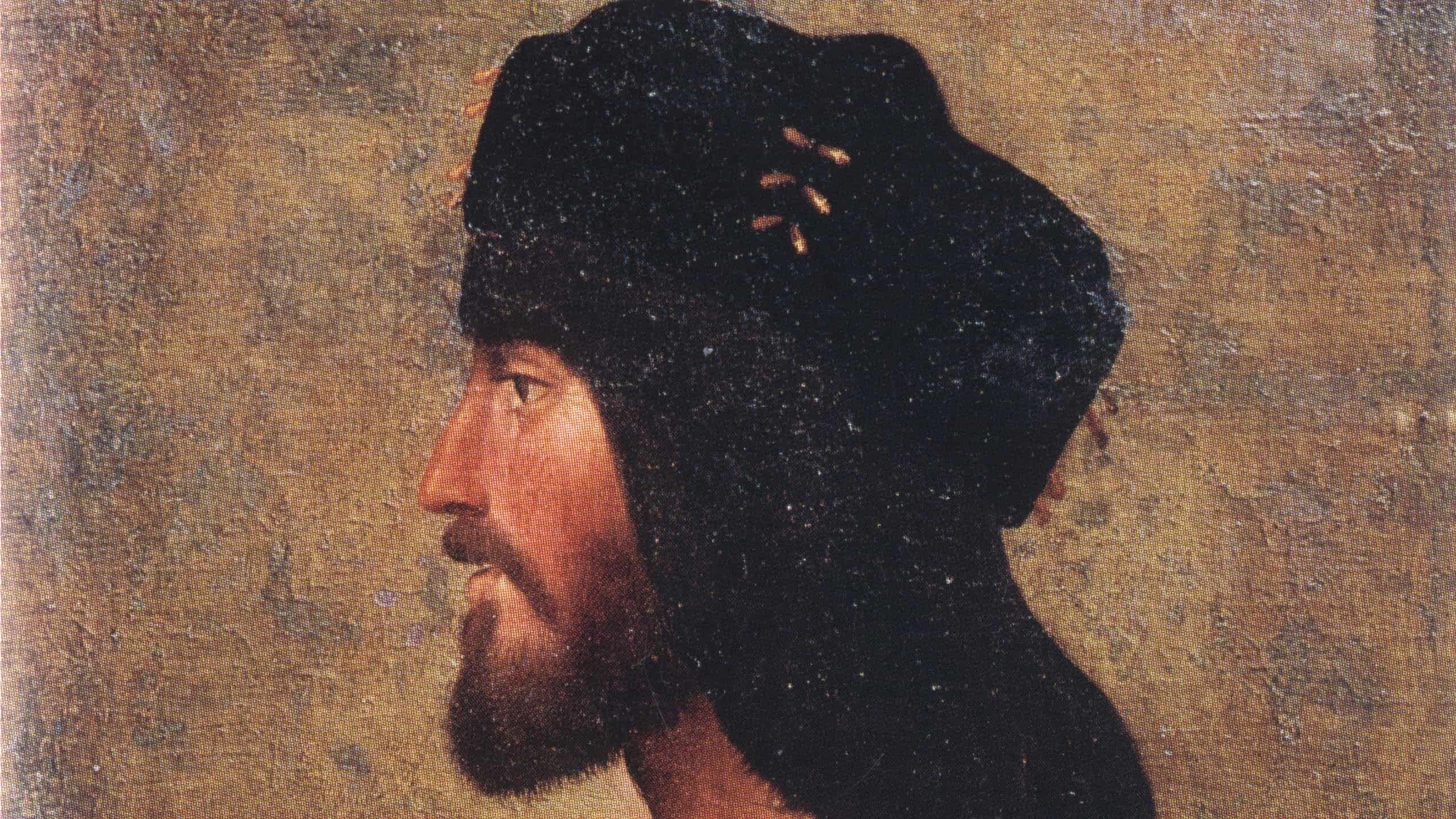
Cesare Borgia wasn’t the kind of guy who really liked wearing church robes. He was born to Cardinal Rodrigo Borgia and Vannozza dei Cattanei, and the Cardinal would later become Pope Alexander VI. Cesare tried being a cardinal himself. It didn’t last.
He gave it up and switched to military command, eventually seizing towns across Romagna. He actually became such a powerful figure, in fact, that writer Niccolò Machiavelli used parts of Cesare’s rise and rule when writing The Prince.
Don John of Austria

Don John of Austria wasn’t even raised under his real name for many years, and lived a normal person’s life as Jeromín. But secretly, he was the son of Holy Roman Emperor Charles V and Barbara Blomberg, an unmarried woman from the city.
Philip II of Spain later recognized him as his half-brother and gave him military commands as a result. Don John was more than happy to accept. He led the Holy League fleet at Lepanto in 1571 and defeated the Ottoman navy.
Federico da Montefeltro
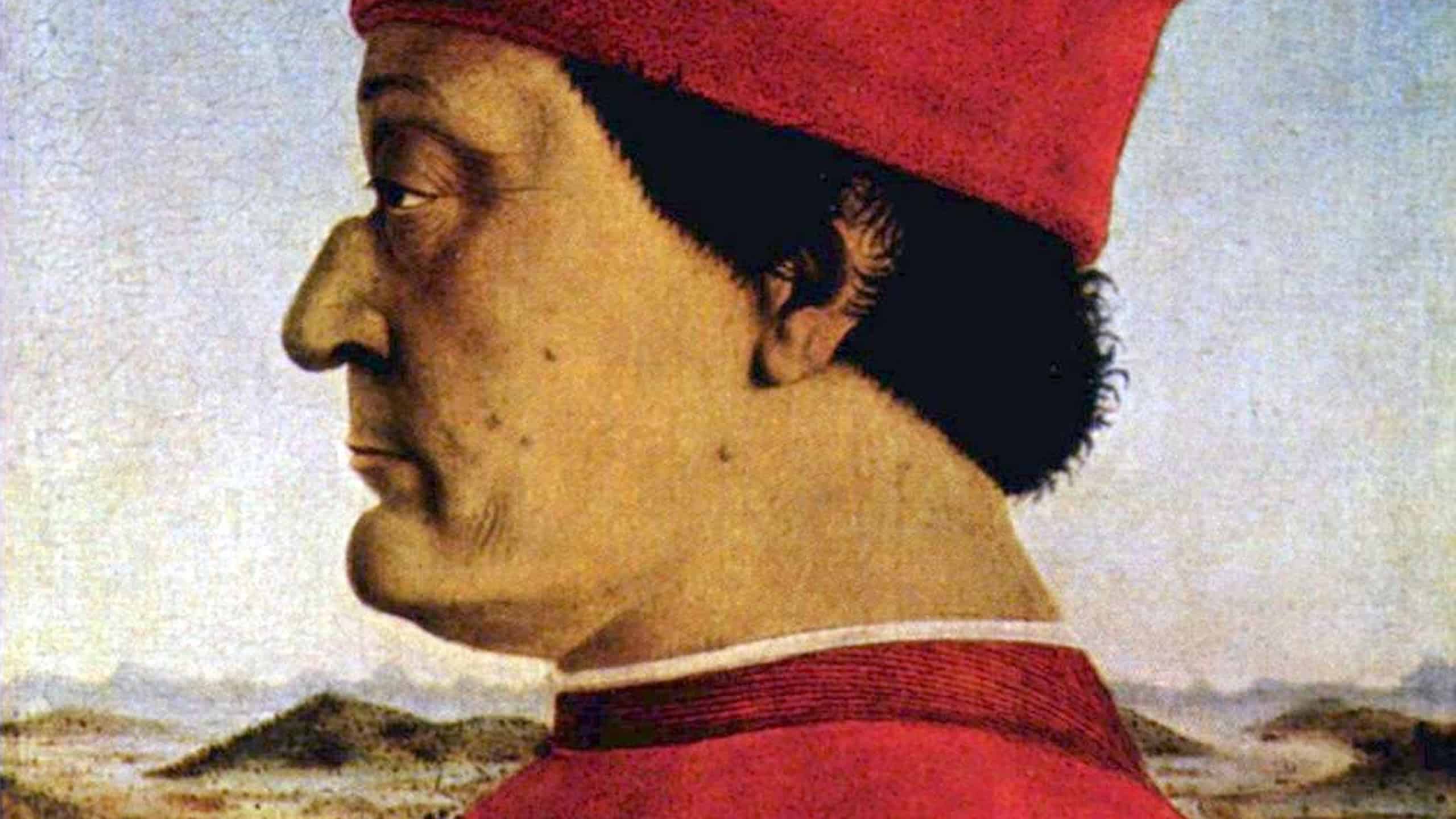
The thing with Federico da Montefeltro is that we don’t really know who his father was. But we do know that he ended up being pretty powerful. He was officially the illegitimate son of Guidantonio da Montefeltro, the ruler of Urbino, Italy, and he was born in 1422.
Pope Martin V legitimized Federico while he was still young. He began ruling Urbino in 1444 and started making some serious money as a military commander. A lot of this cash went on books, and his library alone became quite famous.
Charles de Morny
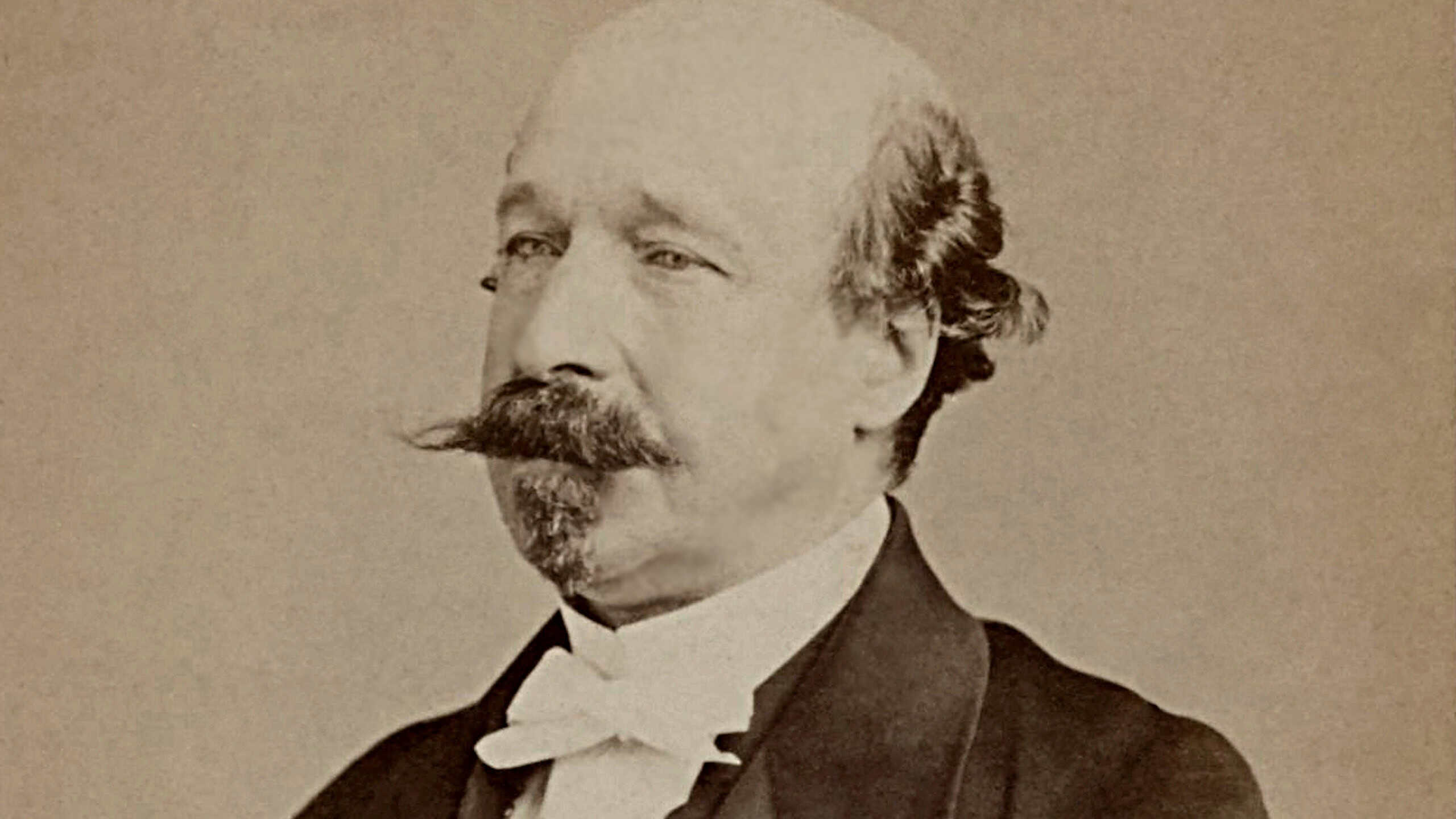
Charles de Morny was destined to do great things as soon as he was born. His parents were Hortense de Beauharnais, the separated queen of Holland, and General Charles de Flahaut, after all. That made him the half-brother of Louis-Napoleon Bonaparte, aka Napoleon III.
De Morny didn’t stay in the shadow, though, and he actually helped to arrange the coup of December 2, 1851. He also served briefly as interior minister, and later ran the Corps législatif from 1854 until his death.
Sources: Please see here for a complete listing of all sources that were consulted in the preparation of this article.
11 women in history who refused the life chosen for them
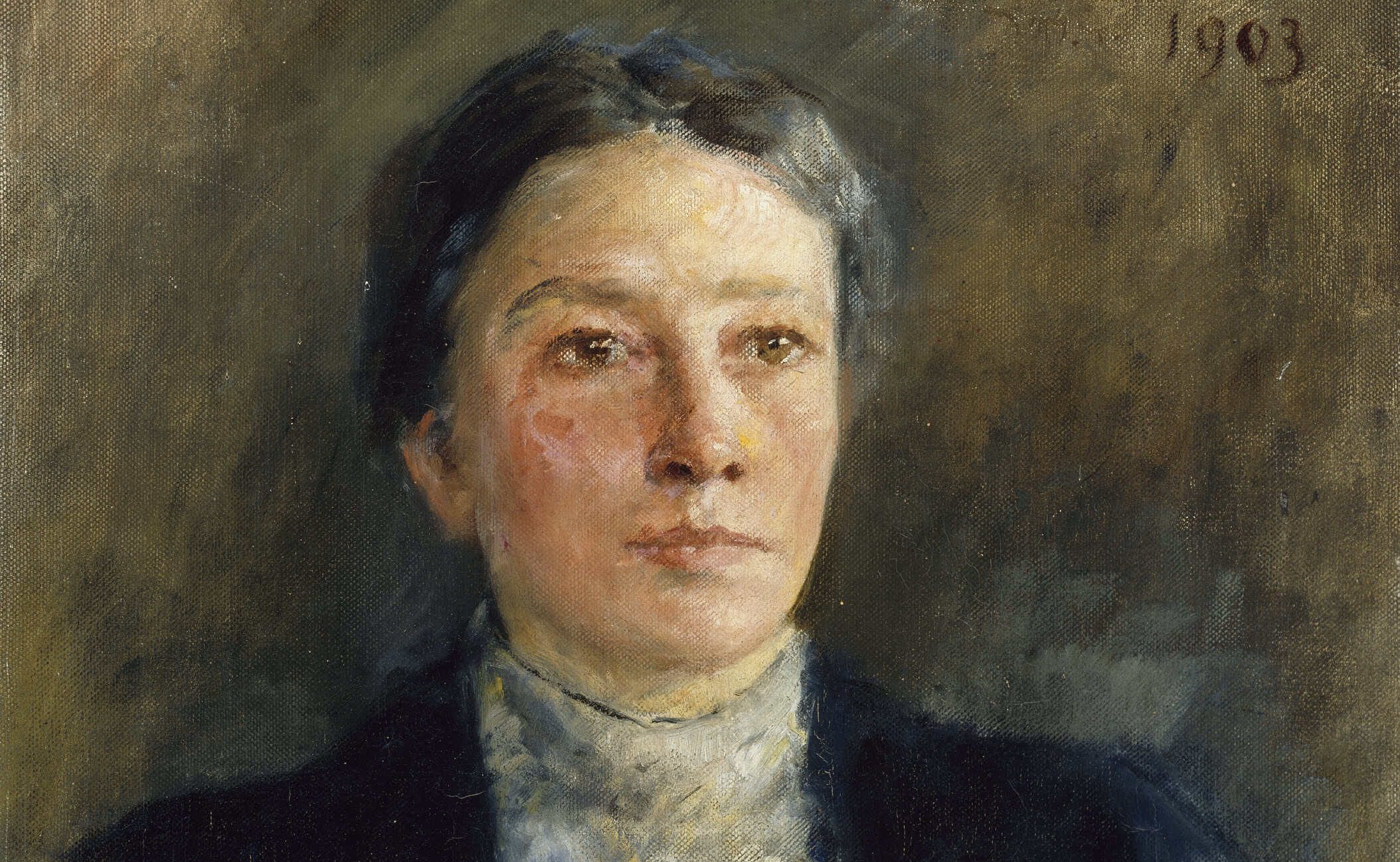
History is not just made by warriors and revolutionary thinkers; it’s also been shaped by women throughout time and across cultures who didn’t settle for the roles that others chose for them.


