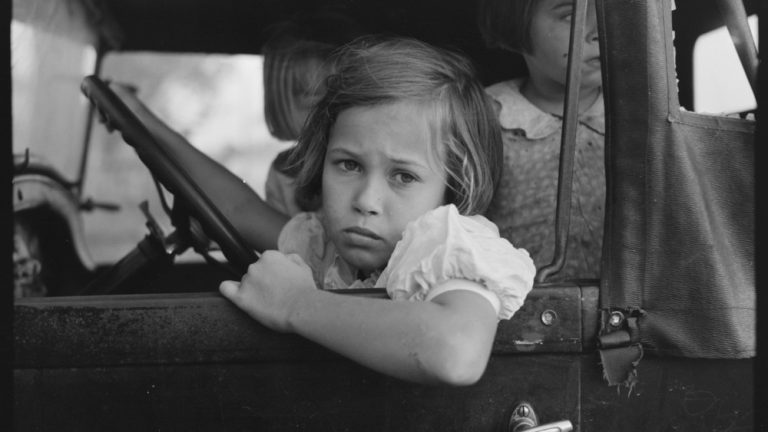

To millions of people, they may have been hated or reviled historical figures, but to their children, they were flawed human beings that they grew up with since birth.
Svetlana Alliluyeva
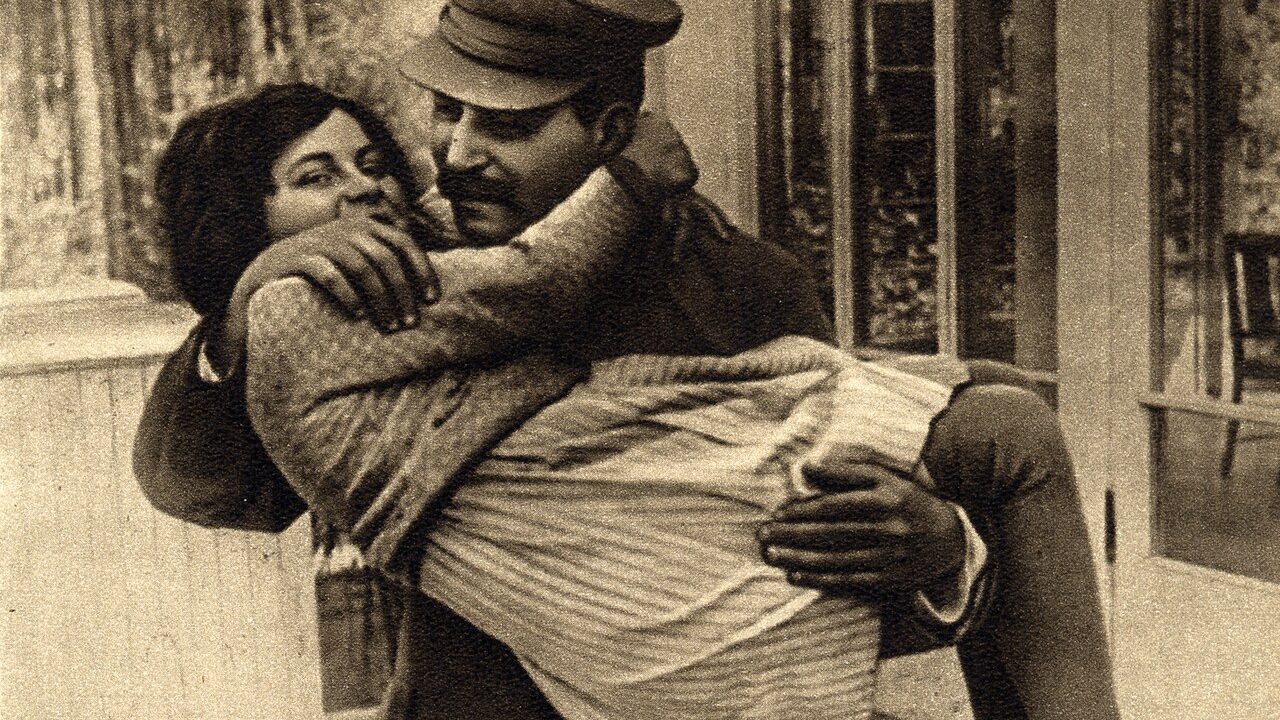
Daughter of Joseph Stalin
Stalin’s only daughter, Svetlana Alliluyeva also had a conflicted relationship with her father. Stalin doted on her as a child, but she became estranged from him as an adult. After fleeing to the United States in 1967, she denounced Stalin and Soviet life.
In her memoirs, she described Stalin growing more suspicious and paranoid with age. She also lamented feeling like she spent her whole life in the shadow of her father’s name. She spent years trying to distance herself from simply being known as “Stalin’s daughter”. She once said that no matter where she lived, she would “still be a political prisoner” because of her name.
Romano Mussolini
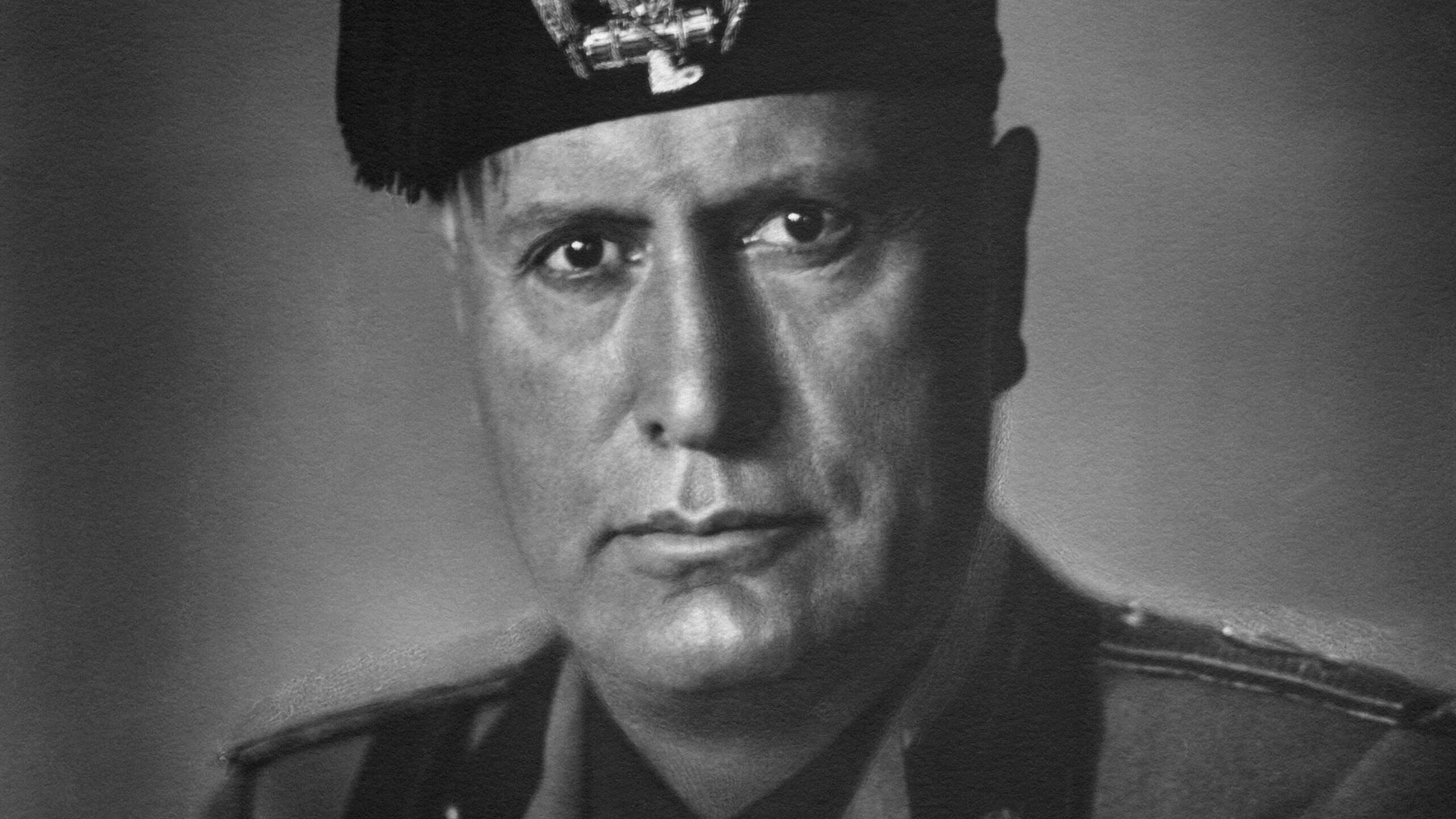
Son of Benito Mussolini
Mussolini’s youngest son Romano Mussolini grew up to become a respected jazz pianist instead of entering politics. Romano remembered his father quite differently from the dictator of historical memory.
The Mussolini he remembers at home was one who played with his children and loved music. He was reluctant to condemn his father publicly and insisted his memories of Mussolini were apolitical. Romano’s memories of his father illustrate how a violent public figure can have a drastically different reputation among his own family.
Li Na
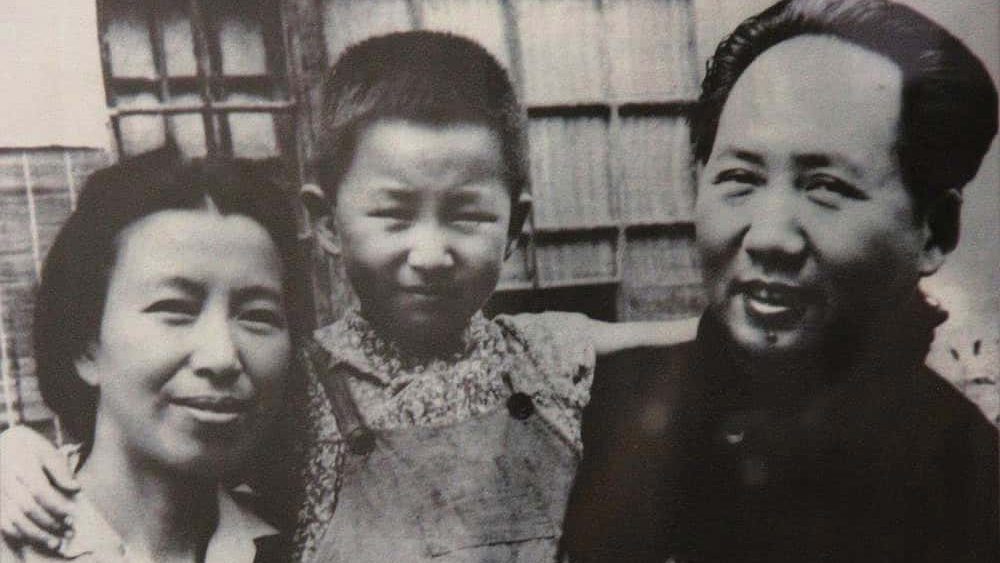
Daughter of Mao Zedong
Li Na grew up steeped in Communist Party politics and later joined China’s political and military leadership. While some children of tyrants have denounced their parent, Li Na never became a vocal critic of her father. Descriptions of her and Mao’s relationship instead suggest deep fondness.
Her reticence in speaking on many of Mao’s policies’ worst atrocities has drawn criticism itself, especially those of the Great Leap Forward and Cultural Revolution, which are estimated to have caused the deaths of tens of millions of people.
Carmen Franco

Daughter of Francisco Franco
Francisco Franco, the Spanish dictator, only had one child: Carmen Franco. She defended her father’s legacy even decades after his death, denying allegations of his brutality. Franco claimed he was a loving father and ruler who only did what was best for Spain.
She eventually became honorary president of the Francisco Franco Foundation, which seeks to honour his legacy. Her stance differs greatly from that of relatives of political prisoners killed, disappeared, or imprisoned by Franco’s regime.
Bongbong Marcos

Son of Ferdinand Marcos
Philippine president Ferdinand Marcos’ son Ferdinand “Bongbong” Marcos Jr. has long championed his father’s legacy. Marcos ruled the Philippines under martial law, and his rule is associated with human-rights abuses, numerous corruption allegations, and the Marcos family’s ill-gotten wealth.
His son has countered that his father’s time in office also saw development and infrastructure, and has balked at calls to apologize for his father’s regime. His election as president in 2022 capped one of the biggest family political resurrections in recent history.
Jaffar Amin

Son of Idi Amin
Jaffar Amin is one of Idi Amin’s many sons. He has publicly spoken about trying to reconcile the father he knew with the legacy of a ruler accused of massive abuses of power. While stating that his father was a loving father, he has acknowledged that abuses took place during Idi Amin’s rule.
Jaffar Amin has apologized to some victims and victims’ families and has spoken publicly about reconciliation. He has also disputed some of the claims against his father.
Lucía Pinochet
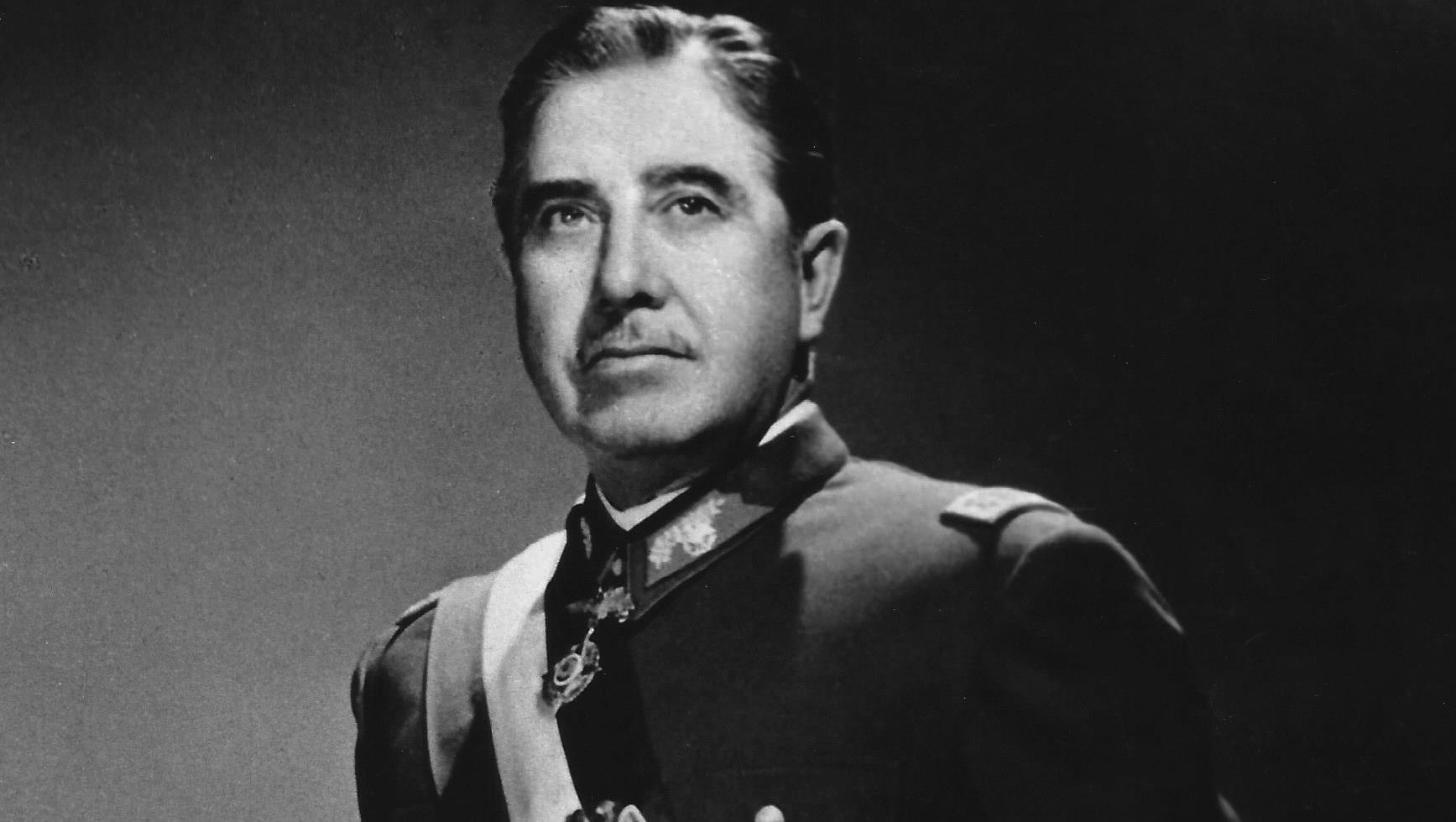
Daughter of Augusto Pinochet
Lucía Pinochet, eldest daughter of Chilean dictator Augusto Pinochet, was one of her father’s last staunchest defenders. Despite investigations and testimony detailing killings, disappearances, and torture by his military government, Lucía maintained that her father had rescued Chile from communism.
At his funeral in 2006, she publicly defended his legacy and portrayed the 1973 coup as justified. Her support demonstrates how drastically the private family memory of a leader can conflict with the experiences of those persecuted by his regime.
Omar bin Laden
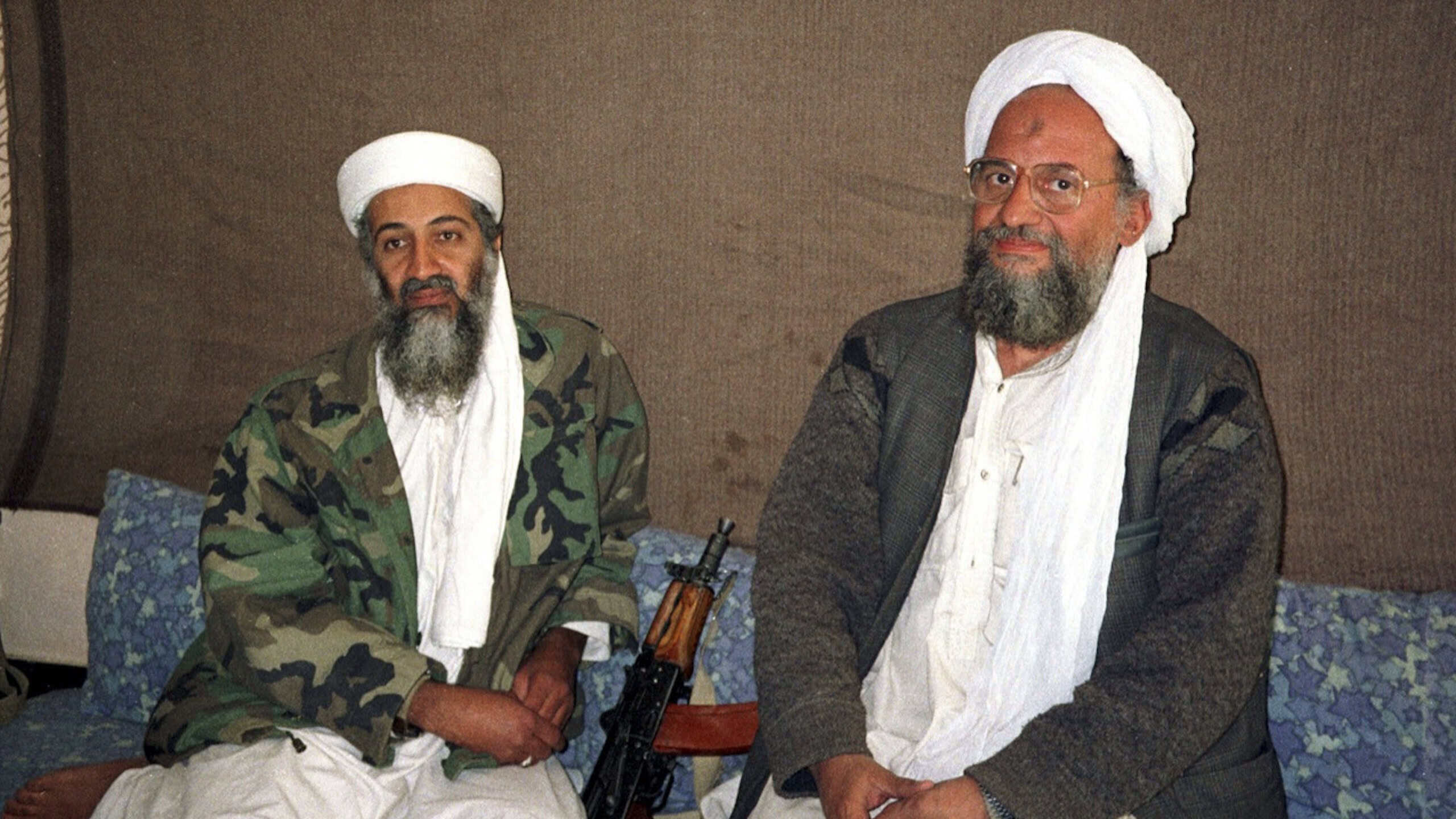
Son of Osama bin Laden
Osama bin Laden’s son Omar publicly renounced his father’s turn to violence. Omar grew up partly in his father’s world of increasing radicalism but later broke away. Omar went on to say he was disgusted with where his father had gone with his ideology, and he denounced attacks on civilians.
Omar depicted his father as scary and distant from his children emotionally. In Omar’s memoir and interviews, he said his father had high expectations, which put great stress on his sons.
Sergei Khrushchev
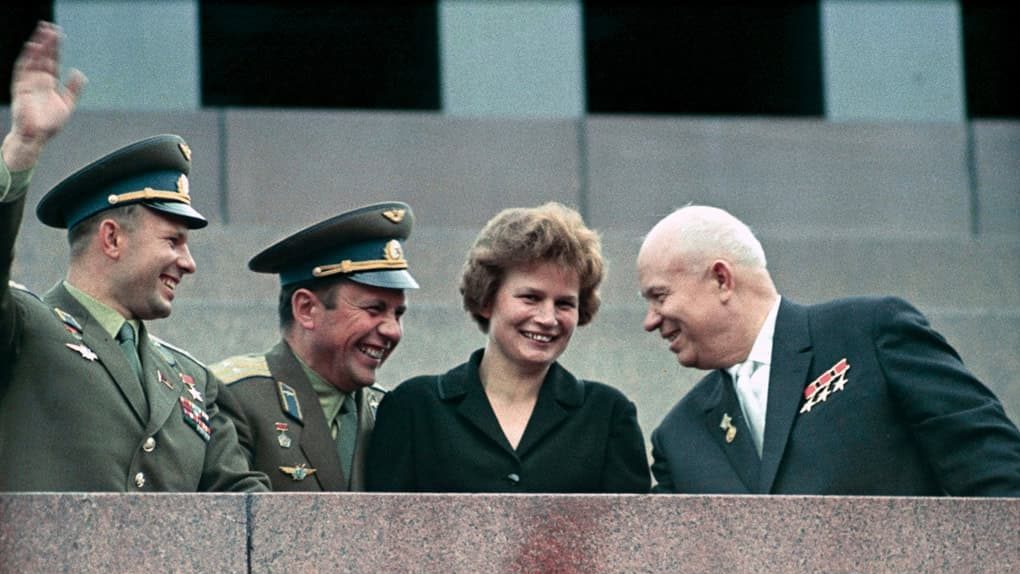
Son of Nikita Khrushchev
Sergei Khrushchev worked hard to defend his father’s policies and choices. Following his immigration to the United States, Sergei became a scholar of the Cold War era, authoring books about it.
Sergei tended to frame his father as more of a conflicted reformer than just another Communist dictator; he described Nikita Khrushchev’s efforts to end Stalin’s policy of mass terror against the Soviet people. Sergei wrote about Nikita’s failures and successes, while trying to dispel simplistic depictions of his father by the West.
Niklas Frank
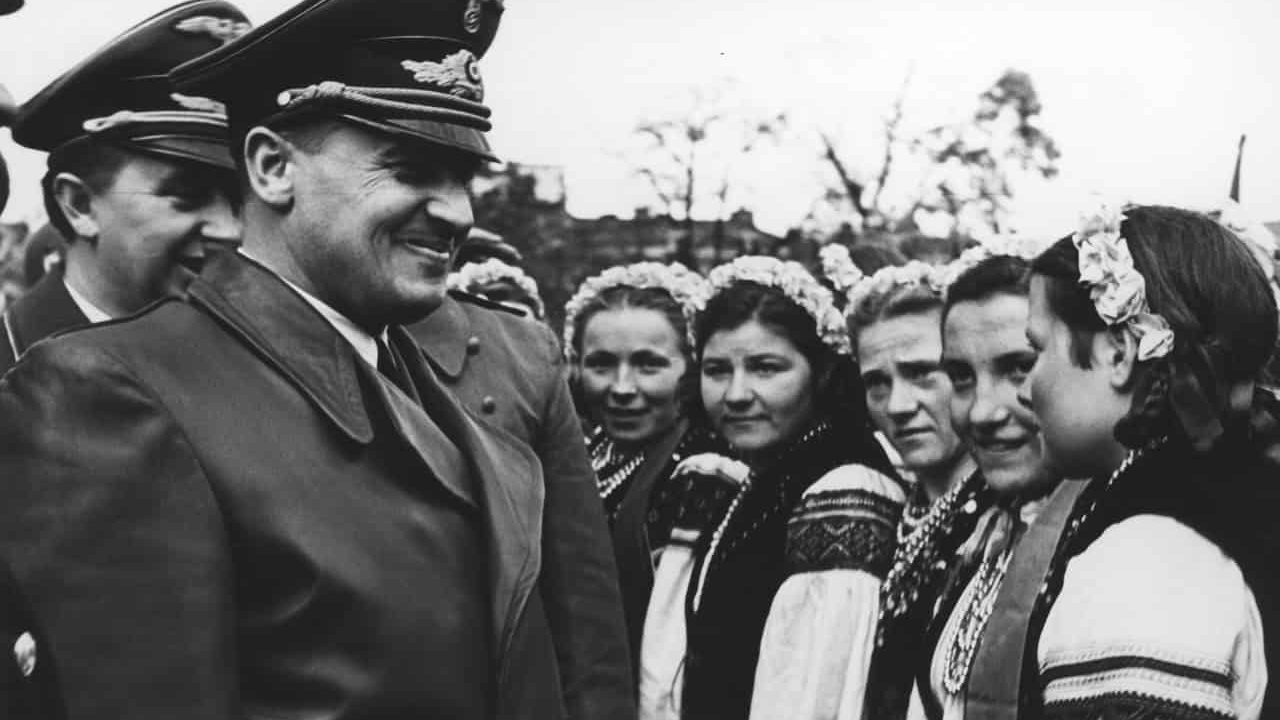
Son of Hans Frank
Niklas Frank has been an exceptionally outspoken critic of his father, Nazi governor-general of occupied Poland Hans Frank, who was convicted at Nuremberg and executed in 1946.
Niklas went on to harbor great hatred for his father instead of upholding his family’s reputation. His memoir The Father: A Settling of Accounts attacked his father’s crimes and described him as egotistical, violent, and amoral. Frank has stated publicly that he was happy that his father was sentenced to death.
Sources: Please see here for a complete listing of all sources that were consulted in the preparation of this article.
Like our content? Be sure to follow us.

