

Our older selves tend to be more vulnerable to illnesses that can start subtly and then advance with alarming speed.
Polymicrobial catheter-associated urinary tract infections

Once long-term urinary catheters become chronically retained, bacteria colonize the plastic tubing creating a viscous biofilm.
While typical urinary tract infections occur from one offending strain, these types become more complicated from multiple drug resistant organisms collaborating together.
Sometimes the typical burning sensation when urinating isn’t present at all with elderly patients. Doctors tend to identify this infection when patients suddenly become delirious, experience unexplainable falls, or significantly reduce their daily activities.
Clostridioides difficile (C. diff) colitis

When elderly individuals undergo prolonged antibiotic therapy for different conditions, the good gut bacteria can be wiped out.
Without friendly bacteria populations to keep it in check, C. diff spores multiply and activate releasing toxins that damage the intestinal wall. Loose stools, severe stomach pain, and serious dehydration occur shortly thereafter.
Studies indicate that people aged 65 and older account for over 70% of nosocomial C. diff infections.
Shingles
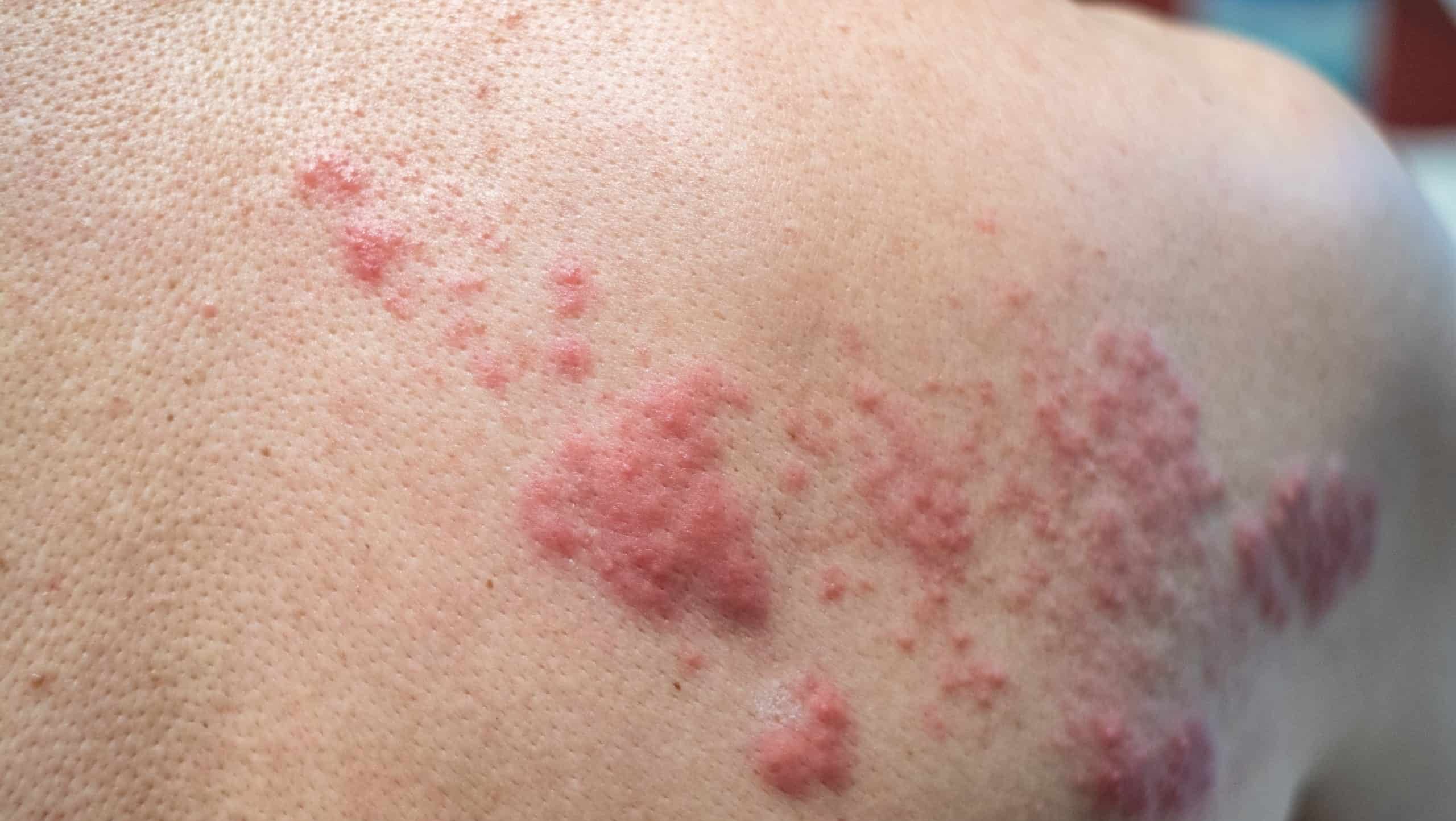
Years after recovering from childhood chickenpox, the dormant varicella- zoster virus reactivates in spinal nerve cells as cell-mediated immunity declines.
The returning virus moves along nerve routes and produces blistering eruptions along with severe, burning nerve pain on one side of the body.
And in older adults, the nerve damage can persist, leading to a chronic condition called postherpetic neuralgia, characterized by burning pain that lingers long after the skin has cleared.
Epidemiological studies have shown that over 50 percent of all shingles cases occur in patients over age 60.
Osteomyelitis secondary to pressure ulcers

When bony areas like heels or hips experience persistent friction and pressure, the surface tissues receive less oxygenated blood. Eventually, this will tear through the top layer of skin.
Now that there is an opening in the dermis, bacteria can work their way into underlying tissue and begin to metabolize muscle fibers.
If not treated, colonization of the deep wound will extend into the bone itself, resulting in infection of the bone called osteomyelitis.
According to data collected by hospitals, infected pressure ulcers are a top cause for prolonged IV antibiotic use in seniors and those enrolled in assisted living care facilities.
H. pylori chronic gastritis
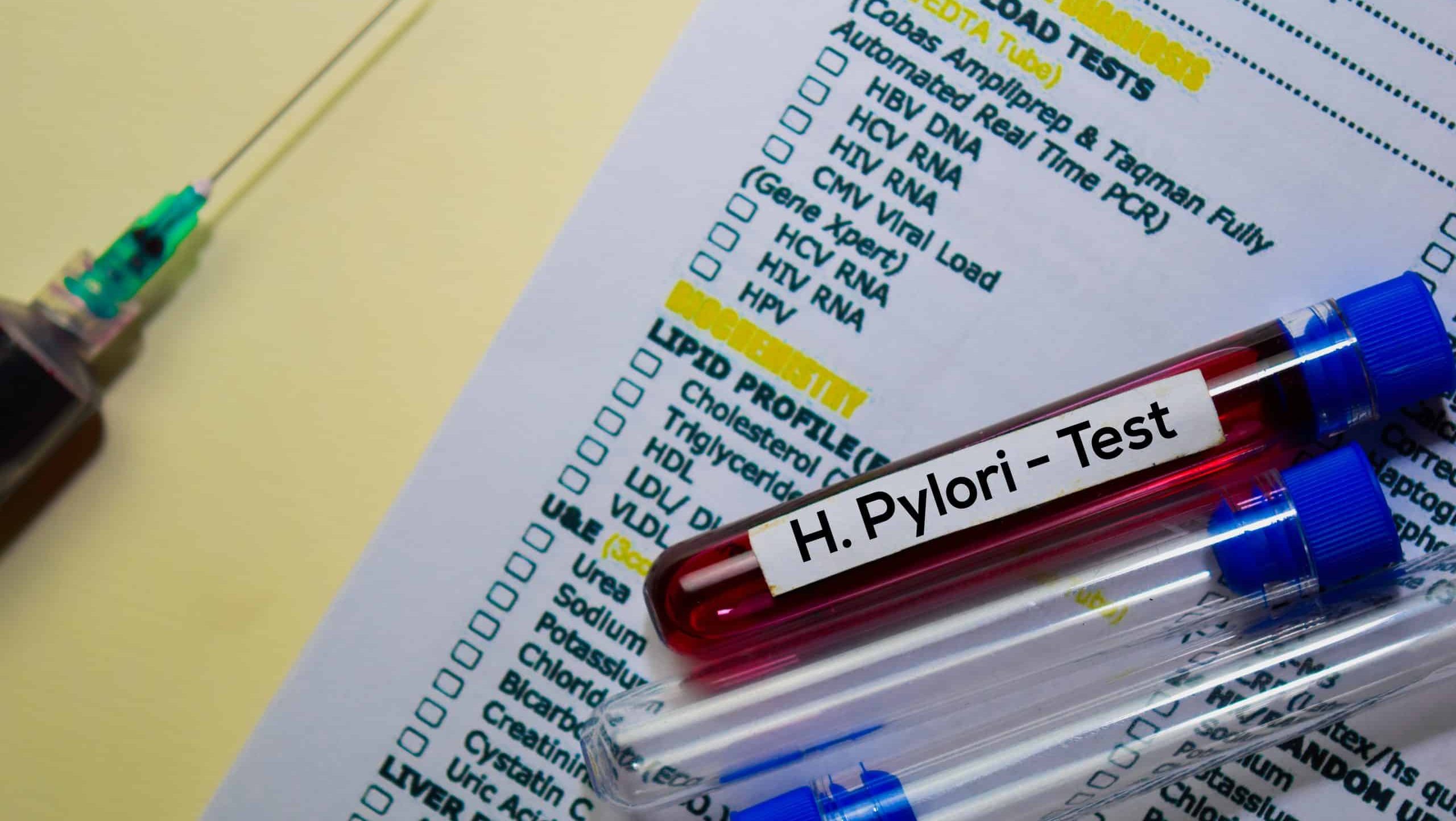
Normal acid output declines with advancing years producing an abnormal pH level within the digestive tract.
H. pylori bacteria can then attach itself permanently to the lining of the gastric mucosa, causing chronic inflammation.
Chronic inflammation weakens stomach cells affecting absorption of nutrients primarily vitamin B12 and iron, also increasing risk of peptic ulcer formation.
According to clinical findings, upwards of 50% of those over the age of 60 are host to this pathogen.
Respiratory syncytial virus (RSV) bronchiolitis

RSV is written off as merely a childhood virus, but it inflames the lower airways of older adults with fragile lung tissue.
The virus infects small airways linings, leading to productive cough, wheezing, and severe decreases in blood oxygen levels. And doctors often mistake these signs for typical heart failure or asthma flare-ups, overlooking the viral infection.
Each year, the CDC (Centers for Disease Control and Prevention) reports that RSV lands between 60,000 and 160,000 seniors in the hospital.
MRSA Skin Infection (Cellulitis)
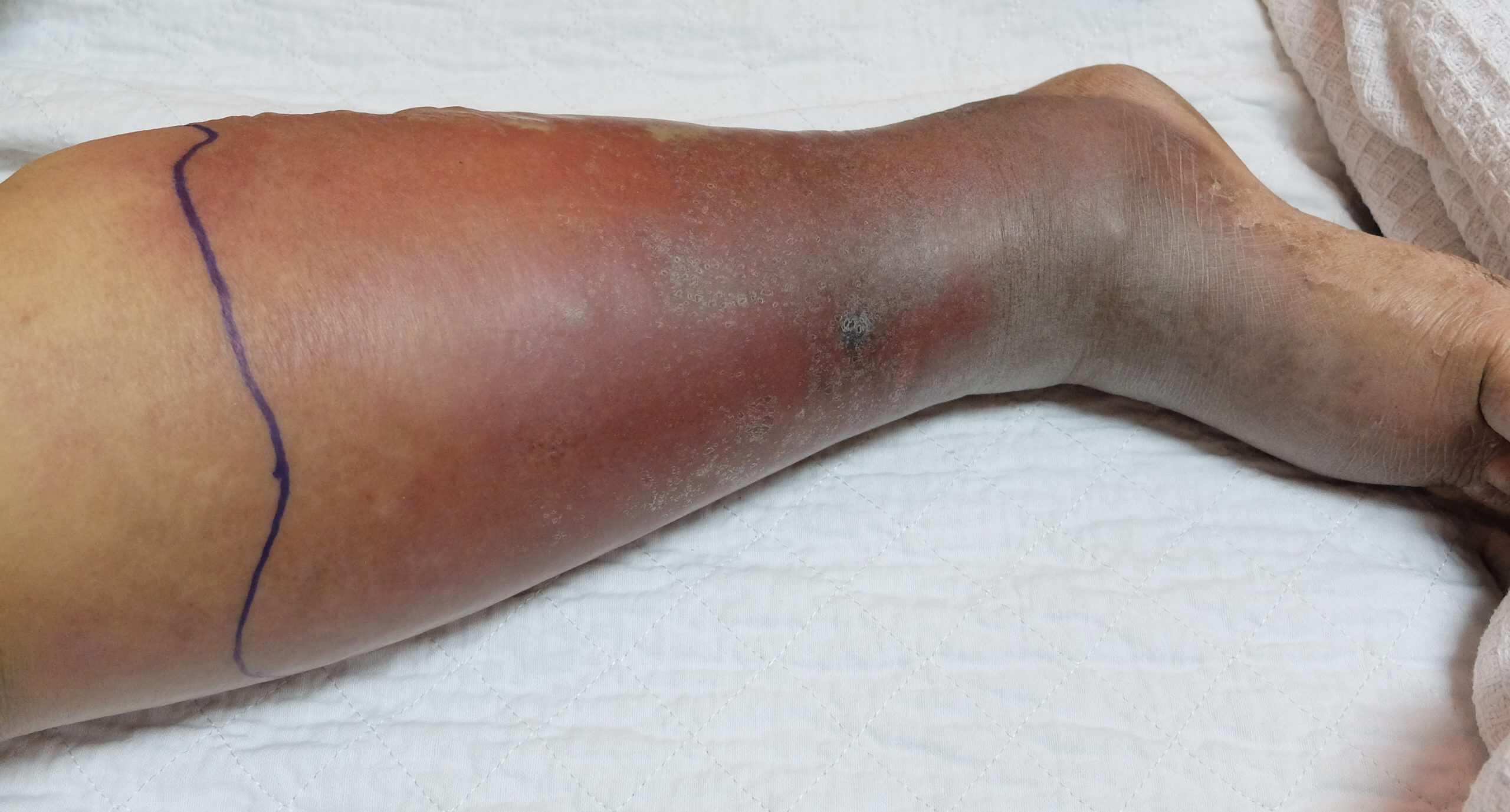
Skin that is thin and dry tears easily along microscopic crevices of the skin surface. Drug-resistant staph bacteria easily enter the body through these breaks in the skin.
MRSA quickly develops into cellulitis, causing an expanding area of redness and warmth with hard edema over the leg or arm.
As antibiotic treatment does not work with resistant bacteria, skin infections caused by MRSA progress much more quickly than other bacterial skin infections.
Surveillance data from nursing homes commonly links MRSA skin infections to a significant risk of bloodstream complications among the seniors.
Reactivated latent tuberculosis

TB infections from youth may remain contained within granulomas in lungs for 50 years. With the natural decline of our immune system as we age or fall ill, TB can reactivate and multiply.
Older people tend to bypass the classic fever and night sweats associated with TB, showing up with just baffling weight loss, tiredness, or a bit of a cough.
The CDC’s records show that seniors are the age group with the most prevalent active tuberculosis.
Crusted scabies with secondary bacterial superinfection
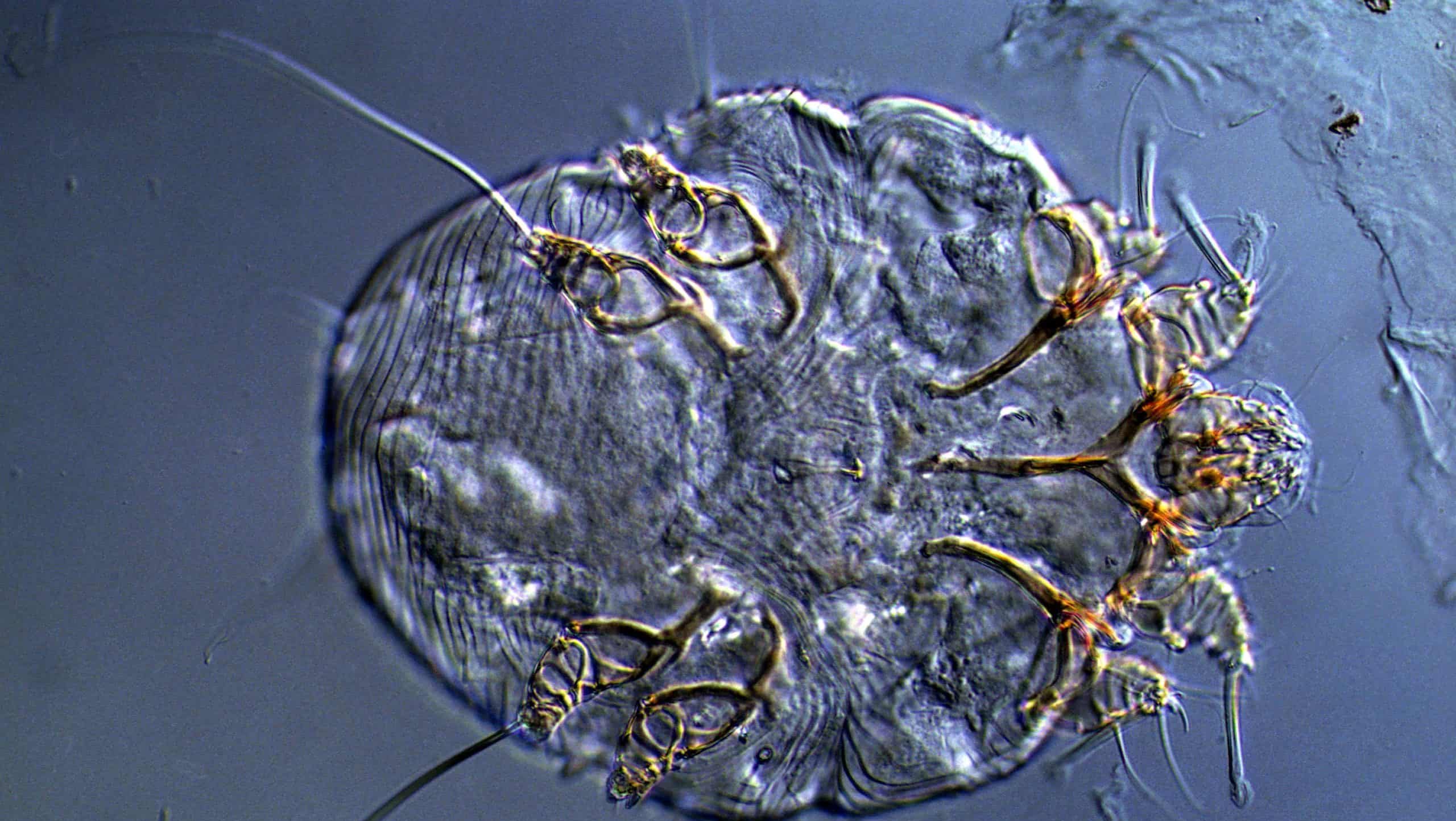
In crowded living environments, Sarcoptes scabiei mites can spread undetected as people become less sensitive to their presence.
Rather than small itchy papules, thousands of mites burrow into the skin causing large areas of crusty lesions. When these intensely infested spots are scratched, the skin gets broken, letting streptococcus and staphylococcus bacteria make their way into the bloodstream.
Epidemiological investigations into outbreaks in nursing homes have revealed crusted scabies as the prevalent undiagnosed culprit to life threatening secondary bacterial sepsis.
Micro-aspiration pneumonia

When swallowing muscles falter and the gag reflex lags, minute amounts of food, saliva, or stomach acid can bypass the esophagus and enter the lungs. Gradually anaerobic bacteria present in oral secretions overgrow in the moist lung environment causing life-threatening pulmonary edema.
Rarely is there a great coughing fit associated with micro-aspiration, but rather patients become chronically low on oxygen, manifesting unexplained dyspnea and fatigue.
Medical research shows aspiration pneumonia can be found in as many as 15% of community acquired pneumonias cases, especially amongst senior individuals coping with Parkinson’s disease/stroke recovery.
Sources: Please see here for a complete listing of all sources that were consulted in the preparation of this article.
Like our content? Be sure to follow us.
12 things most men should stop doing after age 60

While some habits might’ve felt perfectly normal at 40, it’s a completely different story when you turn 60, and that’s when you should quit doing them altogether.

