

Marrying within the family might’ve helped royals keep their power, but it also meant they kept recycling the same genes, and that led to some serious illnesses.
Charles II of Spain
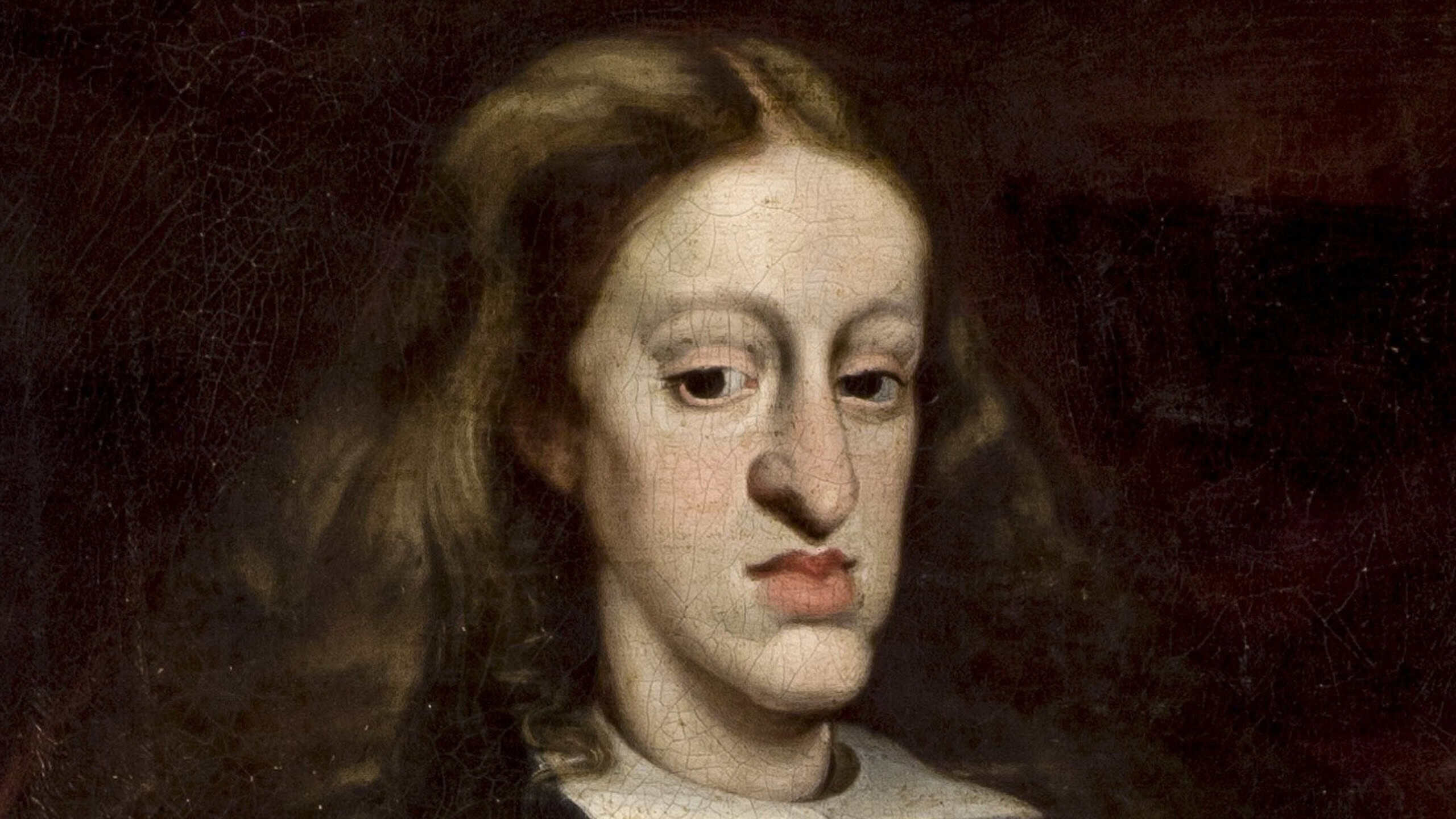
Charles II was born in 1661. It was already too late for him because, by that time, Spain’s Habsburg family tree had looked like a family circle for many years. His parents were uncle and niece, for starters.
Charles himself wasn’t able to walk until around eight, and it’s likely because of these inbreeding issues. He also struggled with speech and infections, along with seizures and physical development issues. He was also infertile.
Don Carlos

You might’ve heard about Don Carlos’s famous accident that injured his head. The truth is, though, the problems started long before that, as he actually had one leg shorter than the other and uneven shoulders. He also had a curved spine and frequently suffered from fevers.
These issues were all caused by the fact that the Spanish Prince of Asturias was born as the son of double first cousins. Beyond the physical symptoms, however, he also experienced violent moods and unpredictable behavior. The head injury only made these worse.
Philip IV

You can’t exactly miss Philip IV of Spain’s lower jaw. It stands out, even in all the portraits we have of him, and researchers believe that he might’ve had the worst case of the Habsburg jaw. He was capable of eating and speaking, but it wasn’t exactly easy for him.
Both of these normal habits were incredibly uncomfortable for him. It seems that Philip didn’t seem too bothered about inbreeding, though, because he actually went on to marry his own teenage niece. He took the idea of keeping it in the family to heart.
Rudolf II

There were quite a few reasons why the Holy Roman Emperor Rudolf II pulled away from court life and spent long periods shut inside his Prague home. He was suffering from major mental health issues. These included deep depression, extreme fear, and thoughts of suicide.
Historians believe he might’ve also experienced psychotic symptoms, just to make things worse. It’s likely that these were caused by the fact that many of his Habsburg relatives married within the family. It could’ve also been caused by syphilis or schizophrenia. We just don’t know.
Tutankhamun

The Egyptian pharaohs had their fair share of inbreeding issues, too. Take Tutankhamun, for example, he didn’t exactly stride around his palace all that confidently. He had severe problems in his left foot that were caused by Köhler disease II.
Walking would’ve caused serious pain for him, and he had to use a walking stick to get around. DNA testing found that his parents were siblings, or at least, they were extremely close relatives. All those health problems led to his death at around 19.
Ferdinand VI

Grief affects everyone in different ways. It hit King Ferdinand VI of Spain in a very unusual way after his wife, Barbara, died in 1758. He stopped shaving and washing. He refused food and stayed in bed, where he screamed and bit people.
One second, he was frantic, the next, he was almost completely withdrawn, and it’s likely that he had bipolar disorder. But that’s only part of the story. Turns out, these serious issues were also caused by his being born into the closely connected Bourbon royal families.
Maria I of Portugal

A lot of Maria I’s worst mental health episodes involved religious terror, and she became convinced that she was damned. She cried and screamed for long stretches, stopping her from carrying out basic royal duties.
It’s likely that she suffered from bipolar disorder with psychotic episodes. Three of Maria’s four sisters also had serious psychiatric problems, and it’s very likely these were caused by her family. Her Portuguese and Spanish ancestors had married close relatives again and again.
John, Prince of Brazil
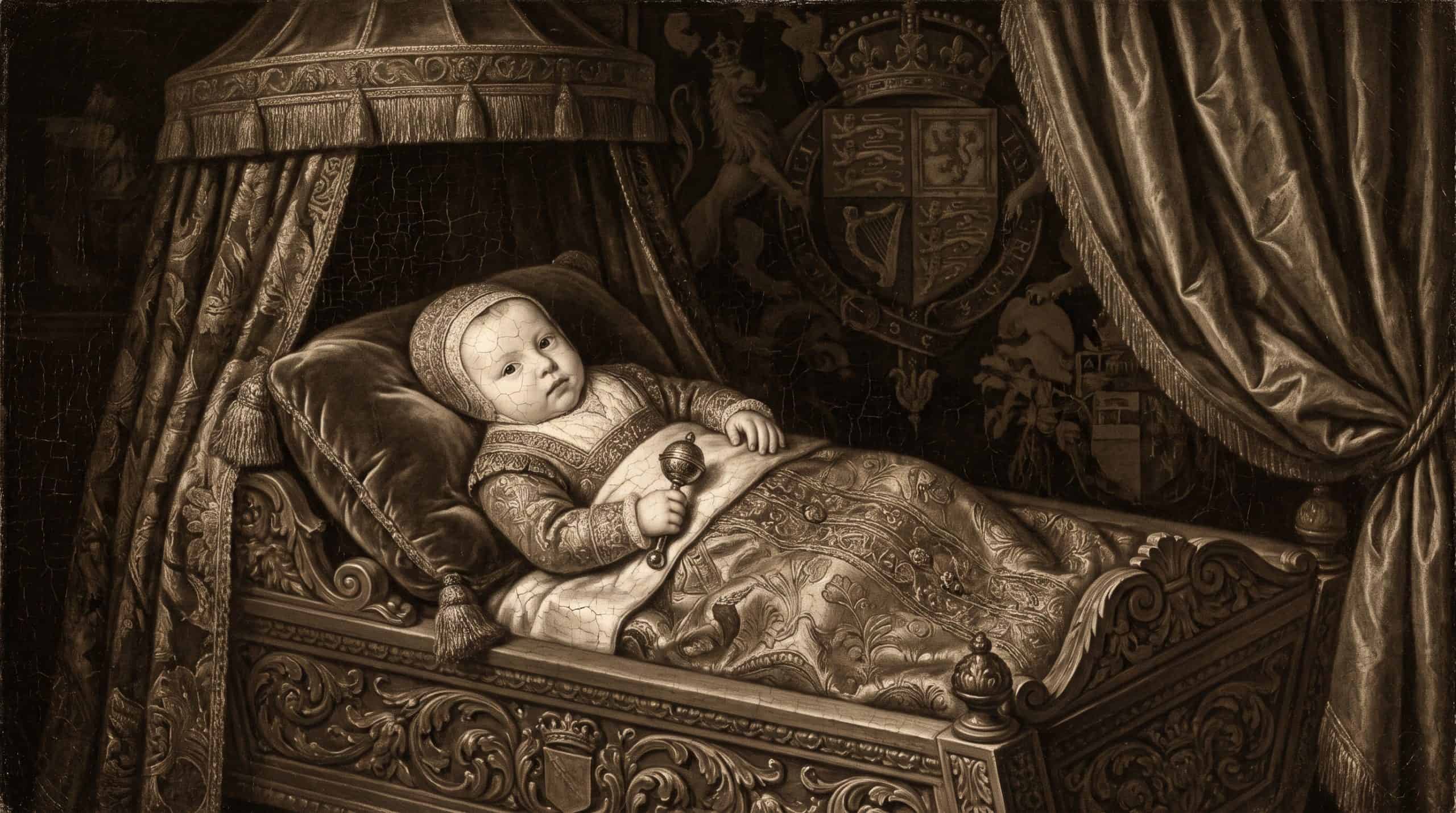
Part of what makes the story of John, Prince of Brazil, so difficult is that there isn’t much to tell. He was born in Lisbon in 1688 and became the Prince almost immediately, the son of Pedro II of Portugal and Maria Sophia of Neuburg. He tragically died before he was a month old.
John’s parents came from royal families that had married each other for generations. It drastically increased his risk of inherited illness. At least, it could have, it’s not like a doctor left behind a diagnosis or anything. It would’ve caused some serious issues, that’s for sure.
Philip Prospero

Philip Prospero might’ve been the heir to the Spanish throne, but that didn’t make his childhood any easier. He was repeatedly described as weak and sickly, and regularly suffered from seizures. He died before he was four years old because of these seizures.
Philip’s parents were Philip IV and Mariana of Austria. The family was so inbred that Mariana was also Philip IV’s niece. Both sides of the family already carried generations of that infamous Habsburg gene, and it’s likely that this increased the risk of child mortality.
Maria Anna Antonia

Two weeks. That’s all Maria Anna Antonia had to live, just two weeks, and then she died. She was born in February 1672 as the daughter of Emperor Leopold I and Margarita Teresa of Spain. Leopold was Margarita’s uncle and also her first cousin.
As for Margarita, she herself had been born to an uncle and niece, so there was already a lot of recycling going on with the genes. It’s very likely that Maria inherited a disorder from her family that killed her at such a young age.
Sources: Please see here for a complete listing of all sources that were consulted in the preparation of this article.
15 royals who turned family drama into national crises

Every family has its fair share of arguments, but some royal families managed to turn broken marriages and sibling rivalries into the whole country’s problem.


