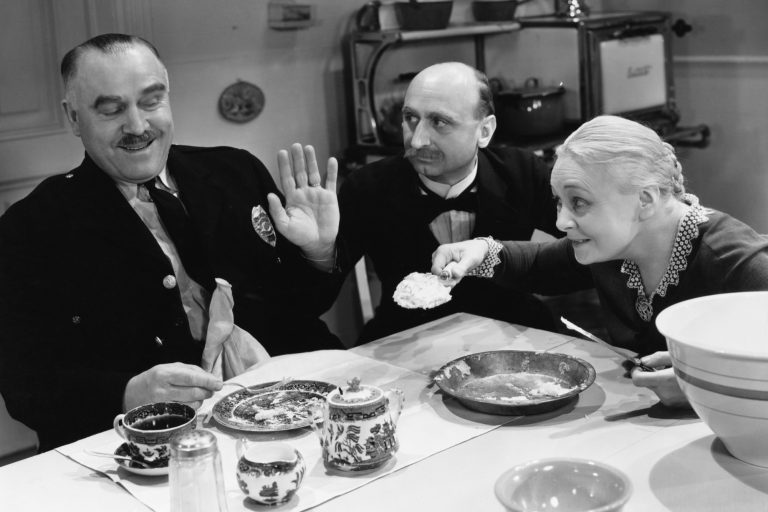

A kitchen a hundred years ago was surprisingly similar. Sure, they may not have had the same tools as us, but they still ate bacon & drank coffee. They prepared their food in a way that was a little different from the way we cook today. What was a typical 1920s American breakfast like? Let’s find out.
Featured Image Credit: Shutterstock.
Key takeaways
You’ll learn about:
- What people actually cooked & served at home
- The drinks that people had
- The equipment that made all this possible
Eggs on the stove
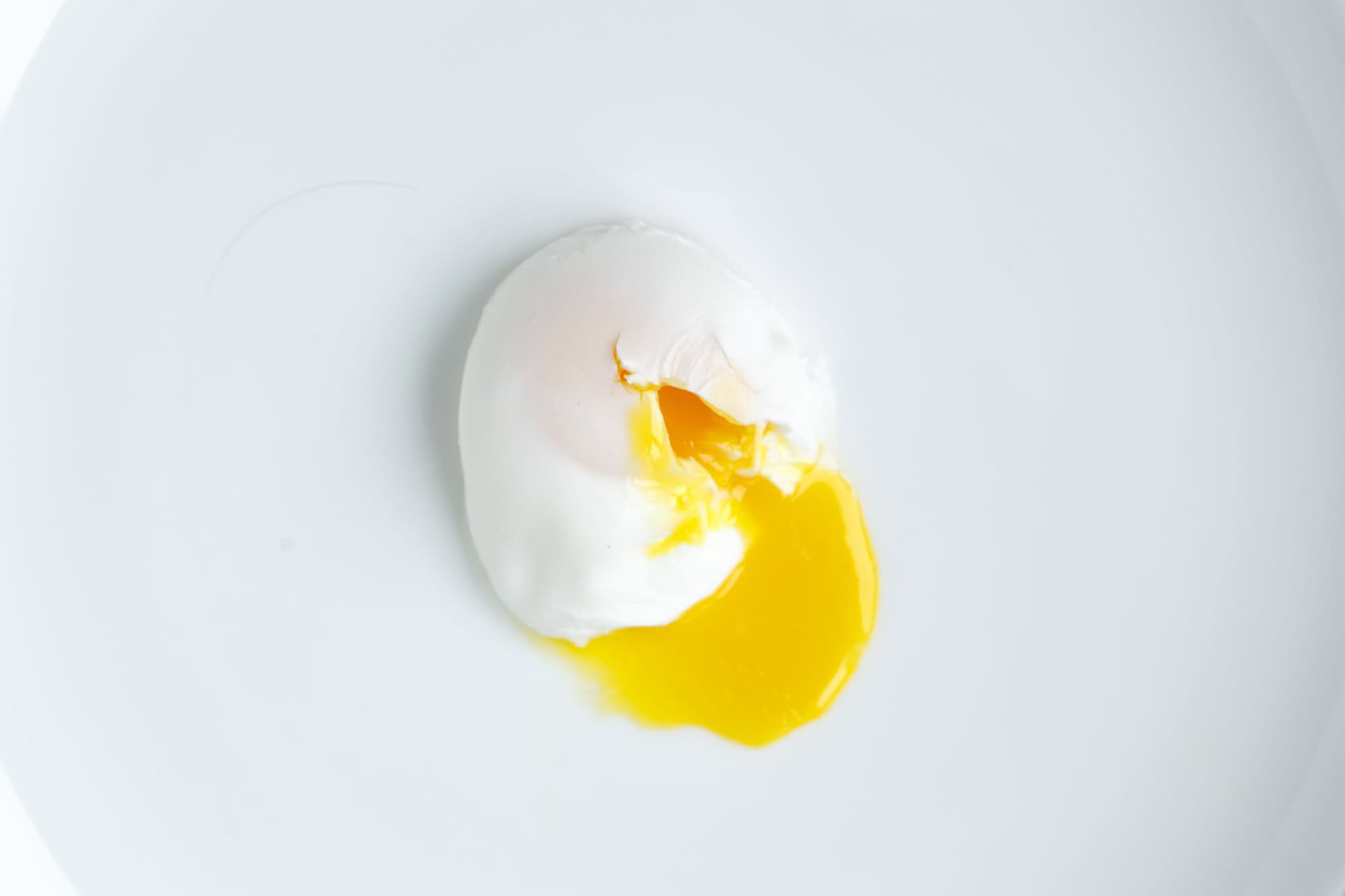
Eggs were the center of a 1920s breakfast. Fried, scrambled, poached, it didn’t matter, as people didn’t overthink it. Normally, families would crack a few into a pan & figure out the rest as they went.
Anyone in a hurry would make fried eggs with toast, and bigger households might keep a pot of water simmering for poaching. Essentially, you’d see eggs on almost every table, whether it was a farmhouse kitchen or a small city apartment. Eggs were as much of a staple breakfast dish to Americans in the 1920s as they are to us today.
Pork on the side
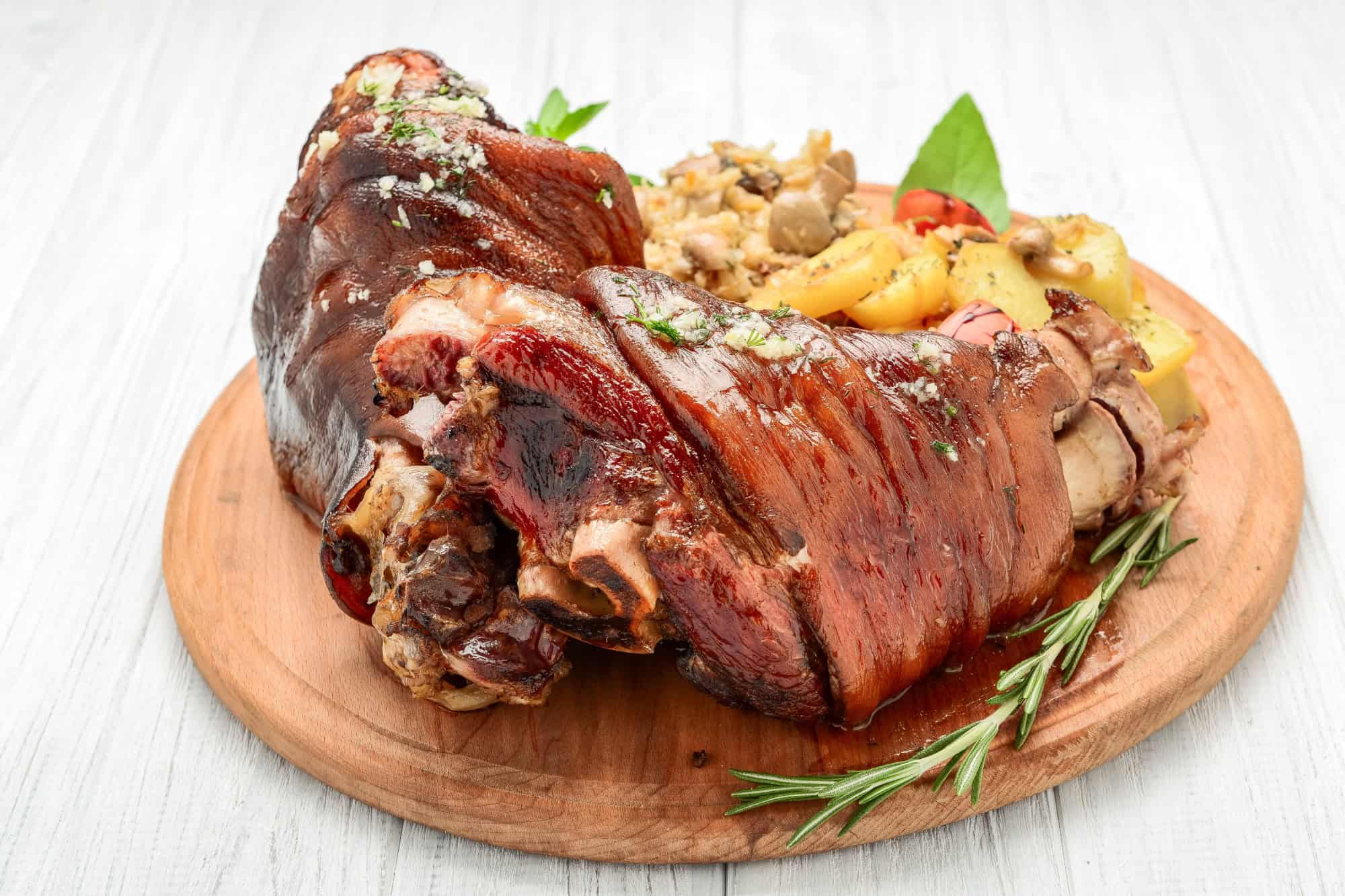
Breakfast meats were a given. Their bacon was salty & crisp, while their ham had that smoky chew to it that tasted so delicious. And don’t forget sausage patties.
However, back then, the meat was slightly different from ours today, as the bacon wasn’t paper-thin like the pre-packaged ones now. It was usually cut thicker & cooked in cast iron. You could practically smell it down the street. As for the ham, this was often left over from a bigger roast earlier in the week, and it was nothing fancy. Just sliced up & heated through.
Toast, muffins, and griddle breads
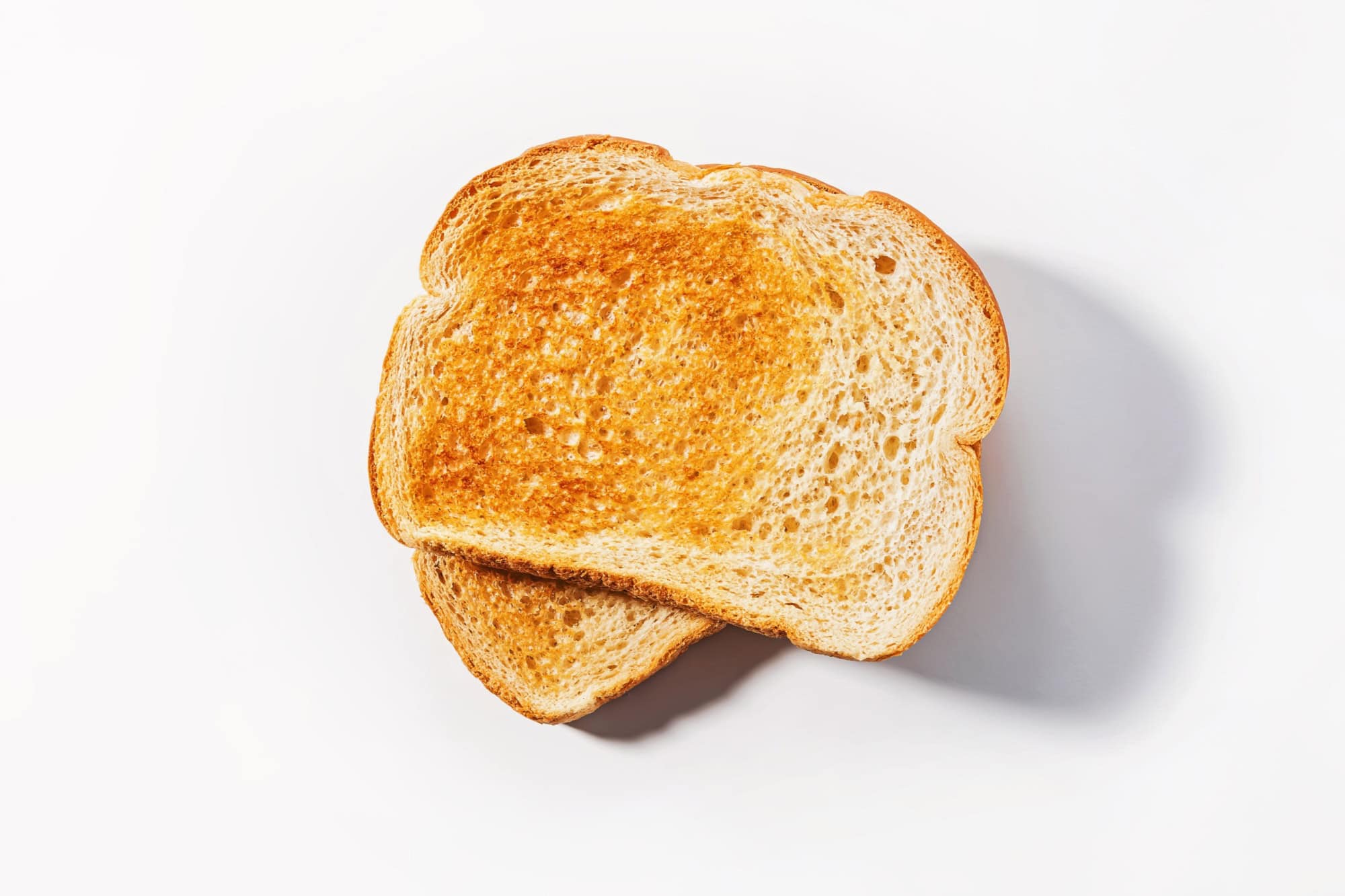
Interestingly, bread was everywhere. But the way of toasting it started to become more modern. Electric toasters were still a novelty & restaurants got them first, and then homes slowly followed. Families without one put bread under the broiler or onto a hot pan.
Muffins & biscuits also began appearing. You could whip up a batch early in the morning, especially in rural areas where baking was just part of the daily routine, and pancake-style griddle breads also emerged in different forms, depending on the region.
Coffee on the boil
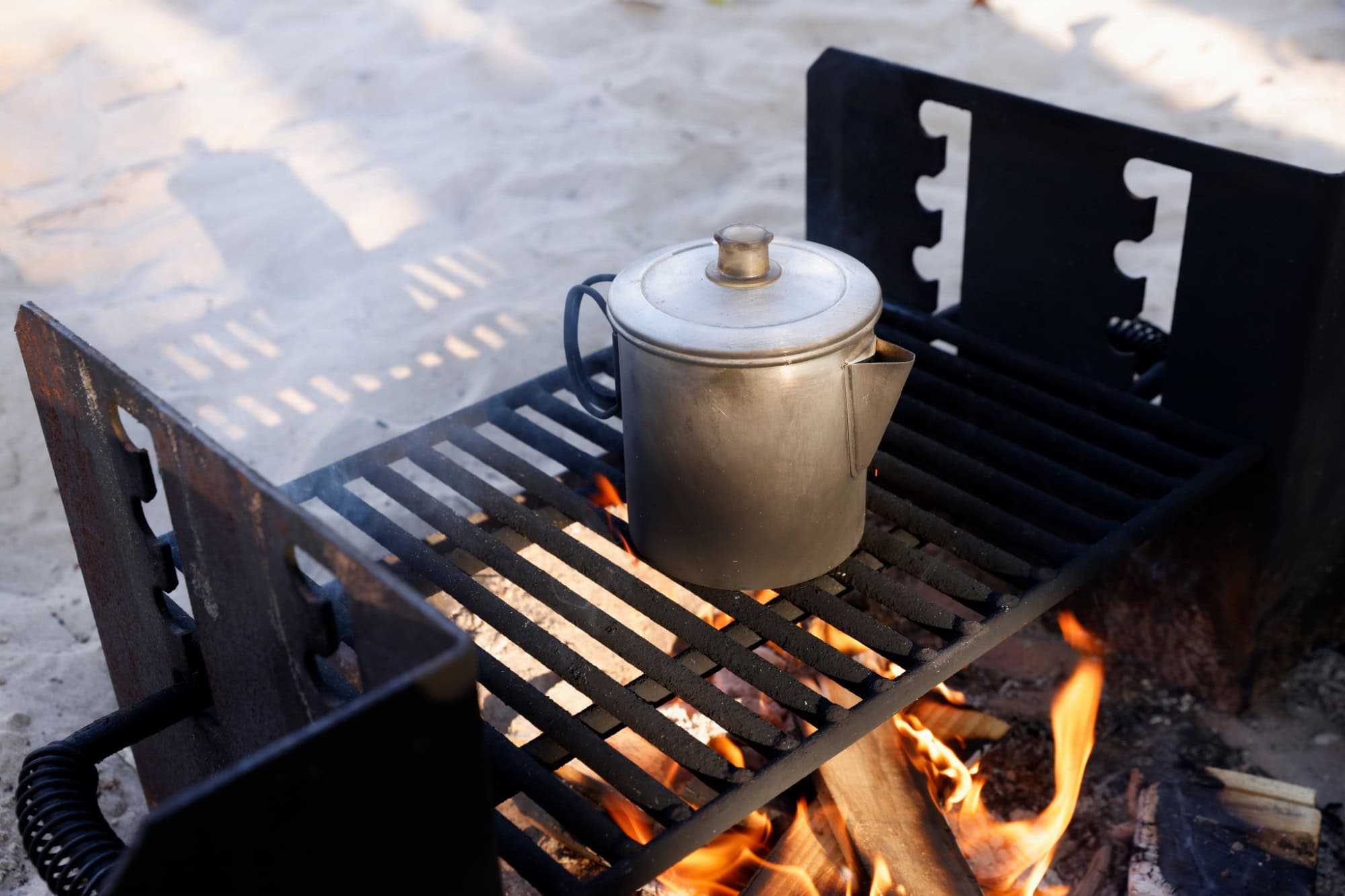
Like today, there wasn’t really breakfast without coffee. People brewed it in percolators on the stovetop or electrically. The coffee itself was usually strong, without any fancy lattes or flavored creamers. You had a simple tin of grounds & a sturdy pot, along with some milk or sugar on the side. Diners kept coffee flowing non-stop. At home, someone usually made a big batch so that refills were easy.
Hot cereals
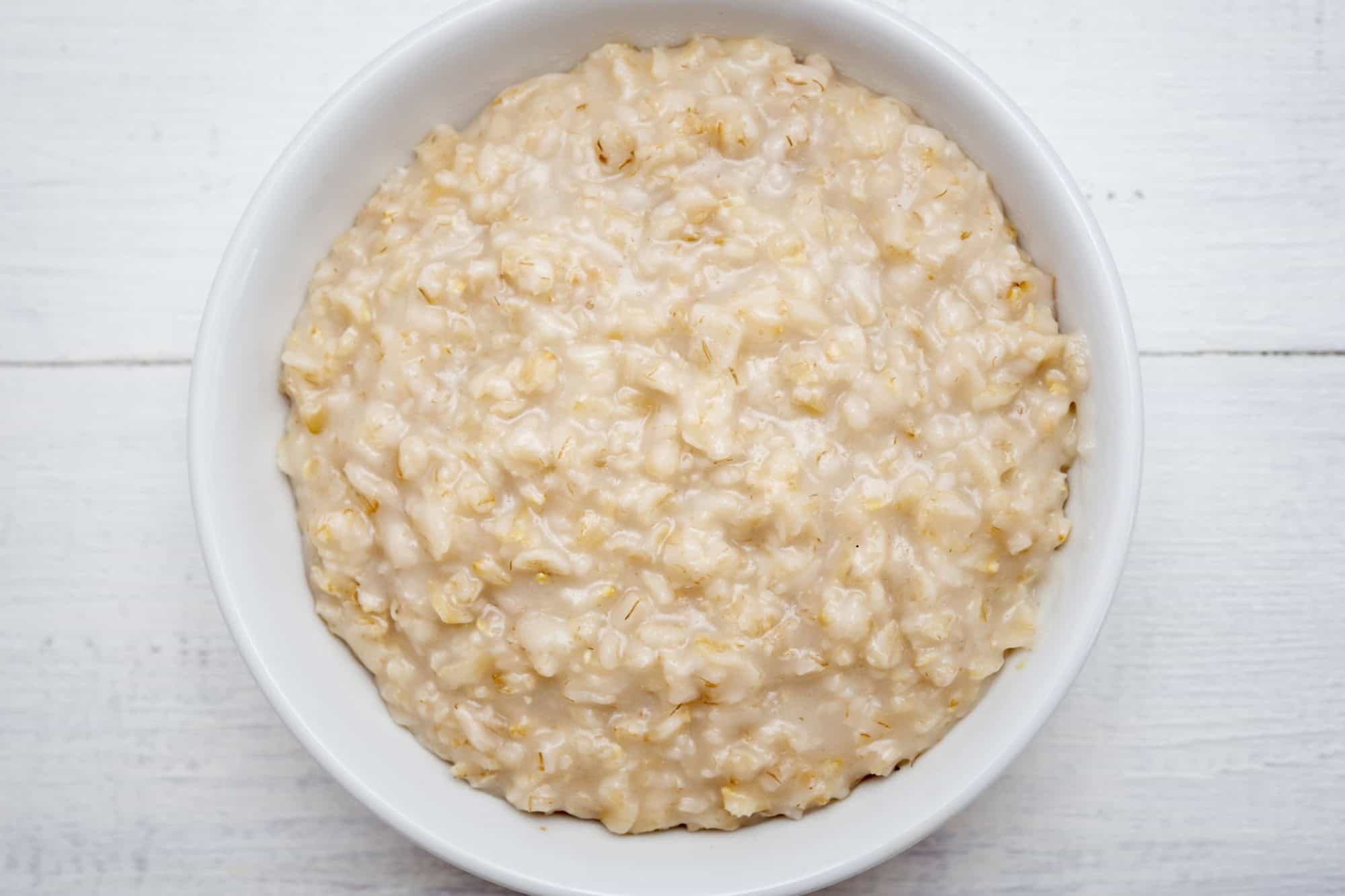
Cooked cereals were rather popular during the colder months & having a pot of oatmeal on the stove was rather common. Farina was another option, which was essentially a smooth wheat cereal, as well as cornmeal mush. You could eat this warm or cool it into slices for frying later.
Whatever the choice, you had to wait & stir while keeping an eye on the pot because there were no microwave packets. Usually, kids got a splash of milk & maybe some sugar on top. That was breakfast sorted.
Boxed cereals join the routine
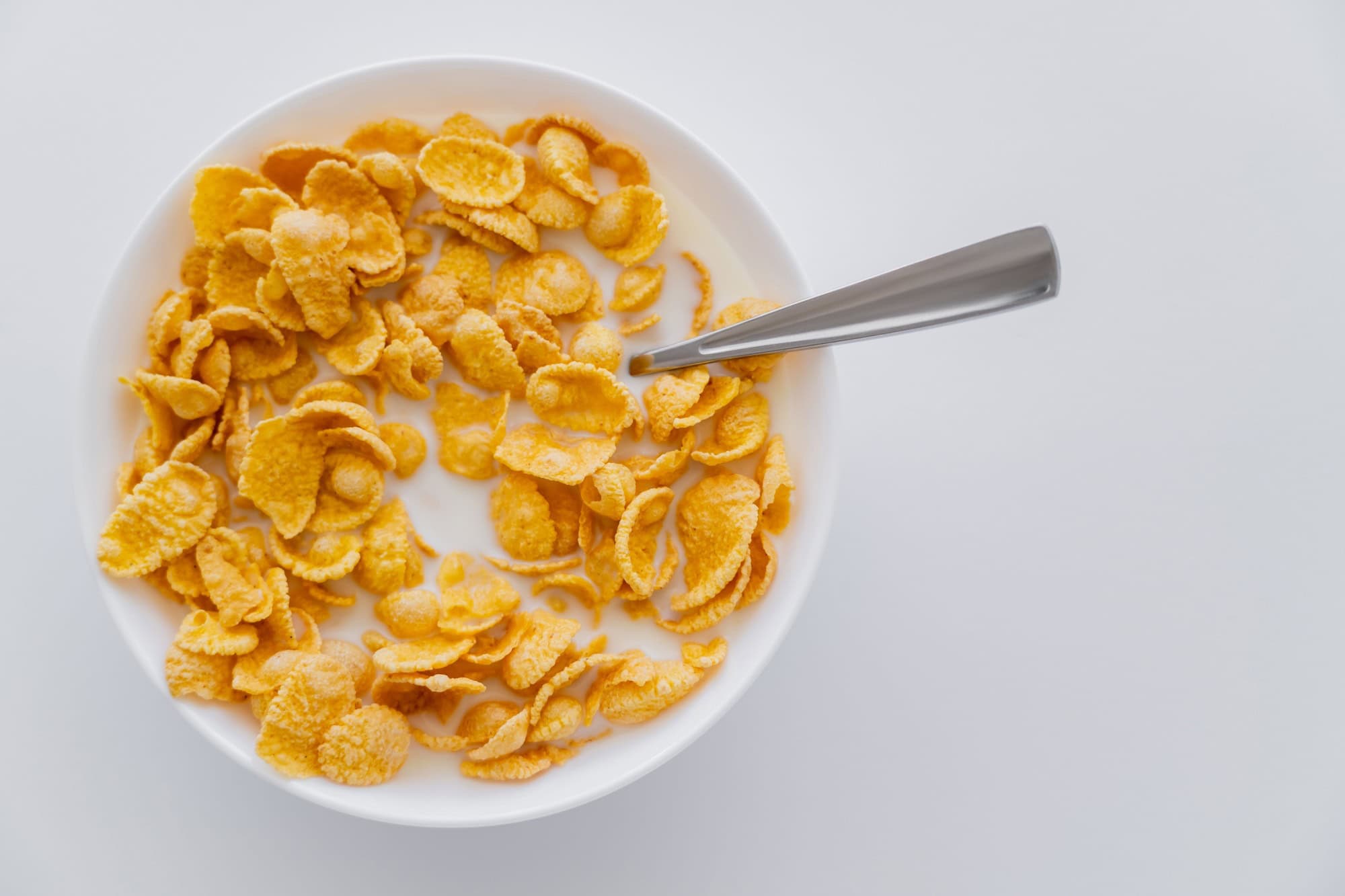
Packaged cereals were the new thing at the time, and companies began to push them as a fast, modern option. In the mid-1920s, Wheaties launched, while cornflakes had been around for a while.
Families in the cities would keep a box or two around. But it hadn’t replaced hot cereal yet. Instead, it was another option, where you could pour the cereal & add milk. It appealed quite a bit to busy households who didn’t want to stand over a stove every morning. Can you blame them?
Pancakes and waffles show up
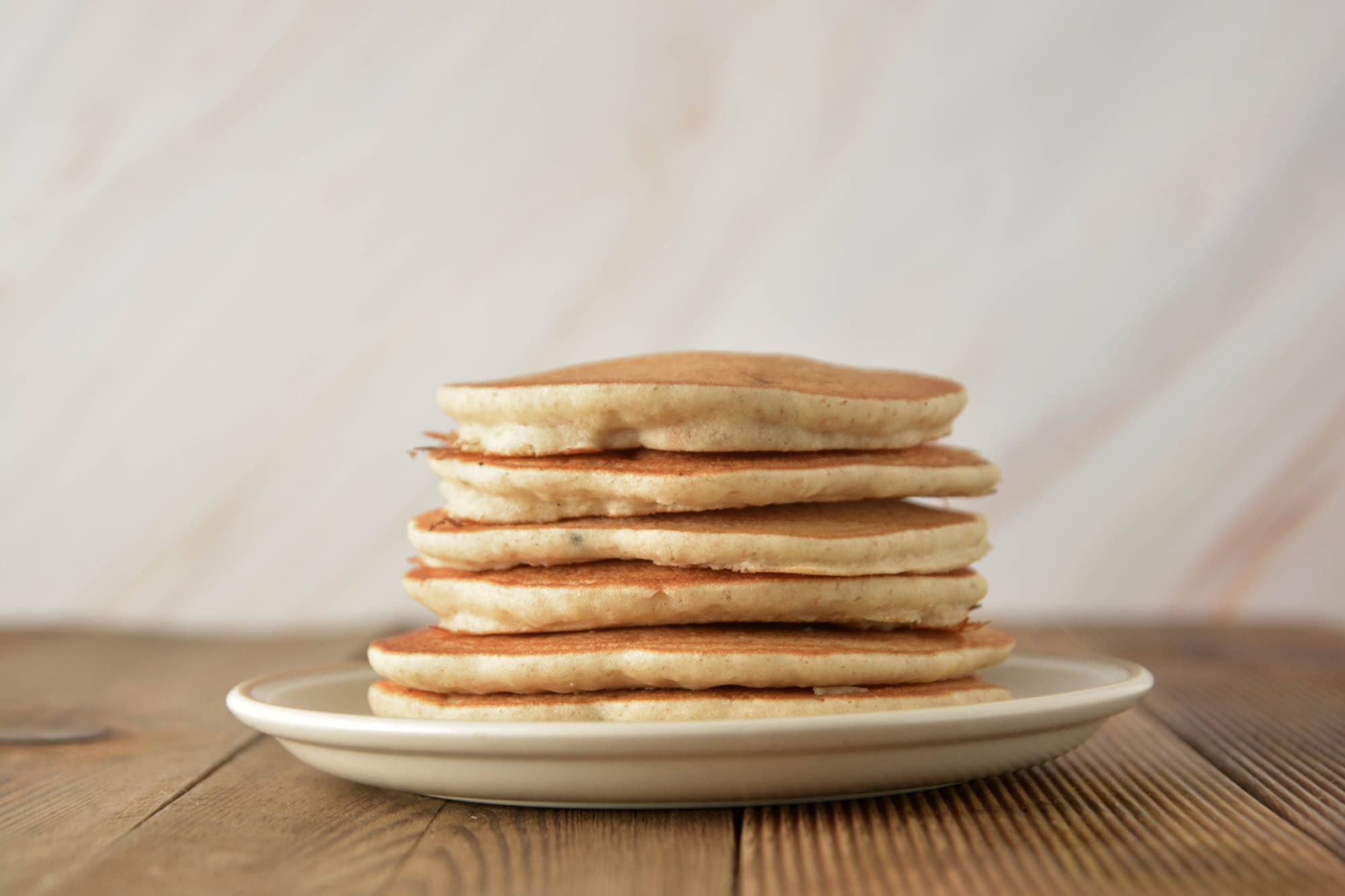
But that’s not all. Pancakes were another breakfast, rather than a special treat, using flour, eggs, milk & a bit of sugar. That was it. Then, people would ladle the mixture onto a hot griddle and flip it when bubbles popped through.
However, waffles weren’t as common. But they did exist in some homes, especially middle-class ones with a bit more kitchen equipment like waffle irons. Weekends often involved a slightly bigger breakfast & that’s when pancakes or waffles made more sense.
Fruit and juice at breakfast
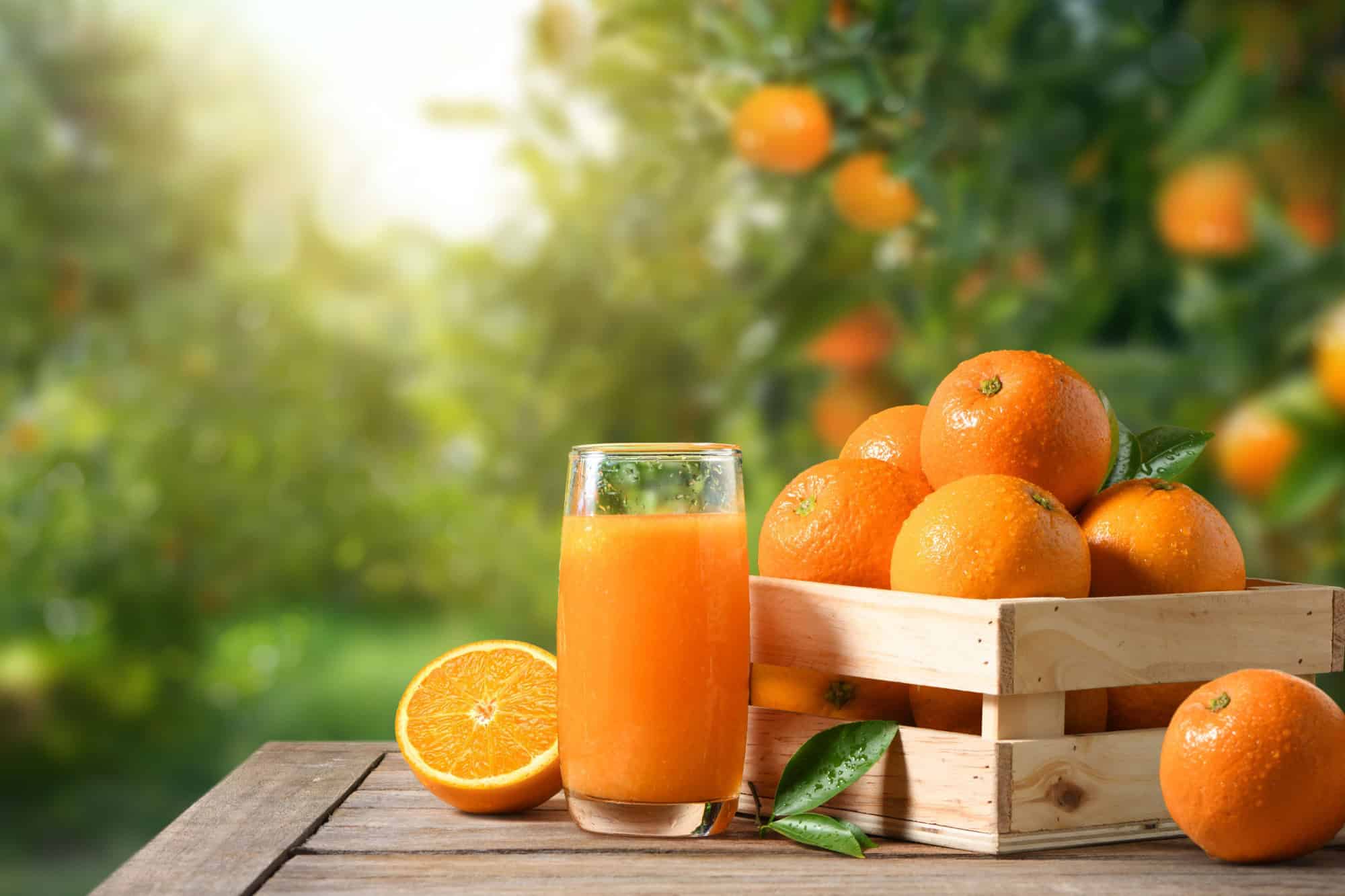
Fruit was simple, just apples, bananas, or oranges, when they were in season. There were no elaborate fruit salads because people simply grabbed what was available & affordable.
Around this time, orange juice became more of a breakfast drink, although it wasn’t the mass-produced stuff we know today. But families began to serve small glasses alongside their main plate. It became a bit of a trend among urban households.
Milk on the table
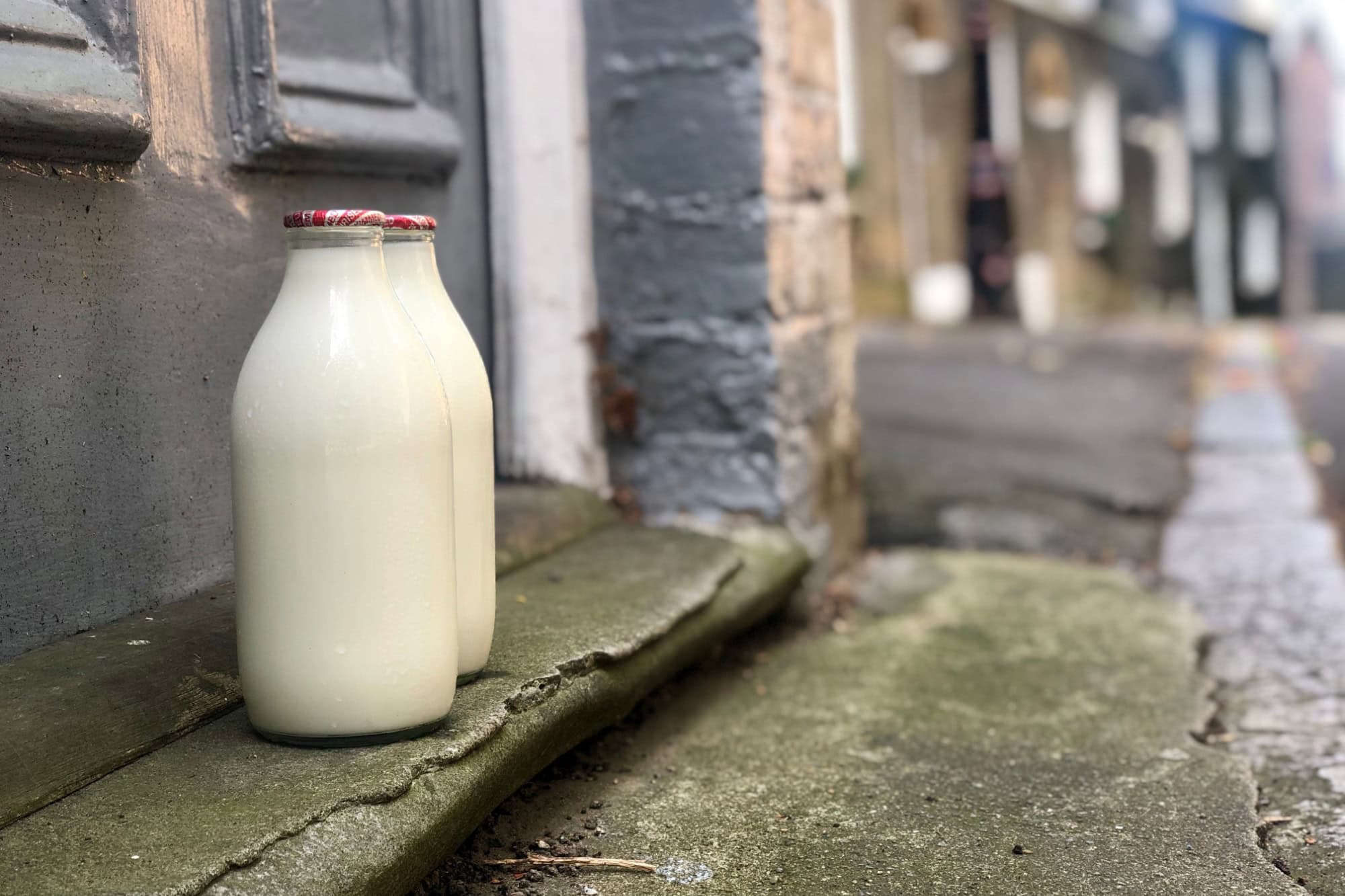
Milk was everywhere, so kids drank it straight & adults poured it over cereal. Cooks used it in pancakes & porridges. In fact, most families bought it daily or had regular deliveries because refrigeration wasn’t widespread yet. This meant milk didn’t sit around for long. At breakfast, a bottle of milk might just sit on the table next to the coffee pot.
Kitchen equipment you’d recognize
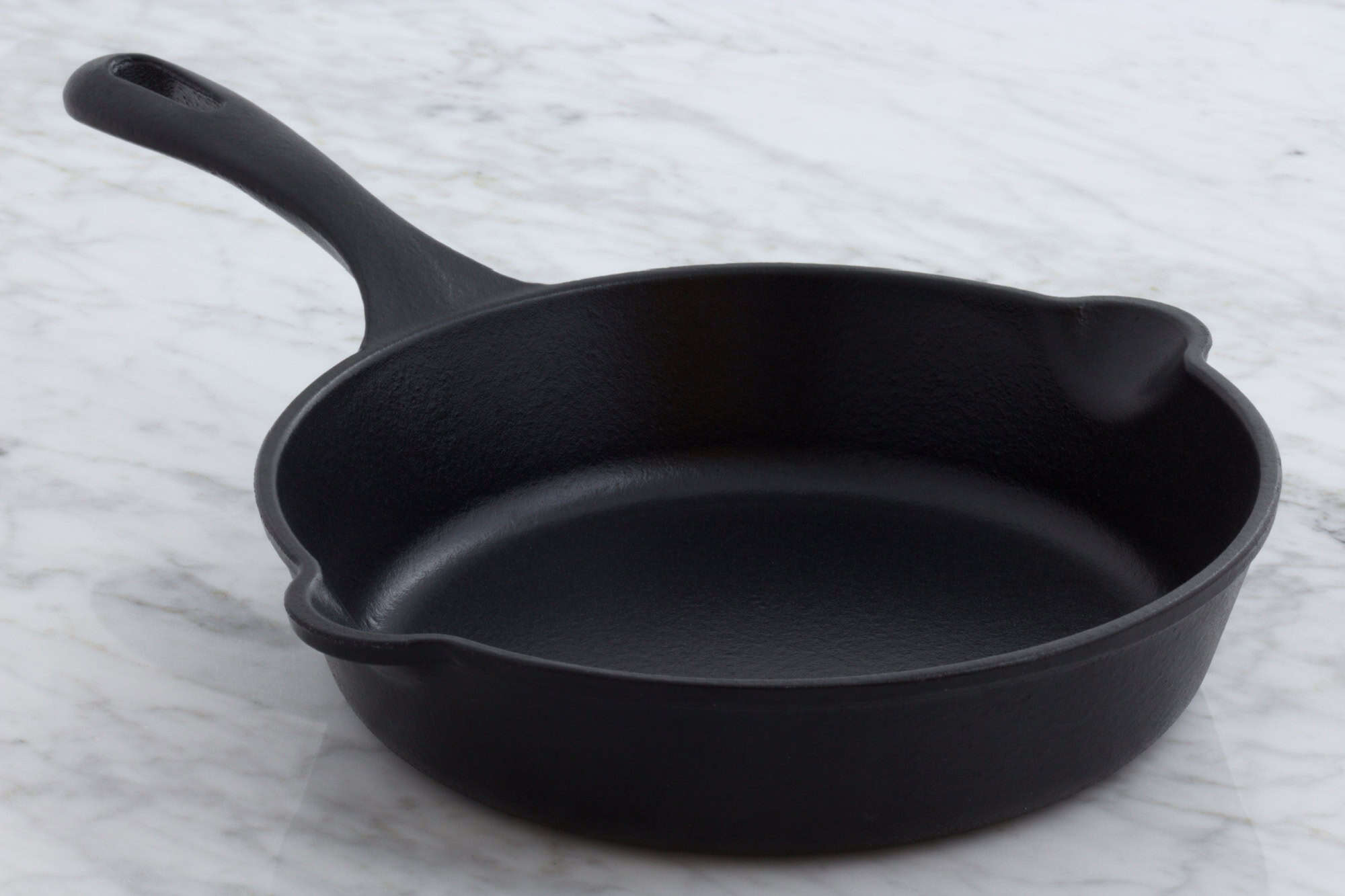
Even though it was almost 100 years ago, a lot of kitchen tools would look familiar today, like cast iron skillets & metal percolators. Mixing bowls are also rather timeless. Yes, electric toasters and coffee makers began to appear, but plenty of homes still stuck with manual methods.
Their counters weren’t crowded with gadgets like today. Instead, most families made do with a few reliable pieces & some good habits.
Sources: Please see here for a complete listing of all sources that were consulted in the preparation of this article.
Like our content? Be sure to follow us.