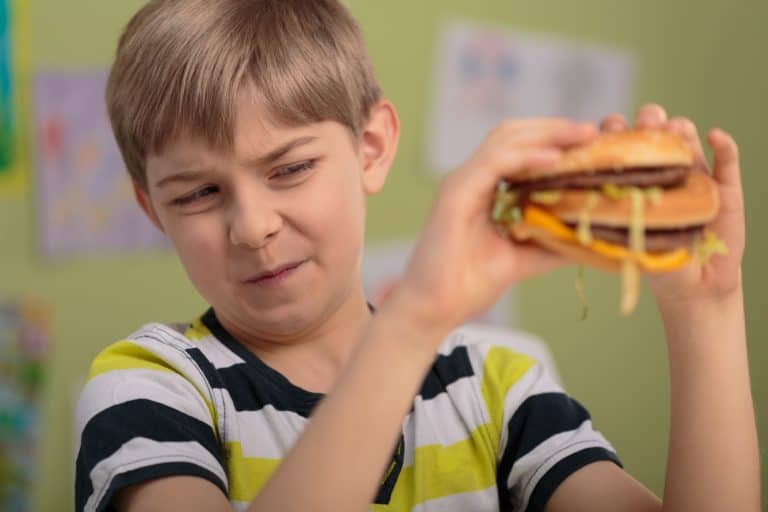

School cafeterias in the past were quite different from today. In fact, a lot of the food that used to show up on those plastic trays simply wouldn’t pass today’s rules, with some items vanishing quietly & others disappearing rather slowly. Here are ten retro school lunch items that no longer exist. Which of these do you remember having?
Featured Image Credit: Shutterstock.
Cheese fondue
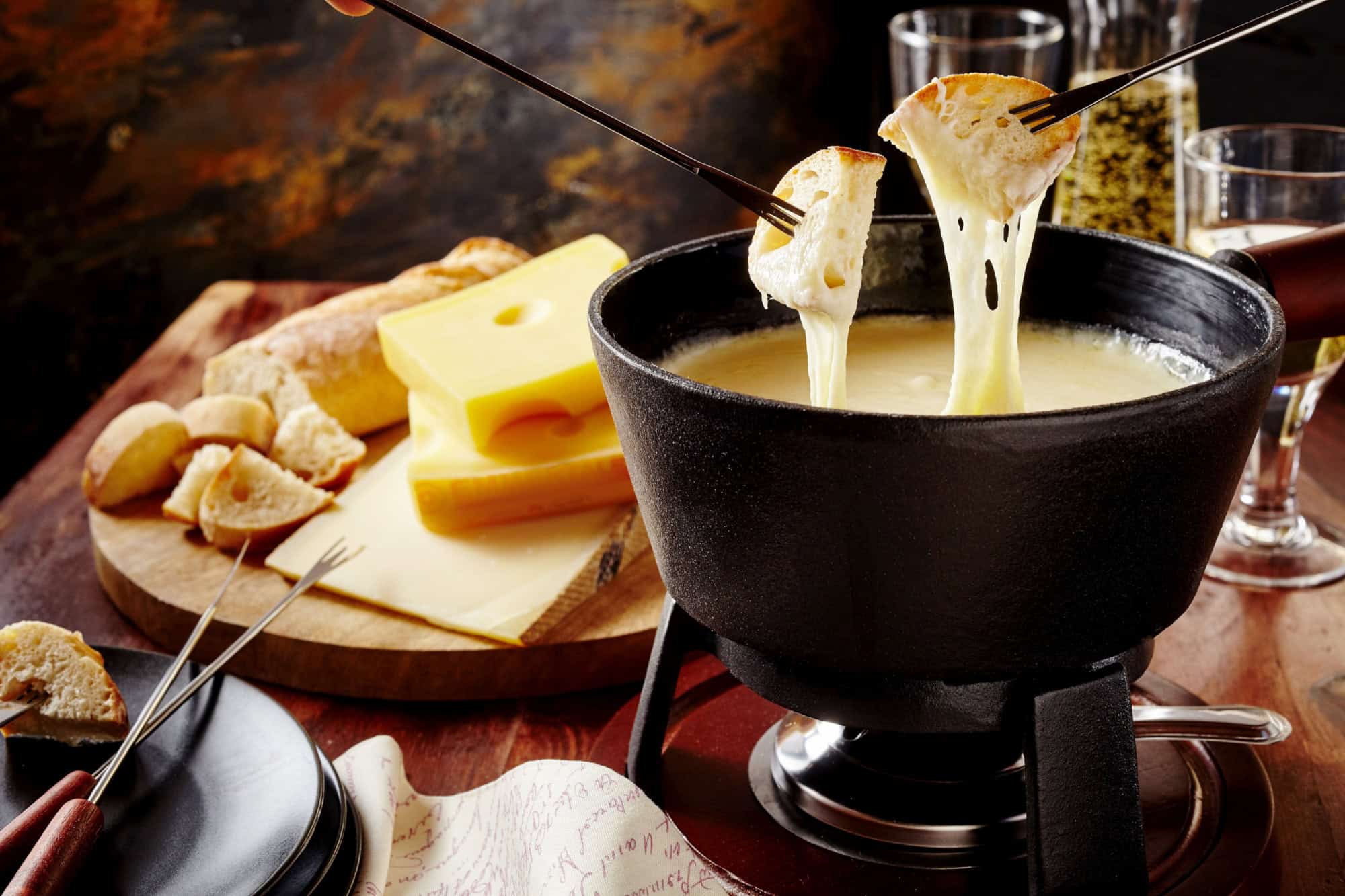
Early lunch programs sometimes used to serve melted cheese with cubes of bread & hot cocoa on the side. Yes, real fondue, in schools. It was part of state lunch guides for rural classrooms, especially in colder areas, and the entire setup required stoves & ladles. But modern cafeterias ditched these decades ago as they transitioned towards faster, pre-portioned meals.
Codfish, spaghetti, and tomatoes

A 1930s government lunch booklet encouraged schools to make codfish, spaghetti & tomatoes for their students. While it sounds rather gross, this dish fit the era’s budget ingredients. It disappeared by the middle of the century because schools started to make more kid-friendly entrees.
Liver and rice loaf

During the 1940s, many school cafeterias mixed chopped liver with rice, and then shaped this into loaves & baked them. It wasn’t fancy. But it was cheap and full of iron. However, supply chains & people’s tastes changed, so that loaf fell out of rotation, and you won’t find it on any district lunch calendars now.
Soya-egg roll

Schools had to stretch protein rations during World War II. One way of doing this involved baking rolls made from soy flour & eggs, then serving these slices warm. They often came with veggies or gravy. But once rationing ended, the recipe completely disappeared, and schools began using liquid or precooked eggs. They also have more standardized vegetarian options.
Codfish-potato cakes

Yes, codfish-potato cakes were exactly what they sound like. They were rehydrated cod mixed with mashed potatoes & shaped into patties, then browned on griddles. Schools handed them out by the dozen, and they were everywhere in the late ’40s & early ’50s. However, they’re not on today’s school lunch menus since places prefer to serve baked fish sticks or tacos. Even nuggets are a better option.
Cheeseburger sandwich

Cheeseburger sandwiches weren’t the burgers that you’re probably picturing. They were made from ground beef cooked with cheese & spread over a slice of bread. Cafeterias used to love them because they were quick to prep for crowds, although they’ve been replaced by standard patties & buns these days.
Turkey noodle scallop

Picture creamy turkey casserole with noodles, baked in deep trays, and you have the essence of turkey noodle scallop. Usually, mid-century lunchrooms would serve this the day after a big roast turkey delivery. But then kitchens moved toward pre-plated meals & faster service. Soon enough, big pans of scalloped turkey pasta disappeared from the daily school lunch menu.
Date-peanut butter pudding

One of the most surprising menu items was date-peanut butter pudding. Schools used to make this dense yet sweet pudding with dates & peanut butter, then they’d bake or steam it in large trays. But allergy rules helped push this dessert out & you’d be hard-pressed to find anything like it in modern cafeterias.
Baked scrambled eggs from dried whole egg
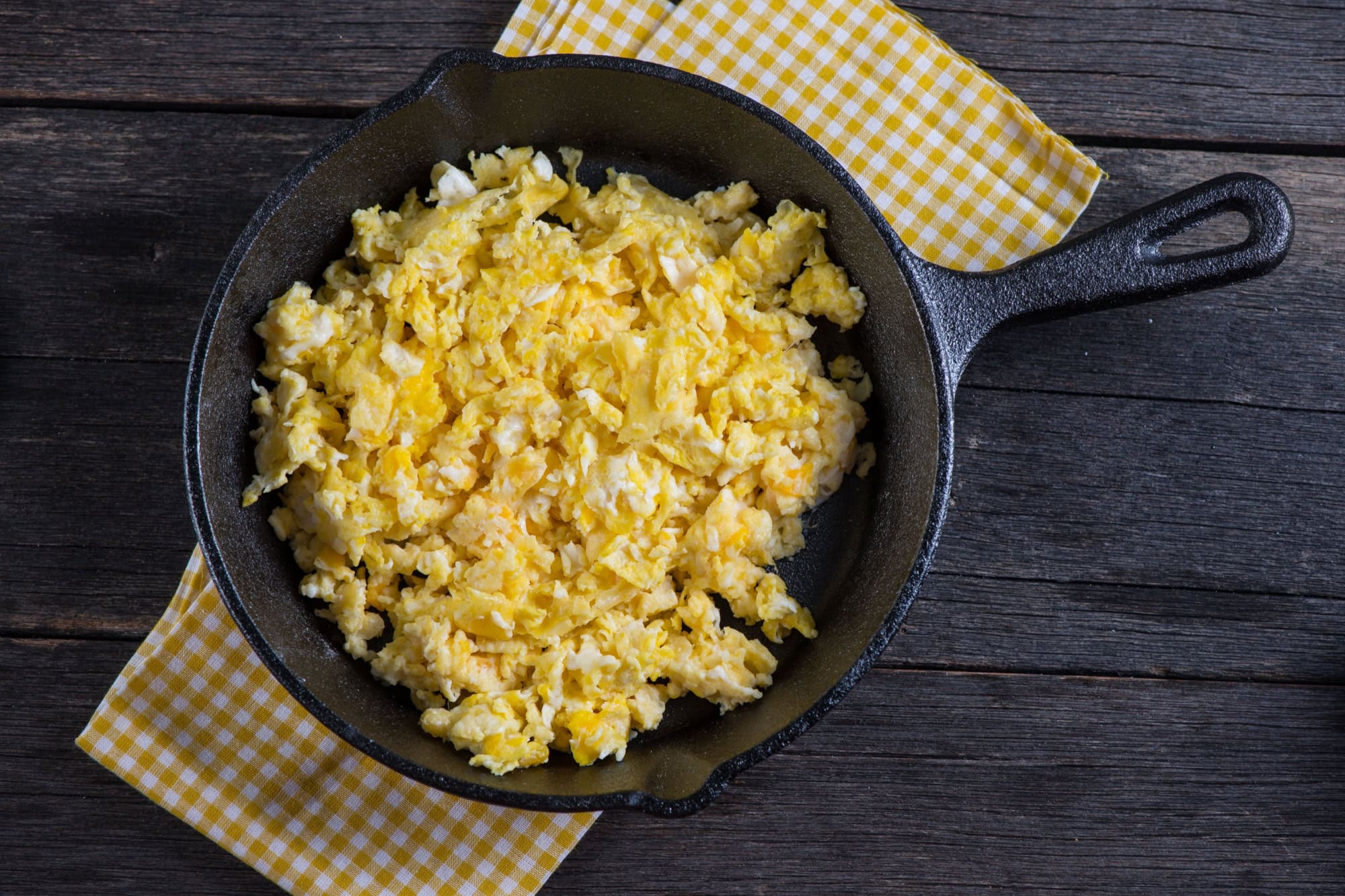
In the 1950s, powdered eggs were in practically every lunchroom across the country, and cafeterias would whip them up in huge pans. They’d scoop out portions like a casserole. But then liquid eggs became easier to get & this old baked version almost entirely vanished. Anyone who has ever had powdered eggs can probably guess why.
Ham with hominy grits

Some schools used to serve ham with a big scoop of hominy grits on the side. It was common in mid-century lunchrooms, especially in parts of the South because grits were already a normal meal. Normally, schools would prep large pans in the morning & keep them hot for lunch lines. Yet this dish disappeared as cafeterias leaned toward other starches.
Sources: Please see here for a complete listing of all sources that were consulted in the preparation of this article.
Like our content? Be sure to follow us.


