
The price per gallon isn’t the only thing that matters at the gas station. No, some of your habits at the pump could be sneaking more money out of you than you actually realize. Here are ten gas station habits that cost you more. Which of these have you caught yourself doing?
Featured Image Credit: Shutterstock.
Topping off after the click
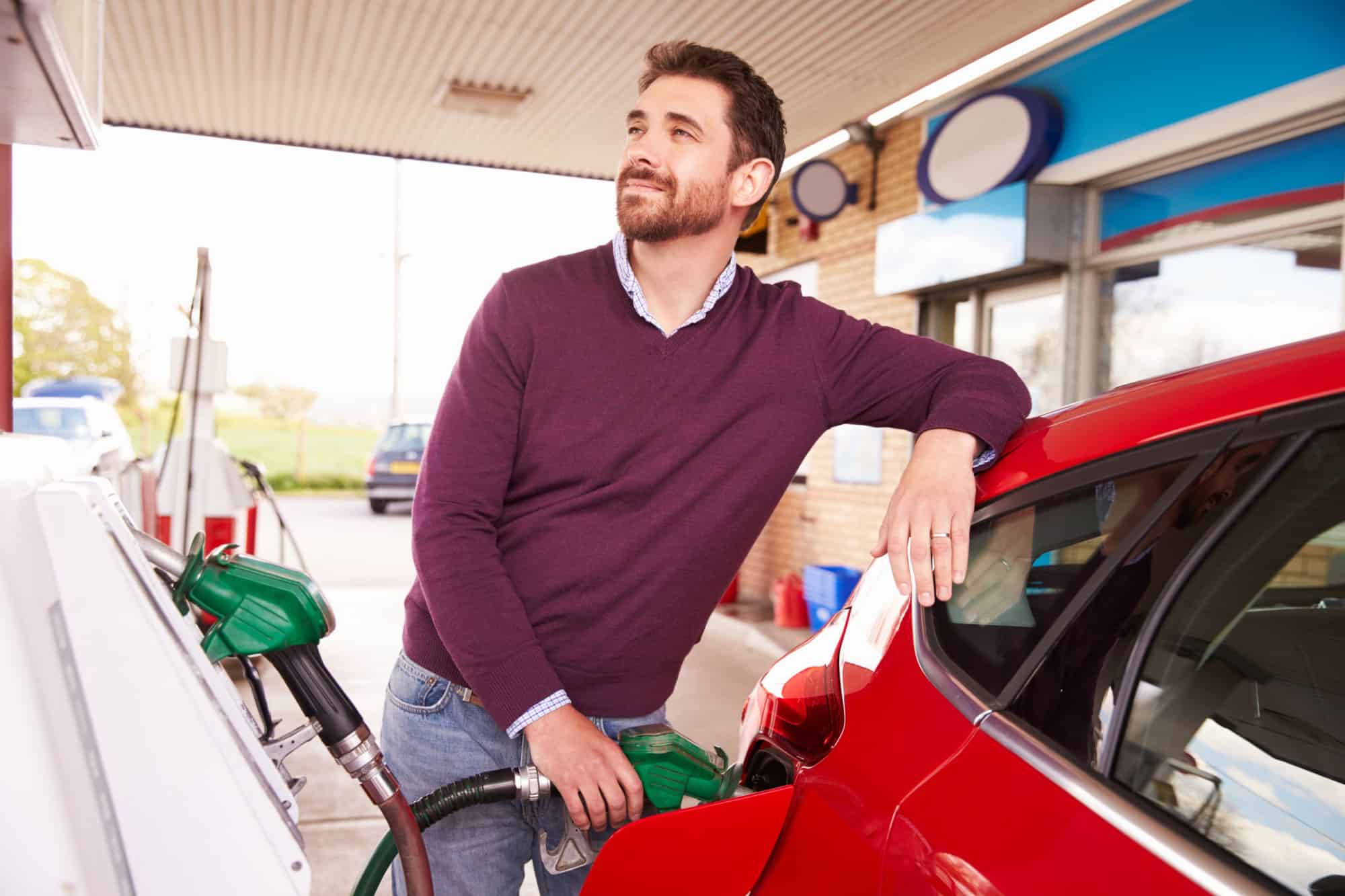
When the nozzle snaps off, it’s done for a reason, as continuing to squeeze will mean that the machine sucks the liquid right back toward the station’s vapor recovery line. That means you’ll pay for fuel that never reached your tank. Worse still, the extra fuel could splash or spill down your car’s paint, causing damage you’ll need to pay for.
Filling during hot afternoons

Gasoline swells when it’s warm, and while a gallon is still a gallon by volume, hotter gas carries slightly less energy. Since pumps don’t adjust for temperature, you’re not really getting the same kick as you would during early morning or late evening. You may want to be careful when you fill up.
Filling up on peak weekdays

Gas price tracking also shows that Mondays often have lower prices, but by midweek, especially Thursday, prices creep up. Such a pattern has been happening across the country for years. As a result, waiting until the weekend rush to fill your tank could mean that you’re catching the higher end of that cycle.
Idling in the pump line

You may have noticed long lines on a Saturday afternoon. Sitting there with the AC humming eats into your tank, with federal numbers claiming that passenger vehicles burn somewhere between 0.16 & 0.5 gallons every hour just idling. Add a few minutes here & there, and you’ve essentially paid for gas twice. What’s the point?
Paying with debit at the pump

Unfortunately, using your debit card could tie up more money than the actual fill-up because stations often pre-authorize $100–$175. That hold can hang around for hours. As such, a low balance could lead to you getting overdraft fees, which would mean you’re being charged for just using your money. Yes, it’s as unfair as it sounds.
Skipping the pump’s inspection seal

The stickers on the pump are there for a reason. They’re proof that the state checked the meter for accuracy. Unfortunately, pumps fail testing every year, and sometimes they short you. This means you shouldn’t simply ignore any stickers that are out of date. You have no guarantee the gallon you pay for is what you’re actually getting.
Stopping at the first highway exit station
On a road trip, that very first station after the off-ramp usually has the steepest numbers. Studies comparing freeway-adjacent stops with in-town locations show an increase in price for the convenience factor, while prices are lower just a mile or two past the exit. It’s well worth going a little bit further for better prices.
Buying a small premium top-off from a single-hose pump

Multi-grade pumps with just one hose don’t instantly switch. Instead, the line between the valve & the nozzle holds leftover fuel, which can be around a third of a gallon. So when the person in front of you buys regular gasoline & you only pump a couple of gallons of premium, the first chunk isn’t premium at all.
Setting tire pressure after driving

You might drive to the air pump after running errands, but that gives you a hot reading because tires warm up on the road. That makes the pressure look higher than it really is. Letting air out right then will mean that the tires could be underinflated & burn more gas, so you should really only check them when they’re cold.
Not clearing slow-flowing nozzles before use

Some nozzles don’t kick in easily, and they’ll cough out a bit of fuel or dribble before settling into a steady stream. However, letting it run could lead to paying for air pockets instead of gas. This could cost you gallons over time.
Sources: Please see here for a complete listing of all sources that were consulted in the preparation of this article.
Like our content? Be sure to follow us.


