RVers love swapping tips. And a lot of those tricks are passed around like gospel, usually because they’re supposed to make their campers safe. However, some of these habits are either outdated or flat-out wrong, and here are ten of these supposedly “safe” habits. Which of these have you seen people do before?
Featured Image Credit: Shutterstock.
Mounting the only CO alarm near the ceiling
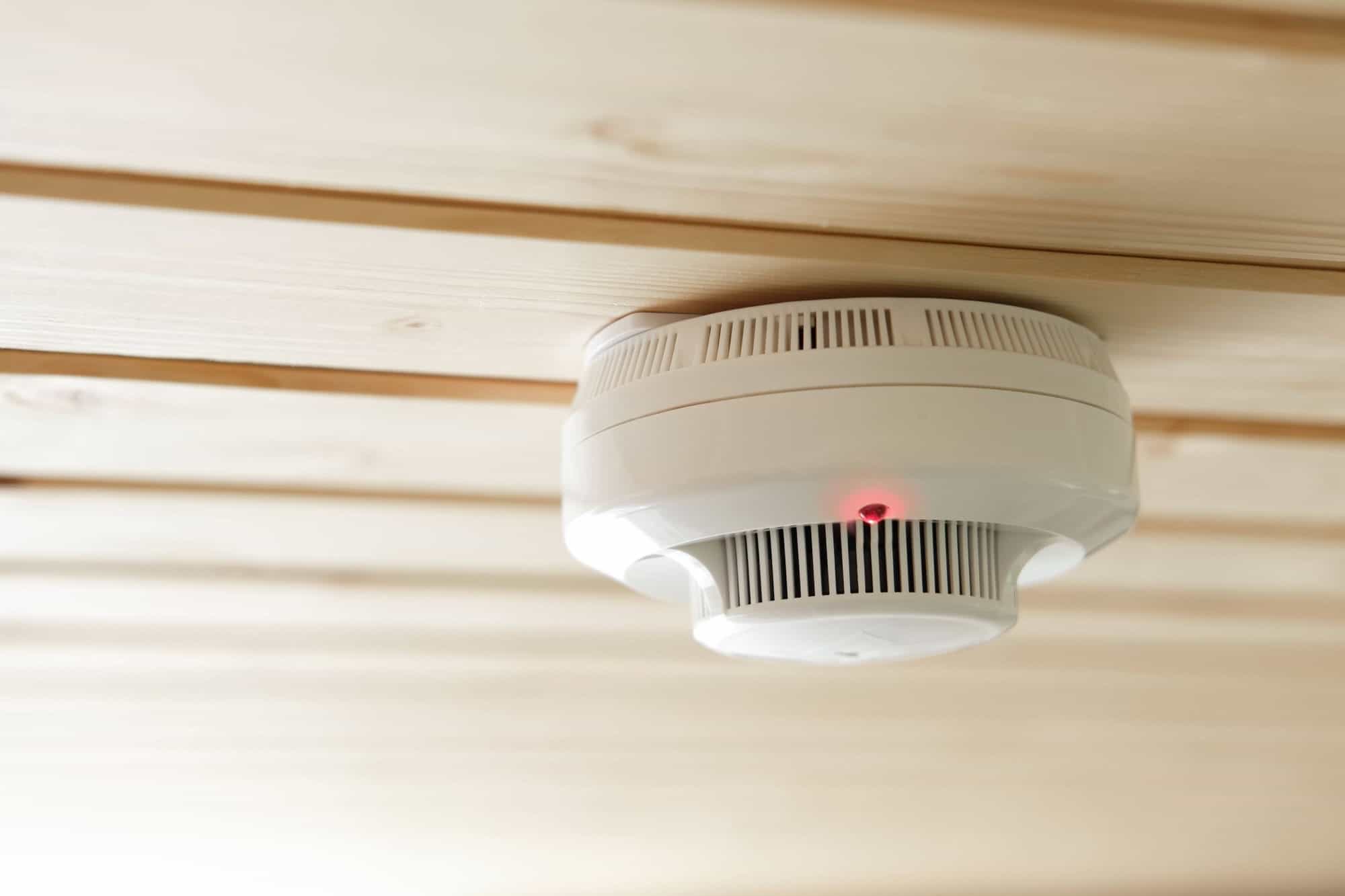
Carbon monoxide scares people, and rightly so. That’s why some people assume placing the CO alarm higher is safer, with the logic being that smoke rises, so CO must too. But that’s not true. CO mixes evenly with air, meaning that leaving your only alarm up top will leave blind spots below. You really don’t want to make this mistake.
Running a portable generator under the awning
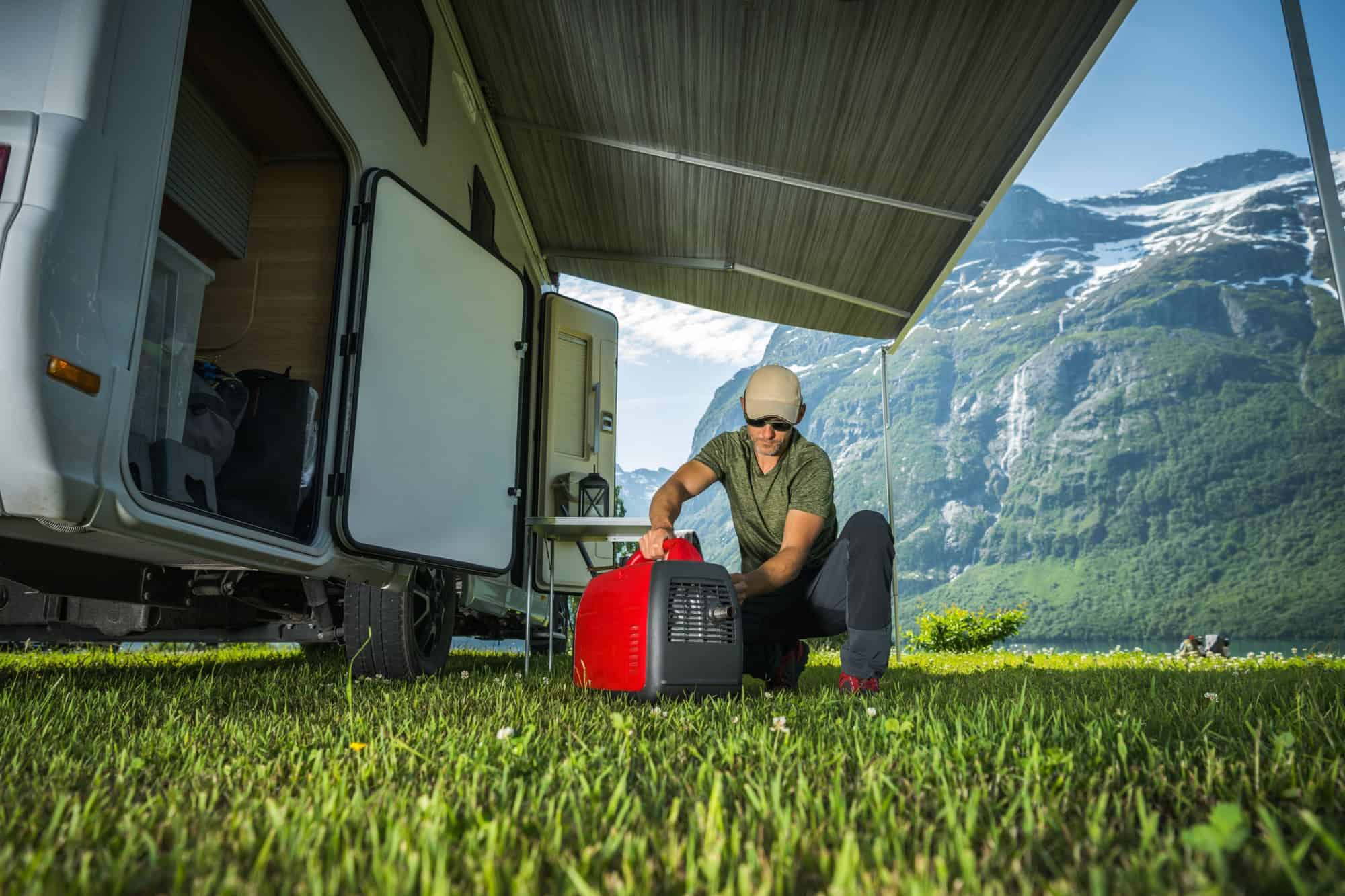
In theory, parking the generator under the awning is smart because it’s shaded & out of the rain. This means there’s less chance of electrical damage. But official safety rules say otherwise, as those fumes can go right back into the RV. You should keep the generator 20 feet away from your RV and never tucked under a cover.
Stashing heavy gear up high to keep floors clear

A wide open floor & neatly packed cabinets look great. And the reasoning feels safe, since you have no trip hazards and everything’s secure. However, putting all the weight up top makes your rig handle worse, and with a higher center of gravity, you’ll feel more sway when towing or cornering. This could lead to serious accidents.
Mixing bleach with vinegar or ammonia to super-sanitize tanks
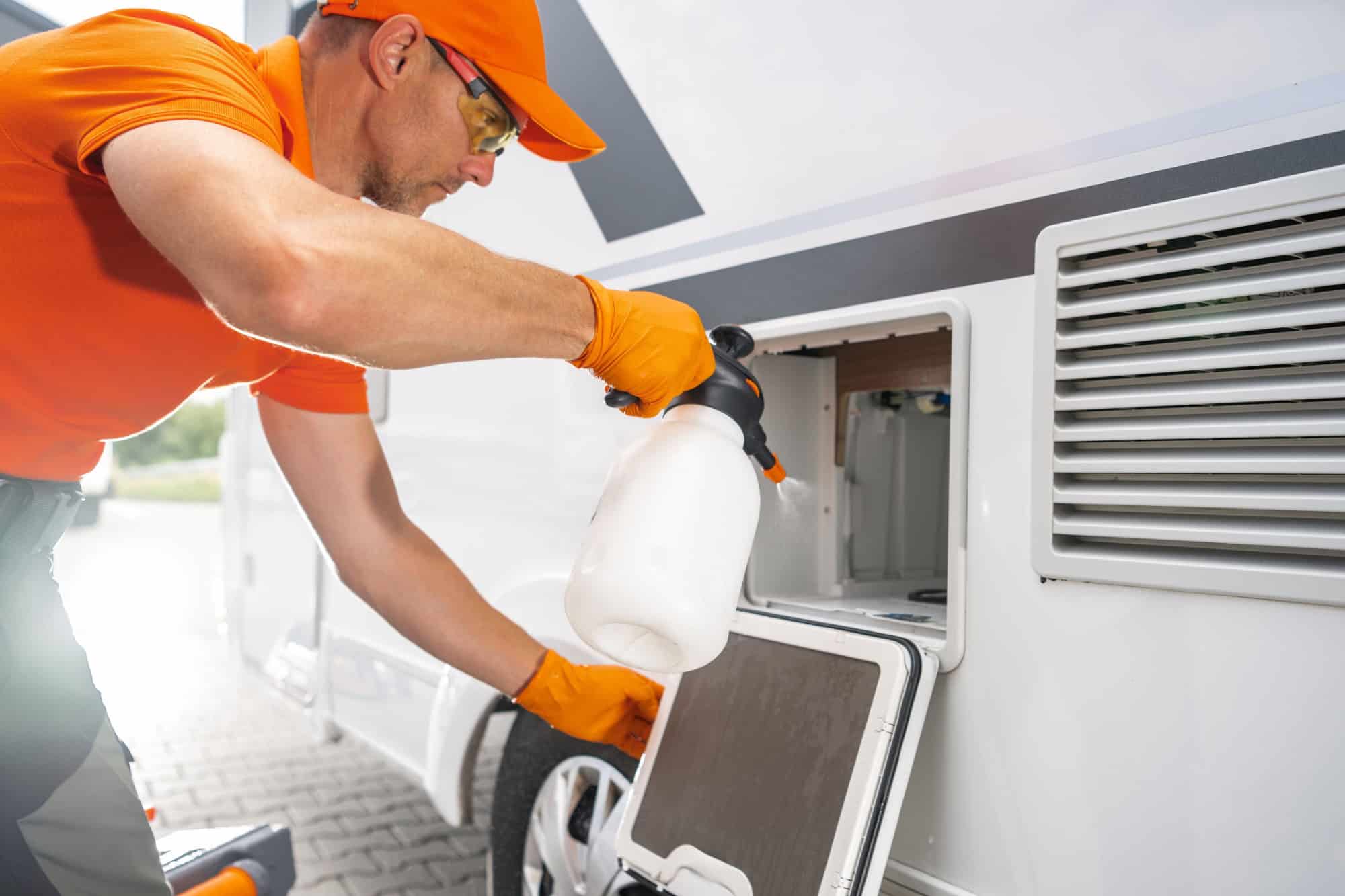
When cleaning water tanks, some RV owners think that mixing cleaners doubles the protection, so they’ll mix bleach with vinegar or ammonia. Unfortunately, chemistry says otherwise. These combinations release toxic gas, and you’re better off sticking with one disinfectant at a time, especially in small RV spaces.
Traveling with full tanks for better stability
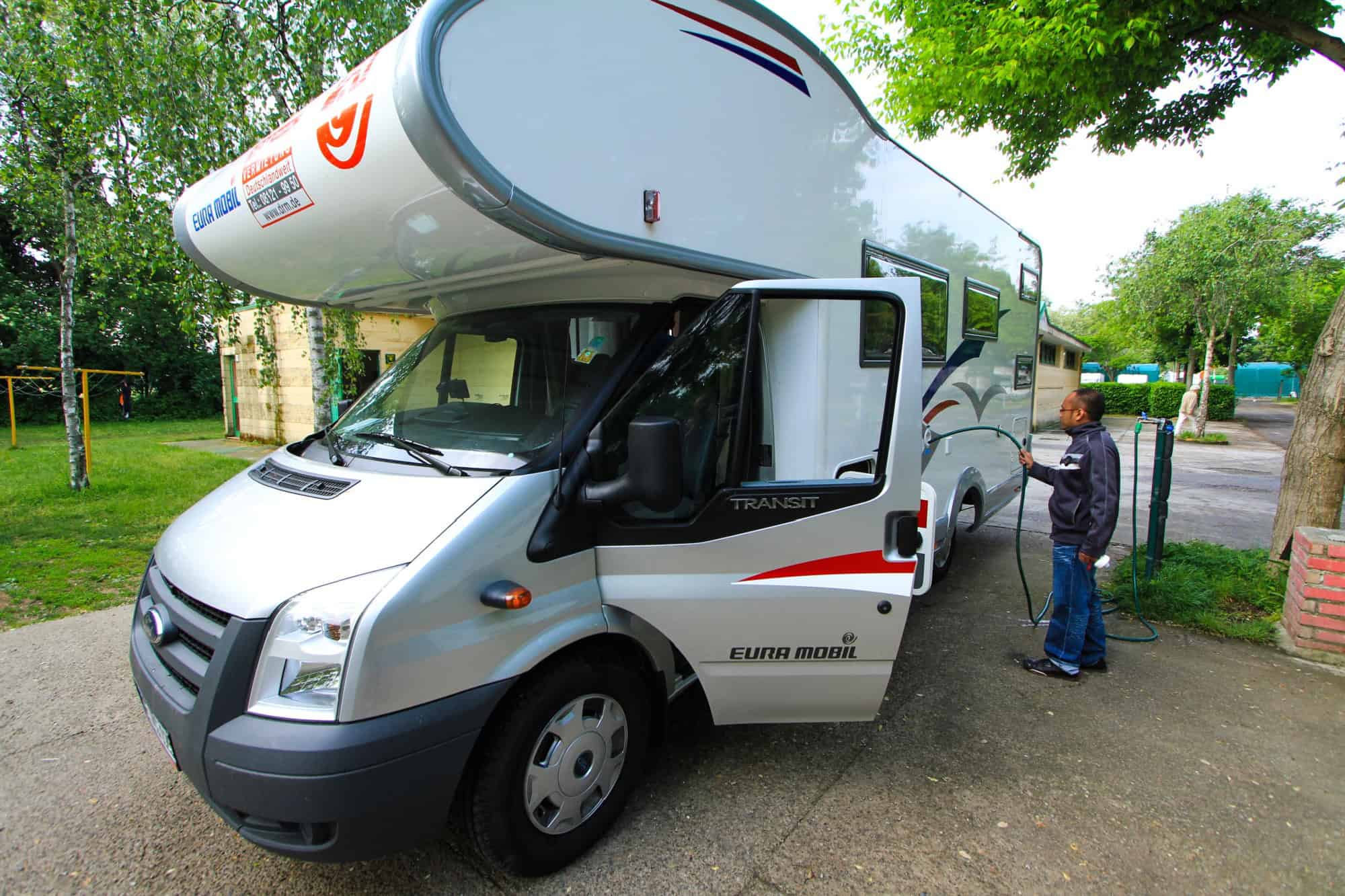
Before hitting the road, many RV owners fill up their tanks, believing that the extra weight keeps the trailer steady. Yet the opposite is true. Sloshing water changes the balance of your vehicle, while the added pounds eat into your weight limits rather quickly. After all, those tanks are meant for camping instead of road ballast.
Leaving the gray tank valve open to prevent backups
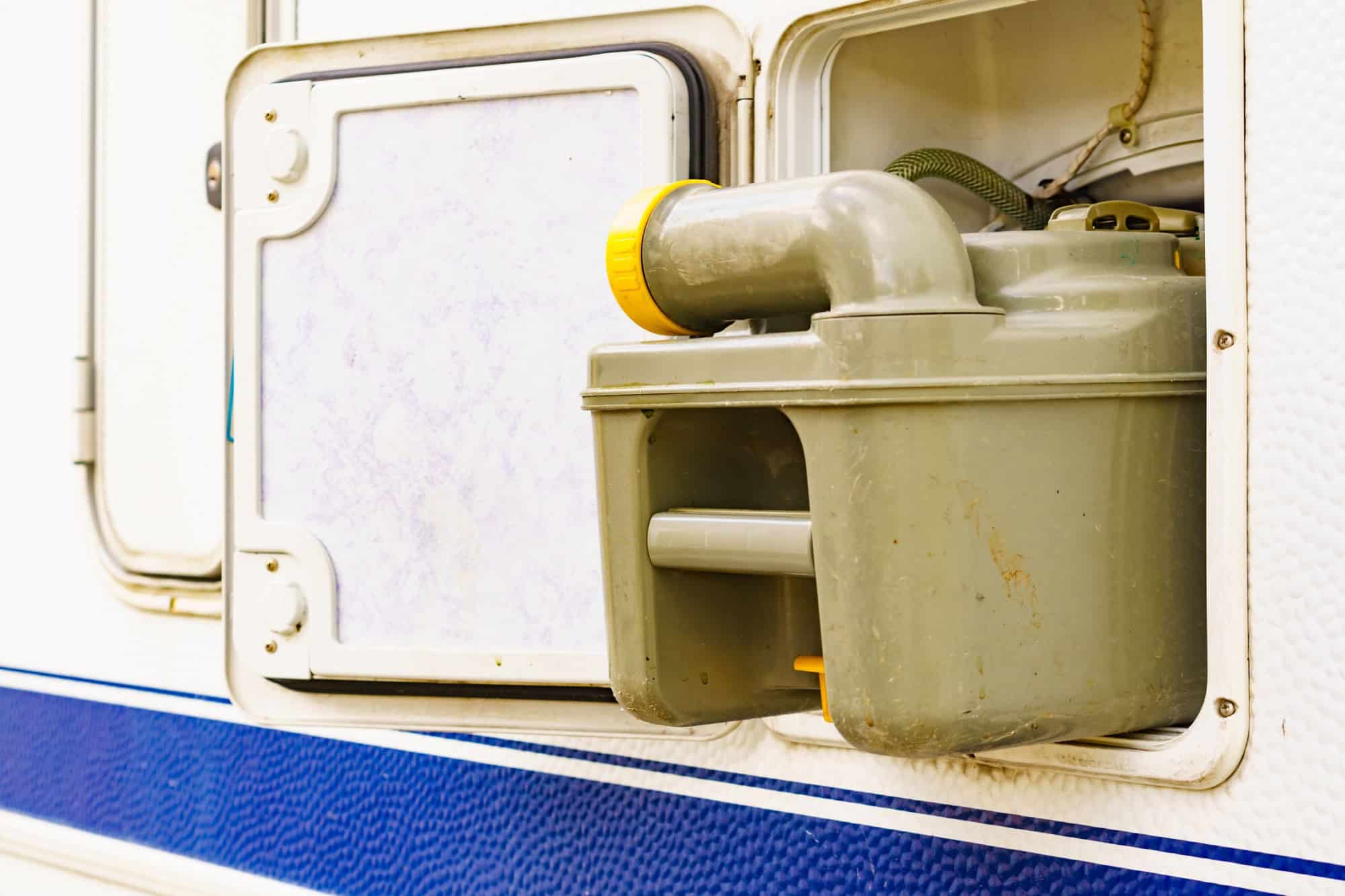
Sure, leaving the gray tank valve open seems like the cleaner option, as it should prevent backups that could cause safety issues. But the problem is that sewer gas may drift back through an open line. Tiny insects have an open path inside, too. You should close the valve until dumping so that you have a flush that actually clears things out.
Turning the trailer brake controller down
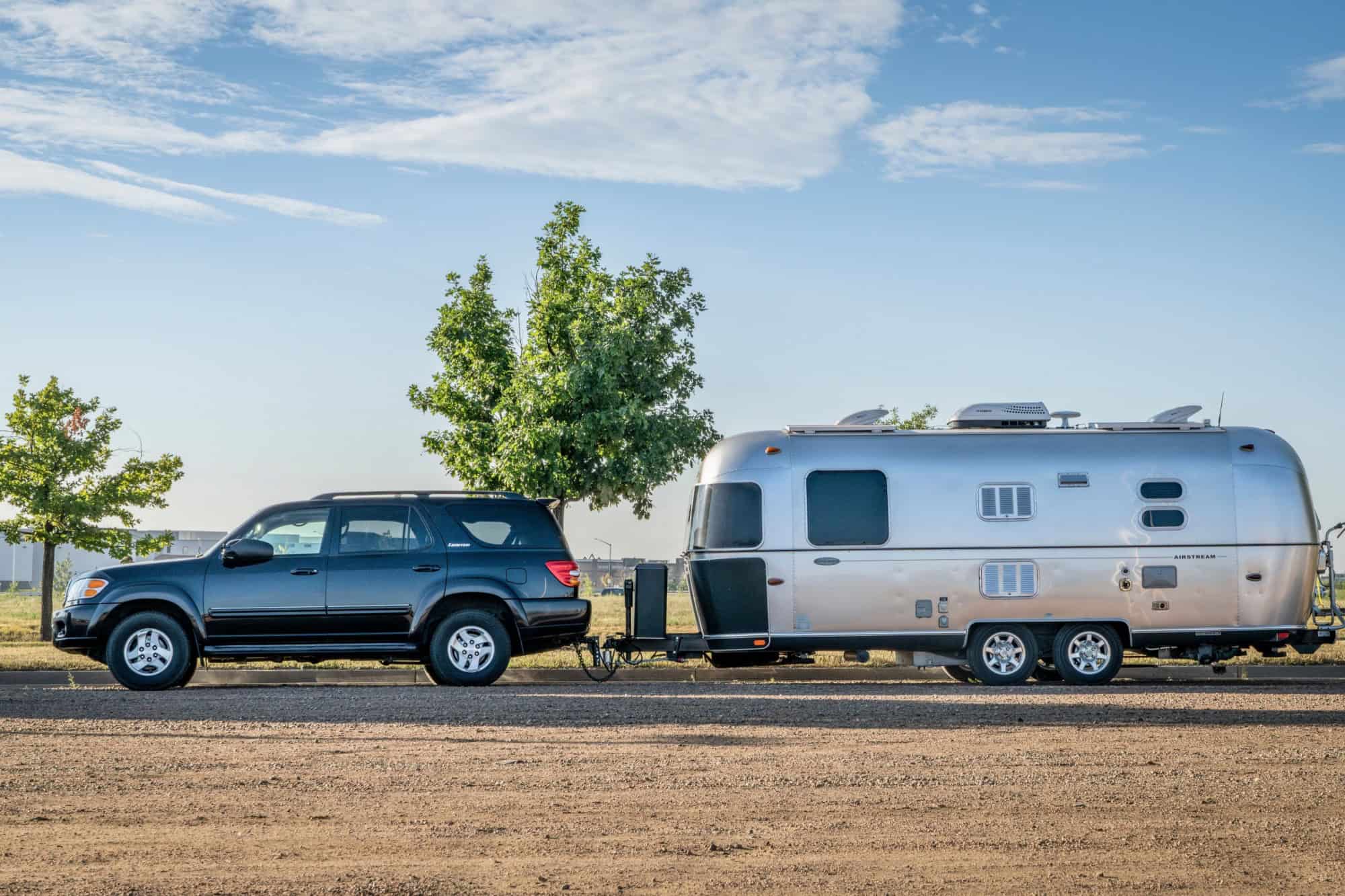
Many RV drivers swear they’re being cautious by dialing the brake controller way down in bad weather, and they’ll say it’s safer because it prevents skidding. Unfortunately, doing so just cuts the braking power the trailer needs. Controllers are designed to be adjusted, but only slightly, and shutting them down is not as safe as you might think.
Carrying spare propane cylinders inside the RV
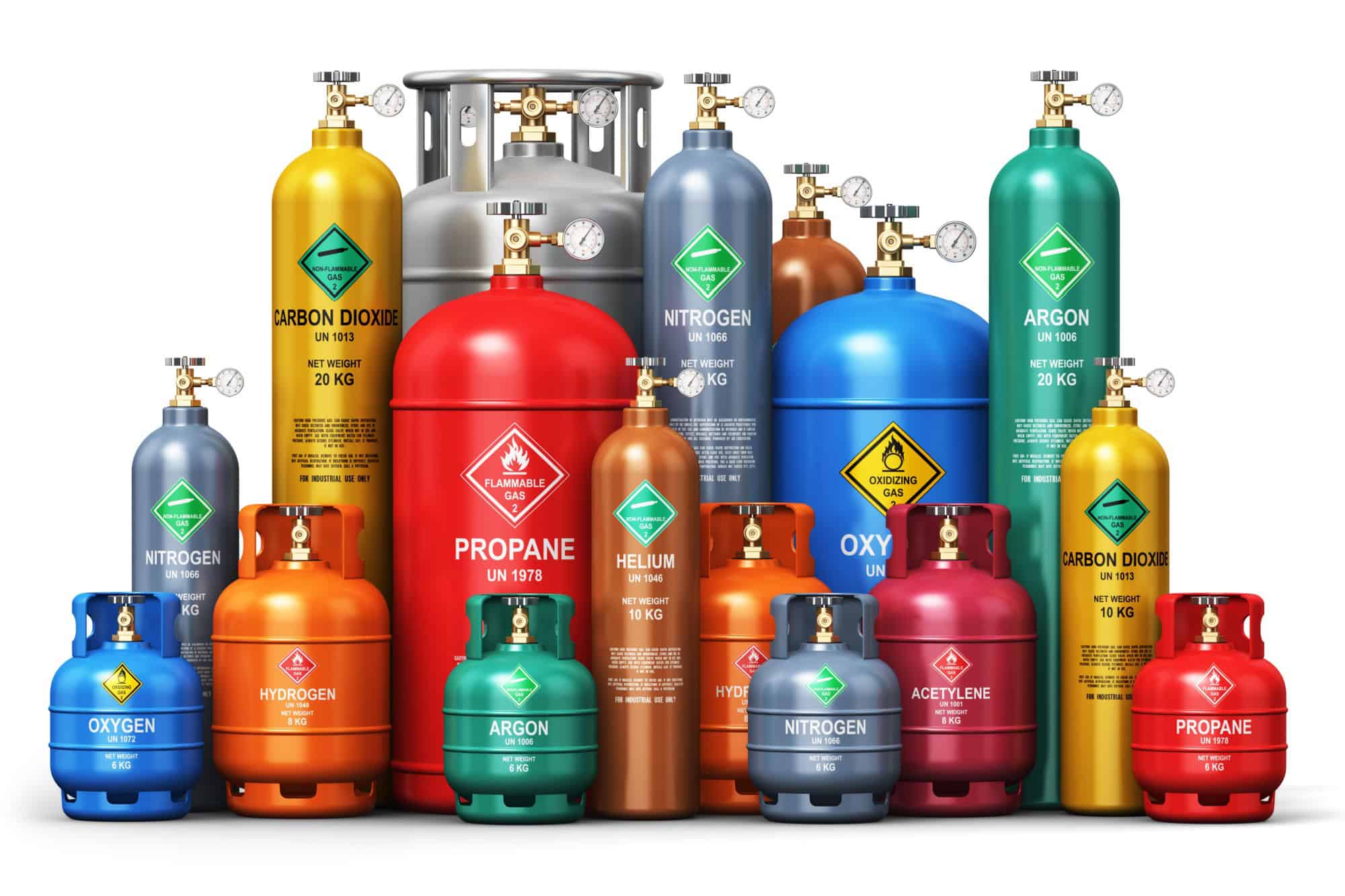
It feels safer to keep propane cylinders inside the rig, as they’re away from weather & strangers. Yet there’s a problem. Any leak inside a closed vehicle creates a flammable gas trap, which is why safety guides say cylinders should be upright & outside. They also need to be vented instead of behind the driver’s seat or under the dinette bench.
Using bungee cords to secure heavy stuff
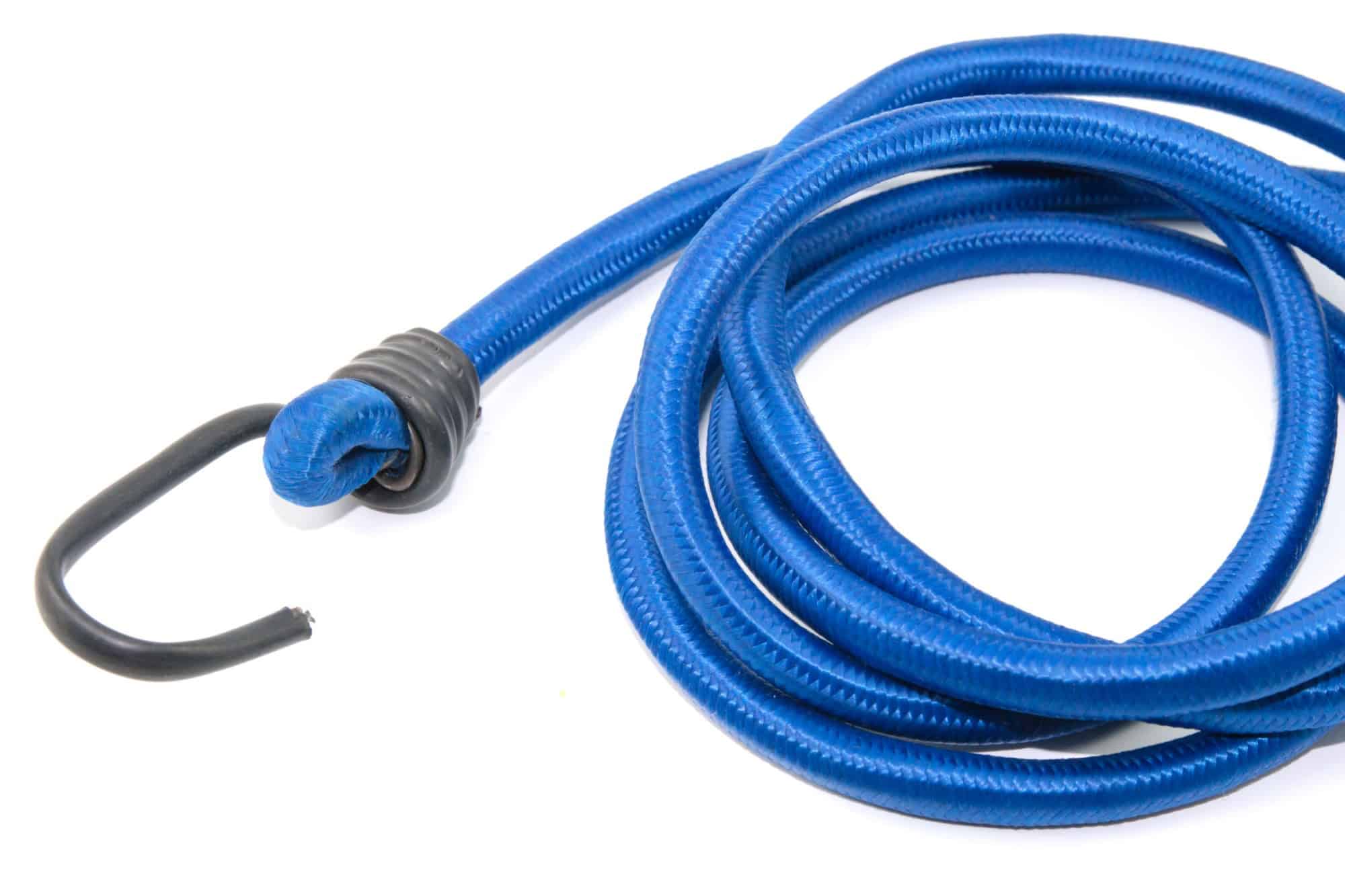
What could be wrong with using bungees across toolboxes & water jugs to lock everything down? Well, a lot. The stretch doesn’t hold when you slam the brakes or hit a pothole, and ratchet straps are the only things built to keep big stuff from moving. You may also want to try using proper tie-downs.
Keeping roof vents wide open while driving
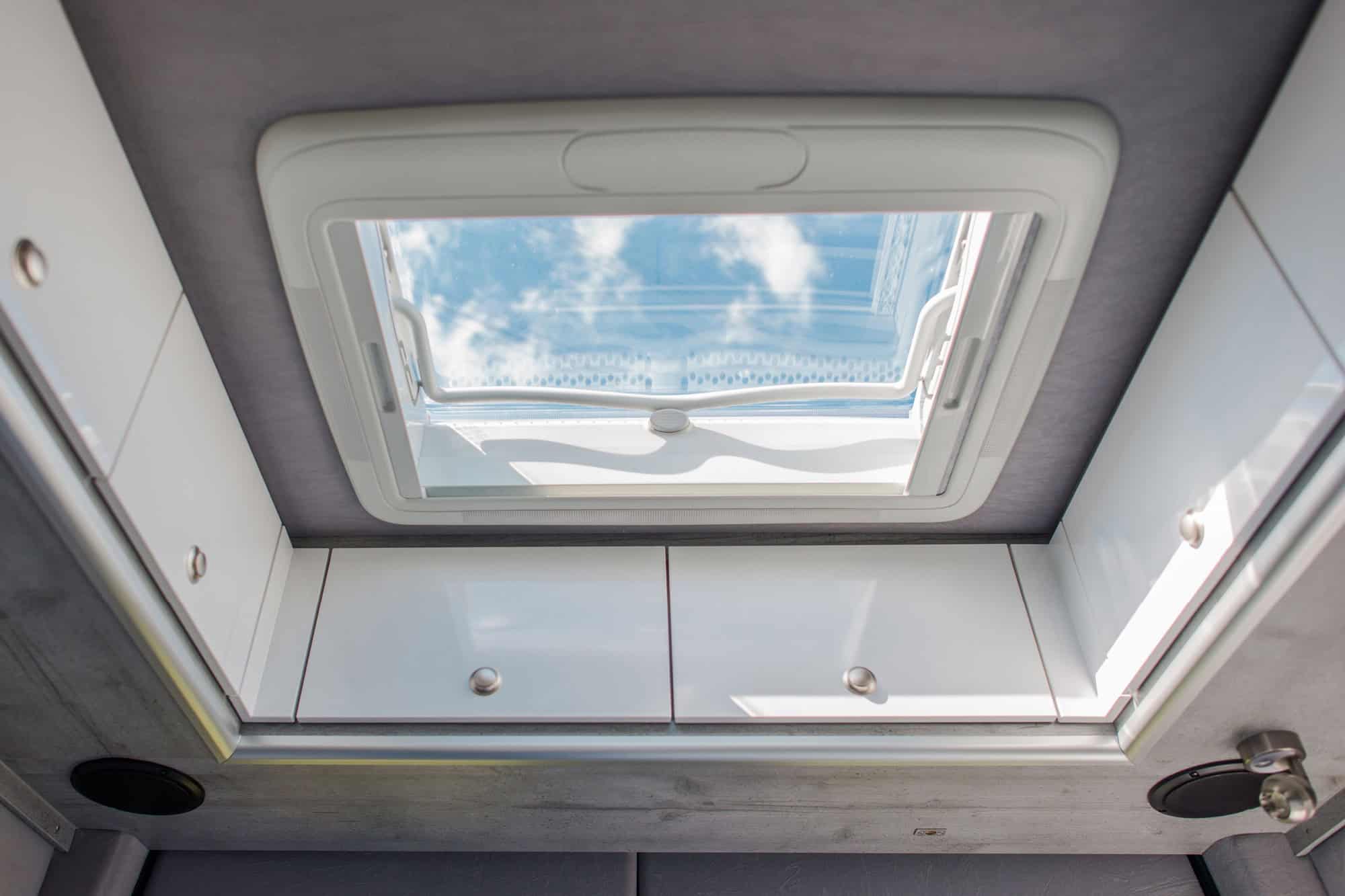
Yes, opening the roof vents on travel days should keep the air moving & prevent fumes. The lids can’t handle the drag at highway speeds, and they’ll rattle or flex. They may even rip right off. For an RV, you should use vent covers for travel when you want airflow because fully open vents on the road will only lead to repairs.
Sources: Please see here for a complete listing of all sources that were consulted in the preparation of this article.
Like our content? Be sure to follow us.