When the War on Drugs began in the 1970s, the government was trying to keep communities safe from drugs by reducing drug use & distribution. They made the laws tougher—and the sentences longer. Sadly, it’s clear that things haven’t gone as planned. Here are twelve ways that the War on Drugs has failed and the negative consequences of this. To many critics, it seems to be a losing war with far too many fatalities.
Featured Image Credit: alfexe /Depositphotos.com.
Prisons Are Bursting at the Seams
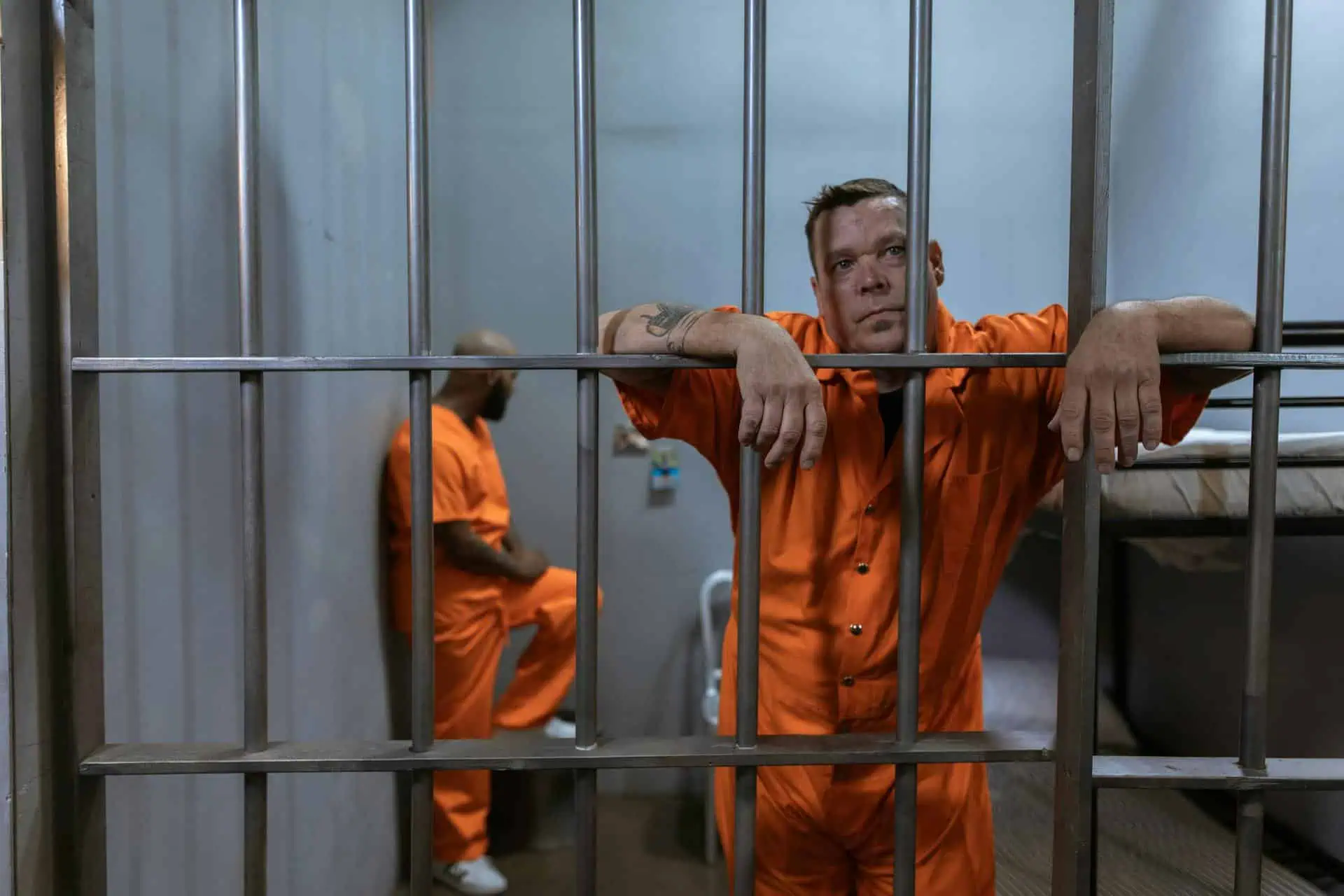
Thanks to strict drug laws, our prisons are packed as a lot of people have been locked up for small-time drug offenses. They are serving sentences that some people argue are more suitable for high-level crimes. Critics question whether throwing people in jail is the right answer to drug use—or whether there’s a better way to help them, like community outreach programs.
Not Everyone’s Treated Equally
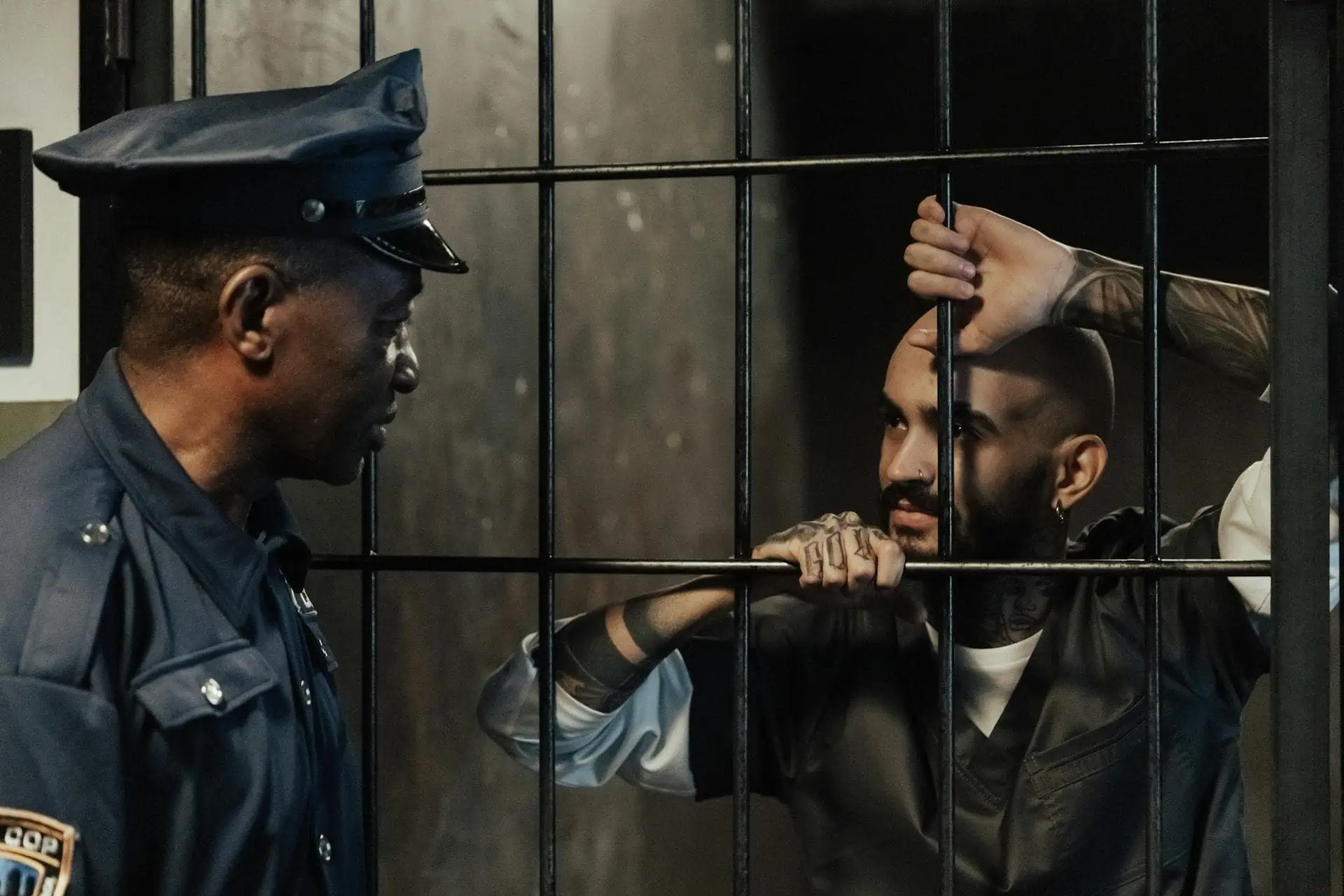
The War on Drugs hasn’t been fair. Even though drug use & addiction don’t discriminate, it’s mostly people from minority communities who are arrested and receive harsher sentences. African-American people, for example, are more likely to be stopped by the police—and therefore caught with drugs more often than white Americans.
Like our content? Be sure to follow us.
Drugs Are Getting Stronger

Ironically, trying to stamp out drugs has made them more potent. Dealers are trying to avoid law enforcement & they’ve made their products stronger by using chemicals like fentanyl—which means they’re also more dangerous. This has led to a terrifying increase in overdoses and deaths. That’s the exact opposite of what the War on Drugs was supposed to achieve.
Synthetic Drugs Are on the Rise

To avoid drug laws, some people have started making synthetic drugs but these are often much more harmful than the “natural” stuff. For example, bath salts are extremely dangerous. Synthetic drugs are usually far more unpredictable, too, creating a whole new set of problems for users.
Public Health Takes a Hit

Since using drugs often gets you in legal trouble, many people are too scared to seek help for addiction. As such, lots of people aren’t getting the support they need to kick their habits and this turns what may be a health issue into a criminal one. It’s a huge barrier to solving the drug crisis.
Cops Are Spread Too Thin

With so much focus on catching drug users & dealers, police forces are stretched thin. As such, they have less time & resources for tackling other crimes, which has made people question whether we should rethink our priorities. Communities may benefit more from having these resources directed toward tackling violent crimes or solving cold cases. To critics, these are far more pressing matters than drug-related crimes.
Our Rights Are Getting Squeezed
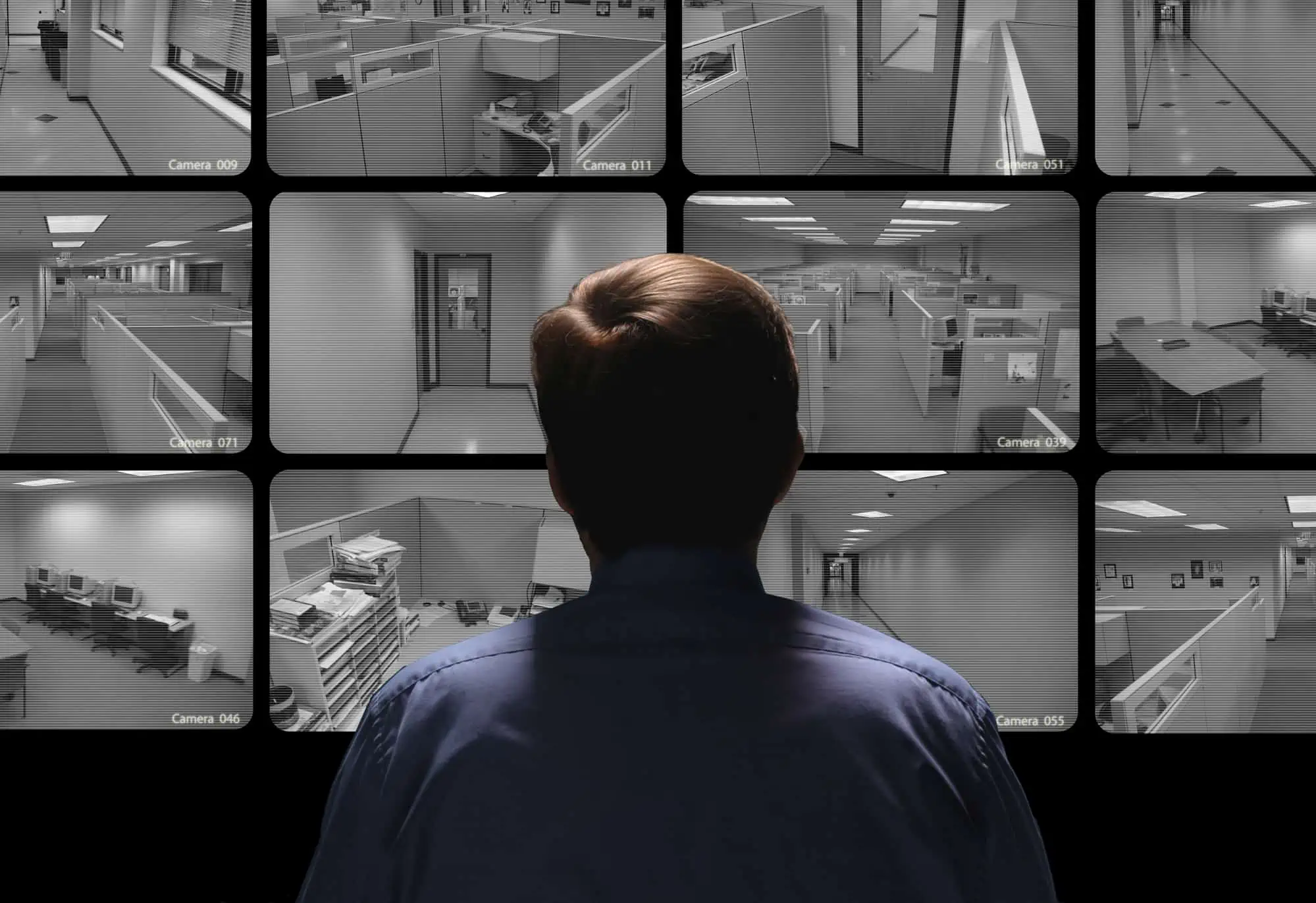
In the rush to fight drugs, some of our basic rights have been pushed aside. For example, no-knock warrants & surveillance without a solid reason have some people worried about their privacy. They argue that we’re sacrificing too much in the name of this war. Nobody wants to live in a world where you’re guilty until proven innocent but that’s the fear many have.
It’s Not Just a Local Problem

The War on Drugs has gone global by influencing countries far beyond our borders. Efforts to stamp out drug production & trafficking in countries like Mexico & Colombia have created violence—not to mention human rights issues. We need to think bigger and work together internationally to find solutions that don’t just push the problem onto someone else’s doorstep.
It’s Costing Us a Fortune

Every year, our government pours billions of dollars into fighting the War on Drugs through police raids, court costs and so much more. Some people argue this money would be better spent on prevention & treatment. They also claim that developing more education programs that tackle the root causes of drug use would help people instead of punishing them.
Drugs Are Still Everywhere
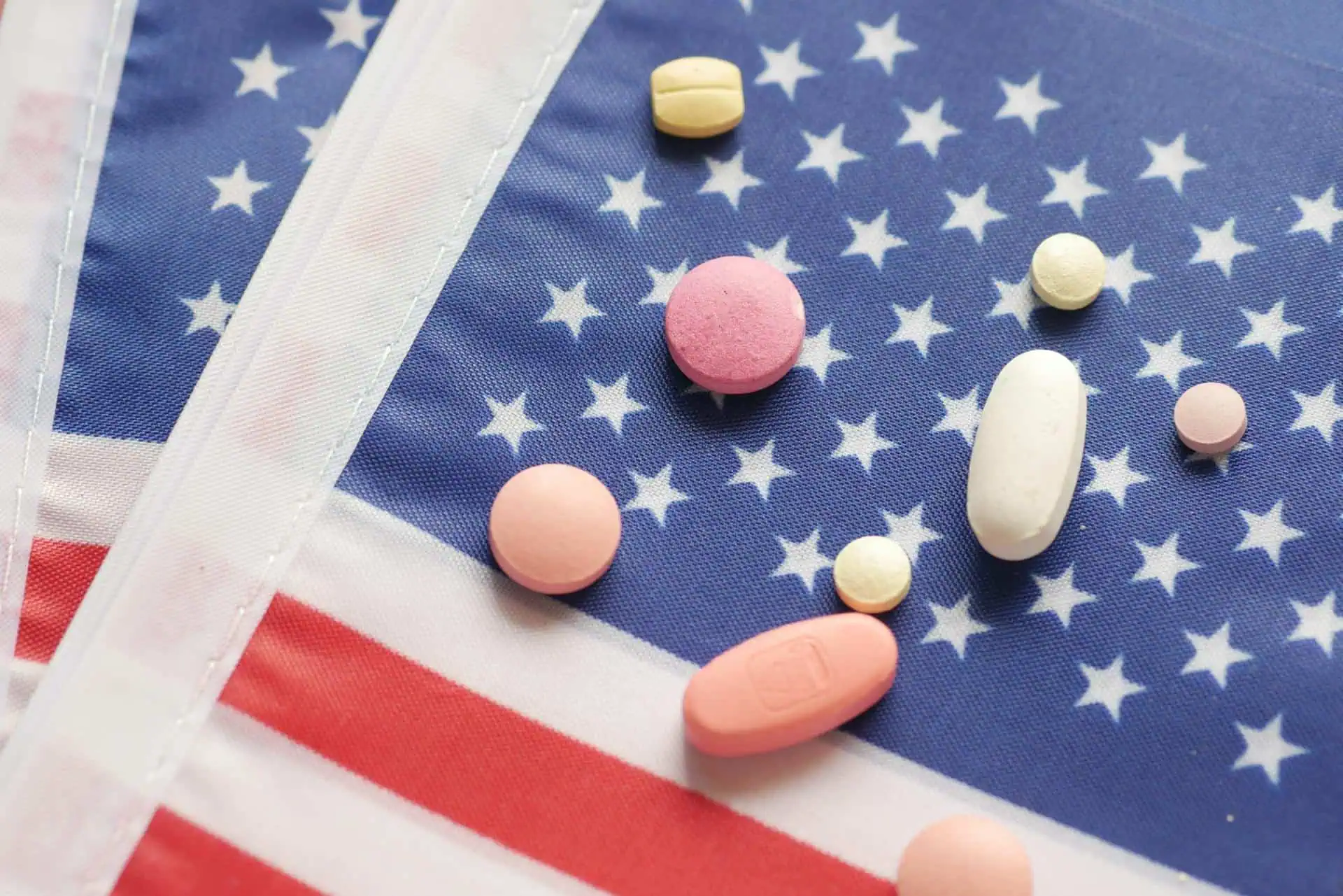
Even with all the effort & money thrown at the problem, illegal drugs are still easy to find. Are we really making any progress? Or is it time to try a different approach? The persistence of the drug market shows that demand isn’t going away and maybe it’s time to rethink our strategy for dealing with it.
Violence Hasn’t Gone Down

The illegal drug trade is connected to violence and the War on Drugs has only made these battles fiercer. This has created unsafe streets—and destabilized communities caught in the crossfire. The cycle of violence seems to have no end in sight, which is why so many people ask if there’s a better way to handle things.
Loss of Trust in Law Enforcement

The War on Drugs’ aggressive tactics have damaged trust between communities and law enforcement. When people see their friends & family members getting locked up for minor drug offenses, they stop seeing the police as protectors. This rift makes it harder for cops to do their job effectively because folks are less likely to cooperate with investigations or report crimes.
Disclaimer: This list is solely the author’s opinion based on research and publicly available information.
Like our content? Be sure to follow us.
Read More: