

Even though the American political system has its good points, lots of us feel that it’s not doing as well as it should. By the people, for the people—but it’s run into a few snags. Here are 13 reasons that show why the American political system needs some TLC. Let’s make things better for everybody!
Featured Image Credit: gints.ivuskans /Depositphotos.com
Electoral College Discrepancies

Sometimes, the person who becomes president isn’t the one who got the most votes from people—that’s thanks to the Electoral College. The system has been around for quite a while to balance things out across states. However, when someone wins the “popular vote” yet misses out on the presidency, you have to wonder if it needs an update.
Campaign Finance

Money talks—especially in politics. After the Citizens United v. FEC ruling, the floodgates opened for businesses & big spenders to pour money into campaigns. As such, those with the deepest pockets can have the loudest voices—so it’s rather difficult for the average Joe or Jane to feel like they’re really being heard.
Like our content? Be sure to follow us.
The Influence of Lobbyists

Likewise, lobbyists have a lot of sway in Washington and it’s not hard to see why. Their promise of support (or opposition) for politicians’ campaigns allows these groups to push their agendas. This is often at the expense of the average American’s needs. While lobbying is a part of how policies get made, the balance seems off when big industries have more say.
Filibuster Abuse
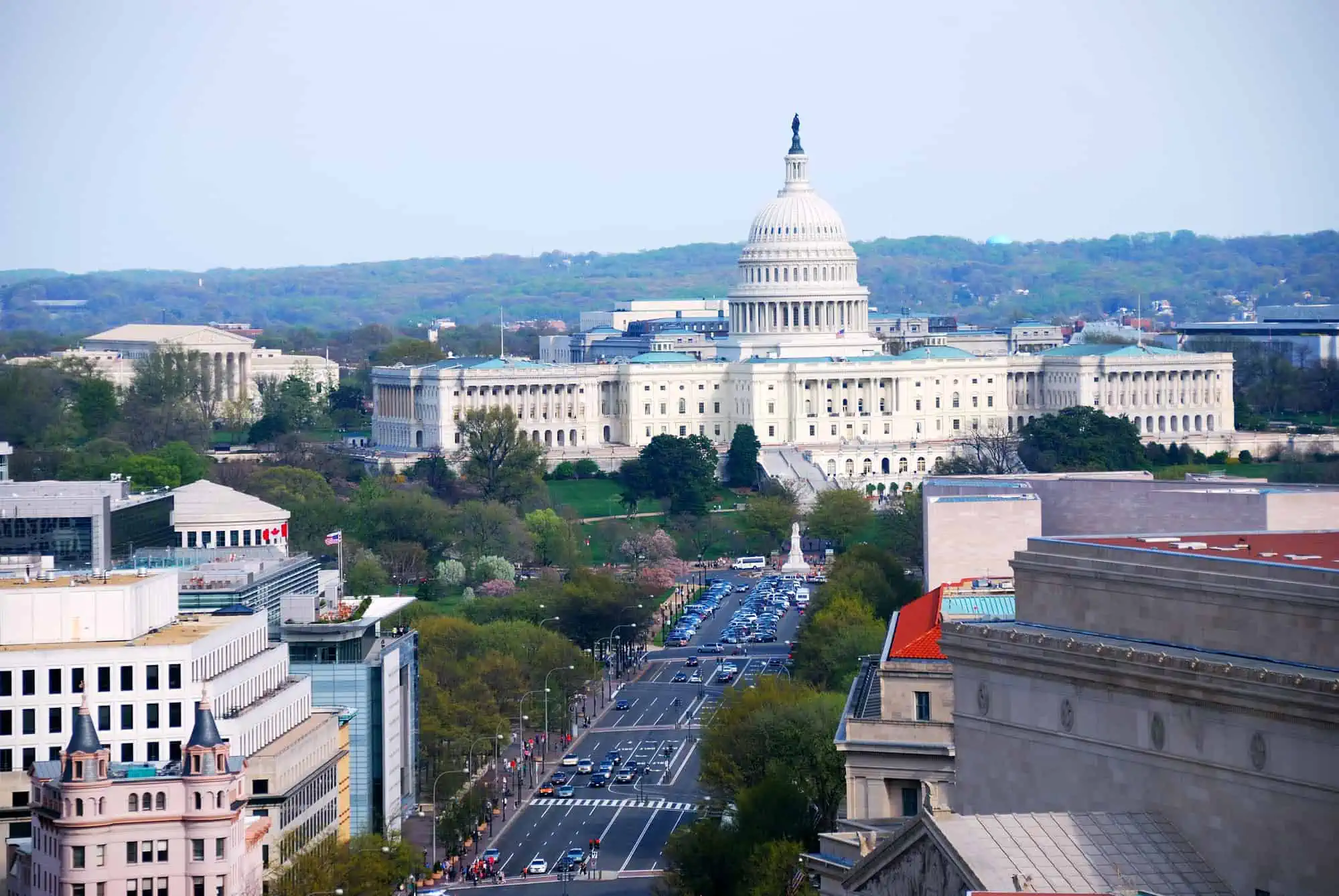
The filibuster is a way of wasting time in the Senate. It allows a small group of senators to drag out debates forever, blocking laws that many people might want. While it’s supposed to encourage discussion, more often than not, it just leads to nothing getting done and politicians making a mockery of democracy.
Hyper-partisanship

People used to disagree without it being a big deal. But these days, you’re either on one team or the other—with no room for middle ground. This “us vs. them” vibe makes it difficult for politicians to work together & get things done while the rest of us are left fighting among each other.
Media Polarization

Finding the truth in the news is much more challenging than it should be. With news outlets often leaning one way or the other, we really don’t know what’s what—or what’s even real. As such, people create their own little bubbles, hearing only what they want to hear. That doesn’t do much to bring us all together.
Judicial Appointments and Partisanship
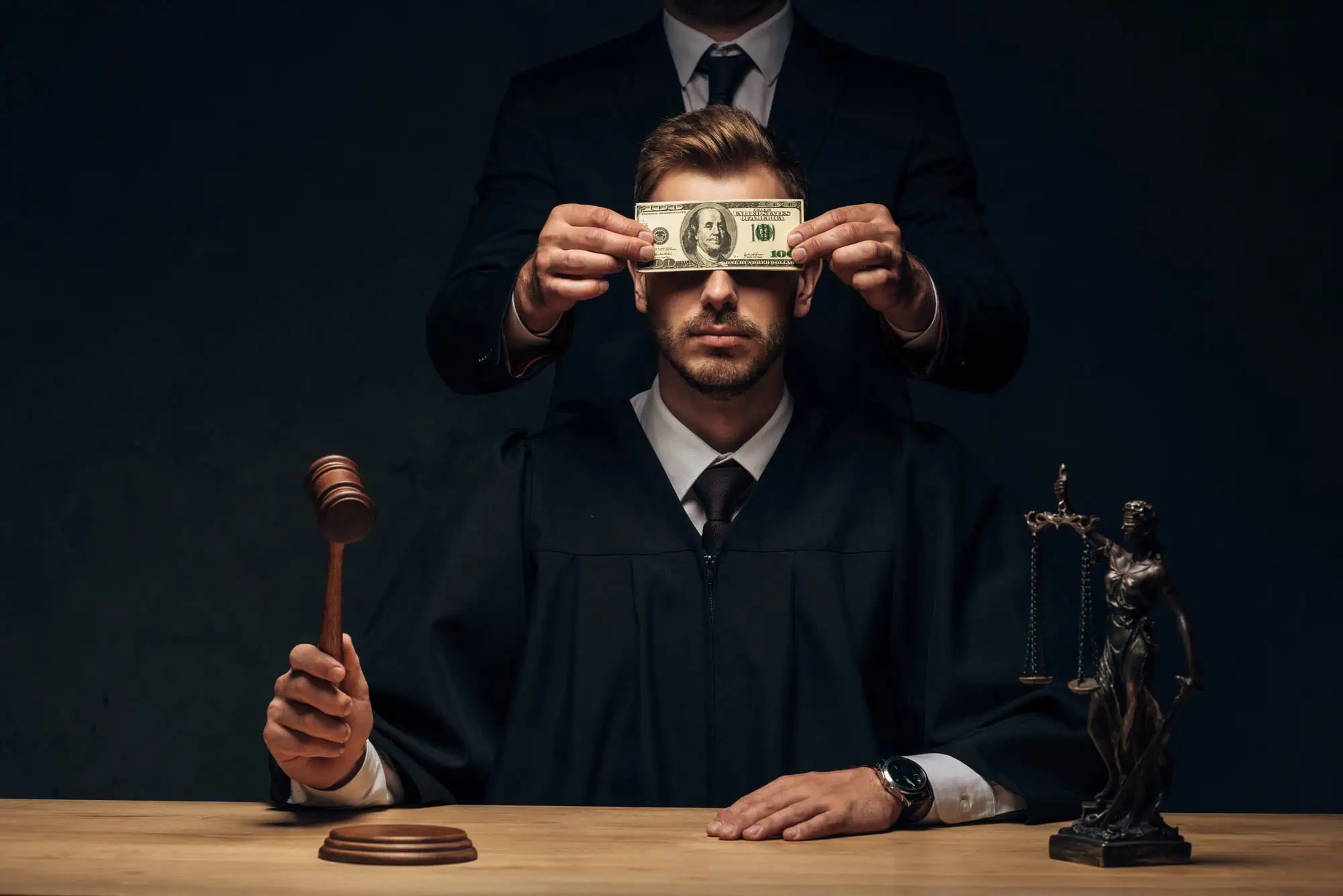
Picking judges should involve fairness over politics yet it has become more of a strategic game. Appointments are made with an eye on swaying the courts one way or another. Naturally, this makes people skeptical about whether justice is really blind—or if it’s looking to see who’s in power.
Legislative Gridlock

It’s natural to feel frustrated at work when nothing seems to get done—now imagine how that feels when it comes to making laws. Constant bickering & stalling prevent important decisions that could help millions from being made. Essentially, it becomes a never-ending tennis match where no one ever scores.
Short-termism in Policymaking

Politics focuses quite a lot on the here & now as opposed to the future, with leaders making quick fixes to win votes. Many of them avoid solving big problems for the long haul. Unfortunately, such short-sightedness just pushes the problems onto the future generations who have to deal with it instead.
Political Dynasties

In American politics, some last names always pop up and that’s because we have a trend of supporting political dynasties. However, our love for these families makes the whole system feel a bit more like a monarchy than a democracy. Are we getting the best people for the job or just the ones with the right connections?
Difficulty of Third-Party Success

It’s incredibly hard for third-party candidates to make a dent in elections in America. Our system is so geared towards Democrats and Republicans that anyone else struggles to get noticed—let alone win. These parties can’t get into debates or receive appropriate media coverage. Most of the time, they’re not even taken seriously.
Lack of Voter Education

Sadly, there’s a huge difference in what people know about how their government works and why it matters. Of course, schools do their best—but there’s so much to cover that basic civics education doesn’t get enough attention. How can we expect voters to make informed decisions when they’re not sure what each branch of government does or how policies affect their daily lives?
Lack of Electoral Reform

You’d think there’d be a rush to make things better—unfortunately not. Attempts to fix problems like gerrymandering or the Electoral College usually hit a wall. Why? Because the people who have the power to actually change things for the better are far too comfortable with the way they are.
Disclaimer: This list is solely the author’s opinion based on research and publicly available information.
Like our content? Be sure to follow us.
Read More:


