
History isn’t always what it seems, even with all the stories we hear about the past. In fact, a lot of the stuff that we hear lacks the complexities that make history so interesting—or people straight up misunderstand some of the details. Here are thirteen things our modern world has gotten wrong. Of course, we’re not trying to point fingers or call out mistakes. Instead, we’re aiming for a fuller picture so use these details to think about the past properly.
Featured Image Credit: luislouro /Depositphotos.com.
Simplification of Complex Events

The French Revolution is a great example of how we tend to simplify complex events. Many people think the French Revolution just involved angry peasants waving pitchforks—it was way more than that! This event was a massive mix of financial crises & power struggles. Let’s not forget all the other radical ideas going around, too. Yet we usually just hear about the guillotine and “Let them eat cake.”
Heroes and Villains

The Wild West wasn’t some epic showdown between good guys in white hats & bad guys in black hats. In fact, it involved European settlers, Native Americans and Mexican ranchers, among others. They were all trying to figure out life in this new place. It wasn’t a strict division between heroes and villains. Yet the gunfights are what we remember!
Like our content? Be sure to follow us.
Overemphasis on Western Perspectives

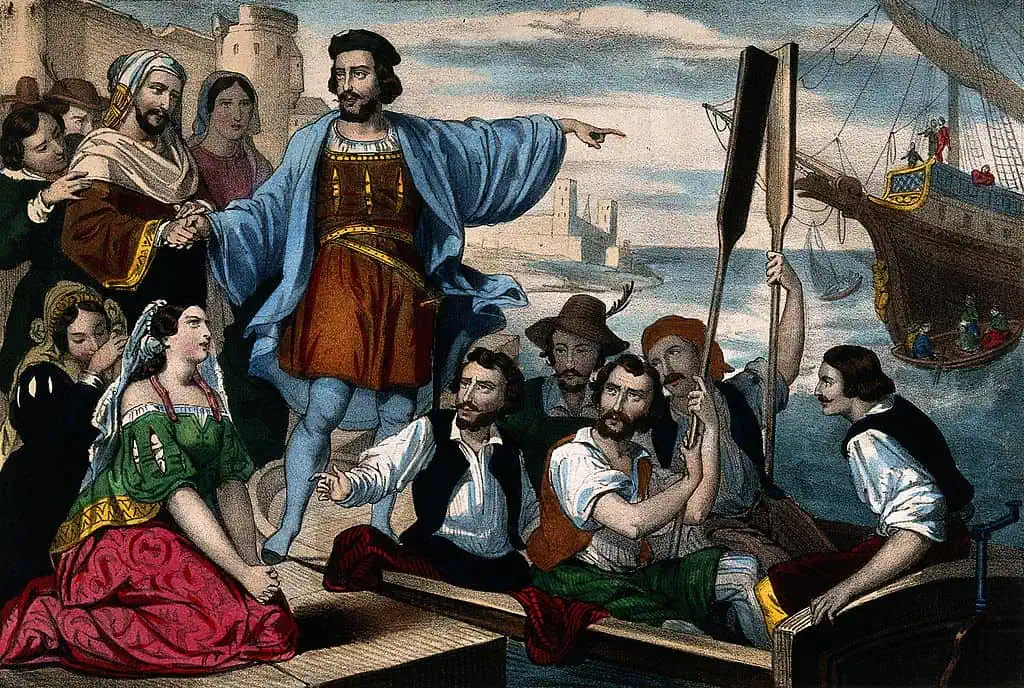
Talking about explorers ‘discovering’ new places misses the fact that there were already people living there. For example, the Vikings were in North America way before Columbus while Polynesian sailors sailed the Pacific long before Europeans showed up. Yet the stories we hear today tend to focus on European adventurers.
Neglect of Indigenous Histories

Likewise, the Australian Frontier Wars involved Indigenous Australians & European settlers clashing for over a century. These conflicts really made Australia what it is today. However, you wouldn’t know it—we rarely talk about them. We really need to pay more attention to the stories of Indigenous people.
Glorification of Conquest and Colonization
People often look at the British Empire as spreading the English language & democracy. But this point of view ignores the not-so-great bits, like how the British Empire exploited people and wiped out cultures. These include the Opium Wars in China & the crackdown on the Mau Mau in Kenya. Sadly, there’s a whole other side to colonization that we don’t always hear about.
Misrepresentation of Historical Relationships
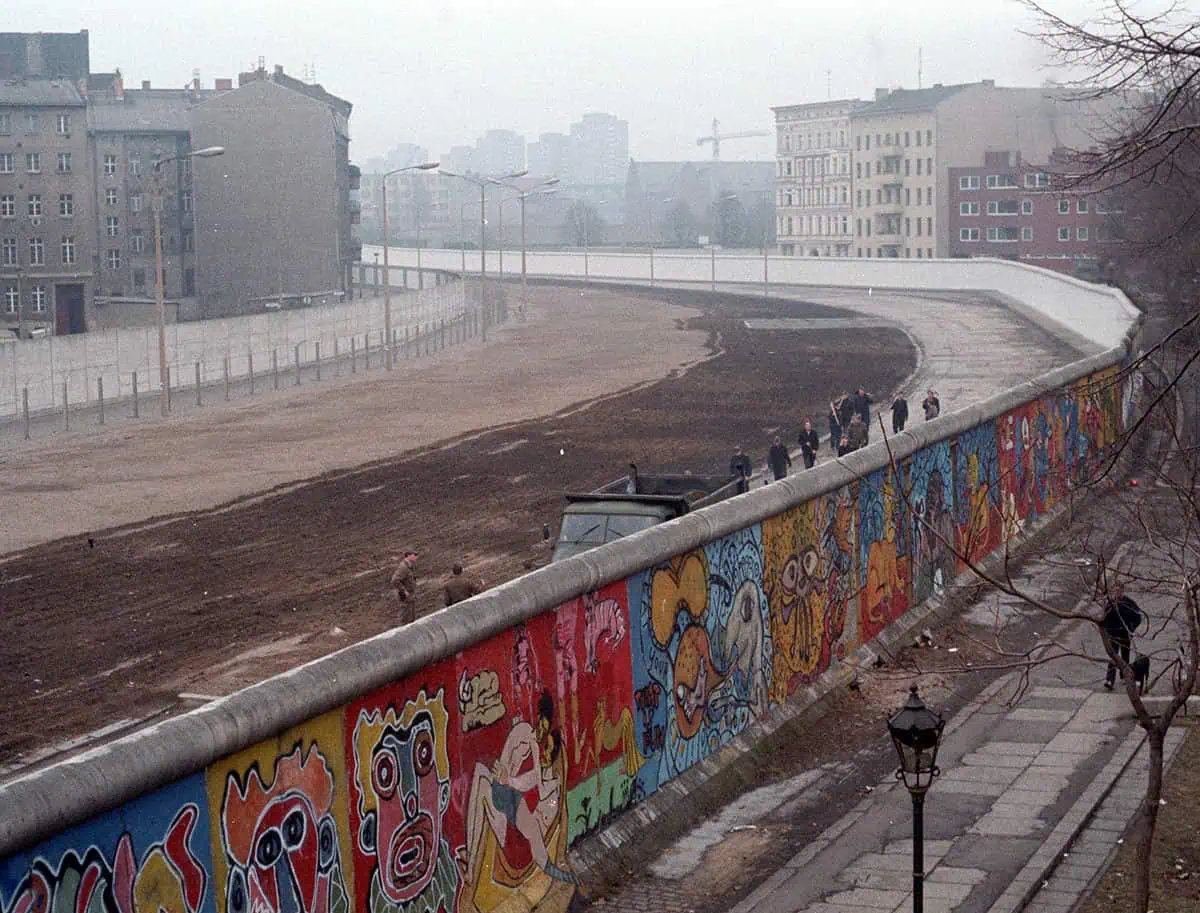
The Cold War is often illustrated as a big face-off between the capitalist West & the communist East, but that’s really simplifying things. However, that ignores the reality of the relationship. It was far more complicated with many more involved— not just the USA & the Soviet Union. It wasn’t simply an us-versus-them deal.
Modern Values Projected onto the Past
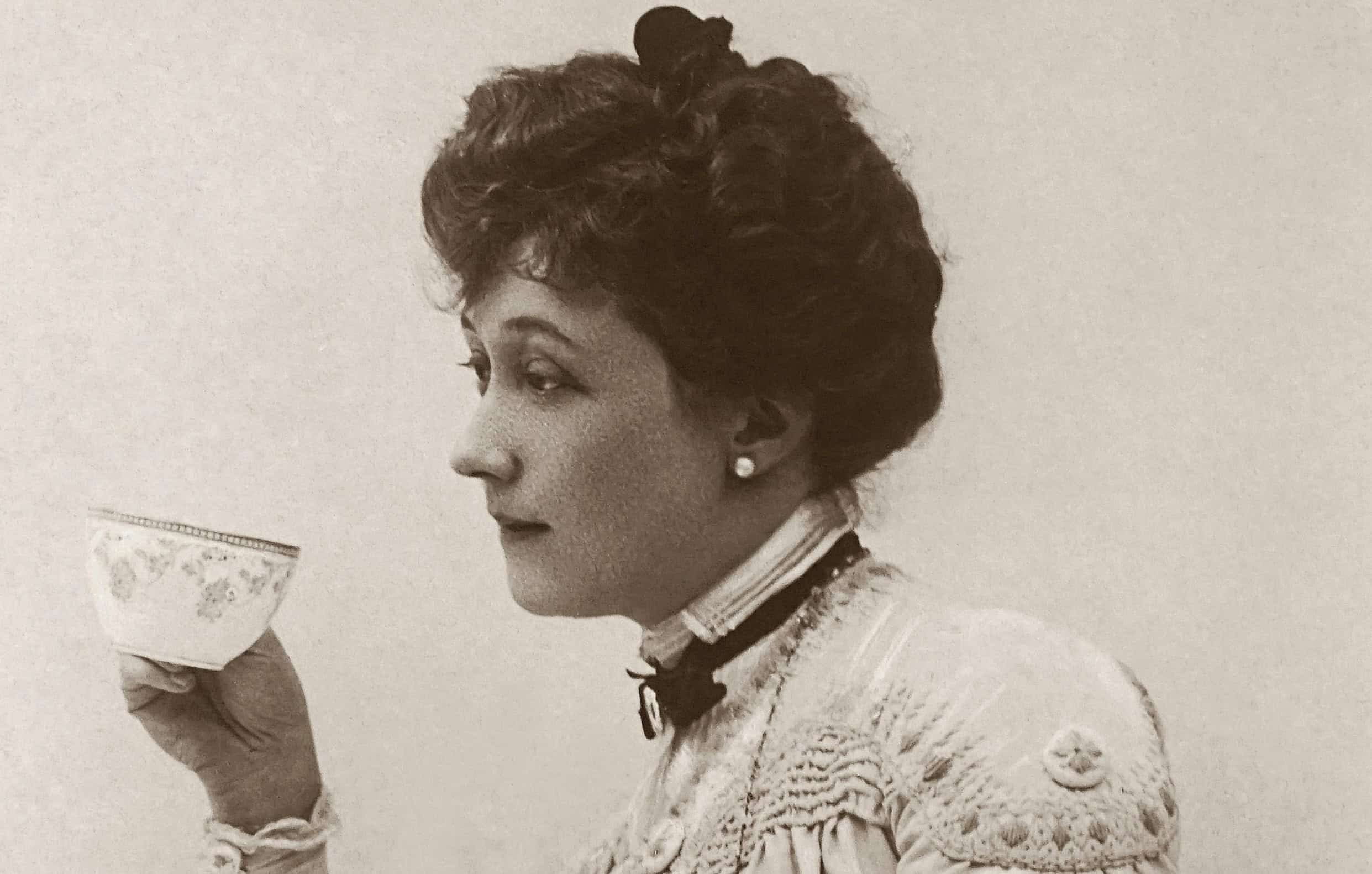
Looking back at Victorian times, you might judge them based on what we think now and especially about gender & sexuality. Yet that’s not fair. Just like us, their whole worldviews were affected by the science, religion and social changes of their day. They were living in a completely different world—that context matters.
Selective Memory and Commemoration
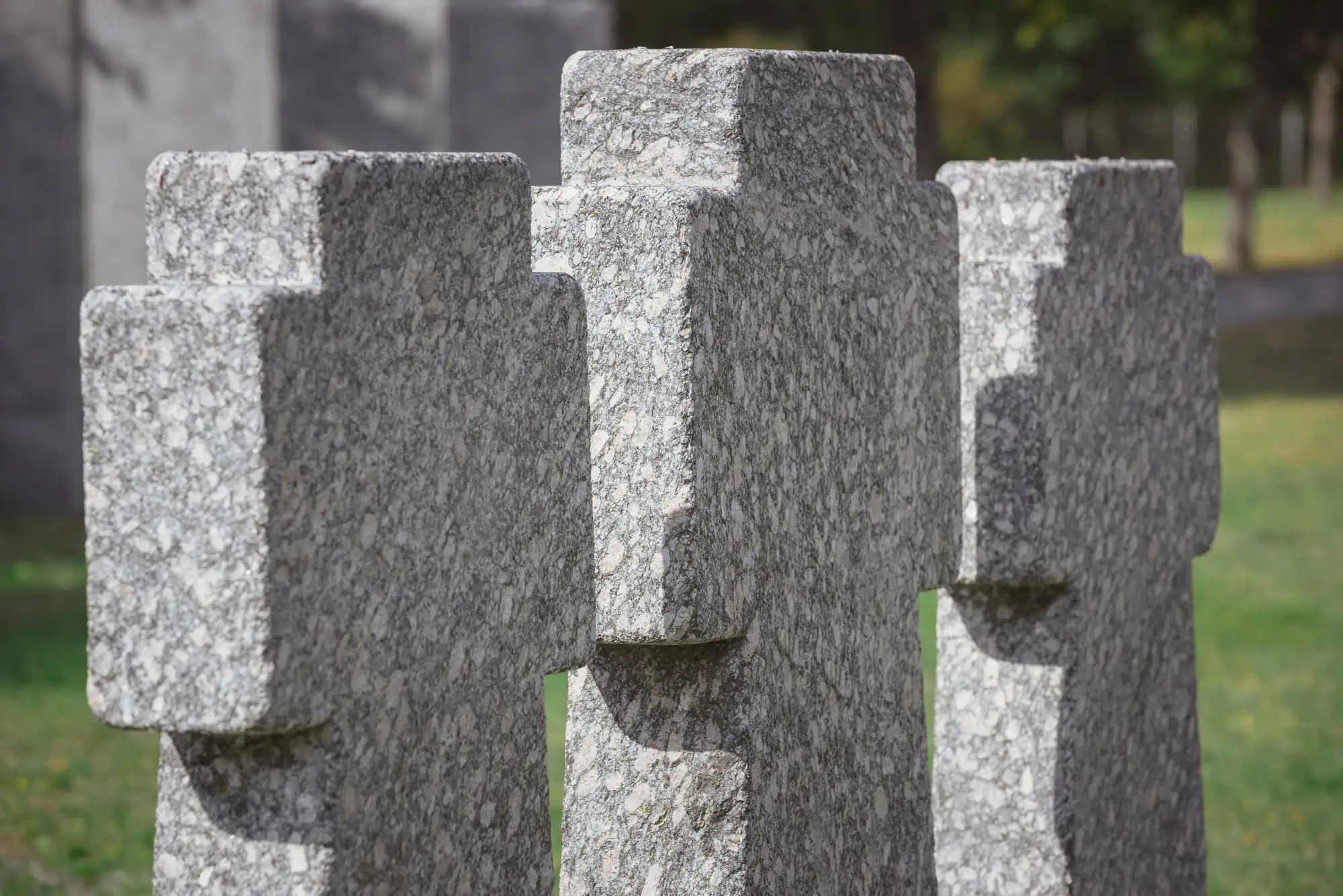
Of course, World War I memorials are great at honoring the bravery & sacrifice of those who fought. But sometimes, they don’t quite capture the full picture. For example, they don’t show us the truly questionable decisions that the people in charge made that led us to that point. Instead, we need to acknowledge the full extent of the tragedy. There are also lessons that we need to learn.
Inaccurate Portrayals in Media and Entertainment

“Braveheart” really went to town with the story of William Wallace & the Scottish fight for independence. While it’s fun to watch, it does take some rather significant liberties with the facts. The real story had a lot more political maneuvering! As such, we should remember that movies don’t always give us the real version of historical events.
Oversimplification of Causes and Effects

Despite what you’ve heard, the Great Depression didn’t simply involve the stock market crashing one day and everything going downhill from there. It was actually the result of many things going wrong. These included bad economic policies & international debt issues. When a historical event happens, we should never boil it down to just one event.
Ignoring the Role of Women and Minorities

Women and minority activists played huge roles in the Civil Rights Movement. For example, people like Rosa Parks & the Women’s Political Council were right there in the thick of it. Unfortunately, we tend to focus on certain figures when looking at history. Doing so ignores how much effort it took to fight for change.
Mythologizing Historical Events
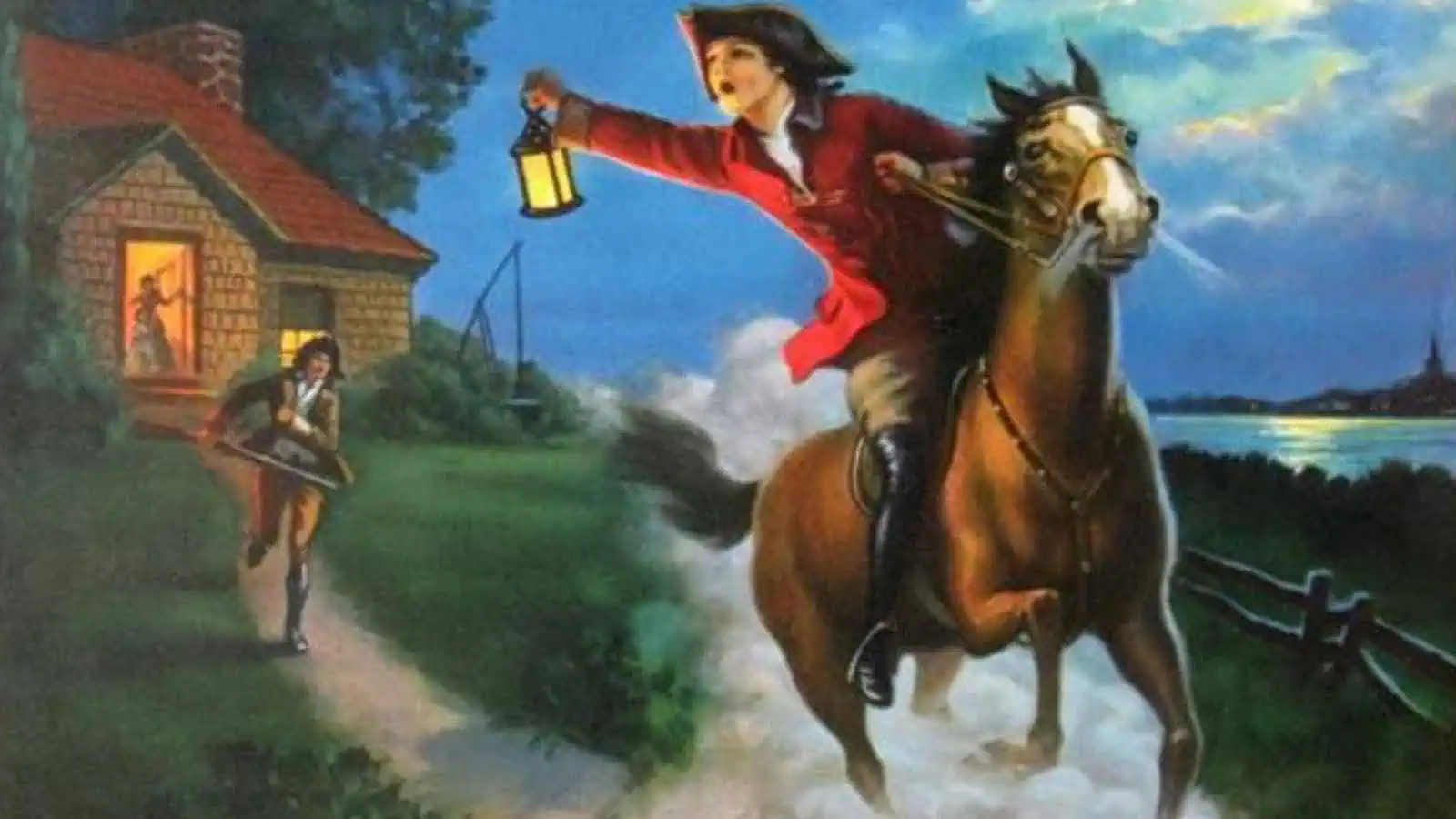
Yes, Paul Revere’s midnight ride is legendary—but the guy wasn’t out there all by himself. He was part of a bigger network of messengers all working to spread the word about the British. Turning historical events into myths in this way isn’t helpful. In fact, it makes us focus on people like Revere while ignoring the many other people who were involved.
Failure to Acknowledge Historical Revisionism

In history books, you’ll often see people talking about the Reconstruction era after the Civil War as a time of failure & conflict. However, there were some real wins during this period including the first public schools and big political gains for African Americans. We need to give credit to these achievements and the pushback that tried to roll them back. If we don’t, then we’re not getting the full story of what actually happened.
Disclaimer: This list is solely the author’s opinion based on research and publicly available information.
Like our content? Be sure to follow us.
Read More: