

Retirement has evolved significantly in the last 40 years. So how does it look different now than it did then? For some, it’s full of possibilities, longer lives & more leisure. For some, it’s a struggle, working around finances and increasing living expenses. Although some things have clearly become better – others have become trickier. Here’s the good, the bad and the real ugly about how retirement now compares to four decades ago.
Featured Image Credit: Goodluz /Depositphotos.com.
The Good: Longer Life Expectancy

Nowadays, people are living longer and staying healthier into old age. Medical progress also means that retirees can treat chronic conditions more easily – or simply avoid them. For people 40 years ago, 70 or 75 meant the end of the road. Nowadays, 80 or 90 is more common – retirees have extra years to live. It’s a sort of second chapter to indulge in hobbies, hang out with grandkids, or take that big vacation they never took.
The Good: Flexible Work Options

Retirement is no longer about leaving your job and sitting on the porch. Many retired people take the odd job, go freelance or consult — not because they have to, but because they want to keep busy. It keeps the brain sharp and adds a little bit of cash to the bank account. 40 years ago, retirement was something of a hard-stop, and older people were discouraged from working.
Like our content? Be sure to follow us.
The Good: Access to Better Financial Tools

Retirees now have many different ways to manage their money, from investments apps to diversified retirement accounts such as 401(k)s and Roth IRAs. Pensions, which were the primary form of retirement income four decades ago, gave few options to choose from. It is now possible to personalize a person’s financial strategy according to their needs & expectations – it just takes a little more effort.
The Good: Technology for Staying Connected

Earlier, calling relatives or friends meant writing letters, or waiting for the Sunday evening phone call, when long distance calls were cheaper. Retirees can now video-chat with their grandkids, participate in online communities, and even train for jobs through YouTube or virtual classes. With the internet came the possibilities for staying connected and entertained that retirees back in the 80s could never imagine.
The Good: More Travel Opportunities

Travel is cheaper and easier now than it was 40 years ago. For retirees, cheap flights, online hotel bookings and even solo journeys are safe. And there is always the luxury of time off to travel after retiring. Earlier in the ‘80s, travelling cost more, and people took a big vacation once in a lifetime – that too if they were lucky.
The Bad: Decline of Pensions

Do you remember when employers offered pensions with a guaranteed paycheck for life after you retired? Those days are mostly gone. Retirees today need 401(k)s or individual savings accounts, which aren’t always predictable. It’s good to have more control – but it also means more stress because if the market drops or you don’t save up enough, then you have a problem.
The Bad: Rising Cost of Living

Everything costs more these days. Whether it’s food, a house or perhaps healthcare – retirement savings doesn’t always go quite far. Even small expenses pile up fast – it’s more difficult to enjoy retirement without constantly having money problems. Things were cheaper 40 years ago and money got you very far.
The Bad: Uncertainty Around Social Security
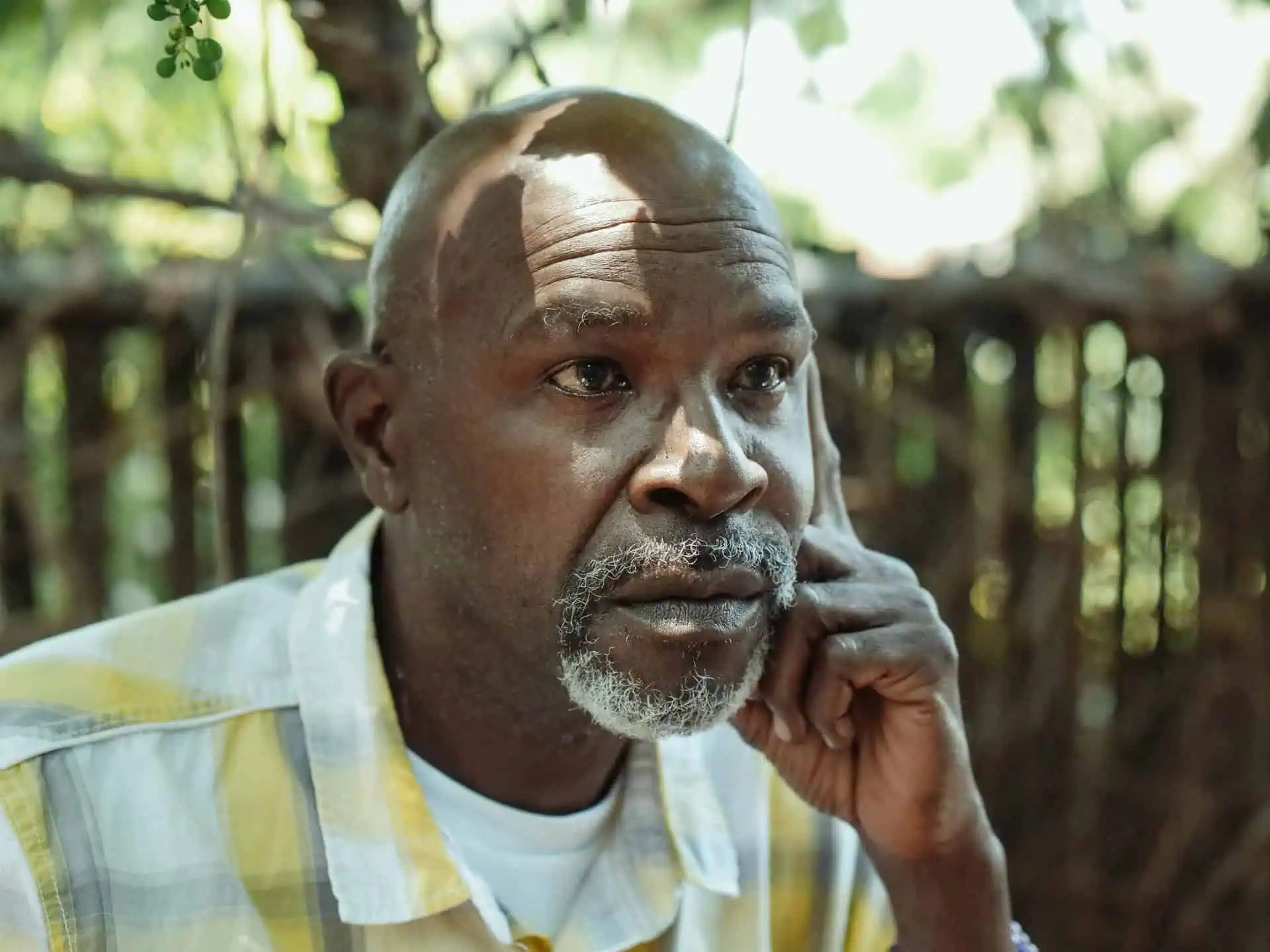
Social Security was once a safety net you could count on, but now it’s more of a question mark. With reports of cuts and system overhauls, many retirees are not even sure it will last. Everything felt more secure forty years ago, and you didn’t worry as much whether it would last.
The Ugly: Outliving Savings

This is the catch of living long — you will probably run out of money. In the ‘80s, people were not living as long, so their nest egg didn’t have to extend as far. With retirees today living 20 or 30 years after retirement, there’s a real danger of running out of money. This is a frightening truth and something that requires extreme planning.
The Bad: Isolation and Loneliness

With families growing more fragmented, retirees often don’t have much time with their children and grandchildren. In the 1980s, family members often stayed in the same town or even the same house, so there was built-in social interaction. Nowadays, retirees are very lonely, especially if they don’t have a large network of friends.
Disclaimer: This list is solely the author’s opinion based on research and publicly available information.
Like our content? Be sure to follow us.
Read More: